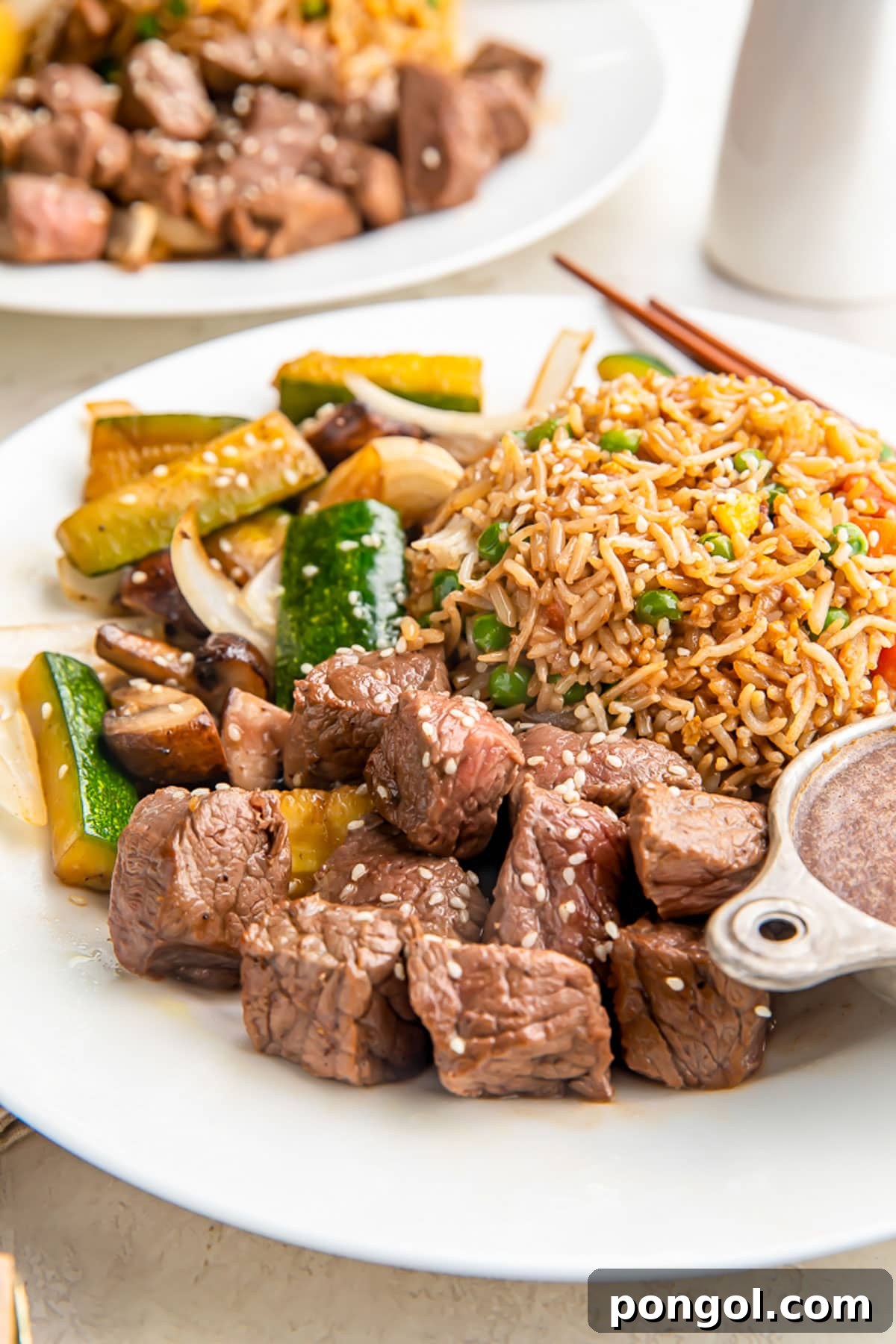
Craving that sizzling, savory hibachi steak dinner with fluffy fried rice and tender vegetables, just like your favorite Japanese restaurant? Look no further! This comprehensive guide empowers you to recreate the magic of hibachi in your own kitchen. Our recipe for hibachi steak, perfectly complemented by a rich ginger sauce, delivers an authentic dining experience right to your home, making it the perfect way to satisfy your Asian food cravings with quality ingredients and incredible flavor.
Mastering Authentic Japanese Hibachi Steak at Home
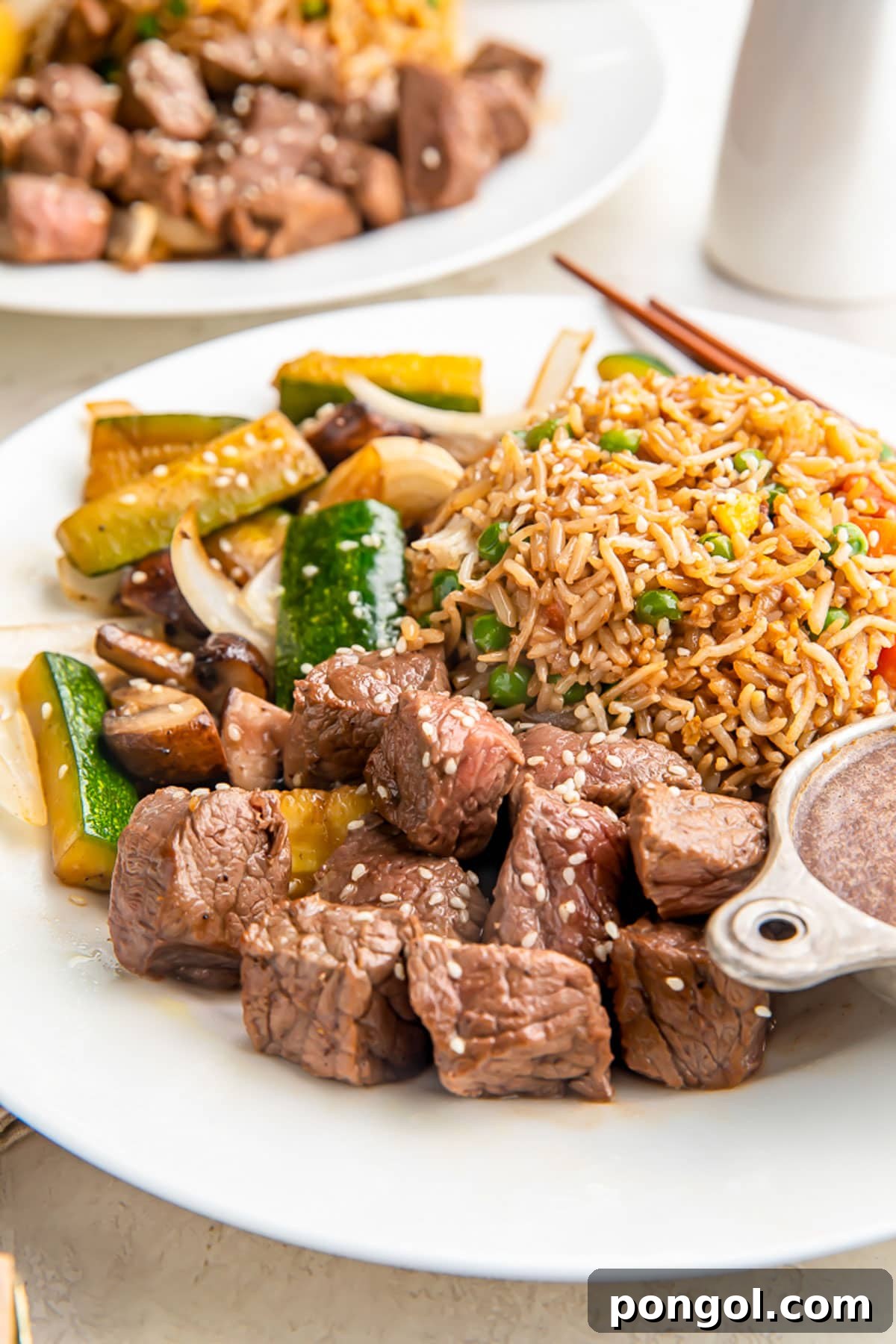
Imagine the aroma of sizzling steak and garlic-infused rice filling your kitchen. The beauty of hibachi cuisine lies in its simplicity and the freshness of its ingredients, yet many believe it’s a dish best left to professional chefs with their theatrical flairs. This recipe demystifies the process, breaking down each component into easy, manageable steps. You don’t need a teppanyaki grill or an onion volcano (unless you’re feeling exceptionally ambitious!) to achieve that coveted restaurant-quality taste. Our homemade hibachi steak recipe focuses on maximizing flavor with minimal fuss, ensuring every bite transports you to your favorite Japanese steakhouse.
From the tender, bite-sized pieces of steak seared to perfection, to the savory fried rice loaded with peas, carrots, and scrambled egg, and the crisp-tender medley of sautéed onions, mushrooms, and zucchini – every element is designed to harmonize. The crowning glory is a bright, zesty ginger sauce that adds an irresistible umami kick, tying the entire meal together. Get ready to impress your family and friends with this incredible homemade hibachi dinner that’s both satisfying and surprisingly straightforward to prepare.
What Makes This Homemade Hibachi Recipe So Special?
This isn’t just another recipe; it’s your ticket to a truly exceptional dining experience without ever leaving your house. Here’s why this hibachi steak, fried rice, and vegetable combo stands out:
- Authentic Restaurant Flavor, Simplified: This recipe delivers a full restaurant-quality hibachi steak dinner that will remind you of your most cherished Japanese dining experiences. We focus on authentic ingredients and techniques to capture the rich, savory, and slightly sweet flavor profile that makes hibachi so beloved. The steak is incredibly rich and juicy, cooked to your preference, while the fried rice is perfectly seasoned and packed with vibrant peas, carrots, and fluffy scrambled eggs. Complementing this, tender sautéed onions, mushrooms, and zucchini provide a delightful textural contrast. The meal is finished with an incredible ginger sauce, adding a layer of tangy and savory umami that truly elevates every component.
- Surprisingly Easy to Master: Don’t let the multiple components intimidate you. Despite yielding a complex and satisfying meal, this recipe is truly so easy, even for total novices in the kitchen. The preparation is designed for efficiency, with the steak and veggies cooking simultaneously in separate pans, minimizing active cooking time. Each step is clear and straightforward, making the process enjoyable and stress-free. With a little organization, you’ll be amazed at how quickly you can bring this impressive dinner to the table.
- Perfect for Meal Prep: One of the standout features of this hibachi steak dinner is its versatility for meal planning. I absolutely love to make hibachi steak for meal prep lunches, because everything holds up beautifully in the refrigerator and reheats even better. The flavors deepen overnight, making leftovers a highly anticipated treat. For easy meal prep, simply divide the steak, fried rice, and sautéed vegetables evenly among your preferred meal prep containers. Store them in the refrigerator until you’re ready to eat. While reheating on the stovetop is recommended for the best texture, a microwave works perfectly well in a pinch. Pro tip: add a tiny sprinkle of water to the rice before microwaving. This creates a bit of steam, helping the rice stay moist and fluffy instead of drying out and becoming crunchy.
More Delicious Hibachi-Style Recipes to Explore
If you love the flavors of hibachi, you’ll be thrilled to know that this culinary style can be applied to various proteins. Expand your homemade hibachi repertoire with these equally delicious variations:
- Hibachi Chicken with Fried Rice and Vegetables
- Hibachi Shrimp with Veggies and Fried Rice
- Teriyaki Sesame Salmon Hibachi with Fried Rice and Vegetables
- Whole30 Hibachi Chicken and Veggies with Cauliflower Fried Rice and Mustard Sauce
Expert Chef’s Tips for Perfect Hibachi Steak and Sides
Achieving hibachi perfection at home involves a few key techniques. Follow these chef’s tips to ensure your meal is consistently restaurant-quality:
- Achieving Your Desired Steak Doneness: I personally prefer my steak, whether hibachi or otherwise, cooked to a perfect medium-rare. However, you can easily adjust this recipe to match your preferred level of doneness. The cook time will vary significantly based on how well-done you like your steak, typically ranging from 2 minutes for medium-rare up to 5 minutes for well-done. For absolute precision, especially if you’re new to cooking steak, use an internal meat thermometer. This is the most reliable way to ensure your steak is cooked exactly how you like it. I’ve included a detailed guide on temperatures and times in the recipe notes below to help you achieve consistent results every time.
- The Secret to Superior Fried Rice: Day-Old Rice: The best fried rice isn’t made with freshly cooked rice. In fact, fried rice was traditionally created as a resourceful way to utilize leftover rice. For the crispiest, most flavorful fried rice that doesn’t clump or get mushy, you’ll want to use rice that has been cooked at least 1 day in advance. Storing cooked rice in the refrigerator allows it to dry out slightly, which is crucial for achieving that distinct, restaurant-style texture when stir-fried. There’s no need to reheat it before adding it to the skillet; cold or room-temperature rice works perfectly.
- The Power of Mise en Place: Prep Before You Cook: Once you begin cooking, all the different components of this hibachi steak dinner come together remarkably fast – especially the steak. To ensure a smooth and successful cooking process, make sure everything is fully prepped before you even turn on the stove. This means having all your vegetables chopped, your steak sliced, your sauces mixed, and all ingredients measured and ready to go. If you have to pause to chop an onion or search for a second skillet mid-cooking, you’ll disrupt your timing, and some elements might cool down or overcook before you can serve them. A well-organized kitchen makes for a stress-free and delicious meal!
Beyond Hibachi: More Asian-Inspired Recipes to Try
If you’re a fan of the vibrant and diverse flavors of Asian cuisine, there’s a world of culinary delights waiting to be discovered. From quick stir-fries to comforting soups, these recipes draw inspiration from across Asia, offering healthy, delicious, and sometimes Whole30-compliant options for every palate. Dive into these fantastic dishes to further expand your home cooking repertoire:
- Egg Roll in a Bowl with Creamy Chili Sauce (Whole30, Low Carb, Keto, Paleo)
- Very Favorite Stir Fry Noodles (with Tofu or Chicken)
- Wonton Egg Drop Soup
- Kylie Jenner’s Ramen Noodle Recipe
- Lobster Fried Rice
- Egg Roll in a Bowl Meal Prep (Whole30, Paleo, Keto)
- Whole30 Sesame Chicken
- Best Ever Tom Kha Gai Soup (Thai Coconut Chicken Soup, Whole30, Paleo)
- Healthy Lettuce Wraps – PF Changs Recipe (Whole30, Paleo)
- Paleo Chinese Chicken Salad (Whole30)
- Keto Teriyaki Sauce
- Szechuan Chicken
- Breakfast Egg Roll in a Bowl (Whole30, Paleo)
- Slow Cooker Tom Kha Soup (Thai Coconut Chicken Soup)
Hibachi Steak with Fried Rice and Vegetables
This delightful hibachi steak recipe delivers an explosion of flavors, featuring perfectly cooked beef, savory fried rice, fresh hibachi vegetables, and an irresistible homemade ginger sauce. It’s an all-in-one meal that captures the essence of Japanese steakhouse dining, made simple for your home kitchen.
Recipe By: Cheryl Malik
Rating: 5 from 9 votes
Prep Time: 15 minutes
Cook Time: 35 minutes
Total Time: 50 minutes
Yields: 6 servings
Equipment Needed
- Standard blender
- Jar with lid or small bowl with lid
- 2 large skillets or large woks
- Large wooden spoon or silicone spatula
- Medium bowl with lid, or plate to cover
- Tongs
- Large plate or cutting board
- Internal meat thermometer
- Serving plates
Ingredients
For the Ginger Sauce
- ¼ cup chopped yellow onion (approximately ¼ of one medium onion)
- 2 teaspoons grated fresh ginger
- 2 tablespoons white vinegar
- ¼ cup soy sauce
- 1 ½ teaspoons fresh lemon juice
For the Fried Rice
- 2 tablespoons avocado oil
- ½ cup diced white onion (approximately ½ of one medium onion)
- 1 cup frozen peas and carrots mix
- 2 large eggs
- 4 cups cooked rice (cool to touch, preferably day-old)
- 4 tablespoons butter, at room temperature
- 4 tablespoons soy sauce
For the Hibachi Steak
- 1 ½ teaspoons sesame oil
- 1 tablespoon avocado oil
- 1 pound lean steak (trimmed, cut into bite-sized pieces; sirloin or filet recommended)
- 1 tablespoon soy sauce
- 1 tablespoon butter, at room temperature
- 2 teaspoons fresh lemon juice
- Salt, to taste
- Freshly cracked black pepper, to taste
For the Sautéed Vegetables
- 1 ½ teaspoons sesame oil
- 1 tablespoon avocado oil
- 1 large white onion, sliced (approximately ¾ cup)
- 2 cups baby bella mushrooms, quartered
- 1 large zucchini (approximately 8-12 ounces; ends trimmed, cut into ½-inch-wide sticks)
- 1 tablespoon butter, at room temperature
- 1 tablespoon soy sauce
- Salt, to taste
- Freshly cracked black pepper, to taste
Detailed Instructions
Preparing the Zesty Ginger Sauce
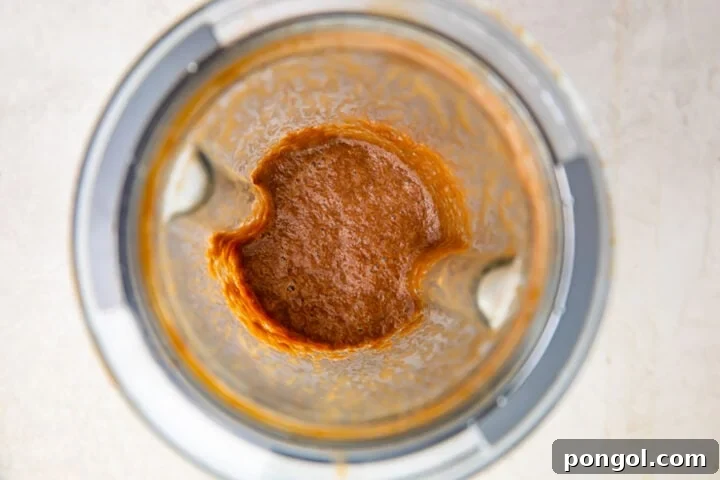
- Combine all ginger sauce ingredients: ¼ cup chopped yellow onion, 2 teaspoons grated fresh ginger, 2 tablespoons white vinegar, ¼ cup soy sauce, and 1 ½ teaspoons fresh lemon juice into a standard blender.
- Secure the lid on the blender and process until all ingredients are thoroughly combined and the mixture reaches a very smooth consistency. Pour the finished sauce into a jar or bowl, cover tightly with a lid, and refrigerate until you are ready to serve. This allows the flavors to meld beautifully.
Crafting the Perfect Fried Rice
- In a large skillet or wok, add 2 tablespoons of avocado oil. Place the pan on the stovetop and heat over medium-high heat, gently swirling and tilting the pan to ensure the oil is evenly distributed across the entire cooking surface.
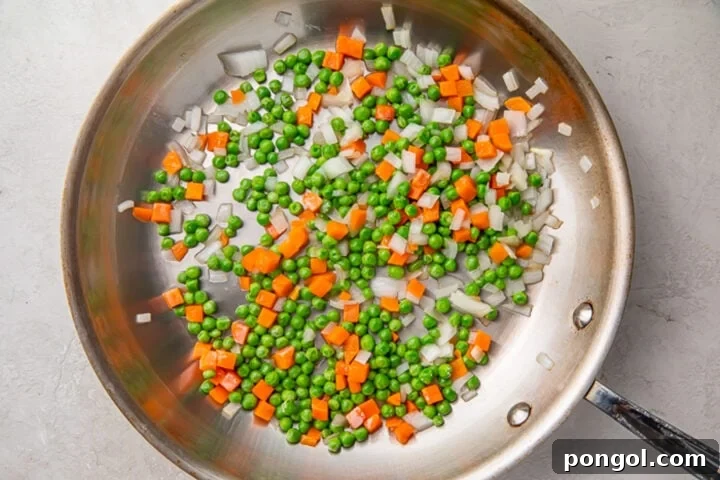
- Once the oil is hot and appears shimmery, add ½ cup diced white onion and 1 cup frozen peas and carrots mix to the pan. Sauté these vegetables for approximately 3 minutes, stirring occasionally, until the onions become nearly translucent and the vegetables start to soften.
- Create an empty space in the center of the skillet by pushing the sautéed vegetables to the outer edges. Crack 2 large eggs directly into this cleared space, then quickly scramble them with your spatula until they are completely cooked through and firm.
- After the eggs are fully scrambled, add 4 cups of cooked (preferably day-old and cooled) rice and 4 tablespoons of butter to the skillet. Stir vigorously to thoroughly incorporate all the ingredients, ensuring the rice, eggs, peas, and carrots are well mixed. Continue to cook for 5 minutes, stirring frequently, until the butter is fully melted and the rice is heated through.
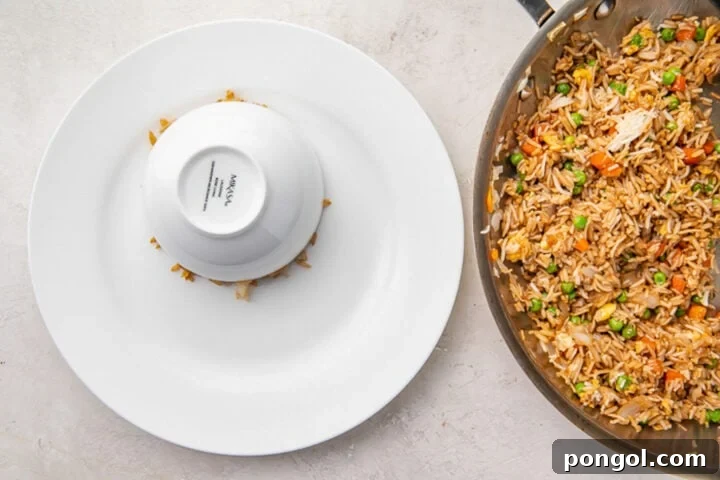
- Pour 4 tablespoons of soy sauce evenly over the top of the rice mixture and stir again to ensure complete incorporation. Cook the rice mixture for just 1 more minute to allow the soy sauce to fully meld into the flavors. Immediately transfer the fried rice to a medium bowl. To help retain its warmth and moisture, pack the rice firmly into the bowl, then cover it with a lid or a plate. Set aside until serving.
Simultaneously Cooking Hibachi Steak and Sautéed Vegetables
This is where your mise en place truly pays off, allowing you to expertly cook both the steak and vegetables at the same time for a perfectly coordinated meal.
- For the Steak: Return the large skillet or wok used for the fried rice to medium-high heat. Add 1 ½ teaspoons of sesame oil and 1 tablespoon of avocado oil. Swirl and tilt the pan to distribute the oils evenly across the entire surface, heating until hot and shimmery.
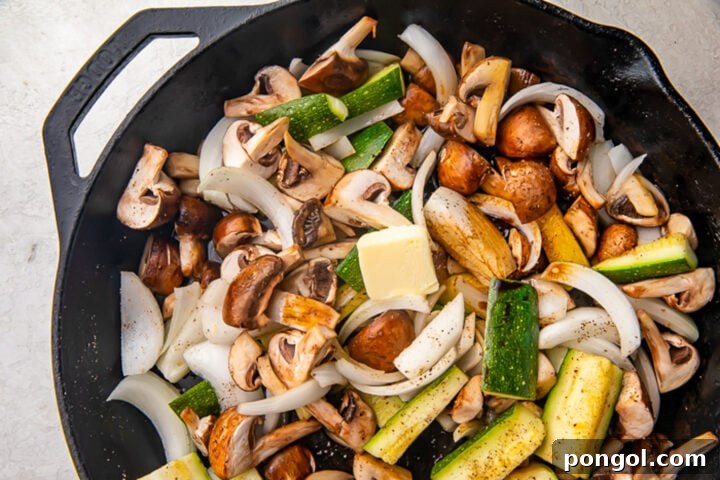
- For the Vegetables: In a separate large skillet or wok, add 1 ½ teaspoons of sesame oil and 1 tablespoon of avocado oil. Heat this skillet over medium-high heat, similarly swirling the pan to distribute the oils, until it is hot and shimmering.
- For the Steak: Once the oil in the steak pan is hot, add 1 pound of lean steak (cut into bite-sized pieces), 1 tablespoon of soy sauce, 1 tablespoon of butter, 2 teaspoons of fresh lemon juice, salt, and freshly cracked black pepper. Stir all ingredients to ensure the steak pieces are completely coated in the liquids and seasonings.
- For the Vegetables: As the oil in the vegetable pan heats up, add 1 large white onion (sliced), 2 cups of quartered baby bella mushrooms, 1 large zucchini (cut into ½-inch-wide sticks), 1 tablespoon of butter, 1 tablespoon of soy sauce, salt, and freshly cracked black pepper. Stir thoroughly to coat all the vegetables evenly with the liquids and seasonings.
- For the Steak: Cook the steak for 2 to 5 minutes, depending on your desired doneness (refer to the detailed notes below for guidance). Stir or flip the steak occasionally to ensure all sides are browned evenly. Once the steak reaches your preferred doneness, transfer it to a clean plate or cutting board and allow it to rest for 3 to 5 minutes. Resting is crucial for juicy, tender steak.
- For the Vegetables: While the steak cooks, continue to sauté the vegetables, stirring occasionally, until they become tender-crisp and can be easily pierced with the tines of a fork, which typically takes about 6 to 8 minutes. Once tender, remove the skillet from the heat and set it aside, keeping the vegetables warm.
Final Assembly and Serving
- To serve your homemade hibachi feast, divide the warm fried rice equally onto individual serving plates. Arrange the desired portions of perfectly cooked hibachi steak and sautéed vegetables alongside the rice. Serve immediately with a generous side of the prepared ginger sauce, allowing everyone to add this flavorful condiment to their taste. Enjoy your restaurant-quality meal!
Chef’s Notes & Pro Tips
These extra tips will help you perfect every aspect of your homemade hibachi dinner:
- Rice Perfection: For the absolute best fried rice, it is crucial to use leftover rice that was cooked at least one day in advance. The refrigeration process dries out the rice grains, preventing them from clumping and becoming mushy when stir-fried, which is the secret to achieving that coveted restaurant-quality texture and distinct separation. If you’re short on time, a good quality store-bought, pre-cooked rice can also yield an excellent result.
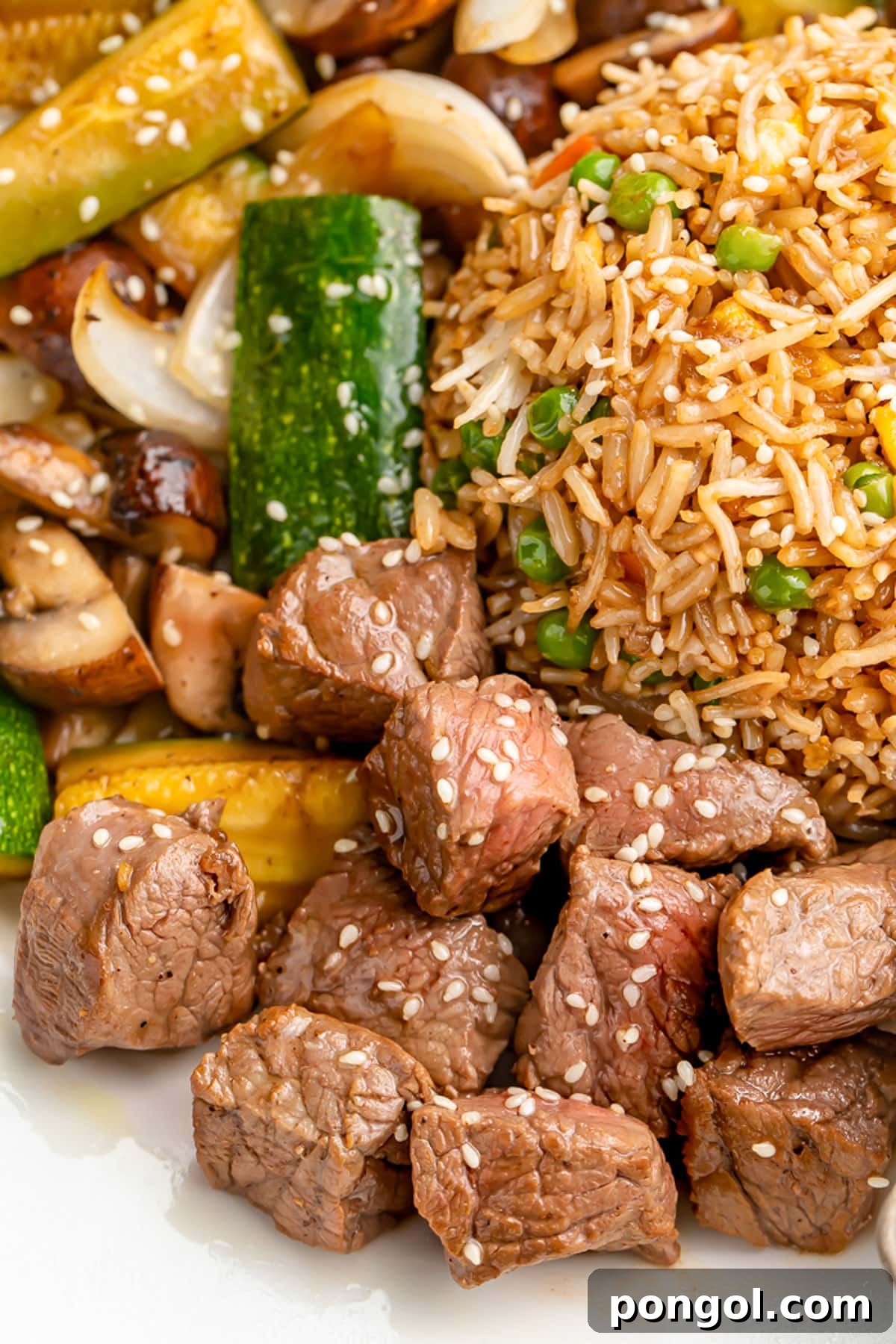
- Selecting and Preparing Your Steak: The cut of steak makes a significant difference. For hibachi, a lean, high-quality cut like sirloin, filet mignon, or even skirt steak is ideal due to their tenderness and ability to absorb flavors. Before you begin cooking, carefully trim away any excess fat or gristle from the steak. More importantly, always cut the steak against the grain of the meat. This technique shortens the muscle fibers, resulting in incredibly tender, bite-sized pieces that are a pleasure to chew, ensuring your steak is never tough.
Suggested Cook Times for Hibachi Steak (for Bite-Sized Pieces, per side of initial searing)
These times are approximate and can vary based on your stove, pan, and steak thickness. Always cross-reference with internal temperatures for precision.
- Medium-Rare: Cook for approximately 1-2 minutes per side, or until the steak is just browned on all surfaces. When pressed, it will feel very soft.
- Medium: Cook for about 1.5-2.5 minutes per side, or until the steak begins to resist slightly when pressed down with the back of a spoon. It will have a firmer exterior.
- Medium-Well: Cook for approximately 2-3 minutes per side, or until the steak feels more resistant and firm when pressed. There will be very little give.
- Well-Done: Cook for about 2.5-3.5 minutes per side, or until the steak feels completely firm and shows no give when pressed down.
Suggested Internal Temperatures for Hibachi Steak (using a meat thermometer)
Removing steak slightly before your target temperature is key, as it will continue to cook while resting (carryover cooking).
- Medium-Rare: Remove steak from pan when temperature reaches 127° Fahrenheit. Let it rest for 3-5 minutes. Serve between 130°-135° Fahrenheit.
- Medium: Remove steak from pan when temperature reaches 137° Fahrenheit. Let it rest for 3-5 minutes. Serve between 140°-145° Fahrenheit.
- Medium-Well: Remove steak from pan when temperature reaches 147° Fahrenheit. Let it rest for 3-5 minutes. Serve between 150°-155° Fahrenheit.
- Well-Done: Remove steak from pan when temperature reaches 157° Fahrenheit. Let it rest for 3-5 minutes. Serve between 160°-165° Fahrenheit.
Always use an internal meat thermometer for the most accurate results. Remember that steak continues to cook while resting, so remove it a few degrees before your target temperature to account for carryover cooking.
Approximate Nutrition Information for One Serving
This nutritional data provides a general guideline for one serving of hibachi steak, fried rice, vegetables, and ginger sauce combined.
- Serving Size: 1 serving (steak with rice, veggies, and ginger sauce)
- Calories: 528 kcal
- Protein: 28 g
- Fat: 28 g
- Saturated Fat: 10 g
- Trans Fat: 0.5 g
- Cholesterol: 138 mg
- Sodium: 1724 mg
- Potassium: 730 mg
- Total Carbohydrates: 42 g
- Fiber: 3 g
- Sugar: 4 g
- Net Carbs: 39 g
- Vitamin A: 2057 IU
- Vitamin C: 14 mg
- Calcium: 74 mg
- Iron: 3 mg
Nutrition Disclaimers
The number of total servings shown is approximate. Actual number of servings will depend on your preferred portion sizes. Nutritional values shown are general guidelines and reflect information for 1 serving using the ingredients listed, not including any optional ingredients. Actual macros may vary slightly depending on specific brands and types of ingredients used, cooking methods, and precise measurements. To determine the exact weight of one serving for your specific preparation, prepare the recipe as instructed. Weigh the finished recipe (excluding the weight of the container the food is in) and then divide this total weight by your desired number of servings. The result will be the accurate weight of one serving for your batch.
Did You Make This Delicious Hibachi Recipe? Share Your Creation!
We absolutely love seeing your culinary masterpieces! If you’ve tried your hand at this homemade hibachi steak, please tag @40aprons on Instagram to show us your amazing results. Your photos and feedback not only brighten our day but also inspire countless other home cooks to try this fantastic recipe. Don’t forget to leave a review directly on this blog post to share your experience with our community!
Rate this Recipe | Tag @40Aprons on Instagram