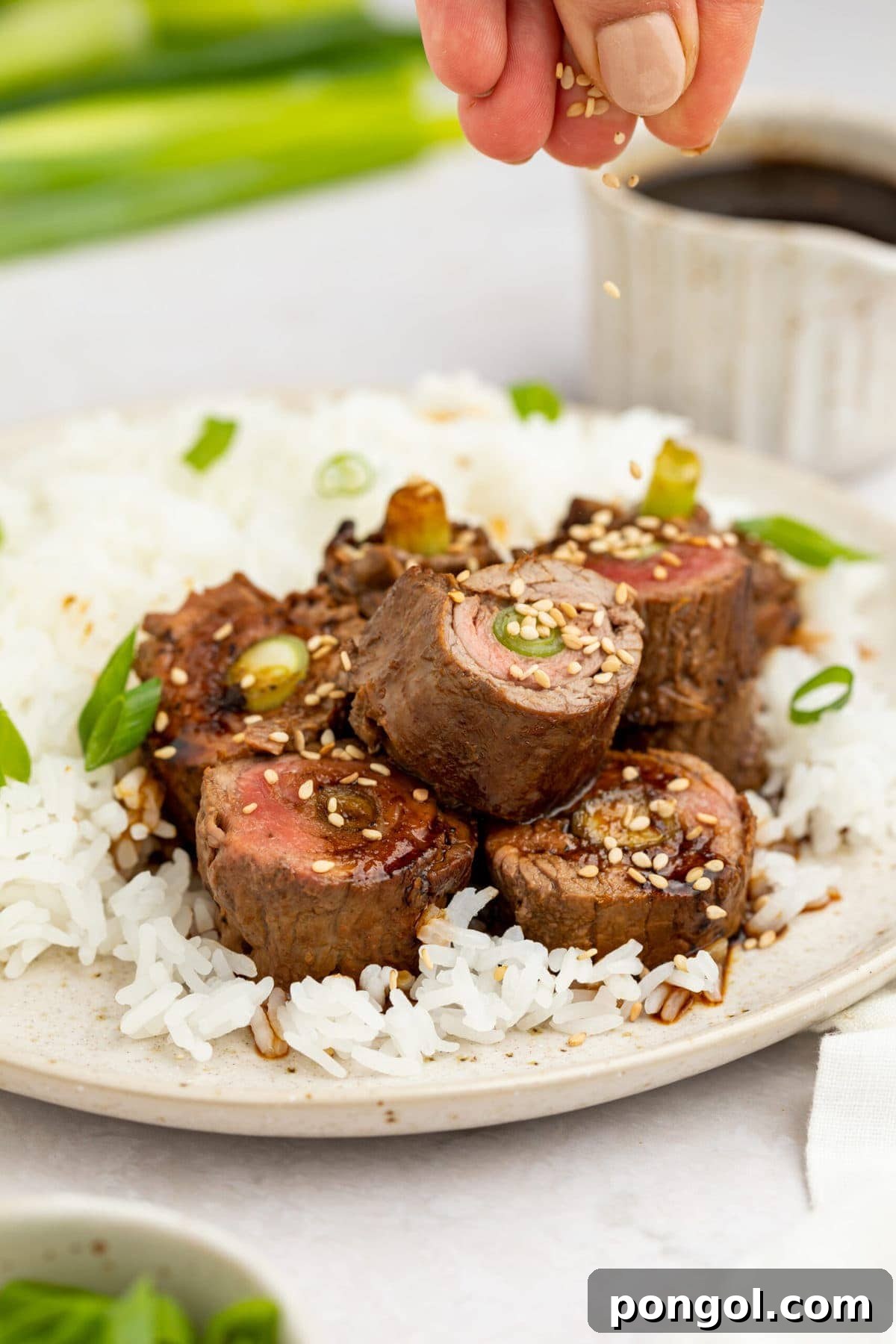
Experience the culinary delight of **Beef Negimaki**, a classic Japanese dish that combines succulent, thinly sliced beef with vibrant, fresh scallions, all brought together by a homemade savory-sweet sauce. This elegant yet simple recipe allows you to recreate a beloved takeout favorite in the comfort of your own kitchen, promising tender, juicy beef rolls bursting with authentic flavor. Perfect for a weeknight dinner or an impressive gathering, our beef negimaki recipe is designed for ease and maximum deliciousness.
What Exactly is Beef Negimaki?
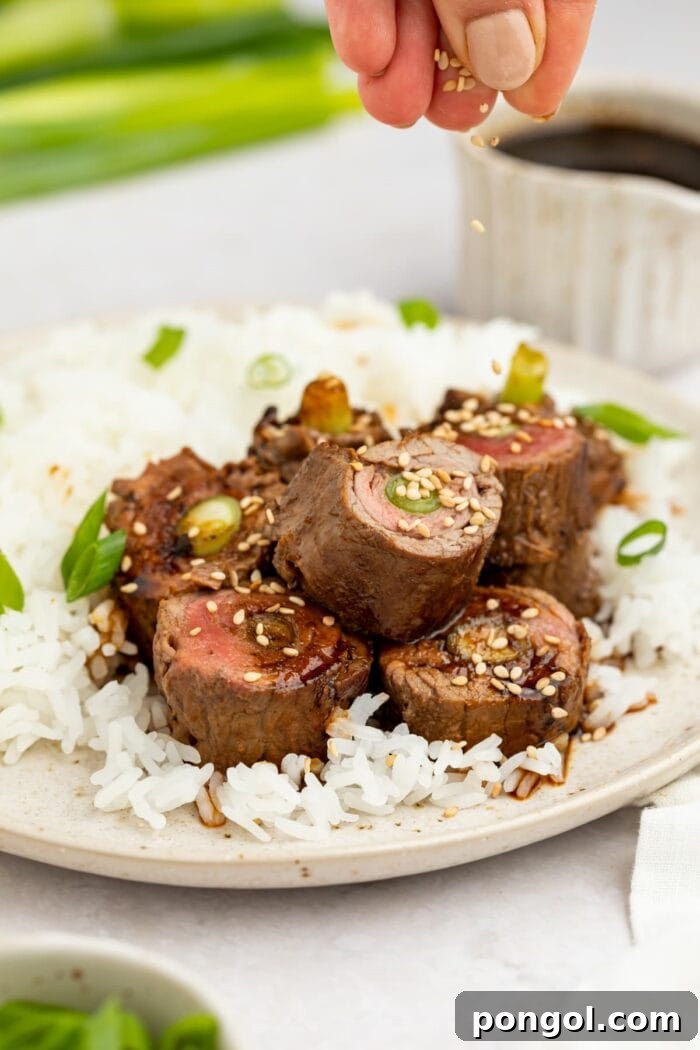
Beef Negimaki is a traditional Japanese dish, often found on izakaya menus and in Japanese steakhouses. The name “negimaki” literally translates to “scallion roll,” which perfectly describes the essence of this dish. It features thinly sliced beef, typically flank steak, expertly rolled around bundles of fresh green onions (scallions). These rolls are then pan-seared or grilled to perfection and glazed with a rich, umami-packed sauce, usually a blend of soy sauce, mirin, sake, and sugar. The result is a harmonious balance of tender beef, crisp, slightly pungent scallions, and a deeply satisfying sweet and savory coating. It’s a testament to Japanese cuisine’s ability to create incredible flavor with simple, high-quality ingredients.
Why You’ll Love This Homemade Beef Negimaki Recipe
Making beef negimaki at home is not only rewarding but also incredibly straightforward. This recipe takes the guesswork out of crafting restaurant-quality Japanese beef rolls, offering several compelling reasons to add it to your cooking repertoire:
-
Surprisingly Simple & Enjoyable to Prepare
Don’t let the elegant appearance fool you – this dish is remarkably easy to make! Our recipe breaks down the process into simple, manageable steps, making it accessible even for novice cooks. From rolling the beef and scallions to whisking together the flavorful sauce and searing the rolls, each stage is intuitive. It’s also a truly interactive cooking experience; getting everyone involved in the rolling process can turn meal prep into a fun, hands-on activity for the whole family.
-
Features an Unforgettable Savory-Sweet Sauce
The heart of any great negimaki lies in its sauce, and ours is truly exceptional. It boasts a complex profile that is tangy, deeply savory, and perfectly balanced with a touch of sweetness. Crafted from staple Asian pantry ingredients like soy sauce, mirin, sake, and ginger, this homemade glaze elevates the beef and scallions to new heights. The sauce not only imparts incredible flavor but also helps to tenderize the beef during marination, ensuring every bite is moist and flavorful.
-
A Healthier Takeout Alternative
When you prepare beef negimaki at home, you have complete control over the ingredients. This allows you to choose fresh, high-quality components and adjust sugar or sodium levels to suit your dietary preferences. It’s a wonderful way to enjoy your favorite Japanese flavors without the added preservatives or unknown ingredients often found in commercial takeout options. Plus, it’s often more cost-effective than ordering from a restaurant.
-
Versatile and Customizable
While the classic negimaki uses scallions, this recipe is incredibly adaptable. You can easily experiment with different fillings, adding a touch of personal flair to your meal. Whether you prefer extra vegetables, a hint of spice, or different cuts of beef, this recipe provides a fantastic foundation for culinary creativity.
Key Ingredients for Authentic Beef Negimaki
Achieving the perfect beef negimaki relies on a few core ingredients. Understanding their role and how to select them will ensure a delicious outcome every time:
-
Thinly Sliced Beef
The choice of beef is paramount. Thinly sliced beef is absolutely essential for creating pliable rolls that cook quickly and evenly. Flank steak or sirloin are excellent choices due to their robust flavor and ability to be sliced very thin against the grain. You can often find pre-sliced beef labeled “sukiyaki-style” or “shabu-shabu style” at Asian markets or even at larger grocery stores. If pre-sliced beef isn’t available, don’t fret! Simply purchase a pound of flank steak, partially freeze it for 20-30 minutes to make it firm, and then use a sharp knife to slice it as thinly as possible against the grain. This technique makes rolling much easier.
-
Fresh Scallions (Green Onions)
Scallions, also known as green onions, are the eponymous “negi” in negimaki. These vibrant green aromatics offer a milder, fresher flavor compared to larger onions, with a slight peppery bite that perfectly complements the rich beef. For this recipe, you’ll want to select fresh, firm scallions with bright green tops and white bottoms. To prepare them, simply trim off and discard the root ends and any wilted outer layers. Then, cut each scallion into two or three shorter pieces, typically about 3-4 inches long, which will be the ideal length for rolling into the beef.
-
Sake
Sake, a traditional Japanese rice wine, plays a crucial role in our homemade sauce. Beyond adding an authentic depth of flavor, its alcohol content acts as a tenderizer for the beef, breaking down muscle fibers and ensuring a melt-in-your-mouth texture. Furthermore, sake helps to carry and enhance the other flavors in the sauce, creating a more cohesive and aromatic profile. Rest assured, the alcohol evaporates during the cooking process, leaving behind only its delicious essence. If sake is unavailable, you can substitute it with additional mirin (for sweetness and body) or rice vinegar (for acidity), though the flavor profile will be slightly different.
-
Mirin
Mirin is a sweet Japanese rice wine, similar to sake but with a lower alcohol content and higher sugar content. It contributes a distinctive sweetness and a beautiful glaze to the sauce, giving it that characteristic glossy finish. Mirin also adds depth and a subtle umami note, balancing the savory soy sauce and acidic sake. Look for “hon mirin” (true mirin) for the best flavor, or aji mirin (mirin-style seasoning) as a common substitute.
-
Soy Sauce
The foundation of many Asian sauces, soy sauce provides the essential salty, umami backbone for our negimaki glaze. Use a good quality, low-sodium soy sauce to control the overall saltiness of the dish. For gluten-free options, tamari is an excellent substitute.
-
Oyster Sauce
Oyster sauce adds another layer of savory depth and a touch of subtle sweetness. It provides a thicker consistency to the sauce and imparts a rich, glossy finish. Even a small amount makes a significant difference in the complexity of the flavor.
-
Fresh Ginger
Grated fresh ginger introduces a warm, aromatic spice and a delightful zing that brightens the entire dish. Its pungent notes cut through the richness of the beef and complement the other ingredients perfectly.
Expert Tips for Crafting Perfect Beef Negimaki
Mastering beef negimaki is simple with a few insider tricks. Follow these chef’s tips to ensure your homemade rolls are as impressive and delicious as any restaurant version:
-
Secure Your Rolls with Toothpicks
The process of rolling thinly sliced beef around scallions can take a bit of practice to get just right. To make your life infinitely easier, don’t hesitate to use toothpicks! After tightly rolling each piece of beef around the scallions, simply insert one or two toothpicks through the roll to hold its shape securely. This prevents the rolls from unraveling during cooking, ensuring they maintain their neat, cylindrical form. Remember to remove them before serving!
-
Patiently Simmer the Sauce on Low Heat
When it comes to thickening your delicious negimaki sauce, patience is key. Resist the urge to crank up the heat to high, thinking it will speed up the process. Cooking the sauce at too high a temperature can cause the sugar to crystalize and burn, leading to a bitter, unpleasant taste and a sticky, unmanageable consistency. Instead, simmer the sauce gently over low heat, stirring frequently. This allows the sauce to gradually reduce and thicken to the perfect glossy glaze, ensuring a rich, smooth, and perfectly balanced flavor.
-
Explore Exciting Filling Variations
While scallions are traditional, the beauty of homemade negimaki lies in its adaptability. Feel free to unleash your culinary creativity by experimenting with different vegetable fillings! Thinly sliced carrots add a lovely sweetness and crunch, while asparagus spears offer a delicate earthy flavor. Other fantastic options include thinly sliced bell peppers, blanched green beans, or even enoki mushrooms. The key is to slice the vegetables thin enough so they cook quickly and can be easily rolled within the beef. Don’t be afraid to mix and match to find your favorite combination!
-
Achieve the Perfect Sear
Before adding your beef rolls to the skillet, ensure your oil is adequately hot over medium-high heat. A hot pan is crucial for achieving a beautiful, caramelized sear on the beef, which locks in juices and adds a layer of rich flavor. Avoid overcrowding the pan; cook the rolls in batches if necessary to prevent the temperature from dropping, which can lead to steaming rather than searing.
-
Marinate for Maximum Flavor
Don’t skip the marinating step! Even 20 minutes at room temperature allows the beef to absorb the incredible flavors of the sauce and begin to tenderize. For an even more profound depth of flavor, you can marinate the rolls in the refrigerator for up to a few hours, just be sure to bring them back to room temperature before cooking for even results.
What to Serve with Beef Negimaki
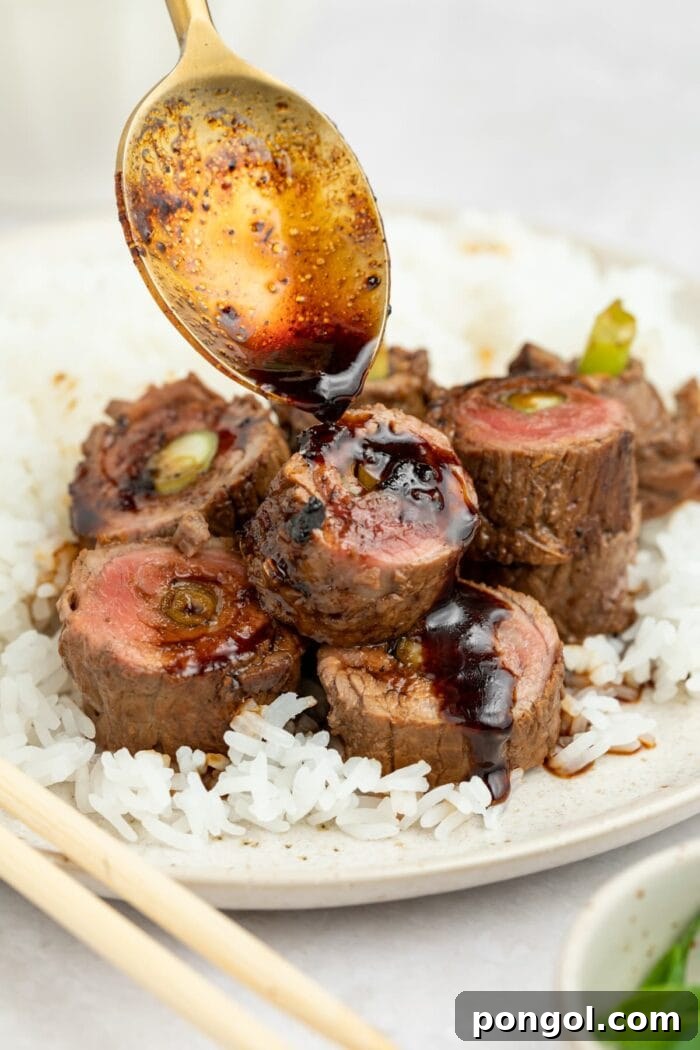
Beef Negimaki is a versatile dish that pairs wonderfully with a variety of sides, creating a complete and satisfying meal. Here are some suggestions to complement its rich flavors:
-
Steamed White Rice
A classic pairing, fluffy steamed white rice is the perfect canvas to soak up the savory-sweet sauce from the negimaki. It’s simple, traditional, and incredibly satisfying.
-
Simple Asian Cucumber Salad
A refreshing cucumber salad, often dressed with rice vinegar, soy sauce, and a touch of sesame oil, provides a crisp, tangy counterpoint to the rich beef. Its bright flavors cleanse the palate beautifully.
-
Stir-fried Vegetables
Quickly stir-fry your favorite vegetables like broccoli, snap peas, bell peppers, or bok choy with a light soy-ginger sauce for a healthy and colorful side dish.
-
Miso Soup
A warm bowl of miso soup offers a comforting and traditional Japanese accompaniment, providing a light, umami-rich broth.
-
Edamame
Steamed and lightly salted edamame pods are a simple, nutritious, and delicious appetizer or side that adds a touch of green to your meal.
Other Delicious Asian-Inspired Recipes to Try
If you loved making Beef Negimaki, you might enjoy exploring other fantastic Asian-inspired dishes:
- Shoyu Chicken
- Homemade Asian Salad Dressing
- Savory Tofu and Broccoli Stir-fry
- Quick 15-Minute Spicy Ramen
- Crisp Asian Cucumber Salad
Sam Guarnieri
Beef Negimaki
10 minutes
15 minutes
20 minutes
45 minutes
This beef negimaki is both fun and easy to make at home! Tender and juicy beef is wrapped around tangy fresh scallions. This beef negimaki is finished off with a savory, yet slightly sweet homemade sauce that is simply delicious!

Sam Guarnieri
Pin Recipe
Save Recipe
Equipment
- Large skillet
- Baking dish
- Small bowl
Ingredients
- 1 pound thinly sliced beef
- 1 bunch scallions, ends trimmed off and sliced in half
- ½ cup soy sauce
- ¼ cup mirin
- ¼ cup sake (see Notes for substitutions)
- 3 tablespoons sugar
- 1 tablespoon oyster sauce
- 1-inch fresh ginger, peeled and grated
- 1 tablespoon vegetable oil
Instructions
- Arrange sliced beef on a cutting board. Take half a scallion piece and roll it tightly into each slice of beef. Secure the beef rolls with toothpicks to prevent them from unraveling.
- In a small bowl, combine the soy sauce, mirin, sake, sugar, oyster sauce, and grated ginger. Whisk the ingredients together until well combined and the sugar has dissolved. This is your delicious negimaki sauce.
- Place the prepared beef rolls in a shallow baking dish. Pour the whisked sauce over the rolls, ensuring they are evenly coated. Let them marinate at room temperature for at least 20 minutes to allow the flavors to penetrate the beef.
- Heat 1 tablespoon of vegetable oil in a large skillet over medium-high heat. Carefully remove the beef rolls from the marinade, shaking off any excess sauce (reserve the marinade). Place the rolls in the hot skillet and cook for 5-8 minutes, turning occasionally, until all sides are beautifully browned and the beef is cooked to your desired doneness.
- Once the beef rolls are cooked, remove them from the skillet and set them aside. Pour the reserved marinade into the same skillet. Bring the sauce to a boil, then immediately reduce the heat to a simmer. Let the sauce gently simmer, stirring frequently, until it has reduced significantly and thickened to a glossy glaze consistency. This should take about 5-7 minutes.
- Allow the thickened sauce to cool slightly. Carefully remove the toothpicks from the beef rolls. Arrange the beef negimaki on a serving platter and generously spoon the warm, reduced sauce over them. Serve immediately with your favorite accompaniments, such as steamed rice.
Recipe Notes
- Sake Substitution: If sake is not available, you can substitute it with an equal amount of additional mirin for sweetness, or rice wine vinegar for a tangier profile.
- Paleo Adaptation: To make this recipe Paleo-friendly, replace soy sauce with coconut aminos, use rice vinegar in place of sake, and omit both the sugar and oyster sauce. Adjust sweetness with a natural sweetener like maple syrup or honey if desired, in small amounts.
This recipe yields approximately 4 servings. The actual number of servings may vary based on your preferred portion sizes.
Nutritional values provided are general guidelines and reflect information for 1 serving using the listed ingredients, excluding rice or any optional additions. Actual macros might differ slightly based on specific brands and ingredient types used.
To accurately determine the weight of one serving, prepare the recipe as instructed. Weigh the entire finished recipe (excluding the container) and divide by 4. The result will be the approximate weight of a single serving.
Approximate Nutrition Information for One Serving
Calories: 284 cal
Protein: 28 g
Fat: 9 g
Saturated Fat: 5 g
Cholesterol: 68 mg
Sodium: 1917 mg
Potassium: 473 mg
Total Carbs: 18 g
Fiber: 1 g
Sugar: 13 g
Net Carbs: 17 g
Vitamin A: 60 IU
Vitamin C: 1 mg
Calcium: 36 mg
Iron: 3 mg
Nutrition Disclaimers
Number of total servings shown is approximate. Actual number of servings will depend on your preferred portion sizes.
Nutritional values shown are general guidelines and reflect information for 1 serving using the ingredients listed, not including any optional ingredients. Actual macros may vary slightly depending on specific brands and types of ingredients used.
To determine the weight of one serving, prepare the recipe as instructed. Weigh the finished recipe, then divide the weight of the finished recipe (not including the weight of the container the food is in) by the desired number of servings. Result will be the weight of one serving.
Did You Make This Delicious Beef Negimaki?
We’d love to see your culinary creations! Tag @40aprons on Instagram to share your photos and be sure to leave a review on this blog post to let us know what you thought!
Tag @40Aprons on Instagram