
Welcome to the delightful world of homemade blini, where culinary simplicity meets gourmet elegance. Forget the bland, store-bought versions; these quick yet luxurious cocktail blini offer an incomparable tenderness and flavor that will elevate any occasion. Imagine serving golden, perfectly cooked mini pancakes, each a canvas for your favorite toppings – from the briny pop of caviar to the rich creaminess of smoked salmon and crème fraîche. This recipe isn’t just about making food; it’s about crafting an experience, one delicious bite at a time. It’s my absolute favorite way to enjoy one of life’s true luxuries: caviar.

What Are Blini? A Culinary Journey into Russian Pancakes
Blini, at their heart, are traditional Russian pancakes, steeped in rich history and cultural significance. Historically, these cherished pancakes symbolized the sun in Slavic traditions, often served during Maslenitsa (Butter Week) to welcome spring. Traditional Russian blini, or “Bliny” (plural), are typically larger, thin, and often made with yeast-leavened buckwheat flour, giving them a distinct, earthy flavor and a delicate, crepe-like texture.
However, the blini in this recipe represent a more modern, Western-inspired take – often referred to as “French blini” or “cocktail blini.” These are smaller, thicker, and quicker to prepare, relying on baking powder for their leavening rather than yeast. This makes them perfectly suited for appetizers, creating a wonderfully tender and slightly fluffy base that is ideal for a variety of elegant toppings. While they differ from their larger, yeast-leavened cousins, these cocktail blini retain all the charm and versatility that makes them such a beloved treat. If you’re seeking a more traditional, crepe-style blini, resources like this recipe from Vikalinka offer an authentic approach to the classic Russian pancake.
Why This Blini Recipe Will Become Your Go-To
- Unrivaled Taste and Texture: Homemade blini are a revelation compared to anything you can buy in a store. This recipe yields blini that are incredibly tender, with a perfect balance of subtle sweetness and savory notes. Their delicate texture simply melts in your mouth, providing an exquisite base for any topping.
-
Effortlessly Elegant and Versatile: Despite their sophisticated appearance, these blini are remarkably easy and quick to make, requiring minimal prep and cook time. This makes them an ideal choice for last-minute entertaining or a delightful addition to any brunch spread. Their balanced flavor profile means they pair beautifully with almost anything.
- Savory Indulgences: Elevate your blini experience with classic pairings like high-quality smoked salmon, a dollop of rich crème fraîche or tangy sour cream, and a scattering of fresh dill or chives. For a truly decadent treat, serve them with your favorite caviar, allowing its delicate brininess to shine. A homemade creamy dill sauce would also be an exceptional companion for salmon-topped blini.
- Sweet Delights: Don’t limit blini to savory toppings! They are equally delicious served as a sweet treat. Imagine them with fresh berries, a dollop of whipped cream, a spoonful of your favorite homemade jam, or a drizzle of maple syrup or honey. For a seasonal twist, try them with cinnamon pumpkin butter, sweetened to perfection.
- Excellent for Make-Ahead and Storage: This recipe is perfect for hosts who prefer to prepare in advance. Cooked blini can be stored in an airtight container in the refrigerator for up to 3 days, making them ideal for prepping for parties or enjoying throughout the week. A quick reheat in the microwave for 10-15 seconds brings them back to their tender best.
Key Ingredients for Perfect Blini
Crafting exceptional blini starts with understanding the role of each ingredient. Here’s what you’ll need and how variations can impact your final product:
All-Purpose Flour: This is our base, providing a light and tender crumb for these cocktail-style blini. For a more traditional Russian bliny experience, some recipes opt for buckwheat flour, which imparts a distinct nutty flavor and slightly denser texture. You can certainly experiment with a blend of all-purpose and buckwheat flour to find your preferred balance. For those with dietary restrictions, a reliable gluten-free all-purpose flour blend can be substituted seamlessly, ensuring everyone can enjoy these delightful pancakes.
Unsalted Butter: Butter brings richness and a beautiful golden hue to our blini. I always recommend using unsalted butter to give you complete control over the saltiness of your dish. If you only have salted butter on hand, simply reduce the added salt in the recipe by about ¼ teaspoon, or omit it entirely, to prevent your blini from becoming too salty.
Milk of Choice: Whether you opt for dairy milk or a plant-based alternative like almond, soy, or oat milk, the milk adds moisture and helps create a smooth batter. The type of milk can slightly influence the richness and flavor profile.
Granulated Sugar: A touch of sugar balances the flavors, making these blini versatile enough for both sweet and savory toppings. It doesn’t make them overly sweet, but rather enhances the overall taste.
Large Egg: The egg acts as a binder, helping to hold the blini together, and contributes to their rich flavor and tender texture. It also aids in achieving that lovely golden-brown exterior.
Salt: A crucial flavor enhancer, salt brings out the best in all the other ingredients and ensures your blini aren’t bland.
Baking Powder: Unlike traditional bliny that use yeast, these quick blini rely on baking powder as their leavening agent. This is what gives them their delightful puffiness and light, airy texture, without the need for lengthy rising times.
Butter or Avocado Oil (for frying): A little fat in the pan is essential for preventing sticking and achieving that perfect golden crust. Both butter and avocado oil work wonderfully, each offering slight differences in flavor and smoke point.
Chef’s Secrets to Flawless Blini
- Mastering the Skillet Temperature: Achieving the correct pan temperature is perhaps the most crucial factor for perfectly cooked blini. If your skillet is too hot, the blini will burn on the outside before cooking through, leaving them raw in the middle. Conversely, if the skillet isn’t hot enough, they’ll take too long to cook and absorb too much oil, resulting in a greasy, dense texture. I’ve found that setting my heat to a 4 out of 10 on a medium-high burner typically yields excellent results, especially when using a sturdy cast-iron skillet. Test the pan by flicking a few drops of water; they should sizzle and evaporate quickly.
- Uniformity for Perfection: For beautifully uniform blini that cook consistently every time, I highly recommend using a tablespoon or a cookie scoop to portion out the batter. This ensures each blini is roughly the same size and thickness, leading to even cooking and a professional presentation.
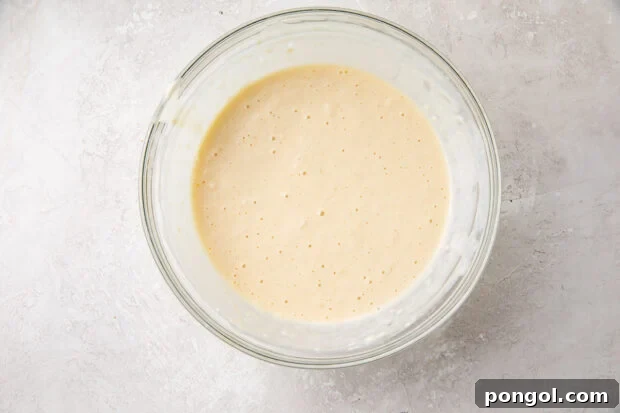
- Perfecting Batter Consistency: The ideal blini batter should be fairly liquid, similar to a thin pancake batter or a thick cream. If your batter seems too thick after combining all ingredients with ¾ cup of milk, don’t hesitate to add a little more milk. Gradually incorporate an additional ¼ cup (or slightly more) until you achieve the desired pourable, yet substantial, consistency. Remember, lumps are perfectly fine – avoid overmixing!
- The Art of Greasing the Pan: To prevent blini from sticking and to ensure a beautiful golden-brown finish without excess grease, use a paper towel lightly coated with butter or avocado oil. Simply wipe the surface of your skillet between batches. This technique ensures a thin, even layer of fat, preventing your blini from becoming oily. Always re-grease the skillet after each wipe.
- Knowing When to Flip: Patience is key! Cook the blini until you see small bubbles forming and breaking on the surface, and the edges appear set and slightly dry. This usually takes about 1½ to 2 minutes. Once flipped, they should finish cooking and achieve a golden-brown color in approximately 1 minute.
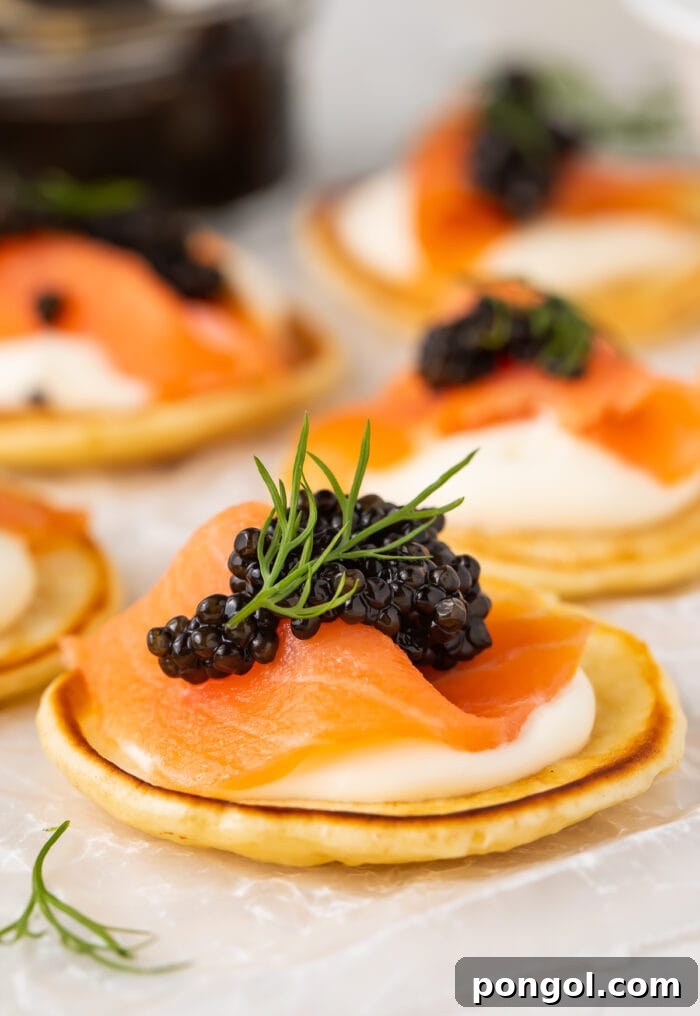
Beyond the Basics: Creative Serving Inspirations
Blini are incredibly versatile, serving as a delightful base for both savory and sweet creations. While caviar, smoked salmon, and crème fraîche are iconic pairings, don’t hesitate to explore new and exciting combinations.
- The Quintessential Caviar Experience: For a truly luxurious appetizer, serve blini with high-quality caviar. Chill the caviar, and present it with a non-metallic spoon (like mother-of-pearl or plastic) to preserve its delicate flavor. A dollop of crème fraîche or sour cream provides a creamy counterpoint to the briny pop of the roe. Consider garnishing with finely chopped chives.
- Elegant Smoked Salmon Pairings: Layer blini with thin slices of smoked salmon (lox or gravlax). Add a smear of herbed cream cheese, a squeeze of fresh lemon, and a sprinkle of capers or finely diced red onion for a burst of flavor and texture.
- Brunch and Breakfast Delights: Transform blini into a sophisticated brunch item. Serve them alongside scrambled eggs, crispy bacon, or even mini poached eggs with a light hollandaise sauce. For a sweeter start, top with fresh berries, sliced bananas, or a drizzle of warm maple syrup.
- Dessert Perfection: Blini make an unexpected and charming dessert. Dust them with powdered sugar, serve with a medley of fresh fruit, or create a decadent treat with chocolate sauce, fruit compotes, or a scoop of vanilla bean ice cream.
- Savory Mini Sandwiches: Get creative by making small blini “sandwiches.” Fill them with combinations like goat cheese and fig jam, a thin slice of prosciutto with melon, or a savory herb cream cheese spread.
Troubleshooting Common Blini Challenges
Even with the best recipes, sometimes things don’t go exactly as planned. Here are some common blini issues and how to fix them:
-
Blini are sticking to the pan:
- Ensure your pan is properly seasoned (if using cast iron) or has a good non-stick coating.
- Make sure the pan is sufficiently hot before adding batter.
- You might not be using enough butter or oil to grease the pan. Ensure a thin, even layer of fat before each batch.
-
Blini are too flat or too thick:
- If too flat, your baking powder might be old, or your batter might be too thin (add a tiny bit more flour, being careful not to overmix).
- If too thick, your batter likely needs more liquid. Gradually whisk in a tablespoon or two of milk until you reach the desired consistency.
-
Blini are burning quickly on the outside, but raw inside:
- Your skillet is too hot. Reduce the heat and allow the pan to cool slightly before continuing.
-
Blini are pale and greasy:
- Your skillet is not hot enough. Increase the heat slightly.
- You might be using too much oil or butter in the pan. Use the paper towel method to ensure a thin, even layer.
Other Snacks and Appetizers You’ll Love
- Bacon Wrapped Water Chestnuts
- Crab Stuffed Mushrooms
- Perfect Deviled Eggs with Bacon (Keto, Low Carb, Whole30)
- Bacon Wrapped Dates Recipe
- Cream Cheese Sausage Balls
- Crockpot Spinach Artichoke Dip

Recipe By: Cheryl Malik
Rating: 5 out of 5 stars (from 5 votes)
Cocktail Blini (For Caviar and More!)
Prep Time: 15 minutes
Cook Time: 30 minutes
Total Time: 45 minutes
Homemade blini are incomparably delicious and tender (much more so than store-bought), and they’re so easy to make. These quick but luxurious cocktail blini are the perfect vehicle for smoked salmon, caviar, or creme fraiche, among other things. My absolute favorite way to eat one of my favorite foods… caviar!

Cheryl Malik
Pin Recipe
Yields: 24 blini
Equipment
- Medium bowl
- Large bowl
- Whisk
- Plate
- Paper towels
- Large skillet (preferably cast-iron)
- Tablespoon (or tablespoon-sized cookie scoop)
- Very thin spatula
Ingredients
- 1 cup all-purpose flour (see Notes for alternatives)
- ¾ teaspoon salt
- ½ teaspoon baking powder
- ¾ cup milk of choice (see Notes for consistency)
- 1 tablespoon granulated sugar
- 1 large egg
- 1 tablespoon unsalted butter, melted
- Butter or avocado oil, for frying
Instructions
-
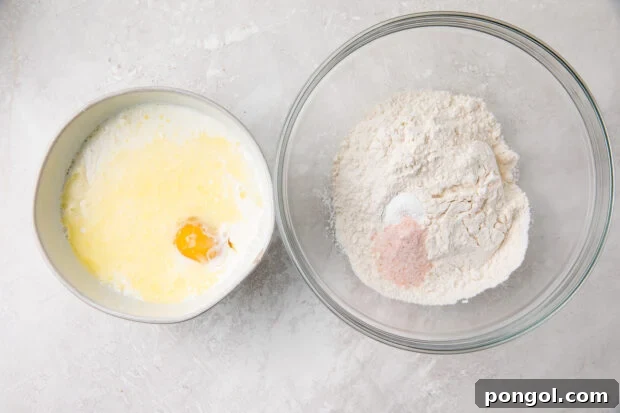
In a large bowl, combine the all-purpose flour, salt, and baking powder. In a separate medium bowl, whisk together the milk of choice, granulated sugar, large egg, and melted unsalted butter until well combined.

-
Slowly pour the whisked egg mixture into the flour mixture. Whisk gently until the batter is just combined and mostly smooth, with a few small lumps remaining. Be careful not to over-mix, as this can lead to tough blini.
-
Line a plate with paper towels and set it aside to absorb excess oil from the cooked blini. Lightly grease your skillet with butter or avocado oil. Heat the skillet over medium-low to medium heat (I typically set mine to 4 out of 10 for optimal results).
-
Once the skillet is heated, drop 1-tablespoon-sized scoops of batter into the pan. Cook for approximately 1½ to 2 minutes, or until bubbles form on the surface and the edges appear set. Flip the blini over with a thin spatula and continue cooking for about 1 minute, or until golden brown. Transfer the cooked blini from the skillet to the paper towel-lined plate. Wipe out the skillet with a paper towel and repeat the greasing and cooking process until all the batter has been used. Serve warm with your preferred toppings.

Notes
- To grease the skillet efficiently, I use a paper towel with a small amount of avocado oil or butter on it. Simply wipe the surface to ensure an even, thin layer of fat without excess oil. Remember to re-grease the skillet after each time you wipe it out between batches.
- Milk: If you find your batter to be too thick, you can add a little extra milk, approximately ¼ cup or so, gradually, until you reach a consistency that is pourable but still holds its shape.
- Make it Gluten-Free: For a gluten-free version, simply substitute 1 cup of a good quality gluten-free all-purpose flour blend for the regular flour.
- Make it Dairy-Free: To make these blini dairy-free, use your favorite plant-based milk (such as almond or oat milk) and a plant-based butter alternative.
- Make it Added-Sugar Free: If you prefer to avoid added sugar, you can use a sugar substitute like granular Swerve or monk fruit sweetener in place of granulated sugar.
Recipe yields approximately 24 blini. The actual number of servings will depend on your preferred portion sizes.
Nutritional values shown are general guidelines and reflect information for 1 blini. Actual macros may vary slightly depending on specific brands and types of ingredients used.
To determine the weight of one serving, prepare the recipe as instructed. Weigh the finished recipe, then divide the weight of the finished recipe (excluding the weight of the container) by the total number of blini made. The result will be the weight of one serving.
Approximate Nutrition Information for One Serving
Serving Size: 1 blini
Calories: 33 cal
Protein: 1 g
Fat: 1 g
Saturated Fat: 1 g
Trans Fat: 1 g
Cholesterol: 10 mg
Sodium: 88 mg
Potassium: 19 mg
Total Carbs: 5 g
Fiber: 1 g
Sugar: 1 g
Net Carbs: 4 g
Vitamin A: 38 IU
Calcium: 16 mg
Iron: 1 mg
Nutrition Disclaimers
Number of total servings shown is approximate. Actual number of servings will depend on your preferred portion sizes.
Nutritional values shown are general guidelines and reflect information for 1 serving using the ingredients listed, not including any optional ingredients. Actual macros may vary slightly depending on specific brands and types of ingredients used.
To determine the weight of one serving, prepare the recipe as instructed. Weigh the finished recipe, then divide the weight of the finished recipe (not including the weight of the container the food is in) by the desired number of servings. The result will be the weight of one serving.
Did You Make This Recipe?
We’d love to see your creations! Tag @40aprons on Instagram and be sure to leave a review on the blog post!
Tag @40Aprons on Instagram