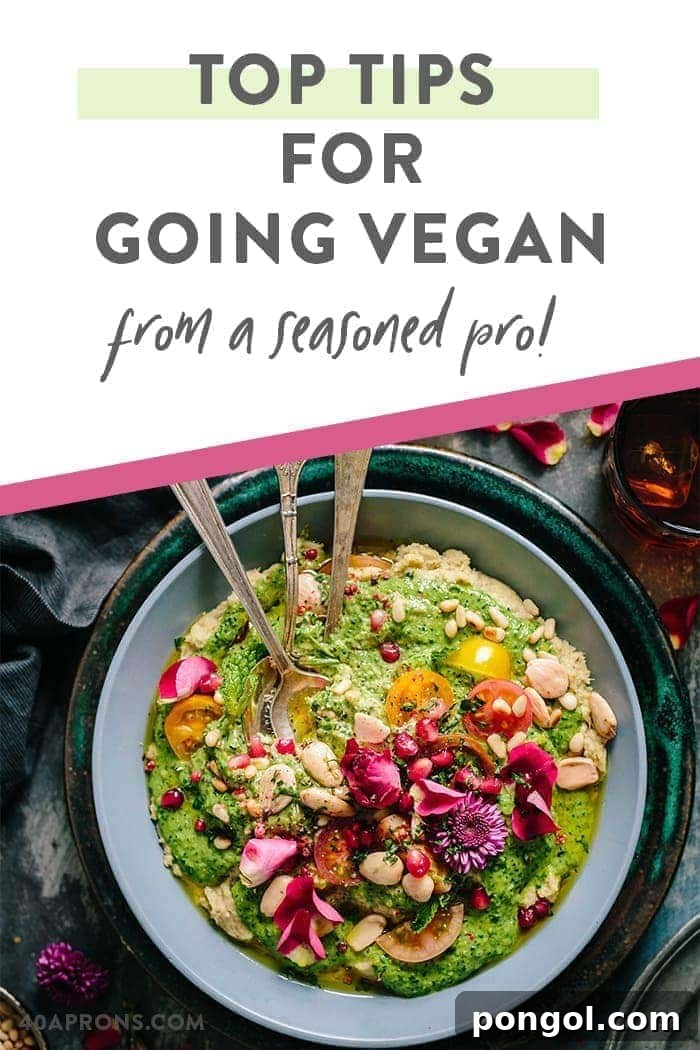
Embarking on a plant-based journey can initially feel like a monumental shift, full of unknowns and potential challenges. However, with the right guidance and a strategic approach, your transition to veganism can be an incredibly smooth, rewarding, and deeply satisfying experience. We’ve distilled years of practical experience into these top 10 tips, meticulously designed to equip you with the essential knowledge, practical tools, and unwavering confidence needed for an effortless leap into the vibrant world of plant-based eating. These are the invaluable insights we wished someone had shared with us when we first went plant-based, ensuring you can embrace this ethical and healthy lifestyle with joy, sustainability, and success from day one.
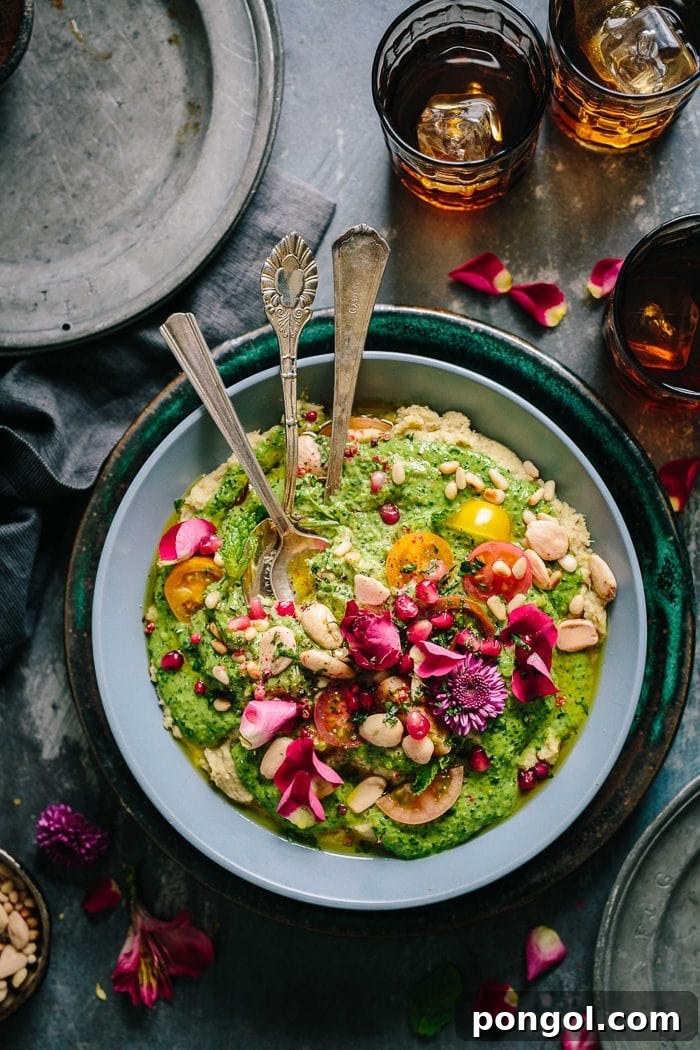
The idea of transitioning to a fully vegan lifestyle can often seem overwhelmingly daunting, triggering anxieties about what to eat, where to find ingredients, and how to maintain nutritional balance. Yet, frequently, the anticipation of such a significant lifestyle change proves far more intimidating than the actual process itself. Consider it akin to preparing for a skydive: the most challenging hurdle is often the mental commitment of stepping out of the plane, while the exhilarating freefall that follows is commonly described as incredibly fun and liberating. Similarly, while the thought of completely overhauling your diet might initially feel like a huge task, the reality of discovering new, delicious flavors, experiencing improved health, and aligning your choices with ethical and environmental values can be profoundly empowering and joyful.
Having personally navigated the path to plant-based eating, I vividly recall both the struggles and the triumphs encountered along the way. My primary goal with this guide is to help you bypass common pitfalls and ensure your transition is as smooth, enjoyable, and sustainable as possible. These aren’t rigid rules to be strictly followed; rather, they are flexible suggestions and proven strategies, meticulously crafted to be tailored to your unique needs, dietary preferences, and personal pace. Whether you’re simply curious about dipping your toes into the plant-based world with a few meatless meals per week, or you’re fully ready to embrace a complete “cold-turkey” (the delightful irony is certainly not lost on us!) approach, keeping these essential principles in mind will be immensely helpful in paving the way for your success.
Your Essential Guide: Top 10 Tips for Going Vegan Successfully
Here are my comprehensive, actionable tips designed to facilitate a smooth, informed, and sustainable journey into the world of veganism. Remember, these guidelines are intended to empower you, offering a flexible roadmap for exploration rather than a set of rigid commandments. Feel free to adapt them to perfectly fit your personal preferences, culinary interests, and everyday lifestyle, ensuring your plant-based journey is uniquely yours.
1. Ease Into It: Embrace a Gradual and Sustainable Transition
While an admirable few manage to go vegan overnight and never look back, for the vast majority, a slower, more deliberate, and gradual transition proves to be significantly more sustainable and less stressful than an abrupt 180-degree turn. Rushing into a complete dietary overhaul can often lead to feelings of deprivation, confusion, and culinary frustration, ultimately increasing the likelihood of reverting to old habits. A phased approach, however, allows ample time for your palate to adapt to new flavors, your kitchen to become familiar with new ingredients, and your social life to comfortably adjust, making the change feel natural and effortless.
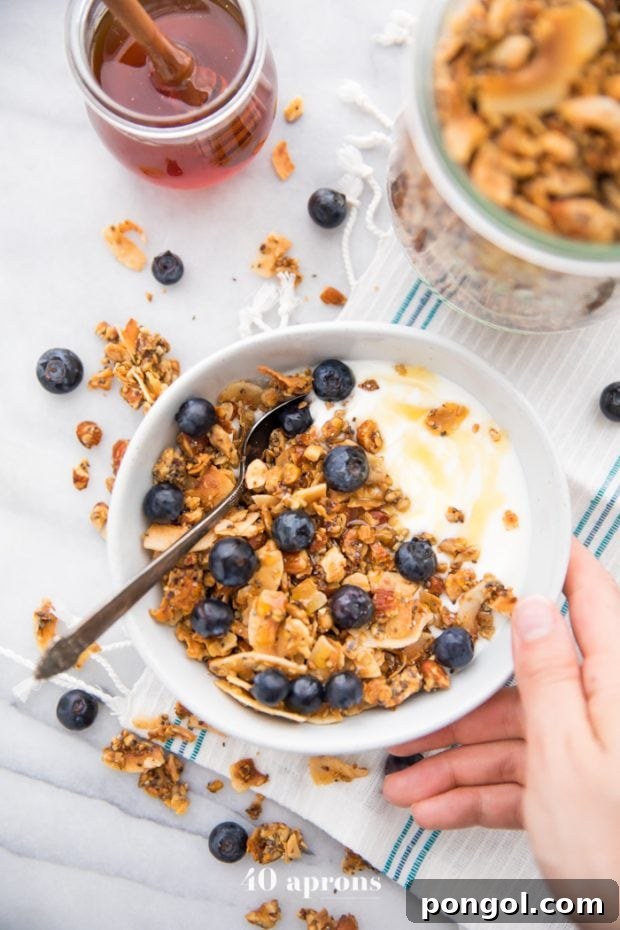
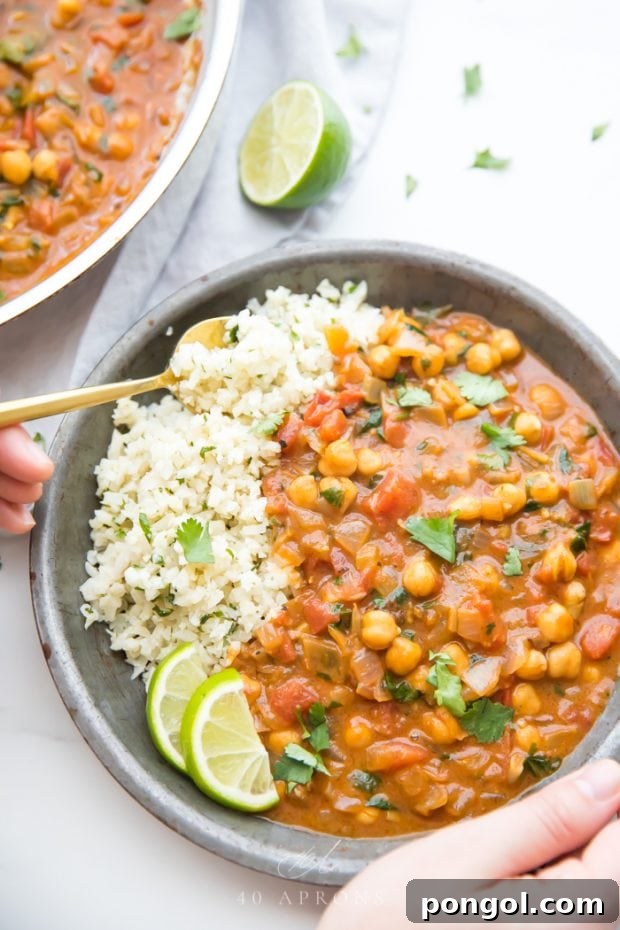
Why not begin with small, manageable, and highly achievable steps? Challenge yourself to a “Meatless Monday” at home, where you consciously experiment with new vegetarian or vegan recipes for just one day a week. Alternatively, you could start by making just one meal of your day entirely plant-based. Imagine kickstarting your mornings with genuinely delicious vegan breakfasts, such as a hearty homemade vegan granola, generously loaded with a mix of nutritious nuts, seeds, and dried fruits, or a vibrant, nutrient-packed smoothie bowl bursting with fresh produce. Once breakfast feels completely natural and satisfying, you might then introduce a vegan lunch three times a week, exploring appealing options like a rich and creamy vegan broccoli cheese soup or robust, imaginative salads. Gradually, as your confidence and repertoire grow, you can expand to making all three meals plant-based, discovering an endless array of delicious possibilities, from a refreshing cherry smoothie bowl to a comforting Thai curry zoodle soup, or a rich and deeply flavorful vegan coconut chickpea curry. This well-paced, phased approach empowers you to build confidence, discover new favorite dishes, and implement lasting changes without ever feeling overwhelmed or deprived.
2. Read Up and Educate Yourself: Harness the Power of Knowledge
While the phrase “reading up” might initially sound dull or academic, dedicating even a small amount of time to thoroughly understanding the fundamental principles of a plant-based lifestyle will prove to be incredibly invaluable. Knowledge is indeed power, especially when it comes to maintaining optimal nutrition and engaging in creative culinary exploration. By actively educating yourself, you’ll be far better prepared to confidently meet your body’s essential nutritional needs, effectively debunk common myths and misconceptions about veganism, and skillfully navigate any perceived “limitations” or challenges of a plant-based diet with a sense of assurance and creativity.
Begin your educational journey by finding a reputable and scientifically sound guidebook, such as Becoming Vegan, to gain a solid, evidence-based understanding of vegan nutrition. This foundational knowledge will empower you to grasp the importance of essential nutrients like Vitamin B12, iron, calcium, Vitamin D, and omega-3 fatty acids, and crucially, how to source them effectively and abundantly from plant-based foods. Once you have a firm grasp of these basics, treat yourself to some inspiring and practical vegan cookbooks. For simple yet flavorful weeknight dinners, books like Thug Kitchen offer creative, no-nonsense, and highly accessible recipes that make plant-based cooking fun. If you’re particularly mindful of your budget, Frugal Vegan is an excellent and practical resource. For those with a burgeoning sweet tooth or a passion for baking, a dedicated vegan dessert cookbook such as this one will prove utterly invaluable. Additionally, don’t forget to actively explore informative articles and engaging blog posts on specific topics, such as how to get protein as a vegan, to ensure you’re consistently meeting all your essential nutrient requirements and thriving on your plant-based journey.

3. Start with Familiarity: Effortlessly Veganize Your Favorite Dishes
One of the most effective and least intimidating ways to seamlessly embrace plant-based eating is to begin by consciously veganizing recipes you already know, love, and regularly prepare. There’s no immediate need to completely overhaul your entire culinary skill set or discard your well-loved recipe collection. Instead, take a mindful look at your existing favorite dishes and brainstorm creative ways you can adapt them to be entirely meatless and/or dairy-free. This intelligent approach makes the transition feel far less daunting and much more like an exciting and imaginative culinary challenge, allowing you to gradually expand your repertoire with confidence.
Often, the process of veganizing is far simpler than you might initially imagine. Your beloved tacos, for instance, can be easily transformed by generously filling them with savory beer-battered tofu, offering a delightful texture and flavor, instead of traditional ground meat. For satisfying nachos, experiment with a rich, creamy, and flavorful cashew-based cheese sauce that melts beautifully. Classic pasta dishes can be brought vibrantly to life with a velvety vegan alfredo sauce, ingeniously crafted from cashews, cauliflower, or even white beans, providing all the creaminess without any dairy. For stir-fries, curries, and stews, consider smartly swapping the central animal protein for versatile and nutrient-dense ingredients like soy products such as firm tofu or hearty tempeh, or even substantial vegetables like mushrooms (especially portobello or cremini), which offer a remarkably satisfying umami and a “meaty” texture. This gradual and thoughtful process helps you quickly discover how many of your preferred flavors, comforting textures, and cherished meal experiences can be authentically achieved and even enhanced with delicious plant-based ingredients, making your new diet feel wonderfully familiar, comforting, and exciting.
4. Get Adventurous: Discover a World of Plant-Based Cuisine
The journey of going vegan should never be viewed as an act of limitation; on the contrary, it presents an extraordinary opportunity for unparalleled culinary expansion and exciting discovery! Once meat and dairy are consciously off-limits, you’ll naturally find yourself drawn into exploring an astonishing array of global cuisines, experimenting with exotic spices you’ve never encountered before, and discovering a wealth of vibrant ingredients you might have previously overlooked at your local grocery store. It’s an invigorating chance to completely reinvigorate your cooking, broaden your palate immensely, and truly fall in love with food all over again.
Embrace and experiment with novel ingredients like tempeh (a fermented soy powerhouse), seitan (a protein-rich wheat gluten product), earthy soba noodles, tangy kimchi, sweet kabocha squash, savory nutritional yeast (a vegan’s secret weapon for adding cheesy flavor!), ancient millet, versatile chia seeds, and wholesome farro – the list of exciting, nutrient-dense plant-based ingredients is genuinely boundless. Becoming vegan offers a unique and thrilling opportunity to immerse yourself in diverse cooking methods and explore the rich, exciting culinary traditions from every corner of the world. Indeed, a great many traditional dietary practices globally are inherently plant-based, providing an abundant and inspiring source of delicious recipes and innovative cooking techniques.
Actively explore the vast world of meatless dishes and recipes from different cultures. Did you know that a significant number of Indian curries are either naturally vegan or incredibly easy to adapt? For instance, investing in a copy of Vegan Richa’s Indian Kitchen can profoundly revolutionize your understanding and preparation of deeply flavorful, plant-based curries. Beyond the wonders of Indian cuisine, you’ll discover an incredible abundance of inherently delicious vegan options in Ethiopian, Middle Eastern, Thai, Mexican, and Mediterranean dishes, among countless others. Don’t hesitate to dust off your existing spice rack, or better yet, invest in a new collection of exotic and aromatic spices (this Organic Spice Kit is a fantastic and comprehensive starting point!) to infuse new depths of complex flavor into your culinary creations. Use your vegan transition as an exciting, empowering excuse to experiment with ancient grains (hello, farro!), an inspiring array of legumes, and a vibrant rainbow of fresh, seasonal vegetables. This adventurous spirit and open-mindedness will transform your plant-based journey into a perpetually vibrant, endlessly enjoyable, and deeply satisfying culinary exploration.

5. Be Realistic: Embrace Alternatives, Not Just Substitutes
When you embark on your vegan diet, it’s incredibly important to consciously differentiate between perpetually seeking direct, exact “substitutes” for every single animal product you once enjoyed, and instead, embracing innovative “alternatives” that offer their own unique, delightful flavors and satisfying textures. While there is absolutely nothing inherently wrong with occasionally enjoying a convenient vegan soy patty or a delicious plant-based grilled cheese – especially during the initial stages to help satisfy familiar cravings – relying solely on highly processed imitation products is often neither the healthiest, most affordable, nor the most practical long-term approach for a balanced diet. These products can certainly serve as helpful bridges or occasional treats, but they should ideally not form the foundational cornerstone of your everyday meals.
Instead, focus your energy on enthusiastically familiarizing yourself with new kinds of whole-food ingredients that stand powerfully on their own culinary merits. Exceptionally versatile components like firm tofu and hearty tempeh are excellent examples of such ingredients. Tofu, made from pressed soy milk, boasts incredible versatility; it can be silken for creamy sauces, or extra-firm for crispy preparations, absorbing marinades beautifully. Tempeh, a fermented soybean cake, offers a distinctively heartier, nuttier flavor and a firm, chewy texture that can be crumbled or sliced. You can even make your own fresh tempeh affordably at home using a simple tempeh starter kit, giving you complete control over the process. Beyond these, it can be an incredibly fun and creative culinary challenge to think imaginatively about how to capture the essence and satisfaction of a traditional recipe without any animal protein. For example, my decadent vegan coconut caramel might not possess the exact buttery taste of traditional caramel, but it brilliantly evokes the same intensely sweet, creamy, and wonderfully decadent satisfaction. Learning to genuinely appreciate these new, distinct flavor profiles and unique textures will undoubtedly make your plant-based journey far more enriching, diverse, and ultimately sustainable in the long run.
6. Master Vegan Dairy Substitutes: DIY for Unrivaled Deliciousness
For a great many individuals, the prospect of giving up cheese and other beloved dairy products stands out as the single most challenging aspect of transitioning to veganism. This is a remarkably common hurdle, but thankfully, discovering how to skillfully make your own homemade dairy substitutes can be an absolute game-changer and, surprisingly, often a straightforward process. These homemade alternatives frequently surpass their store-bought counterparts in terms of fresh taste, desirable texture, and superior nutritional value, thereby making your plant-based journey significantly more enjoyable, satisfying, and utterly delicious.
The revelation of discovering how to create rich, creamy, and authentically flavored vegan cheese sauces was a pivotal moment for me. My very first batch of vegan nacho cheese sauce—which so perfectly captured that luscious creaminess and savory richness—felt like pure culinary magic. And please, don’t even get me started on my utterly incredible vegan queso blanco! These exceptional recipes most often ingeniously utilize readily available cashews, combined with the savory, umami-rich notes of nutritional yeast, and a carefully selected blend of spices, to effortlessly create remarkably cheesy flavors without a trace of dairy. Beyond cheese, making your own homemade nut milks – such as silky almond milk or velvety cashew milk – is not only far more cost-effective but also yields a significantly fresher, richer, and decidedly tastier product than many commercially available varieties. By making your own, you gain complete control over the ingredients, actively avoiding any unwanted additives or excessive sugars. You can also enthusiastically explore making your own luxurious vegan sour cream from cashews, rich plant-based butter from a blend of coconut oil and nuts, or beautifully cultured creamy yogurts from various plant milks. Mastering these innovative DIY dairy alternatives will profoundly empower you to continue enjoying all your favorite comfort foods in a genuinely cruelty-free and delicious way.
7. Curb Those Meat Cravings the Right Way: Flavorful Plant-Based Textures
While a diet abundantly rich in wholesome grains, diverse legumes, nutritious nuts, and vibrant seeds is undeniably delicious and incredibly nourishing, it’s perfectly natural to occasionally experience a hankering for that familiar, hearty, and satisfying “meaty” texture. This is precisely where versatile ingredients like firm tofu, robust seitan, and earthy tempeh truly shine brightly as your most invaluable allies in the vegan kitchen. These plant-based proteins offer an incredible range of versatility and can be expertly prepared to mimic a wide spectrum of traditional meaty experiences, satisfying even the most discerning palate.
The absolute key to successfully transforming these plant-based proteins lies profoundly in their expert preparation and seasoning. When working with tempeh, for instance, its naturally earthy, and sometimes subtly bitter, taste can be exquisitely balanced and enhanced with boldly flavored marinades or richly seasoned frying sauces. Many culinary enthusiasts find that steaming tempeh for approximately 10 minutes before marinating helps to effectively remove any underlying bitterness and significantly improves its ability to absorb a myriad of flavors. For tofu, pressing out any excess water before marinating is crucial, followed by baking, pan-frying, or air-frying until it achieves wonderfully crispy and golden-brown edges, which creates a delightfully satisfying texture. Seitan, derived from vital wheat gluten, is remarkably chewy and dense, making it an excellent choice for replicating steak-like strips, shredded meat, or even savory roasts. Don’t hesitate to enthusiastically experiment with umami-rich ingredients such as soy sauce, tamari, liquid smoke, smoked paprika, garlic powder, onion powder, and mushroom powders in your marinades to deepen the savory profile. Furthermore, mushrooms, particularly varieties like meaty portobello or delicate oyster mushrooms, also offer a fantastic, substantial texture and rich, earthy flavor, making them perfect for grilling, sautéing, or incorporating into stews. Mastering these clever cooking techniques will ensure your plant-based meals are consistently satisfying, deeply flavorful, and effectively keep those lingering meat cravings happily at bay.
8. Embrace Store-Bought Vegan Products (Wisely and Strategically)
While my blog often champions the joy and benefits of crafting homemade ingredients from scratch, it’s absolutely essential to acknowledge the significant and often indispensable role that readily available store-bought vegan products can play, particularly during your initial transition. Maintaining an open and flexible mind about these convenient alternatives can genuinely enrich your culinary experience and render the journey to plant-based eating considerably easier, more accessible, and far more convenient. I personally do not avoid them and firmly believe they hold a valuable and strategic place in a balanced vegan lifestyle.
Many commercially available alternatives to traditional animal products are remarkably well-developed, boasting impressive flavors and textures. They are especially crucial and helpful when you’re just starting your vegan journey, and plant-based cooking still feels like a grand adventure rather than second nature. Esteemed brands like Beyond Meat, Impossible Foods, Earth Balance, Daiya, Miyoko’s Kitchen, and Kite Hill offer an astonishing and ever-expanding range of products – from realistic plant-based burgers, sausages, and chicken pieces to creamy vegan butters, artisanal cheeses, rich yogurts, and decadent ice creams. These items can provide a comforting sense of familiarity and significantly reduce any feelings of deprivation, making the switch feel less drastic. They make it incredibly simple to quickly assemble a delicious meal, satisfy a sudden craving, or enjoy a familiar treat without extensive preparation or specialized cooking skills. While your primary dietary focus should ideally remain on whole, unprocessed plant foods, these vegan substitute products can go an immense distance in making your transition less stressful, more enjoyable, and ultimately more sustainable. It’s incredibly reassuring to know they are an accessible and delicious option for those busy days when convenience is paramount, or simply when you want to “cheat” a little without compromising your core vegan principles.
9. Have Fun and Make it an Enjoyable, Social Journey!
Perhaps one of the most crucial and often overlooked tips for a truly successful and lasting vegan transition is to ensure you make it an inherently enjoyable, positive, and deeply fulfilling experience. If you approach going vegan as a restrictive, burdensome, or “cruel” ordeal of deprivation, you are unfortunately far less likely to stick with it long-term. Instead, cultivate and embrace a mindset of exciting discovery, vibrant creativity, and genuine self-compassion. Trust that over time, with practice and exploration, you will undoubtedly learn to cook incredibly delicious, deeply flavorful, and wonderfully satisfying vegan food that will impress even the most discerning palates.
Consciously focus your attention on the immense abundance of new, exciting foods and incredible flavors you are discovering, rather than dwelling on anything you might perceive as “giving up.” If you genuinely feel that you are doing something profoundly good – good for your personal health, good for the animals, and good for the planet – and simultaneously enjoying truly amazing-tasting food along the way, you will be exponentially more motivated to happily maintain this sustainable lifestyle indefinitely. Embrace and lean into the inherent fun aspects of this journey! If you are fortunate enough to have friends who are genuinely curious about, or at least open to, plant-based cooking, enthusiastically invite them over for a lively recipe testing session. There is nothing quite as powerful as sharing a delicious, plant-based meal to build stronger connections, foster understanding, and vividly demonstrate just how exciting and flavorful vegan food can truly be. And yes, a delightful batch of vegan cake batter dip is indeed the magical glue that famously holds friendships together!
Actively engage with the vibrant and supportive vegan community. Join engaging Facebook groups dedicated to vegan cooking, ethical dining, or compassionate living. Explore local vegan restaurants, charming cafes, and innovative bakeries to sample diverse and inspiring plant-based creations from professional chefs. Organize fun potlucks in your community or with your circle of friends, where everyone brings a delicious vegan dish to share and celebrate. This vital social aspect provides invaluable support, constant inspiration, and a strong sense of belonging, ultimately making your vegan journey a truly joyful, enriching, and profoundly connective experience.
10. Track Your Progress: Monitor Health and Nutritional Intake
As with any significant and impactful dietary change, it is exceptionally wise and highly recommended to diligently monitor your overall health and precise nutritional intake when embarking on your vegan journey. Consider scheduling a comprehensive health check-up with your doctor before you transition and then a follow-up visit a few months after fully embracing a plant-based diet. This proactive approach allows you to objectively observe and celebrate the positive differences your lifestyle change has made to your overall well-being, including potential improvements in cholesterol levels, blood pressure, energy, and digestion. Your doctor can also conduct blood tests to check for essential vitamin levels (like B12 and Vitamin D), iron stores, and other relevant health markers, ensuring you are thriving.
It’s also crucially important to seek professional, personalized advice from a qualified medical doctor or a registered dietitian who possesses extensive knowledge and experience in plant-based nutrition. They can provide tailored guidance on how to consistently obtain all necessary nutrients from your vegan diet, proactively identify any potential deficiencies before they become an issue, and recommend appropriate and necessary supplements (such as Vitamin B12, which is absolutely essential for all vegans). To meticulously ensure you’re consistently meeting your specific macro and micronutrient needs, consider diligently keeping a food diary or utilizing free and user-friendly online nutrient trackers like My Fitness Pal. These invaluable tools can help you accurately analyze your daily intake of protein, healthy fats, complex carbohydrates, and a wide array of essential vitamins and minerals, empowering you to make informed adjustments to your diet as needed. Being proactive and diligent about your health monitoring will not only give you immense peace of mind but will also significantly help you maintain a balanced, vibrant, and thriving vegan lifestyle for the long term.
There you have it, fellow plant-based explorers! I sincerely hope these top 10 practical tips for going vegan will effectively alleviate any apprehension or daunting feelings you might harbor. Remember, this incredible journey is entirely achievable, profoundly rewarding, and you possess all the inherent resources, creativity, and potential within you to succeed brilliantly. Embrace the culinary adventure, savor the vibrant flavors, and wholeheartedly enjoy the profound, multifaceted benefits that a plant-based life generously offers!
For even more comprehensive and in-depth information on gracefully embracing veganism, be sure to thoroughly check out my detailed blog post on “How to Become Vegan.” To kickstart your meal planning with delicious and practical ideas, effortlessly print out my handy vegan meal plan. And for specific, essential guidance on ensuring you consistently achieve adequate protein intake on your plant-based diet, please read my detailed and informative article on how to get protein as a vegan. Happy and healthy plant-based eating to all!
My overarching philosophy has always centered around eating in a balanced, mindful way, consciously focusing heavily on nutrient-dense vegetables, and deliberately avoiding overly restrictive diets that rigidly rely on inflexible rules or confining labels. Integrating elements of a plant-based diet into your existing eating habits is incredibly beneficial for a multitude of compelling reasons – ranging from significantly improving your personal health and vitality to actively supporting environmental sustainability and ethical animal welfare. It’s an enlightened approach I wholeheartedly recommend to everyone, whether your ultimate goal is to become fully vegan or simply to joyfully incorporate more plant-forward meals into your life and diet.