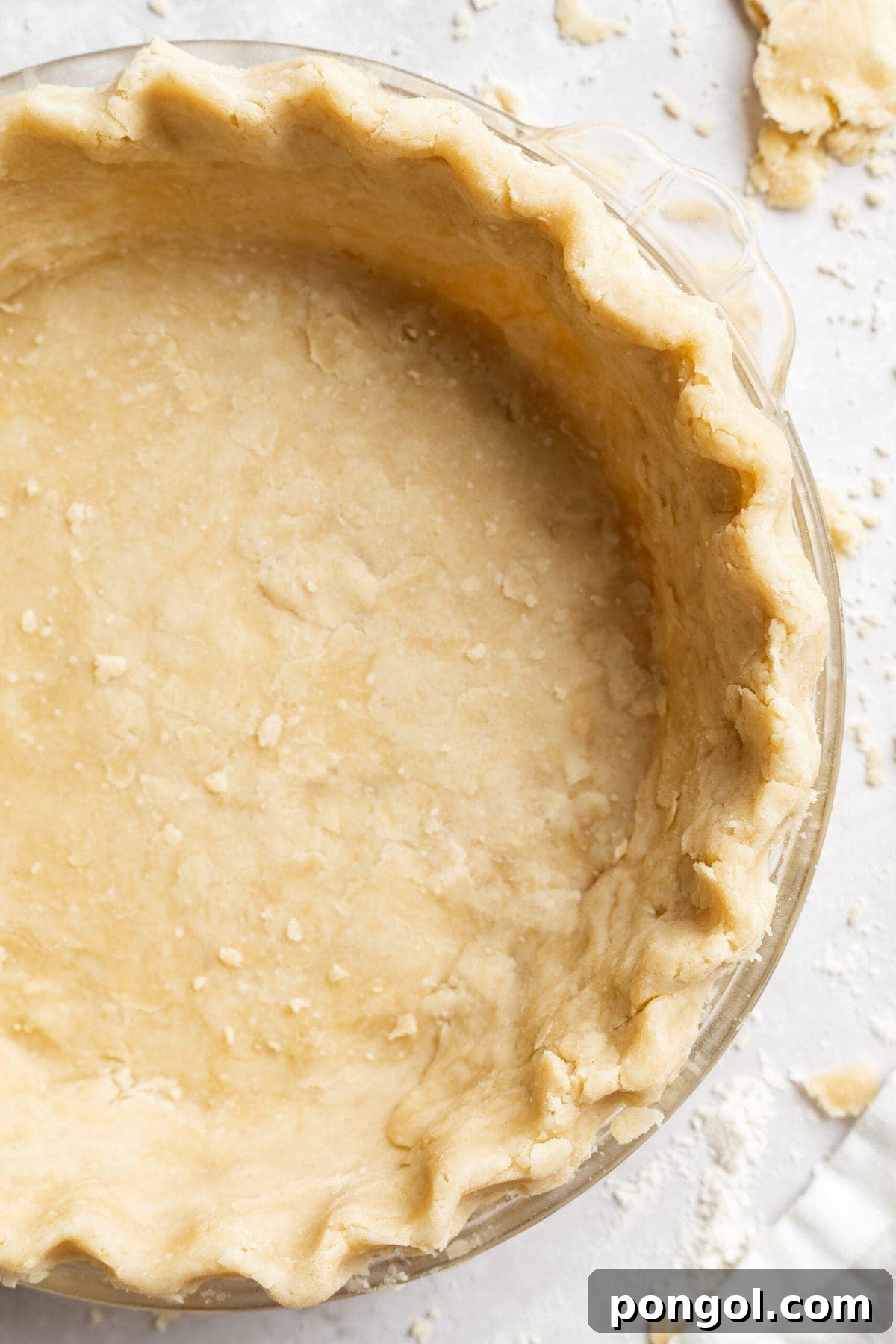
Welcome to your new favorite vegan pie crust recipe! Achieving a perfectly flaky, tender, and effortlessly delicious pie crust can often feel like a culinary challenge, but not anymore. This recipe simplifies the process, making it incredibly accessible for every home baker, from novice to expert. With just a few simple, everyday ingredients you likely already have in your pantry, you’ll be able to create a flawless foundation for any pie your heart desires, whether sweet or savory. Prepare to elevate your baking with a crust that’s not only plant-based but also boasts an unparalleled texture that will impress everyone.
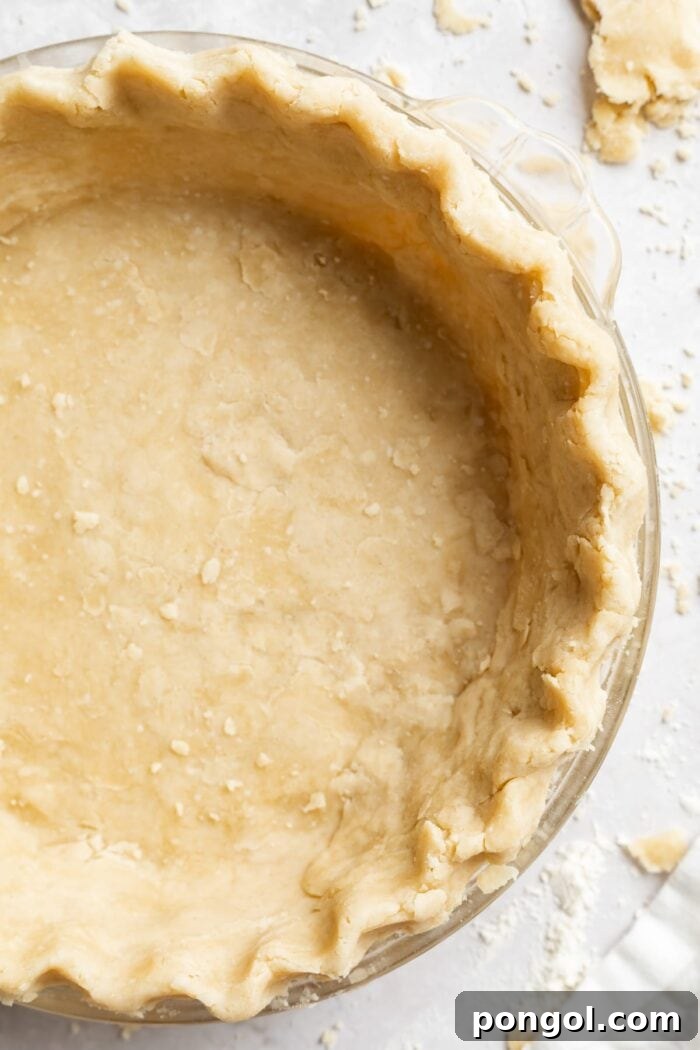
Why This Vegan Pie Crust Is Your New Favorite
This isn’t just another pie crust recipe; it’s a game-changer for vegan bakers and anyone looking for a reliable, delicious, and easy-to-make crust. Here’s what makes this particular recipe stand out from the rest and why it deserves a permanent spot in your culinary repertoire:
- Surprisingly Simple and Foolproof: Forget the intimidation often associated with homemade pie crusts. Many recipes tend to be finicky, requiring precise techniques and perfect conditions. However, this vegan version is designed for simplicity. It comes together in just a few straightforward steps, making it incredibly forgiving and virtually foolproof. Even if you’re new to pie making, you’ll find success with this recipe, yielding beautiful, bakery-quality results every time.
- Perfectly Flaky and Tender Texture: The ultimate goal of any pie crust is that coveted flaky texture, and this recipe delivers it in spades. Each bite offers a delightful contrast between a crisp, golden exterior and a tender, melt-in-your-mouth interior. This trusty vegan pie crust provides the ideal base, sturdy enough to hold your fillings yet delicate enough to complement their flavors, creating a harmonious culinary experience.
- Effortlessly Freezer-Friendly for Future Use: Life gets busy, but that doesn’t mean you have to sacrifice homemade goodness. This vegan pie crust can be easily prepped and frozen, offering unparalleled convenience for future baking projects. I highly recommend making a double batch and freezing one for later. This thoughtful planning makes whipping up your favorite pie recipes a breeze, especially during demanding times like holiday baking, allowing you to enjoy fresh, homemade pies with minimal effort.
- Incredibly Versatile for Any Filling: Whether your craving leans towards a sweet apple pie, a rich pumpkin pie, or a savory pot pie, this vegan crust is exceptionally versatile. Its neutral flavor profile and robust texture make it suitable for a wide array of fillings. It holds up beautifully to both wet and dry ingredients, ensuring your pie remains structurally sound and utterly delicious.
- Naturally Plant-Based and Allergy-Friendly: For those following a vegan diet or managing dairy allergies, finding a reliable and delicious pie crust can be a challenge. This recipe uses readily available plant-based ingredients, ensuring everyone can enjoy a slice of homemade pie without compromise. It’s a wonderful option that caters to diverse dietary needs without sacrificing taste or texture.
Key Ingredients for a Flawless Vegan Pie Crust
The secret to a truly outstanding pie crust lies in the quality and handling of its core ingredients. This vegan recipe relies on a few simple staples, each playing a critical role in achieving that desirable flaky texture and rich flavor.
All-Purpose Flour
As the primary structural component of our pie crust, all-purpose flour is indispensable. Its balanced protein content is perfect for creating a dough that is both pliable and capable of achieving incredible flakiness. It’s crucial to use all-purpose flour specifically for this recipe, as substituting with other types of flour (like whole wheat or low-protein cake flour) can drastically alter the texture, leading to a tough or crumbly crust that lacks the desired characteristics. Beyond incorporating it into the dough, remember to reserve a generous amount of flour. You’ll need extra sprinklings when rolling out the dough to prevent sticking to your work surface and rolling pin, ensuring a smooth, seamless transfer to your pie dish.
Vegetable Shortening
Vegetable shortening is the star ingredient that truly transforms this into a magnificent vegan pie crust, expertly replacing traditional butter. I actually find that shortening often yields a superior result to butter in all my pie crusts, not just vegan ones! The magic lies in shortening’s higher melting point compared to butter. This property means it stays solid longer during mixing, creating distinct pockets of fat within the dough. As the pie bakes, these pockets melt, releasing steam and pushing apart the layers of dough, resulting in that wonderfully flaky texture we all crave. This also makes the dough much easier to handle and less prone to becoming greasy or sticky. However, if you’re partial to the subtle richness that butter provides, you can opt to replace half of the shortening with half a cup of *very* cold vegan butter. If choosing this option, ensure the vegan butter is exceptionally chilled and cut into small cubes to maintain its firmness during incorporation, which is key for flakiness.
Granulated Sugar
While only a small amount, granulated sugar plays a subtle yet significant role in this pie crust. It doesn’t just add a touch of sweetness; it also aids in browning, giving the crust a beautiful golden hue as it bakes. Furthermore, sugar contributes to the overall tender texture of the crust by interfering with gluten development, preventing it from becoming overly tough. This slight sweetness also makes the crust incredibly versatile, perfect for complementing both fruit-filled sweet pies and savory tarts.
Salt
Salt is a fundamental flavor enhancer in almost any recipe, and pie crust is no exception. A teaspoon of salt in this recipe does much more than just make the crust taste savory; it balances the sweetness of the sugar and deepens the overall flavor profile of the dough. It acts as a counterpoint, preventing the crust from tasting bland and instead providing a rich, well-rounded base that highlights the fillings it encases. Don’t skip the salt!
Ice Cold Water
The temperature of your water is paramount in pie crust making. Using ice-cold water is a non-negotiable step for achieving a truly flaky crust. The cold water prevents the vegetable shortening from melting prematurely and helps to inhibit gluten development in the flour. When shortening stays cold and firm, it creates those crucial distinct fat pockets that yield flakiness. Warm water, on the other hand, would cause the fat to soften and disperse too much, resulting in a tough, less flaky crust. For extra cold water, I recommend filling a glass with ice water, then measuring out the required amount directly from that super-chilled supply.
Expert Baking Tips for Pie Crust Perfection
Crafting the perfect pie crust is an art, but with these expert tips, you’ll be well on your way to baking success. These insights will help you avoid common pitfalls and ensure your vegan pie crust turns out beautifully flaky and tender every single time.
- Maintain Extreme Coldness: This is arguably the most critical rule for flaky pie crust. Both your vegetable shortening and water must be *super* cold. Cold ingredients prevent the fat from melting into the flour too quickly, which is essential for creating those distinct pockets that turn into flaky layers when baked. For the shortening, I strongly advise sticking it in the refrigerator for at least an hour (or even the freezer for 15-20 minutes) before you begin the recipe. As for the water, fill a glass with ice and water, let it sit for a few minutes, then measure out your required amount from that chilled supply.
- Avoid Overworking the Dough: Gentle handling is key. Over-mixing or over-kneading the dough develops the gluten in the flour excessively, leading to a tough, bread-like crust rather than a tender, flaky one. Mix just until the dough comes together and no dry streaks of flour remain. Remember, less is more when it comes to mixing pie dough.
- Consider the Food Processor Method: If you prefer a hands-off approach or struggle with keeping ingredients cold, a food processor can be your best friend. To use this method, simply pulse the flour, sugar, and salt together first. Then, add the cold, cubed shortening and pulse a few times until the mixture resembles coarse crumbs with some pea-sized pieces of fat remaining. Finally, with the food processor running, slowly drizzle in the ice water until the dough just begins to come together. Stop immediately once a dough ball forms to prevent overworking.
- Rest the Dough: Once your dough is formed, resist the urge to roll it out immediately. Wrap it tightly in plastic wrap and chill it in the refrigerator for at least 30 minutes, or up to 2 days. This resting period allows the gluten to relax, making the dough much easier to roll out without shrinking, and it also gives the fat a chance to firm up again, enhancing flakiness.
- Use Extra Flour for Rolling: When it’s time to roll, generously flour your work surface and rolling pin. This prevents the dough from sticking, which can cause tears or require excessive handling. Lightly dust the top of the dough as well. If the dough starts to stick, lift it, re-flour, and continue.
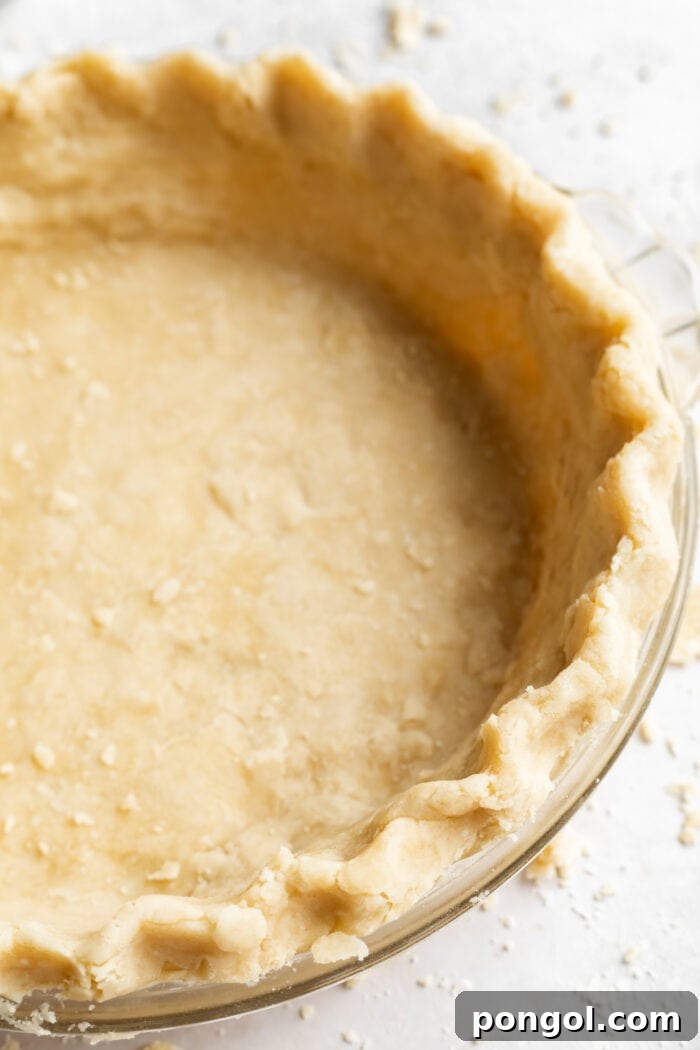
- Patching Holes and Fluting Edges: Don’t panic if your dough tears while transferring it to the pie dish. Small tears can be easily patched with excess dough or by gently pressing the edges together. For a beautiful finish, flute the edges of your crust. You can do this by using your thumbs and forefingers to create decorative crimps, or use a fork to press down around the rim.
- Pre-Baking (Blind Baking) if Needed: Some pie recipes, especially those with very wet fillings or custard bases, benefit from blind baking (pre-baking) the crust. This prevents the bottom crust from becoming soggy. To blind bake, prick the bottom of the crust with a fork, line it with parchment paper, and fill with pie weights or dried beans. Bake at 375°F (190°C) for 15-20 minutes, then remove the weights and parchment, and bake for another 5-10 minutes until lightly golden.
Vegan Pie Crust Recipe
Flaky Vegan Pie Crust
This vegan pie crust is perfectly flaky, easy, and delicious! With just a few simple ingredients you probably already have on-hand, you’ll have a flawless pie crust ready to be filled with anything you’d like.
Cook Time: 0 minutes
Total Time: 20 minutes
Equipment
- Large bowl
- Pastry cutter or fork (or food processor)
- 9-inch pie dish
- Rolling pin
Ingredients
- 2 ½ cups all-purpose flour, plus more for dusting
- 1 tablespoon granulated sugar
- 1 teaspoon salt
- 1 cup vegetable shortening, cold and cut into ½-inch cubes
- 4-5 tablespoons ice cold water
Instructions
-
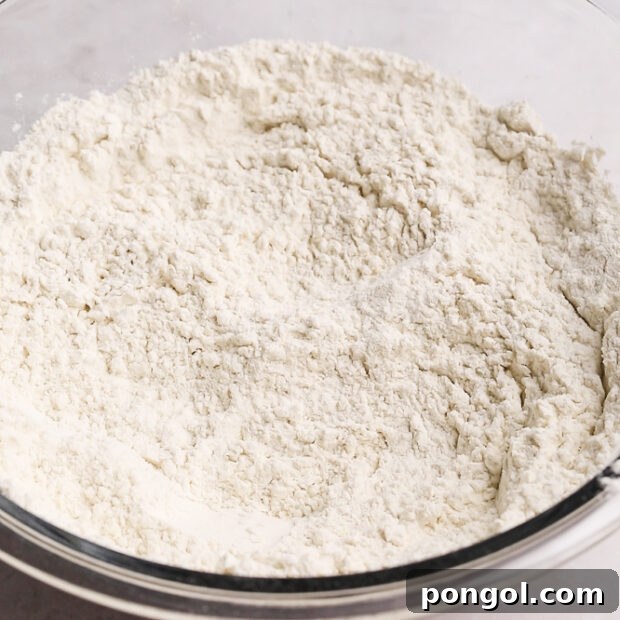
In a large mixing bowl, combine the all-purpose flour, granulated sugar, and salt. Whisk them together thoroughly to ensure all ingredients are evenly distributed.

Combine flour, sugar, and salt in a large bowl. -
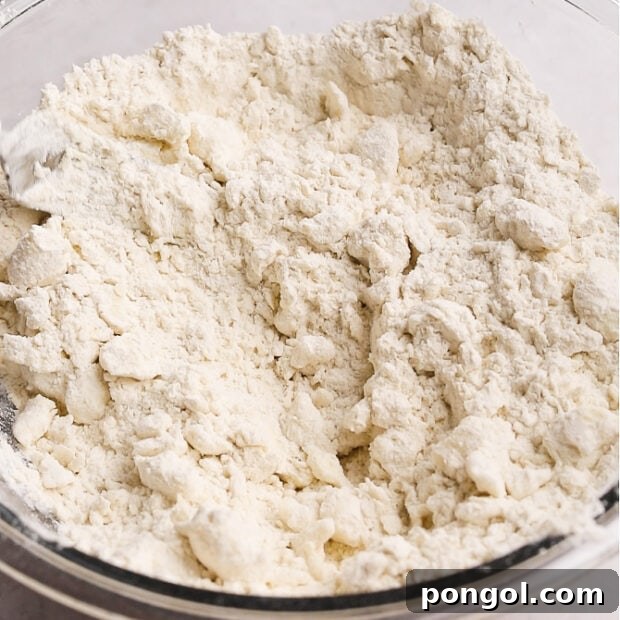
Add the cold, cubed vegetable shortening to the dry ingredients. Using either a pastry cutter, two forks, or your fingertips (working quickly to keep the shortening cold), cut the shortening into the flour mixture. Continue mixing until the mixture resembles coarse crumbs, with some pea-sized pieces of shortening remaining. It’s crucial not to overmix at this stage.
Cut the cold shortening into the flour mixture until crumbly. -
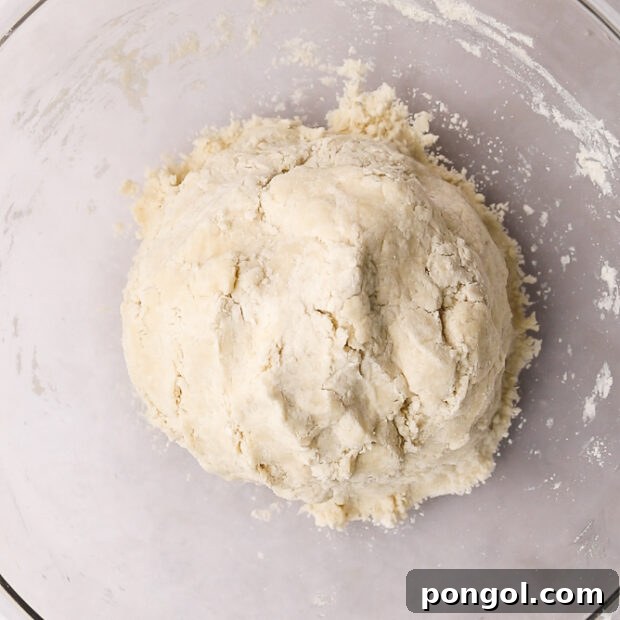
Gradually add 4 tablespoons of ice-cold water, one tablespoon at a time, mixing gently after each addition. Continue to mix until a cohesive ball of dough begins to form. If the mixture still appears too dry and isn’t coming together, add the fifth tablespoon of cold water. Be careful not to overmix; stop as soon as the dough forms a ball.
Add cold water slowly until the dough forms a ball. -
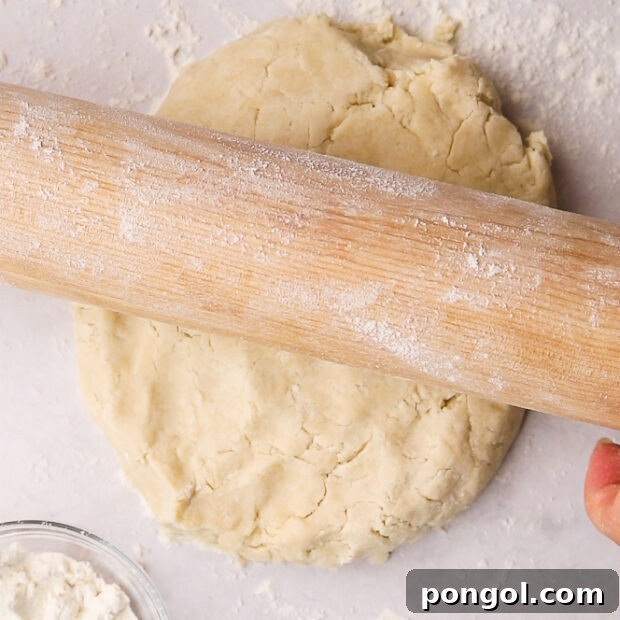
Lightly flour a clean work surface. Transfer the dough to the floured surface and gently roll it out into a 12-inch circle using a rolling pin. Carefully transfer the rolled dough to a 9-inch pie pan. Press gently to secure it into the pan, ensuring it fits snugly. Patch any small holes with excess dough and, if desired, flute the edges for a decorative finish.
Roll out the dough and carefully place it into the pie dish. -
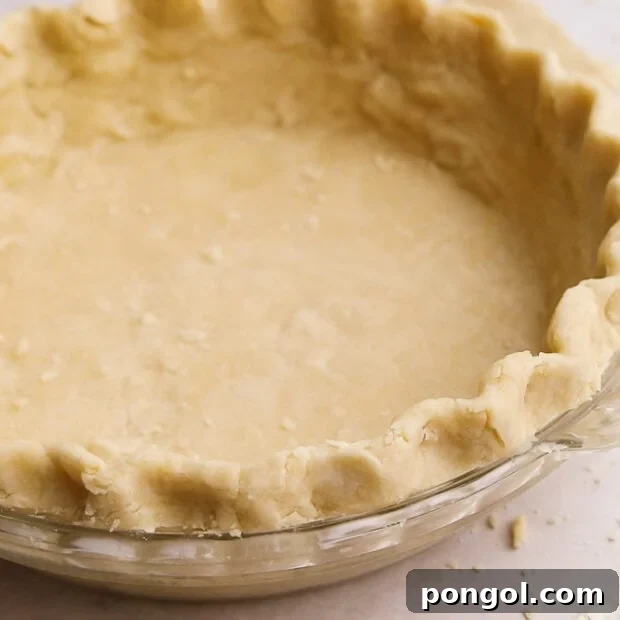
Your vegan pie crust is now ready to use! You can either fill and bake it immediately according to your pie recipe’s instructions, or store it for later use. (See storage tips below).
The prepared vegan pie crust, ready to be filled or stored.
Recipe Notes & Tips
- Handling: Avoid over-handling the pie crust dough as much as possible. The warmth from your hands can melt the vegetable shortening, which will compromise the flakiness. Work quickly and efficiently.
- Gluten-Free Option: To make this pie crust gluten-free, simply substitute the all-purpose flour with a high-quality gluten-free all-purpose flour blend. Ensure your blend contains xanthan gum, or add ½ teaspoon per cup of flour, to help with structure.
- Yield: This recipe typically yields one single 9-inch pie crust. For a double-crust pie (like a classic apple pie), you’ll need to double the recipe.
Recipe yields 9 servings for a single crust. Actual number of servings will depend on your preferred portion sizes and the filling used.
Storage and Make-Ahead Tips
This vegan pie crust is fantastic for preparing in advance, saving you time and effort when you’re ready to bake. Here’s how to properly store your dough:
- Refrigerating Dough: Once prepared, wrap the disk of dough tightly in plastic wrap to prevent it from drying out. Store it in the refrigerator for up to 2-3 days. When ready to use, remove it from the fridge about 15-20 minutes before rolling to allow it to soften slightly, making it easier to work with.
- Freezing Unbaked Dough: For longer storage, you can freeze the unbaked dough. Wrap the dough disk tightly in several layers of plastic wrap, then place it in a freezer-safe bag. It will keep well in the freezer for up to 3 months. To use, thaw the dough in the refrigerator overnight, then let it sit at room temperature for 15-20 minutes before rolling.
- Freezing Shaped Crusts: You can also prepare the crust in the pie dish, cover it tightly with plastic wrap and then foil, and freeze it. This is perfect for when you need a pie fast! It will last for up to 1 month in the freezer. When ready to bake, you can often fill and bake directly from frozen, adding about 15-20 minutes to the baking time, or thaw in the refrigerator first.
Frequently Asked Questions (FAQs)
Got questions about making the perfect vegan pie crust? We’ve got answers to some of the most common queries:
Can I use vegan butter instead of vegetable shortening?
Yes, you can! While vegetable shortening is recommended for maximum flakiness due to its high melting point, you can substitute up to half of the shortening with very cold vegan butter. Ensure the vegan butter is cut into small cubes and kept extremely cold to achieve a similar flaky texture. If you use all vegan butter, your crust might be slightly less flaky but will have a richer flavor.
Why is my pie crust tough?
A tough pie crust is usually a sign of overworking the dough. Excessive mixing or kneading develops the gluten in the flour too much, leading to a firm, bread-like texture rather than a tender, flaky one. To avoid this, mix the dough just until it comes together and no dry flour remains.
How long does vegan pie crust last?
Unbaked pie dough can be stored in the refrigerator for up to 2-3 days or frozen for up to 3 months. Once baked, pies with this crust generally last 3-5 days in the refrigerator, depending on the filling.
Do I need to blind bake this vegan pie crust?
Blind baking is not always necessary but is highly recommended for pies with very wet fillings (like quiches or fruit pies with high moisture content) to prevent a soggy bottom. It’s also essential for pies with no-bake fillings, ensuring the crust is fully cooked. Refer to your specific pie recipe to determine if blind baking is needed.
Can I make this crust savory for pot pies?
Absolutely! This vegan pie crust is incredibly versatile. Its neutral flavor profile is perfect for savory applications. For a savory crust, you can slightly increase the salt to 1.5 teaspoons and omit the sugar, though a tablespoon of sugar often helps with browning and is generally unnoticeable in savory pies.
Delicious Pie Recipes You Must Try with Your Vegan Crust
Now that you have the perfect vegan pie crust, the possibilities are endless! Here are some fantastic vegan-friendly pie recipes that would be absolutely incredible with this flaky base:
- Vegan Blueberry Pie: A classic summer favorite, bursting with juicy blueberries and a hint of lemon, perfectly encased in your homemade flaky crust.
- Vegan Pumpkin Pie: The quintessential holiday dessert, made rich and creamy without dairy, elevated by this tender, buttery-tasting crust.
- Paleo Pecan Pie: While not strictly vegan (unless made with vegan-friendly paleo adjustments), this decadent, nutty pie pairs wonderfully with a robust crust like ours, if you adapt the filling to be plant-based.
- The BEST Chicken Pot Pie (Vegan Adaptation): Imagine a hearty, creamy vegetable filling (or plant-based chicken alternative) topped with this golden, savory crust. Comfort food at its finest!
- Vegan Apple Pie: A timeless dessert, with tender spiced apples and a wonderfully crisp, golden crust that sings with every bite.
Conclusion
Mastering a homemade pie crust is a truly rewarding experience, and with this ultimate flaky vegan pie crust recipe, you’ve unlocked a world of plant-based baking possibilities. Its ease of preparation, incredible texture, and versatility make it the ideal foundation for any pie, whether you’re celebrating a special occasion or simply enjoying a weeknight treat. Say goodbye to store-bought crusts and hello to the unmatched joy of a perfectly homemade, effortlessly delicious, and completely vegan pie.
Did You Make This Recipe?
We’d love to see your creations! Tag @40aprons on Instagram and be sure to leave a review and your comments on the blog post. Your feedback helps other bakers!
Tag @40Aprons on Instagram
Approximate Nutritional Information for One Serving
- Serving Size: 1 serving
- Calories: 375 cal
- Protein: 4 g
- Fat: 26 g
- Saturated Fat: 6 g
- Trans Fat: 3 g
- Sodium: 293 mg
- Potassium: 42 mg
- Total Carbs: 31 g
- Fiber: 1 g
- Sugar: 2 g
- Net Carbs: 30 g
- Calcium: 7 mg
- Iron: 2 mg
Nutrition Disclaimers
Number of total servings shown is approximate. Actual number of servings will depend on your preferred portion sizes.
Nutritional values shown are general guidelines and reflect information for 1 serving using the ingredients listed, not including any optional ingredients. Actual macros may vary slightly depending on specific brands and types of ingredients used.
To determine the weight of one serving, prepare the recipe as instructed. Weigh the finished recipe, then divide the weight of the finished recipe (not including the weight of the container the food is in) by the desired number of servings. The result will be the weight of one serving.