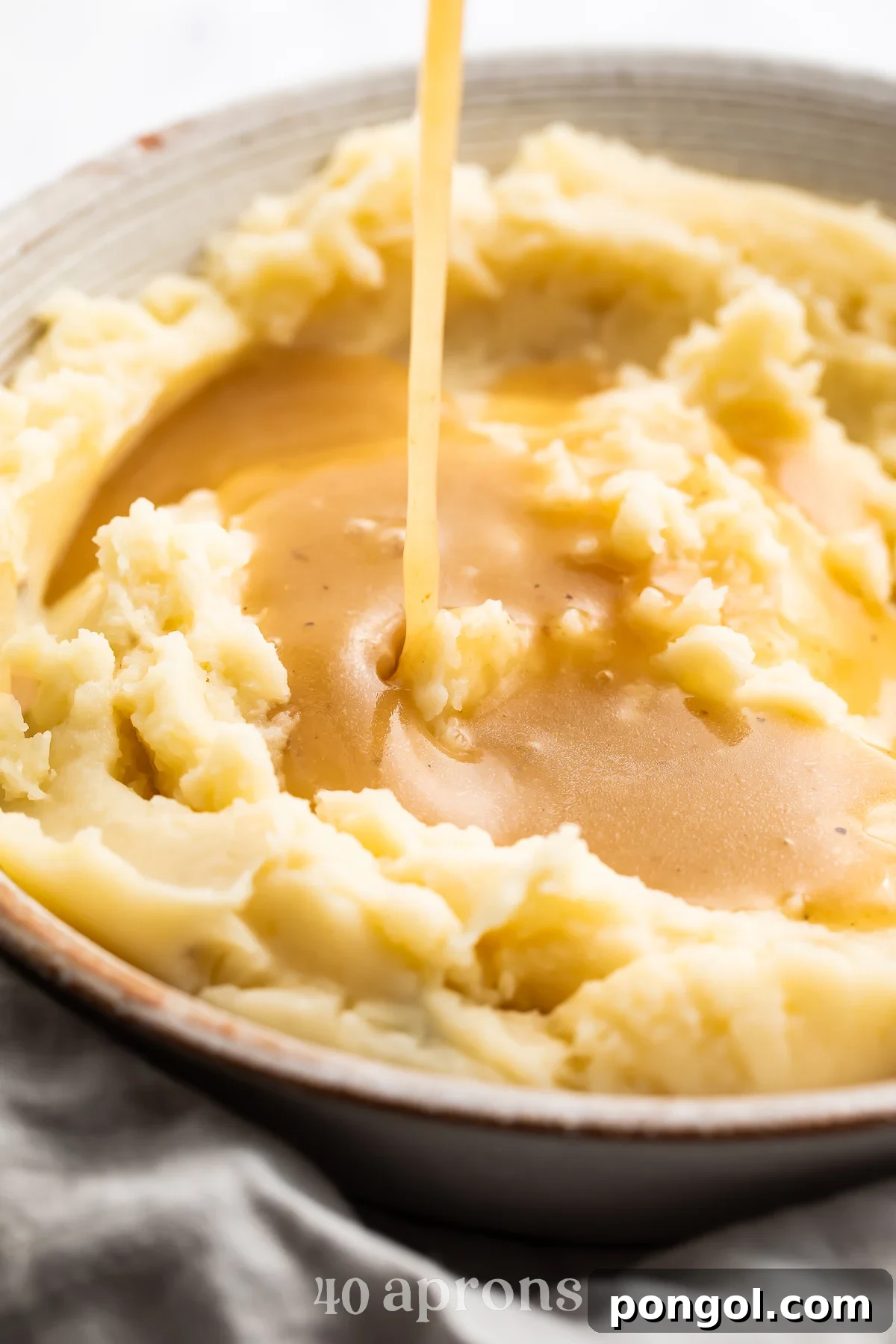
Imagine a rich, velvety gravy that enhances any meal, whether it’s a grand holiday feast or a simple weeknight dinner. Now, imagine that same exquisite gravy is completely gluten-free, yet so incredibly flavorful that no one would ever suspect it! This savory and luscious gluten-free gravy recipe is a culinary game-changer, perfect for drizzling over succulent turkey, roasted chicken, or tender beef. What makes it truly exceptional is its effortless preparation, adaptable whether you choose to use flavorful drippings from your roasted meats or opt for a simple butter-based roux. Versatile, utterly delicious, and surprisingly easy to master, this recipe proves that gluten-free can be just as, if not more, satisfying than its traditional counterparts. Get ready to elevate your meals with a gravy that’s full of depth and warmth, without any compromise on taste or texture.
Unlocking the Irresistible Flavor of This Gluten-Free Gravy
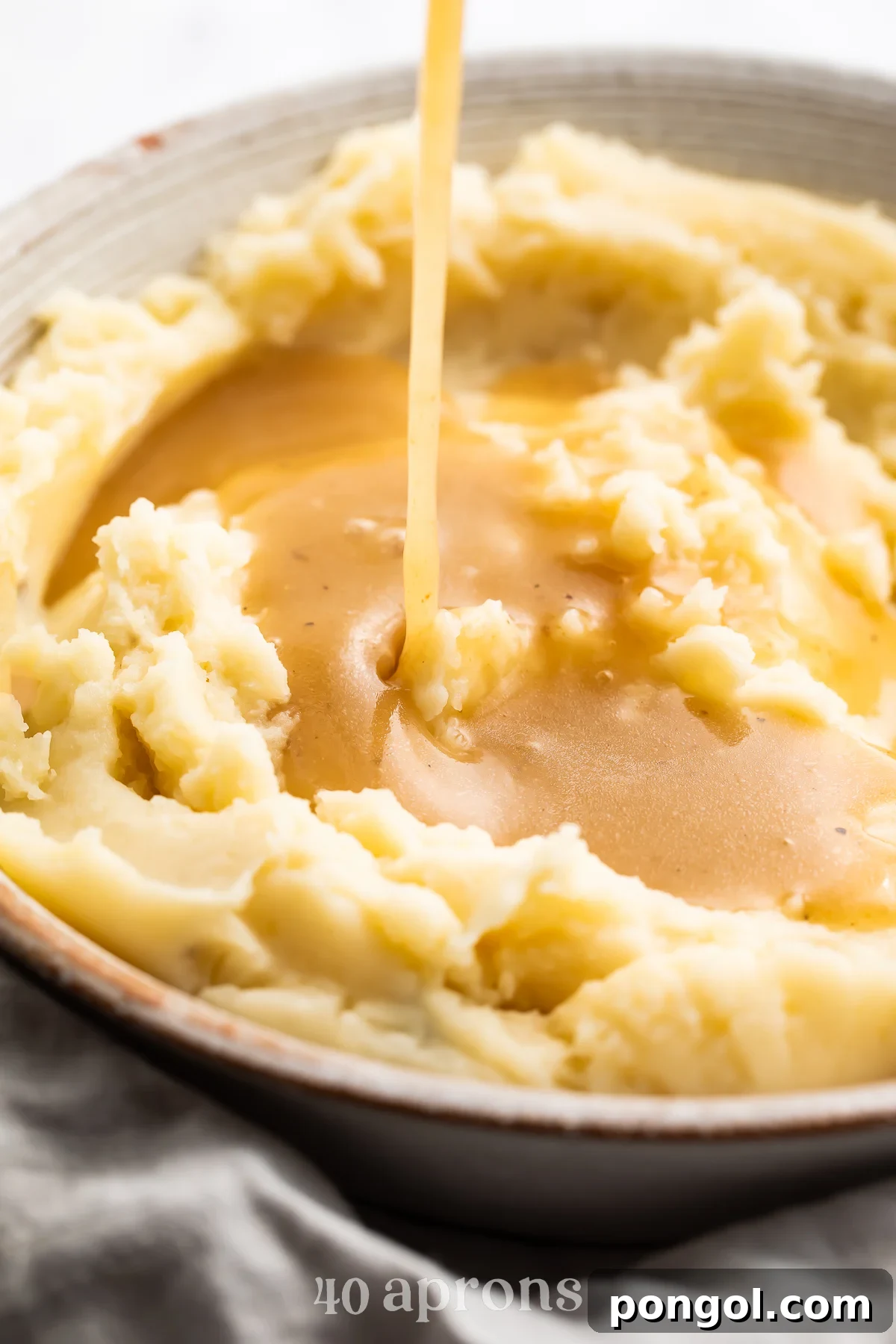
There’s a common misconception that gluten-free dishes often lack the rich texture or robust flavor of their traditional counterparts. This recipe shatters that myth entirely! You’ll honestly never believe this decadent gravy is 100% gluten-free, because it embodies every bit of the deliciousness you’d expect from a classic gravy. It’s a truly rich and savory creation, incredibly easy to make, and remarkably adaptable.
Whether you’re fortunate enough to have a bounty of leftover drippings from your Thanksgiving turkey, Christmas roast beef, or a Sunday chicken, or you’re starting from scratch with a simple butter-based roux, this recipe delivers consistent perfection. The magic lies in its ability to capture those deep, umami flavors without relying on wheat flour. Because it’s so universally appealing, everyone at your table—from those with dietary restrictions to guests who simply love great food—will undoubtedly enjoy it, making it a stress-free addition to any gathering.
One of the standout features of this recipe is its use of incredibly simple, yet wonderfully neutral ingredients. This thoughtful selection allows the gravy to develop a ton of flavor while maintaining a super versatile profile. Why is this a major advantage? It means this single recipe can become your go-to gravy for almost any protein! You can confidently pair it with a perfectly roasted chicken, a celebratory turkey, a glazed ham, or a succulent beef roast. This adaptability streamlines your cooking process, especially during busy holiday seasons, making meal preparation so much easier and more enjoyable.
Effortless Meal Prep: Make Ahead & Save Time
For those times when you aren’t using drippings—perhaps you’re preparing a meatless meal or simply want to get ahead of the holiday rush—you can prepare this exquisite gluten-free gravy up to 3 days in advance. This incredible make-ahead capability is a lifesaver for busy hosts and home cooks. Simply follow the recipe instructions as written, using butter as your flavorful base instead of pan drippings. Once your gravy has reached its desired consistency and flavor, allow it to cool completely to room temperature.
After cooling, transfer the gravy to an airtight container and refrigerate it promptly. When you’re ready to serve, gently reheat the gravy on the stovetop over low heat, stirring frequently to prevent sticking. Gravy tends to thicken in the fridge, so don’t hesitate to add a splash of extra chicken or beef stock if needed to achieve that perfect, pourable consistency. An added bonus? If you happen to make your gravy ahead of time and then find yourself with delicious pan drippings from a last-minute roast, you can always incorporate those drippings into the gravy when you reheat it. This infusion of fresh drippings will add an extra layer of depth and authenticity, making your pre-made gravy taste even more spectacular.
Chef’s Expert Tips for Perfect Gluten-Free Gravy
Making gluten-free gravy might seem daunting, but it’s genuinely hard to mess up, I promise! With a few expert insights, you’ll be creating flawless, delicious gravy every time. These tips are designed to guide you through common challenges and ensure your gravy is nothing short of spectacular.
- Understanding Gluten-Free Flours & Preventing Clumps: Any gluten-free all-purpose flour blend can be used in this gravy, but it’s important to note a common characteristic: some GF flours, particularly those containing xanthan gum, have a tendency to clump when introduced to warm liquids. Xanthan gum is a common binder in GF blends, providing elasticity, but it can create lumps if not incorporated correctly. To avoid this, allow your drippings or melted butter to cool slightly for a minute or two before you whisk in the flour. This small temperature adjustment can make a big difference. If, despite your best efforts, you still encounter clumps, don’t despair! You can typically fix this by whisking the mixture vigorously until it becomes smooth. For more stubborn lumps, an immersion blender (or a regular blender, carefully used) will quickly emulsify the gravy, leaving you with a perfectly smooth, lump-free sauce.
- Mastering Consistency – Too Thick or Too Thin?: Achieving the perfect gravy consistency is an art, but it’s an art that’s incredibly forgiving. This gluten-free gravy is really hard to mess up when it comes to thickness or thinness. You can always salvage things! If your gravy ends up too thick, simply add more stock (chicken, beef, or even vegetable) in small increments, whisking continuously after each addition, until you’ve reached your desired pourable texture. Remember, it’s easier to thin out gravy than to thicken it significantly, so add slowly. Conversely, if your gravy is too thin, sprinkle in a little more gluten-free flour, whisking constantly to incorporate it smoothly. Continue to simmer and whisk until the gravy thickens to your liking. A general rule of thumb: for every tablespoon of flour you add, you’ll need to whisk and simmer for a couple of minutes to cook out the raw flour taste. Patience is key here.
- Freezing Gravy for Future Enjoyment: Did you know you can easily freeze gravy to use later? This is a fantastic time-saving hack, especially after big holiday meals. This gluten-free gravy actually freezes exceptionally well because it’s made with flour as a thickener, rather than cornstarch. Cornstarch-thickened gravies can sometimes become grainy or separate upon thawing, but flour-based gravies hold up beautifully. To freeze, ensure your gravy has cooled completely to room temperature. Then, transfer it to an airtight, freezer-safe container or, for space efficiency, into sturdy plastic freezer bags. If using bags, lay them flat on a freezer shelf until they are completely frozen; once solid, you can stack them vertically or horizontally to save space. When you’re ready to enjoy it, let the frozen gravy thaw in the refrigerator overnight. Reheat it gently on the stove over low heat, whisking well. You may need to add a splash of stock or water to restore its original consistency after thawing.
The Science of a Perfect Gluten-Free Roux
At the heart of any great gravy is a well-made roux—a cooked mixture of fat and flour that acts as a thickening agent and flavor base. For gluten-free gravy, the principle remains the same, but understanding the nuances of gluten-free flours is crucial. Traditional rouxs use wheat flour, where the gluten proteins contribute to its thickening power. Gluten-free flours, lacking these proteins, thicken through their starch content. This means they can sometimes absorb liquid differently or clump if not handled properly. By cooking the GF flour in fat (butter or drippings) until golden, you not only eliminate any raw flour taste but also create a stable base that helps prevent lumps when liquids are added. The key is a gradual addition of stock, whisking continuously, to create a smooth emulsion rather than a lumpy paste. This careful technique ensures a silky, rich gravy that’s indistinguishable from its gluten-containing counterpart.
Essential Gluten-Free Holiday Dishes for This Season
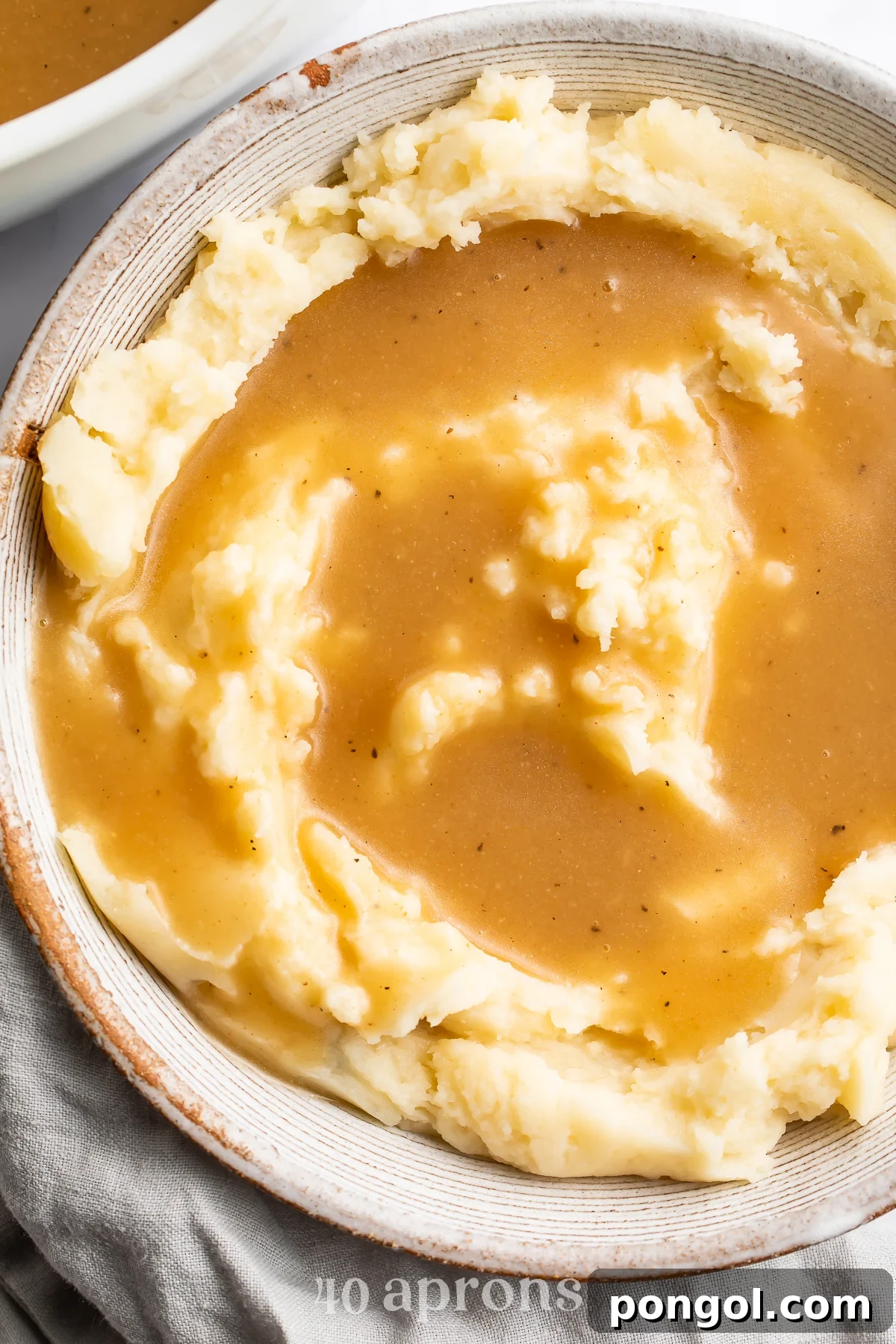
Planning a holiday meal can be exciting, but for those navigating gluten sensitivities, it often requires careful menu planning. The good news is that creating a spectacular, safe, and utterly delicious gluten-free feast is easier than ever! Pair your incredible gluten-free gravy with these fantastic dishes to complete your holiday spread:
- Gluten Free Breakfast Casserole: Start your holiday morning right with a comforting, hearty, and totally gluten-free casserole.
- Gluten-Free Lasagna: A classic comfort food, reimagined to be deliciously gluten-free and perfect for feeding a crowd.
- Paleo Pancakes (Gluten Free, Dairy Free): Fluffy, flavorful pancakes that cater to multiple dietary needs without sacrificing taste.
- Keto Pie Crust (Gluten Free, Low Carb): The perfect base for your holiday pies, offering a delicious and dietary-friendly option.
- Gluten Free Cinnamon Rolls (Cinnabon Copycat): Indulgent, sticky, and wonderfully aromatic – a copycat recipe that’s gluten-free!
- Gluten Free Stuffing: No holiday meal is complete without stuffing, and this gluten-free version is packed with savory flavors.
- Creamy Gluten Free Pecan Pie: A sweet and nutty dessert, ensuring everyone can enjoy a slice of pie.
- Gluten Free Meatloaf: A family-friendly main course that’s comforting and easy to make gluten-free.
Why Homemade Gluten-Free Gravy is a Must-Try
Beyond its incredible taste and versatility, opting for homemade gluten-free gravy offers numerous advantages. Firstly, you have complete control over the ingredients, ensuring no hidden gluten, excessive sodium, or artificial additives. This is particularly important for those with celiac disease or severe gluten sensitivities. Secondly, the flavor of fresh, homemade gravy, especially when made with quality stock and optional drippings, far surpasses any store-bought alternative. It brings a depth of flavor and a richness that can transform even the simplest dish into a gourmet experience. Lastly, mastering a reliable gluten-free gravy recipe empowers you in the kitchen, giving you the confidence to host holidays and create everyday meals without dietary stress. It’s an essential skill that truly enhances your culinary repertoire.
Gluten Free Gravy (With or Without Drippings)
 Cheryl Malik
Equipment
-
medium saucepan
-
whisk
Ingredients
- ¼ cup drippings from roasted meat (turkey, chicken, beef) or unsalted butter for a non-dripping base
- ¼ cup gluten-free all-purpose flour any standard GF blend will work; see Notes for tips
- 2-3 cups low-sodium chicken stock or beef stock, or a combination for a richer flavor; ensure it’s certified gluten-free (see Notes)
- salt to taste; adjust based on the saltiness of your drippings/stock (see Notes for alternative)
- freshly cracked black pepper to taste, for a hint of warmth and spice
Instructions
-
Begin by heating a medium saucepan over medium heat. Once the saucepan is warm to the touch, add your drippings (if using) and allow them to heat through gently. Alternatively, if not using drippings, add your butter to the warm saucepan and let it melt completely, swirling the pan occasionally to ensure the bottom is evenly coated with the rich butter.
-
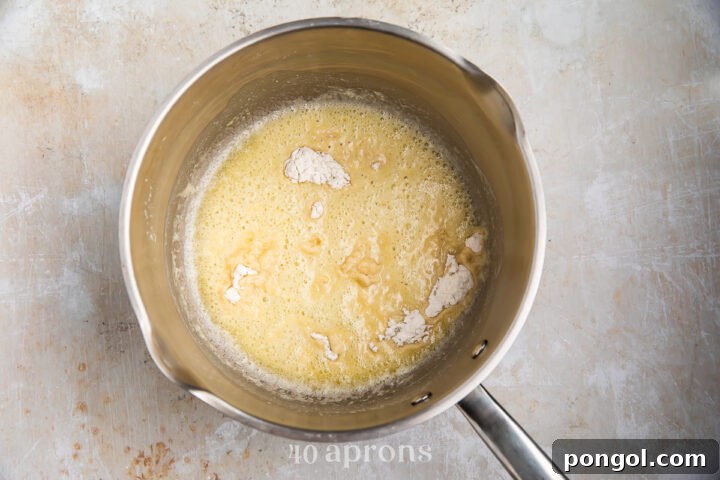
Once the drippings (or melted butter) are nicely warmed through, sprinkle the gluten-free flour evenly over the liquid. Immediately whisk the ingredients together vigorously until they are fully combined and smooth, forming a roux. Reduce the heat to medium-low and continue to simmer this mixture, stirring occasionally, for 3-5 minutes until the roux achieves a beautiful golden color but avoids burning. This step cooks out the raw flour taste and develops a deeper flavor.

-
Slowly and gradually pour in the first cup of your chosen stock (chicken or beef). As you pour, whisk continuously and thoroughly until the mixture becomes completely smooth and lump-free. Once incorporated, pour in another cup of stock and whisk again until all ingredients are fully combined and the gravy base starts to come together.
-
Increase the heat under the saucepan back to medium. Allow the mixture to simmer, uncovered, for 3 to 5 minutes, or until the gravy has visibly thickened slightly to your preference. At this point, add an additional ½ to 1 cup of stock as needed to achieve your desired consistency – whether you prefer a thinner or thicker gravy. Remember to whisk well after each addition to ensure all ingredients are fully combined and the texture is consistent. Note: The exact amount of stock required can vary based on the specific type of gluten-free flour blend you are using, as different blends have varying absorption rates.
-
Once your gluten-free gravy has reached its ideal consistency, taste it carefully. Season with salt and freshly cracked black pepper as needed, adjusting to your preference. Remember to taste before adding salt, especially if using seasoned drippings or a higher-sodium stock. Serve your delicious homemade gluten-free gravy warm, and watch it disappear!
- Flour Choices for Gluten-Free Gravy: Any gluten-free all-purpose flour blend will generally work well in this recipe. However, if your chosen blend contains xanthan gum (a common binder in many commercial GF flours), you might notice the flour tending to clump when added to warm liquids. To mitigate this, consider letting your drippings or melted butter cool for a minute or two before incorporating the flour. If lumps do form, don’t worry! Vigorously whisking the mixture for an extended period often smooths them out. For particularly stubborn lumps, an immersion blender (or carefully transferring to a regular blender) can create a perfectly smooth, silky gravy. Some popular blends include a mix of rice flour, potato starch, and tapioca starch.
- Selecting Your Stock: I highly recommend using low-sodium chicken or beef stock. This gives you greater control over the final saltiness of your gravy. It’s always easier to add salt than to remove it! If you’re using drippings, taste them first to gauge their salt content. For those new to gluten-free cooking, it’s crucial to double-check that the stock you select is indeed certified gluten-free. While most stocks are naturally gluten-free, some brands can unexpectedly include gluten-containing ingredients in their flavorings or thickeners. Always read labels carefully. You can also make your own homemade chicken or beef stock for the freshest flavor and complete control over ingredients.
- Flavor Enhancement Beyond Salt: While salt is essential for seasoning, you can achieve a deeper, richer umami flavor and color by substituting a portion of the salt with gluten-free tamari (soy sauce) or coconut aminos. Start with a small amount and taste as you go. Other flavor enhancers can include a pinch of nutritional yeast for a cheesy depth, or a touch of mushroom powder for an earthy note. Fresh herbs like thyme or rosemary can also be steeped in the gravy during the simmering process, then strained out, for an aromatic boost.
Approximate Information for One Serving
Nutrition Disclaimers
Number of total servings shown is approximate. Actual number of servings will depend on your preferred portion sizes.
Nutritional values shown are general guidelines and reflect information for 1 serving using the ingredients listed, not including any optional ingredients. Actual macros may vary slightly depending on specific brands and types of ingredients used.
To determine the weight of one serving, prepare the recipe as instructed. Weigh the finished recipe, then divide the weight of the finished recipe (not including the weight of the container the food is in) by the desired number of servings. Result will be the weight of one serving.
Did You Make This Incredibly Delicious Gluten-Free Gravy?
We absolutely love seeing your culinary creations! If you’ve whipped up a batch of this fantastic gravy, we encourage you to share your experience. Tag @40aprons on Instagram and be sure to leave a review on the blog post to let us and other home cooks know how it turned out!
Tag @40Aprons on Instagram