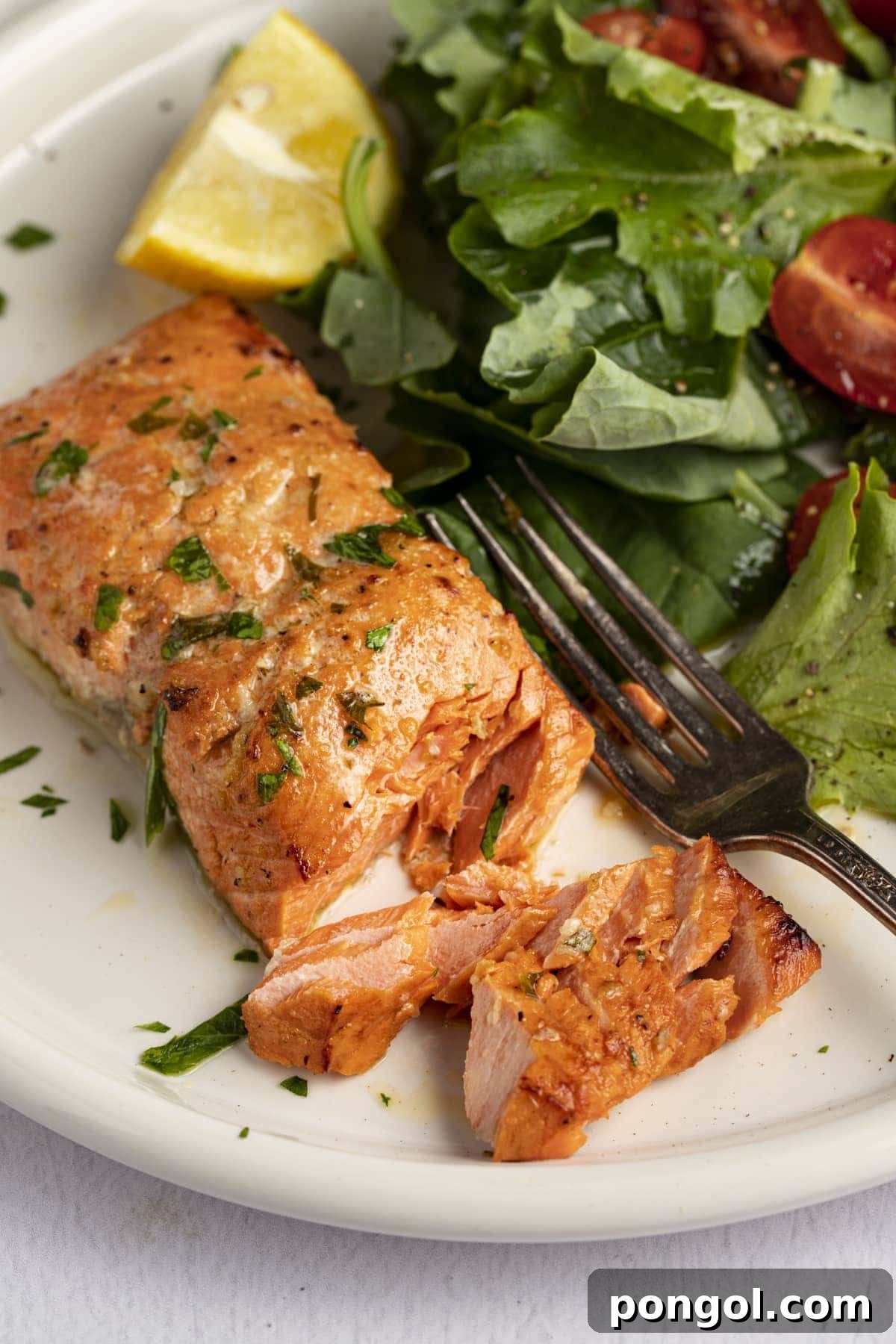
Welcome to the ultimate guide for creating mouth-watering, perfectly broiled salmon right in your own kitchen! This recipe is a testament to how effortlessly you can prepare a dish that’s both incredibly flavorful and packed with nutritional benefits. Featuring a simple yet vibrant marinade of high-quality olive oil, zesty lemon juice, savory Worcestershire sauce, and aromatic garlic, this salmon dish promises to delight your palate without demanding hours of your time. Whether you’re a seasoned home cook or just starting your culinary journey, this broiled salmon recipe is designed for maximum flavor with minimal effort, making it an ideal choice for a healthy weeknight dinner or an impressive meal for guests. Prepare to transform your salmon fillets into a flaky, tender masterpiece that will quickly become a household favorite.
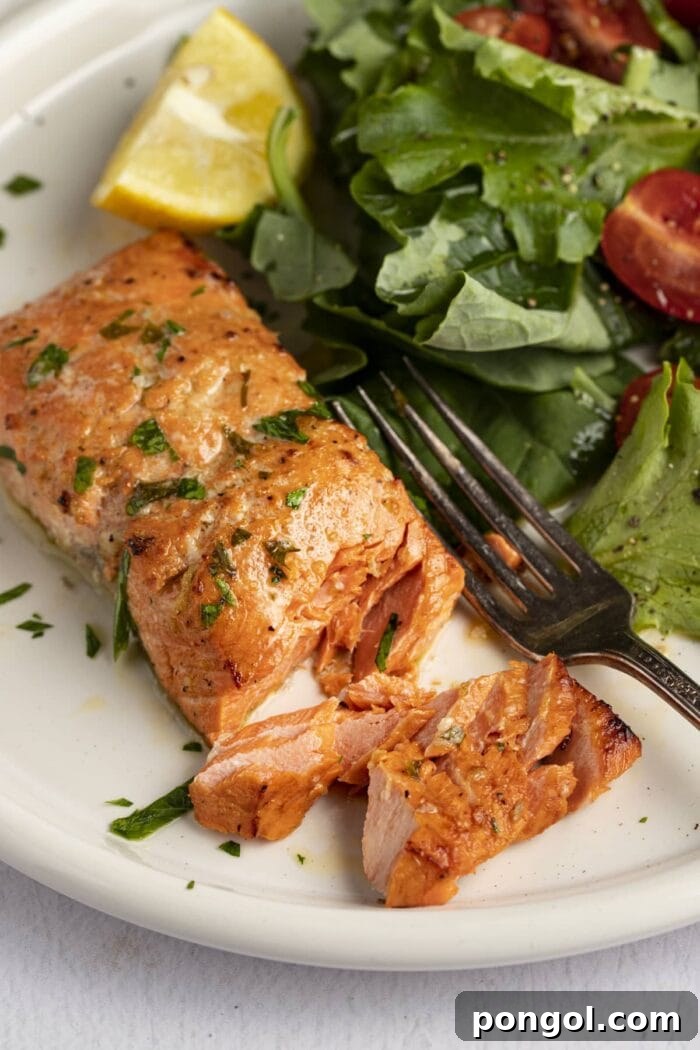
Why This Broiled Salmon Recipe Will Become Your Go-To
If you’re looking for a salmon recipe that consistently delivers delicious results with incredible ease, you’ve found it. Our broiled salmon stands out for several compelling reasons, making it a staple in any healthy kitchen.
- Effortless Perfection in Minutes: Broiling salmon is arguably one of the quickest and most rewarding cooking methods. With just a few minutes of prep to marinate the fillets and a swift 10-12 minutes under the broiler, you’ll achieve salmon that is wonderfully flaky, moist, and cooked to absolute perfection. This isn’t just an easy recipe; it’s a game-changer for busy weeknights when you crave a gourmet meal without the fuss. Imagine transforming raw salmon into a tender, succulent main course in less than 30 minutes from start to finish. Pair it with a simple side salad, some fluffy rice, or steamed vegetables for a complete, nutritious, and incredibly satisfying meal that barely requires any hands-on time. The magic of broiling lies in its ability to deliver intense heat quickly, searing the exterior while locking in moisture, resulting in a perfectly cooked interior every single time.
- Harmonious Flavors from Pantry Staples: The secret to this salmon’s exceptional taste lies in its simple yet profoundly effective marinade. We utilize common pantry ingredients like olive oil, Worcestershire sauce, fresh lemon juice, and minced garlic, each playing a crucial role in enhancing the natural richness of the salmon. The olive oil provides a tenderizing base and helps transfer heat, while the Worcestershire sauce introduces a layer of umami depth that is both subtle and impactful. Lemon juice brightens the overall profile with its acidic tang, perfectly complementing the fish, and fresh garlic infuses an aromatic warmth. Crucially, none of these flavors overpower the delicate taste of the salmon; instead, they work in harmony, creating a balanced and addictive flavor profile. For an extra touch of indulgence and brighter citrus notes, don’t miss the optional lemon butter sauce—it’s the perfect finishing touch that elevates the dish even further.
- Infinitely Adaptable for New Culinary Adventures: One of the greatest advantages of this broiled salmon recipe is its incredible versatility. The foundational marinade, while perfect as is, serves as an excellent canvas for countless flavor variations, allowing you to create a different culinary experience every time. Feeling adventurous? Swap out the Worcestershire for soy sauce and a drizzle of honey for an Asian-inspired twist that offers a delightful sweet and savory contrast. For a smoky, citrusy profile with a hint of spice, replace the lemon juice with lime juice, omit the Worcestershire, and introduce a pinch of chili powder and paprika. You could also experiment with fresh herbs like dill or parsley directly in the marinade, or add a touch of ginger for an extra zing. This adaptability ensures that broiled salmon never gets boring and can cater to any craving or dietary preference.
Unlocking the Power of Broiling for Perfect Salmon
Broiling is a high-heat cooking method that utilizes direct radiant heat from above, similar to grilling but done inside your oven. It’s an often underutilized technique that is incredibly effective for cooking delicate proteins like salmon. The intense, direct heat rapidly cooks the fish, creating a beautifully caramelized exterior while keeping the interior moist and succulent.
Unlike baking, which cooks food more slowly and evenly, broiling provides a quick sear that locks in juices and develops rich flavors on the surface. This method is particularly well-suited for salmon because its high fat content can withstand the intense heat without drying out, resulting in that coveted crispy skin and tender, flaky flesh. It’s also an excellent way to achieve a “grilled” texture and flavor without needing to fire up an outdoor grill, making it perfect for year-round enjoyment.
Key Ingredients for a Flavorful and Healthy Meal
At the heart of any great recipe are its ingredients, and for broiled salmon, choosing quality components is key to both flavor and nutrition.
Salmon: A Nutrient-Dense Powerhouse
Salmon is much more than just a delicious protein; it’s a nutritional superstar lauded for its impressive health benefits. Rich in a spectrum of essential nutrients, salmon easily integrates into a variety of dietary preferences, from keto to Mediterranean. It boasts high levels of B vitamins (B3, B5, B6, B9, B12), which are crucial for energy production, DNA repair, and nerve function. Beyond that, salmon is an excellent source of potassium, vital for blood pressure regulation, and selenium, an antioxidant mineral that supports thyroid health and immune function.
However, the true star of salmon’s nutritional profile is its abundance of Omega-3 fatty acids, specifically EPA and DHA. These essential fats are renowned for their anti-inflammatory properties, their ability to support heart health by lowering triglycerides and blood pressure, and their critical role in brain health, potentially improving memory and cognitive function. Regular consumption of salmon can contribute to a healthier cardiovascular system, reduced systemic inflammation, and a boosted mood.
When selecting salmon, look for fillets that appear vibrant and moist, with a fresh, ocean-like scent (not “fishy”). Both wild-caught (like Sockeye, Coho, or King) and farmed (typically Atlantic salmon) varieties are excellent. Wild salmon often has a firmer texture and richer flavor due to its varied diet, while farmed salmon tends to be fattier and more consistent in texture. Choose what’s available and freshest to you.
Olive Oil: The Heart-Healthy Foundation
Olive oil is not merely a cooking fat; it’s a cornerstone of healthy cuisine and a staple in countless kitchens worldwide. Its inclusion in our marinade serves multiple purposes: it helps tenderize the salmon, carries the flavors of the other marinade ingredients, and contributes its own distinct peppery notes. But its benefits extend far beyond flavor. Olive oil, especially extra virgin olive oil, is celebrated for being rich in monounsaturated fatty acids and powerful antioxidants, such as polyphenols and vitamin E.
These antioxidants play a vital role in neutralizing free radicals in the body, which are unstable molecules that can cause cellular damage and contribute to chronic diseases. Consuming olive oil regularly has been consistently linked to a reduced risk of cardiovascular disease, improved cholesterol levels, and a decrease in inflammation throughout the body. Its health-promoting properties make it an indispensable ingredient in both cooking and marinades, providing a delicious and healthful foundation for your broiled salmon.
Chef’s Tips for Flawless Broiled Salmon
Achieving perfect broiled salmon is simpler than you think, especially with a few expert tips to guide you. Follow these pointers to ensure your salmon turns out moist, flaky, and beautifully caramelized every time.
- Precision Placement is Key: For optimal results, position your oven rack so that your salmon fillets are approximately 6 inches away from the broiler’s heating element. This distance is crucial. Placing the salmon too close will cause the exterior to char and burn before the interior has a chance to cook through, resulting in an unpleasant texture and taste. Conversely, if the salmon is too far from the heat, it will essentially bake rather than broil, lacking that desirable crispy skin and fast-cooked interior. Aim for that sweet spot at 6 inches for even cooking and perfect caramelization.
- Understand Your Broiler’s Personality: Just like people, ovens and broilers vary significantly! Some broilers operate with a simple on/off switch, providing one high-heat setting. Others offer high/low settings, giving you more control over the intensity. If your broiler features a high/low option, always select “high” for broiling salmon to ensure quick, direct heat. For ovens that allow you to set a specific temperature for broiling, aim for 500°F (260°C). Regardless of your broiler’s specific functionality, the key is to allow it to preheat fully for at least 5-10 minutes before placing the salmon inside. This ensures the element is at maximum temperature, providing the intense, consistent heat needed for effective broiling.
- Say Goodbye to Sticking (and No Flipping!): A common concern when broiling is the fish sticking to the pan. But fear not! This can be easily prevented. First, ensure you generously coat your baking sheet with a reliable non-stick cooking spray or line it with parchment paper for effortless removal. Second, always place your marinated salmon fillets skin-side down on the prepared baking sheet. The skin acts as a natural barrier, protecting the delicate flesh from the direct heat of the pan and helping to prevent sticking. Crucially, resist the urge to flip the salmon at any point during broiling. The high heat from above is sufficient to cook the fillets through evenly. Flipping can disrupt the cooking process, potentially cause the fish to break apart, and is generally unnecessary when broiling correctly.
- Testing for Doneness: Knowing when your salmon is perfectly cooked is essential. The easiest way to tell is by gently pressing on the thickest part of the fillet with a fork. If it flakes easily and appears opaque throughout, it’s done. For precise cooking, use an instant-read thermometer. Salmon is cooked when its internal temperature reaches 145°F (63°C) at its thickest point. Overcooking can lead to dry, tough salmon, so keep a close eye on it during the last few minutes of broiling.
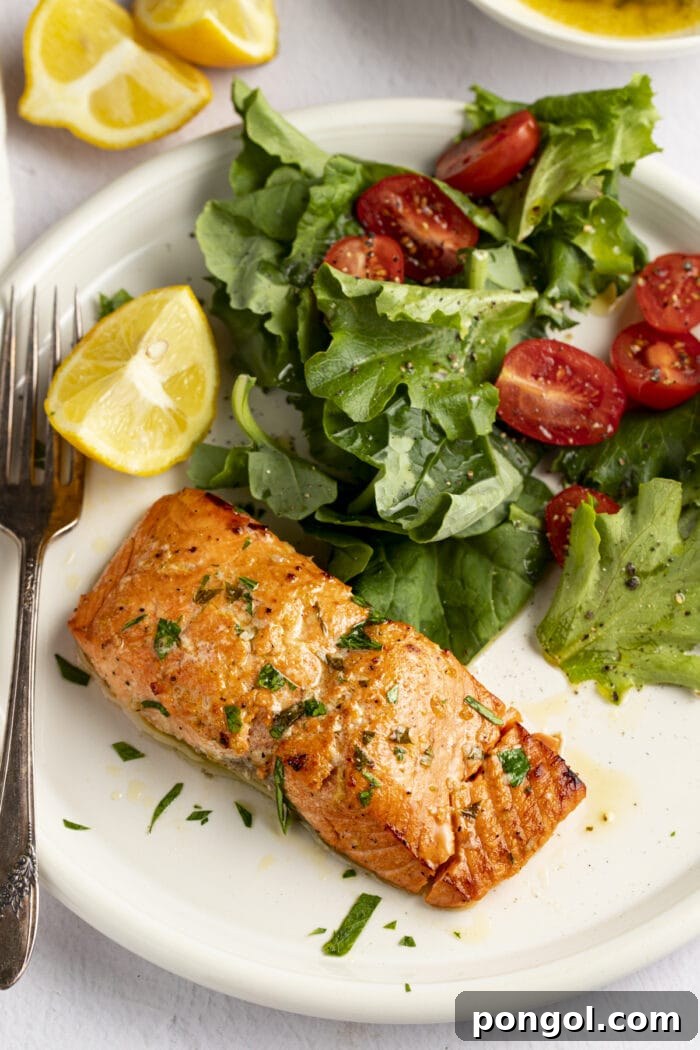
Delicious Serving Suggestions for Your Broiled Salmon
Once your perfectly broiled salmon is ready, the possibilities for pairing it with complementary sides are endless. For a light and refreshing meal, serve it alongside a crisp green salad with a vinaigrette dressing, or a vibrant quinoa salad packed with fresh vegetables. If you prefer something heartier, roasted asparagus, steamed broccoli, or garlic mashed potatoes make excellent companions. A simple side of lemon rice or couscous also beautifully balances the rich flavors of the salmon. Don’t forget to garnish with fresh herbs like chopped dill, parsley, or chives, and always serve with extra lemon wedges for a final squeeze of brightness.
Storage and Reheating Tips
Have leftover broiled salmon? You’re in luck! Cooked salmon can be stored in an airtight container in the refrigerator for up to 2-3 days. To reheat, gently warm the salmon in a preheated oven at 275°F (135°C) for about 10-15 minutes, or until just heated through, to prevent it from drying out. You can also use an air fryer at a low temperature for a few minutes. Avoid microwaving, as it can often make salmon rubbery. Leftover salmon is also fantastic flaked into salads, sandwiches, or mixed into a salmon dip.
Frequently Asked Questions About Broiled Salmon
Can I use frozen salmon for this recipe?
Yes, absolutely! Just make sure the salmon is fully thawed before marinating and broiling. Pat it dry thoroughly with paper towels to ensure it gets a nice sear under the broiler.
How long should I marinate the salmon?
For best results, marinate the salmon for at least 30 minutes to allow the flavors to penetrate. You can marinate it for up to 2 hours maximum. Marinating for too long, especially with acidic ingredients like lemon juice, can begin to “cook” the fish (like ceviche) and alter its texture.
What if my salmon doesn’t have skin?
No problem! Skinless salmon fillets can be broiled just as effectively. Just be extra diligent with the non-stick spray or parchment paper on your baking sheet to prevent sticking, as you won’t have the protective layer of skin.
How do I know if my salmon is cooked through?
The salmon is cooked when it flakes easily with a fork and its flesh appears opaque throughout. The internal temperature should register 145°F (63°C) at the thickest part. Use an instant-read thermometer for the most accurate results.
Like Salmon? Explore More Irresistible Salmon Recipes!
- Blackened Salmon
- Air Fryer Salmon with Brown Sugar Crust
- Salmon Salad
- Pan-Seared Salmon in a Creamy Red Pepper Parmesan Sauce
- Salmon Meuniere
- Canned Salmon Salad
- Smoked Salmon Bagel Salad
- Miso Salmon
- Easy Salmon Patties & Lemon Garlic Sauce
- 14 Canned Salmon Recipes
The Ultimate Easy Broiled Salmon Recipe
Easy broiled salmon is truly one of the most satisfying ways to cook this delicious and healthy protein. With a simple yet effective marinade of olive oil, Worcestershire sauce, lemon juice, and garlic, this recipe ensures a meal bursting with flavor. It’s the perfect choice for a nutritious dinner that requires minimal effort and delivers maximum taste!
Recipe By: Jasmine Comer

Preparation Times
- Prep Time: 15 minutes
- Cook Time: 15 minutes
- Marinate Time: 30 minutes
- Total Time: 1 hour
Equipment
- Large bowl
- Plastic wrap
- Broiler (oven)
- Baking sheet
- Non-stick spray
- Small saucepan (for optional lemon butter sauce)
Ingredients
For the Salmon
- ¼ cup olive oil
- 2 cloves garlic, minced
- 1 tablespoon lemon juice
- 2 teaspoons Worcestershire sauce
- ½ teaspoon kosher salt
- ¼ teaspoon pepper
- 1 pound salmon, cut into 4 fillets
- Fresh herbs for topping (optional)
For the Lemon Butter Sauce (Optional)
- 3 tablespoons butter or ghee
- 1 tablespoon lemon juice
- 1 clove garlic, minced
- 2 tablespoons chopped parsley
- Salt to taste
Instructions
For the Salmon
-
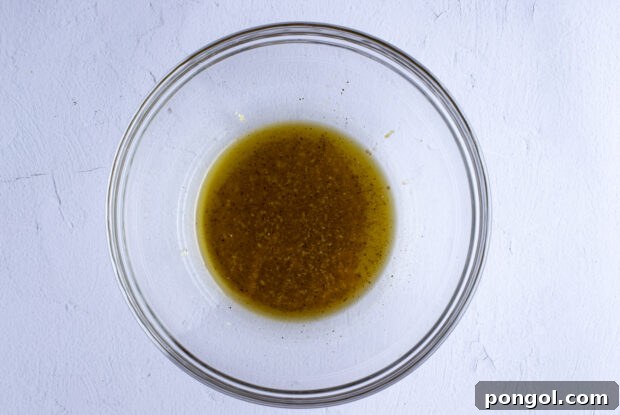
In a large bowl, combine the olive oil, minced garlic, lemon juice, Worcestershire sauce, salt, and pepper. Mix thoroughly until all ingredients are well combined.

-
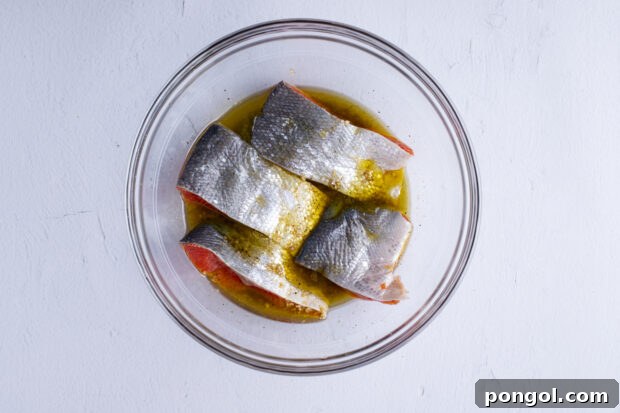
Add the salmon fillets to the marinade. Spoon the marinade over the fillets to ensure they are fully coated. Cover the bowl with plastic wrap and refrigerate for at least 30 minutes, or up to a maximum of 2 hours.
- Preheat your broiler (set to high if your broiler has multiple settings). Lightly coat a baking sheet with non-stick spray or line with parchment paper. Transfer the marinated salmon fillets to the prepared baking sheet, placing them skin-side down. Ensure the oven rack is about 6 inches from the heating element.
-
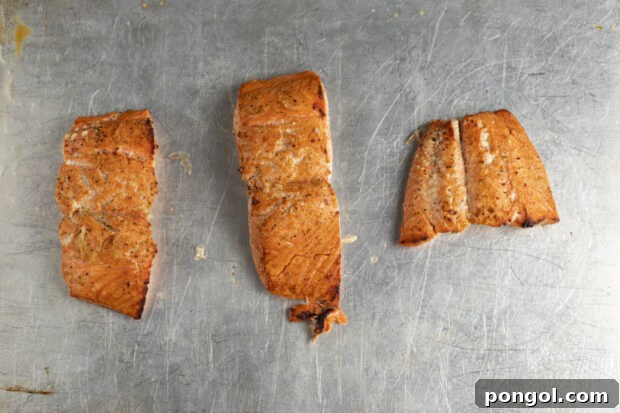
Place the baking sheet under the preheated broiler. Broil for 10 to 12 minutes, or until the salmon is perfectly flaky and opaque throughout. Carefully remove from the oven and serve immediately, garnished with fresh herbs if desired.
For the Lemon Butter Sauce (Optional)
- In a small saucepan, combine all sauce ingredients: butter (or ghee), lemon juice, and minced garlic. Bring the mixture to a gentle simmer over medium heat, stirring occasionally. Once simmering, reduce the heat to low and continue to simmer for about 2 minutes, allowing the butter to melt completely and the flavors to meld. Season with salt to taste. Pour this delightful sauce generously over the cooked salmon fillets or serve it on the side for dipping.
Recipe Notes
- Make it Dairy-Free: Simply omit the optional lemon butter sauce, or substitute with a high-quality vegan butter to maintain the rich flavor profile.
- Make it Gluten-Free: Ensure you use a certified gluten-free Worcestershire sauce, as some brands may contain gluten.
This recipe yields 4 salmon fillets, including the lemon butter sauce if prepared. The actual number of servings may vary based on individual portion preferences.
Nutritional values provided are general guidelines and are based on information for 1 fillet with sauce, using the ingredients listed. Actual macronutrient counts may vary slightly depending on the specific brands and types of ingredients you use.
To determine the precise weight of one serving for dietary tracking, prepare the recipe as instructed. Once finished, weigh the entire cooked recipe (excluding the weight of the cooking container) and divide this total weight by 4. The resulting number will be the approximate weight of a single serving.
Approximate Nutrition Information for One Serving
- Serving Size: 1 fillet with butter sauce
- Calories: 364 cal
- Protein: 23 g
- Fat: 29 g
- Saturated Fat: 8 g
- Trans Fat: 1 g
- Cholesterol: 85 mg
- Sodium: 447 mg
- Potassium: 612 mg
- Total Carbs: 2 g
- Fiber: 1 g
- Sugar: 1 g
- Net Carbs: 1 g
- Vitamin A: 480 IU
- Vitamin C: 7 mg
- Calcium: 27 mg
- Iron: 1 mg
Nutrition Disclaimers
The number of total servings shown is an approximation. The actual number of servings will depend on your preferred portion sizes.
Nutritional values presented are general guidelines and reflect information for 1 serving based on the listed ingredients, excluding any optional components. Actual macronutrient values might fluctuate slightly depending on the specific brands and types of ingredients utilized.
For precise portion weighing, prepare the recipe as directed. Weigh the entire finished dish, then divide this total weight (excluding the container) by your desired number of servings to obtain the weight of one serving.
Did You Make This Recipe? We’d Love to See It!
We love seeing your culinary creations! If you tried this Easy Broiled Salmon recipe, please share your photos and experience with us. Tag
@40aprons on Instagram and be sure to leave a review right here on the blog post to let us know how it turned out!
Tag @40Aprons on Instagram