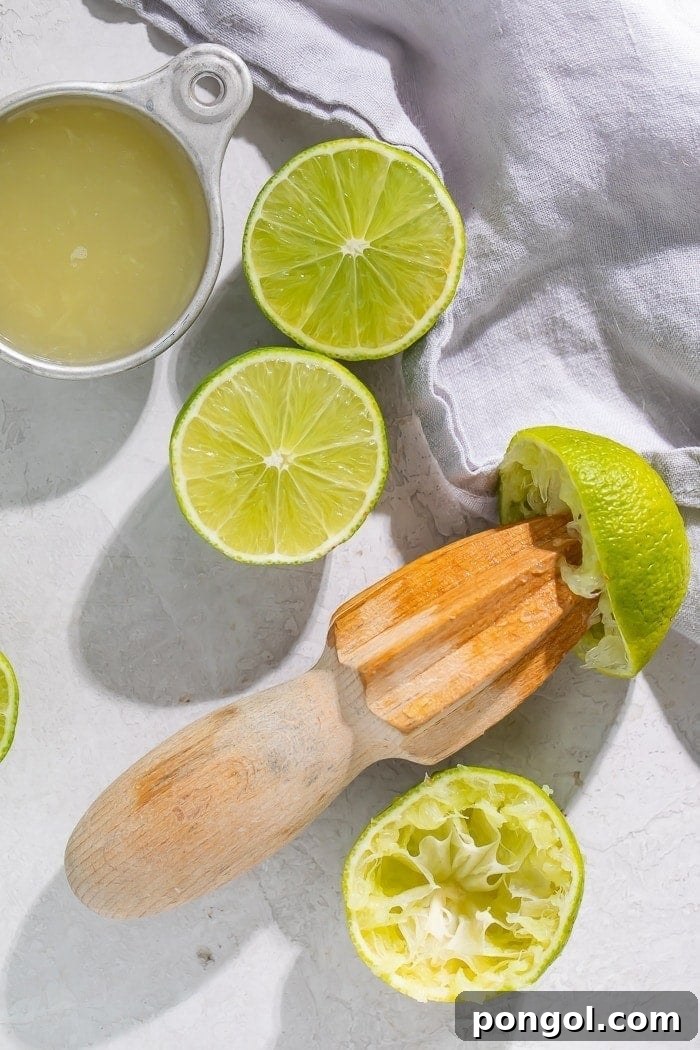
Limes, those vibrant green citrus gems, are kitchen staples lauded for their distinctive tartness and refreshing aroma. From zesty marinades to tantalizing cocktails, their juice is an indispensable ingredient in countless recipes worldwide. But have you ever found yourself wondering, “How much juice can I actually expect from a single lime?” This seemingly simple question has a nuanced answer, influenced by various factors that can dramatically impact your yield. Dive into this comprehensive guide to unlock the secrets of lime juicing, discover the best tools for the job, explore the remarkable health benefits of this tangy fruit, and learn how to make the most of every precious drop.
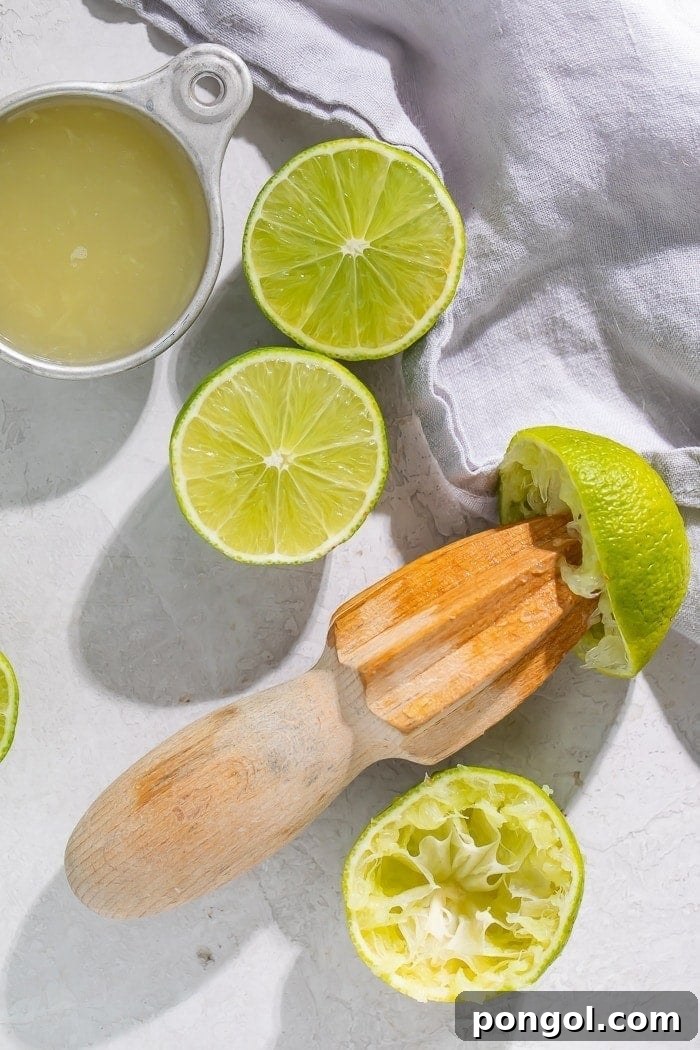
Understanding Lime Juice Yield: It Depends on the Size of the Lime
The amount of juice you can extract from a lime is primarily dictated by its size. Just like any natural produce, limes come in various dimensions, and generally, a larger lime translates to a greater juice volume. However, other elements such as ripeness, skin thickness, and even the specific variety of lime can also play a significant role. To give you a practical estimate, here’s a general breakdown:
- Small Limes: Typically yielding around 1 to 1.5 tablespoons (approximately 15-22 ml) of juice. These are often firmer with a thicker rind.
- Medium Limes: These are the most common size found in grocery stores, usually offering 2 to 2.5 tablespoons (approximately 30-37 ml) of juice. They strike a good balance between size and juiciness.
- Large Limes: The most generous in terms of yield, large limes can provide 3 tablespoons (approximately 45 ml) or more of fresh juice. Look for these when you need a significant quantity for a recipe.
It’s important to remember that these are averages. A perfectly ripe, thin-skinned small lime might yield more than a hard, unripe medium lime. Always choose limes that feel heavy for their size, as this often indicates higher water content and thus more juice. A lime that feels squishy or has discolored spots should generally be avoided.
Maximizing Your Lime Juice Extraction: Tips and Tricks
Getting every last drop of juice from your limes can save you money and ensure your recipes are perfectly flavored. Here are some expert tips to boost your juice yield, regardless of the juicing tool you choose:
- Bring Limes to Room Temperature: Cold limes are much harder to juice. If your limes are stored in the refrigerator, take them out at least 15-30 minutes before juicing, or briefly warm them under hot water for about 30 seconds.
- Roll Them Firmly: Before cutting, place the lime on a countertop and press down with the palm of your hand, rolling it back and forth for 10-15 seconds. This breaks down the internal membranes, releasing more juice.
- Microwave Briefly: For a quick hack, microwave a whole lime for 10-20 seconds. Be careful not to overheat it, as this can cook the fruit and alter the flavor. This trick also helps soften the fruit for easier juicing.
- Cut Properly: Instead of cutting limes lengthwise, which can make them harder to squeeze, always cut them in half crosswise (through the equator). This exposes more of the juicy pulp.
- Consider the Variety: Persian limes (the most common type in North America) are typically juicy. Key limes, while smaller, are also known for their intense flavor and good juice yield relative to their size.
The Right Tool for the Job: What Do I Use To Juice a Lime?
The method you choose for juicing can greatly impact your efficiency and the amount of juice you extract. There’s a wide array of tools available, each with its own advantages and ideal use cases. Choosing the right one depends on how often you juice, the volume you need, and your personal preference for effort versus convenience.
Citrus Reamer (Handheld)
A citrus reamer is a classic, simple, and affordable tool for juicing. It typically consists of a spiked, conical head attached to a handle, often made from wood, plastic, or stainless steel. To use it, you simply cut your lime in half, press one half onto the reamer’s cone, and twist vigorously while applying downward pressure.
- Pros: Extremely compact and easy to store, very inexpensive, no moving parts, simple to clean by hand. It’s excellent for juicing one or two limes.
- Cons: Requires significant manual effort and a strong arm, especially if you’re juicing many limes. Seeds and pulp are not automatically filtered, so you may need to strain the juice afterward.
- Best for: Occasional juicers, small quantities of juice, minimalist kitchens, or when traveling.
Manual Citrus Juicer (Bowl-Style)
This type of manual juicer is designed for slightly larger batches than a reamer. It typically features a bowl to collect the juice, with a spiked cone in the center and often a built-in strainer. You place a lime half on the cone and twist, allowing the juice to drip directly into the bowl below.
- Pros: More convenient than a reamer as the juice collects neatly, often includes a strainer for seeds and pulp, relatively inexpensive, still compact enough for easy storage.
- Cons: Still requires manual effort, though less strenuous than a handheld reamer. Can be messy if overfilled or squeezed too aggressively.
- Best for: Home cooks who need a moderate amount of lime juice regularly, those who appreciate less mess and automatic straining.
Squeeze Juicer (Citrus Squeezer)
Often resembling a large garlic press, a squeeze juicer, or citrus squeezer, is designed to exert maximum pressure on a lime half. You place the cut side of the lime half down into one cup and then squeeze the handles together, forcing the juice through holes in the bottom, while retaining seeds and pulp.
- Pros: Highly efficient at extracting juice with minimal effort compared to reamers or bowl juicers. Excellent at filtering out seeds and pulp. Available in various sizes to perfectly fit limes, lemons, or oranges.
- Cons: Can require some hand strength, especially for very firm limes. May not fully extract juice if the lime is not positioned correctly. Cleaning can be a bit more involved due to the crevices.
- Best for: Anyone who juices regularly and values efficiency and cleanliness. An essential tool for bartenders or home mixologists.
Electric Citrus Juicer
If you’re serious about juicing or frequently need large quantities of citrus juice, an electric citrus juicer is a game-changer. These appliances come in various forms, from simple reamer-style models with a motorized cone to more advanced lever-press designs. You typically hold a lime half onto the spinning cone, and the motor does all the work.
- Pros: Requires almost no manual effort, making it ideal for those with limited mobility or hand strength. Exceptionally fast for juicing large batches. Most models include pulp filters.
- Cons: Significantly more expensive and takes up more counter or storage space than manual options. Can be louder and requires electrical power. Cleaning can involve more parts.
- Best for: Enthusiastic juicers, anyone preparing large quantities of juice for drinks, cooking, or meal prepping, and those seeking maximum convenience.
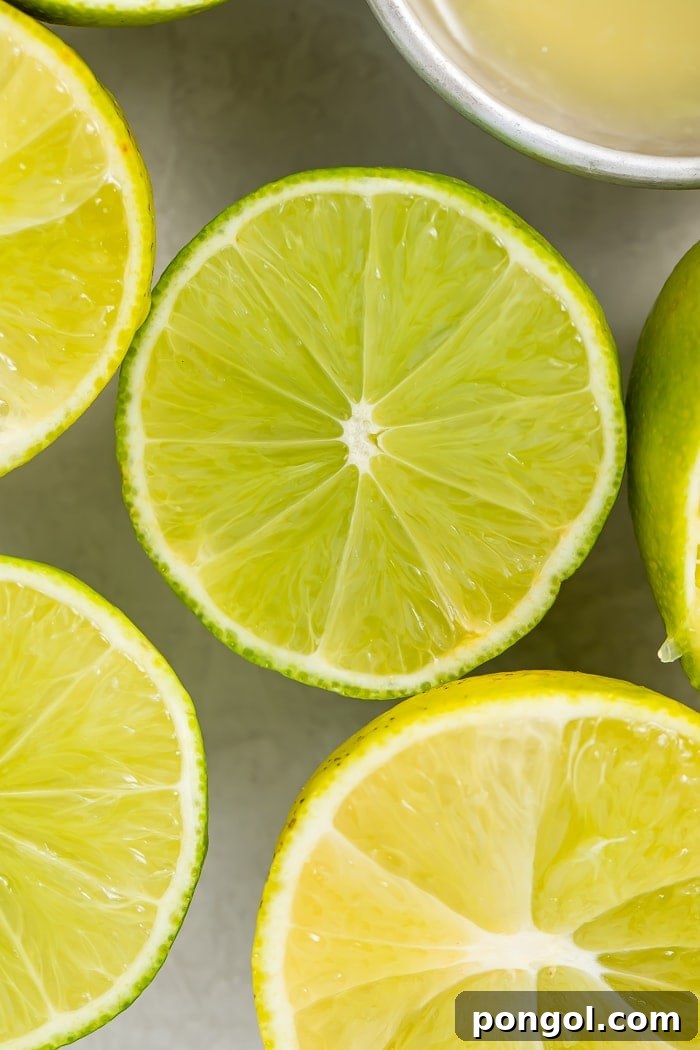
Is Lime Juice Healthy? Unpacking the Nutritional Powerhouse
In a word, absolutely! Lime juice is not just a flavor enhancer; it’s a potent nutritional powerhouse, brimming with beneficial compounds that contribute to overall well-being. This tangy liquid is low in calories but rich in essential vitamins, minerals, and antioxidants, making it a valuable addition to a healthy diet.
The star nutrient in lime juice is undoubtedly Vitamin C, a powerful antioxidant that plays a critical role in numerous bodily functions. A single lime can provide approximately 22% of your daily recommended intake of Vitamin C. Here’s a closer look at its health benefits:
- Immunity Boost: Vitamin C is crucial for a strong immune system, helping to protect the body against common colds and other infections. It stimulates the production of white blood cells, which are vital for fighting off pathogens.
- Skin Health: As a key component in collagen production, Vitamin C helps maintain skin elasticity, reduces the appearance of wrinkles, and promotes a youthful complexion. Its antioxidant properties also protect skin cells from damage caused by free radicals.
- Antioxidant Power: Beyond Vitamin C, limes contain flavonoids like limonin and other potent antioxidants. These compounds combat oxidative stress in the body, which is linked to chronic diseases like heart disease, cancer, and neurodegenerative disorders.
- Cardiovascular Health: Studies suggest that the compounds in limes, particularly Vitamin C, can help lower blood pressure and improve overall heart health. Potassium, another mineral found in limes, also contributes to regulating blood pressure by counteracting the effects of sodium.
- Iron Absorption: Vitamin C significantly enhances the absorption of non-heme iron (iron from plant-based sources). Pairing lime juice with iron-rich foods can help prevent iron deficiency anemia.
- Digestive Aid: The natural acids in lime juice can stimulate digestive enzymes, aiding in the breakdown of food and promoting healthy digestion. It can also help relieve indigestion and constipation.
- Weight Management: With only about 11 calories and 3.7 grams of carbohydrates per lime, its juice is a very low-calorie way to add flavor and nutrients to water or meals, potentially aiding in weight management by reducing the need for sugary alternatives.
- Anti-Inflammatory Properties: The flavonoids in limes possess anti-inflammatory qualities, which can help reduce inflammation throughout the body, potentially benefiting conditions like arthritis.
While lime juice offers an impressive array of health benefits, it’s worth noting that its high acidity can be a concern for some. Consuming excessive amounts or applying it directly to teeth without rinsing could potentially lead to enamel erosion or exacerbate acid reflux. Moderation is key, and diluting lime juice in water is an excellent way to enjoy its benefits safely.
Unleashing the Versatility: How To Use Lime Juice
The bright, acidic kick of lime juice makes it an incredibly versatile ingredient, indispensable in both sweet and savory dishes, as well as an array of beverages. Its ability to balance flavors, add zest, and even tenderize makes it a must-have in any kitchen. Here are just a few of the countless ways to incorporate fresh lime juice into your culinary repertoire:
In the Kitchen: Culinary Applications
- Marinades: Lime juice is a fantastic base for marinades, especially for chicken, fish, and pork. Its acidity helps tenderize meat and imparts a fresh, vibrant flavor. Think tacos al pastor, ceviche, or grilled fish with a citrus marinade.
- Dressings and Sauces: Whisk lime juice into homemade salad dressings for a tangy twist, or use it as a key ingredient in creamy avocado sauces, vibrant chimichurris, or spicy salsas. It brightens heavy sauces and adds depth.
- Sweets and Desserts: From classic Key Lime Pie to refreshing lime bars, sorbets, and fruit salads, lime juice provides a delightful tartness that cuts through sweetness. It’s also excellent in glazes for cakes and muffins.
- Soups and Stews: A squeeze of fresh lime juice at the end of cooking can elevate the flavor profile of many soups and stews, particularly those with Asian or Latin American influences, such as Tom Kha Gai or various bean soups.
- Garnishes: A simple wedge of lime is the perfect garnish for a multitude of dishes, inviting a fresh squeeze just before eating. It pairs wonderfully with stir-fries, curries, grilled vegetables, and guacamole.
- Preventing Oxidation: The citric acid in lime juice is excellent for preventing browning in sliced fruits and vegetables like avocados, apples, and bananas. A quick spritz keeps them looking fresh.
Behind the Bar: Refreshing Beverages
- Cocktails: Lime juice is a fundamental ingredient in countless classic cocktails. It’s the sour backbone of a Margarita, the fresh zest in a Mojito, and essential for Caipirinhas, Daiquiris, and Gin & Tonics.
- Non-Alcoholic Drinks: Create homemade limeade for a refreshing summer drink, infuse water with lime slices for a subtle flavor boost, or add a splash to sparkling water for a healthy, effervescent beverage. It also pairs wonderfully with ginger beer for a non-alcoholic Moscow Mule.
- Smoothies: A squeeze of lime juice can brighten up fruit and vegetable smoothies, adding a layer of complexity and cutting through overly sweet flavors.
When using lime juice, always opt for fresh whenever possible. Bottled lime juice, while convenient, often contains preservatives and lacks the vibrant, complex flavor of fresh-squeezed. The difference in taste is significant and can truly elevate your dishes and drinks.
Storing Limes and Fresh Lime Juice
Proper storage ensures you get the most out of your limes and their precious juice. Whole, uncut limes can be stored on the countertop for about a week at room temperature. For extended freshness, store them in a sealed plastic bag in the refrigerator’s crisper drawer, where they can last for up to 3-4 weeks.
Once you’ve squeezed your limes, fresh juice should be stored in an airtight container in the refrigerator and ideally used within 2-3 days for optimal flavor. For longer storage, lime juice freezes beautifully. Pour it into ice cube trays, freeze until solid, then transfer the lime juice cubes to a freezer-safe bag or container. These frozen cubes can last for several months and are perfect for adding a burst of fresh lime flavor to recipes and drinks as needed.
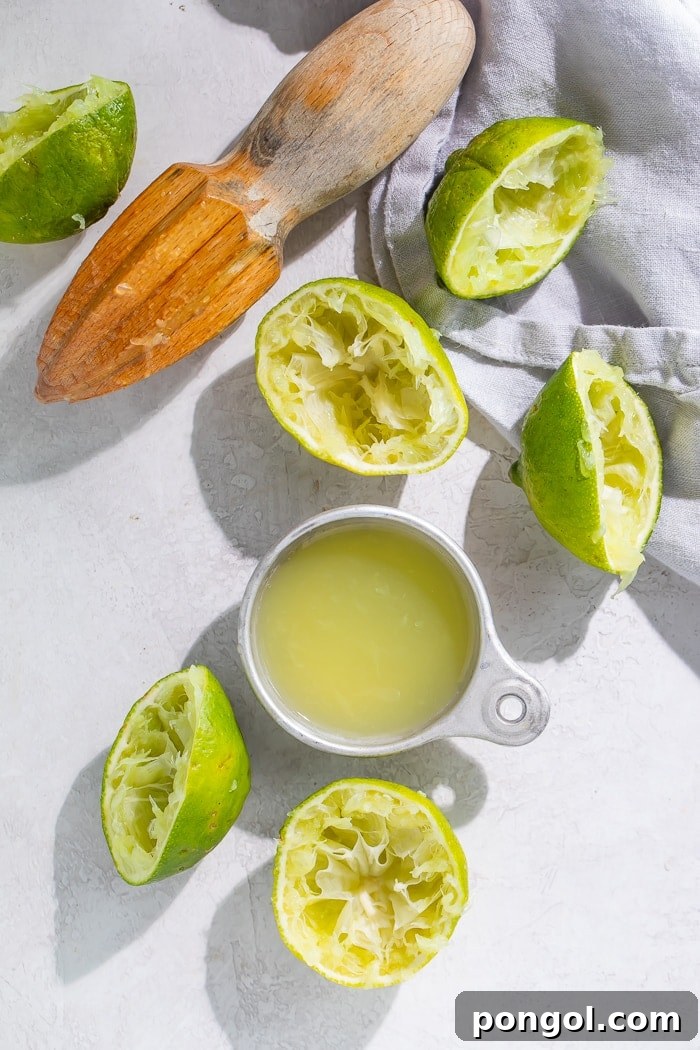
Beyond the Zest: A World of Lime-Inspired Creations
From understanding the nuances of how much juice a lime holds to exploring its incredible health benefits and myriad uses, it’s clear that this small green fruit packs a powerful punch. Whether you’re a seasoned chef or a home cook looking to infuse more vibrant flavors into your meals, incorporating fresh lime juice is a simple yet impactful way to elevate your culinary creations. Don’t hesitate to experiment with the tips and tools shared here to make the most of every lime that crosses your path.
If you’re eager to explore more lime-infused delights or discover other culinary tips and healthy recipes, check out these articles and recipes from 40 Aprons:
- Bacon Guacamole
- Paleo Margaritas with Champagne
- Best Ever Tom Kha Gai Soup
- No Bake Margarita Bars
- Clementine Margaritas
More Articles, Recipes, & Tips From 40 Aprons
Continue your journey into healthy and delicious living with more valuable resources from 40 Aprons:
- How To Boil Corn Perfectly Every Time
- Top Natural Immunity Boosters for Optimal Health
- DIY Disinfectant Spray (Homemade Lysol Alternative with VIDEO)
- Immune Booster Shot Recipe (Maximum Strength for Wellness!)