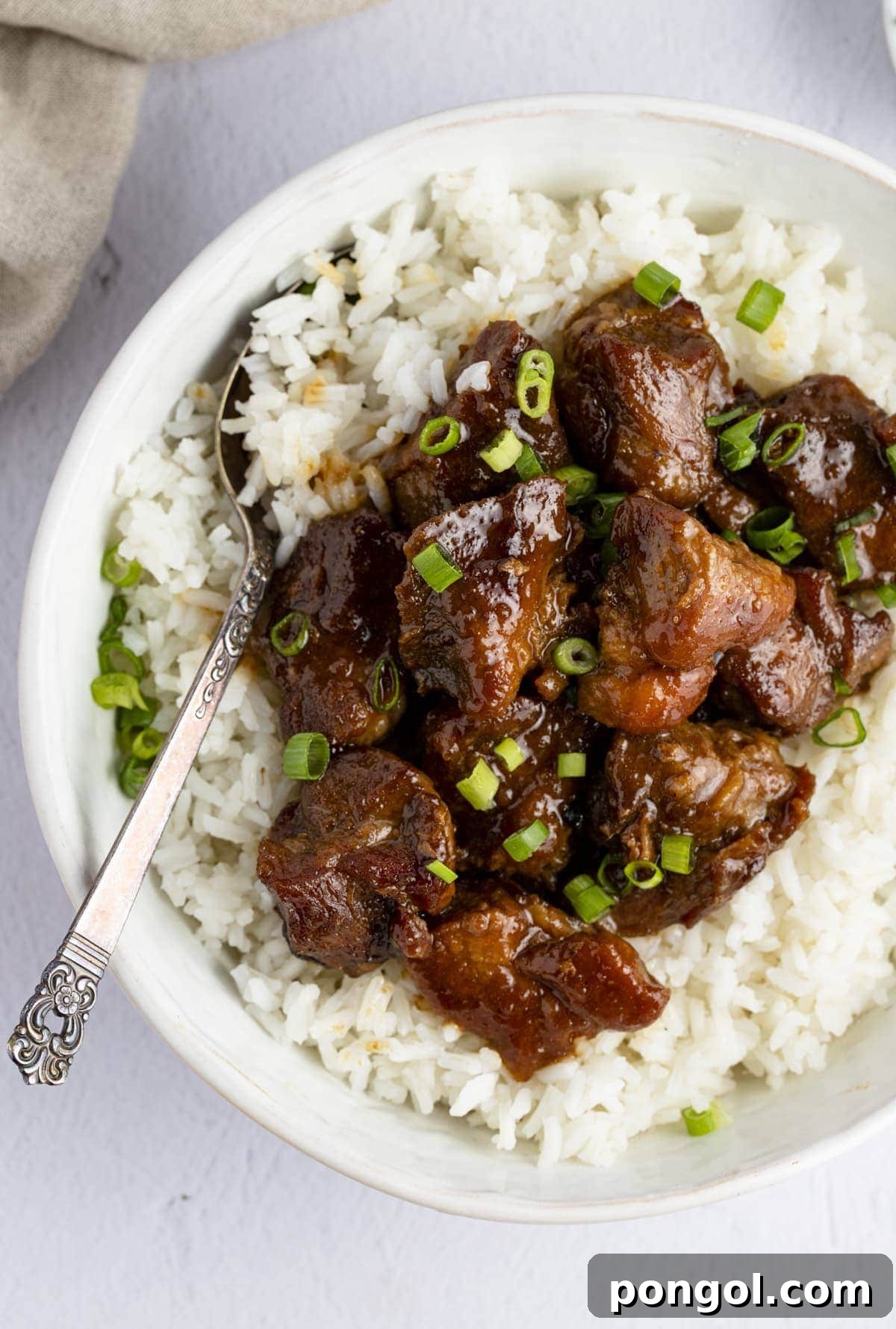
Easy & Authentic Pork Adobo Recipe: Slow-Cooked Filipino Comfort Food
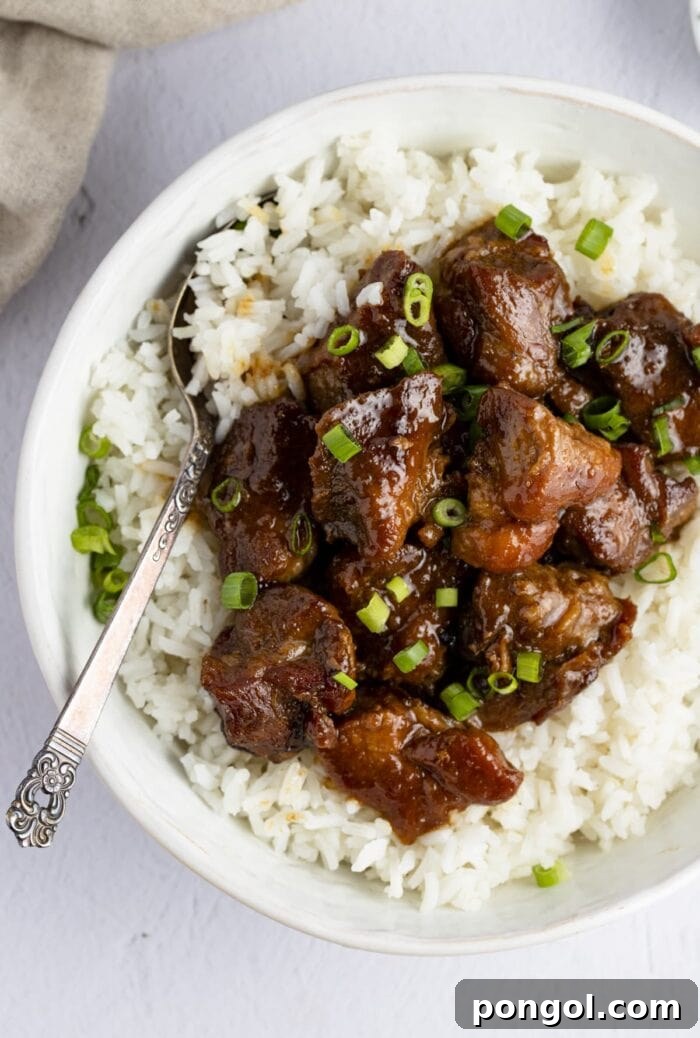
Discover the rich, tangy, and subtly sweet flavors of authentic Filipino Pork Adobo with this easy-to-follow, slow-cooked recipe. Perfect for a hearty family meal, this dish features succulent pork shoulder simmered in a harmonious blend of soy sauce, vinegar, and aromatic spices until it’s incredibly tender and coated in a luscious, reduced sauce. While there are countless variations of adobo across the Philippines, our recipe offers a simplified yet deeply flavorful approach that captures the essence of this beloved national dish. Serve it over a fluffy bed of rice or with your favorite sides for an unforgettable culinary experience.
What is Pork Adobo? A Filipino Culinary Staple
Adobo is more than just a dish; it’s a fundamental cooking technique in Filipino cuisine, characterized by stewing meat, seafood, or vegetables in a marinade of vinegar, soy sauce, garlic, and black peppercorns. This method not only infuses the ingredients with incredible flavor but also acts as a natural preservative, a practice that dates back centuries. While our recipe simplifies certain elements for accessibility, it stays true to the core flavor profile that makes adobo so universally loved.
The beauty of adobo lies in its versatility. From region to region, and even from household to household, you’ll find unique interpretations—some preferring more vinegar, others more soy sauce, some adding coconut milk for creaminess, or chilies for a kick. This particular recipe focuses on achieving tender pork with a balanced, rich, and slightly sticky sauce that is both comforting and deeply satisfying.
Why You’ll Fall in Love with This Pork Adobo Recipe
- Unrivaled Tenderness: The magic of slow cooking transforms humble pork shoulder into unbelievably tender, melt-in-your-mouth pieces. Each bite is succulent and infused with the rich adobo sauce, making it a true delight.
- Complex Flavor Profile: Experience a symphony of tastes. The dish masterfully balances the savory depth of soy sauce, the bright tang of white vinegar, a touch of sweetness from brown sugar, and the aromatic warmth of garlic and bay leaves. It’s a harmonious blend that evolves and deepens with every simmer.
- Effortless Preparation: Don’t let the slow cooking time intimidate you. This recipe requires minimal hands-on effort. After a quick browning and combining of ingredients, the pot does most of the work, allowing you to focus on other tasks while dinner cooks itself. It’s the perfect solution for busy weeknights or relaxed weekend cooking.
- Versatile & Adaptable: This recipe is incredibly forgiving and easily customizable. Adjust the levels of sweetness, tanginess, or saltiness to suit your palate. It’s also adaptable for various dietary needs, with simple substitutions for gluten-free or low-carb options.
- A True Comfort Food: There’s a reason adobo is considered a national dish. Its robust flavors and tender meat evoke a sense of warmth and home. It’s the kind of meal that satisfies not just your hunger, but your soul, bringing joy to any dinner table.
Essential Ingredients for Your Perfect Pork Adobo
Crafting the perfect pork adobo begins with selecting quality ingredients. Each component plays a vital role in building the dish’s signature flavor and texture:
- Pork Shoulder: The star of the show. Pork shoulder (also known as pork butt or Boston butt) is ideal for slow cooking due to its generous marbling of fat and connective tissue. As it simmers, the fat renders and the connective tissue breaks down, resulting in incredibly tender, juicy pork. While you *can* use other fatty cuts like pork belly for an even richer experience, we recommend avoiding leaner cuts like pork loin, which can become dry and tough when slow-cooked. For those who prefer a different protein, chicken thighs are an excellent alternative.
- Neutral Oil: Used for browning the pork, a neutral oil like vegetable, canola, or grapeseed oil is best as it has a high smoke point and won’t impart any unwanted flavors to the dish.
- Garlic: A foundational aromatic in Filipino cuisine. Freshly minced garlic provides a pungent, savory base that permeates the entire dish. Don’t skimp on the garlic for maximum flavor!
- Soy Sauce: This provides the essential salty and umami depth characteristic of adobo. We highly recommend using a low-sodium soy sauce. This allows you to control the overall saltiness of the dish, adding more if needed after tasting, rather than starting with an overly salty base. For a gluten-free option, coconut aminos or tamari work beautifully.
- White Vinegar: The other crucial component that defines adobo’s tangy profile. White vinegar contributes a bright acidity that cuts through the richness of the pork and soy sauce. Don’t worry about it being too sharp; the acidity mellows significantly during the long cooking process, becoming an integral part of the savory-tangy balance. Apple cider vinegar can be a good substitute if white vinegar isn’t available, offering a slightly fruitier note.
- Bay Leaves: These unassuming leaves infuse the adobo with a subtle, aromatic, and slightly herbaceous note that adds complexity to the sauce. They are removed before serving.
- Black Peppercorns: Whole black peppercorns impart a gentle, earthy heat and a nuanced spice. Using whole peppercorns allows for a slow release of flavor without an overpowering peppery kick.
- Brown Sugar: A touch of brown sugar balances the acidity of the vinegar and the saltiness of the soy sauce, adding a lovely hint of sweetness and promoting a beautiful caramelization in the sauce as it reduces. If you’re managing your sugar intake, substitutes like Brown Swerve or coconut sugar can be used, or you can omit it entirely for a purely savory and tangy adobo.
Chef’s Essential Tips for the Best Pork Adobo
- Don’t Skip the Browning Step: While it might be tempting to toss all ingredients into the pot at once, browning the pork shoulder beforehand is crucial. This step develops a deep, rich flavor through the Maillard reaction, creating savory crusts on the meat that add immense depth and complexity to the final dish. It also contributes to a better texture for the pork chunks.
- Manage Your Peppercorns: If you’re not a fan of biting into whole peppercorns while enjoying your adobo, a simple trick is to place them in a cheesecloth sachet or a tea ball strainer before adding them to your Dutch oven. This way, you’ll extract all the wonderful peppery flavor into the sauce without the peppercorns getting mixed in with the meat.
- Patience with Sauce Reduction is Key: After the pork has cooked through, the next critical step is reducing the sauce. Resist the urge to rush this process. Reducing the sauce on a medium simmer, uncovered, allows it to thicken and concentrate all those incredible flavors, resulting in a glossy, dark, and deeply aromatic sauce that perfectly coats the tender pork. If after 15 minutes the sauce isn’t as thick as you desire, continue simmering for another 5-10 minutes, stirring occasionally, until it reaches your preferred consistency.
- Taste and Adjust: The beauty of adobo is its balance. Once cooked and the sauce reduced, always taste and adjust seasonings. You might want a little more tang, a dash more sweetness, or an extra pinch of salt. A squeeze of fresh lime juice at the end can also brighten all the flavors.
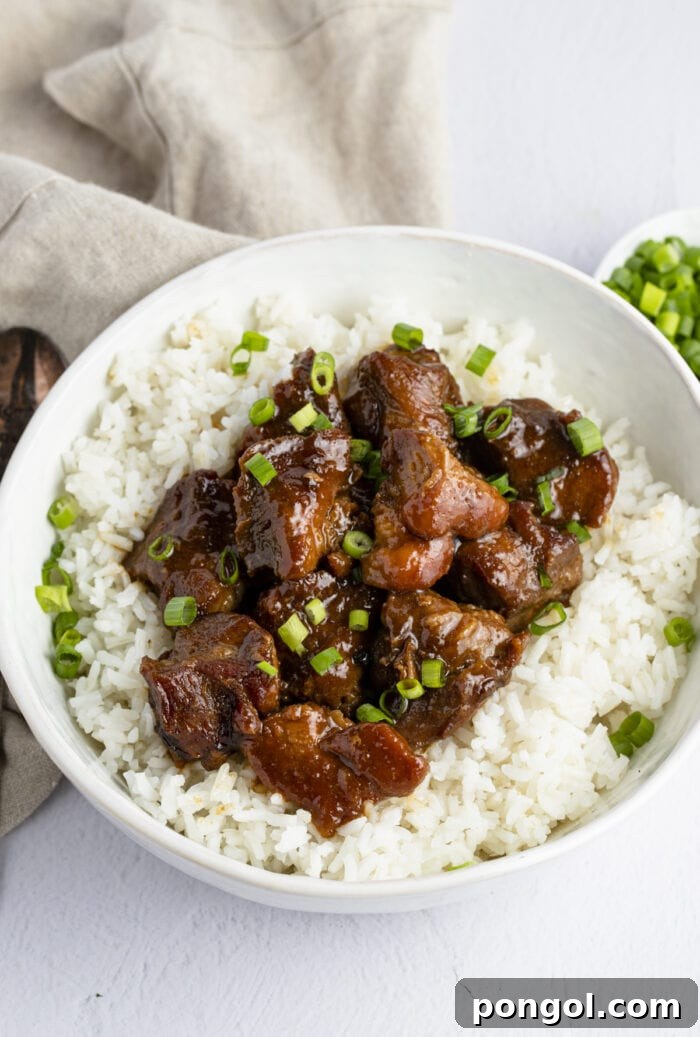
Pork Adobo Recipe Card
Recipe By: Jasmine Comer
Prep Time: 15 minutes
Cook Time: 1 hour 5 minutes
Total Time: 1 hour 20 minutes
Yields: 6 servings
Tender, slow-cooked pork adobo is an easy recipe full of rich, tangy, slightly sweet flavors. Serve it over a bed of rice or on its own for a simple but delicious meal!
Equipment
- Dutch oven or heavy-bottomed pan with lid
Ingredients
- 2 tablespoons neutral oil for cooking
- 2 pounds pork shoulder cut into 1″ chunks
- 2 cloves garlic, minced
- ⅓ cup soy sauce (low-sodium recommended)
- ⅓ cup white vinegar
- 2 bay leaves
- ½ tablespoon black peppercorns (whole)
- 1 tablespoon brown sugar (or brown sugar substitute like Brown Swerve)
Instructions
-
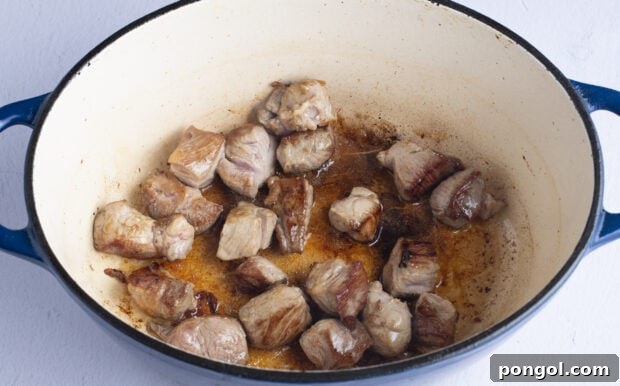
Heat 2 tablespoons neutral oil in a Dutch oven or heavy-bottomed pan over medium-high heat. Once the oil is hot and shimmering, carefully add the pork shoulder chunks. Brown the pork thoroughly on all sides, working in batches if necessary to avoid overcrowding the pan. This step is crucial for developing deep flavor.

Browning the pork creates rich, savory flavors. -
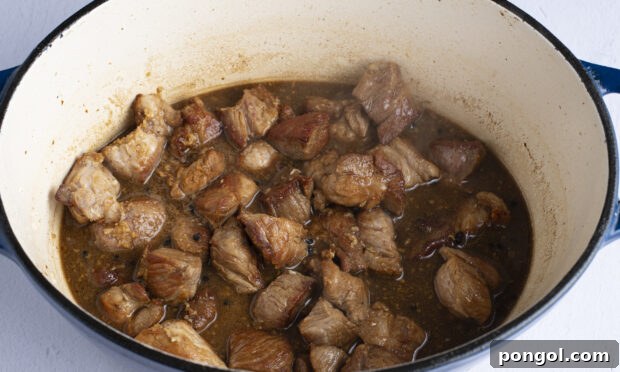
Once the pork is browned, add the minced garlic, soy sauce, white vinegar, bay leaves, black peppercorns, and brown sugar to the Dutch oven. Stir well to ensure all the pork pieces are thoroughly coated in the sauce. Reduce the heat to a gentle simmer. Cover the Dutch oven and cook for 40 minutes, or until the pork is cooked through and tender.
Simmer pork in the flavorful adobo sauce. -
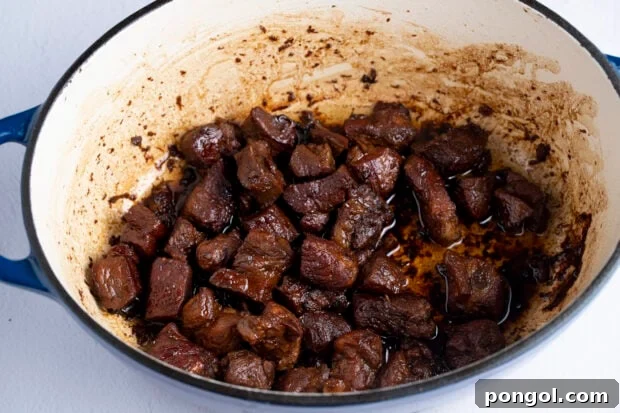
After 40 minutes, uncover the Dutch oven. Continue to simmer the adobo for an additional 10 to 15 minutes, or until the sauce has visibly reduced and thickened to a rich, glossy consistency. Before serving, carefully remove and discard the bay leaves. Serve the pork adobo warm with your desired sides.
Reduce the sauce for a richer, thicker consistency.
Recipe Notes & Dietary Adjustments
- Make it Gluten-Free: Simply substitute coconut aminos or tamari for the regular soy sauce.
- Make it Keto/Sugar-Free: Replace brown sugar with a brown sugar substitute like Brown Swerve or erythritol-based sweeteners.
- Make it Paleo: Use coconut aminos instead of soy sauce and coconut sugar as a substitute for brown sugar.
Recipe yields approximately 6 servings. Actual number of servings will depend on your preferred portion sizes.
Nutritional values shown are general guidelines and reflect information for 1 serving out of 6 using the ingredients listed. Actual macros may vary slightly depending on specific brands and types of ingredients used.
To determine the weight of one serving, prepare the recipe as instructed. Weigh the finished recipe, then divide the weight of the finished recipe (not including the weight of the container the food is in) by 6. Result will be the weight of one serving.
Approximate Nutrition Information for One Serving
Serving Size: 1 serving
- Calories: 199 cal
- Protein: 20 g
- Fat: 11 g
- Saturated Fat: 3 g
- Cholesterol: 62 mg
- Sodium: 791 mg
- Potassium: 360 mg
- Total Carbs: 4 g
- Fiber: 1 g
- Sugar: 2 g
- Net Carbs: 3 g
- Vitamin A: 12 IU
- Vitamin C: 1 mg
- Calcium: 24 mg
- Iron: 2 mg
Nutrition Disclaimers
Number of total servings shown is approximate. Actual number of servings will depend on your preferred portion sizes.
Nutritional values shown are general guidelines and reflect information for 1 serving using the ingredients listed, not including any optional ingredients. Actual macros may vary slightly depending on specific brands and types of ingredients used.
To determine the weight of one serving, prepare the recipe as instructed. Weigh the finished recipe, then divide the weight of the finished recipe (not including the weight of the container the food is in) by the desired number of servings. Result will be the weight of one serving.
Serving Suggestions to Complement Your Pork Adobo
Pork Adobo is incredibly versatile and pairs well with a variety of sides. Here are some popular and delicious suggestions to complete your meal:
- Steamed White Rice: The classic pairing! The fluffy rice perfectly absorbs the rich, tangy adobo sauce, making every bite a delight.
- Garlic Fried Rice (Sinangag): For an extra layer of flavor, serve your adobo with sinangag. The savory garlic rice adds a wonderful aroma and texture.
- Noodles: Adobo can be a fantastic topping for plain egg noodles or even a mild pancit bihon.
- Steamed Vegetables: To add some freshness and crunch, serve with steamed bok choy, green beans, broccoli, or asparagus. A simple side salad also works beautifully.
- Mashed Potatoes: For a comforting twist, the creamy texture of mashed potatoes provides a delightful contrast to the tender pork and tangy sauce.
- Crusty Bread: Don’t let any of that delicious sauce go to waste! A slice of crusty bread is perfect for soaking up every drop.
- Garnishes: A sprinkle of fresh chopped green onions or cilantro can add a pop of color and a fresh herbaceous note. A drizzle of chili oil for those who enjoy a little heat, or a squeeze of lime to brighten the flavors, are also excellent additions.
Storage, Reheating, and Make-Ahead Tips
Pork Adobo is one of those magical dishes that often tastes even better the next day as the flavors continue to meld and deepen. This makes it an excellent candidate for meal prep!
- Storage: Allow the adobo to cool completely before transferring it to an airtight container. Store in the refrigerator for up to 3-4 days. The vinegar acts as a natural preservative, helping it last well.
- Freezing: For longer storage, pork adobo freezes beautifully. Once cooled, transfer to a freezer-safe container or heavy-duty freezer bags. It can be frozen for up to 2-3 months. Thaw overnight in the refrigerator before reheating.
- Reheating: Gently reheat adobo on the stovetop over medium-low heat, stirring occasionally, until warmed through. If the sauce has thickened too much in the fridge, you can add a tablespoon or two of water or chicken broth to loosen it. You can also microwave individual portions until hot.
- Make-Ahead: Prepare the adobo a day in advance for maximum flavor development. The slow simmer means it’s ideal for weekend cooking, providing delicious meals throughout the week.
Delicious Variations to Try
While this classic pork adobo recipe is fantastic on its own, don’t hesitate to experiment with these variations to suit your taste or dietary preferences:
- Chicken Adobo: Easily substitute pork shoulder with 2 pounds of bone-in, skin-on chicken thighs or drumsticks. The cooking time might be slightly shorter, around 30-45 minutes for the initial simmer.
- Spicy Adobo: For those who love a kick, add 1-2 siling labuyo (bird’s eye chilies) or a few slices of serrano or jalapeño peppers along with the garlic. You can also add a pinch of red pepper flakes during the sauce reduction.
- Adobo with Coconut Milk (Adobong Gata): For a creamier, richer sauce, add ½ cup of full-fat coconut milk during the last 15-20 minutes of simmering, after the initial 40 minutes of cooking. This gives the adobo a luscious, velvety texture and a subtle sweetness.
- Pineapple Adobo: Incorporate 1/2 cup of pineapple chunks (fresh or canned, drained) along with the other ingredients for a sweeter, more tropical tang.
- Vegetable Adobo: For a vegetarian version, use firm tofu or hearty vegetables like green beans, eggplant, or mushrooms. Adjust cooking times as needed, ensuring vegetables are tender but not mushy.
- Different Vinegars: Experiment with other types of vinegar such as cane vinegar, palm vinegar, or even a splash of rice vinegar for different flavor nuances, though white vinegar is traditional.
Frequently Asked Questions About Pork Adobo
- Can I use a different cut of pork for this recipe?
- While pork shoulder is highly recommended for its tenderness and flavor when slow-cooked, you can also use pork belly for an even richer dish. Leaner cuts like pork loin or tenderloin are generally not suitable for this slow-cooking method as they can become dry. If you prefer a leaner option, chicken thighs are a great alternative.
- Is this considered an “authentic” Filipino Pork Adobo?
- Adobo has hundreds of regional variations in the Philippines, with each family often having their own unique recipe. This recipe captures the essence of a classic pork adobo—tender meat with a balanced savory, tangy, and slightly sweet sauce. While it might not replicate a specific regional style exactly, it’s a delicious and accessible version that respects the traditional flavors and cooking method.
- How can I make the adobo less salty or tangy?
- If your adobo turns out too salty, you can add a bit more water or unsalted broth to dilute the sauce. If it’s too tangy, a touch more brown sugar can help balance the acidity, or you can add a small amount of coconut milk for a creamier, milder finish.
- Can I make this recipe in a slow cooker or Instant Pot?
- Yes, you can! For a slow cooker, brown the pork on the stovetop first, then transfer all ingredients to the slow cooker and cook on low for 6-8 hours or on high for 3-4 hours, or until pork is fork-tender. You may need to reduce the sauce on the stovetop afterward if it’s too thin. For an Instant Pot, brown the pork using the sauté function, then add remaining ingredients. Cook on high pressure for 15-20 minutes with a natural release, then switch to sauté mode to reduce the sauce.
- What’s the best way to get a thick, glossy sauce?
- The key to a thick, glossy sauce is patience during the reduction step. After the pork is cooked through, remove the lid and simmer the adobo uncovered over medium heat. This allows the liquid to evaporate, concentrating the flavors and thickening the sauce naturally. The fat from the pork also contributes to the glossy finish.