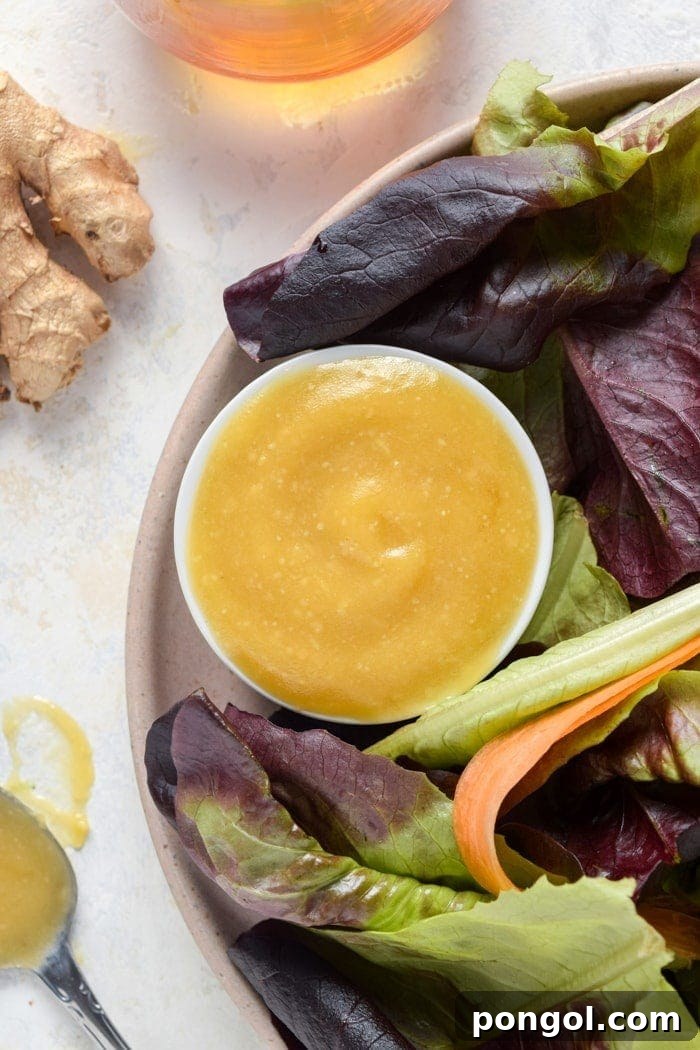
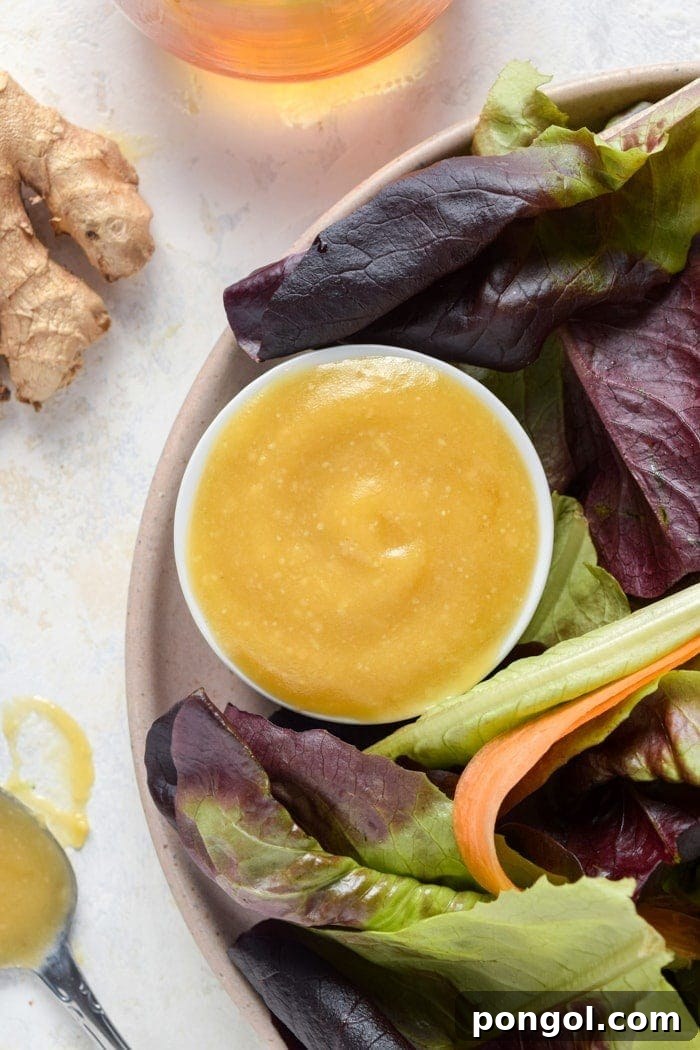
Prepare to transform your everyday meals with this outstanding **Homemade Miso Dressing**. This isn’t just a dressing; it’s a game-changer that brings the exquisite, savory-sweet balance of restaurant-quality Japanese cuisine straight to your kitchen. Forget about bland, store-bought options filled with unwanted additives. In less than 5 minutes, you can whip up a fresh, vibrant, and incredibly flavorful dressing that will become a cherished staple. Its rich umami, bright tang, and subtle sweetness make it the perfect companion for virtually any salad, grain bowl, or even as a versatile marinade, promising a delightful culinary experience every time.
Why This Homemade Miso Dressing Will Become Your New Favorite
Once you experience the depth of flavor and ease of preparation of this miso dressing, you’ll wonder how you ever managed without it. It truly stands apart, offering a multitude of benefits that cater to both your palate and your lifestyle. Here’s why this recipe deserves a permanent spot in your culinary repertoire:
- **Authentic Restaurant-Quality Taste, Made Effortlessly at Home:** Imagine savoring the nuanced flavors of a gourmet salad from your favorite Japanese restaurant, but crafted right in your own kitchen. This recipe is meticulously designed to deliver that identical, irresistible taste. By making your own, you gain complete control over the freshness and quality of ingredients, bypassing the preservatives and high sodium often found in commercial dressings. The best part? This premium experience comes at a mere fraction of the cost, making healthy gourmet eating accessible to everyone.
- **Unparalleled Versatility: Beyond Just Salads:** This isn’t just another salad dressing; it’s a true culinary workhorse. Its balanced savory-sweet profile makes it incredibly adaptable to various dishes. While it beautifully complements mixed greens, spinach, or kale, its uses extend much further. Feel empowered to customize it: a dash of red pepper flakes for a spicy kick, a squeeze of fresh lemon or lime juice for an extra citrusy zest, or a hint of toasted sesame oil for a nutty depth. This dressing acts as a fantastic marinade for chicken, fish, or tofu, a vibrant sauce for roasted vegetables, or a delightful dip for fresh crudités.
- **Your Ultimate Meal-Prep Ally for a Healthy Week:** Simplify your healthy eating routine with this super convenient miso dressing. Preparing a batch ahead of time is incredibly easy and efficient. Simply whisk it together and store it in an airtight container, like a glass mason jar, in your refrigerator. It stays fresh and delicious for up to seven days, making it ideal for quick, healthy lunches, enhancing weeknight dinners, or ensuring you always have a flavorful, wholesome option on hand. Embrace the ease of nutritious meal planning with this simple addition.
- **A Powerhouse of Health Benefits, Bursting with Gut-Friendly Goodness:** This delicious dressing isn’t just good for your taste buds; it’s beneficial for your body too. Miso paste, a cornerstone ingredient, is a fermented superfood renowned for its rich probiotic content. These beneficial bacteria are crucial for maintaining a healthy gut microbiome, which plays a vital role in digestion, nutrient absorption, and a robust immune system. By incorporating this homemade dressing into your diet, you’re not only enjoying exquisite flavors but also supporting your overall well-being with wholesome, natural ingredients.
Decoding the Flavors: Essential Ingredients for Your Miso Dressing
The sublime taste of this dressing is a result of a harmonious blend of simple yet powerful ingredients, each contributing a unique element to its complex profile. Understanding these components will deepen your appreciation for the balance and richness found in every spoonful of this savory creation.
- **Miso Paste (The Umami Core):** As the star of this dressing, miso paste provides an incredible depth of rich, savory umami flavor that is both comforting and exhilarating. Miso is a traditional Japanese condiment made from fermented soybeans, often with rice or barley, and is packed with probiotics essential for a healthy gut. For this recipe, we typically recommend a white (shiro) or yellow (shinshu) miso. White miso is generally milder and sweeter, making it a versatile choice that won’t overpower the other delicate flavors. Yellow miso offers a slightly deeper, earthier profile. Both contribute to the signature savory foundation of the dressing.
- **Rice Vinegar (The Bright Tang):** Rice vinegar is indispensable for balancing the richness of the miso and the sweetness of the honey. Its mild acidity is characteristic of Asian cuisine, offering a gentler tang compared to harsher vinegars. This allows it to lift and brighten the entire dressing without overwhelming the palate. For the most authentic results, opt for unseasoned rice vinegar, as seasoned varieties often contain added sugar and salt. If rice vinegar is unavailable, apple cider vinegar or white vinegar can be used as a substitute, though their sharper profiles will subtly alter the final taste.
- **Honey (The Perfect Sweet Counterpoint):** A touch of natural sweetness from honey is crucial for achieving the perfect balance in this dressing. It elegantly tames the acidity of the vinegar and complements the savory notes of the miso, creating a well-rounded and harmonious flavor profile. Honey’s natural stickiness also aids in emulsification, contributing to the dressing’s smooth texture. For those following a vegan diet, maple syrup or agave nectar can be seamlessly substituted for honey, providing a similar sweet balance without compromising the delicious outcome.
- **Olive Oil (The Smooth Emulsifier and Flavor Carrier):** While often overlooked, the oil component is vital for creating the desired smooth, luxurious texture and carrying the vibrant flavors throughout the dressing. A good quality olive oil not only helps emulsify the ingredients but also adds a subtle fruity note that complements the other components. For a lighter flavor, or if you prefer a less pronounced olive taste, neutral oils such as avocado oil, sunflower oil, or grapeseed oil are excellent alternatives. The oil choice can influence the overall character, so select one that aligns with your preference.
- **Fresh Ginger (The Aromatic Zing – Optional but Highly Recommended):** The inclusion of freshly grated ginger, though optional, elevates this dressing to another level. It introduces a warm, peppery, and subtly pungent aroma that adds a layer of freshness and complexity. Ginger is also known for its numerous health benefits, including digestive aid. For the best integration of flavor and to avoid fibrous bits, it’s paramount to grate the ginger very finely, ideally using a microplane zester, ensuring a silky-smooth consistency.
- **Cold Water (The Consistency Whisperer):** While not a flavor component, a small amount of cold water is crucial for adjusting the dressing’s consistency. Miso paste can vary in thickness, and sometimes a little water is needed to achieve that perfect pourable texture. Adding it gradually allows you to control the dressing’s flow, ensuring it coats your greens beautifully without being too thick or too watery.
Chef’s Secrets: Mastering Your Homemade Miso Dressing for Perfection
Achieving a silky-smooth, perfectly balanced miso dressing is simpler than you might think, especially with a few insider tips. These expert insights will guide you through the process, ensuring a consistently delicious, restaurant-worthy result every single time you prepare this delightful condiment.
- **Emulsification is Paramount: Whisk Vigorously!** When you initially combine the oil and vinegar with the other ingredients, you’ll notice they tend to separate naturally. This is normal! The key to a cohesive, beautifully smooth dressing is effective emulsification. Commit to whisking all ingredients together with enthusiasm for at least 1-2 minutes. You’ll observe the mixture gradually thickening and becoming opaque, indicating that the oil and water have combined into a stable emulsion. If you prefer a hands-free method, a blender or food processor can achieve this desired creamy consistency in mere seconds—just pulse until fully integrated.
- **Precision in Ginger Preparation:** If you’re incorporating fresh ginger, its preparation is vital for both flavor dispersion and a pleasant texture. Always begin by peeling the tough outer skin. Then, use the finest grater available to you, such as a microplane zester. The goal is to create a very finely minced ginger, almost a paste. This ensures its pungent, aromatic flavor is evenly distributed throughout the dressing without introducing any large, fibrous chunks that could detract from the smooth experience.
- **Achieving the Perfect Consistency: Add Water Gradually:** Miso paste can vary in density, which means your dressing might start off thicker than desired. This is easily rectified! To thin it down to a pourable consistency, add cold water one tablespoon at a time, whisking thoroughly after each addition. Exercise patience and caution here; remember, you can always add more liquid, but you cannot easily remove it. Continue until the dressing coats a spoon nicely but still flows effortlessly.
- **The Art of Tasting and Adjusting:** This is perhaps the most crucial tip for any recipe. Before you declare your dressing finished, always take a small taste. Is it bright enough? Perhaps a tiny bit more rice vinegar is needed. Could it use more sweetness to balance the tang? Add another half teaspoon of honey. Is the savory umami calling for more depth? A little extra miso paste might be the answer. Don’t hesitate to tweak the proportions until the dressing perfectly suits your personal flavor preferences.
- **Optimal Storage for Lasting Freshness:** Once your exquisite miso dressing is complete, transfer it to an airtight container. A glass mason jar is ideal for this purpose. Store it in the refrigerator, where the flavors will continue to meld and deepen over the next few hours. The dressing will maintain its peak freshness and delightful taste for up to seven days. Before each use, give the container a good shake or a quick whisk, as some natural separation may occur over time.
Serving Suggestions: Unlock the Culinary Versatility of Miso Dressing
While this sensational miso dressing is a natural fit for enhancing any green salad, its dynamic and versatile flavor profile allows it to shine in a myriad of other culinary applications. Don’t limit its potential to just greens; explore how it can elevate a wide array of dishes from simple appetizers to complex main courses.
- **The Quintessential Salad Enhancer:** This is its most beloved role! Drizzle generously over mixed greens, romaine, spinach, or kale. Add a colorful assortment of vegetables like sliced cucumbers, shredded carrots, bell peppers, and cherry tomatoes. For an extra layer of flavor and texture, top with toasted nuts or seeds.
- **Grain Bowl Game Changer:** Elevate your everyday grain bowls (featuring quinoa, farro, brown rice, or couscous) into a gourmet experience. Combine your chosen grain with an array of roasted or steamed vegetables (broccoli, sweet potatoes, edamame), a lean protein (grilled chicken, baked salmon, pan-seared tofu, or chickpeas), and a generous glug of this miso dressing to tie all the flavors together.
- **Exceptional Protein Marinade:** Use this dressing as a tenderizing and incredibly flavorful marinade for various proteins. It works wonders on chicken breasts or thighs, firm tofu, tempeh, and especially fish like salmon, cod, or mahi-mahi. Allow the protein to marinate for at least 30 minutes (or several hours in the refrigerator for deeper flavor) before grilling, baking, or pan-searing. The miso imparts a wonderful umami richness.
- **Roasted Vegetable Revitalizer:** Once your roasted vegetables (think asparagus, Brussels sprouts, carrots, or cauliflower) emerge from the oven, toss them immediately with a generous amount of miso dressing. The dressing’s bright, savory notes beautifully complement the caramelized sweetness of the roasted produce, adding an irresistible finish.
- **Healthy and Flavorful Dip:** Serve the miso dressing as a delightful, healthy dip for a fresh crudités platter. It pairs wonderfully with crisp carrots, cool cucumber slices, vibrant bell pepper strips, celery sticks, and even radishes, offering a gourmet alternative to heavier dips.
- **Noodle Salad Essential:** Create a light and refreshing cold noodle salad using soba or ramen noodles, shredded cabbage, julienned carrots, and any other crunchy vegetables. Add some grilled shrimp or edamame for protein, and let the miso dressing coat every strand for a vibrant, flavorful meal.
- **Unique Sandwich or Wrap Spread:** Looking for an interesting twist? Replace your standard mayonnaise or mustard with a thin layer of miso dressing in your sandwiches or wraps. It introduces an unexpected depth of savory and sweet notes that will delight your palate.
- **Base for Asian-Inspired Bowls:** This dressing makes an excellent base sauce for build-your-own Buddha bowls or poke bowls. Layer it with sticky rice, fresh and pickled vegetables, creamy avocado, and your choice of protein for a balanced and incredibly flavorful meal.
Frequently Asked Questions About Homemade Miso Dressing
- What kind of miso paste is best for this dressing?
- For a balanced and versatile miso dressing, white (shiro miso) or yellow (shinshu miso) paste is generally recommended. These varieties are milder and slightly sweeter than red miso, allowing the other flavors in the dressing to shine through beautifully without being overpowered. Red miso has a much stronger, saltier, and more pungent flavor, which is usually better suited for hearty soups or glazes.
- Can I easily make this miso dressing vegan?
- Absolutely! The only ingredient in this recipe that isn’t inherently vegan is honey. To make this delicious dressing completely vegan, simply substitute the honey with an equal amount of maple syrup, agave nectar, or your preferred plant-based liquid sweetener. The flavor will remain equally delightful and harmonious.
- How long can I store homemade miso dressing in the refrigerator?
- When stored properly in an airtight container, such as a sealed mason jar, this homemade miso dressing will maintain its freshness, potency, and delicious flavor for up to 7 days in the refrigerator. It’s always a good idea to give it a vigorous shake or a quick whisk before each use, as some natural separation of ingredients can occur over time.
- What can I use as a substitute if I don’t have rice vinegar?
- While rice vinegar is key to achieving that authentic, delicate Asian-inspired flavor profile in this dressing, you do have alternatives. If you don’t have rice vinegar on hand, you can use apple cider vinegar or white vinegar. However, be mindful that these substitutes have a stronger, sharper acidity. It’s advisable to start with a slightly smaller amount than the recipe calls for, taste, and then adjust according to your preference to avoid making the dressing too tart.
- Is homemade miso dressing a healthy option?
- Yes, this homemade miso dressing is a very healthy choice! Miso paste itself is a fermented food, rich in beneficial probiotics that support gut health, enhance digestion, and boost the immune system. By making it at home, you have full control over the ingredients, ensuring it’s free from unwanted preservatives, excessive sugars, and unhealthy oils often found in commercial dressings. It allows you to enjoy a flavorful dressing that contributes positively to your overall well-being.
More Incredible Dressing Recipes to Inspire Your Culinary Journey
If you’ve enjoyed mastering the art of this versatile miso dressing, we warmly invite you to delve into our collection of other fantastic homemade dressing recipes. Expanding your repertoire of dressings is an excellent way to keep your meals fresh, exciting, and bursting with new flavors!
- Cilantro Lime Dressing
- Creamy Whole30 Balsamic Dressing
- Whole30 Caesar Dressing
- Avocado Salad Dressing
- Buffalo Ranch
- Hot Bacon Dressing
Sam Guarnieri
Miso Dressing
5
5

Sam Guarnieri
8 servings
Equipment
-
Small bowl
-
Whisk
-
Microplane zester (for ginger, optional)
Ingredients
- ½ cup olive oil (or any neutral tasting oil like avocado or sunflower oil)
- 3 tablespoons miso paste
- 3 tablespoons rice vinegar (unseasoned; see Notes for alternatives)
- 1 tablespoon honey (use maple syrup for vegan option)
- 1 teaspoon fresh ginger (finely grated, optional)
- 1-3 tablespoons cold water (for adjusting consistency, as needed)
Instructions
-
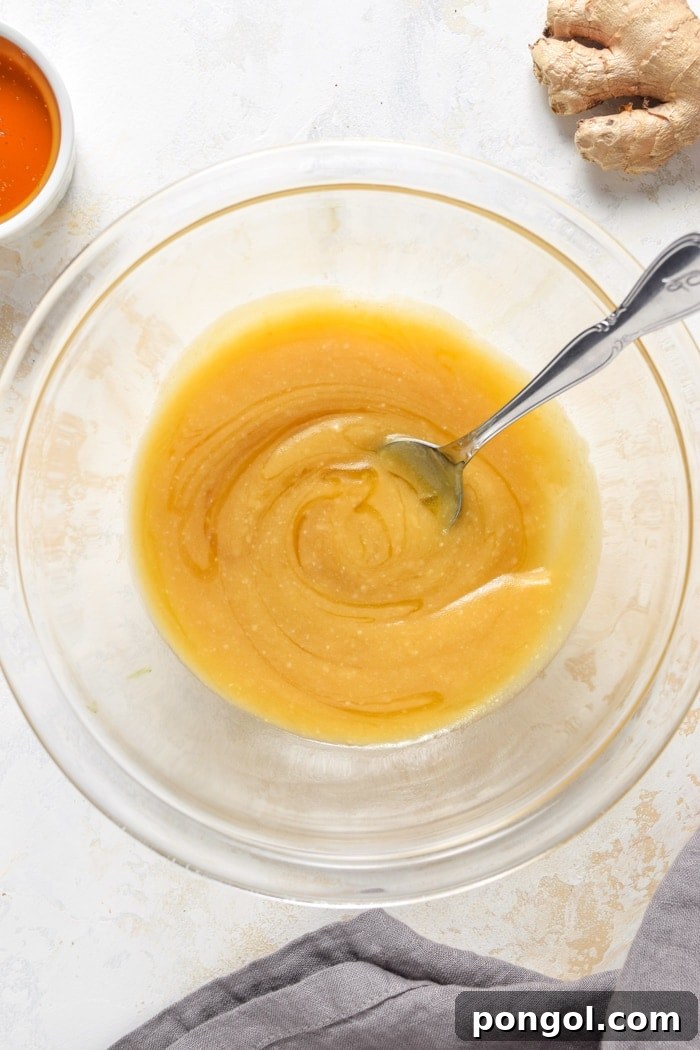
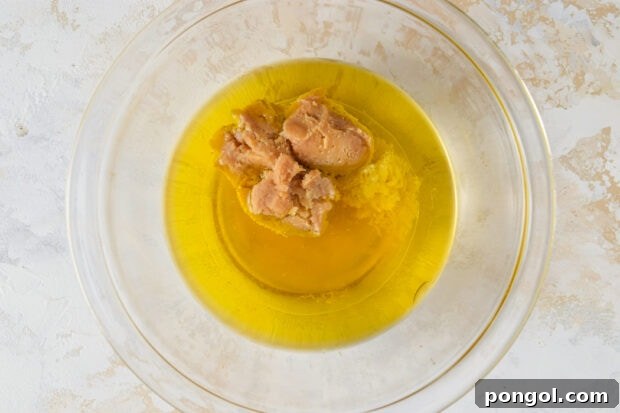
In a small bowl, combine the olive oil, miso paste, rice vinegar, honey, and finely grated fresh ginger (if using).

-
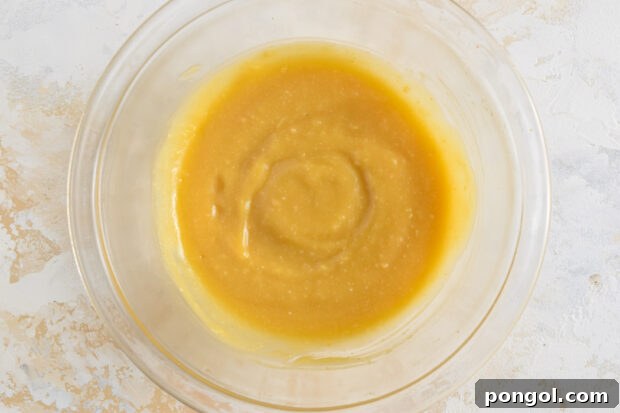
Whisk all ingredients vigorously until the dressing is completely smooth and emulsified, ensuring no distinct layers of oil and water remain. If the dressing appears too thick for your liking, add cold water one tablespoon at a time, whisking well after each addition, until you achieve your desired pourable consistency.
-
Taste the dressing and adjust seasonings as desired. You might want more honey for sweetness, more rice vinegar for tang, or a pinch of salt if your miso paste is low-sodium.
-
Pour the finished miso dressing into an airtight container or mason jar and store it in the refrigerator for up to 7 days. Remember to give it a good shake or whisk before each use, as some natural separation can occur over time.
Recipe Notes
- **Olive Oil Alternatives:** While good quality olive oil is preferred for its flavor, any neutral tasting oil will work beautifully in this recipe. Feel free to use avocado oil, sunflower oil, grapeseed oil, or even a light vegetable oil based on your preference.
- **Rice Vinegar Substitutes:** The unique mild tang of rice vinegar is crucial for this dressing’s authentic restaurant-quality flavor. If you don’t have any on hand, you can substitute with apple cider vinegar or white vinegar. Be aware that these alternatives have a sharper profile and might alter the final taste slightly.
- **Make it Vegan:** To easily adapt this recipe for a vegan diet, simply swap the honey for an equal amount of maple syrup or agave nectar. The sweetness balance will remain excellent.
- **Ginger Tip:** For an extra layer of warm, aromatic flavor, fresh ginger is highly recommended. However, if fresh ginger isn’t available, a small amount (about ¼ teaspoon) of ginger powder can be used as a substitute, though fresh is always best for vibrancy.
Recipe yields approximately 1 cup (16 tablespoons) of dressing. Nutritional values shown reflect information for 2 tablespoons of dressing. Macros may vary slightly depending on the specific brands of ingredients used.
Approximate Nutrition Information for One Serving
Calories: 141cal
Protein: 1g
Fat: 14g
Saturated Fat: 2g
Sodium: 238mg
Potassium: 16mg
Total Carbs: 4g
Fiber: 1g
Sugar: 3g
Net Carbs: 3g
Vitamin A: 6IU
Vitamin C: 1mg
Calcium: 4mg
Iron: 1mg
Nutrition Disclaimers
Number of total servings shown is approximate. Actual number of servings will depend on your preferred portion sizes.
Nutritional values shown are general guidelines and reflect information for 1 serving using the ingredients listed, not including any optional ingredients. Actual macros may vary slightly depending on specific brands and types of ingredients used.
To determine the weight of one serving, prepare the recipe as instructed. Weigh the finished recipe, then divide the weight of the finished recipe (not including the weight of the container the food is in) by the desired number of servings. Result will be the weight of one serving.
Did You Make This Recipe?
We absolutely love seeing your culinary creations! If you’ve tried our delicious Homemade Miso Dressing, we’d be thrilled if you shared your experience and feedback with us. Your reviews and photos inspire other home cooks!
Tag @40aprons on Instagram and be sure to leave a review on the blog post!
Rate this Recipe
Tag @40Aprons on Instagram