Master the Art of Homemade Pizza: The Ultimate Food Processor Dough Recipe
The thought of kneading dough by hand often feels like a daunting task, especially with the hustle and bustle of modern life. While there’s a certain romantic appeal to getting your hands messy, feeling the dough come alive, and watching it rise majestically, for many of us, those moments are few and far between. Balancing daily responsibilities, family time, and the rare quiet moments for ourselves means efficiency in the kitchen is key. The idea of spending precious nap time vigorously kneading dough, when a comfy couch and a favorite show are calling, just doesn’t quite fit the picture of a relaxed evening.
This is precisely why I rarely ventured into making homemade pizza dough until two pivotal changes occurred in my life. First, my partner received a fantastic grill for Father’s Day, opening up a world of possibilities for outdoor cooking, including grilled pizza. Second, and arguably most important, I stumbled upon a recipe for the most perfect food processor pizza dough. This discovery wasn’t just a convenience; it was a revelation, transforming pizza night from an ambitious project into an effortless joy.
Say Goodbye to Kneading: The Genius of Food Processor Pizza Dough
The beauty of this food processor method lies in its incredible simplicity and speed. Traditional pizza dough recipes often call for extensive kneading, sometimes up to 10-15 minutes, to develop the gluten structure necessary for a chewy crust. While this process is fundamental to classic bread making, it’s also the primary barrier for many home cooks. A food processor, with its powerful motor and sharp blade, replicates the kneading action in mere seconds, transforming a handful of ingredients into a smooth, elastic dough with minimal effort on your part.
Not only does it save time, but it also ensures consistent results every single time. There’s no guesswork about whether you’ve kneaded enough, or too much. The food processor handles it with precision, allowing you to achieve a perfectly textured dough without the manual labor. This means less stress in the kitchen and more time enjoying the process of creating delicious food for your family and friends. It truly is a game-changer for anyone who loves homemade pizza but despises the lengthy preparation.
What Makes This Pizza Dough So Perfect?
This isn’t just “good enough” pizza dough; it’s genuinely outstanding. Its perfection stems from two main factors that elevate it above other recipes:
1. Unbeatable Ease and Speed
The primary draw of this recipe is its astonishing ease and speed. From combining ingredients to having a fully risen dough ready for baking, you’re looking at a total time of just 90 minutes, with only a few minutes of active preparation. This efficiency means you can decide on a whim to have homemade pizza and have it ready for dinner without feeling rushed or overwhelmed. The food processor does all the heavy lifting, allowing you to focus on choosing your favorite toppings and enjoying the anticipation of a delicious meal.
2. Incredible Texture and Flavor
Beyond its convenience, the quality of the crust produced by this food processor method is truly exceptional. It boasts a delightful chewiness that’s characteristic of authentic pizza, with edges that bake up wonderfully crisp and golden. The interior remains tender and airy, providing the perfect base for your sauce and toppings. What’s more, the flavor profile is surprisingly deep and authentic, tasting as if it came from a beloved neighborhood pizzeria, not your home kitchen. This dough performs beautifully whether baked in a traditional oven or, as we discovered, on the grill, offering a versatility that makes it an instant favorite.
In fact, this dough is so good that I’m even coaxing my partner to share his secret for incredible grilled pizza, which complements this dough perfectly. For now, this recipe is a must-share. I’ve had great success using white whole wheat flour for a healthier option, but for that truly classic, indulgent pizzeria experience, good old all-purpose white flour is simply unbelievable. Just imagine: a generous spread of your favorite sauce, a mound of bubbling cheese, and your trusty food processor dough transforming into a pizza so good, your local delivery joint might just lose a customer or two. It’s time to make this recipe your new go-to for pizza night.
Recipe By: Cheryl Malik
Rating: ★★★★★ (5 from 1 vote)
Perfect Food Processor Pizza Dough
Prep Time: 45 minutes | Rise Time: 45 minutes | Total Time: 1 hour 30 minutes
Perfect Food Processor Pizza Dough. Not only is this pizza dough just perfect in taste and texture, it’s so quick and easy to make at home, promising a delicious homemade experience.

Cheryl Malik
Servings: 8 slices
Equipment
- Liquid measuring cup
- Whisk
- Food processor with standard metal blade
- Large bowl (or food-safe sealable plastic bag)
- Food-safe plastic wrap (optional, for covering the bowl)
- Oven
- Large baking sheet or pizza pan
- Neutral-flavored spray oil
- Flat work surface
- Flour (for dusting work surface)
Ingredients
- 1 ¼ cups warm water (105-115 degrees F or 40-46 degrees C)
- 2 teaspoons active dry yeast
- 1 teaspoon granulated sugar
- 3 ⅓ cups all-purpose flour
- ½ teaspoon kosher salt
- 3 teaspoons extra virgin olive oil
Instructions
- Fill a liquid measuring cup with 1 ¼ cups warm water. Add 2 teaspoons active dry yeast and 1 teaspoon granulated sugar to the water and whisk until dissolved.
- Let the mixture rest until foamy, which usually takes approximately 5 to 10 minutes. This indicates your yeast is active and ready.
- While the yeast mixture rests, fit your food processor with its standard metal blade. Add 3 ⅓ cups all-purpose flour and ½ teaspoon kosher salt to the food processor bowl. Secure the lid and pulse the ingredients a few times until they are just incorporated.
- Once the yeast mixture is frothy, turn the food processor on (continuous processing, not pulse) and slowly pour the yeast mixture through the feed tube. Process the mixture for 30 to 60 seconds, or until all liquid is fully incorporated and the dough gathers into a ball, pulling away from the sides of the food processor bowl.
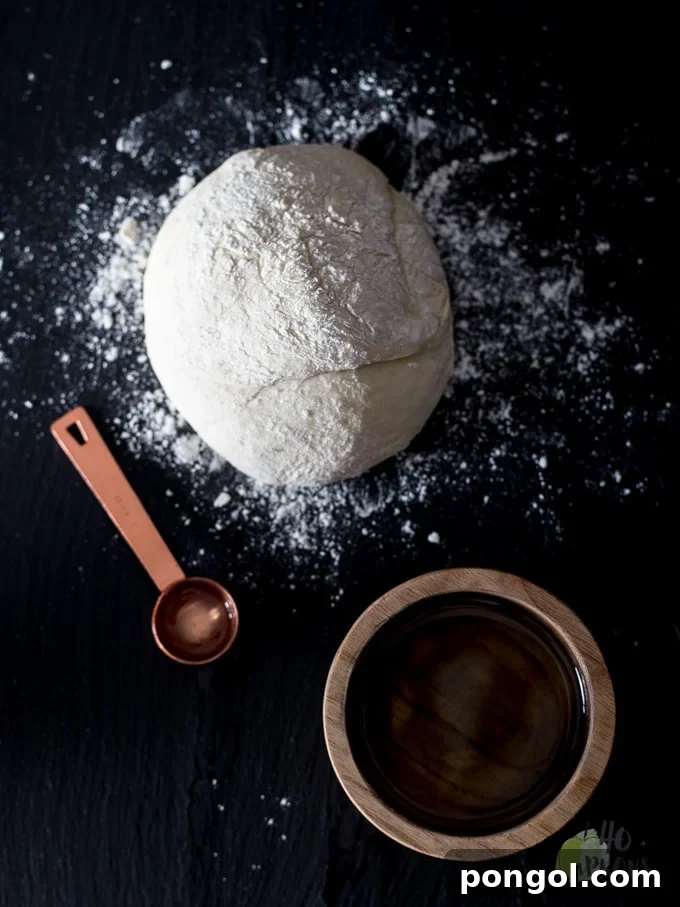
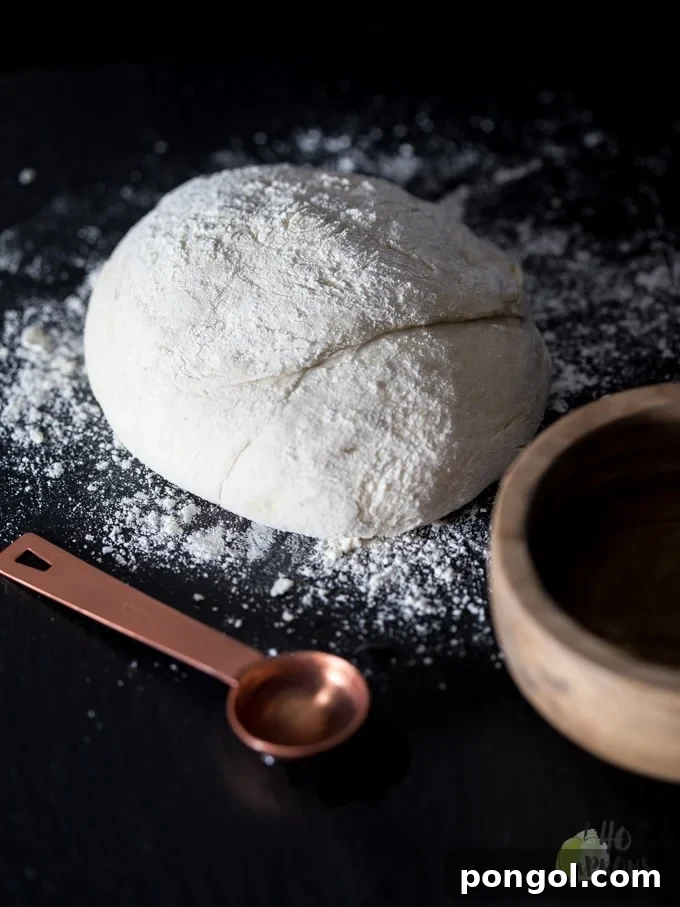
- Carefully remove the dough ball from the food processor. Lightly coat the entire surface of the dough with 3 teaspoons of extra virgin olive oil, ensuring it’s evenly distributed.
- Place the oiled dough ball into a large bowl and cover it tightly with food-safe plastic wrap. Alternatively, you can place the dough directly into a food-safe sealable plastic bag and seal it securely.
- Place the covered dough in a warm spot in your kitchen and let it rise for 45 minutes. This allows the yeast to activate and the dough to double in size.
- Towards the end of the dough’s rising time, preheat your oven to 425° Fahrenheit (220° C). Lightly grease a large baking sheet or pizza pan with neutral-flavored spray oil and set it aside. Lightly dust a clean, flat work surface with flour.
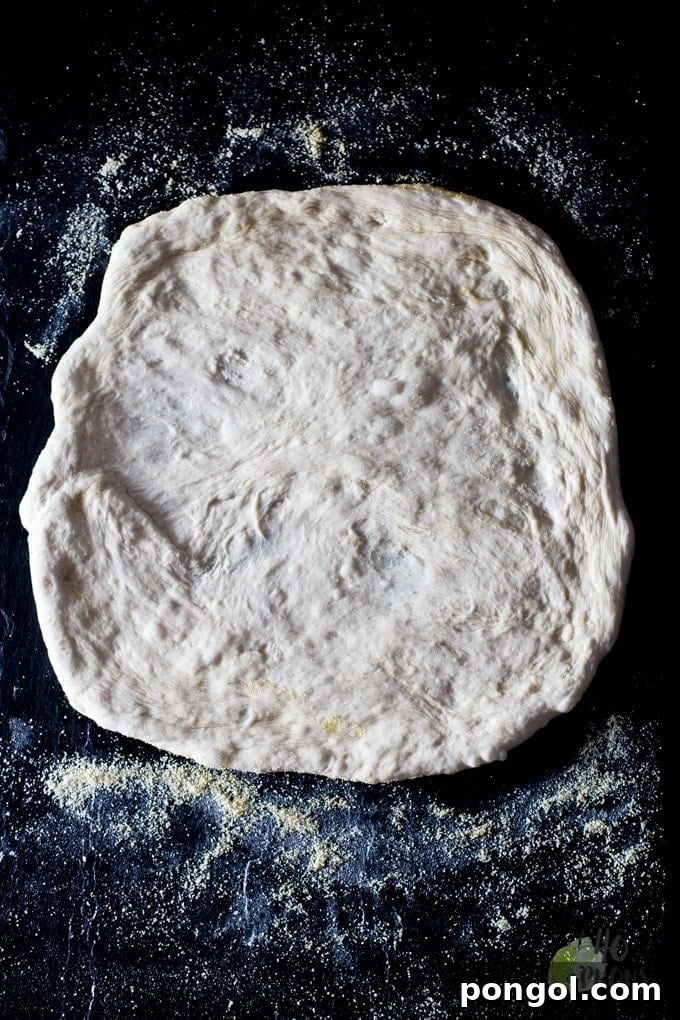
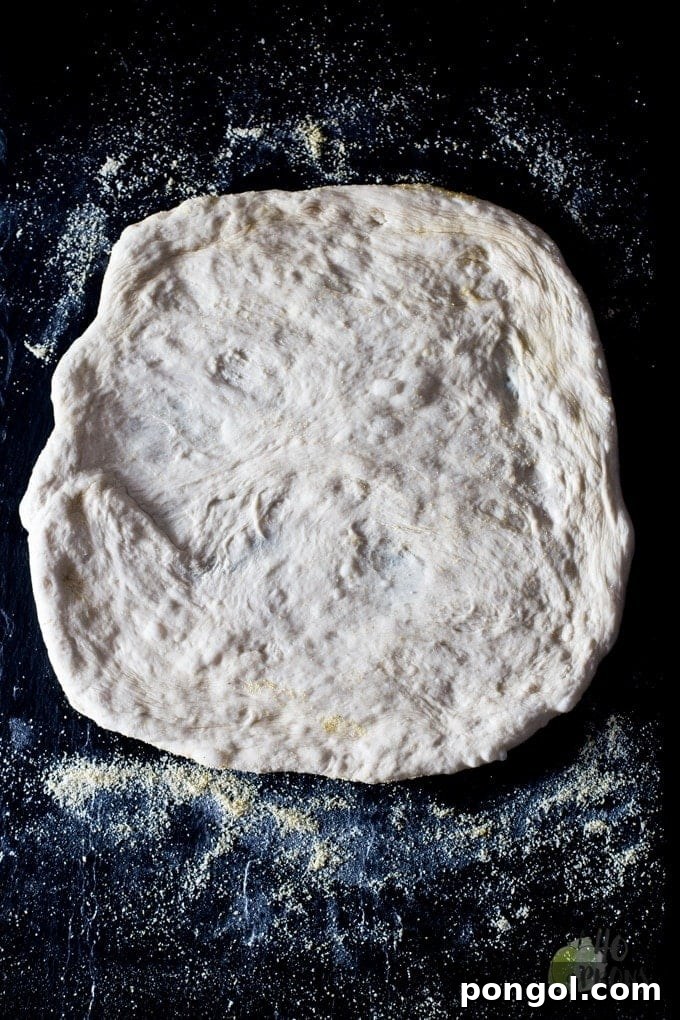
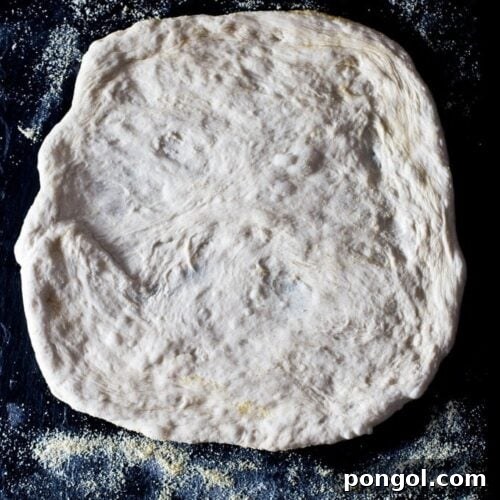
- After 45 minutes, gently transfer the risen dough to your lightly-floured work surface. Carefully rotate the dough, stretching and pulling it outwards from the center to form a large, evenly thick pizza crust. Be mindful not to tear the dough or create any excessively thin areas, which could lead to burning.
- Carefully transfer the stretched dough onto your prepared baking sheet or pizza pan. Top the dough with your favorite pizza sauce and desired toppings. Bake for approximately 20 minutes, or until the crust is beautifully browned, crispy, and thoroughly baked through, and the cheese is melted and bubbly.
Recipe Notes
- This recipe yields enough dough for one large pizza or two smaller pizzas. If you plan to make two small pizzas, simply divide the risen dough ball in half after the rising step and form each half into a separate crust.
Approximate Nutrition Information Per Serving
Serving Size: 1 slice
- Calories: 207 cal
- Protein: 6 g
- Fat: 2 g
- Saturated Fat: 0.3 g
- Sodium: 149 mg
- Potassium: 63 mg
- Total Carbs: 41 g
- Fiber: 2 g
- Sugar: 1 g
- Net Carbs: 39 g
- Vitamin C: 0.003 mg
- Calcium: 9 mg
- Iron: 2 mg
Nutrition Disclaimers
Number of total servings shown is approximate. Actual number of servings will depend on your preferred portion sizes.
Nutritional values shown are general guidelines and reflect information for 1 serving using the ingredients listed, not including any optional ingredients. Actual macros may vary slightly depending on specific brands and types of ingredients used.
To determine the weight of one serving, prepare the recipe as instructed. Weigh the finished recipe, then divide the weight of the finished recipe (not including the weight of the container the food is in) by the desired number of servings. The result will be the weight of one serving.
Pro Tips for Food Processor Pizza Dough Success
Achieving consistently perfect pizza dough is simple with a few expert tips:
- Mind the Water Temperature: The warmth of your water is crucial for activating the yeast. Too hot, and it can kill the yeast; too cold, and it won’t activate. Aim for temperatures between 105-115°F (40-46°C). A kitchen thermometer is your best friend here.
- Don’t Over-process: While the food processor makes quick work of kneading, it’s important not to overdo it. Once the dough forms a ball and pulls away from the sides of the bowl, stop processing. Overworking the dough can result in a tough crust.
- The Art of Stretching: When shaping your dough, be gentle. Instead of rolling, which can create a dense crust, use your hands to gently stretch and rotate the dough. Start from the center and work your way out, allowing gravity to help you achieve an even thickness. If the dough resists, let it rest for 5-10 minutes to allow the gluten to relax before trying again.
- Customize Your Crust: For a super thin and crispy crust, stretch the dough as thinly as possible. For a chewier, thicker crust, leave it a bit more substantial. You can also create a raised edge for a delightful chewy border.
- Freezing for Future Feasts: This dough freezes beautifully! After the first rise, punch down the dough, lightly oil it, and place it in a freezer-safe bag. It can be frozen for up to 2-3 months. Thaw overnight in the refrigerator before bringing to room temperature and shaping.
Elevate Your Pizza Game: Serving Suggestions & Topping Ideas
With a foundation this good, your topping possibilities are endless. Here are a few ideas to inspire your next pizza night:
- Classic Margherita: Simple tomato sauce, fresh mozzarella, and basil for a timeless favorite.
- Pepperoni Perfection: A generous layer of pepperoni and your favorite blend of cheeses.
- Veggie Extravaganza: Load up on colorful bell peppers, onions, mushrooms, olives, and spinach.
- Gourmet Garlic Chicken: Grilled chicken, a creamy garlic sauce, red onions, and a sprinkle of cilantro.
- Breakfast Pizza: Scrambled eggs, crispy bacon or sausage, and cheddar cheese for a brunch twist.
- Grilled Pizza: Don’t forget the grill! A quick char on the grill adds an incredible smoky flavor and crispy texture that’s unmatched.
Food Processor Pizza Dough: Frequently Asked Questions (FAQs)
Can I use whole wheat flour for this recipe?
Yes, absolutely! As mentioned, I’ve had great results using white whole wheat flour. You might find the texture slightly denser, but it still yields a delicious and healthy crust. You can also try a 50/50 blend of all-purpose and whole wheat flour to ease into it.
How long can I store the dough?
After its initial rise, the dough can be stored in the refrigerator for up to 3 days. Ensure it’s in an airtight container or a sealed plastic bag to prevent it from drying out. For longer storage, refer to the freezing tips above.
What if my yeast doesn’t foam?
If your yeast mixture doesn’t become frothy after 5-10 minutes, it likely means your yeast is old or the water temperature was incorrect. It’s best to discard that batch and start over with fresh yeast and ensure your water is within the recommended temperature range.
Can I make this dough without a food processor?
While this recipe specifically optimizes for the food processor, the ingredients are standard for pizza dough. You could adapt it for a stand mixer with a dough hook or traditional hand kneading, but the active preparation time would increase significantly.
Final Thoughts: Your New Go-To Pizza Dough Recipe
This perfect food processor pizza dough is more than just a recipe; it’s a gateway to effortless homemade pizza nights, transforming a once time-consuming endeavor into a quick and enjoyable culinary adventure. It delivers on all fronts: ease, speed, and a phenomenal crust that rivals your favorite pizzerias. No more slaving over a kneading board or compromising on flavor for convenience.
So, clear your counter, grab your food processor, and prepare to elevate your pizza game. This recipe is designed to simplify your life while delivering maximum deliciousness. Give it a try, experiment with your favorite toppings, and get ready to impress yourself and everyone at your table.
Did You Make This Recipe?
We’d love to see your creations! Tag @40aprons on Instagram and be sure to leave a review on the blog post!
Rate this Recipe