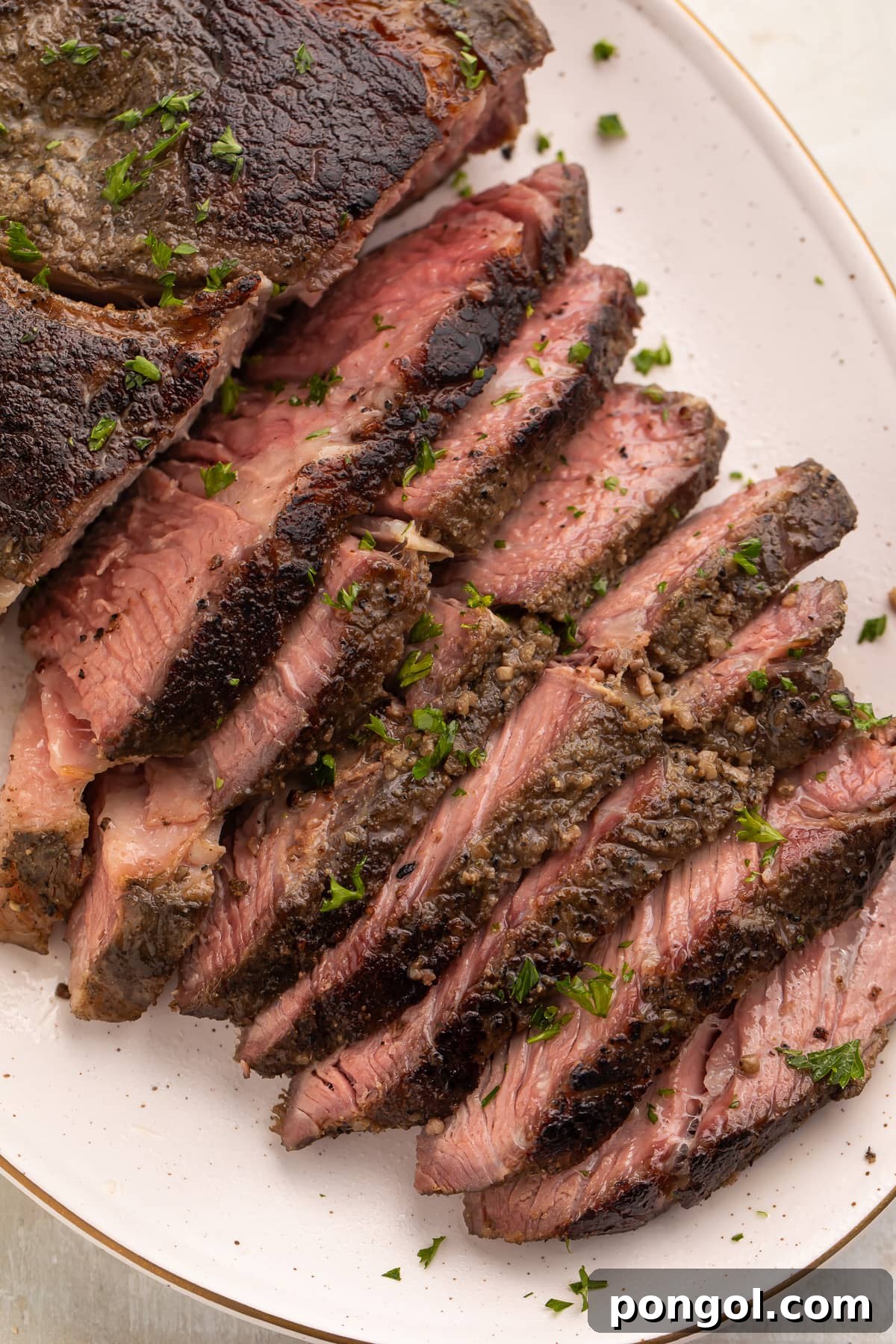
Unlock the secret to an incredibly tender, melt-in-your-mouth chuck roast with the revolutionary sous vide method! This culinary technique transforms an often overlooked cut of beef into a rich, flavorful masterpiece, perfectly cooked to your preferred doneness – whether that’s a succulent medium-rare or a comforting medium-well. Forget the days of dry, chewy roasts; this is serious kitchen magic that guarantees consistent perfection every time. By slowly cooking the chuck roast in a precisely controlled water bath, then finishing it with a rapid, high-heat sear, you’ll achieve an unparalleled texture and a beautiful, savory crust that will impress even the most discerning palates. Prepare to elevate your home cooking and discover your new favorite way to prepare beef!
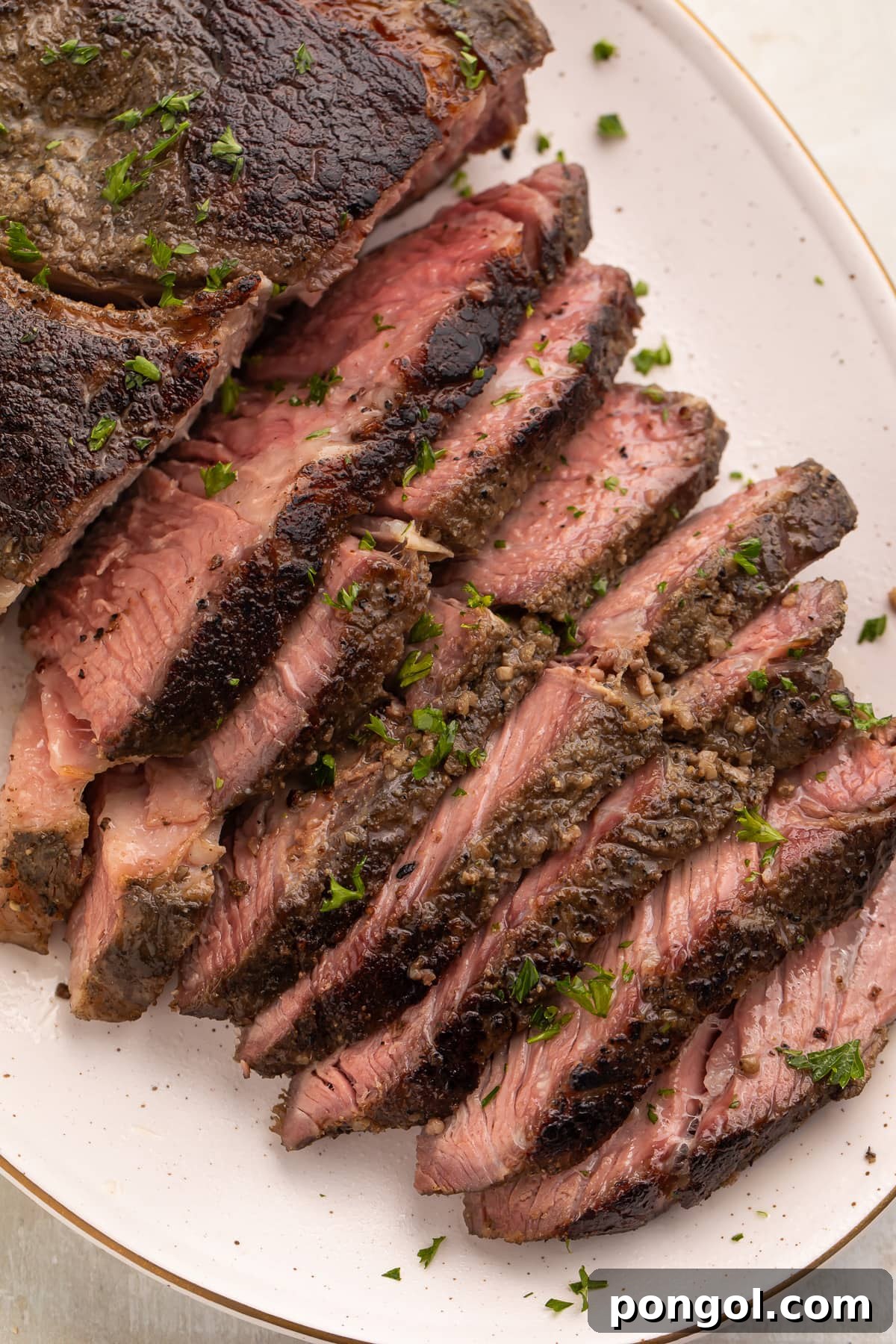
🥩 Why Sous Vide Chuck Roast is a Game-Changer
The sous vide method is truly a revelation for cooking chuck roast, turning this humble, often tough cut into a luxurious dining experience. Here’s why this recipe stands out:
- Unparalleled Tenderness, Guaranteed: If you’ve ever struggled to achieve a tender chuck roast, this recipe is your ultimate solution. The sous vide method cooks the meat slowly at an exact temperature, breaking down tough connective tissues into succulent gelatin. This results in an incredibly tender and juicy roast that practically melts in your mouth, a stark contrast to the dry or stringy results often associated with traditional methods.
- Consistent Perfection, Every Time: Say goodbye to overcooked edges and undercooked centers. Sous vide ensures even cooking from edge to edge, allowing you to achieve your desired level of doneness (medium-rare, medium, etc.) with absolute precision. This fool-proof technique removes the guesswork, delivering perfect results consistently.
- Effortless, Hands-Off Cooking: While the cooking time is long, the majority of it is completely hands-off. Once the chuck roast is in the water bath, your sous vide immersion circulator does all the work, maintaining the perfect temperature. This frees up your time, allowing you to focus on other tasks or simply relax. The only active cooking required is the quick reverse-sear at the end.
- Delicious, Flavorful Crust: The reverse-sear method, applied after the sous vide bath, is essential for developing a deep, rich, and crisp crust on the exterior of the roast. This beautiful sear adds a layer of intense flavor and texture that perfectly complements the tender interior. If you’ve enjoyed our reverse-sear filet mignon, you know the magic of this finishing step!
- Incredibly Versatile Seasoning and Pairings: The exact seasoning for your sous vide chuck roast is entirely up to your preference, making it an incredibly versatile dish. This flexibility means you can pair it with virtually any side dish, adapting it for any occasion. For an elegant holiday dinner or special event, consider serving it with our best ever risotto, impressive fondant potatoes, or crisp asparagus with garlic aioli. For a more casual, cozy weeknight meal, it pairs beautifully with roasted carrots and potatoes, creamy mashed potatoes, or simple sautéed broccoli.
Understanding the Chuck Roast: A Cut Above with Sous Vide
Chuck roast, typically cut from the shoulder of the beef, is renowned for its rich beefy flavor and its marbling of fat and connective tissue. While these characteristics contribute to its deep taste, they also make it a tougher cut that requires specific cooking methods to tenderize properly. Traditional braising or slow-cooking methods can achieve tenderness but often sacrifice precise temperature control, potentially leading to dryness or uneven cooking. This is where sous vide shines brightest. By precisely controlling the cooking temperature over an extended period, sous vide gently breaks down the collagen in chuck roast, transforming it into gelatin without losing moisture. The result is a uniformly tender, juicy, and incredibly flavorful piece of beef that retains all its natural goodness, a true testament to the power of precision cooking.
👩🏼🍳 Mastering the Sous Vide Method: Chef’s Essential Tips
Achieving a perfect sous vide chuck roast involves a few key steps and expert tips that will elevate your results:
- Achieving the Perfect Sear: To develop that truly beautiful, crisp, and flavorful crust on the outside of your chuck roast, it is absolutely essential to dry the meat thoroughly with paper towels after it comes out of the sous vide bath. Don’t worry, the internal moisture is locked in from the sous vide process, so the inside will remain incredibly juicy. Removing all surface moisture allows for direct contact with the hot pan, promoting the Maillard reaction that creates a rich brown crust instead of steaming the surface.
- Ensuring Full Submersion: Any time you cook with sous vide, whether it’s chuck roast, vegetables, or delicate proteins, it is critical that the food item is 100% completely submerged in the water bath for the entire cooking duration. If any part of the meat is exposed to air, it will not cook evenly and could pose a food safety risk. You can purchase specialized sous vide sinker weights and clips for this purpose, which are a great investment if you sous vide frequently. However, if you’re looking for a simpler, more budget-friendly option, you can easily use items you already have on hand, as long as they are waterproof and heat-resistant. The easiest trick is to grab some heavy silverware (like butter knives or spoons) and attach them to the sealed bag (you can literally just tape them to the outside of the bag) after you’ve removed the air.
- The Power of the Cast-Iron Skillet for Searing: When it’s time to reverse-sear your sous vide chuck roast, I highly, highly recommend using a cast-iron skillet. These pans are simply fantastic for high-heat searing because they retain heat exceptionally well and distribute it evenly across the cooking surface. This leads to a superior, rich, and even crust. If you don’t own a cast-iron skillet, you can still achieve a great sear; your next best option is to use a large, heavy stainless steel skillet. Avoid non-stick skillets for searing, as they typically don’t conduct or retain heat as efficiently as cast iron or stainless steel, meaning you won’t get the same intense browning and crispness.
- The Importance of Resting: After searing, always allow your chuck roast to rest for 5-10 minutes before slicing. This allows the juices, which have been drawn to the surface during the high-heat sear, to redistribute evenly throughout the meat. Resting ensures that each slice is incredibly juicy and tender, preventing the juices from running out onto your cutting board.
- Slicing Against the Grain: Chuck roast has long muscle fibers. To ensure maximum tenderness when serving, always slice the meat against the grain. This means cutting perpendicular to the direction of the muscle fibers. This simple technique shortens the fibers, making each bite much easier and more pleasant to chew.
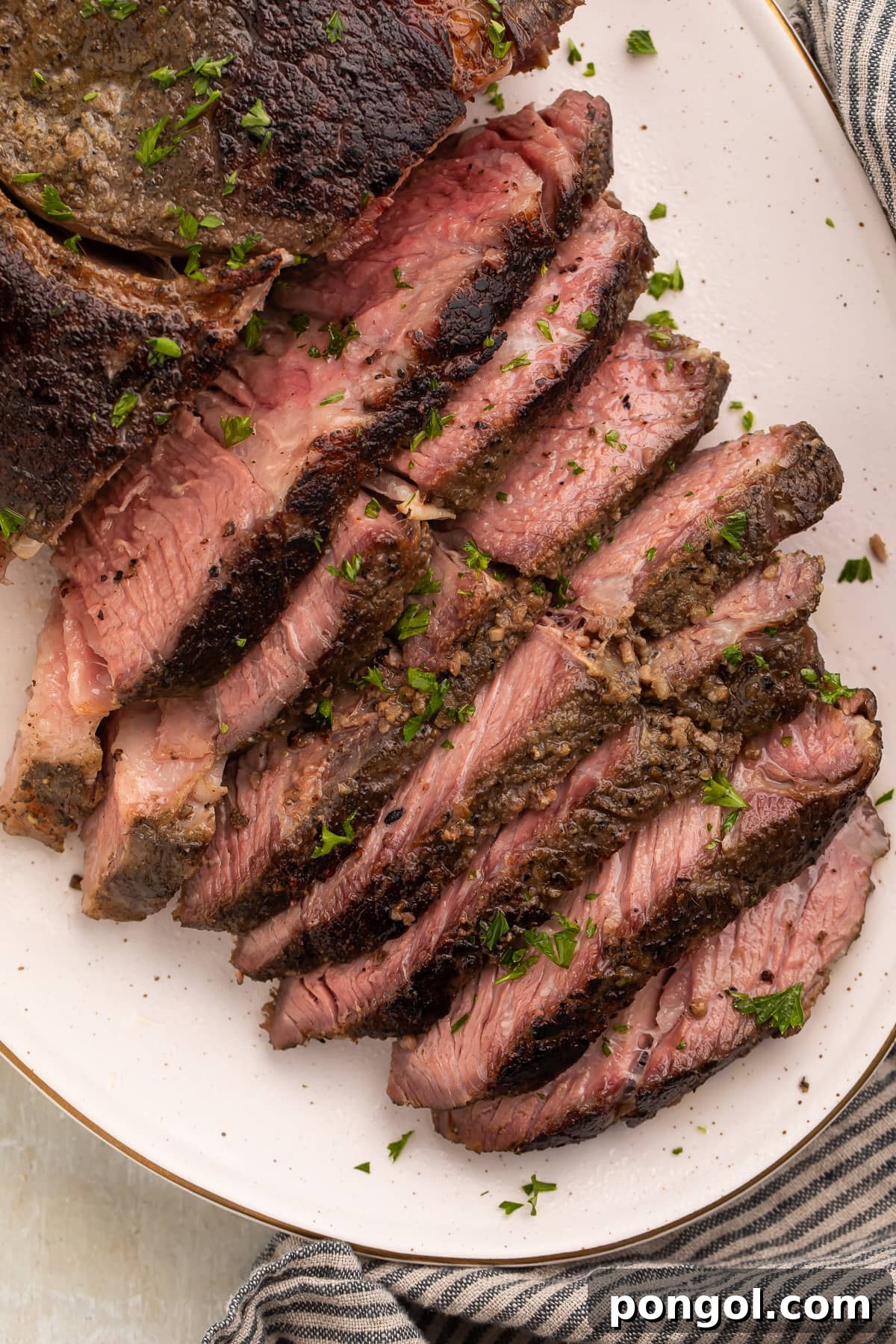
Sous Vide Chuck Roast Recipe
Perfectly Tender Sous Vide Chuck Roast
 Cheryl Malik
Equipment
-
2 cutting boards or 1 sheet pan and 1 cutting board
-
Paper towels
-
Large pot or other large heat-resistant container
-
Sous vide immersion circulator
-
Large food-safe vacuum sealing bag or large sealable food-safe plastic bag
-
Vacuum sealer optional, see Notes for alternate sealing method
-
Large cast-iron skillet or large heavy stainless skillet
-
Large plate
-
Tongs
-
Large chef’s knife
Ingredients
- 1 large boneless chuck roast 3–4 pounds, unseasoned
- seasoning salt store-bought or homemade; see Notes
- 1-2 tablespoons avocado oil or vegetable oil, or other oil with high smoke-point
Instructions
To Dry Brine the Chuck Roast (Optional)
-
1. Place 1 large boneless chuck roast on a cutting board or sheet pan. Pat the chuck roast completely dry on all sides with paper towels. This step is crucial for achieving a great sear later.
-
2. Liberally season the chuck roast on all sides with seasoning salt, ensuring even coverage. Place the seasoned roast uncovered in the refrigerator. Refrigerate overnight (8-12 hours) to allow for dry brining, which enhances flavor and tenderness.
To Sous Vide the Chuck Roast
-
1. Fill a large pot or other large, heat-resistant container with water. Note: The pot must be deep enough that the water level falls between the minimum and maximum indicators on your circulator.
-
2. Insert your sous vide immersion circulator into the pot of water and set it to 135° Fahrenheit (57°C) for medium-rare, or your preferred temperature. See Notes for temperature recommendations by desired doneness.
-
3. If the Chuck Roast Was NOT Dry-Brined: Place 1 large boneless chuck roast on a cutting board or sheet pan. Pat the roast completely dry on all sides with paper towels, then liberally season the roast with seasoning salt, ensuring all sides of the roast are covered.
-
4. Place the seasoned chuck roast into a large, sealable food-safe bag. Remove as much air as possible from the bag using a vacuum sealer or the water displacement method (see Notes below for instructions). Once sealed, ensure the bag is completely air-free.
-
5. Once the water bath is preheated to your desired temperature, carefully place the sealed bag into the water. Ensure the chuck roast is fully submerged. If necessary, use sous vide sinker weights or heavy silverware taped to the bag to keep the chuck roast completely under water.
-
6. Sous vide the chuck roast for 36 hours. The minimum recommended cook time is 24 hours, but do not exceed 48 hours, as the meat can become mushy. This extended, low-temperature cooking is key to tenderizing the chuck roast.
To Reverse-Sear the Chuck Roast for a Perfect Crust
-
1. Once the chuck roast has finished its sous vide cooking, add 1-2 tablespoons avocado oil (or another oil with a high smoke point) to a large cast-iron skillet. Use enough oil to generously cover the bottom of the skillet.
-
2. Place the cast-iron skillet on the stovetop over medium-high heat. Heat the skillet for 3 to 5 minutes, or until it is scorching hot and you see a slight wisp of smoke. This high heat is crucial for developing a proper crust.
-
3. While the skillet preheats, carefully remove the bag from the water bath. Unseal the bag and transfer the chuck roast to a large plate. Using paper towels, thoroughly pat the chuck roast completely dry on all sides. This step is vital for a crispy crust.
-
4. Once the skillet is preheated and smoking slightly, carefully place the dried chuck roast into the skillet. Sear the chuck roast on each side for approximately 45 seconds, or until a beautiful, dark brown crust develops. Use tongs to rotate the roast and sear all sides, including the ends if possible, for even browning.
To Serve the Chuck Roast
-
1. When all sides of the chuck roast have been seared, transfer the roast to a clean cutting board. Allow it to rest for 5-10 minutes. This resting period allows the juices to redistribute throughout the meat, ensuring a more tender and flavorful slice.
-
2. Immediately slice the chuck roast, cutting against the grain of the meat using a large chef’s knife. Slicing against the grain shortens the muscle fibers, making each bite incredibly tender. Serve the roast with your desired side dishes and enjoy your perfectly cooked beef!
- Seasoning Salt Options: You can easily purchase prepared seasoned salt at most grocery stores. For those who prefer a homemade touch, you can create your own seasoning blend. A typical blend includes salt, finely ground black pepper, aromatic herbs like thyme or rosemary, and savory spices such as paprika, turmeric, onion powder, and garlic powder. Some variations may also incorporate a hint of sugar, cayenne pepper for a subtle kick, chili powder, or celery powder to add depth. Alternatively, for a more minimalist yet equally delicious approach, simply season your chuck roast generously with high-quality sea salt (or kosher salt) and freshly ground black pepper.
- Water Displacement Method for Air Removal: If you don’t have access to a vacuum sealer, the water displacement method is an effective alternative for removing air from your food-safe bag. Place the chuck roast in a sturdy, sealable food-safe plastic bag (such as a heavy-duty Ziploc freezer bag). Leave about an inch of the seal open at one corner. Slowly lower the bag into the preheated water bath. As the water pressure surrounds the bag, it will naturally force the air out. Once the chuck roast is almost fully submerged and nearly all the air has been expelled, complete the seal on the bag and proceed with the recipe instructions.
- Optimal Sous Vide Cook Time: For chuck roast, a minimum of 24 hours of sous vide cooking is required to adequately tenderize the meat and break down its tough connective tissues. However, for the absolute best results in terms of tenderness and texture, I personally find a 36-hour cook time to be ideal. It provides the perfect balance of tenderization without compromising the meat’s integrity. It’s important not to exceed 48 hours of cooking, as the meat can begin to break down excessively and develop a mushy, undesirable texture.
- Importance of Resting Meat: After searing, allowing your chuck roast to rest for 5-10 minutes before slicing is a crucial step. During the high-heat searing, the meat fibers contract, pushing juices towards the center. Resting allows these juices to redistribute evenly throughout the roast. This results in a more tender, succulent, and flavorful experience with every slice, preventing the meat from drying out as soon as it’s cut.
- Why Slice Against the Grain: Chuck roast is characterized by long, tough muscle fibers. Slicing the meat against the grain means cutting perpendicularly across these fibers. This technique effectively shortens the muscle fibers, making the meat much easier and more pleasant to chew. If you slice with the grain, the long fibers will remain intact, making the meat seem much tougher.
Recommended Temperatures by Desired Doneness
Achieve your preferred level of doneness for your chuck roast with these precise sous vide temperature guidelines:
- For rare chuck roast, set your sous vide immersion circulator to 125°-134° Fahrenheit (51.5°-56.5°C).
- For medium-rare chuck roast, which we recommend for optimal tenderness and juiciness, set your sous vide to 135°-144° Fahrenheit (57°-62°C).
- For medium chuck roast, set your sous vide to 145°-149° Fahrenheit (63°-65°C).
- For medium-well chuck roast, set your sous vide to 150°-159° Fahrenheit (65.5°-70.5°C).
- For well-done chuck roast, set your sous vide to 160°-165° Fahrenheit (71°-74°C).
Approximate Nutritional Information for One Serving
Nutrition Disclaimers
Number of total servings shown is approximate. Actual number of servings will depend on your preferred portion sizes.
Nutritional values shown are general guidelines and reflect information for 1 serving using the ingredients listed, not including any optional ingredients. Actual macros may vary slightly depending on specific brands and types of ingredients used.
To determine the weight of one serving, prepare the recipe as instructed. Weigh the finished recipe, then divide the weight of the finished recipe (not including the weight of the container the food is in) by the desired number of servings. Result will be the weight of one serving.
Did You Make This Recipe?
We’d love to see your culinary creations! Tag @40aprons on Instagram and share your feedback by leaving a review on this blog post. Your experiences help us improve and inspire others!
Tag @40Aprons on Instagram
More Delicious Beef Recipes to Explore
If you’re a fan of rich, hearty beef dishes and looking for more culinary inspiration, you’ll love these other fantastic recipes from our collection:
- Gluten Free Meatloaf: A comforting and savory classic, made accessible for everyone to enjoy without compromise.
- Instant Pot Mississippi Pot Roast: Unbelievably tender and packed with bold flavors, this recipe delivers a classic pot roast in a fraction of the traditional cooking time.
- Beef Tips And Gravy: Hearty, tender beef tips smothered in a rich, savory gravy, making it the perfect comfort food to serve over mashed potatoes or noodles.
- Beef Pot Pie: A warm and inviting pie generously filled with tender beef and a medley of garden vegetables in a delectable, creamy sauce, all under a golden, flaky crust.
- Ground Beef and Gravy Over Mashed Potatoes: A simple yet satisfying weeknight meal that’s both economical and incredibly flavorful, perfect for busy evenings.
- Crispy Beef Schnitzel: Delight in the satisfying crunch of a perfectly crispy, thin beef cutlet, offering a delightful texture and rich taste.
- Beef Vindaloo: For those who enjoy a bold and spicy culinary adventure, this robust curry is bursting with complex flavors and aromatic spices.
- Beef with Oyster Sauce: A quick and flavorful Asian-inspired stir-fry, featuring tender beef coated in a savory oyster sauce, perfect for a fast and delicious meal.
- Ground Beef Alfredo with Broccoli: A creamy and indulgent pasta dish featuring tender ground beef and healthy broccoli, offering a complete and satisfying meal.
- Creamy Rotel Pasta with Ground Beef: This cheesy, slightly spicy pasta dish is a guaranteed family favorite, quick to prepare and packed with flavor.
Frequently Asked Questions (FAQ) About Sous Vide Chuck Roast
Q: Why should I sous vide chuck roast instead of using traditional methods?
A: Chuck roast is notoriously rich in connective tissue, which can make it tough and dry if not cooked properly. Sous vide cooking addresses this perfectly by maintaining a precise, low temperature for an extended period (typically 24-48 hours). This gentle, consistent heat slowly breaks down the collagen in the meat, transforming it into tender, juicy gelatin without overcooking the muscle fibers. The result is an incredibly tender and uniformly cooked roast, something often difficult to achieve with conventional methods like oven roasting or slow cooking, which can lead to dry edges and uneven textures.
Q: What is the recommended sous vide temperature for chuck roast?
A: The ideal temperature for your sous vide chuck roast depends on your desired level of doneness. For a perfectly tender and juicy medium-rare, we highly recommend setting your immersion circulator to 135°F (57°C). If you prefer rare, aim for 125°-134°F (51.5°-56.5°C). For a medium doneness, 145°-149°F (63°-65°C) works well. For medium-well, target 150°-159°F (65.5°-70.5°C), and for well-done, 160°-165°F (71°-74°C). Keep in mind that for chuck roast, lower temperatures over a longer cooking duration are generally preferred to maximize tenderness.
Q: How long should I cook chuck roast using the sous vide method?
A: To achieve optimal tenderness with chuck roast, an extended cooking time is crucial. We recommend a minimum sous vide cook time of 24 hours. However, for the most superior texture and flavor development, a 36-hour cook time is ideal. It’s important not to exceed 48 hours, as cooking for too long can cause the meat to become overly soft or mushy, losing its desirable texture. This long, slow cooking process is essential for breaking down the tough collagen fibers inherent in this cut of beef.
Q: Is dry brining necessary, or can I skip it?
A: While the dry brining step is optional, it is highly recommended if you have the time, as it significantly enhances both the flavor and tenderness of the chuck roast. Dry brining involves salting the meat and allowing it to rest uncovered in the refrigerator overnight. This process draws out moisture, which then gets reabsorbed, seasoning the meat from the inside out and also contributing to a more even and crispier crust during the searing phase. If you choose to skip this step, be sure to generously season your chuck roast immediately before placing it in the sous vide bath.
Q: Why is thoroughly drying the chuck roast important before searing?
A: Thoroughly drying the chuck roast with paper towels after the sous vide bath and before searing is a critical step for achieving that coveted crispy, flavorful crust. Any moisture remaining on the surface of the meat will turn into steam when it hits the hot pan, effectively boiling the meat instead of searing it. This inhibits the Maillard reaction, which is the chemical process responsible for the deep browning and complex savory flavors that create a delicious crust. A dry surface allows for direct, intense contact with the heat, ensuring a superior sear.
Q: What type of skillet is best for searing a sous vide chuck roast?
A: A cast-iron skillet is the absolute best choice for searing sous vide chuck roast. Its superior heat retention and even heat distribution are unmatched, allowing you to achieve a remarkably deep, even, and crispy crust in a short amount of time. If a cast-iron skillet isn’t available, a large, heavy stainless steel skillet can also provide good results. However, it’s advisable to avoid non-stick skillets for searing, as they typically do not reach or maintain the high temperatures necessary to create a truly great crust, often leading to a less satisfying result.
Q: How do I store and reheat leftover sous vide chuck roast?
A: To store leftover sous vide chuck roast, allow any sliced meat to cool completely to room temperature. Then, transfer it to an airtight container and refrigerate for up to 3-4 days. For reheating, gently warm the slices in a skillet over low to medium-low heat with a splash of beef broth or water. This moisture helps prevent the meat from drying out. Alternatively, you can reheat it slowly in an oven preheated to a low temperature (around 250°F or 120°C) until it’s warmed through, again with a small amount of liquid. Avoid using high heat for reheating, as this can quickly toughen the meat and reverse all your careful sous vide tenderization.
Conclusion: Elevate Your Chuck Roast Experience to Culinary Heights
Gone are the days when chuck roast was relegated to tough, fall-apart stews or dry, uninspired meals. With the precise, gentle power of the sous vide method, followed by a quick, intense reverse sear, this affordable and flavorful cut of beef transforms into a culinary masterpiece. You’ll achieve a level of tenderness, juiciness, and rich flavor that rivals high-end restaurant dishes, all with minimal hands-on effort. Whether you’re planning a comforting weeknight dinner, an impressive gathering, or a festive holiday feast, this sous vide chuck roast recipe guarantees consistent perfection and an unforgettable dining experience. Embrace the magic of modern cooking techniques and unlock the full, delicious potential of chuck roast, making it a true star on your dining table. Happy cooking, and prepare to be amazed!