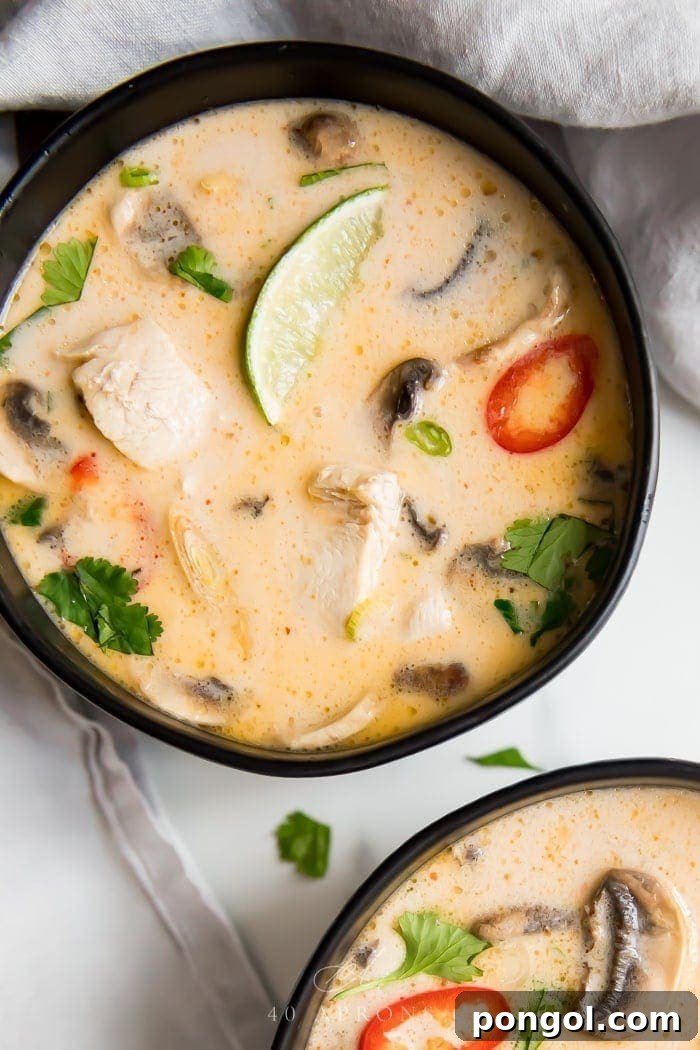
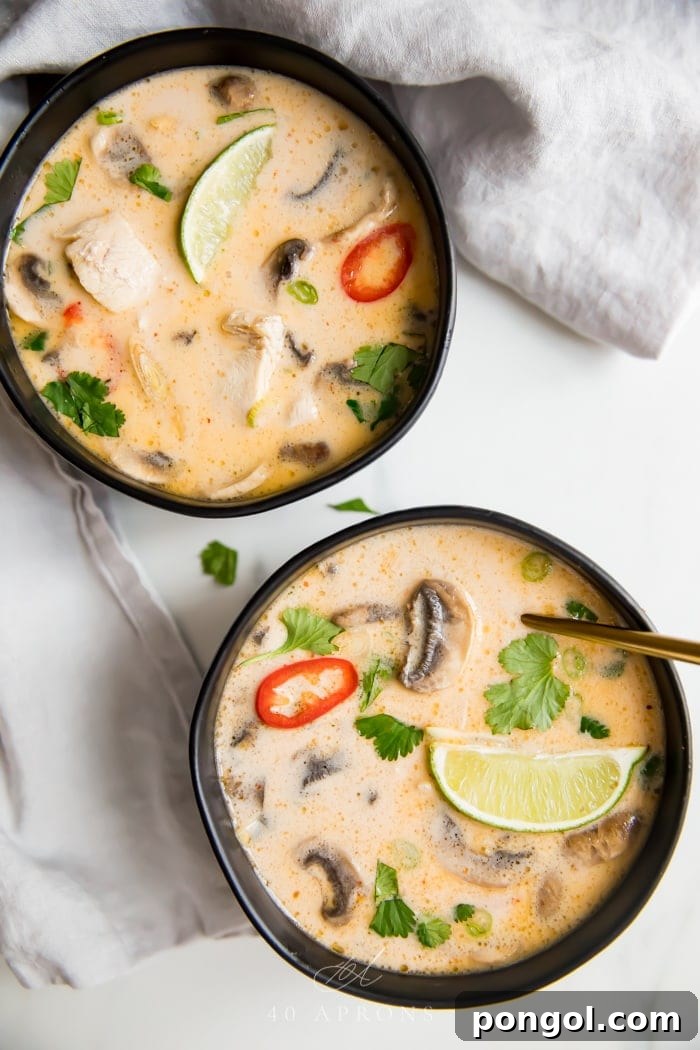
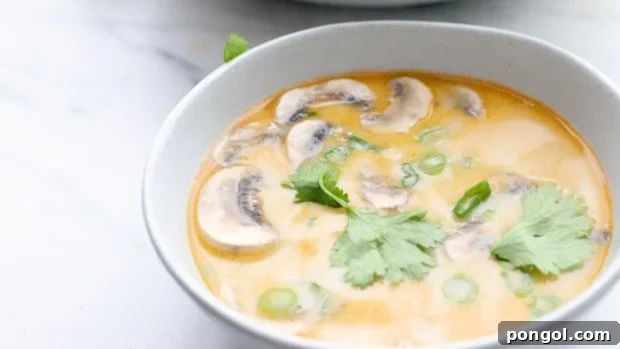
Embark on a culinary journey to Thailand with this unparalleled Tom Kha Gai soup recipe, also known as Thai Coconut Chicken Soup. This dish perfectly balances richness and creaminess with a delightful tang and savory depth, creating a symphony of flavors that is both incredibly satisfying and surprisingly light. It’s truly the best Tom Kha Gai I’ve ever made or tasted, and it comes with versatile options for those following Whole30, paleo, and vegan diets. Prepare to discover your new favorite Thai-inspired meal.
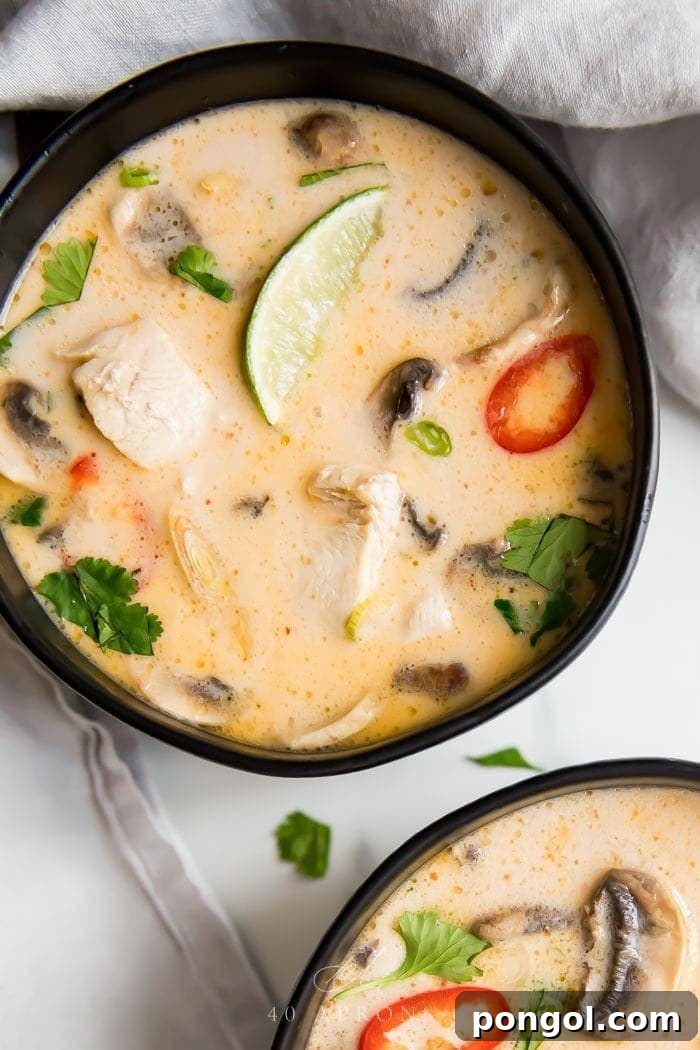
The Irresistible Allure of Tom Kha Gai: Your New Favorite Thai Soup
Let’s talk about a soup that transcends ordinary meals and becomes an instant classic in your kitchen: Tom Kha Gai. This iconic Thai coconut chicken soup, known in Thailand as Tom Kha Gai (where “Tom” means soup, “Kha” refers to galangal, and “Gai” means chicken), is a masterpiece of balance and flavor. Originating from Laos and Thailand, it has captivated palates worldwide with its unique blend of aromatic spices and creamy coconut base.
At its heart, Tom Kha Gai is a delicate dance of four fundamental Thai flavors: hot, sour, salty, and sweet. The rich coconut milk provides a luxurious, velvety texture that coats the palate, while the sourness of fresh lime juice and the subtle heat from chili peppers awaken the senses. Fish sauce introduces a crucial savory, umami depth, perfectly complementing the slight sweetness that often comes from ingredients like coconut sugar or the natural sweetness of the coconut itself. This intricate interplay makes every spoonful an experience, far removed from the mundane.
What sets this particular Thai coconut chicken soup recipe apart is its exceptional depth of flavor and its ability to feel both hearty and refreshing. The tender chicken, earthy mushrooms, and vibrant herbs like cilantro and green onions all contribute to a dish that is filling enough for a main course but light enough not to weigh you down. It’s a comforting bowl that nourishes the body and delights the soul, making it an ideal choice for any season. Forget the takeout; this homemade version brings the authentic taste of Thailand right to your dining table.
From College Dreams to Culinary Reality: My Perfect Tom Kha Gai Story
My love affair with cooking blossomed during my college years in 2006. It wasn’t just a hobby; it was an obsession that led me to platforms like Recipezaar.com, where I meticulously documented my culinary quests. One of my earliest and most fervent desires was to recreate the vibrant, fresh salsa from my favorite Mexican restaurant. That pursuit led to an unforgettable story, one that surprisingly laid the groundwork for my eventual mastery of Tom Kha Gai.
The salsa story began with a fellow student who stumbled upon my online profile. He learned of my deep longing to replicate that specific salsa and, in a truly remarkable gesture, concocted a dramatic tale for the restaurant’s marketing head. He claimed we were engaged, living abroad, and that I was desperately homesick. All he wanted, he explained, was to surprise me with a homemade feast for Christmas, featuring this beloved salsa. His charming, albeit embellished, story worked wonders, and the restaurant generously shared their coveted recipe.
And no, that clever individual isn’t my husband today (though it would make for an even more dramatic tale!). However, his ingenuity didn’t stop there. Years later, he repeated the same “coup” for my second great culinary obsession: this very Tom Kha Gai. You see, there was something undeniably special about the Thai coconut chicken soup served at a local chain near my college. It was unlike any other Thai soup I had tasted – a revelation that ignited my lifelong passion for Thai cuisine. I couldn’t quite decipher its unique magic on my own, but once he procured the secret recipe, everything clicked into place.
This Tom Kha Gai soup is directly inspired by that exceptional restaurant dish. It’s imbued with a distinct flavor profile that sets it apart, a depth and complexity that elevates it far beyond typical recipes. This personal connection, coupled with the “secret” insight, transformed my understanding of what this Thai soup could be. It’s more than just a recipe; it’s a piece of my culinary history, perfected through a blend of serendipity and dedication.
Why This is The Ultimate Tom Kha Gai Recipe You Need
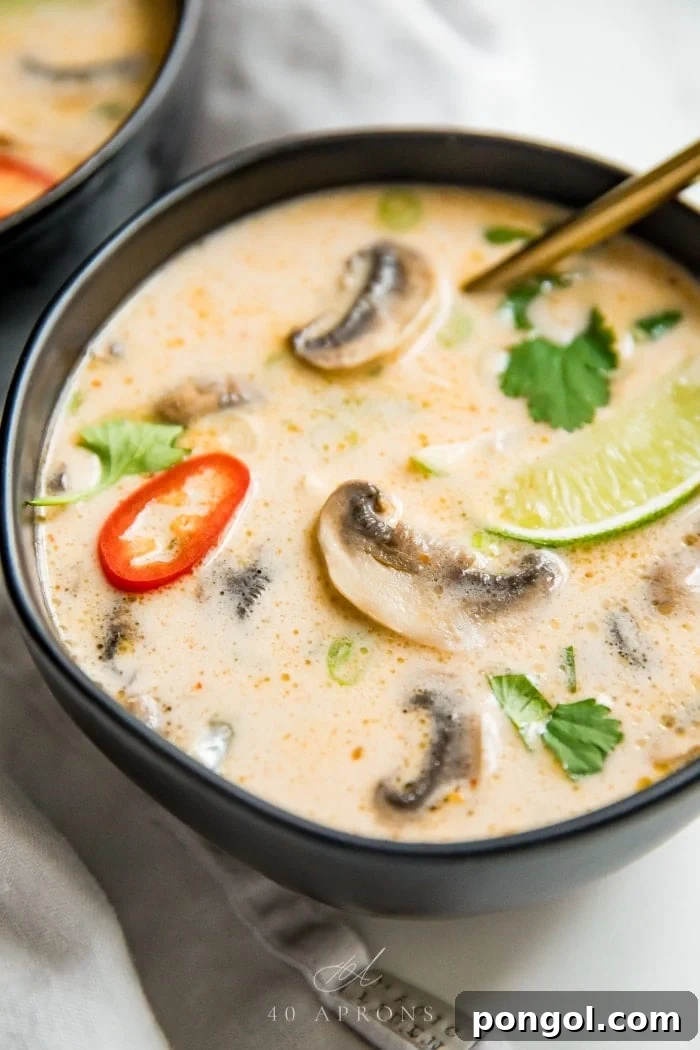
When it comes to crafting the perfect Thai coconut chicken soup, this recipe stands head and shoulders above the rest. It’s not just a collection of ingredients; it’s a meticulously developed formula that guarantees an authentic, incredibly satisfying experience. Here’s why this Tom Kha Gai will become a staple in your culinary repertoire:
- The Secret Ingredient Advantage: This Tom Kha Gai recipe incorporates a special ingredient that elevates its savoriness to an extraordinary level. This subtle addition creates a depth and complexity that most recipes miss, transforming a good soup into an unforgettable one. It’s the key to achieving that restaurant-quality taste in your own kitchen.
- A Symphony of Flavors in Every Spoonful: Experience a harmonious blend of creamy, sweet, salty, spicy, and bright notes. Each flavor is distinct yet perfectly integrated, ensuring that no single element overpowers another. The result is a beautifully balanced soup that tantalizes every part of your palate, leaving you craving more.
- Effortless Ingredient Sourcing: Despite its exotic flavors, the ingredients for this Tom Kha Gai soup are surprisingly easy to find. You won’t need to embark on a scavenger hunt through specialty stores; most items are readily available at your local Western grocery store. This accessibility makes it a practical and enjoyable dish to prepare regularly.
- Versatile for Every Diet: Whether you’re adhering to specific dietary guidelines or simply exploring healthier options, this recipe has you covered. We’ve thoughtfully included clear instructions and substitutions for Whole30, paleo, and vegan lifestyles. Enjoy the rich flavors of Tom Kha Gai anytime, without compromising your dietary commitments.
A note on ingredient terminology: In past publications, we sometimes used the term “weird” to describe ingredients less familiar to an average Western audience. We now understand this term can perpetuate unintended stigmas and misrepresentation of global cuisines. Our intent was always to describe ingredients that might be harder to source, but our impact was not aligned with that intention. We are committed to using respectful and accurate language to describe all ingredients.
The Secret to Unforgettable Tom Kha Gai: Red Curry Paste
The secret ingredient that transforms this Tom Kha Gai recipe from excellent to extraordinary is surprisingly simple: red curry paste. Just a touch of this aromatic paste, when added to an otherwise traditional Tom Kha recipe, injects a profound depth of flavor and a rich, savory complexity that makes it stand out. It’s a game-changer, making it far easier to achieve that authentic, restaurant-quality taste in your regular cooking.
Beyond the secret ingredient, this recipe also embraces convenience without sacrificing flavor. While traditional Thai cooking often calls for galangal and makrut lime leaves, these can sometimes be challenging to find. To make this delicious Thai coconut chicken soup more accessible for your everyday cravings, you can easily swap fresh ginger for galangal. Both offer a pungent, aromatic warmth, and ginger is widely available. Similarly, fresh lime juice can beautifully stand in for makrut lime leaves, providing that essential bright, citrusy tang. While I adore a visit to the international market, these simple substitutions ensure that a crave-worthy bowl of Tom Kha Gai is always within reach, even when time or specialty ingredients are limited.
Sourcing Essential Aromatics: Finding Lemongrass for Your Tom Kha Gai
Lemongrass is a non-negotiable ingredient for authentic Tom Kha Gai soup, imparting a unique lemony, slightly minty, and ginger-like aroma that is central to the dish’s flavor profile. Fortunately, finding fresh lemongrass has become much easier over the years. You can typically locate fresh stalks of lemongrass in the produce section of most well-stocked grocery stores today. Look for firm, fragrant stalks with green tops and pale yellow bases.
If fresh lemongrass proves elusive, don’t despair! Many supermarkets also carry a refrigerated tube of minced lemongrass in the produce or herb section. While fresh is always preferred for the most vibrant flavor, the paste is a convenient alternative that will still deliver a fantastic taste. If you’re struggling to find it, don’t hesitate to ask a store clerk—they can often point you in the right direction. You truly can’t make the best-ever Tom Kha Gai without this essential aromatic!
Adaptable and Inclusive: Making Your Tom Kha Gai Vegan
One of the many wonderful aspects of this Thai coconut soup recipe is its incredible versatility, allowing you to easily adapt it to suit various dietary preferences, including veganism. Transforming this creamy, flavorful soup into a delicious plant-based meal is straightforward, ensuring everyone can enjoy its comforting warmth and rich taste.
To make this Tom Kha soup completely vegan, follow these simple substitutions:
- Swap Chicken Broth for Vegetable Broth: Replace the chicken broth with an equal amount of high-quality vegetable broth. An Asian-style vegetable broth can further enhance the flavor profile.
- Substitute Fish Sauce with Soy Sauce: Fish sauce is a key component for umami, but soy sauce (or tamari for a gluten-free option) provides an excellent plant-based alternative. Adjust to taste, as soy sauce can vary in saltiness.
- Incorporate Tofu as Your Protein: Instead of chicken, add a 1-pound block of firm or extra-firm tofu. Press the tofu to remove excess water, then cut it into bite-sized cubes. Tofu absorbs flavors beautifully, making it an ideal choice for this aromatic soup.
When made without chicken, this delightful dish would technically no longer be called “Tom Kha Gai” (as “Gai” means chicken). Instead, you could lovingly refer to it as “Tom Kha Tofu” or simply “Vegan Tom Kha Soup.” These adaptations ensure that the incredible flavors of this Thai classic can be enjoyed by all, regardless of dietary choices.
Serving Suggestions and Expert Tips for Your Tom Kha Gai
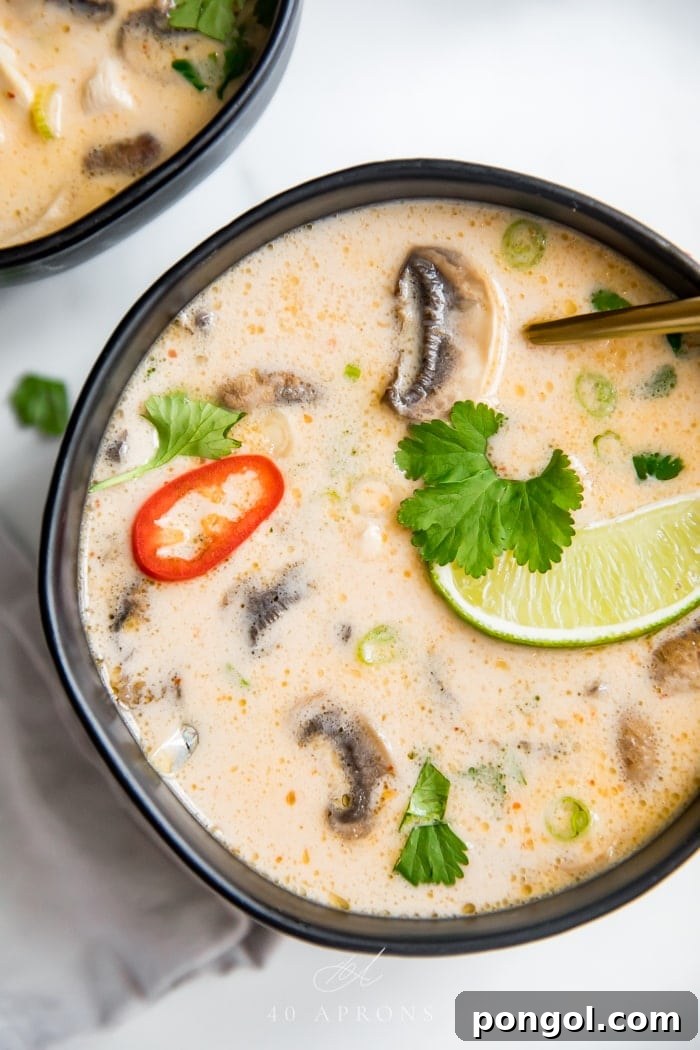
Once your Tom Kha Gai soup is simmering to perfection, consider how to best serve it to enhance the dining experience. Garnishes are not just for show; they add freshness, texture, and bursts of flavor. Fresh cilantro and thinly sliced green onions are essential, providing a vibrant contrast to the creamy broth. For an extra zing, a squeeze of fresh lime juice just before serving brightens the entire dish. You might also add a few extra slices of fresh chili if you enjoy more heat.
This Thai coconut chicken soup is hearty enough to be a meal on its own, but it also pairs beautifully with a side of steamed jasmine rice or cauliflower rice for a lower-carb option. The rice soaks up the flavorful broth, making for a wonderfully satisfying combination. For a complete Thai-inspired feast, consider serving it alongside fresh spring rolls with peanut sauce or a light cucumber salad. These accompaniments provide contrasting textures and flavors that complement the richness of the soup.
Tips for Tom Kha Gai Success:
- Use Quality Coconut Milk/Cream: The foundation of excellent Tom Kha Gai is good quality, full-fat unsweetened coconut milk or cream. Avoid “light” versions as they often lack the creamy richness essential for this soup. Always shake the can well before opening to ensure the cream and liquid are combined.
- Don’t Overcook the Chicken: Chicken breast can dry out quickly. Add it to the simmering soup only after the aromatics have been strained and the coconut milk is added. Simmer just until the chicken is cooked through and no longer pink. For shrimp, add them in the final few minutes of cooking until they turn pink and opaque.
- Taste and Adjust: Thai cooking is all about balance. Always taste your soup before serving and adjust the seasonings. You might want more fish sauce for saltiness, more lime juice for tang, or a pinch more coconut sugar (or coconut aminos for Whole30/Paleo) for sweetness.
- Prepare Aromatics Properly: Pounding the lemongrass stalk slightly with the side of a knife helps release its essential oils and maximizes its flavor infusion into the broth. Slice galangal or ginger thinly for better flavor extraction.
- Consider Fermented Red Curry Paste: For the deepest flavor, seek out red curry paste that uses fermented ingredients. Brands like Thai Kitchen are widely available, but if you have access to an Asian market, explore options that might offer even more authentic depth.
Other Delicious Recipes You’ll Love
If you’ve fallen in love with the vibrant flavors of this Tom Kha Gai, you’ll surely enjoy exploring other recipes that offer comfort, flavor, and often, dietary flexibility. Here are some of our favorites:
- Egg Roll in a Bowl
- Vegan Chili
- Grilled Baked Potatoes
- Paleo Banana Bread
- Hibachi Chicken with Fried Rice and Vegetables
- Chicken Tikka Masala
- Mexican Chicken Stuffed Sweet Potatoes
- Perfect Keto Deviled Eggs
- She Crab Soup
- Chinese Vegetable Soup
- Chicken Egg Roll in a Bowl
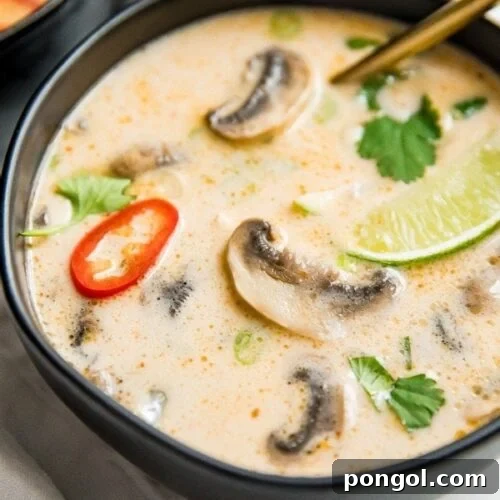
Easy Tom Kha Gai – Thai Coconut Soup
This Tom Kha soup (Thai coconut soup recipe) is absolutely perfect. Rich and creamy yet tangy and salty, this Thai soup is filling but light and positively bursting with flavor. The very best recipe I’ve ever made or tried. Whole30, paleo, and vegan options offered.
 Cheryl Malik
Ingredients
- 1 tablespoon coconut oil
- half of one onion thinly sliced
- 2 cloves garlic chopped
- half of one red jalapeno pepper sliced; or 1-3 Thai chiles, halved
- 3 ¼-inch slices galangal or ginger
- 1 lemongrass stalk pounded with the side of a knife and cut into 2-inch long pieces
- 2 teaspoons red Thai curry paste
- 4 cups chicken broth see Notes if vegan or on Whole30
- 4 cups unsweetened, full-fat coconut cream from a can; or full-fat unsweetened coconut milk; see Notes
- 2 medium chicken breasts cut into bite-sized pieces, approximately 1 pound
- 8 ounces white mushroom caps sliced
- 1-2 tablespoons coconut sugar see Notes for Whole30 option
- 1 ½ – 2 tablespoons fish sauce plus more to taste, see Notes if on Whole30 or vegan
- 2-3 tablespoons fresh lime juice
- 2-3 green onions sliced thin
- fresh cilantro chopped, for garnish
Instructions
-
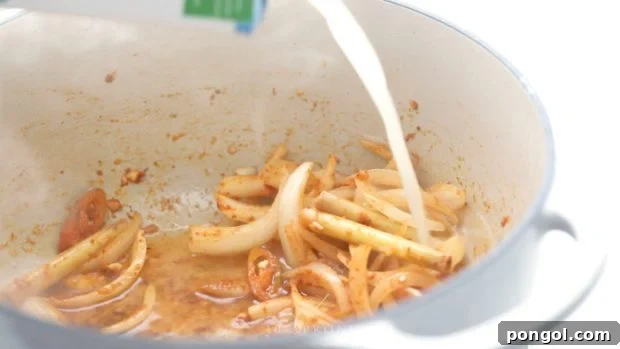
In a medium pot, heat the coconut oil over medium heat. Add the onion, garlic, jalapeno or chile, galangal or ginger, lemongrass, and red curry paste and cook, stirring frequently, for 5 minutes, or until onions are softened. Add chicken broth and bring to a boil. Reduce heat and simmer uncovered for 30 minutes.

-
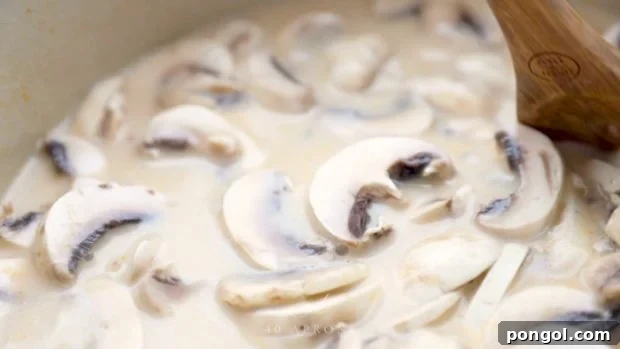
Strain out the aromatics (the garlic, onions, lemongrass, and ginger) and discard. Add in coconut cream or milk, chicken breast (or tofu or shrimp), and mushrooms. Simmer until chicken breast pieces are just cooked through, then add fish sauce, coconut aminos (or coconut sugar), and lime juice, plus more of each to taste.
-
Cook 2 minutes, then ladle into serving bowls and top with sliced green onions and fresh cilantro.
Video
- Be sure to use coconut cream or coconut milk. Coco lopez, cream of coconut, and coconut creamer are not the same as coconut cream/coconut milk and will not work in this recipe.
- To use shrimp, simply stir in 1 pound of raw shrimp instead of chicken. Simmer until just cooked through, pink, and no longer translucent.
- Make it Whole30: Use compliant chicken broth. Use 2 tablespoons coconut aminos instead of coconut sugar. Use Red Boat fish sauce – this is the only fish sauce I’ve found to be compliant.
- Make it Vegan/Vegetarian: Use vegetable stock, preferably an Asian variety. Use a 1-pound block of firm or extra firm tofu (regular or silken) cut into bite-sized cubes. For vegan, use soy sauce (to taste) instead of fish sauce.
Approximate Information for One Serving
Nutrition Disclaimers
Number of total servings shown is approximate. Actual number of servings will depend on your preferred portion sizes.
Nutritional values shown are general guidelines and reflect information for 1 serving using the ingredients listed, not including any optional ingredients. Actual macros may vary slightly depending on specific brands and types of ingredients used.
To determine the weight of one serving, prepare the recipe as instructed. Weigh the finished recipe, then divide the weight of the finished recipe (not including the weight of the container the food is in) by the desired number of servings. Result will be the weight of one serving.
Did You Make This Recipe?
Tag @40aprons on Instagram and be sure to leave a review on the blog post!
Tag @40Aprons on Instagram