From Vegan to Flexitarian: My Journey to a Nourished Metabolism and a Delicious Dal Palak Recipe
It’s been a while, hasn’t it? If you’ve been following my culinary adventures, you might have noticed a lull in my posts. And while my daily life is indeed a whirlwind of client work, new launches, and exciting projects – which have been unusually abundant lately – the quiet on the blog front has stemmed from something far more personal and complex: a profound shift in my own dietary philosophy and, consequently, the very identity of this space, 40 Aprons.
The Evolution of a Food Blog: From Stylist Quo to 40 Aprons
Rewind a little less than a year, and my partner O and I embarked on what we termed a “mostly vegan” lifestyle. This enthusiasm naturally extended to my blogging world. I launched a dedicated “mostly vegan” blog, running it alongside “The Stylist Quo,” which was originally my anything-goes platform. As many of you can imagine, maintaining two distinct food blogs proved to be a Herculean task. The demands on time and creative energy were immense, leading me to merge them into the single entity you see today: 40 Aprons. It was a move born of practicality, but it inadvertently set the stage for an even deeper exploration of what this blog, and my relationship with food, truly stood for.
Navigating Dietary Shifts: A Personal Health Journey
The transition to 40 Aprons coincided with a period of quite strict veganism for O and me. We were committed, experimenting with new recipes, and genuinely believed we were on the healthiest path. However, over several months, a gradual re-evaluation began. We decided to reintroduce local, humanely raised eggs into our diet, a small but significant step. This was quickly followed by the decision to largely cut out soy, which eventually became an almost complete exclusion. Then, the culinary landscape expanded further: grass-fed butter started appearing in our fridge, followed by organic chicken thighs, and other high-quality animal products.
This shift wasn’t a casual decision; it was driven by increasingly concerning health signals. I began experiencing undeniable symptoms of low thyroid function and a struggling metabolism. My body temperature plummeted, rarely even reaching the standard 98°F. Between April and September, I found myself slowly but steadily gaining about 10 pounds, a trend that continued despite my best efforts to eat “healthy” and restrict calories. This was completely out of character for my body, which had never before struggled with weight loss. My appetite disappeared, replaced by an unprecedented desire to nap every single day at 3 p.m. It felt… wrong. My body was sending clear distress signals.
It became clear that my well-intentioned, yet ultimately very restrictive, diets had been fighting against my natural cravings and placing undue stress on my metabolism. Low-calorie and low-fat approaches, while often touted as healthy, were proving detrimental to a body that needed robust nourishment to function optimally. This realization ignited a period of intense learning and self-discovery, fundamentally altering my perspective on food and wellness.
The Public Gaze: Niche Identity and Social Media Pressures
Alongside my personal health struggles, I grappled with an unexpected layer of guilt. My blog’s most popular recipes had, for a time, been vegan. I had, perhaps unconsciously, embraced “vegan blogger” as my niche, my blog’s perceived personality. When my personal diet began to evolve away from strict veganism, I felt a deep internal conflict. This tension was exacerbated by external pressures. I vividly recall posting about a grass-fed ice cream cone on my Facebook page, only to be met with a barrage of criticism from a segment of militant vegan followers. Their comments, sometimes aggressive, about dairy being “bloody” or otherwise unethical, made me question everything. My approach to food, which had once felt so clear and driven by personal ethics, became muddied, especially when considering its public presentation on the blog.
Embracing a Nourished Metabolism: My Path to Healing
In the midst of this confusion, I immersed myself in research, determined to find a truly healthy, non-restrictive diet—one that worked for my unique body. I devoured books like “Diet Recovery,” “Eat for Heat,” and “The Nourished Metabolism,” and explored concepts like “RRARF’ing” (Rest and Recover After Restrictive Feeding). These resources emphasized the importance of adequate calorie intake, sufficient healthy fats, and listening to the body’s innate wisdom to heal a stressed metabolism. I embarked on these metabolic recovery strategies, all while maintaining a wary silence on the blog. The fear was palpable: fear of alienating the vegan community who might have felt I was “theirs,” fear of unsubscribes, and fear of my blog fading into obscurity, offering recipes no different from anyone else’s, or worse, just not exciting enough. This internal struggle, this weird silence, cast a massive damper on my culinary creativity. I lost the desire to create, photograph, or share recipes, precisely because what I felt compelled to produce no longer “jived” exclusively with the brand I once thought I was.
A New Chapter: Embracing Flexibility and Culinary Passion
But enough with the silence. Here I am, finally speaking openly about it. I cannot guarantee that my dietary approach won’t evolve again in the future; growth and learning are constant. But for now, our household simply eats… everything. Nothing is inherently off-limits, with the sole exception of non-fermented soy products, which I’ve found to be problematic for my hormones. And I absolutely love this newfound freedom!
The benefits have been remarkable. My body temperature is slowly but surely rising, a clear indicator of a healthier metabolism. The stress surrounding dining out with O or my family has vanished, replacing the anxious question of “Where can you eat?” While we are spending a bit more on groceries to source high-quality ingredients, the profound improvement in my hormone balance since cutting out soy has been invaluable. More than anything, there’s a renewed, sheer passion that comes with savoring excellent butters, rich cheeses, and perfectly browned chicken skin—a culinary joy I’ve been afraid to share with you, my audience, for too long. But that changes today.
Your Voice Matters: Blog as Brand or Self-Expression?
This journey has raised fundamental questions about the nature of a food blog. Can a blogger truly evolve away from a specific niche, especially one as defined as veganism? Is a blog primarily a “brand” with strict parameters, or is it a dynamic reflection of you, the ever-changing person behind the screen? I genuinely want to hear your opinions on this. Your insights and experiences are invaluable as I navigate this exciting new chapter for 40 Aprons.
Introducing Today’s Delight: Hearty Dal Palak
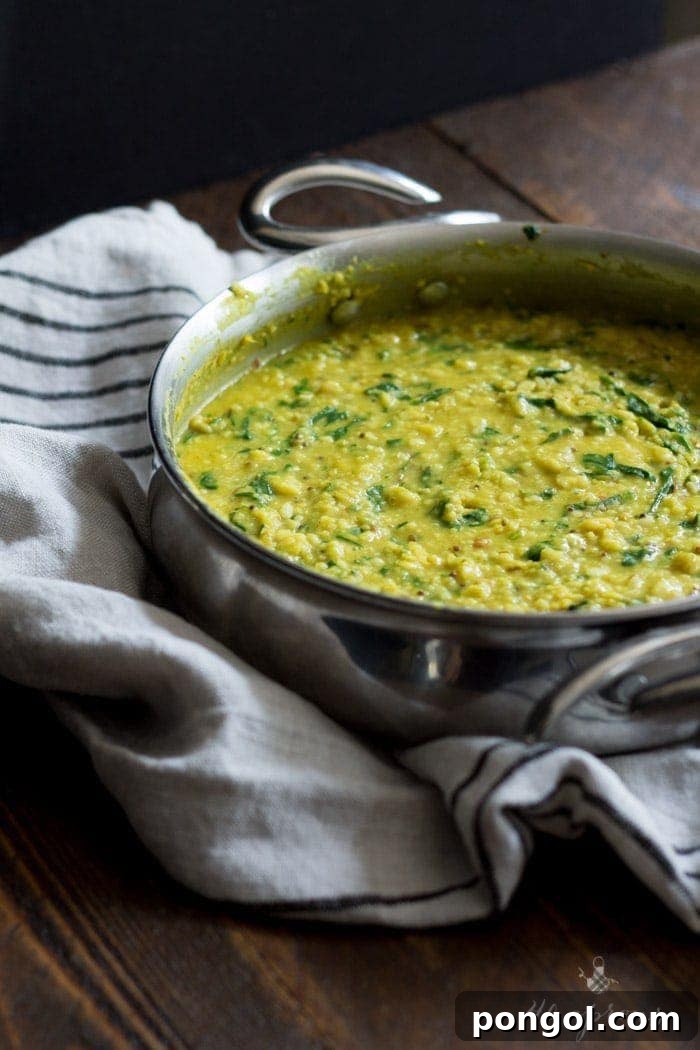
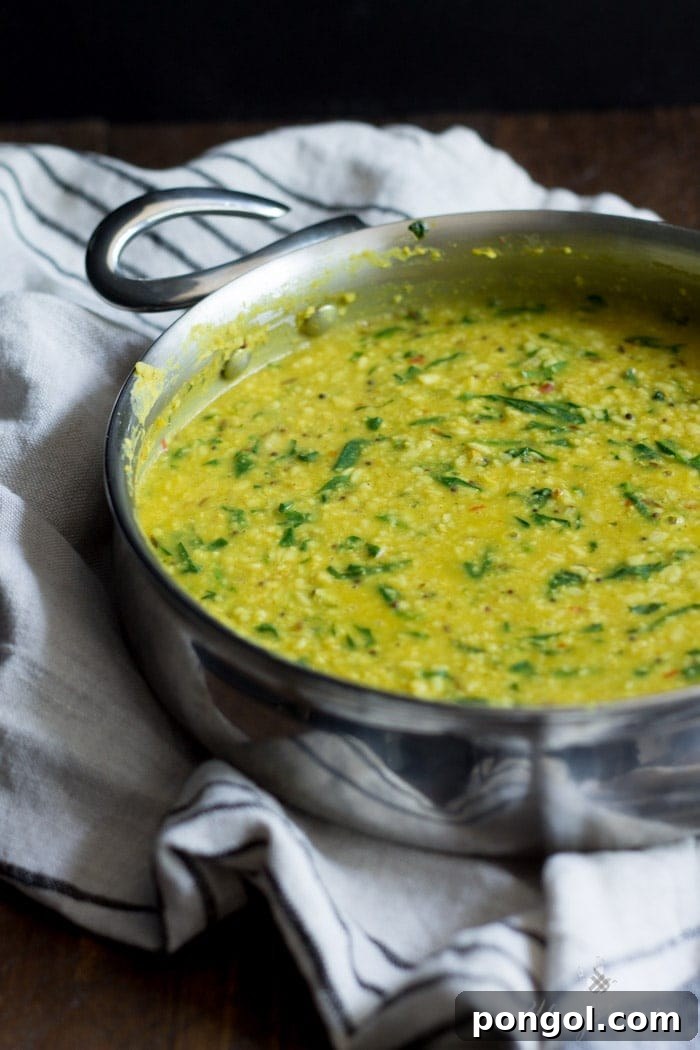
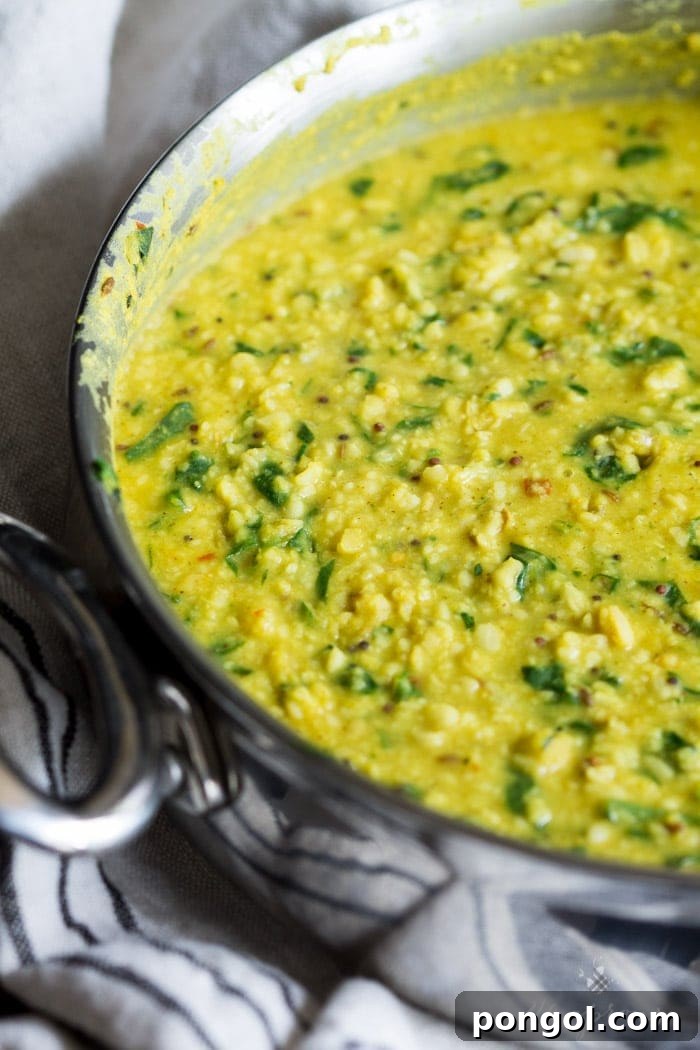
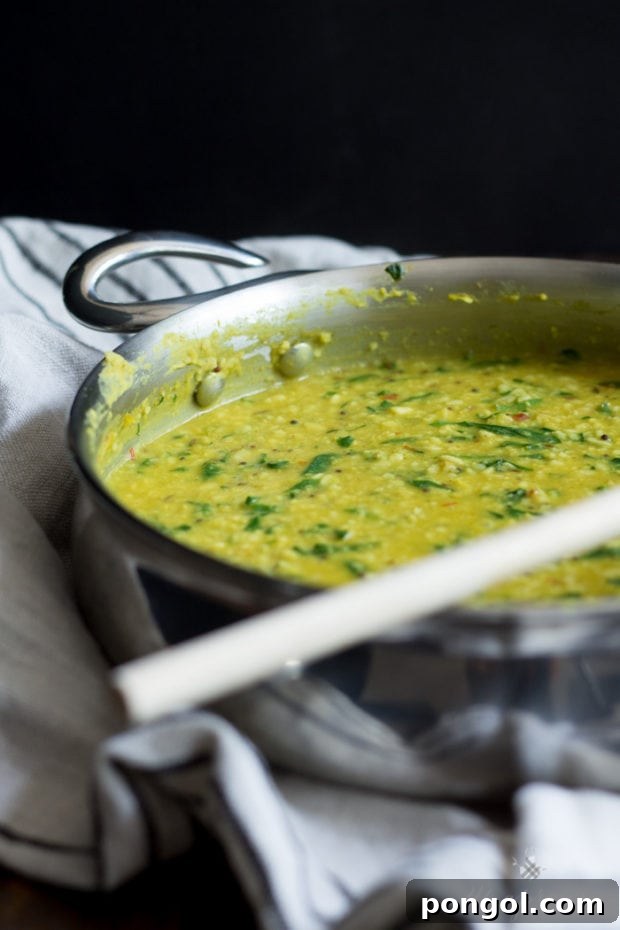
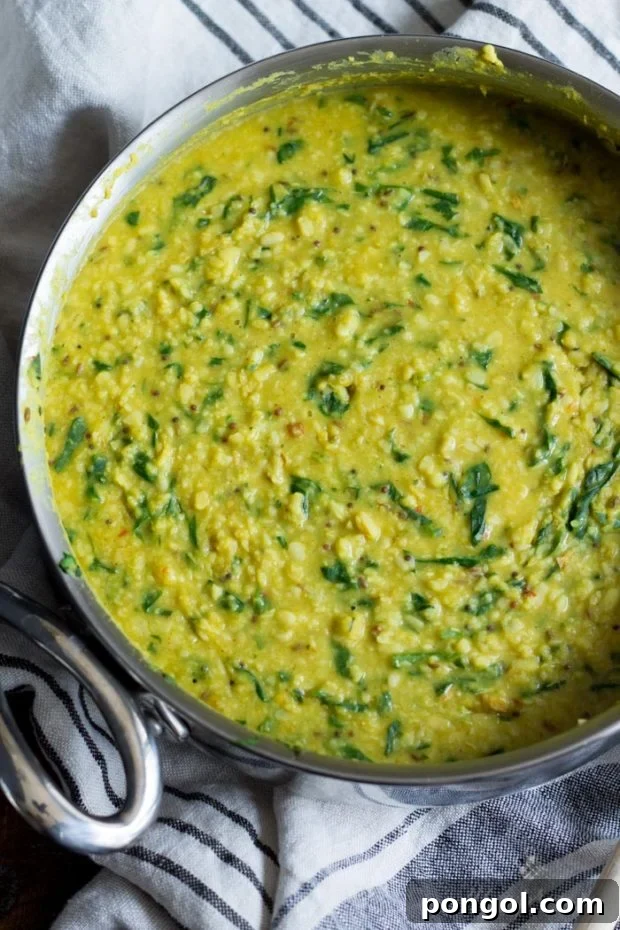
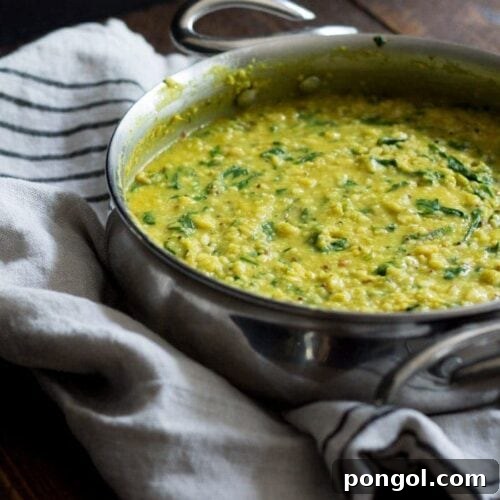
And because I know you don’t solely visit these digital pages for my verbose confessions, but also for delicious recipes, I’m thrilled to share an excellent, simple Dal Palak recipe today. This dish, while not directly tied to my recent dietary shifts, perfectly embodies my current philosophy: nourishing, flavorful, and incredibly satisfying. It’s packed with earthy ginger, aromatic mustard seeds, the powerhouse spice turmeric, and tender wilted spinach leaves. Dal Palak is perfect for a filling lunch served atop fluffy steamed basmati rice or as a hearty accompaniment to a larger Indian curry for dinner. Make it anyway! It’s absolutely delish and a wonderful addition to any meal plan.
Cheryl Malik
Dal Palak
10
20
30
Cheryl Malik
Save
4
people
Ingredients
-
1 cup urad dal -
½ teaspoon turmeric powder -
1 teaspoon cumin seeds -
1 inch ginger , minced fine or grated -
1 tbsp small green chile , minced -
2 cups chopped fresh spinach -
1 teaspoon mustard seeds -
¼ teaspoon asafoetida powder/hing (optional) -
½ teaspoon red chili powder -
¼ teaspoon red pepper -
¾ – 1 cup water -
2 tbsp or 3 tablespoon ghee or coconut oil (for vegan) -
1 teaspoon salt , to taste
Instructions
-
Pick through lentils and wash well, then combine lentils with turmeric powder in a large pot or pressure cooker. Cook until soft and mushy (follow package directions), then drain and mash. Set aside.
-
In a large skillet over medium heat, heat ghee. Add the cumin seeds and fry for a few seconds, then add the minced or grated ginger and fry for a minute. Add the chopped green chile and fry for 1 minute. Add the chopped spinach, red chili powder, and asafoetida powder / hing and sauté for 7-8 minutes or until the spinach becomes soft and stops releasing water.
-
Add the mashed lentils and combine well with spinach mixture. Add 1/2 cup water and stir to combine, then add up to another 1/2 cup water, depending on desired consistency. Add salt to taste and then turn down heat to low and simmer the dal palak for 6-7 minutes.
-
Serve over steamed basmati rice with naan and raita.
Approximate Information for One Serving
Serving Size:
4g
Calories:
226cal
Protein:
13g
Fat:
8g
Saturated Fat:
6g
Sodium:
620mg
Potassium:
93mg
Total Carbs:
27g
Fiber:
11g
Sugar:
1g
Net Carbs:
16g
Vitamin A:
1481IU
Vitamin C:
7mg
Calcium:
53mg
Iron:
5mg
Nutrition Disclaimers
Number of total servings shown is approximate. Actual number of servings will depend on your preferred portion sizes.
Nutritional values shown are general guidelines and reflect information for 1 serving using the ingredients listed, not including any optional ingredients. Actual macros may vary slightly depending on specific brands and types of ingredients used.
To determine the weight of one serving, prepare the recipe as instructed. Weigh the finished recipe, then divide the weight of the finished recipe (not including the weight of the container the food is in) by the desired number of servings. Result will be the weight of one serving.
Did You Make This Recipe?
Tag @40aprons on Instagram and be sure to leave a review on the blog post!
Tag @40Aprons on Instagram