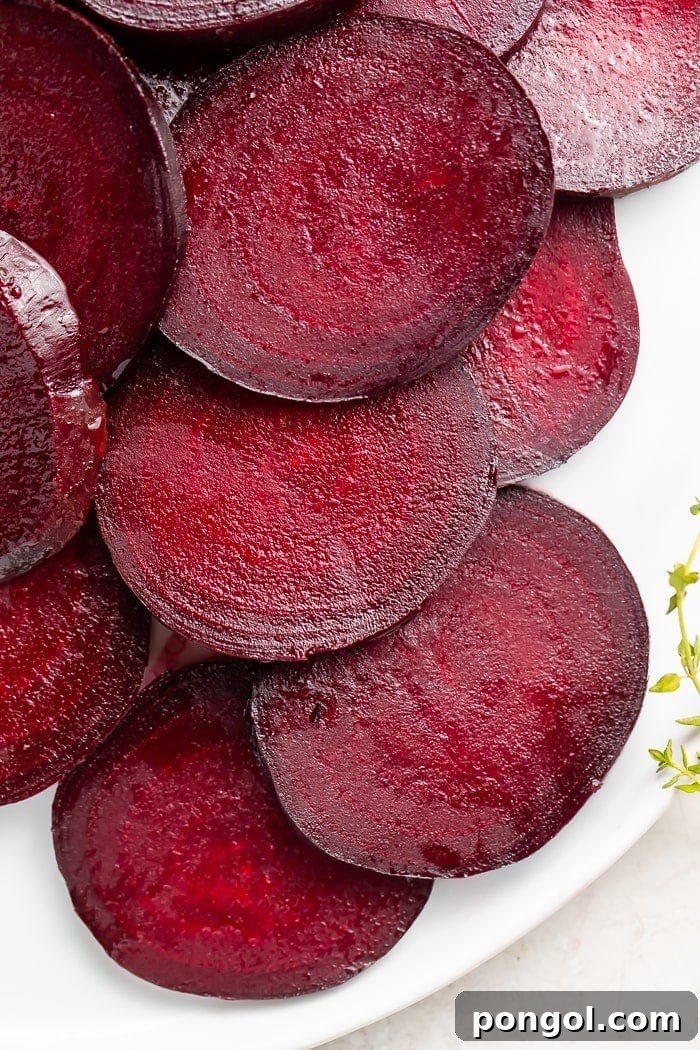
Learning how to perfectly roast beets is a culinary game-changer, transforming these naturally earthy root vegetables into unbelievably sweet, tender, and incredibly versatile additions to your meal rotation. Whether you prefer them whole or cut into easy-to-manage wedges, roasted beets are ideal for enhancing salads, serving as a vibrant side dish, or even incorporating into more complex recipes. This guide will walk you through two simple methods for roasting, ensuring you achieve that desirable soft, buttery texture every time, making you fall in love with these deep red beauties.
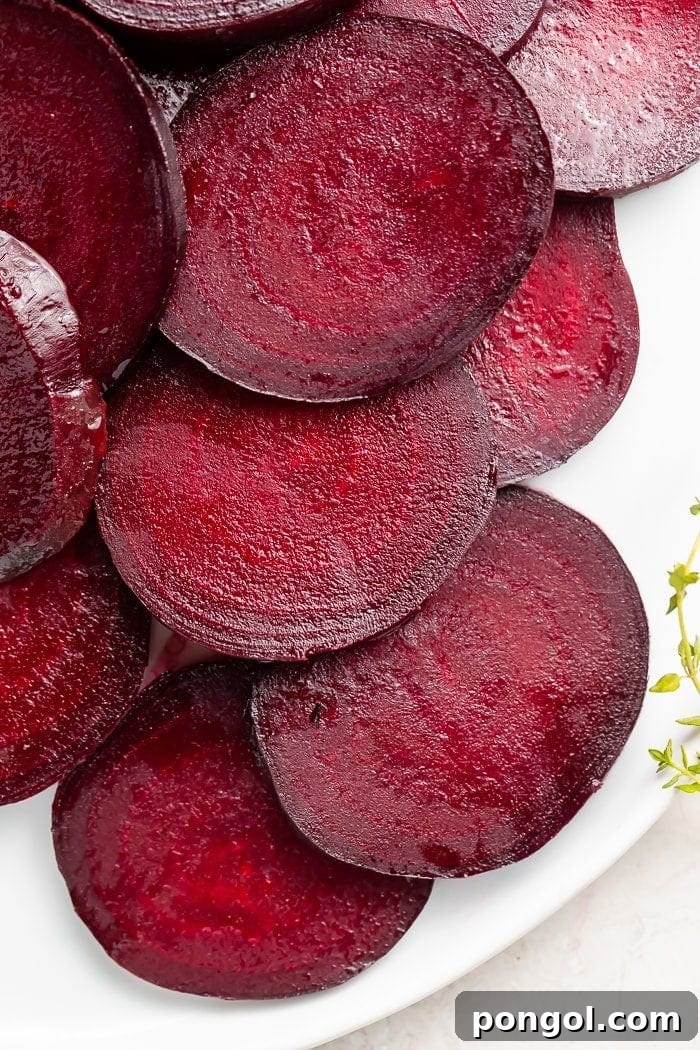
Discover the Delights of Roasting Beets
There are countless reasons why mastering the art of roasting beets should be a staple in your kitchen repertoire. Beyond their stunning visual appeal, roasted beets offer a harmonious blend of flavor, texture, and nutritional benefits that elevate any dish. They are surprisingly easy to prepare and incredibly versatile, making them a fantastic choice for both everyday meals and special occasions.
- Effortless Meal Prep & Storage: Roasted beets are a meal prepper’s dream. Once cooked, they can be stored in an airtight container in the refrigerator for up to one week, ready to be tossed into salads, blended into dips, or simply reheated. Their excellent freezer-friendliness means you can roast a large batch and enjoy them for months to come, making them perfect for holiday leftovers or busy weeknights.
- Transformative Texture: While raw beets boast a crisp and crunchy bite, roasting them works wonders, coaxing out a soft, almost buttery texture reminiscent of perfectly cooked yams or sweet potatoes. This transformation makes them incredibly appealing, even to those who might be hesitant about beets in their raw form.
- Versatile Serving Options: The beauty of roasted beets lies in their adaptability. Serve them warm, lightly seasoned with a knob of butter, a sprinkle of salt, and freshly ground black pepper for a comforting side. Alternatively, chill them and add them as a vibrant, sweet, and earthy topping to your favorite green salads, grain bowls, or even sandwiches. Their rich flavor complements a wide array of ingredients.
- Nutritional Powerhouse: Beets are not just delicious; they are also packed with an impressive array of vitamins, minerals, and antioxidants. They are a good source of fiber, folate, manganese, potassium, and vitamin C. Plus, they are naturally low in calories and fat, making them a healthy choice for any diet. Roasting them helps preserve many of these beneficial nutrients while enhancing their natural sweetness.
Essential Ingredients for Perfect Roasted Beets
Achieving perfectly roasted beets requires only a few simple, high-quality ingredients. The natural sweetness of the beets, combined with the richness of olive oil, creates a culinary symphony that’s hard to resist.
Beets – The Star of the Show: These captivating cranberry-colored root vegetables are more than just pretty; they are a nutritional powerhouse. Beets are celebrated for their high content of vitamins, minerals, and potent antioxidants. They are remarkably low in calories and fat, making them an excellent choice for a healthy diet. Beyond their culinary uses, cooked and pureed beets can even be used as a natural food coloring, famously giving red velvet cake its signature hue. When selecting beets, look for firm, smooth roots with vibrant green leaves still attached if possible. Avoid any that feel soft or look shriveled.
Extra Virgin Olive Oil (EVOO) – Your Kitchen’s Best Friend: Extra virgin olive oil is arguably one of the most indispensable and versatile ingredients in any kitchen. Beyond its role in cooking, EVOO is renowned for its health benefits, being loaded with healthy monounsaturated fatty acids and powerful antioxidants. It’s not just good for you internally; some DIY beauty enthusiasts even use it for skin and hair treatments. In the context of roasting, EVOO helps tenderize the beets, enhances their flavor, and promotes a beautiful caramelized exterior. Its rich, fruity notes complement the earthy sweetness of beets wonderfully. Don’t be shy with a generous drizzle; it’s key to perfectly roasted vegetables.
Mastering the Two Ways to Roast Beets
Whether you prefer whole roasted beets or convenient wedges, the process is incredibly straightforward. Each method offers a slightly different texture and aesthetic, making them suitable for various dishes.
Whole Roasted Beets: Simple Elegance
Roasting beets whole is perhaps the simplest method and yields incredibly tender results. This approach allows the beets to steam gently within their skins, locking in moisture and intensifying their flavor. The skins become remarkably easy to remove once cooked.
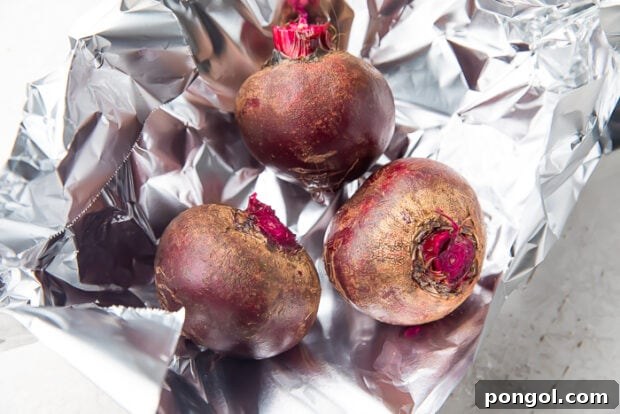
- Preparation: Preheat your oven to 400°F (200°C). Thoroughly wash your fresh beets under cold water, gently scrubbing away any dirt. Trim the majority of the greens, leaving about an inch of the stem attached. This helps prevent the beets from bleeding too much color during roasting.
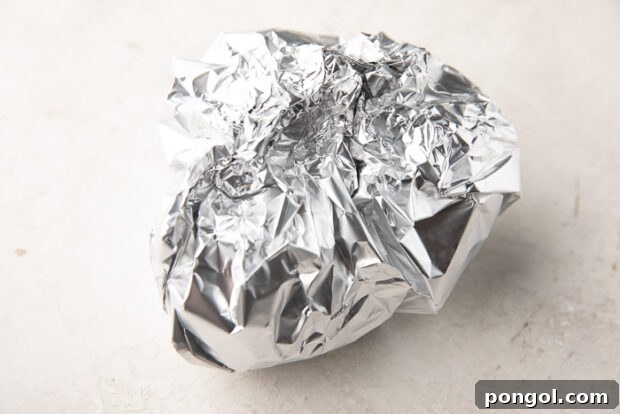
- Seasoning & Wrapping: Drizzle the clean beets generously with extra virgin olive oil. You can also add a pinch of salt and pepper at this stage. For optimal, even roasting, especially with larger beets, wrap each beet individually in aluminum foil. This creates a mini-packet that steams the beet to perfection.
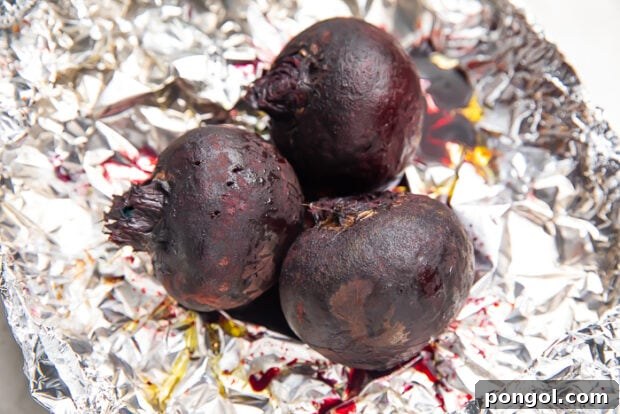
- Roasting Time: Place the foil-wrapped beets directly on an oven rack or a baking sheet. Roast for approximately 35 minutes for smaller beets and up to 50 minutes for larger ones. To test for tenderness, carefully unwrap a beet and pierce it with a fork. It should slide in smoothly without resistance. If not, rewrap and continue roasting for another 5-10 minutes.
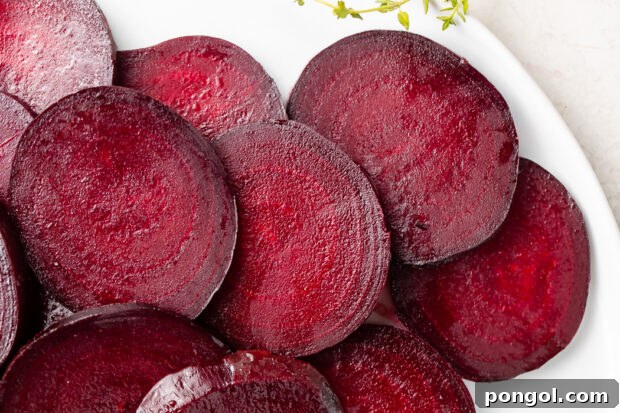
- Cooling & Peeling: Once tender, remove the beets from the oven and allow them to cool slightly while still in their foil. This allows them to continue steaming, making the peeling process much easier. Once cool enough to handle, simply rub the beets with a paper towel, and the skins will slip right off. Slice them into beautiful medallions or quarters and serve.
Roasted Beet Wedges: Quick & Convenient
Roasting beets in wedges significantly reduces cooking time and creates more surface area for delicious caramelization. This method is excellent for salads, stir-fries, or as a hearty side dish.
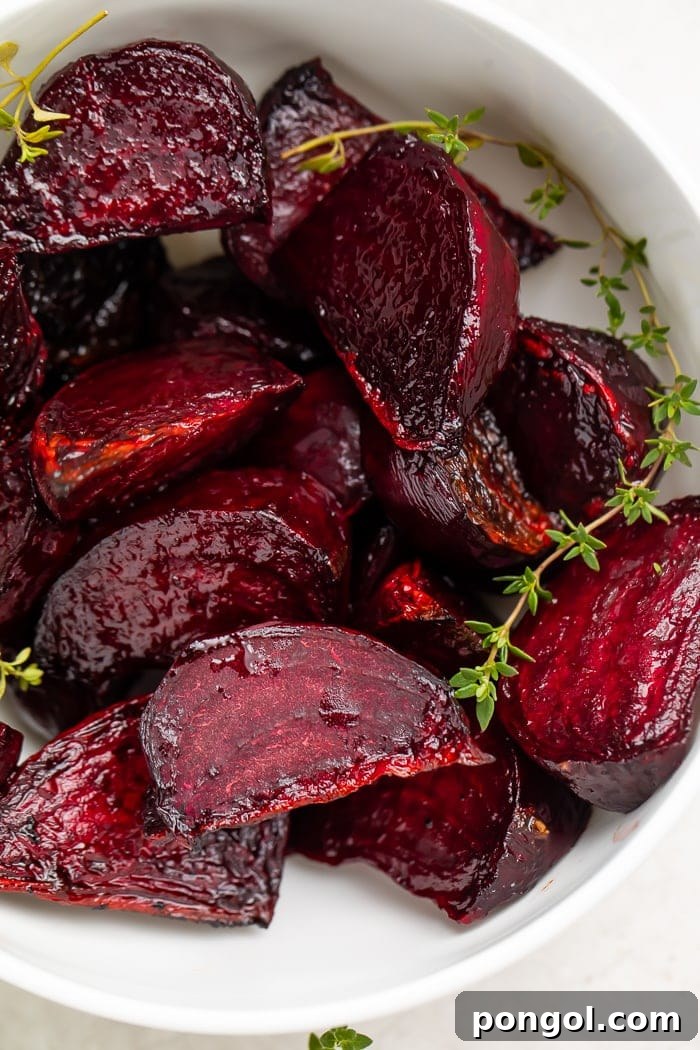
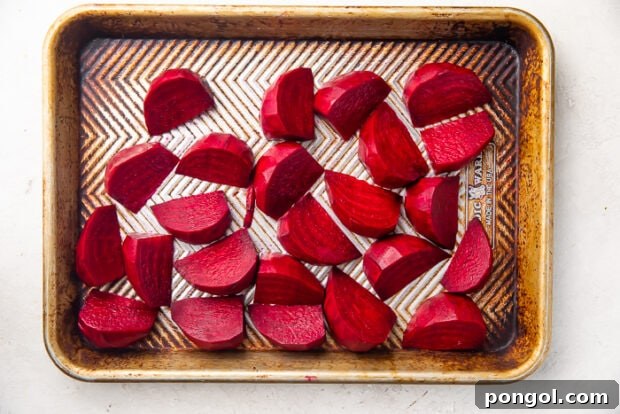
- Preparation: Begin by preheating your oven to 400°F (200°C). Wash the beets thoroughly and completely remove all greens and the root end. Using a vegetable peeler or a paring knife, carefully peel your dirt-free beets. For smaller beets, simply cut them in half. For larger beets, cut them into 6-8 uniform wedges to ensure even cooking.
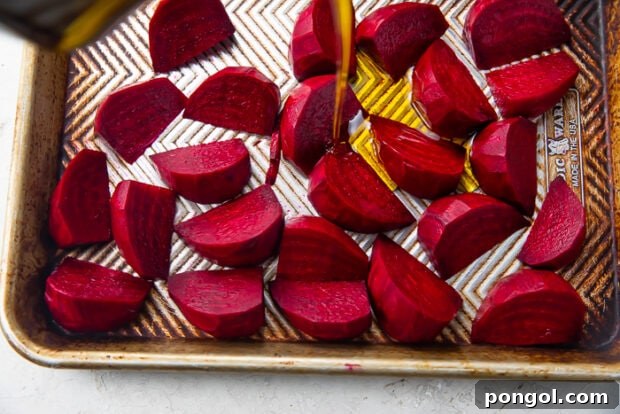
- Coating: Place the peeled and cut beet wedges onto a large baking sheet. Drizzle them generously with extra virgin olive oil and toss them well to ensure every wedge is evenly coated. You can also season them with salt and pepper at this point, or even a dash of garlic powder or fresh herbs.
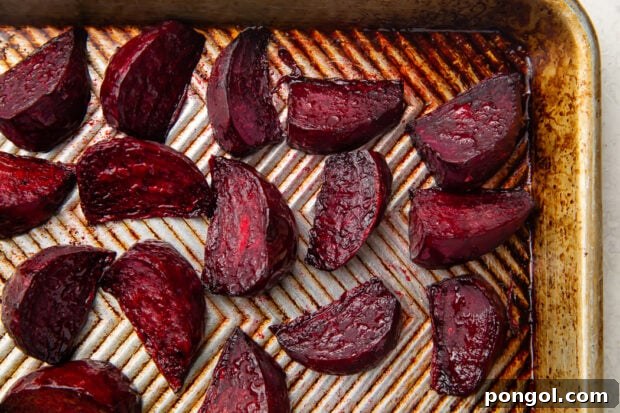
- Roasting: Spread the beet wedges in a single layer on the baking sheet, ensuring they are not overcrowded. This allows for proper air circulation and crisping, preventing them from steaming. Roast in the preheated oven for 35-40 minutes, or until fork-tender and slightly caramelized at the edges. A slight char is desirable for added flavor.
- Serving: Once roasted, transfer the beet wedges to a serving dish. They are delicious served immediately, or they can be cooled and stored for later use in salads or other cold preparations.
Chef’s Expert Tips for Roasting Beets Like a Pro
Even though roasting beets is quite simple, a few professional insights can elevate your results from good to absolutely spectacular. These tips will help you manage common challenges and enhance the overall experience of preparing and enjoying this vibrant vegetable.
- Even Roasting for Whole Beets: When roasting large beets whole, consistency is key. Wrapping each beet individually in aluminum foil not only helps to steam them to perfect tenderness but also ensures that they roast evenly throughout. This prevents the outer layers from drying out while the center is still firm. The foil packets create a humid environment that aids in thorough cooking and easy peeling.
- Effortless Peeling Technique: The sign of a perfectly roasted beet is how easily its skin comes off. After roasting, let the beets cool slightly within their foil. Then, simply rub them gently with a paper towel or your fingers, and the skins should slip right off. If you encounter resistance, it’s an indication that the beets might need a little more time in the oven to become fully tender. This simple trick saves time and effort compared to peeling raw beets.
- Tackling Beet Stains with Confidence: Beets are known for their gorgeous, deep red hue, but that vibrant color can unfortunately stain surfaces, cutting boards, and fabrics. Don’t let this deter you from enjoying them! Just be mindful and take a few precautions. Wearing an apron is always a good idea. If beet juice does happen to get on fabric, act immediately: dab (don’t rub!) the spot with a paper towel to absorb as much liquid as possible. Then, flush the area thoroughly with cold water. Follow up by treating the spot with a reliable stain remover, or a natural solution of lemon juice mixed with vinegar. For cutting boards, a sprinkle of salt and a lemon wedge can help scrub away stains.
- Exploring Beyond Red Beets – Sweet & Striking Varieties: While standard red beets are the most common and readily available at your local grocery store, consider exploring other varieties for a delightful twist. If you’re looking for beets with a slightly sweeter profile and an eye-catching appearance, try to find Chioggia beets. These are often affectionately called Candy Cane Beets because of their beautiful red-and-white striped interior. This unique coloring makes them not only delicious but also a fun and festive addition to your holiday table or any special meal, offering a milder, sweeter flavor profile compared to their red counterparts. Golden beets and white beets are also excellent options that produce less staining and have a slightly different flavor.
- Optimal Oven Temperature: A consistent oven temperature of 400°F (200°C) is ideal for roasting beets. This temperature is high enough to encourage caramelization and tenderizing without burning the exterior. Make sure your oven is fully preheated before placing the beets inside.
- Seasoning to Taste: While olive oil, salt, and pepper are the basic seasonings, don’t hesitate to experiment. A sprinkle of fresh or dried thyme, rosemary, or even a touch of balsamic glaze added after roasting can enhance the flavor profile of your beets. A squeeze of fresh lemon juice at the end brightens their earthy taste.
More Delicious Roasted Vegetable Recipes to Explore
If you’ve enjoyed the simplicity and deliciousness of roasted beets, you’ll love these other roasted vegetable recipes. Roasting is a fantastic way to bring out the natural sweetness and depth of flavor in many different vegetables, transforming them into irresistible side dishes or main components of a meal.
- Herb Roasted Sweet Potato Salad
- Perfectly Oven Roasted Okra
- Hearty Roasted Cauliflower Steaks
- Crispy Oven-Roasted Brussels Sprouts with Bacon
- Flavorful Roasted Fingerling Potatoes
- Roasted Radishes with Garlic Browned Butter
- The Easiest Way How To Roast Garlic
- Wholesome Roasted Potatoes and Carrots
Recipe By: Cheryl Malik
How to Roast Beets
Prep Time: 5 minutes
Cook Time: 40 minutes
Total Time: 45 minutes
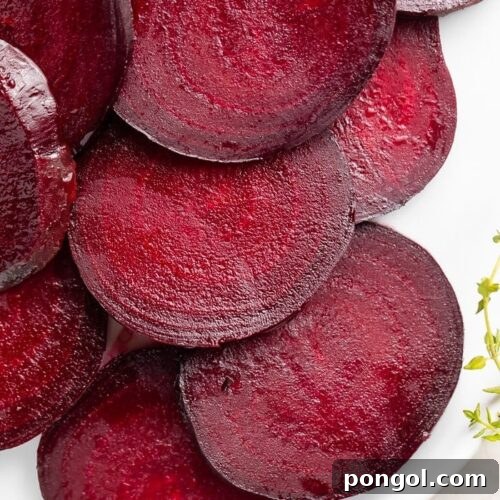
Knowing how to roast beets turns those deep red beauties into sweet, versatile veggies you’ll fall in love with. We’ll teach you how to roast them two ways, either whole or in wedges, perfect for salads or sides.

Cheryl Malik
Equipment
- Aluminum Foil
- Baking Sheet
- Vegetable Peeler (optional, for wedges)
Ingredients
Yields: 4 servings
- 4 fresh beets, medium to large size
- Extra virgin olive oil, for coating
- Salt and freshly ground black pepper, to taste (optional)
Instructions
Whole Roasted Beets Method:
-
Preheat your oven to 400°F (200°C). Wash the beets thoroughly under cold water and trim most of the greens, leaving a small tuft of the stem attached (about 1 inch).

-
Drizzle the whole beets with extra virgin olive oil and season lightly with salt and pepper. Wrap each beet individually in aluminum foil, creating a sealed pouch.
-
Place the foil pouches directly on an oven rack or a baking sheet. Roast in the preheated oven for approximately 35 minutes for small beets or 50 minutes for large beets. Test for tenderness after 35 minutes by carefully piercing a beet with a fork through the foil. Beets are cooked through when the fork pierces smoothly with little resistance.
-
Once cooked, remove from the oven and let them cool slightly in their foil wrappers. This allows them to steam further, making the skin removal much easier. When cool enough to handle, remove the skin by gently rubbing with a paper towel. Slice the roasted beets into medallions or quarters and serve immediately, or chill for later use.
Roasted Beet Wedges Method:
-
Preheat your oven to 400°F (200°C). Wash the beets and remove all of the greens and root ends. Peel the beets using a vegetable peeler. For smaller beets, cut them in half. For larger beets, cut them into 6-8 uniform wedges.
-
Place the beet wedges on a large baking sheet. Drizzle generously with extra virgin olive oil and toss them well to ensure all pieces are evenly coated. Season with salt and pepper to taste.
-
Spread the seasoned beet wedges in a single layer on the baking sheet to prevent steaming. Roast in the preheated oven for 35-40 minutes, or until they are fork-tender and slightly caramelized at the edges.
Recipe Notes:
- Storage: Roasted beets are excellent for meal prep. Store them in an airtight container in the refrigerator for 5-7 days. For longer storage, roasted beets can be frozen in a freezer bag or airtight container for up to 6-10 months.
- Flavor & Visual Flair: For a delightful touch of sweetness and visual interest, consider using Chioggia beets. Their striking red-and-white striped interior, often resembling a candy cane, looks particularly festive on a holiday dinner table or in a vibrant salad, and they offer a slightly milder, sweeter flavor profile than standard red beets.
Approximate Nutrition Information for One Serving
(Based on 4 servings for the entire recipe)
| Nutrient | Value |
|---|---|
| Serving Size: | 1 serving |
| Calories: | 97 cal |
| Protein: | 1 g |
| Fat: | 7 g |
| Saturated Fat: | 1 g |
| Sodium: | 64 mg |
| Potassium: | 267 mg |
| Total Carbs: | 8 g |
| Fiber: | 2 g |
| Sugar: | 6 g |
| Net Carbs: | 6 g |
| Vitamin A: | 27 IU |
| Vitamin C: | 4 mg |
| Calcium: | 13 mg |
| Iron: | 1 mg |
Nutrition Disclaimers
The number of total servings shown is approximate. Actual number of servings will depend on your preferred portion sizes.
Nutritional values shown are general guidelines and reflect information for 1 serving using the ingredients listed, not including any optional ingredients. Actual macros may vary slightly depending on specific brands and types of ingredients used.
To determine the weight of one serving, prepare the recipe as instructed. Weigh the finished recipe, then divide the weight of the finished recipe (not including the weight of the container the food is in) by the desired number of servings. The result will be the weight of one serving.
Did You Make This Roasted Beet Recipe?
We’d love to see your culinary creations! Tag @40aprons on Instagram and be sure to leave a review and your comments on this blog post. Your feedback helps us and other home cooks!
Tag @40Aprons on Instagram