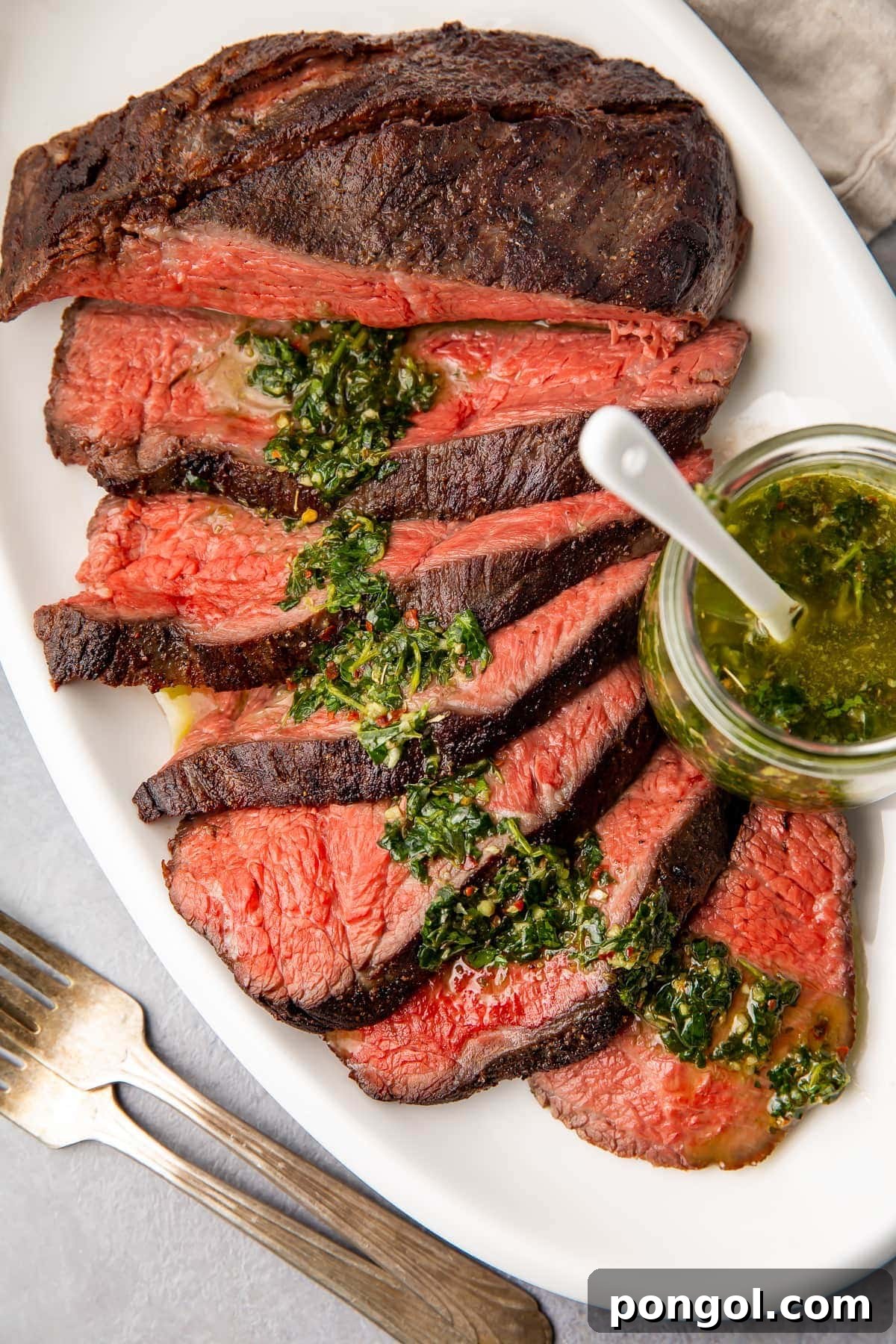
Welcome to the ultimate guide for preparing the most incredibly tender and flavorful tri tip roast using the sous vide method. This often-overlooked and affordable cut of beef transforms into a luxurious, melt-in-your-mouth steak experience that rivals any high-end steakhouse. Paired with an vibrant, zesty 5-minute chimichurri sauce, this recipe is not just a meal; it’s an elevated culinary adventure. Forget tough, dry meat – with sous vide, you’re guaranteed perfection every single time. Prepare to make this your new favorite way to cook tri tip, or any steak for that matter!
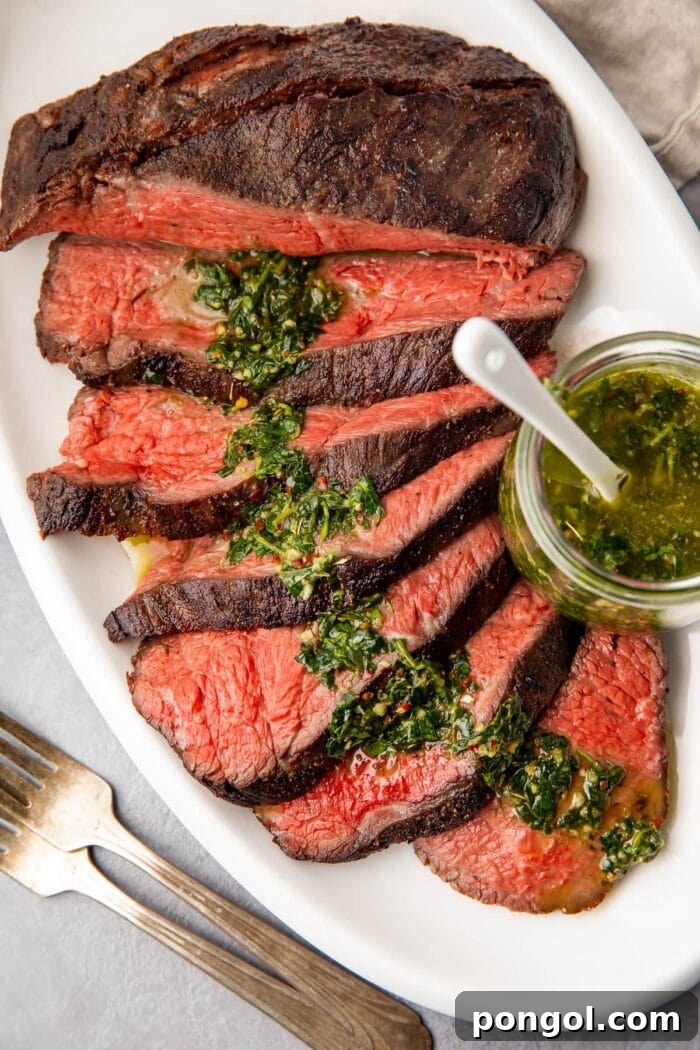
Why This Sous Vide Tri Tip Recipe is a Must-Try
- Achieve Steakhouse-Quality Tenderness, Every Time: The brilliance of sous vide cooking lies in its precise temperature control. By cooking your tri tip in a perfectly heated water bath, you eliminate any guesswork and ensure the meat cooks evenly from edge to edge. The result is consistently tender, juicy steak without the risk of overcooking, delivering a restaurant-worthy experience in your own kitchen.
- Flavor That Shines Naturally: We believe in letting the natural, rich flavors of the tri tip take center stage. This recipe uses simple, yet effective seasonings that enhance the beef’s inherent deliciousness. Cooking the tri tip sealed in a bag allows it to slowly braise in its own juices and seasonings, resulting in an incredibly moist and intensely flavorful outcome that truly impresses.
- Effortlessly Accommodates Various Dietary Needs: This recipe is a fantastic choice for many diets. It’s naturally keto and low carb, making it an excellent option for those monitoring carbohydrate intake. Plus, it’s gluten-free. For those following dairy-free, paleo, or Whole30 guidelines, simply substitute unsalted butter with ghee or a dairy-free butter alternative.
- Versatile Pairing Options for Any Meal: A succulent sous vide tri tip is a blank canvas for a myriad of side dishes. For a comforting and elegant meal, consider serving it alongside crispy fondant potatoes and vibrant air fryer asparagus. If you’re aiming for a low-carb spread, creamy mashed cauliflower or savory cheesy keto green beans are perfect complements.
A Closer Look at Key Ingredients
Tri Tip – The Underrated Star: This triangular cut, hailing from the bottom sirloin, is a true hidden gem in the world of beef. Known for its rich, beefy flavor and relatively leaner profile compared to cuts like ribeye, tri tip offers incredible value without compromising on taste or texture. When cooked properly, especially with the sous vide method, it transforms into an incredibly tender and juicy steak that will challenge your perception of “affordable” meat cuts. Its unique grain and marbling contribute to its robust flavor and impressive tenderness once expertly prepared.
Chimichurri Sauce – The Bright, Zesty Companion: Our homemade chimichurri recipe is inspired by the legendary sauce from Texas de Brazil, making it an absolute game-changer for tri tip, flank steak, or virtually any grilled meat. This vibrant, herbaceous sauce is a symphony of fresh flavors: a lively blend of fresh parsley and cilantro, pungent garlic, bright lemon, a hint of spicy crushed red pepper, and earthy dried oregano, all emulsified in high-quality olive oil. It’s spicy, salty, tangy, and garlicky, creating a perfect counterbalance to the rich steak. What’s more, this versatile sauce lasts over two weeks when refrigerated in an airtight container, making it ideal for prepping ahead or enjoying with other dishes. Once you try it, you’ll be eager to incorporate it into other meals, like our tantalizing chimichurri shrimp skewers or delectable chimichurri flank steak.
The Magic of Sous Vide: Why It Works
Sous vide, French for “under vacuum,” is a cooking technique where food is vacuum-sealed in a pouch and then cooked in a precisely controlled water bath. This method ensures uniform cooking, retaining moisture and enhancing natural flavors that might be lost in traditional cooking. For tri tip, it means every slice, from edge to center, will be cooked to your desired doneness, consistently tender and juicy.
The gentle, consistent heat of the water bath prevents the muscle fibers from seizing up, which often happens with high-heat cooking methods. Instead, the connective tissues slowly break down, resulting in an exceptionally tender texture that melts in your mouth. This slow and steady approach also allows the seasonings to deeply penetrate the meat, infusing every bite with incredible flavor.
Chef’s Top Tips for a Flawless Sous Vide Tri Tip
- Ensure Complete Submersion for Even Cooking: For your tri tip to cook perfectly in the sous vide bath, it must be fully submerged in water throughout the entire cooking process. Tri tip roasts can sometimes float. If this happens, first ensure all air has been completely removed from the bag – you might need to open and reseal it. If air isn’t the issue, you can weigh the bag down. A clever trick is to clip another plastic bag filled with heavy items like marbles, pie weights, or even loose change/silverware to the bottom of your steak bag. This simple step guarantees even heat distribution and consistent doneness.
- The Secret to a Spectacular Crust: High-Heat Searing: While the sous vide method delivers unparalleled tenderness and uniform cooking, it doesn’t create that desirable caramelized crust we all love. That’s where a blazing hot cast-iron skillet comes in! After its sous vide bath, the tri tip needs a quick, high-heat sear. The crucial step here is to pat the tri tip exceptionally dry with paper towels before searing. Any moisture on the surface will steam the meat instead of searing it, preventing that beautiful, deep brown crust. Also, preheat your cast-iron skillet over high heat until it’s smoking hot – think 3-5 minutes – before adding the meat. This intense heat ensures a rapid sear, locking in juices and adding incredible texture without overcooking the perfectly tender interior.
- Crafting an Exquisite Chimichurri Sauce: The quality of your chimichurri directly impacts the overall dish. The key is to use a really good-quality extra virgin olive oil. Subpar olive oil can lead to a bitter aftertaste that detracts from the sauce’s fresh vibrancy. If you prefer, avocado oil or refined liquid coconut oil can be excellent substitutes. For a “skinnier” version that’s still bursting with flavor, you can swap out half of the olive oil for water without sacrificing much of its delightful essence. Balance is everything with chimichurri; adjust lemon juice, salt, and red pepper flakes to your taste for that perfect zing.
- The Importance of Resting and Proper Slicing: Once seared, resist the urge to slice your tri tip immediately. Allow it to rest for at least 5-10 minutes on a cutting board. This allows the juices, which have been drawn to the center during cooking, to redistribute evenly throughout the meat, ensuring every bite is succulent. Tri tip has a complex grain that changes direction. For maximum tenderness, it’s essential to slice the steak against the grain. Often, you’ll need to slice it in two sections, changing the angle of your knife to follow the different grain patterns.
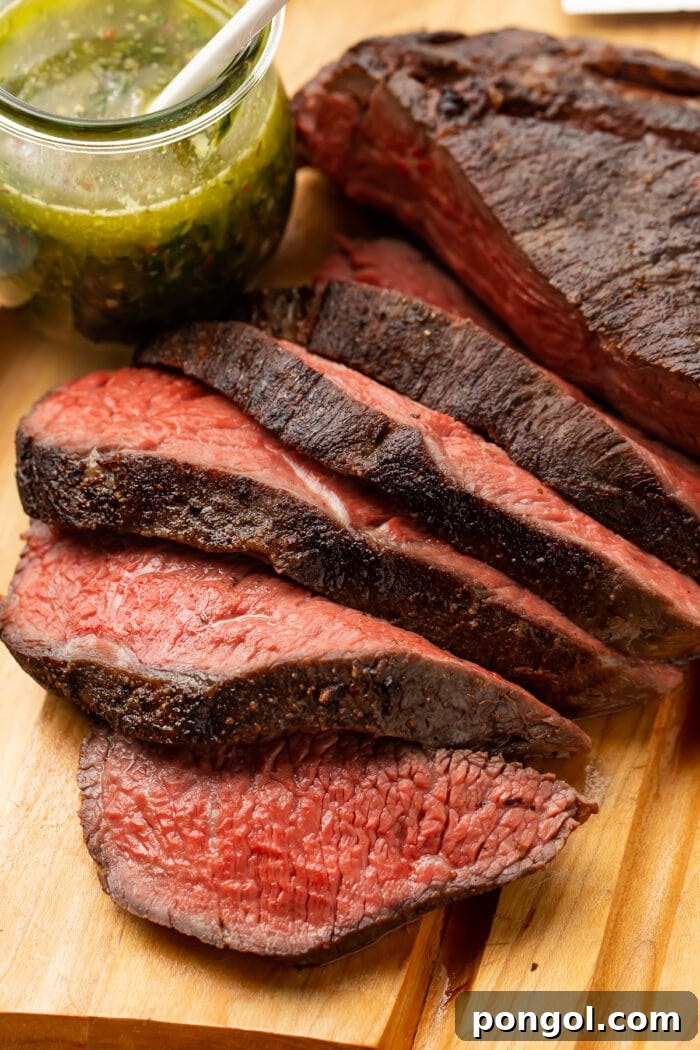
Pairing and Serving Suggestions
The beauty of sous vide tri tip is its versatility. Beyond the suggested sides like fondant potatoes, asparagus, or mashed cauliflower, consider a fresh garden salad with a light vinaigrette to cut through the richness of the meat. Roasted root vegetables like carrots and parsnips or even grilled corn on the cob make excellent accompaniments. For a truly authentic experience, serve with additional chimichurri on the side for guests to add as they please. A bold Cabernet Sauvignon or a light-bodied Pinot Noir would beautifully complement this dish, enhancing the beefy flavors.
Storage and Reheating Your Sous Vide Tri Tip
Cooked sous vide tri tip, properly stored, makes for fantastic leftovers. Store any remaining steak, sliced or whole, in an airtight container in the refrigerator for up to 3-4 days. The chimichurri sauce, as mentioned, can last over two weeks in the fridge. To reheat the tri tip, you can gently warm it in a pan over low heat, or for best results, place it back into a sous vide bath at a lower temperature (e.g., 120°F) until just warmed through. Avoid high heat reheating to prevent drying out the perfectly cooked meat.
Frequently Asked Questions About Sous Vide Tri Tip
What is the ideal temperature for sous vide tri tip?
For a medium-rare tri tip, 130°F (54.5°C) is generally recommended, as used in this recipe. For medium, you can go up to 135°F (57°C), and for medium-well, 140°F (60°C). The sous vide method allows you to achieve your perfect doneness with incredible precision.
How long should I sous vide tri tip?
For a standard 1.5-2 pound tri tip, cooking for 6 hours at 130°F (54.5°C) provides optimal tenderness while maintaining a great texture. You can extend the cooking time up to 8-10 hours for even greater tenderness, especially if your cut is on the tougher side, without fear of overcooking due to the precise temperature control.
Can I prepare the tri tip ahead of time?
Absolutely! You can season and vacuum seal the tri tip up to 24 hours in advance and store it in the refrigerator. This allows the flavors to meld beautifully. You can also sous vide the tri tip, then plunge it into an ice bath to rapidly cool it, and refrigerate for up to a few days. When ready to serve, simply reheat in the sous vide bath and then sear as instructed.
What if I don’t have a vacuum sealer?
No problem! You can use the “water displacement method” with a high-quality freezer bag (like a Ziploc bag). Place your seasoned tri tip in the bag, leaving it mostly open. Slowly lower the bag into a pot of water, allowing the water pressure to push the air out. Just before the top of the bag goes under, seal it completely. This creates a sufficient vacuum seal for sous vide cooking.
Explore More Sous Vide Delights
- Sous Vide Ribs
- Sous Vide Shrimp
- Crispy Sous Vide Chicken Thighs
- Sous Vide Corned Beef
- Sous Vide Ribeye with Garlic-Herb Butter
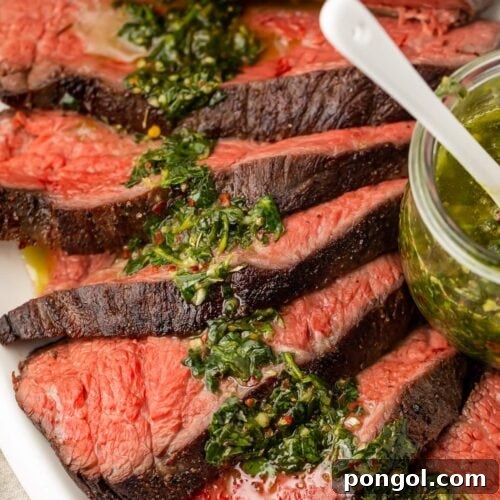
Sous Vide Tri Tip with Easy Chimichurri Sauce
 Cheryl Malik
Equipment
-
Large pot or other heat-resistant container
-
Sous vide immersion circulator
-
Plastic vacuum sealing bags
-
Vacuum sealer (or use the water displacement method, see Notes)
-
Food processor or blender for chimichurri
-
Paper towels
-
Cast-iron skillet (essential for a perfect sear)
-
Cutting board
-
Sharp knife for slicing
Ingredients
For the Tri Tip
- 1 ½ – 2 pounds tri tip
- 1 ½ teaspoon salt to taste
- 1 teaspoon pepper to taste
- 3-4 cloves garlic minced
- 4 tablespoons unsalted butter cut into 4 pieces (use ghee or dairy-free butter for Whole30/Paleo/Dairy-Free)
- neutral oil for searing (e.g., avocado oil, grapeseed oil)
For the Easy Chimichurri Sauce
- ¼ cup fresh parsley packed
- 2 tablespoons fresh cilantro packed
- 3 cloves garlic roughly chopped
- ½ cup high-quality olive oil
- 2 tablespoons fresh lemon juice
- ½ tablespoon dried oregano
- 1 teaspoon crushed red pepper (adjust to your preferred spice level)
- ¾ teaspoon salt plus more to taste
Instructions
-
Begin by setting up your sous vide water bath. Fill a large pot or a heat-resistant container with water and preheat it to 130°F (54.5°C) using your sous vide immersion circulator. Ensure the water level is between the minimum and maximum indicators on your circulator for optimal operation.
-
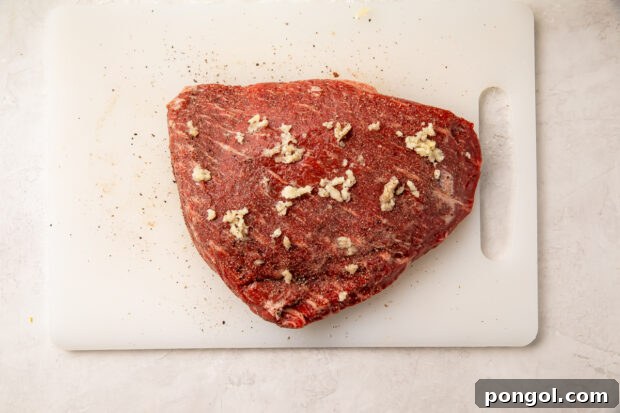
Generously season all sides of the tri tip roast with salt and pepper. Then, rub the minced garlic evenly over its entire surface. Carefully place the seasoned tri tip into a vacuum-sealable bag along with the butter pieces. Remove all air and seal the bag using a vacuum sealer, or utilize the water displacement method (refer to the Notes section for detailed instructions if you don’t have a vacuum sealer).

-
Gently lower the sealed bag containing the tri tip into the preheated water bath. Ensure the meat is completely submerged for consistent cooking. Allow the tri tip to cook undisturbed for 6 hours.
-
While your tri tip is cooking to perfection, prepare the easy chimichurri sauce. Add the fresh parsley, cilantro, and roughly chopped garlic to the bowl of a food processor. Process until the herbs and garlic are finely chopped. Then, add the remaining chimichurri ingredients (olive oil, lemon juice, dried oregano, crushed red pepper, and salt) and pulse a few more times until everything is well combined and has a vibrant, chunky consistency. Set the sauce aside until you are ready to serve the steak.
-
Once the 6 hours of sous vide cooking are complete, carefully remove the tri tip from the water bath. Take the meat out of its bag and pat it thoroughly dry with paper towels. This step is critical for achieving a beautiful sear.
-
Heat a large cast-iron skillet over high heat. Allow it to heat up for approximately 3 to 5 minutes, until it is very hot and just beginning to smoke. This high heat is essential for a quick, effective sear.
-
Add a small amount of neutral oil to the extremely hot skillet, just enough to thinly coat the surface. Carefully place the dried tri tip into the skillet. Sear the steak for 1 minute per side, rotating it to brown all surfaces evenly, until a rich, dark crust has formed.
-
Transfer the seared tri tip to a clean cutting board. Allow the steak to rest for at least 5 minutes before slicing. This resting period helps the juices redistribute throughout the meat, ensuring maximum tenderness and flavor. Finally, slice the steak against the grain into thin pieces and serve immediately with your vibrant chimichurri sauce.
- Water Displacement Method: If you don’t own a vacuum sealer, you can still achieve an adequate seal using this method. Place your seasoned tri tip into a large, sturdy plastic bag (like a Ziploc gallon-sized freezer bag). Leave the bag mostly open at the top. Slowly lower the bag into the preheated water bath. The pressure from the water will force the air out around the food. Once the food is fully submerged and nearly all the air has been expelled, seal the bag completely shut just above the waterline.
- Making it Whole30/Paleo Compatible: To adhere to Whole30 or Paleo guidelines, simply substitute the unsalted butter with an equal amount of ghee (clarified butter), which is compliant with both diets.
- For Dairy-Free Needs: If you require a completely dairy-free meal, replace the unsalted butter with your preferred dairy-free butter alternative.
This recipe yields approximately 8 satisfying servings. Please note that the actual number of servings may vary depending on individual preferences for portion sizes.
The nutritional values provided are general guidelines and are calculated for 1 serving out of 8, assuming a 2-pound tri tip and including the specified ingredients for the chimichurri sauce. Actual macronutrient content may fluctuate slightly based on the specific brands and types of ingredients used.
To accurately determine the weight of one serving, prepare the recipe as instructed. Once finished, weigh the entire cooked recipe (excluding the container’s weight) and then divide that total weight by 8. The resulting figure will be the precise weight of one individual serving.
Approximate Nutritional Information for One Serving
Nutrition Disclaimers
The total number of servings shown is an approximation. The actual number of servings will be determined by your preferred individual portion sizes.
The nutritional values presented here are general guidelines. They reflect information for 1 serving based on the listed ingredients and do not include any optional components. Be aware that actual macronutrient values might vary slightly due to specific brands and types of ingredients used.
To calculate the exact weight of a single serving, first prepare the recipe as detailed in the instructions. Then, weigh the entire finished dish (excluding the weight of the cooking container). Divide this total weight by your desired number of servings. The result will be the precise weight of each individual serving.
Did You Master This Recipe?
We’d love to see your culinary creation! Tag @40aprons on Instagram and make sure to leave a review on this blog post to share your experience!
Tag @40Aprons on Instagram