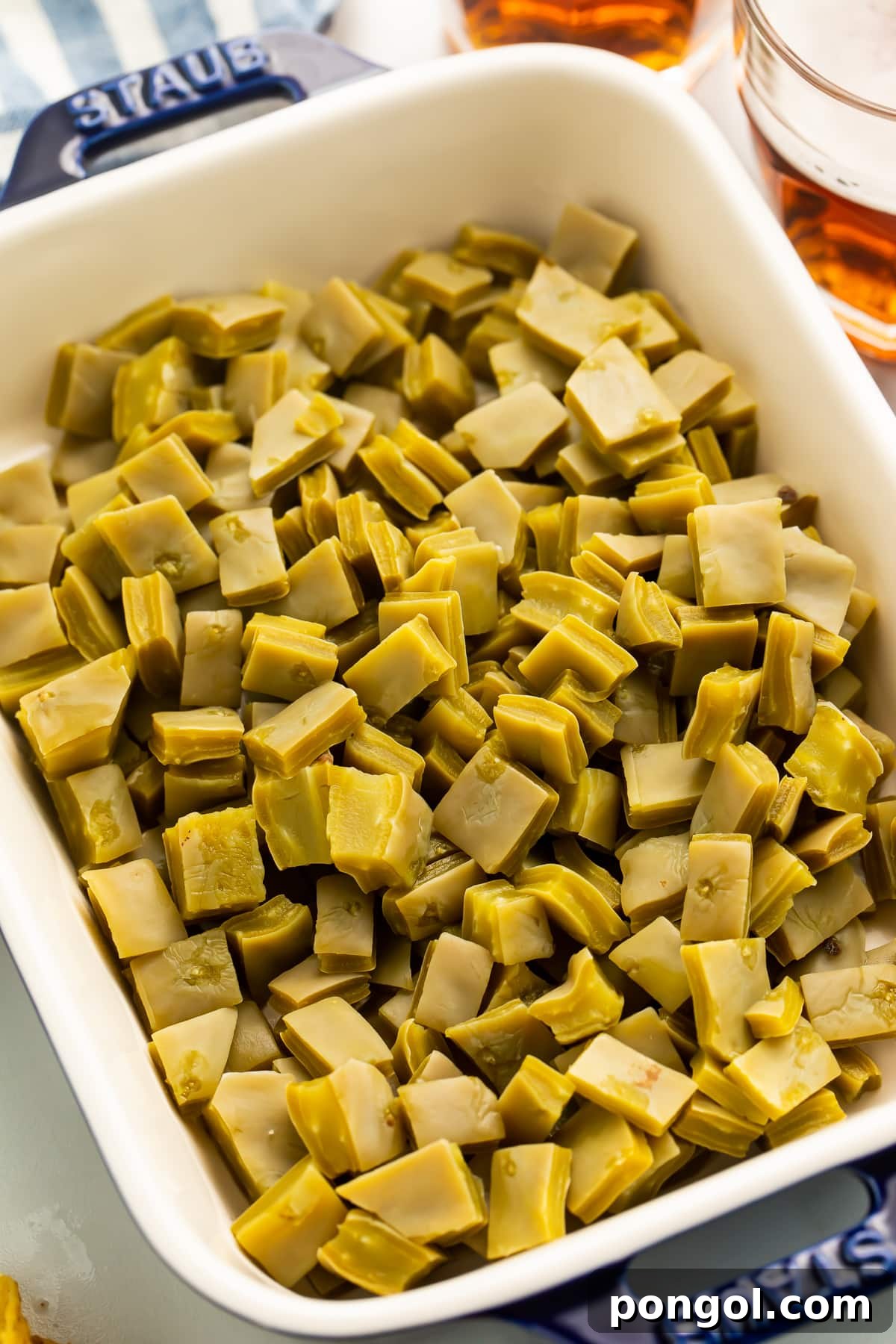
Have you ever wondered how to incorporate the vibrant and unique flavor of nopales, also known as cactus paddles, into your home cooking? It’s much easier than you might think! This comprehensive guide will equip you with all the essential knowledge for selecting, cleaning, and cooking nopales, featuring two of our favorite preparation methods. Soon, you’ll be effortlessly pairing this delicious and nutritious vegetable with your favorite Mexican-inspired meals, or simply enjoying it with a fresh drizzle of chimichurri. Prepare your taste buds for a truly delightful culinary adventure!
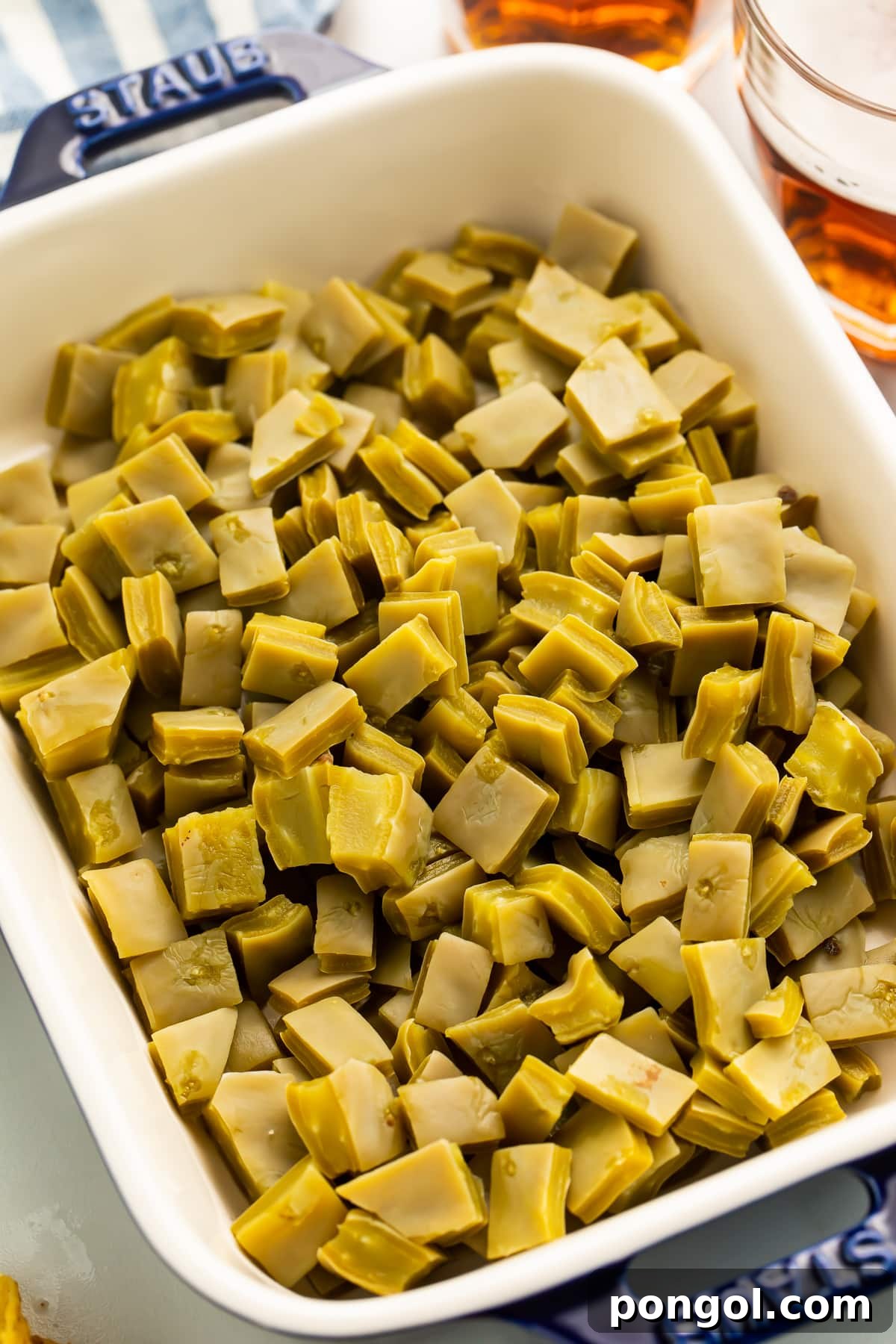
🌵 Why Cook Nopales? Unveiling the Magic of Cactus Paddles
Cooking nopales is a fantastic addition to your culinary repertoire for a multitude of reasons, blending ease of preparation with incredible versatility and health benefits. This underappreciated vegetable is a true gem waiting to be discovered.
Nutritional Powerhouse and Dietary Flexibility
- Nopales are a nutritional marvel, packed with **antioxidants, essential vitamins, and vital minerals**. They are rich in vitamins A, C, K, and several B vitamins, as well as minerals like calcium, magnesium, and potassium. Their high fiber content promotes digestive health and helps you feel full longer.
- Beyond their impressive nutrient profile, nopales boast **anti-inflammatory properties** and may offer significant health benefits. Research suggests they may boost the immune system, help regulate blood sugar levels, and contribute to lowering cholesterol.
- For those with specific dietary needs, nopales are incredibly accommodating. They are naturally **low-carb, keto-friendly, gluten-free, dairy-free, vegan, vegetarian, paleo, and Whole30-compatible**. This makes them an excellent choice for almost any eating plan, allowing you to enjoy flavorful meals without compromise.
A Versatile Meat Substitute with Unique Texture and Flavor
- Nopales offer a remarkably **hearty and meaty texture**, making them an excellent plant-based alternative in dishes where you might typically use meat. Think of them as a fantastic stand-in for animal protein in tacos, burritos, or even as a base for stews, much like how you’d use eggplant in lasagna or mushrooms for burger buns.
- When cooked properly, they become **super tender** with a wonderfully **subtle, slightly tart flavor** that easily absorbs the seasonings and spices of your dish. This mild profile ensures they enhance, rather than overpower, other ingredients, allowing them to truly shine in a variety of culinary creations.
👀 How to Choose the Freshest Nopales
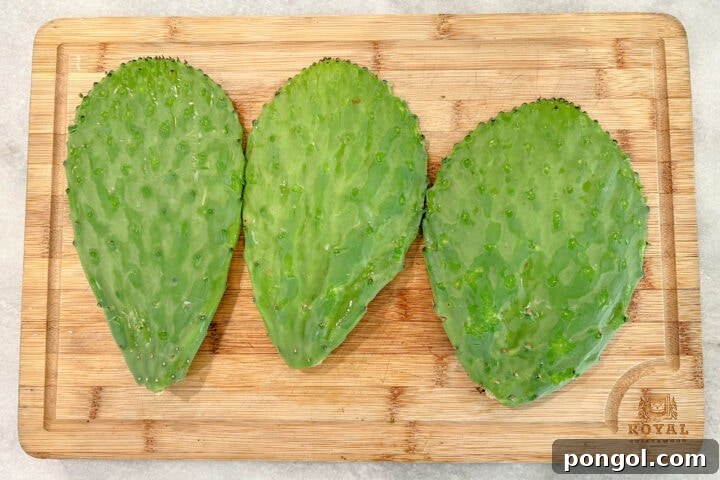
Selecting the right nopales is the first crucial step to a delicious dish. Here’s what to look for when picking out the best cactus paddles:
- **Flexibility is Key:** Seek out paddles that are **flexible, but not overly soft or flimsy**. A good nopal should bend slightly without breaking or flopping excessively. If it feels too stiff, it might be older and tough. If it’s too soft or rubbery, it’s likely past its prime. Aim for a healthy balance, indicating freshness and tenderness.
- **Vibrant Green Color:** The ideal nopales will be a **bright, vibrant green** color. Avoid paddles with dark spots, yellowing, or any signs of discoloration, which can indicate bruising, spoilage, or age. The brighter the green, the fresher and more flavorful your nopales are likely to be.
- **Optimal Size:** Try to choose paddles that are **between 6 and 8 inches long**. Smaller nopales (under 5 inches) tend to be very tender but can be more challenging to clean and prepare due to their size. Larger nopales (over 9 inches) might be tougher or more fibrous, making them less enjoyable to eat. The 6-8 inch range offers the best balance of tenderness and ease of handling.
👩🏼🍳 Chef’s Essential Tips for Handling and Preparing Nopales
Handling nopales can be a little daunting at first due to their prickly nature, but with a few simple precautions and techniques, you’ll be prepping them like a pro in no time. These tips will help ensure a smooth and safe cooking experience.
- **Safety First: Handling Prickly Paddles:** Remember, nopales are leaves from the prickly pear cactus! While many grocery stores sell them with most of the thorns already removed, some small spines or “glochids” may remain. To protect your hands, **always hold the cactus paddles with tongs or a thick kitchen towel** when trimming. For extra protection and peace of mind, consider wearing sturdy kitchen gloves. This simple step will prevent painful encounters with hidden thorns.
- **Thorn Removal Technique:** If your nopales still have thorns or pronounced “eyes” (knobs where thorns were), you’ll need to clean them. Use a **sharp knife or a vegetable peeler** and a gentle sawing motion to carefully scrape off any remaining thorns and the surrounding knobs. Work from the thinner end of the paddle towards the thicker base. The goal is to remove the spines while leaving as much of the vibrant green skin intact as possible, as the skin contains much of the paddle’s flavor and nutrients.
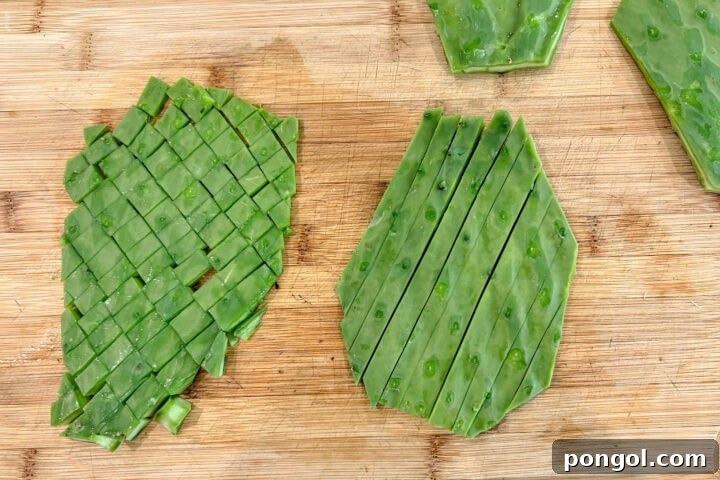
- **Trimming and Washing:** After thorn removal, **trim approximately ¼-inch from the thin end of the nopales and about ½-inch from the thick base**. These end pieces can be tough and fibrous. Once trimmed, wash the nopales thoroughly under running water to remove any lingering thorns or debris. Finally, slice the cleaned paddles into strips or cubes, depending on your recipe’s needs.
- **Where to Find Nopales:** If you reside in the southwestern United States or Mexico, where prickly pear cacti flourish, fresh nopales are likely a common sight in most grocery stores – major chains like HEB in Texas are known to stock them abundantly. For those living elsewhere, you might need to explore **well-stocked international markets, Latin American grocery stores, or specialty produce shops**. Look for them in the produce section, often near other unique ethnic vegetables.
- **Storing Fresh and Cooked Nopales:** Fresh, uncleaned nopales can be stored in the refrigerator for up to a week. Once cleaned and cooked, **leftover nopales can be refrigerated in an airtight container for up to two weeks**, making them an excellent ingredient for meal prepping.
🔪 Mastering the Art of Cooking Nopales: Two Methods
Nopales have a natural mucilage, often referred to as “baba,” which is a gelatinous substance similar to okra. While entirely safe to eat and even beneficial, some prefer to minimize its sliminess. We’ll explore two popular cooking methods to achieve perfectly tender nopales, each with a slightly different result.
Method 1: Boiling for Classic Tenderness and Minimal Mucilage
Boiling is a traditional and effective method to achieve tender nopales and reduce their inherent sliminess. The addition of salt and garlic enhances flavor while aiding in mucilage reduction.
- **Preparation:** After cleaning and dicing your nopales, fill a large pot with water and generously salt it (1-2 teaspoons of salt per pound of nopales). Add 3 smashed garlic cloves to the water. Place the pot over high heat and bring the water to a rapid boil.
- **Cooking:** Once the water is boiling vigorously, carefully add the prepared nopales to the pot. Cover with a lid and boil for 8 to 10 minutes, or until the paddles are tender and you observe the mucilage seeping out into the water, forming a slightly thick froth.
- **Rinsing and Serving:** Carefully pour the nopales and boiling liquid through a colander or strainer. **Rinse the boiled nopales thoroughly under cold running water** to wash away any remaining mucilage. This rinsing step is crucial for achieving a non-slimy texture. Once rinsed, your boiled nopales are ready to be enjoyed as desired.
Method 2: Sweating for Concentrated Flavor and Evaporated Mucilage
Sweating nopales allows the mucilage to evaporate, resulting in a slightly firmer texture and a more concentrated flavor. This method is excellent if you prefer not to boil.
- **Initial Sauté:** Heat a medium skillet over medium-high heat. Once hot, add 1 tablespoon of neutral oil (such as avocado or olive oil) and swirl to coat the pan. When the oil is hot and shimmering, add your prepared nopales to the skillet and sprinkle generously with 1 teaspoon of salt.
- **Sweating Process:** Reduce the heat to medium and cover the skillet with a lid. Allow the nopales to cook, covered, for about 20 minutes. During this time, the mucilage will be released and then gradually evaporate, leaving the nopales tender and flavorful. Stir occasionally to prevent sticking.
- **Finish and Serve:** Once the mucilage has evaporated and the nopales are tender, remove the skillet from the heat. Your sweated nopales are now ready to be incorporated into your chosen dish.
🥗 Versatile Ways to Enjoy Nopales
The subtle flavor and meaty texture of nopales make them incredibly adaptable to a wide array of dishes. Get creative with these serving suggestions:
- **Simply Delicious:** Enjoy them on their own, tossed in a vibrant chimichurri sauce, and then topped with a sprinkle of shredded pepper jack cheese. The cheese melts into the warm nopales, creating a comforting and flavorful side dish.
- **Taco Perfection:** Nopales add a fantastic textural element to tacos. Pair them with seasoned chicken, tender shredded beef, juicy steak, or succulent shrimp. Their slight tartness cuts through richer fillings beautifully.
- **Hearty Main Meals:** Serve nopales alongside classic Mexican staples like carne asada, fluffy cilantro-lime brown rice, creamy refried beans, and sweet grilled or sautéed onions for a complete and satisfying meal.
- **Wraps and Fillings:** Stuff them into warm burritos, fold them into cheesy quesadillas, or add them to sizzling fajitas for an extra layer of flavor and nutrition.
- **Salads and Bowls:** Use nopales as the crisp, refreshing base for keto taco salads, or mix them into vibrant burrito bowls for added texture and a burst of green goodness.
- **Breakfast Boost:** Elevate your morning meal by adding nopales to a savory Mexican omelette, hearty breakfast tacos, alongside traditional huevos rancheros, or as a key component of a fulfilling chorizo potato breakfast bowl.
🌮 More Irresistible Mexican-Inspired Recipes We Can’t Get Enough Of
- Mexican Chicken and Rice Bake – A comforting and flavorful one-pan meal.
- Tuna Tostadas – Quick, easy, and bursting with fresh flavors.
- Keto Tacos with Homemade Keto Tortillas – Enjoy your favorite tacos while staying true to your keto lifestyle.
- Mexican Chicken Stuffed Sweet Potatoes (Whole30, Paleo, Instant Pot) – A healthy, satisfying, and easy weeknight dinner.
- Crispy Cheesy Refried Bean Tacos – The ultimate comfort food with a delightful crunch.
- Burrito Suizo – A rich and creamy take on a classic burrito, perfect for a hearty meal.
How to Cook Nopales (Cactus Paddles)
Recipe By: Cheryl Malik
Rating: 5 from 9 votes
Prep Time: 15 minutes
Cook Time: 20 minutes
Total Time: 35 minutes
A perfect, meaty veggie that’s phenomenal in Mexican-inspired meals or tossed with a little chimichurri!
 Cheryl Malik
Servings: 4 servings
Equipment
- Tongs (optional, see Notes)
- Gloves (or kitchen towel, optional; see Notes)
- Cutting board
- Sharp knife (or potato peeler)
- Running water
- Large pot with lid (if boiling nopales)
- Medium skillet with lid (if sweating nopales)
- Colander (or strainer)
Ingredients
For Boiled Nopales
- 4 medium nopales paddles (5-8 inches long, approximately 1 pound)
- 1-2 teaspoons salt (more or less to taste)
- 3 cloves garlic (smashed)
For Sweated Nopales
- 4 medium nopales paddles (5-8 inches long, approximately 1 pound)
- 1 teaspoon salt (more or less to taste)
- 1 tablespoon neutral oil (avocado oil, olive oil, etc.)
Instructions
To Prepare the Nopales
-
Use a sharp knife (or potato peeler) to carefully remove knobs and thorns from paddles. Work inward, moving from the end of the nopales toward the thick base using a gentle sawing motion. Leave as much skin on the paddles as possible.

-
Once knobs and thorns are removed, carefully trim the paddles. Remove approximately ¼-inch from the thin end of the nopales and approximately ½-inch from the thick base of the nopales.
-
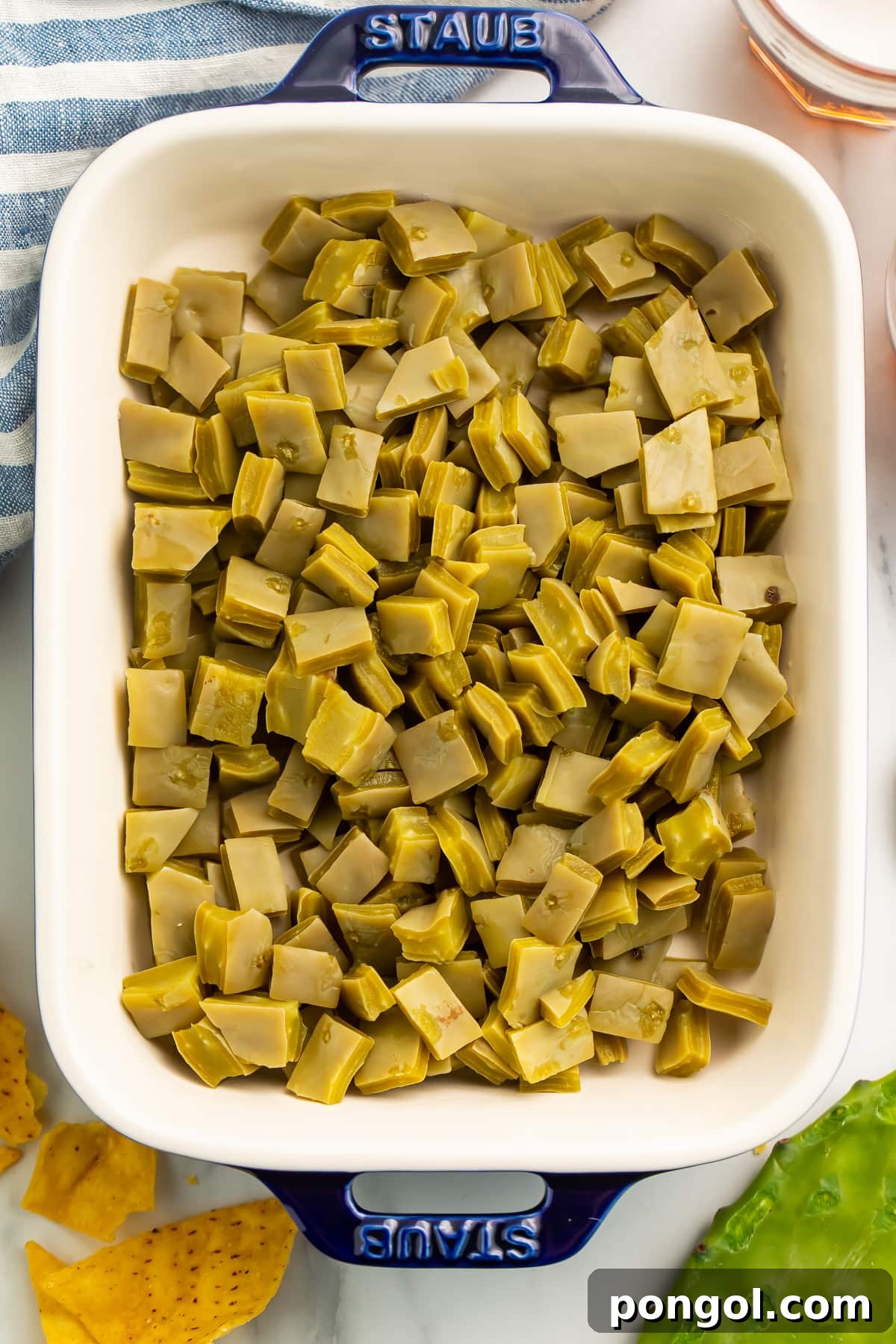
Wash trimmed nopales under running water, then slice paddles into strips or squares. Set aside.
For Boiled Nopales
-
Fill a large pot with water and salt well. Add smashed garlic cloves to the water and place the pot over high heat. Bring the water to a boil.
-
Once the liquid begins to boil rapidly, add prepared nopales to the pot. Cover the pot with a lid and boil nopales for 8 to 10 minutes or until paddles are tender and mucilage has seeped out.
-
Carefully pour the liquid and nopales through a colander or strainer. Rinse boiled nopales well under running water to remove any remaining mucilage, then enjoy as desired. See Notes for serving suggestions.
For Sweated Nopales
-
Heat a medium skillet over medium-high heat. When the skillet is hot, add 1 tablespoon neutral oil and swirl the pan to coat. Heat oil until hot and shimmering, then add prepared nopales to the skillet and generously sprinkle salt over.
-
Reduce heat to medium and cover the skillet with a lid. Let nopales cook, covered, for 20 minutes, or until mucilage has evaporated.
-
Remove skillet from heat and use sweated nopales as desired.
Notes
- The thorns on nopales can be sharp. Use tongs and/or wear gloves (or use a kitchen towel) to handle the paddles as you trim off the thorns and knobs.
- The mucilage (a.k.a. baba) from the nopales is safe to eat, but it’s gelatinous, and the sliminess can be unappealing for some.
- Leftovers: Leftover nopales can be refrigerated in an airtight container for up to 2 weeks.
Serving Suggestions for Boiled Nopales
To Enjoy on Their Own
- Follow directions above for boiling nopales. Strain and rinse nopales well, then return boiled nopales to the pot.
- Add chimichurri sauce and toss nopales to coat completely, then sprinkle shredded pepper jack cheese over.
- Cover pot with lid and remove pot from heat. Keep covered until cheese has melted, then serve nopales as-is.
To Use in Salads, Tacos, etc.
- Follow directions above for boiling nopales. Strain and rinse nopales well, then use boiled nopales as desired in salads, tacos, burritos, etc.
Approximate Information for One Serving
Serving Size: 1 serving
Calories: 21 cal
Protein: 2 g
Fat: 0.1 g
Saturated Fat: 0.02 g
Sodium: 606 mg
Potassium: 301 mg
Total Carbs: 5 g
Fiber: 3 g
Sugar: 1 g
Net Carbs: 2 g
Vitamin A: 518 IU
Vitamin C: 11 mg
Calcium: 190 mg
Iron: 1 mg
Nutrition Disclaimers
Number of total servings shown is approximate. Actual number of servings will depend on your preferred portion sizes.
Nutritional values shown are general guidelines and reflect information for 1 serving using the ingredients listed, not including any optional ingredients. Actual macros may vary slightly depending on specific brands and types of ingredients used.
To determine the weight of one serving, prepare the recipe as instructed. Weigh the finished recipe, then divide the weight of the finished recipe (not including the weight of the container the food is in) by the desired number of servings. The result will be the weight of one serving.
Did You Make This Recipe?
Tag @40aprons on Instagram and be sure to leave a review on the blog post!
Tag @40Aprons on Instagram