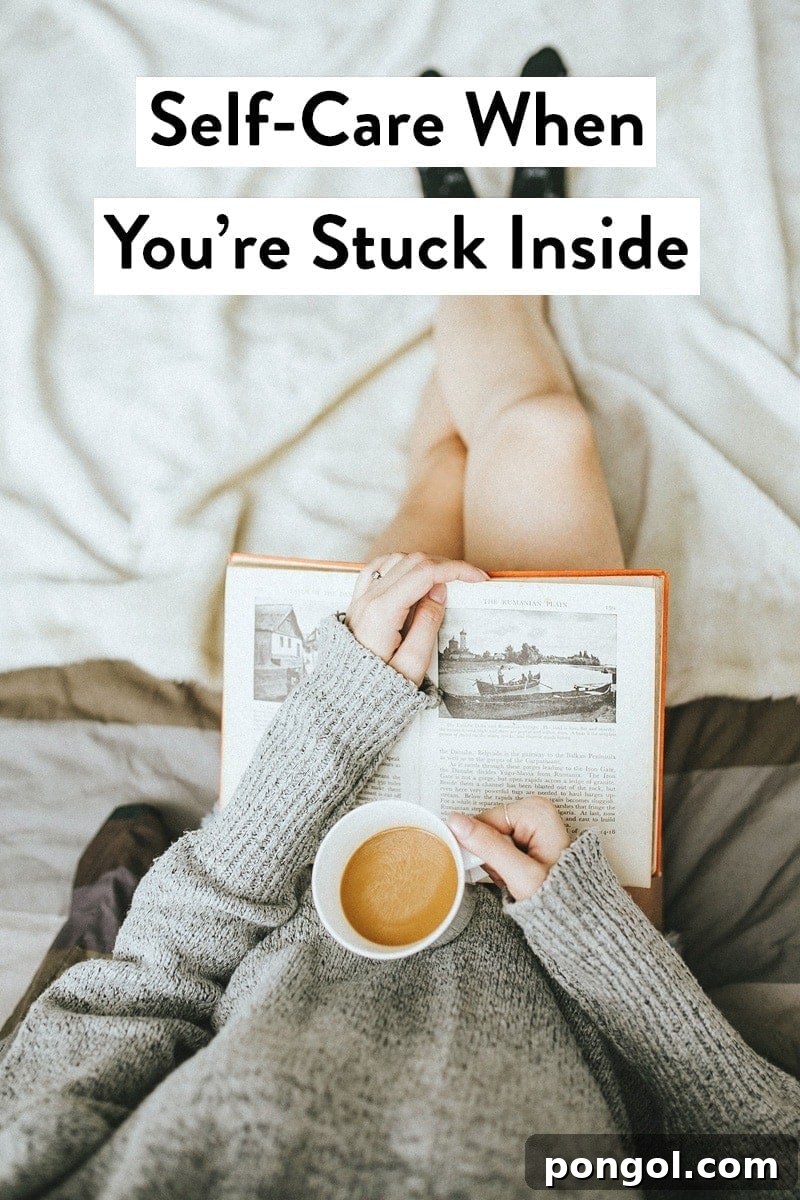
Self-care is a profound practice, extending far beyond the occasional long bath or indulgence in a favorite treat. It’s a cornerstone for robust mental and emotional health, especially crucial during challenging periods or when external circumstances limit our usual routines. This guide offers practical, actionable strategies to nourish your mind, body, and spirit when venturing out isn’t an option, helping you cultivate resilience and inner peace.
Cultivating Inner Peace: Essential Self-Care Strategies When Staying Home
Maintain Your Health Routine: A Foundation for Stability
In times of uncertainty or isolation, maintaining your established health routine is paramount for both physical and mental well-being. Disruptions to daily life can easily derail good habits, but consciously adhering to them provides a sense of normalcy and control. This includes consistently taking any prescribed medications or supplements, always in consultation with a medical professional, and avoiding self-adjustments.
Beyond medication, focus on regulating your sleep schedule. Sticking to a consistent bedtime and wake-up time, even on weekends, helps regulate your circadian rhythm, improving sleep quality and daytime energy levels. While the temptation to sleep in might be strong, especially when there’s no fixed schedule, resisting it can prevent further disruption to your body’s natural clock. A stable sleep pattern is a powerful tool for mood regulation and cognitive function.
Furthermore, consider your dietary patterns. Try to maintain regular meal times and continue preparing balanced, nutritious meals. Small acts of routine can provide a powerful anchor when the world around us feels unpredictable, offering a tangible way to care for yourself.
Embrace Movement: Exercise for Body and Mind
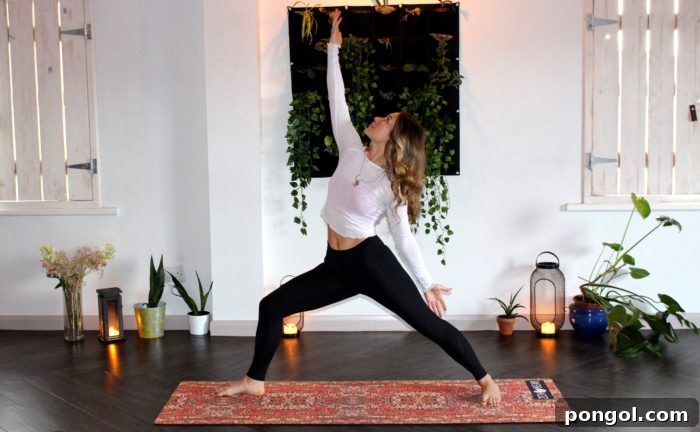
Exercising regularly can feel like an insurmountable task when you’re battling feelings of isolation, depression, or chronic fatigue. However, committing to even a minimal exercise routine offers profound benefits for both your physical vitality and your mental clarity. Physical activity is a natural mood enhancer and a vital component of holistic self-care.
Beyond maintaining physical health, exercise plays a critical role in mental wellness. It helps to energize your body, combatting lethargy and boosting overall vitality. Regular movement also significantly promotes good sleep, helping you fall asleep faster and achieve deeper, more restorative rest. Moreover, exercise is a proven mood improver, thanks to the release of endorphins, often referred to as “feel-good” hormones, which can alleviate symptoms of stress and anxiety. As Elle Woods famously quipped in “Legally Blonde,” “Exercise gives you endorphins. Endorphins make you happy.” This simple truth holds immense power.
The good news is that you don’t need a gym membership or fancy equipment to stay active. There are countless resources for home workouts. Apps like Yoga International, Glo, Down Dog offer guided yoga and fitness routines for all levels. For those who prefer a more personalized touch, Yoga with Adriene on YouTube provides a vast library of free yoga videos. Additionally, YouTube hosts tons of other workout videos covering everything from high-intensity interval training (HIIT) and dance workouts to bodyweight strength training and Pilates. Even a brisk walk around your living space or a dance party in your kitchen can make a difference. The key is consistency and finding an activity you enjoy.
Leverage Digital Tools: Empowering Self-Care Through Apps
In our increasingly digital world, a wealth of applications can serve as powerful allies in your self-care journey, particularly when traditional support systems are less accessible. These tools offer convenience and privacy, making mental wellness resources available at your fingertips.
We wholeheartedly recommend the app Bloom. It provides readily available digital cognitive behavioral therapy (CBT) exercises, tools for practicing gratitude and mindfulness, and guided pathways to ease stress and anxiety. Bloom is an exceptional resource for proactively managing your mental health, offering structured guidance that can be incredibly beneficial, especially when access to traditional therapy sessions might be limited or challenging.
Beyond therapy-focused apps, meditation is a proven technique to calm an overactive mind and foster focus on the present moment. Regular meditation practice can reduce rumination, improve emotional regulation, and enhance overall peace. For guided meditation, we particularly favor the apps Calm and Headspace. These platforms offer a wide array of guided sessions, from short five-minute refreshers to longer, more in-depth meditations, sleep stories, and calming music, catering to both beginners and experienced practitioners. Exploring these apps can provide invaluable support in cultivating a more mindful and serene existence.
Practice Healthy Distraction: A Mindful Escape
Allowing yourself to step away from the pressures of the real world and whatever challenges you may be facing is not only permissible but often necessary, provided you do so in a healthy, constructive manner. While using substances to numb yourself might offer temporary relief, such approaches often prove detrimental in the long run. If you choose to partake, moderation is always key, and it’s essential to be mindful of underlying reasons for seeking escape.
Conversely, dedicating time to engage in activities like crafting, immersive storytelling through binge-watching, or exploring imaginative worlds is completely acceptable and can be incredibly therapeutic. These healthy distractions provide a mental reprieve, allowing your brain to reset and recharge without harmful side effects. They offer a temporary ‘vacation’ for your mind, fostering creativity, reducing stress, and often leading to a renewed perspective upon returning to your daily realities.
Embark on a Journey Through TV Land
Television can be a powerful vehicle for healthy distraction. Shows that are fun, engrossing, and genuinely entertaining are perfect for momentarily shedding the burdens of reality, especially if they induce laughter. Consider lighthearted comedies like “Schitt’s Creek,” “The Good Place,” or “Parks and Recreation” which offer warmth and humor. Documentaries can also be a great escape, offering educational content that transports you to different places or explores fascinating topics.
If suspenseful narratives are more to your liking, delve into critically acclaimed series such as “Ozark,” “Better Call Saul,” “Breaking Bad,” or “Killing Eve.” These shows can provide an intense, captivating escape. However, it’s vital to periodically check in with yourself to ensure you’re not becoming overwhelmed by anxiety or negative emotions that might spill over into your own life. The goal is healthy escapism, not additional stress. Choose content that ultimately leaves you feeling refreshed, not drained.
Level Up Your Day: Do You Even Game?
Engaging with games, whether digital or traditional, can be a wonderfully fun and relaxing form of healthy distraction. Simulation games like The Sims allow you to create and manage virtual lives, offering a sense of control and creative expression in a low-stakes environment. For those who enjoy Nintendo, a vast array of engaging titles like various Mario and Zelda games can easily immerse you for hours, providing rich narratives and challenging puzzles.
Video games, and even classic board games or card games, are excellent for keeping your brain actively occupied without fixating on day-to-day worries. They stimulate cognitive functions, sharpen problem-solving skills, and improve strategic thinking, offering mental exercise that feels enjoyable rather than burdensome. Plus, many games offer social interaction, even if virtual, fostering a sense of connection and shared experience.
D-I-Y Not Start a Creative Project?
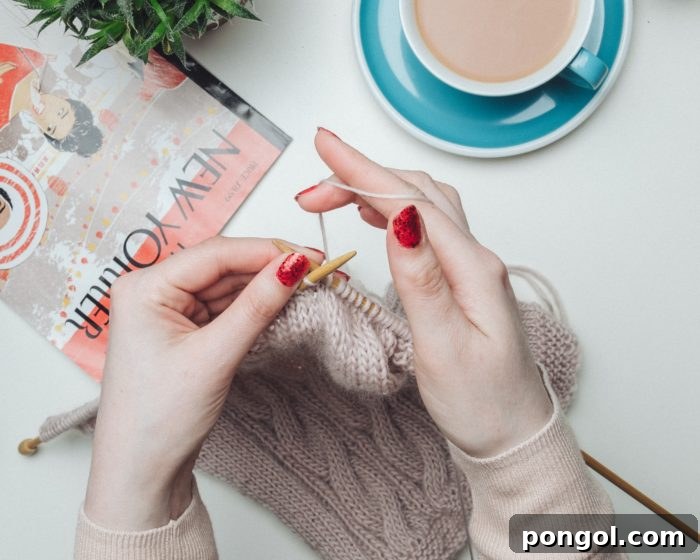
Crafting, for those with an inclination towards it, offers a fantastic avenue to focus your mind and hands, engaging both your creativity and concentration. The added bonus is the (theoretical) satisfaction of having a tangible, often beautiful, creation once you’re finished! This sense of accomplishment can be incredibly rewarding and boost your self-esteem.
If you’re drawn to embroidery or cross stitch, we highly recommend exploring Sublime Stitching for modern and utterly adorable projects that are fun and accessible. For those who appreciate a bit more irreverence or want a creative outlet for processing negative feelings, Subversive Cross Stitch offers unique, often humorous, PG-13 crafting options.
Beyond these specific suggestions, Etsy is an invaluable resource for discovering an immense variety of projects that also support small businesses and independent artisans. You can find kits for painting, knitting, drawing, calligraphy, jewelry making, and so much more. There are literally tons of different craft kits available on Etsy to fulfill whatever your crafty heart desires, making it easy to pick up a new hobby or revisit an old passion.
Unplug and Recharge: The Benefits of a Device Detox
While utilizing your phone, TV, or computer for healthy distraction can be beneficial, it’s equally vital to intentionally take time away from your devices. Constant connectivity, notifications, and endless scrolling can contribute to increased stress, anxiety, and even feelings of overwhelm. A device detox is not about abandoning technology entirely, but about establishing healthier boundaries.
Simple actions can make a significant difference. Try turning your phone to silent mode or placing it in another room for at least an hour or two each day. This small habit can dramatically decrease feelings of anxiety, improve concentration, and foster a greater sense of presence. Consider implementing a “no screens before bed” rule to improve sleep quality; the blue light emitted from devices can disrupt melatonin production, making it harder to fall asleep.
Furthermore, managing your news consumption is crucial. Consider disabling all breaking news alert notifications and dedicating only a couple of specific, pre-determined times a day to checking the news. Consuming news right before bed is rarely conducive to a restful night’s sleep due to the potential for heightened anxiety, but checking a couple of hours before you wind down might be less disruptive. For more in-depth guidance, explore our comprehensive article on how to effectively digital detox.
Cultivate Connection: Building a Resilient Support System
Having a robust support system comprised of trusted friends, loving family members, and even medical professionals is incredibly important for navigating life’s challenges. No one should feel obligated to go through difficult times alone; human connection is a fundamental need and a powerful buffer against stress and isolation.
Proactively identify at least three people you feel comfortable reaching out to if you are struggling, need a listening ear, or simply want to vent. This multi-person approach ensures you have reliable backup if one person isn’t available or if you need different perspectives. Regularly checking in with these individuals, even through simple messages or calls, helps strengthen these bonds.
If you currently have a therapist or are considering professional mental health support, inquire if they offer phone or video sessions. Telehealth options have become increasingly prevalent and accessible, allowing you to continue or begin therapy from the comfort and safety of your home. Professional guidance can provide invaluable tools and strategies for coping with mental health challenges, and it’s essential to utilize these resources when needed.
Strengthen Your Internal Defenses: Nurturing Your Immune System
Even if you’re not leaving your house frequently, diligently taking good care of your immune system remains a vital component of holistic self-care. A strong immune system is not only essential for physical health but also plays a significant role in your mental well-being and overall resilience. The body and mind are intricately connected; when one falters, the other often follows.
Here are key strategies to bolster your immune health:
- Be sure to maintain a healthy, balanced diet rich in fruits, vegetables, and whole grains, combined with regular exercise. These two pillars are foundational for robust health.
- Consider incorporating targeted probiotics and supplements into your routine, such as vitamin C, vitamin D, elderberry, and zinc, which are known to support immune function. Always consult with a healthcare provider before starting any new supplement regimen.
- Drink alcohol in moderation, as excessive consumption can suppress immune responses and negatively impact sleep and mood.
- If you smoke, seriously consider quitting. Smoking significantly compromises your immune system, making you more vulnerable to various illnesses and hindering your body’s natural healing processes.
- Prioritize adequate sleep, as a well-rested body is better equipped to fight off infections. Managing stress through mindfulness or relaxation techniques also contributes positively to immune health.
Indulge Your Senses: Don’t Forget the Chocolate and Baths!
Never underestimate or minimize the profound benefits of treating your senses and pampering your body. While self-care encompasses far more than simple indulgences, these small acts of pleasure are incredibly important for psychological comfort and stress relief. Enjoying a delicious Reese’s Peanut Butter Cup or perhaps some perfect paleo brownies (mmm…), luxuriating for as long as possible in a warm bath with a captivating book, or treating yourself to a small, comforting new item of clothing may seem cliché in the broader self-care discourse, but they truly can make a significant positive impact on your mood and well-being.
While these delightful activities are not the sole components of a comprehensive self-care regimen, taking a dedicated moment to relax, reset, and genuinely treat yourself can be immensely beneficial. They offer a valuable break from mental strain, provide sensory pleasure, and reinforce the idea that you are worthy of care and comfort. These moments can serve as powerful mood boosters, helping to reduce feelings of deprivation and fostering a sense of contentment.
Consider other sensory treats: lighting a scented candle, listening to your favorite music, wrapping yourself in a cozy blanket, enjoying a fragrant cup of tea, or simply basking in a sunlit spot. These simple pleasures acknowledge your needs and contribute to a richer, more balanced emotional landscape.

Further Exploration: Health & Wellness Resources
For more insights and actionable advice on enhancing your health and wellness journey, explore these related articles:
- Dopamine Detox – What Is It and How to Do It
- Yoga Detox – 8 Easy Yoga Poses to Detox Your Body
- All About Hygge: Embracing Comfort and Coziness
- 20 Self-Care Ideas for a Healthy, Happy You
- How To Keep Up a Healthy Lifestyle When You’re Stuck at Home
- Virtual Happy Hour: Connecting Digitally
- How I Beat Depression Naturally
- DIY Disinfectant Spray (DIY Lysol Spray with VIDEO)
- Medicinal Mushrooms for Anxiety: A Natural Approach
- 6 Gentle Natural Detox Methods for Cleansing
- All About Lagom – The Swedish Lifestyle Trend of Balance