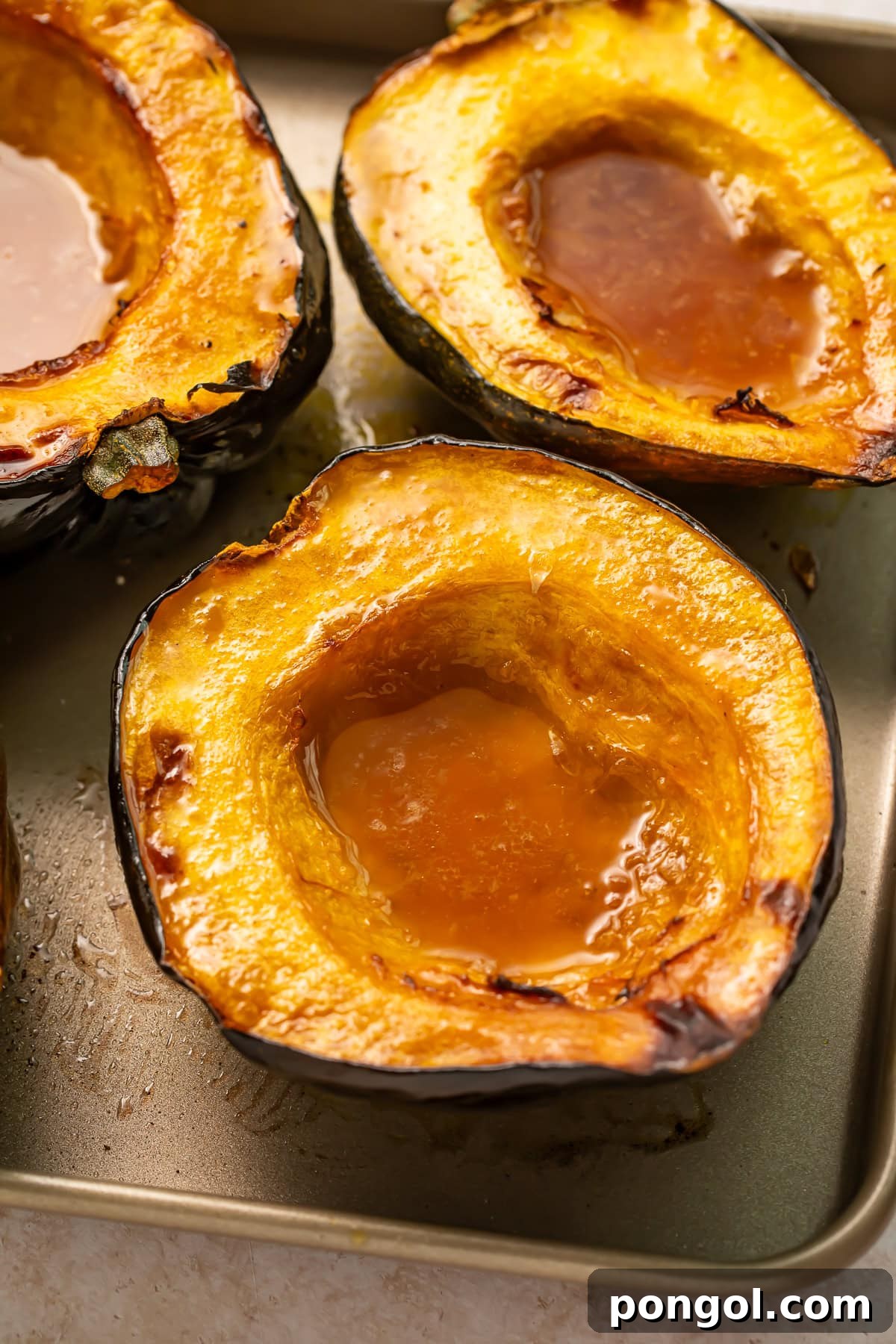
Welcome to the ultimate guide for preparing a truly unforgettable roasted acorn squash with maple butter. This dish isn’t just easy to make; it’s a revelation, transforming simple ingredients into a side dish that’s both comforting and elegant. With the perfect balance of savory notes from the squash and the rich, sweet caramelization from real maple syrup and butter, this recipe is destined to become a staple in your kitchen. Whether you’re preparing a cozy family dinner or orchestrating a grand holiday feast, this maple-glazed acorn squash offers a depth of flavor and a warmth that embodies the essence of fall and winter seasons. Forget complicated cooking techniques; this recipe focuses on minimal effort for maximum impact, yielding perfectly tender squash with irresistibly golden, sticky edges that melt in your mouth. Get ready to discover your new favorite way to enjoy this quintessential seasonal vegetable.
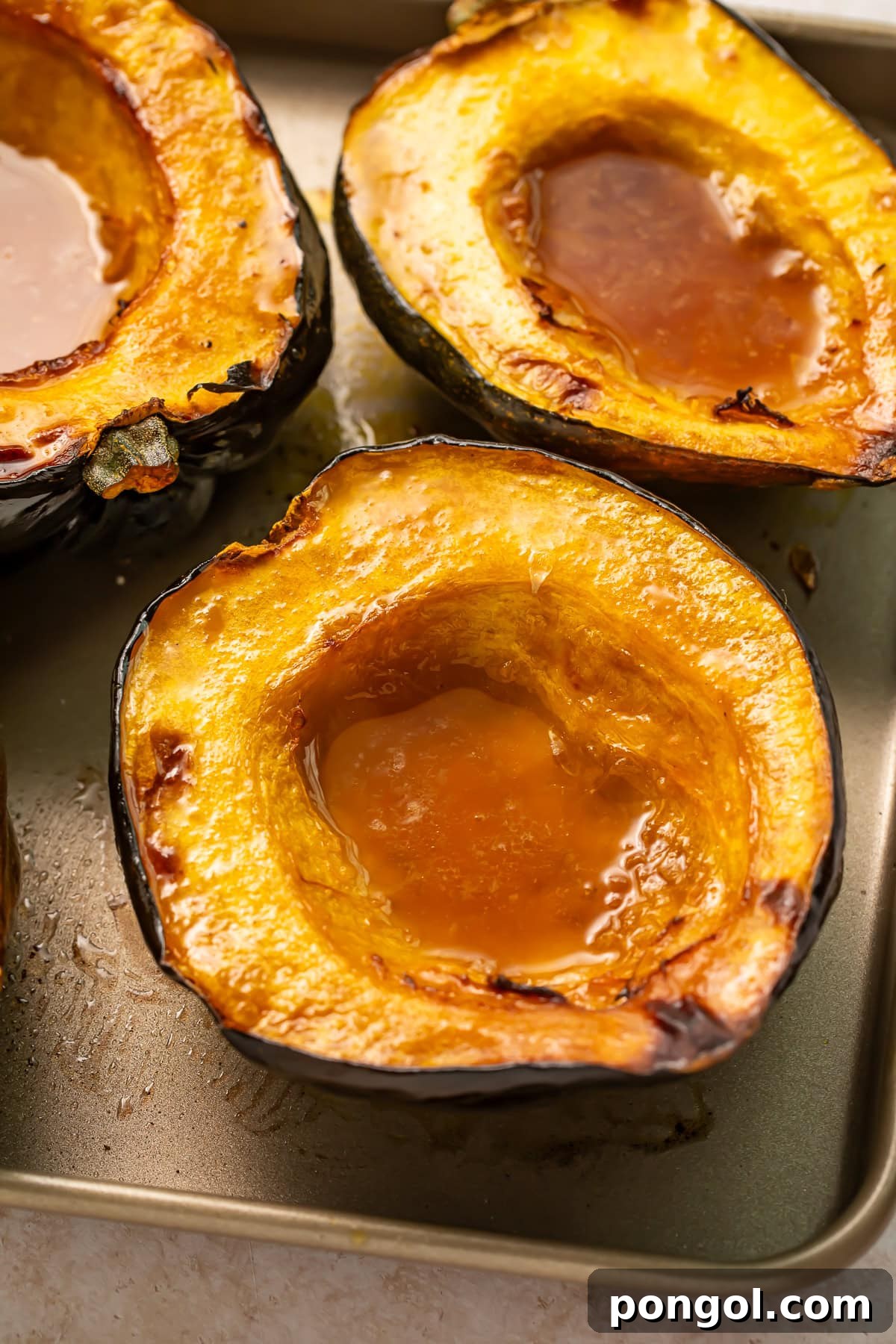
For a complete list of measurements, ingredients, and detailed instructions, please see the recipe card below.
Why This Maple Roasted Acorn Squash Recipe is a Must-Try
- Effortlessly Delicious: This is, without a doubt, the easiest and simplest roasted acorn squash recipe you’ll ever make. The beauty lies in its hands-off approach. Once prepped, it simply bakes in the oven, allowing you to focus on other parts of your meal or simply relax. The high heat of the oven works its magic quickly, ensuring a perfectly cooked squash without constant attention. It’s ideal for busy weeknights or when you need a reliable, impressive side dish without the fuss.
- A Symphony of Flavors: The pure, rich maple syrup is the secret weapon here. It expertly coaxes out the natural sweetness already present in the acorn squash, intensifying it to a delightful degree. Paired with butter, which adds an unparalleled richness and a creamy undertone, the flavors become incredibly balanced and harmonious. This combination creates a luxurious, melt-in-your-mouth experience that’s truly addictive. Plus, the fat from the butter combined with the complex carbohydrates of the squash contributes to a feeling of fullness and satisfaction that lasts.
- Perfect for Any Occasion: Whether you’re hosting an elegant fall dinner party, gathering the family for a comforting meal, or planning a lavish Thanksgiving feast, this roasted acorn squash always hits the mark. It’s not only straightforward to prepare but also presents beautifully, making it an excellent choice for entertaining. Its sweet and savory profile complements a wide array of main courses, earning rave reviews every time.
- Adaptable to Your Dietary Needs: One of the many advantages of this recipe is its flexibility. It can be effortlessly modified to suit various dietary considerations. Whether you follow a vegan, paleo, or gluten-free lifestyle, you can easily tweak the ingredients without compromising on flavor or texture. This makes it a universally appealing dish that everyone at your table can enjoy.
Selecting the Perfect Acorn Squash
Choosing the right acorn squash is the first step to a truly delicious dish. Look for squash that are dark green, firm, and heavy for their size. Avoid any squash with soft spots, blemishes, or a dull appearance. A small patch of orange or yellow is fine, as it indicates where the squash rested on the ground during growth. The ideal size for roasting in halves is medium, which typically cooks more evenly and presents nicely on a plate. If your squash feels light or looks pale, it might be past its prime or not fully ripe, which can affect the flavor and texture of the final dish.
Essential Tips Before You Begin Roasting
- My favorite method for cooking acorn squash is baking it in the oven. This approach is incredibly forgiving, making it difficult to overbake. I often pop it into the oven at the beginning of my dinner preparations and let it cook, only needing to remember to baste the squash surfaces with the glorious melted maple butter periodically. This hands-off method frees you up to handle other dishes, making your meal prep much smoother.
- Baking Temperature Guidance: I generally recommend roasting this acorn squash dish at around 400ºF (200ºC), especially if you’re multitasking with a more intricate main course. While a higher temperature can result in a more intense caramelization, it also increases the risk of burning if left unattended for too long. Sticking to 400ºF provides a perfect balance, ensuring a beautifully caramelized, tender squash without requiring constant supervision. If you’re able to keep a closer eye on it, or if your oven runs cool, feel free to follow the specific temperature recommendation in the recipe card below for potentially even crispier edges.
- Taming Tough Squash: Acorn squash can be notoriously hard to cut, posing a safety risk. To simplify the process, microwave the whole squash for 2-3 minutes before attempting to cut it. First, pierce the squash a few times with the tip of a knife to prevent any pressure buildup. Let it cool slightly after microwaving, then proceed with caution. This simple yet effective trick softens the skin just enough to allow for safer, easier slicing without a wrestling match with your knife.
- Don’t Waste the Liquid Gold: After your acorn squash has roasted to fork-tender perfection, you might find a pool of exquisite caramelized maple butter at the bottom of the baking pan. This is not to be discarded! Before serving, generously drizzle this “liquid gold” over the roasted squash halves. The extra layer of rich, sweet glaze will elevate the dish even further. Alternatively, save any remaining drippings to brush onto dinner rolls or to enhance other roasted vegetables like carrots or sweet potatoes later in the week. Its intense flavor is too good to let go to waste.
The Magic of Maple Butter
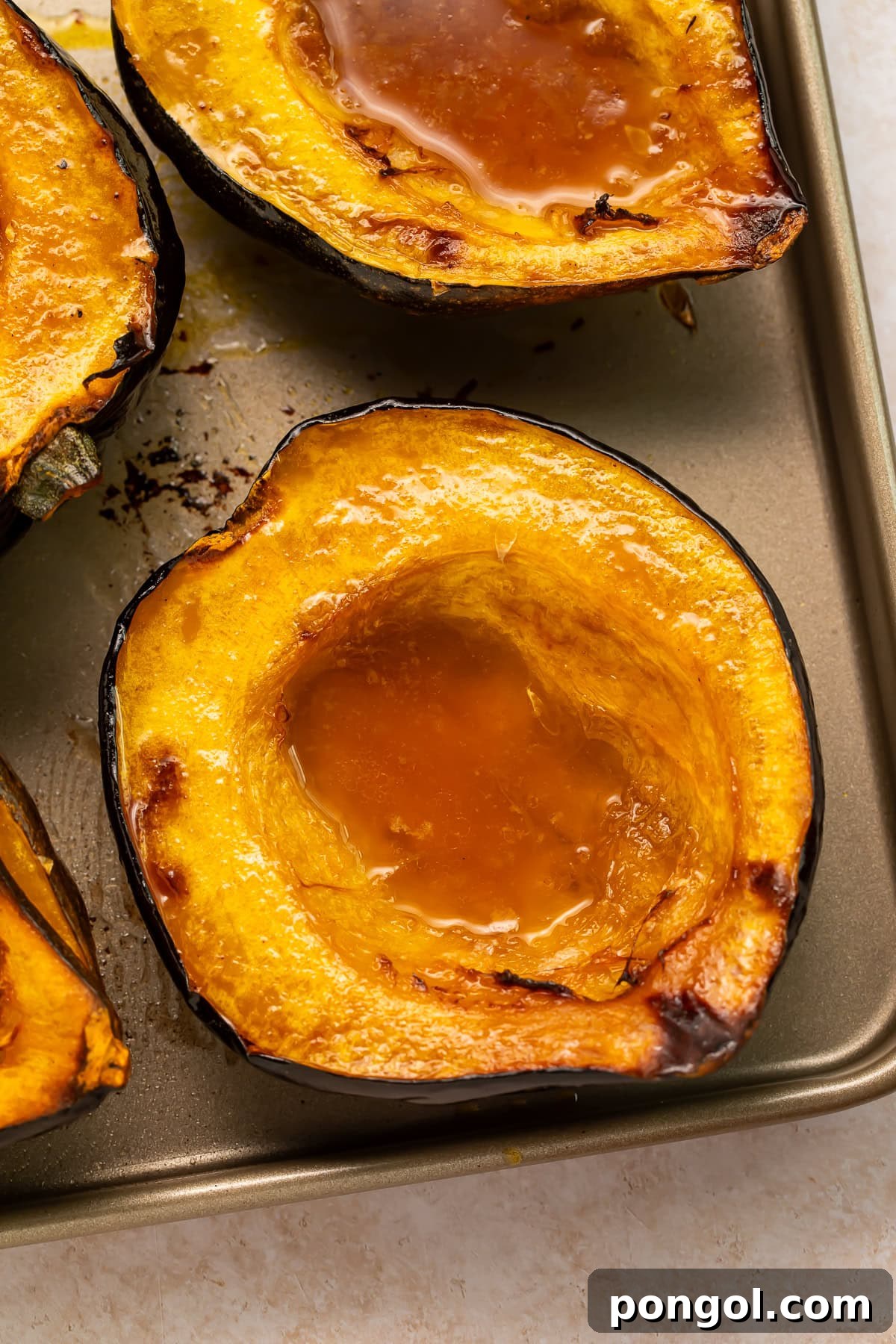
The maple butter isn’t just an addition; it’s a cornerstone of this recipe’s success. Maple syrup, especially pure, real maple syrup, brings a complex sweetness with subtle notes of caramel and vanilla that perfectly complement the earthy flavor of acorn squash. When combined with butter and roasted, it undergoes a magical transformation. The butter helps create a rich, unctuous texture, while the maple syrup caramelizes under the oven’s heat, forming a sticky, glossy glaze that clings to every crevice of the squash. This process not only enhances the flavor profile but also creates those coveted slightly browned, sweet, and crispy edges that are simply irresistible. It’s a simple combination, but its impact on the overall dish is profound, turning a humble vegetable into a show-stopping side.
Roasting Acorn Squash: A Detailed Step-by-Step Guide
Achieving perfectly roasted acorn squash is surprisingly simple with a few key steps. Begin by preheating your oven to 425ºF (220ºC) to ensure it’s hot enough to quickly caramelize the squash. Next, prepare your acorn squash: carefully slice two medium acorn squash all the way down the middle. If you find the stem particularly stubborn, you can slice it off first to provide a more stable cutting surface. You should now have four halves. To ensure they sit flat and stable on your baking sheet, slice a thin piece off the rounded bottom of each half. Using a spoon, scoop out all the seeds and fibrous membranes from the center cavity. You can discard these or, for a zero-waste approach, roast the seeds separately for a crunchy snack.
Now, prepare your maple butter mixture. Divide the four tablespoons of butter into individual 1-tablespoon pats. Place the squash halves, cut side up, on a sturdy baking sheet. Sprinkle them evenly with a pinch or two of salt, which helps to draw out moisture and enhance the flavors. Roast the squash for an initial 15 minutes. This first bake starts the cooking process and slightly softens the flesh.
After 15 minutes, remove the baking sheet from the oven. Carefully place one pat of butter into the cavity of each squash half. Then, measure out one tablespoon of maple syrup for each half and pour it directly over the butter in the cavity. This ensures each piece gets an equal amount of that sweet, buttery goodness. Return the squash to the oven and continue roasting for another 25-35 minutes. The key to incredible flavor and texture here is basting. Every 10 minutes or so, pull the oven rack out. Using a pastry brush, gently baste the top edge and surface of each squash half with the melted maple butter mixture that has pooled in the cavity and on the baking sheet. This continuous basting encourages a beautiful caramelization and keeps the squash moist and flavorful.
You’ll know the acorn squash is perfectly roasted when its flesh is incredibly soft and yields easily when pierced with a fork. The surface should be beautifully browned with some dark, caramelized spots, indicating a rich, concentrated sweetness. Once done, remove the baking sheet from the oven and let the squash stand for a few minutes before serving. This brief resting period allows the flavors to meld and the squash to firm up slightly, ensuring the best possible texture. Serve warm and enjoy the delightful combination of tender squash and sweet maple butter.
Serving Suggestions & Pairings
Maple Roasted Acorn Squash is incredibly versatile and makes a fantastic addition to almost any meal. For a classic fall dinner, pair it with roasted chicken or turkey, enhancing the festive feel of the season. It also complements rich pork dishes, such as a tender pork loin or succulent pork chops, with its sweet notes providing a lovely contrast. For a vegetarian meal, serve it alongside a hearty lentil loaf, a robust mushroom risotto, or a simple grain bowl with quinoa and roasted vegetables. It’s a staple for Thanksgiving and Christmas dinners, sitting perfectly next to mashed potatoes, green bean casserole, and stuffing. Beyond the main course, consider adding leftover squash to salads, pureeing it into a creamy soup, or even incorporating it into breakfast bowls with a sprinkle of granola and nuts for a unique start to your day.
Frequently Asked Questions
How do you cut an acorn squash for roasting?
While you can slice acorn squash into rings for roasting, I personally find roasting them in halves to be the most convenient and visually appealing method. To do this, place the squash on a sturdy cutting board. Carefully cut it down the middle, from stem to base. Acorn squash can be quite firm, so always exercise caution and use a sharp, heavy-duty knife. If you encounter difficulty, try slicing off the stem end first to create a flat, stable surface. Once halved, slice a small, thin sliver from the rounded bottom of each half. This ensures the squash sits flat, cut-side up, on your baking sheet, preventing it from wobbling. Finally, use a spoon to thoroughly scrape out all the seeds and stringy membranes from the center cavity. You can discard these or save the seeds for roasting later.
Is the skin of acorn squash edible?
Yes, the skin of acorn squash is absolutely edible! When roasted, especially at higher temperatures and for a sufficient duration, the skin becomes quite soft and tender, making it easy to eat. While I often don’t eat the skin when serving acorn squash in halves (mainly for presentation or personal preference), I’m much more inclined to enjoy it when I’ve roasted the squash in slices or smaller pieces. It adds a subtle texture and extra fiber to the dish, and it certainly won’t harm you. Feel free to try it and see if you enjoy the texture!
How can I make this recipe vegan?
Making this delicious maple roasted acorn squash vegan is incredibly simple. The only non-vegan ingredient is butter. You can effortlessly replace the dairy butter with an equal amount of high-quality vegan butter or coconut oil. For a rich, buttery flavor that closely mimics traditional butter, I highly recommend using a cultured vegan butter, such as Miyoko’s cultured vegan butter, which delivers exceptional taste and texture. Coconut oil also works wonderfully, imparting a subtle tropical note that can be quite complementary to the maple. Use the same measurements as you would for dairy butter, and the rest of the recipe remains unchanged.
Can I make this recipe paleo-friendly?
Yes, this recipe is easily adaptable for a paleo diet. The maple syrup is already paleo-compliant, so no substitutions are needed there. For the butter, the most seamless substitution is ghee. Ghee, or clarified butter, offers that same rich, nutty, buttery flavor and creates the exact same beautiful caramelized effect when combined with maple syrup and roasted. Use the same amount, 4 tablespoons total, as you would for butter. Alternatively, coconut oil can also be used as a paleo-friendly fat, providing a slightly different but equally delicious flavor profile.
More Tasty Fall Recipes to Explore
- Creamy Everything Bagel Chicken Soup
- Instant Pot Pork Roast with Carrots, Potatoes, and Gravy
- 15 Bean Soup
- Shrimp and Grits
- Creamy Chicken and Stuffing Casserole
- Paleo Pumpkin Breakfast Bake
- Sweet Potato Cornbread with Cinnamon Honey Butter
- Crockpot Turkey and Stuffing
- Cream of Mushroom Soup
- Red Eye Gravy with Country Ham
- Chicken Divan
- Baked Potatoes on the Grill
5 from 27 votes
Maple Roasted Acorn Squash
This is simply the best oven roasted acorn squash with sweet, delicious maple butter. So easy to do and makes the perfect fall recipe for dinner or holiday gatherings!
Ingredients
- 2 pieces of medium acorn squash
- 4 tablespoons butter divided, see note for vegan
- 4 tablespoons maple syrup divided
- 1-2 pinch of salt
Instructions
-
Preheat oven to 425º F.
-
Prepare your acorn squash: carefully slice 2 pieces all the way down the middle of each acorn squash. Remove stem first if you have trouble.
-
You should have 4 halves. Once halved, slice a thin piece off the round bottom of each half. With a spoon, scoop out the seeds and membranes; discard or reserve to roast later. Cut butter into 1-tablespoon pats (for a total of 4 tablespoons).
-
Place cut side up on a baking sheet and sprinkle with salt. Roast for 15 minutes then remove from oven and place a pat of butter in each half. Measure 1 tablespoon each of maple syrup and pour into the cavity of each half (4 tablespoons divided).
-
Continue roasting another 25-35 minutes or until flesh is very soft and easily forced with a fork, basting every 10 minutes or so.
-
To baste, pull out oven rack with baking sheet and, with a pastry brush, baste the top edge of each half of squash with the melted maple butter, then return to oven.
-
When acorn squash pieces are roasted, the flesh is soft, and the surface is browned with a few dark brown spots, remove from oven, let stand a few minutes, and serve.
Approximate Information for One Serving
Protein: 0.1g
Fat: 11g
Saturated Fat: 7g
Trans Fat: 0.5g
Cholesterol: 30mg
Sodium: 189mg
Potassium: 50mg
Total Carbs: 14g
Fiber: 0.01g
Sugar: 12g
Net Carbs: 14g
Vitamin A: 352IU
Vitamin C: 0.1mg
Calcium: 25mg
Iron: 0.03mg
Nutrition Disclaimers
Number of total servings shown is approximate. Actual number of servings will depend on your preferred portion sizes.
Nutritional values shown are general guidelines and reflect information for 1 serving using the ingredients listed, not including any optional ingredients. Actual macros may vary slightly depending on specific brands and types of ingredients used.
To determine the weight of one serving, prepare the recipe as instructed. Weigh the finished recipe, then divide the weight of the finished recipe (not including the weight of the container the food is in) by the desired number of servings. Result will be the weight of one serving.
Did You Make This Recipe?
We’d love to see your creations! Tag @40aprons on Instagram and be sure to leave a review on the blog post!
We hope you enjoy this incredibly flavorful and easy Maple Roasted Acorn Squash. It’s truly a dish that brings warmth and sweetness to any table, proving that simple ingredients can yield extraordinary results. Whether it becomes a new family tradition or your go-to side for special occasions, its rich flavors and comforting presence are sure to delight. Happy cooking!