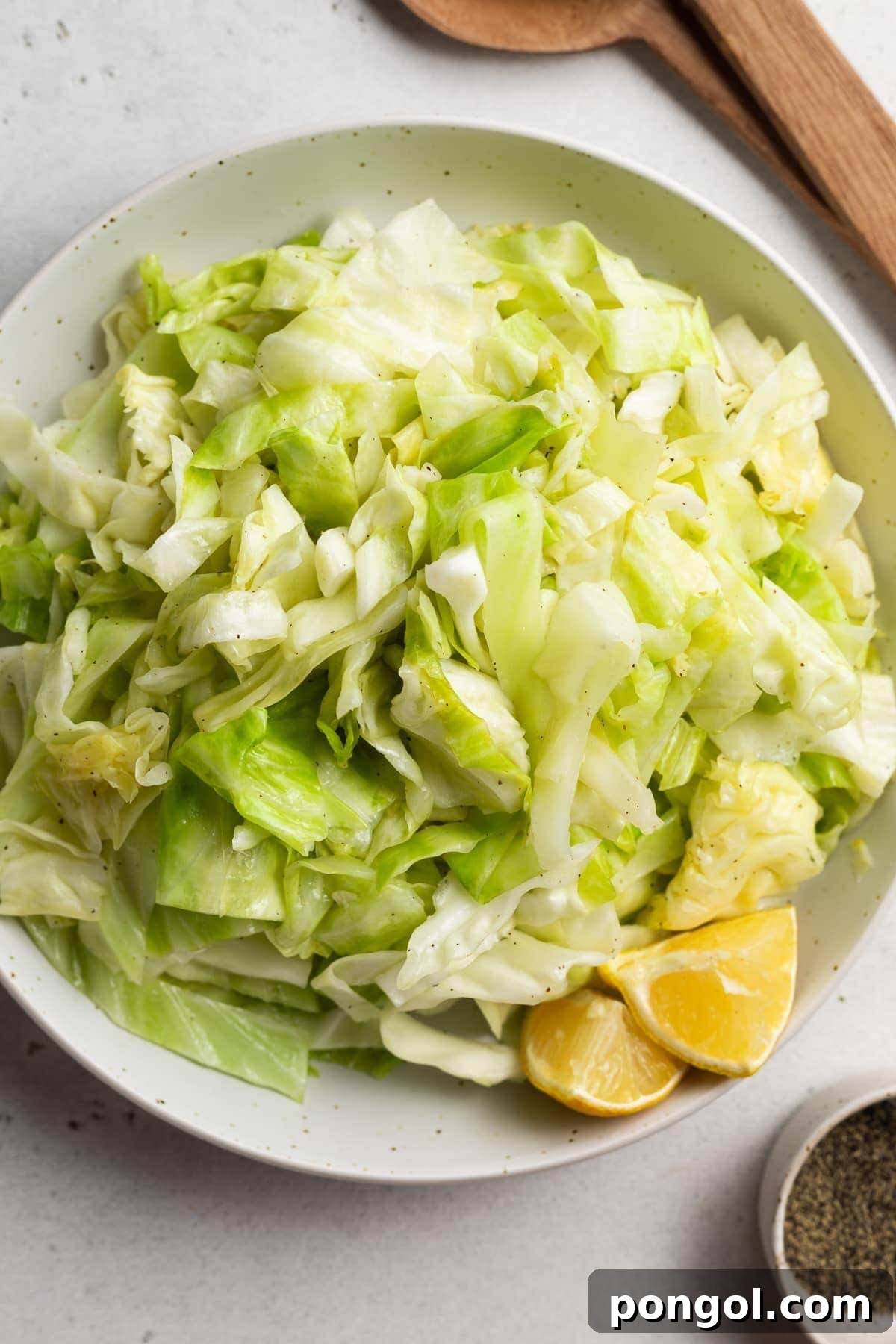
Craving a quick, flavorful, and incredibly healthy side dish that uses ingredients you likely already have? Look no further than this perfectly tender and crisp sautéed cabbage recipe. With just a handful of simple components, you can transform humble green cabbage into a vibrant, delicious accompaniment to almost any meal in mere minutes. This recipe is designed for ease, speed, and maximum flavor, proving that healthy eating doesn’t have to be complicated or time-consuming.
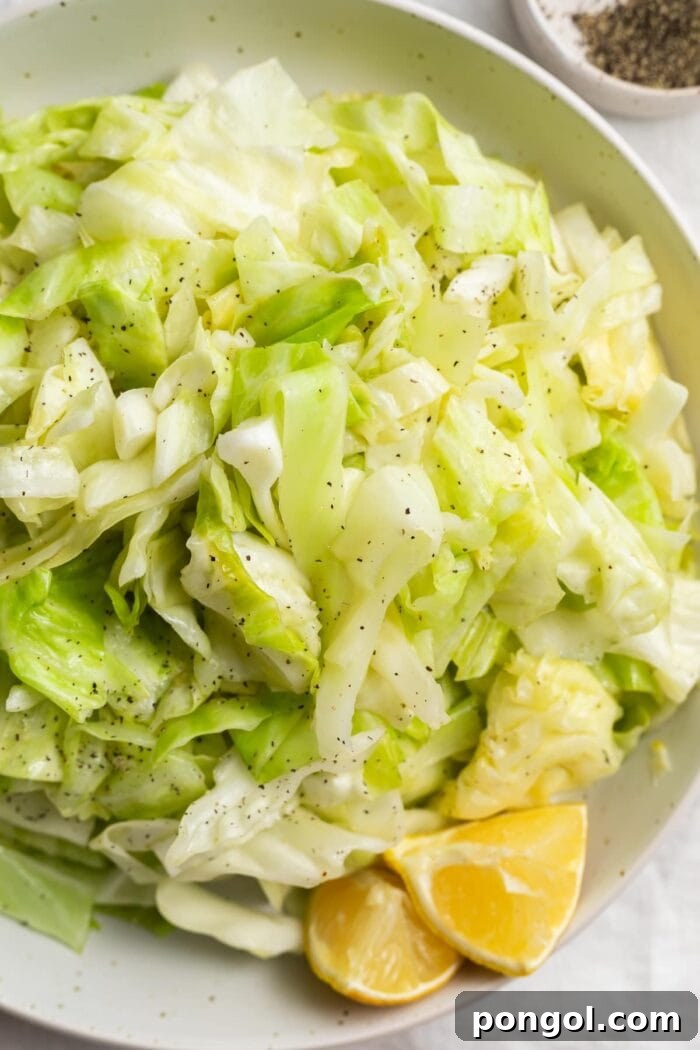
Why You’ll Love This Simple Sautéed Cabbage Recipe
This isn’t just another side dish; it’s a culinary revelation that combines simplicity with incredible taste and health benefits. Here’s a closer look at what makes this sautéed cabbage recipe an absolute winner in any kitchen:
- Minimal Ingredients, Maximum Flavor: You only need five core ingredients – fresh green cabbage, olive oil, salt, pepper, and an optional squeeze of lemon juice. Chances are, these staples are already in your pantry and fridge, making this recipe an ideal last-minute addition to your meal plan. The magic lies in how these simple ingredients harmonize to create a dish bursting with natural goodness.
- Incredibly Healthy and Diet-Friendly: Green cabbage is a nutritional powerhouse, boasting a low-calorie count while being rich in essential vitamins (like C and K), minerals, and dietary fiber. It’s naturally gluten-free, dairy-free, and suitable for a wide range of dietary preferences including vegan, vegetarian, keto, paleo, and Whole30. This makes it a perfect choice for anyone looking to incorporate more wholesome vegetables into their diet without compromising on taste.
- Lightning-Fast Preparation: From start to finish, this dish is on your table in just about 10 minutes! The brief cooking time not only preserves the cabbage’s nutrients but also ensures a delightful tender-crisp texture that’s far from mushy. It’s the ultimate solution for busy weeknights when you need a quick, nutritious side without a lot of fuss.
- Effortless Cooking: The process itself requires minimal effort. A bit of chopping, a quick toss in a hot skillet, and a dash of seasoning are all it takes. This low-maintenance approach means less time hovering over the stove and more time enjoying your meal.
- Budget-Friendly: Cabbage is an incredibly economical vegetable, making this recipe a fantastic choice for those looking to eat well without breaking the bank. It offers excellent value and versatility.
Essential Ingredients for Perfect Sautéed Cabbage
While the ingredient list is short, each component plays a crucial role in achieving the optimal flavor and texture for this dish. Understanding each one helps you make the most of this simple recipe.
Green Cabbage: The Star of the Show
For this sautéed recipe, a small to medium head of fresh green cabbage is ideal. When selecting cabbage, look for a head that feels heavy for its size, with tightly packed leaves and a vibrant green color. Avoid any heads with significant bruising, wilting, or discolored spots. The fresher the cabbage, the better the texture and flavor of your finished dish.
Preparation is Key: Begin by giving your cabbage a thorough rinse under cold running water. Remove any outer leaves that appear tough or damaged. Next, you’ll need to thinly slice or shred the cabbage. There are several effective methods:
- With a Chef’s Knife: Halve the cabbage, remove the core, then lay each half flat and slice into thin ribbons.
- Using a Mandoline Slicer: For consistently thin shreds, a mandoline is a fantastic tool (exercise caution and use a guard!).
- Food Processor: Some food processors come with a shredding disc that can make quick work of a head of cabbage.
After shredding, give the cabbage one final quick rinse and then pat it dry thoroughly. Excess moisture can steam the cabbage instead of sautéing it, preventing that desired tender-crisp texture. Lay it out on a clean kitchen towel or paper towels for a few minutes to air dry.
Olive Oil: The Flavorful Fat
Extra virgin olive oil is preferred for its robust flavor and healthy monounsaturated fats. It helps to conduct heat evenly, ensuring the cabbage cooks beautifully while also adding a subtle richness. If you’re looking for an even richer flavor, you can swap one tablespoon of olive oil for one tablespoon of butter, or use a combination of both.
Salt & Black Pepper: The Essential Seasonings
A good quality salt and freshly ground black pepper are fundamental to enhancing the natural sweetness of the cabbage. These basic seasonings amplify the overall taste without overpowering it. Feel free to adjust the amounts to your personal preference. A general guideline is to start with a teaspoon of salt and half a teaspoon of pepper for a balanced profile, then taste and add more if needed.
Lemon Juice: The Brightening Touch (Optional but Recommended)
While optional, a fresh squeeze of lemon juice added at the end is a game-changer. Its bright, citrusy acidity provides a tangy contrast that elevates the dish and prevents it from tasting flat. The acid also helps to tenderize the cabbage slightly, contributing to a more pleasant texture. If you don’t have fresh lemons on hand, lime juice or even a touch of apple cider vinegar can serve as suitable alternatives, offering a similar tangy bite.
Optional Flavor Boosters and Variations
While delicious on its own, sautéed cabbage is incredibly versatile and welcomes additional flavors. Here are a few ideas to customize your dish:
- Garlic and Onion: Sauté minced garlic or thinly sliced onions (or both) in the olive oil for a minute or two before adding the cabbage for an aromatic base.
- Spicy Kick: A pinch of red pepper flakes added with the salt and pepper will give your cabbage a pleasant heat. For more intense spice, a dash of sriracha or hot sauce stirred in at the end works wonderfully.
- Herbs: Fresh dill, parsley, or thyme can add an extra layer of freshness. Stir them in during the last minute of cooking or sprinkle them over the finished dish.
- Savory Depth: A splash of soy sauce or tamari can lend an umami richness, especially if you’re leaning towards an Asian-inspired flavor profile.
- Smoky Notes: Crispy bacon bits or diced pancetta fried before the cabbage can add incredible depth and texture. Cook the bacon, remove it, then use a little of the rendered fat to sauté the cabbage.
- Caraway Seeds: For a more traditional German-inspired flavor, a teaspoon of caraway seeds pairs wonderfully with cabbage.
- Sweet & Sour: A tiny splash of balsamic vinegar or a pinch of sugar can balance the tartness of the lemon juice or apple cider vinegar, creating a classic sweet and sour profile.
Chef’s Expert Tips for Sautéed Cabbage Success
Achieving perfectly tender-crisp sautéed cabbage is an art, but these tips will guide you to culinary success every time:
- Embrace the Wilt: Don’t be alarmed by the sheer volume of shredded cabbage you start with. It may seem like a mountain in your skillet, but trust the process – it will cook down significantly. As the cabbage heats, it releases moisture and wilts, reducing to nearly half its initial size. Keep tossing it frequently to ensure even cooking and prevent burning. A sturdy pair of tongs is my preferred tool for this task, allowing for easy grabbing and turning of the cabbage.
- Season to Your Taste: The recommended one teaspoon of salt and half a teaspoon of pepper are excellent starting points to highlight the cabbage’s natural deliciousness without overpowering it. However, seasoning is a personal journey. Always taste your food as you go! Feel free to add an extra pinch of salt, more pepper, or even experiment with other spices like garlic powder, onion powder, or a dash of paprika to suit your palate.
- Mastering the Doneness: The ideal sautéed cabbage is tender but still retains a slight bite – a delightful tender-crisp texture. Overcooking can lead to mushy, sulfurous-smelling cabbage. Keep a close eye on it; typically, 5-8 minutes is sufficient. You’ll know it’s ready when the leaves are softened and slightly translucent, with some edges perhaps taking on a light golden hue, but without becoming brown or limp.
- Versatile Serving Options: This simple side dish is incredibly adaptable. While it shines brightly alongside seared pork chops, roasted chicken, or grilled fish, its uses extend far beyond. Toss it into salads for added crunch and nutrition, fold it into egg scrambles or frittatas for a hearty breakfast, or even use it as a base for grain bowls. Its mild flavor makes it a perfect complement to a wide array of main courses.
- High Heat, Quick Cook: Ensure your skillet is hot before adding the cabbage. High heat helps to caramelize the cabbage slightly and cook it quickly, preventing it from stewing. However, don’t let the heat get so high that it burns; medium-high is usually the sweet spot.
- Don’t Overcrowd the Pan: If you’re cooking a very large head of cabbage, you might need to cook it in batches. Overcrowding the pan lowers the temperature and steams the cabbage instead of sautéing it, preventing those delicious crispy edges.
Storage and Reheating Instructions
Sautéed cabbage is best enjoyed fresh, but leftovers can be stored and reheated, making it an excellent option for meal prep. Properly stored, it maintains its quality for a few days.
- Refrigeration: Allow the sautéed cabbage to cool completely before transferring it to an airtight container. Store it in the refrigerator for up to 3-4 days.
- Freezing: While technically possible, freezing sautéed cabbage is generally not recommended as it can significantly alter the texture, making it much softer and potentially watery upon thawing. If you must freeze, place cooled cabbage in a freezer-safe bag or container, removing as much air as possible. It can be frozen for up to 1-2 months. Thaw overnight in the refrigerator before reheating.
- Reheating:
- Skillet Method (Recommended): For best results, reheat the cabbage in a skillet over medium heat with a tiny bit of olive oil or butter until warmed through. This helps to restore some of its original texture.
- Microwave Method: Place the cabbage in a microwave-safe dish and heat in 30-second intervals, stirring in between, until hot. Be careful not to overheat, as this can make it mushy.
Frequently Asked Questions (FAQs) About Sautéed Cabbage
Here are answers to some common questions about making delicious sautéed cabbage:
- What kind of cabbage is best for sautéing?
Green cabbage is the most common and recommended type for this recipe due to its mild flavor and firm texture that holds up well to sautéing. Savoy cabbage can also be used for a slightly softer texture and milder flavor, while red cabbage works if you don’t mind a slightly bolder taste and vibrant purple color (though it might bleed color into other ingredients). Avoid very dense, tough cabbage like Nappa cabbage for this preparation, as it’s better suited for stir-fries or soups.
- How do I prevent my sautéed cabbage from getting mushy?
The key is high heat and proper technique. Ensure your skillet is hot and don’t overcrowd the pan. Sauté quickly, tossing frequently, for only 5-8 minutes until tender-crisp. Overcooking and steaming (due to low heat or too much cabbage) are the main culprits for mushy cabbage. Also, make sure to dry your cabbage thoroughly after washing to prevent excess moisture from steaming it.
- Can I use frozen cabbage for this recipe?
While you can use frozen cabbage, the texture will be significantly softer and more watery than fresh cabbage. If using frozen, thaw it completely and drain any excess liquid before adding it to the skillet. You may need to cook it for a shorter amount of time.
- Is sautéed cabbage healthy?
Absolutely! Green cabbage is very low in calories and packed with nutrients, including Vitamin C, Vitamin K, and dietary fiber. Sautéing it in olive oil adds healthy fats, making it a nutritious and delicious addition to almost any meal. It’s a great option for supporting digestion, boosting immunity, and promoting overall well-being.
- How can I add more flavor to my sautéed cabbage?
Beyond the basic salt, pepper, and lemon juice, there are many ways to enhance the flavor. Consider adding minced garlic or onions, a pinch of red pepper flakes for heat, fresh herbs like dill or parsley, a splash of soy sauce, or even crispy bacon bits. Experiment with different spices like caraway seeds, paprika, or a touch of cumin to create unique flavor profiles.
- Can I prepare the cabbage ahead of time?
Yes, you can wash and thinly slice your green cabbage up to a day in advance. Store the shredded cabbage in an airtight container or a sealed bag in the refrigerator. This cuts down on prep time when you’re ready to cook.
Recipe: Simple Sautéed Cabbage
This sautéed cabbage is perfectly tender and crisp! Lightly seasoned with a handful of ingredients you already have on hand, this simple side dish comes together in just 10 minutes, making it a perfect addition to any meal.
Sam Guarnieri
Simple Sautéed Cabbage
3 minutes
7 minutes
10 minutes
This sautéed cabbage is perfectly tender and crisp! Lightly seasoned with a handful of ingredients you already have on-hand. Toss together this simple side dish in just 10 minutes!
6
Equipment
- Large skillet
Ingredients
- 2 tablespoons olive oil (see Notes for variation)
- 1 head green cabbage, thinly sliced
- 1 teaspoon salt
- ½ teaspoon black pepper
- 1 tablespoon lemon juice (optional)
Instructions
- Heat olive oil in a large skillet over medium heat. Once hot, add in the thinly sliced cabbage, salt, and black pepper. Sauté, tossing frequently, until the cabbage is tender-crisp, about 5-8 minutes.
- Remove the cabbage from heat and stir in the lemon juice, if using. Serve immediately for best flavor and texture.
Notes
- Olive Oil: For a richer, buttery sautéed cabbage, use one tablespoon of butter combined with one tablespoon of olive oil in this recipe.
Recipe yields approximately 6 servings. Actual number of servings will depend on your preferred portion sizes.
Nutritional values shown are general guidelines and reflect information for 1 serving. Actual macros may vary slightly depending on specific brands and types of ingredients used.
To determine the weight of one serving, prepare the recipe as instructed. Weigh the finished recipe, then divide the weight of the finished recipe (not including the weight of the container the food is in) by 6. The result will be the weight of one serving.
Approximate Nutrition Information for One Serving
- Serving Size: 1 serving
- Calories: 80 cal
- Protein: 2 g
- Fat: 5 g
- Saturated Fat: 1 g
- Sodium: 415 mg
- Potassium: 262 mg
- Total Carbs: 9 g
- Fiber: 4 g
- Sugar: 5 g
- Net Carbs: 5 g
- Vitamin A: 149 IU
- Vitamin C: 56 mg
- Calcium: 62 mg
- Iron: 1 mg
Nutrition Disclaimers
Number of total servings shown is approximate. Actual number of servings will depend on your preferred portion sizes.
Nutritional values shown are general guidelines and reflect information for 1 serving using the ingredients listed, not including any optional ingredients. Actual macros may vary slightly depending on specific brands and types of ingredients used.
To determine the weight of one serving, prepare the recipe as instructed. Weigh the finished recipe, then divide the weight of the finished recipe (not including the weight of the container the food is in) by the desired number of servings. The result will be the weight of one serving.
Other Quick and Easy Vegetable Recipes to Explore
If you loved this simple sautéed cabbage, you might also enjoy these other fast and flavorful vegetable dishes that are perfect for any meal:
- Green Beans with Bacon: A classic combination that’s always a crowd-pleaser.
- Asparagus Salad: Light, refreshing, and packed with spring flavors.
- Roasted Potatoes and Carrots: A hearty and comforting duo, perfectly seasoned.
- Sautéed Zucchini: Another quick-cooking favorite that’s versatile and delicious.
- Cherry Tomato Salad: Bright, fresh, and bursting with Mediterranean flavors.
Conclusion: A Simple Side Dish That Delivers
This sautéed cabbage recipe stands as a testament to the power of simplicity in cooking. It proves that you don’t need a lengthy ingredient list or complex techniques to create a side dish that is both incredibly delicious and exceptionally healthy. Whether you’re a seasoned chef or a kitchen novice, this recipe offers a foolproof way to enjoy a vibrant vegetable that complements almost any main course.
From its speedy 10-minute prep and cook time to its impressive nutritional profile, this easy sautéed cabbage is designed to make healthy eating accessible and enjoyable. So, next time you’re looking for a quick and satisfying vegetable side, reach for a head of green cabbage and let this recipe guide you to a delightful culinary experience. It’s a versatile, budget-friendly, and universally appealing dish that deserves a permanent spot in your recipe rotation.