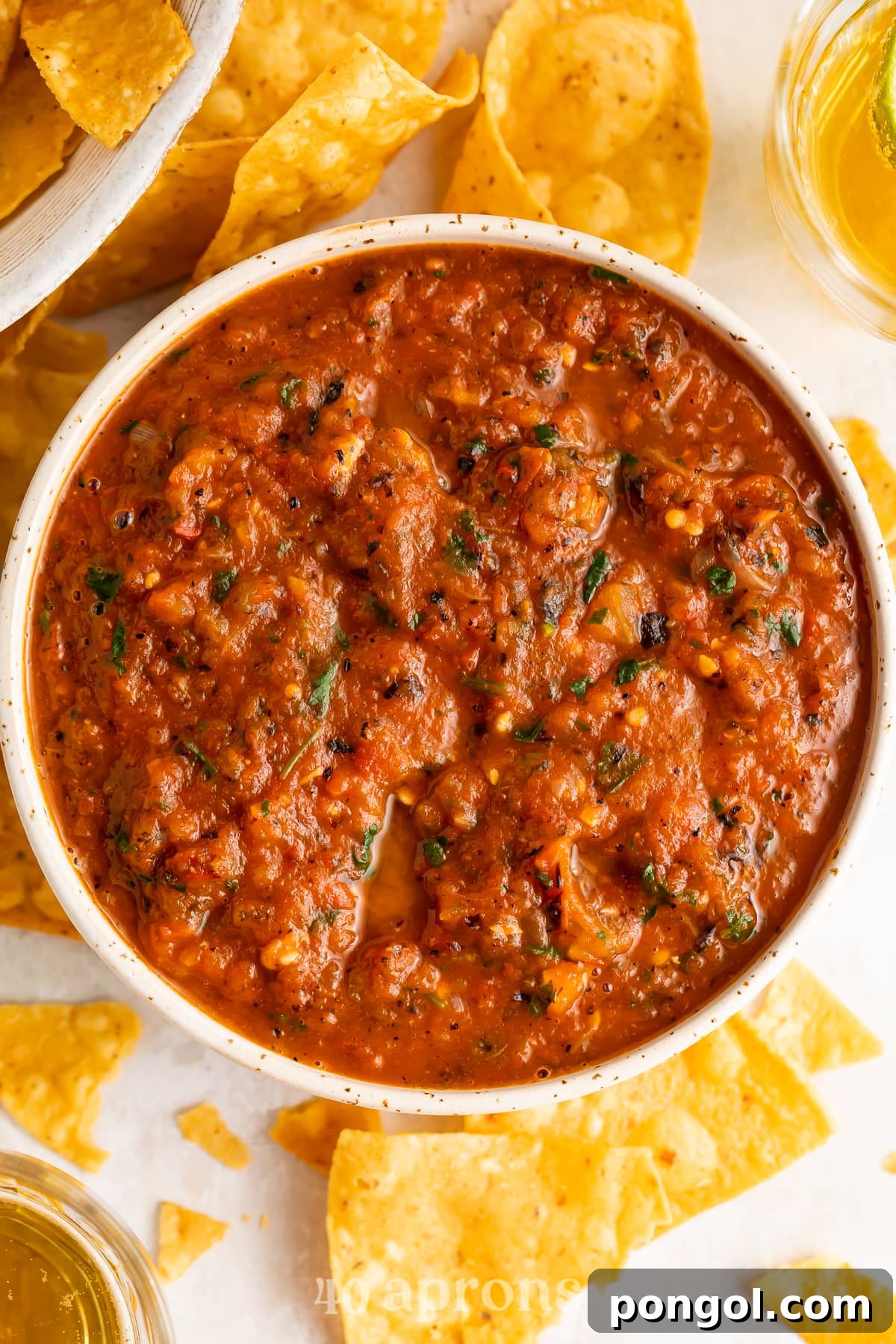
Transform your ordinary salsa into an extraordinary culinary experience with this incredibly flavorful roasted salsa recipe. Roasting fresh ingredients unlocks a depth of rich, smoky flavor that simply can’t be achieved otherwise. This homemade roasted salsa is remarkably easy to prepare and an absolute must-have in your kitchen. Its vibrant taste elevates everything it touches, from classic tortilla chips and hearty tacos to savory chilaquiles, comforting huevos rancheros, and countless other Mexican-inspired dishes. Get ready to discover your new favorite salsa!
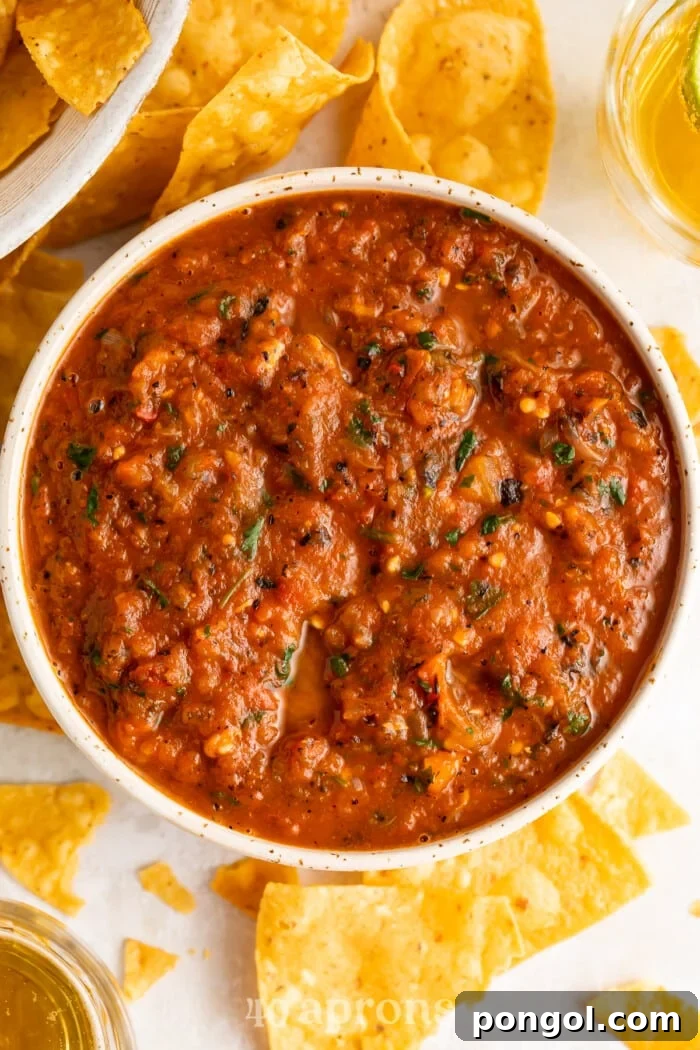
Why This Roasted Salsa Recipe is a Game-Changer
There’s a reason why this roasted salsa consistently earns rave reviews and becomes a staple in so many homes. It takes the familiar, zesty profile of fresh salsa and infuses it with an unparalleled complexity that will tantalize your taste buds.
- **Unmatched Flavor Depth:** What truly sets this recipe apart is the roasting process. Unlike raw salsa, where flavors are bright and sharp, roasting the vegetables caramelizes their natural sugars and chars their skins, imparting a deep, rich, and wonderfully smoky essence. This transformation elevates simple ingredients into a gourmet condiment. It’s a culinary game-changer that introduces layers of savory goodness you never knew salsa could possess.
- **Incredibly Versatile for Any Meal:** This isn’t just a dip; it’s a flavor enhancer for a multitude of dishes. Its robust character makes it a perfect companion for:
- **Tacos:** Whether it’s Shredded Chicken Tacos or Crispy Cheesy Refried Bean Tacos, a dollop of this roasted salsa adds an authentic, smoky kick.
- **Nachos & Dips:** Use it generously on Bell Pepper Nachos or alongside creamy Creamy Queso Blanco for an irresistible appetizer spread.
- **Main Dishes:** Incorporate it into recipes like Easy Cheesy Salsa Chicken for an instant flavor boost, or serve it with Bean and Cheese Taquitos.
- **Breakfast & Brunch:** A must-have for classic Mexican breakfast dishes like chilaquiles and huevos rancheros, adding a vibrant, smoky contrast to eggs and tortillas.
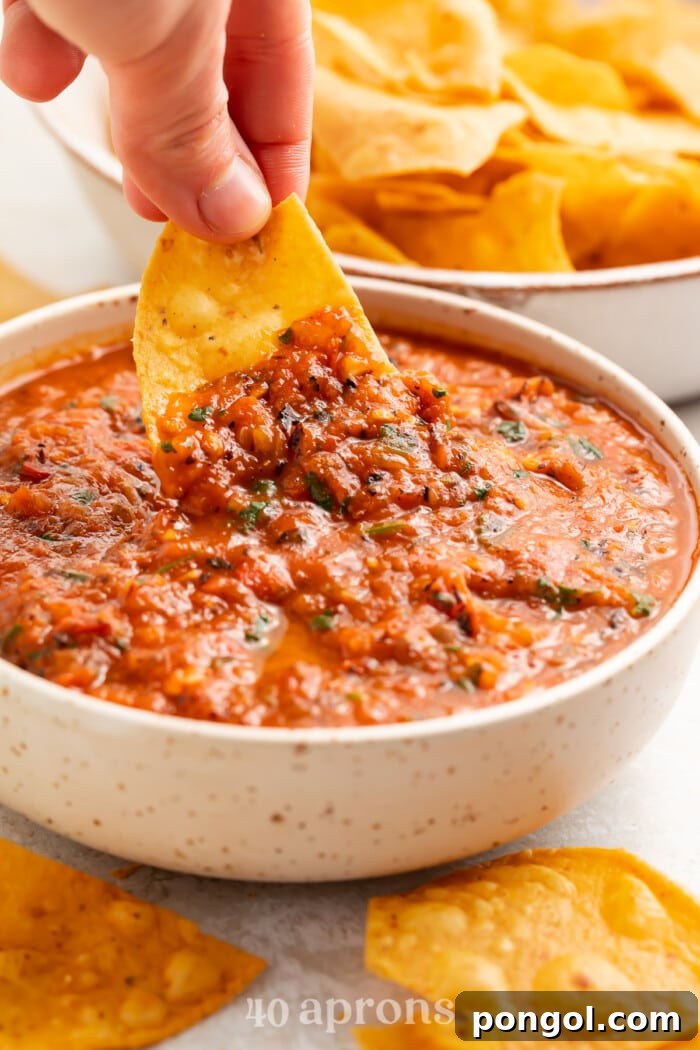
- **Simple Snacking:** Of course, it’s sensational with just a basket of crispy air fryer tortilla chips, transforming a simple snack into an indulgent treat.
- **Ideal for Meal Prep & Entertaining:** If you’re hosting a party, a friends’ night, or simply want to have delicious, homemade flavor on hand, this roasted salsa is an excellent make-ahead option. It can be prepared up to two days in advance, allowing the flavors to meld beautifully. Serve it chilled or at room temperature, perhaps alongside a refreshing pitcher of cucumber margaritas, for an effortless and impressive spread.
The Art of Roasting: Unlocking Deep Flavor
The secret to this salsa’s incredible depth lies in the roasting process. When tomatoes, onions, jalapeños, and garlic are exposed to high heat under a broiler, something magical happens. The vegetables undergo the Maillard reaction, a chemical process that creates hundreds of new flavor compounds, leading to a richer, more complex taste profile. The natural sugars caramelize, giving the ingredients a subtle sweetness, while the skins char and blister, infusing the entire mixture with a characteristic smoky essence that is both comforting and exciting.
This method doesn’t just add a smoky note; it transforms the texture of the vegetables, softening them and concentrating their essences. The result is a salsa that is far more nuanced and satisfying than one made with raw ingredients. It moves beyond just fresh and bright, offering a warmth and sophistication that will make you rethink everything you thought you knew about salsa.
Expert Tips for Crafting Your Perfect Roasted Salsa
Achieving the perfect roasted salsa is simple with a few expert insights. These tips will help you customize the heat level, maximize that coveted smoky flavor, and ensure a beautifully consistent texture every time.
- **Mastering the Heat Level:** The spiciness of your roasted salsa is entirely in your hands, primarily depending on how many seeds you choose to leave in the jalapeños.
- **For a Mild Salsa:** For a gentle warmth that everyone can enjoy, meticulously remove all the seeds and white membranes from both jalapeños. These parts contain the majority of the capsaicin, the compound responsible for the heat.
- **For a Medium Heat Level:** If you prefer a noticeable but not overwhelming kick, remove the seeds from one jalapeño entirely, but leave the seeds in the second jalapeño. This provides a balanced heat that complements the smoky flavors without overpowering them.
- **For a Really Hot Salsa:** For those who crave a fiery experience, leave all the seeds and membranes in both jalapeños. Handle them with care, wearing gloves if necessary, as the oils can irritate your skin.
- **Experiment Further:** If you want to go even hotter, consider adding a serrano pepper or a pinch of cayenne pepper to the food processor. For a milder approach, you can swap one of the jalapeños for a less spicy pepper like a poblano.
- **Maximizing the Smoky Flavor:** The hallmark of this salsa is its deep smokiness, which comes directly from the blackened skins of the roasted vegetables. Do not rush this step!
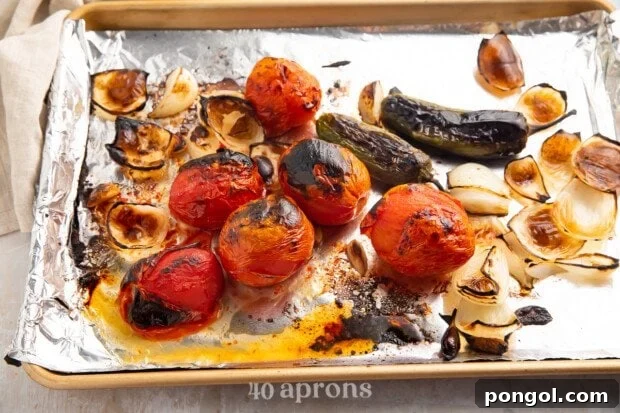
- **Embrace the Char:** The darker the skins of your tomatoes, onions, and jalapeños, the more intense and profound the smoky flavor will be. Aim for noticeable blistering and blackening, but be careful not to burn the vegetables completely to ash. A good char is key; a burnt taste is not.
- **Broiler Power:** Your broiler is your best friend here. Position the baking sheet at the recommended distance from the heat source (usually 6 inches) and keep a close eye on the vegetables, flipping them halfway through to ensure even roasting and charring on all sides.
- **Optional Extra Smokiness:** The recipe includes an optional step to remove the onion and garlic earlier and return the tomatoes and jalapeños to the broiler for an additional 5 minutes. This is a fantastic technique to amplify the smokiness without overcooking the more delicate garlic and onion. If you have time, definitely try this for an even richer result.
- **Grilling Alternative:** For an even deeper smoky flavor, consider grilling your vegetables over an open flame until well charred. This method imparts an authentic outdoor grill flavor.
- **Achieving the Perfect Consistency:** The texture of your salsa is just as important as its flavor. Using a food processor makes this easy, but technique matters.
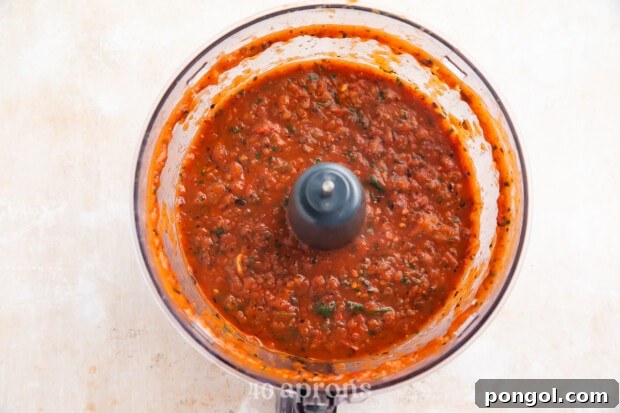
- **Pulse, Don’t Puree:** You’re aiming for a roasted *salsa*, not a roasted tomato sauce or soup. Use short, quick pulses rather than continuously running the food processor. This allows you to control the texture, achieving a chunky yet well-blended consistency.
- **Scrape Down the Sides:** Stop the food processor periodically – after every few pulses – and use a silicone spatula to scrape down the sides of the bowl. This ensures that all ingredients are evenly incorporated and processed, preventing larger chunks from being left behind and guaranteeing a uniform consistency throughout.
- **Gradual Addition:** Start with the roasted vegetables and cilantro, pulsing until they are mostly smooth. Then, add the drained diced tomatoes. The canned diced tomatoes add body and a touch of acidity that balances the richness of the roasted elements. Continue pulsing briefly until you reach your desired salsa consistency.
Ingredient Deep Dive: The Foundation of Flavor
Each ingredient in this roasted salsa plays a crucial role in building its complex and delicious flavor profile. Understanding their contributions helps you appreciate the recipe and even experiment with confidence.
- **Roma Tomatoes:** These are the workhorse of your salsa. Roma tomatoes are meatier with fewer seeds and less water content than other varieties, making them ideal for roasting. When roasted, their natural sweetness intensifies, and their skins char, contributing significantly to the smoky base. Choose firm, ripe Roma tomatoes for the best results.
- **Small Onion (Yellow or White):** Onions add a foundational savory depth and a subtle sweetness once roasted. Yellow onions are generally sweeter and milder when cooked, while white onions offer a sharper, more pungent flavor. Both work beautifully, so choose based on your preference. Quartering them allows for even roasting and charring.
- **Jalapeño Peppers:** These bring the heat and a fresh, herbaceous pepper flavor. Roasting them mellows some of their raw bite while enhancing their inherent fruitiness and adding to the overall smokiness. As discussed, adjusting the seeds controls the spice level.
- **Garlic Cloves:** Roasting transforms raw garlic’s sharp pungency into a sweet, mellow, and nutty flavor. The charred edges of the garlic cloves contribute a wonderful depth and aroma that is essential for a truly outstanding salsa.
- **Neutral Oil (Avocado, Olive, etc.):** A tablespoon of neutral oil helps the vegetables roast evenly, prevents sticking, and aids in the charring process, ensuring they develop that desirable blackened exterior. Avocado oil is a great neutral choice with a high smoke point, as is a light olive oil.
- **Cilantro Leaves:** Added fresh after roasting, cilantro provides a vibrant, herbaceous burst that brightens the rich, smoky flavors. It’s a classic pairing with Mexican dishes and truly ties the salsa together. Roughly chopping ensures it blends well but still provides fresh notes.
- **Canned Diced Tomatoes (Drained):** While the fresh Roma tomatoes are roasted, adding a can of drained diced tomatoes contributes body, a consistent texture, and a touch of tanginess. Draining them is key to preventing a watery salsa. This ingredient ensures the salsa has enough volume and a balanced tomato flavor.
- **Salt:** Essential for seasoning and bringing out all the other flavors. Add it to taste at the end, as the concentration of flavors changes during roasting and blending.
- **Lime Juice:** A final squeeze of fresh lime juice is critical for balancing the richness of the roasted ingredients. It adds brightness, acidity, and a zesty finish that makes the salsa truly pop.
More Tasty Appetizers to Complement Your Salsa
Looking to build an epic snack or party spread? These additional appetizer recipes pair perfectly with your homemade roasted salsa, offering a variety of flavors and textures that will delight any guest.
- Creamy Queso Blanco (Restaurant-Style)
- Corn Salsa
- Guacamole Dip (Restaurant Style)
- Beer Cheese Dip
- 4-Ingredient Chili Cheese Dip
- Green Tomato Salsa
Roasted Salsa
 Cheryl Malik
Equipment
-
Broiler
-
large baking sheet
-
Aluminum Foil
-
Food processor
-
airtight container or serving bowl
Ingredients
- ▢ 6 roma tomatoes approximately 1 ½ pounds
- ▢ 1 small onion yellow or white, quartered
- ▢ 2 large jalapeño peppers quartered
- ▢ 4 cloves garlic
- ▢ 1 tablespoon neutral oil of choice avocado oil, olive oil, etc.
- ▢ ½ loose cup cilantro leaves approximately half a bunch, roughly chopped
- ▢ 1 14-ounce can diced tomatoes drained
- ▢ 1 ½ teaspoons salt to taste
- ▢ juice of 1 lime approximately 2 tablespoons
Instructions
-
Preheat your broiler to high. Line a large baking sheet with aluminum foil for easy cleanup.
-
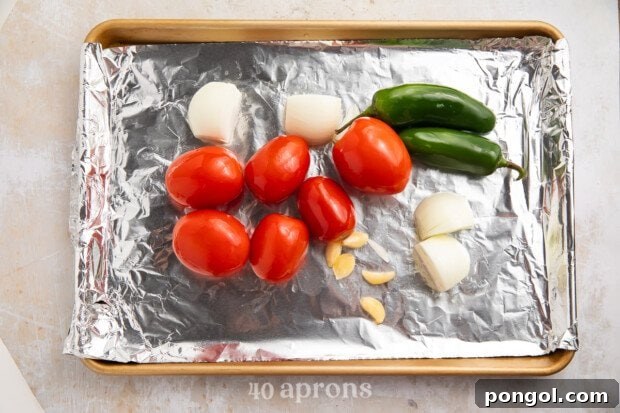
Arrange the Roma tomatoes, quartered onions, quartered jalapeños, and garlic cloves evenly on the prepared baking sheet. Drizzle your chosen neutral oil over all the vegetables and toss gently to ensure they are thoroughly coated. Spread the ingredients out into a single, even layer to ensure consistent roasting.

-
Carefully place the baking sheet about 6 inches below the preheated broiler. Broil for 15 to 20 minutes, making sure to flip the vegetables halfway through the cooking time. Continue broiling until the skins of the vegetables are thoroughly blistered and blackened, indicating deep caramelization and smoky flavor development.
-
Optional step for maximum smokiness: Once the onions and garlic are well charred, carefully transfer them to a plate and set aside. Return only the tomatoes and jalapeños to the broiler for an additional 5 minutes to deepen their smoky character even further.
-
Remove all roasted vegetables from the oven. Allow them to cool slightly. Carefully remove the stems from the jalapeños. To adjust spiciness: remove all seeds for mild salsa, remove seeds from only one jalapeño for medium heat, or leave all seeds in for a truly hot salsa.
-
Transfer the roasted Roma tomatoes, onion, jalapeños, garlic, and fresh cilantro leaves into the bowl of a food processor. Pulse in short bursts until the mixture is mostly smooth but still retains some texture. Then, add the drained diced tomatoes and continue pulsing until your desired salsa consistency is achieved – remember, you want salsa, not a puree!
-
Pour the finished salsa into a serving bowl or an airtight container. Add salt and fresh lime juice to taste, stirring well to thoroughly incorporate these final seasonings. Serve immediately for optimal freshness, or seal the airtight container and refrigerate until you are ready to enjoy. The flavors will continue to meld and deepen over time.
- The spiciness of your salsa will depend on how many seeds you leave in the jalapeños! For a mild salsa, remove all the seeds. For a medium heat level, remove the seeds from only one jalapeño. For a hot salsa, don’t remove any jalapeño seeds.
- All the smokiness comes from the blackened skins of the vegetables, so don’t skimp here. The darker the veggies, the smokier the flavor.
- Make it Whole30/Paleo: Make sure to use organic diced tomatoes that don’t have any added sugars or sugar substitutes.
Approximate Information for One Serving
Nutrition Disclaimers
Number of total servings shown is approximate. Actual number of servings will depend on your preferred portion sizes.
Nutritional values shown are general guidelines and reflect information for 1 serving using the ingredients listed, not including any optional ingredients. Actual macros may vary slightly depending on specific brands and types of ingredients used.
To determine the weight of one serving, prepare the recipe as instructed. Weigh the finished recipe, then divide the weight of the finished recipe (not including the weight of the container the food is in) by the desired number of servings. Result will be the weight of one serving.
Did You Make This Recipe?
Tag @40aprons on Instagram and be sure to leave a review on the blog post!
Tag @40Aprons on Instagram