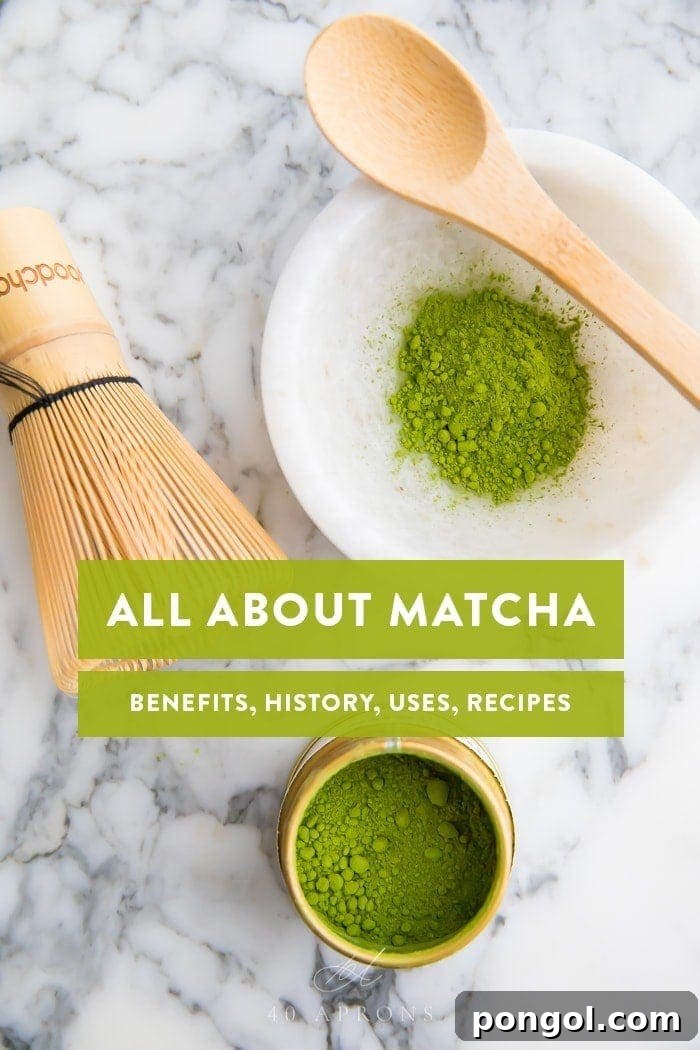
Have you recently encountered the vibrant green hue of matcha green tea powder and found yourself intrigued by its growing popularity? You’re in good company! This ancient Japanese superfood is captivating health enthusiasts and culinary explorers worldwide. Dive into the fascinating history, unique flavor profile, remarkable health benefits, and versatile ways to seamlessly integrate matcha into your healthy lifestyle.
From trendy coffee shops to upscale restaurant dessert menus, matcha has become an undeniable sensation. Its eye-catching emerald color makes it a darling of food bloggers and social media feeds, but its appeal extends far beyond aesthetics. Matcha boasts an impressive array of health-promoting properties and a distinct, complex flavor that sets it apart from traditional teas. This finely milled green powder is more than just a passing trend; it’s a centuries-old tradition revitalized for the modern world, offering a unique blend of energy, tranquility, and nourishment. Prepare to explore everything you need to know about this remarkable beverage and ingredient.
What Exactly Is Matcha Powder?
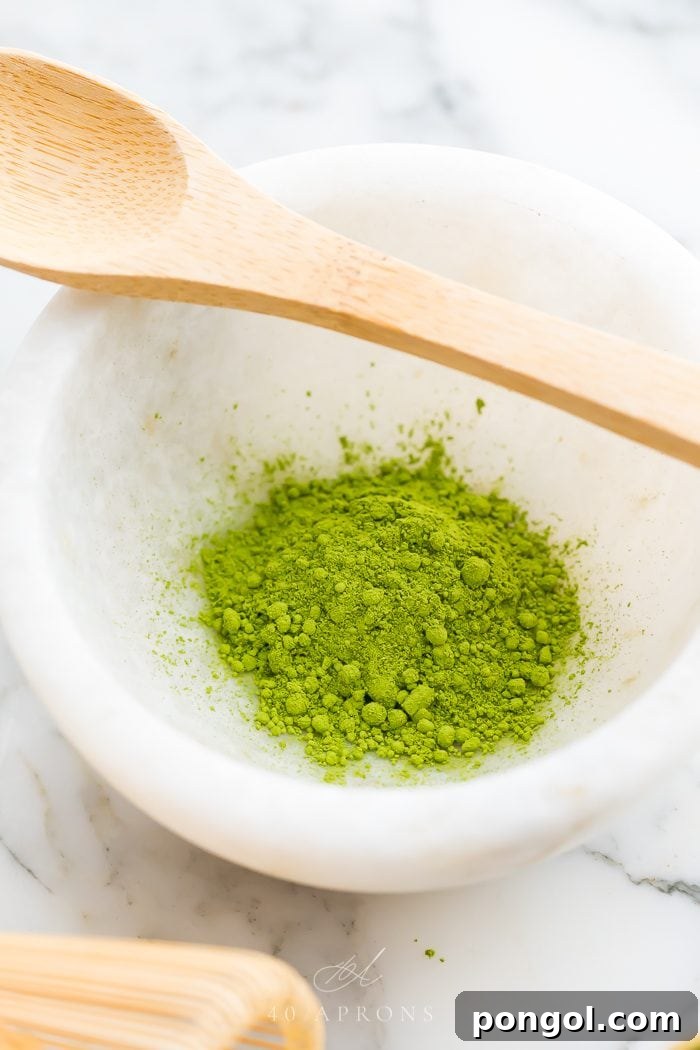
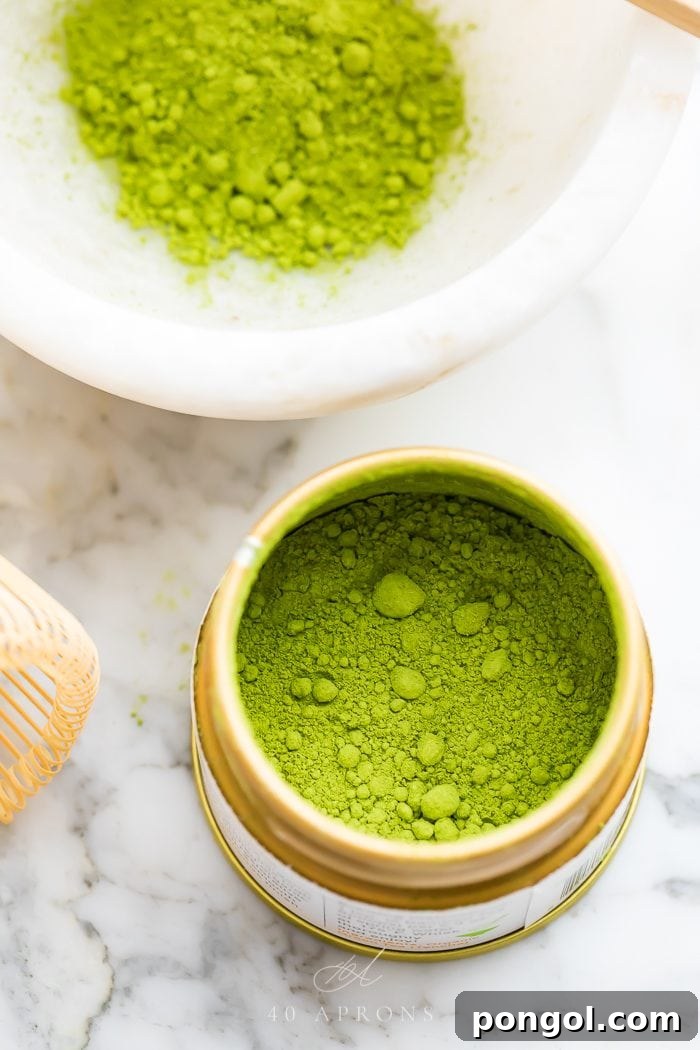
At its core, matcha powder is a finely ground powder made from specially cultivated green tea leaves. While green tea is grown globally, the highest quality matcha invariably originates from Japan, where its production has been perfected over centuries. What truly distinguishes matcha from other green teas isn’t just its form, but its meticulous cultivation process. Approximately three to four weeks before harvest, the tea bushes are carefully covered, shielding them from direct sunlight. This shading process plays a crucial role in boosting the plant’s chlorophyll levels, which is responsible for matcha’s characteristic vibrant green color and rich, umami flavor. This light deprivation also increases the production of amino acids, particularly L-Theanine, which contributes to matcha’s unique calming yet alert effect.
Once harvested, these shaded tea leaves, known as Tencha, undergo a careful steaming process to prevent oxidation, preserving their natural color and nutrients. The stems and veins are removed, leaving only the pure leaf material. This Tencha is then slowly stone-ground into an ultra-fine powder, which is what we know as matcha. The traditional stone-grinding process is slow and delicate, ensuring the tea’s delicate flavors and nutrients are preserved without generating excessive heat. Due to this elaborate, labor-intensive cultivation and processing, authentic, high-quality matcha is generally more expensive than standard loose-leaf green tea or tea bags. While most commonly enjoyed as a traditional hot tea by whisking the powder with hot water, matcha’s versatility knows no bounds, finding its way into an incredible variety of creative culinary applications, which we will explore further.
The Rich History of Matcha Green Tea Powder
The origins of matcha can be traced back to ancient China, where powdered tea was consumed as early as the Tang Dynasty (618-907 AD). It was during the Song Dynasty (960-1279 AD) that Chinese Zen Buddhists began incorporating powdered tea into their ceremonial practices, appreciating its ability to promote focus and mental clarity during meditation. This tradition of whisking powdered tea flourished in China for centuries.
However, it was the Japanese monk Myōan Eisai who is credited with bringing green tea seeds and the powdered tea preparation method to Japan in 1191 AD, after studying Zen Buddhism in China. Eisai believed that tea was “the elixir of health” and promoted its cultivation and consumption. In Japan, the tea ceremonies evolved and grew in profound popularity, becoming deeply intertwined with Zen philosophy. The meditative ritual of preparing, presenting, and sipping matcha became the cornerstone of the famous Japanese tea ceremony, known as Chadō or Sadō. This intricate practice is steeped in principles of harmony (wa), respect (kei), purity (sei), and tranquility (jaku), making it far more than just drinking tea; it’s a spiritual and aesthetic experience.
While matcha’s origins are rooted in these sacred ceremonial practices, its popularity has transcended cultural boundaries and exploded globally in recent decades. Beyond its most common use in beverages like creamy lattes, energizing smoothies, or refreshing bubble tea, modern foodies and chefs have embraced it as a versatile culinary ingredient. Its unique flavor profile and vibrant color make it an exceptional addition to baked goods like cakes and cookies, luxurious ice creams, refreshing salad dressings, and even savory dishes, adding a distinctive earthy, vegetal note to countless recipes.
What Does Matcha Taste Like?
Matcha offers a truly distinct and complex flavor profile that often surprises those accustomed to traditional steeped teas. It’s renowned for its rich, intense, and often described as “umami” taste – a savory, brothy quality that lingers on the palate. Unlike the fleeting taste of some teas, matcha leaves a pleasant, slightly sweet finish. The specific flavor can vary significantly depending on the grade of matcha. Highest-grade ceremonial matcha, when prepared correctly, should be smooth, subtly sweet, and entirely devoid of bitterness, offering a velvety mouthfeel and fresh, grassy notes.
Culinary grade matcha, on the other hand, often possesses a more robust flavor with a noticeable hint of bitterness. This bitterness, however, is not a flaw; it makes culinary matcha ideal for blending with other ingredients in recipes, where its strong character can shine through without being overpowered. If you find your matcha a bit too bitter, particularly with culinary grades or if prepared with water that’s too hot, you can easily balance the flavor by adding a touch of natural sweetener like agave nectar, honey, maple syrup, or even a splash of milk or plant-based alternative.
The Remarkable Health Benefits of Matcha
Matcha has garnered significant attention in the health and beauty sectors, and for good reason. All green teas are generally celebrated for their health-promoting properties, primarily due to their high antioxidant content. However, when you steep traditional green tea, only a fraction of these beneficial compounds are extracted into the water. With matcha, you consume the entire tea leaf, finely ground into a powder, meaning you ingest 100% of its nutrients. This makes matcha exponentially more potent and healthful than regular green tea.
Further exploring the extensive health benefits of matcha powder:
- Powerful Antioxidant Boost: Matcha is packed with powerful antioxidants, especially catechins like EGCG (epigallocatechin gallate). These compounds help combat free radicals in the body, which are responsible for cellular damage and contribute to chronic diseases and aging.
- Enhanced Metabolism and Fat Burning: Studies suggest that matcha can significantly boost metabolism and increase thermogenesis, the body’s rate of burning calories. This can lead to increased fat oxidation, making it a valuable ally for those on a weight management journey.
- Natural Detoxification: The high chlorophyll content, a result of the unique shading process, gives matcha its vibrant green color and also acts as a powerful detoxifier. Chlorophyll helps eliminate heavy metals and toxins from the body.
- Rich in Fiber: As you consume the entire leaf, matcha is a good source of dietary fiber, which aids in digestion, promotes gut health, and helps maintain stable blood sugar levels.
- Improved Mood and Focus: Matcha contains a unique amino acid called L-Theanine. This compound promotes a state of calm alertness, enhancing concentration, memory, and reaction time, without the jitters often associated with coffee. It encourages the production of alpha waves in the brain, leading to a more relaxed yet focused mental state.
- Lowers Cholesterol and Blood Sugar: Regular consumption of matcha has been linked to lower levels of LDL (bad) cholesterol and triglycerides. Its fiber content and antioxidant profile can also help regulate blood sugar levels, making it beneficial for metabolic health.
- Immune System Support: The abundance of antioxidants, vitamins (like Vitamin C and A), and minerals in matcha can strengthen the immune system, helping the body fight off infections and illnesses.
Matcha for Radiant Skin
The benefits of matcha extend beyond internal consumption, offering remarkable advantages for skin health when applied topically or used in skincare products. Matcha’s potent antioxidant and anti-inflammatory properties make it a true skin hero. Its high concentration of EGCG and other polyphenols helps combat oxidative stress from environmental aggressors, protecting skin cells from damage and promoting a youthful appearance.
Matcha’s benefits for skin include:
- Treating Inflammation: The anti-inflammatory compounds in matcha help soothe irritated skin, making it beneficial for conditions like acne, rosacea, and general redness.
- Improving the Complexion: By promoting healthy blood flow and detoxification, matcha can contribute to a clearer, more even skin tone and a natural radiance.
- Reducing Redness: Its calming properties directly address skin redness, providing relief and improving overall skin appearance.
- Offsetting Signs of Aging: The powerful antioxidants actively fight free radical damage, which is a primary cause of premature aging, helping to reduce the appearance of fine lines and wrinkles and promote collagen production.
- Treating Oily Skin: Matcha has astringent properties that can help regulate sebum production, making it effective in managing oily skin and preventing breakouts.
- Supporting All Skin Types: Its balanced properties, from soothing inflammation to boosting radiance, make matcha a beneficial ingredient for a wide range of skin concerns and types, from dry to oily, sensitive to mature.
To incorporate this “grassy glory” into your skincare routine, you can create DIY matcha face masks or explore matcha-infused skincare products designed to elevate your regimen to a truly ceremonial level. Consider these highly-rated options:
- Cocokind Organic Matcha Face Moisturizer
- Matcha Obsessed Matcha Clay Mask
- Glossier Mega Greens Galaxy Pack
- Pangea Organics Facial Mask, Japanese Matcha Tea, Acai & Goji Berry
Does Matcha Have Any Side Effects?
While matcha is generally considered safe and highly beneficial for most individuals, it’s important to consume it in moderation due to its caffeine content. Like any caffeinated beverage, overconsumption can lead to undesirable side effects, particularly if you are sensitive to caffeine. These may include headaches, insomnia, increased heart rate, heartburn, and irritability. It’s also crucial to consider how you are consuming matcha. While pure matcha tea is incredibly healthy, frequent indulgence in full-fat matcha lattes loaded with sugar or matcha-flavored desserts like cupcakes with sugary frosting can negate many of its health benefits. Focus on enjoying matcha in its purest form or with minimal, healthy additions to maximize its positive impact.
Is Matcha Good for Weight Loss?
Indeed, one of the most compelling benefits of matcha is its potential role in supporting weight loss efforts. Research indicates that consuming green tea, particularly matcha, can significantly increase thermogenesis – the body’s rate of burning calories to produce heat. This increase can range from approximately 10% to a notable 35-43% of daily energy expenditure. The active compounds in matcha, especially the catechin EGCG, are believed to stimulate fat oxidation and boost metabolic rate, helping the body burn more calories even at rest.
If your goal is to gently support weight loss through matcha consumption, it is advisable to opt for caffeinated varieties. The decaffeination process, unfortunately, can significantly reduce the concentration of beneficial flavanols and antioxidants like EGCG, which are key contributors to matcha’s metabolism-boosting properties. By choosing regular matcha, you ensure you’re getting the full spectrum of compounds that can assist your body in its natural calorie-burning processes. Remember, however, that matcha is a supportive tool, not a magic solution; it works best when integrated into a balanced diet and regular exercise routine.
How Much Caffeine Is in Matcha Powder?
As a form of green tea, matcha naturally contains caffeine. However, because it is made from the entire crushed tea leaf, it generally has a higher caffeine content per serving compared to traditional bagged green tea. A typical serving of matcha (approximately 1 gram or half a teaspoon) contains around 34 mg of caffeine. This is roughly half the amount found in a shot of espresso coffee or comparable to a standard brewed cup of green tea. What makes matcha’s caffeine experience unique, however, is the presence of L-Theanine. This amino acid works synergistically with caffeine to provide a sustained, focused energy boost that is often described as more energizing and longer-lasting than coffee, without the common side effects.
Unlike the sudden rush and subsequent crash that coffee can sometimes induce, matcha’s caffeine release is modulated by L-Theanine, promoting alpha brain wave activity. This results in a state of calm alertness, enhanced mood, and improved concentration. Many matcha drinkers report feeling clear-headed, energized, and focused yet remarkably calm after consumption, entirely free from the jitters, anxiety, or hyperactivity that coffee can sometimes trigger. This unique energetic profile makes matcha the perfect drink to sip on while studying, working on intricate tasks, or anytime you need sustained mental clarity and gentle energy without the typical caffeine roller coaster.
Is It Okay to Drink Matcha Every Day?
Yes, it is perfectly fine, and even encouraged, to drink matcha every day as part of a healthy routine. Many people integrate matcha into their daily lives, often as a healthier alternative to morning coffee or as an afternoon pick-me-up. However, as with any caffeinated beverage, it’s important not to overdo it, especially if you are particularly sensitive to caffeine. A typical recommendation is 1-3 cups per day, depending on individual tolerance and overall caffeine intake from other sources.
If you’re accustomed to a daily morning coffee, consider swapping it for a cup of matcha tea. You’ll still receive a satisfying energy boost, but with the added benefits of sustained focus, enhanced calm, and a powerful dose of antioxidants that coffee simply can’t match. This simple switch can significantly enhance your overall well-being and introduce a valuable superfood into your daily regimen.
How Is Matcha Prepared? Understanding Grades and Techniques
The world of matcha preparation begins with understanding its different grades, which largely dictate its ideal use. The primary grades are:
- Ceremonial Grade Matcha: This is the highest quality matcha available, distinguished by its vibrant green color, incredibly fine texture, delicate sweetness, and absence of bitterness. It is specifically cultivated and processed for traditional matcha tea ceremonies and is best reserved for drinking on its own, either as Usucha (thin tea) or Koicha (thick tea), where its nuanced flavors can be fully appreciated. Think of it as a premium ingredient; just as you wouldn’t use a $50 bottle of wine for a stew, ceremonial grade matcha’s superior quality would be lost in complex recipes.
- Culinary Grade Matcha: While still high quality, culinary grade matcha is typically more robust in flavor and may have a slightly less vibrant color and coarser texture than ceremonial grade. It’s designed to hold its own against other ingredients, making it perfect for baking, cooking, and mixing into lattes or smoothies. Its stronger flavor and often slight bitterness are ideal for adding that distinctive matcha taste without being overpowered.
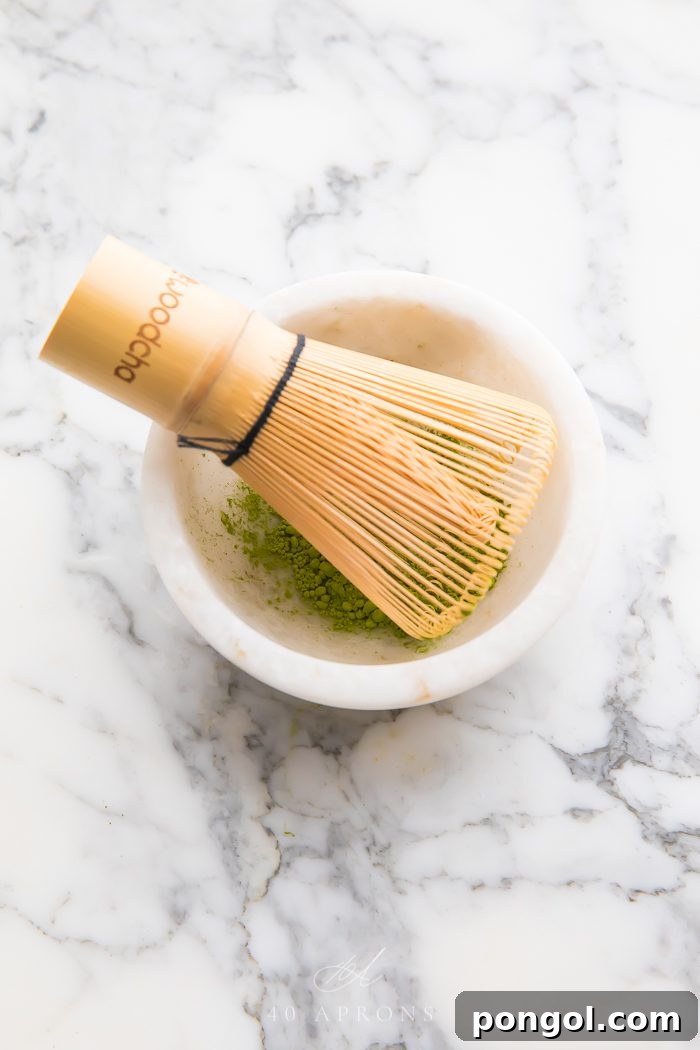
For making traditional matcha, you’ll want to use a bamboo whisk (chasen) and a matcha bowl (chawan). Sift about 1-2 scoops (using a bamboo scoop, chashaku) of ceremonial matcha into your bowl. Add about 2-3 ounces of hot water (ideally around 175°F/80°C, not boiling, to prevent bitterness). Whisk rapidly in a “W” or “M” motion until a smooth, frothy layer appears on the surface. For culinary uses, simply blend the powder into your recipes. Explore delightful culinary creations such as my Matcha Granola with Blueberries, refreshing Matcha Popsicles, and many more innovative dishes that harness its unique flavor.
Where to Buy High-Quality Matcha
Years ago, sourcing authentic, high-quality matcha locally could be quite a challenge, often requiring a visit to specialty Asian markets. Today, however, matcha’s widespread popularity means it’s much easier to find at most well-stocked grocery stores and health food markets. Despite its increased availability, I still often prefer to purchase my matcha online. Buying online offers better control over key factors like organic certifications, specific grades (ceremonial vs. culinary), and detailed product information, ensuring you get exactly what you’re looking for.
When shopping for matcha, look for brands that specify the origin (ideally Japan), the grade, and any organic certifications. Some excellent options for different needs include:
- Organic Ceremonial Grade Matcha for drinking pure.
- Organic Culinary Grade Matcha for all your baking and blending needs.
I am particularly fond of the Thrive Market brand, which consistently delivers exceptional value for money. They offer high-quality organic matcha powder in both ceremonial and culinary grades. If you’re already a Thrive Market member, I highly recommend adding their matcha to your next order! If you’re not yet a member, consider signing up for a free 30-day trial membership and receive 25% off your first order by using my special link here. This allows you to take full advantage of their awesome prices on organic matcha, including:
- Thrive Market Organic Ceremonial Matcha Tea
- Thrive Market Organic Culinary Matcha Tea
For those who plan to make matcha tea or lattes with any regularity, I strongly recommend investing in a traditional bamboo whisk (chasen), a bamboo scoop (chashaku), and a tea spoon set. These tools are surprisingly affordable and make a significant difference in the preparation process. The bamboo whisk, in particular, excels at smoothly incorporating hot water into your matcha powder, creating that desired frothy, lump-free texture far more effectively than any metal whisk ever could. Elevate your matcha experience with this essential Bamboo Matcha Tea Set.
Delicious Matcha Beverages to Enjoy
Matcha’s versatility truly shines in beverages. Whether you prefer it hot or cold, simple or creamy, there’s a matcha drink for every preference.
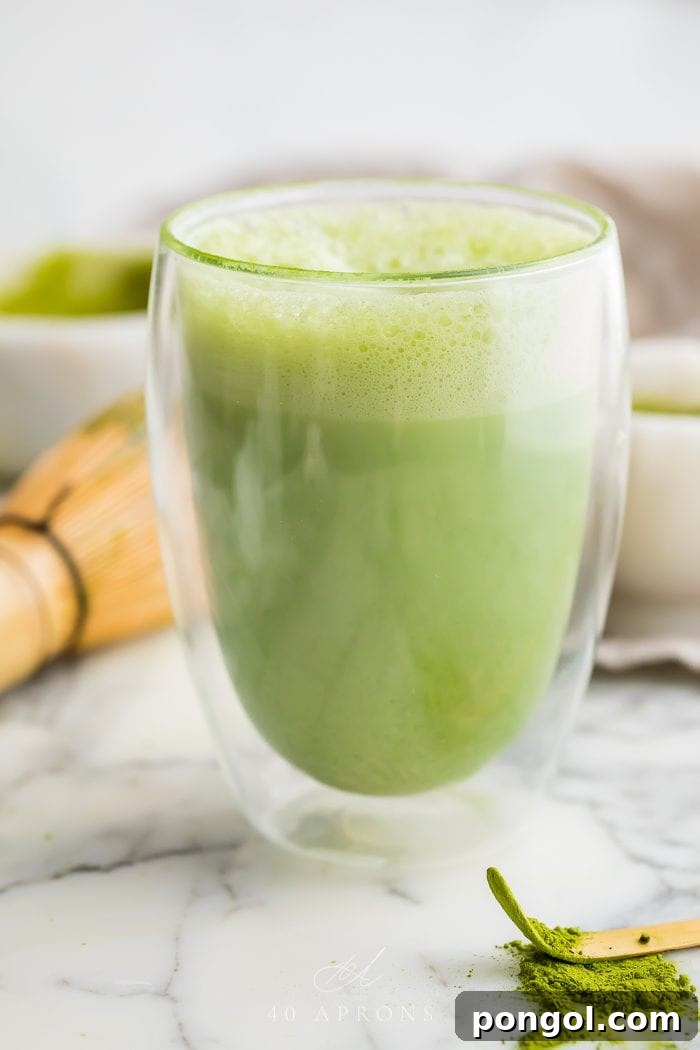
- The Classic Matcha Latte: A perennial favorite, a matcha latte is delightfully simple to make. Begin by whisking your matcha powder with a small amount of hot water to create a smooth, concentrated paste. Then, add frothed milk (dairy or plant-based) and a touch of your preferred sweetener, such as honey, maple syrup, or stevia, to taste. The result is a creamy, comforting, and energizing drink.
- Traditional Ceremonial Matcha Tea: For a purer experience, prepare a simple ceremonial tea. Whisk 1-2 scoops of ceremonial grade matcha directly into 2-3 ounces of hot (not boiling) water until a vibrant green froth forms on top. This allows the delicate, complex flavors of the matcha to take center stage.
- Refreshing Iced Matcha Latte: When the weather calls for something cool, an iced matcha latte is the perfect choice. Prepare your matcha as usual by whisking it with hot water, then allow it to cool slightly. Fill a glass with ice, pour in your cooled matcha, and top with cold milk and sweetener. It’s incredibly refreshing and a far superior, healthier option compared to many store-bought iced teas or coffees.
Explore These Delicious Matcha Recipes!
Matcha isn’t just for drinking; its unique flavor profile makes it an incredible ingredient for a wide range of culinary creations, adding depth, a subtle earthiness, and a beautiful green hue. Get inspired and bring the power of matcha into your kitchen with these fantastic recipes:
- Matcha Latte
- Matcha Raspberry Smores
- Matcha Marshmallows
- Matcha Granola with Blueberries
- Matcha Mojito
- Matcha Ice Cream
- Matcha Cake with White Chocolate Frosting by Couple Eats Food
Embrace the vibrant world of matcha and discover its incredible versatility, from a calming ceremonial tea to an invigorating latte or a unique ingredient in your next culinary adventure. Enjoy the journey into this Japanese superfood!