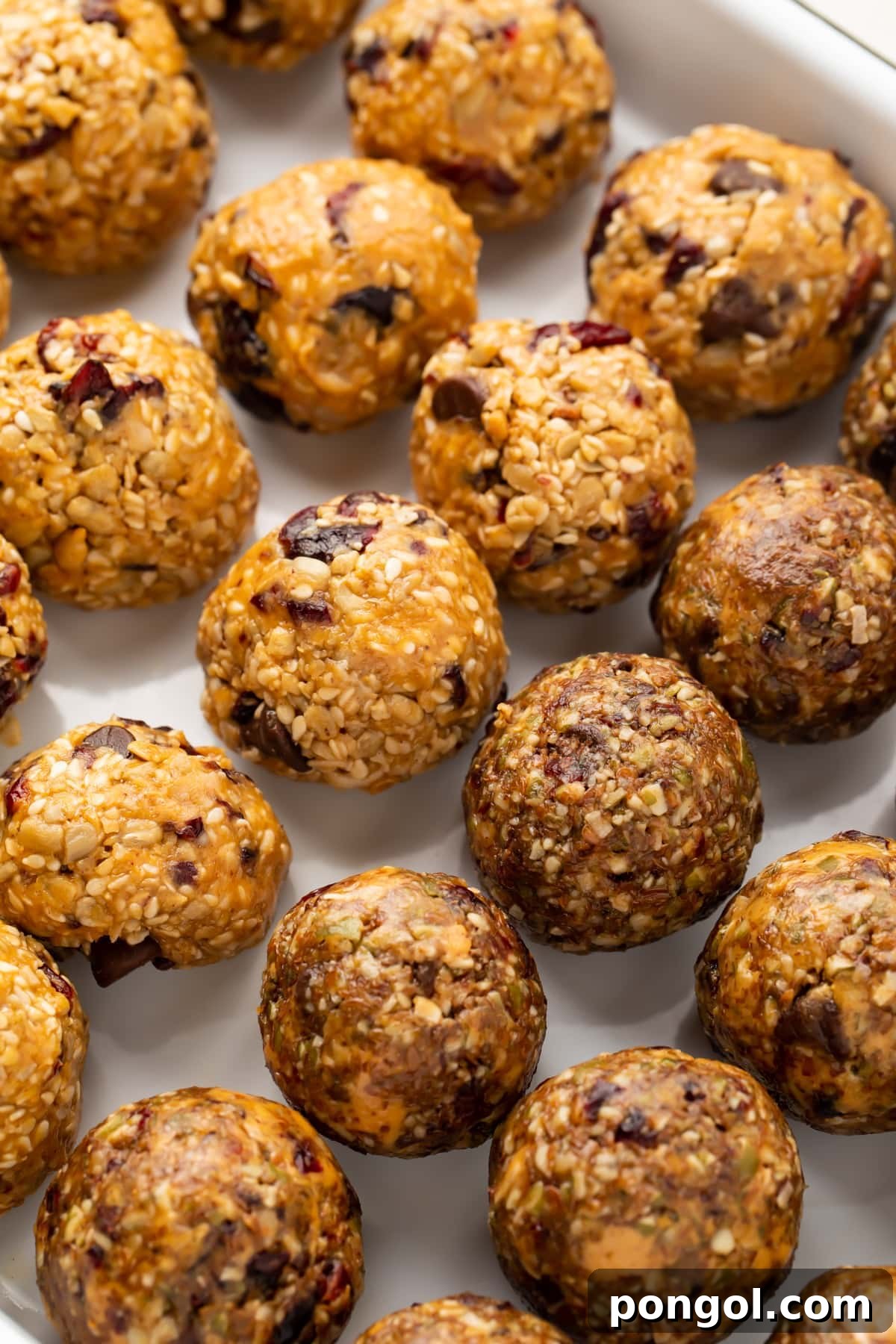
Welcome to the most delicious and convenient approach to incorporating daily seeds for effective seed cycling! These exceptional seed cycling balls aren’t just a treat for your taste buds; they’re a powerful, natural tool designed to help balance female hormones. As a testament to their potential, I firmly believe they played a role in my journey to conceiving my third child. Crafted with a delightful blend of creamy peanut butter, tangy dried cranberries, sweet honey, and indulgent chocolate chips, these balls are so incredibly tasty that they’ve also earned a permanent spot as my all-time favorite energy snack.
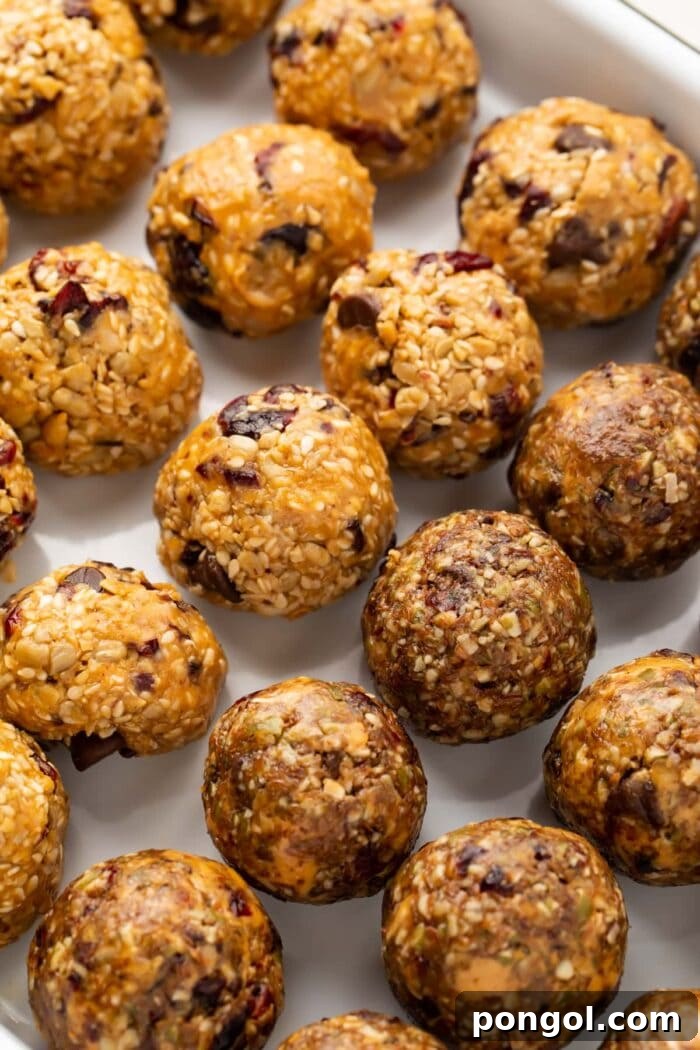
Please Note: I am not a medical professional, and the information provided in this post is intended for general knowledge and informational purposes only. It should not be considered a substitute for the professional medical advice, diagnosis, or treatment from your specific healthcare provider. Always consult with your doctor or other qualified health provider before making any dietary changes or consuming anything new, especially if you have existing health conditions or are taking medications.
Why These Seed Cycling Balls Will Become Your New Favorite
If you’re looking for a natural, enjoyable way to support your hormonal health, you’ve found it! These seed cycling balls offer a multitude of benefits that make them an indispensable part of a balanced lifestyle:
- Effortlessly Integrate Essential Seeds into Your Daily Routine: For those with a busy schedule or individuals who aren’t keen on smoothies and smoothie bowls, consistently consuming two tablespoons of specific seeds every single day can feel like a monumental task. But what if you could transform this beneficial habit into a healthy, exciting treat? By blending these potent seeds into a delightful peanut butter mixture, enriched with sweet chocolate chips and tart dried cranberries, you create a wholesome snack you’ll genuinely look forward to enjoying daily. It’s the ultimate solution for maintaining consistency without sacrificing flavor or convenience.
- The carefully selected seeds in these cycling balls are an absolute powerhouse of nutrition. They are rich in essential vitamins, vital minerals, and beneficial fatty acids, including Omega-3 and Omega-6. These components are widely recognized for their potential to naturally support and regulate the intricate hormonal functions within your body, contributing to overall endocrine balance.
- Seed Cycling is Inclusive for All Stages of Life: There are no age restrictions or specific qualifications when it comes to embracing the benefits of seed cycling. Whether you experience a regular menstrual cycle, navigate the unpredictability of an irregular cycle, are in the perimenopausal transition, or have fully entered post-menopause, these seed cycling balls can be a valuable addition to your wellness routine. For individuals who don’t have a regular cycle, or perhaps no cycle at all, you can align your seed cycling practice with the phases of the moon. In this method, the pumpkin seed and flax seed balls would be consumed during “phase one,” commencing with the new moon. Subsequently, the sesame seed and sunflower seed balls would be eaten during “phase two,” beginning with the full moon. This adaptable approach ensures that everyone can explore the potential advantages of seed cycling.
- A Budget-Friendly Approach to Wellness: Crafting homemade seed cycling balls is generally quite cost-effective, often proving more economical than purchasing pre-made supplements or specialized hormone-balancing products from stores. To maximize savings and spread out your expenses, consider buying the required seeds in bulk. This not only reduces the per-serving cost but also ensures you have a consistent supply of these essential ingredients readily available. It’s an investment in your health that’s kind to your wallet.
Understanding the Practice of Seed Cycling
At its core, seed cycling operates on the principle that by consuming specific seeds during particular phases of your menstrual cycle, you can naturally influence and balance your body’s hormone levels. This practice aims to alleviate common menstrual symptoms, foster a healthier and more predictable cycle, and for some individuals, may even enhance fertility. It’s a gentle, food-based method of supporting your endocrine system.
The menstrual cycle is broadly divided into two main phases: the follicular phase and the luteal phase. During the **follicular phase**, which typically spans from day one of menstruation until ovulation (roughly days 1-14 of a 28-day cycle), the body focuses on increasing estrogen production to prepare for ovulation. To support healthy estrogen levels, the recommendation is to consume 1 tablespoon of ground flaxseed and 1 tablespoon of ground pumpkin seeds daily. These seeds are chosen for their unique properties that help modulate estrogen.
Following ovulation, the cycle transitions into the **luteal phase** (approximately days 15-28). In this phase, the primary hormonal focus shifts to progesterone, which helps maintain the uterine lining in preparation for a potential pregnancy. For this period, you replace the follicular phase seeds with 1 tablespoon of ground sunflower seeds and 1 tablespoon of ground sesame seeds daily. These seeds are selected for their nutrients believed to support healthy progesterone production and assist with estrogen detoxification.
Why Consider Incorporating Seed Cycling into Your Diet?
Even if you’re not actively trying to conceive, achieving hormonal balance can profoundly impact your overall well-being and health. Fluctuations in hormones are frequently linked to a wide array of symptoms, including changes in hair growth (both loss and excess), acne breakouts, unexplained weight gain or difficulty losing weight, debilitating menstrual cramps, pronounced mood swings, and irregular menstrual cycles. While hormonal birth control or other hormonal supplements can offer a regulatory solution for some, many individuals prefer to explore natural, naturopathic alternatives due to various personal reasons or concerns about synthetic hormones. This is where seed cycling emerges as an appealing option.
It’s important to acknowledge that extensive, large-scale scientific studies on seed cycling are still emerging. However, the volume of positive anecdotal evidence from individuals who have successfully integrated this practice into their lives continues to grow exponentially. My own experience provides a compelling example: I actively incorporated seed cycling into my diet when we were trying for our third baby. While I can’t definitively state that my quicker conception this time around was *solely* due to seed cycling, I strongly believe that this practice, combined with an overall nutrient-dense and pro-fertility diet, made a significant positive difference in my body’s readiness and health.
For the vast majority of people, the risks associated with trying seed cycling are minimal, especially given that it involves consuming nutrient-rich whole foods. Nevertheless, it is always prudent to discuss any new dietary practice with your medical professional before beginning. This consultation is particularly vital if you are currently taking any other supplements or medications, as potential interactions should always be considered before making changes. The beauty of these seeds extends beyond their hormonal benefits; they are inherently packed with beneficial ingredients. So, even if the direct impact on your specific cycle isn’t immediately apparent, you’re still nourishing your body with valuable nutrients, which could lead to improvements in other aspects of your health, such as enhanced energy, better digestion, or stronger nails.
Discover the Power of Key Ingredients
Each of the four seeds central to these seed cycling balls is a nutritional powerhouse, brimming with Omega-6 and Omega-3 fatty acids, potent antioxidants, and essential phytonutrients. These tiny seeds work synergistically to support your body’s natural rhythms.
Follicular Phase: Supporting Estrogen Dominance
During the follicular phase, which begins on day one of your cycle, the body’s primary focus is on estrogen production. The seeds selected for this phase are chosen to gently support healthy estrogen levels and ensure its efficient metabolism.
- Raw Pumpkin Seeds: These robust seeds are an excellent source of zinc, a crucial mineral that plays multiple roles in female health. Zinc is thought to help reduce the severity of menstrual cramps and stimulate uterine health. Furthermore, for women in their post-menopausal years, natural zinc levels can often decline; incorporating pumpkin seeds can be an effective way to help replenish these vital stores, supporting overall well-being and immune function.
- Flax Seeds: Flax seeds are celebrated for their lignans, a type of phytoestrogen that can have a modulating effect on estrogen levels in the body. Several studies suggest that the phytoestrogens in flax seeds may contribute to lengthening the luteal phase, which in turn can significantly reduce common PMS symptoms and alleviate menstrual cramps. Beyond their hormonal benefits, flax seeds are also rich in fiber, promoting digestive health, and Omega-3 fatty acids, which support cardiovascular health.
Luteal Phase: Boosting Progesterone and Detoxification
As the cycle transitions into the luteal phase (post-ovulation), progesterone becomes the dominant hormone. The seeds for this phase are chosen to support progesterone production and aid in the detoxification of excess estrogen from the follicular phase.
- Raw Sesame Seeds: Similar to flax seeds, sesame seeds also contain lignans. These powerful compounds are believed to support healthy progesterone production, which is essential for maintaining the uterine lining. Additionally, lignans can help block excess estrogen, preventing potential hormonal imbalances. For women in post-menopause, sesame seeds offer a valuable boost of antioxidants, contributing to cellular health and overall vitality. They are also a good source of calcium and magnesium, important for bone health.
- Raw Sunflower Seeds: A fantastic source of healthy fatty acids and vitamin E, sunflower seeds play a pivotal role in hormone production and balance. Vitamin E acts as a powerful antioxidant, protecting cells from oxidative stress and supporting skin health. Furthermore, the selenium found in sunflower seeds is a vital trace mineral that assists the liver in its detoxification processes, helping to efficiently metabolize and eliminate excess estrogen from the body. Their nutritional profile also includes magnesium and B vitamins, contributing to energy production and stress management.
Expert Tips from the Chef for Optimal Seed Cycling Success
To truly harness the benefits of seed cycling and make these delicious balls a seamless part of your health journey, consider these valuable tips:
- Patience is Key: Allow Time for Your Body to Adjust and Respond: Hormonal cycles are complex and do not shift overnight. It typically requires consistent adherence to seed cycling for at least 3 to 4 months before you can truly evaluate its effects on your body and menstrual cycle. Don’t be discouraged if you don’t notice an immediate difference; consistency is the most important factor for success.
- Grinding is Non-Negotiable for Nutrient Absorption: Whole, raw seeds are incredibly nutritious, but their tough outer shells prevent your body from fully breaking them down and absorbing all the valuable nutrients. To ensure you receive the maximum benefits from the Omega-3s, lignans, vitamins, and minerals within each seed, *do not skip the grinding step!* It is absolutely imperative to use freshly ground seeds in your seed cycling balls for optimal bioavailability.
- Prioritize Freshness: Grind and Prepare as Needed: For peak freshness and potency of the delicate nutrients in the seeds, it is highly recommended to grind only the specific amount of seeds you’ll need for the current batch of seed cycling balls, right when you are ready to prepare them. Similarly, for the best results, aim to make a fresh batch of balls at the beginning of each cycle phase, rather than preparing both follicular and luteal phases at once. This ensures that the seeds are as fresh and nutrient-dense as possible when consumed.
- Smart Storage for Ground Seeds: If you accidentally grind more seeds than you need for a single batch, don’t worry! Ground seeds, due to their increased surface area, can go rancid more quickly than whole seeds. To preserve their freshness and nutritional integrity, store any leftover ground seeds in an airtight container in the refrigerator. These can be easily incorporated into other healthy dishes, such as smoothies, smoothie bowls, oatmeal, or sprinkled over salads, allowing you to enjoy their benefits in various forms.
- Customizing for Irregular Cycles: Adapting to Your Unique Rhythm: A perfect 28-day cycle with ovulation precisely on day 14 or 15 is not the reality for many women, and that’s perfectly normal! If you actively track your menstrual cycle and ovulation patterns (using methods like basal body temperature, ovulation predictor kits, or cervical mucus monitoring), you can adjust the number of seed cycling balls you prepare for each phase as needed. This personalized approach ensures you are eating the right seeds at the most beneficial times, aligning the practice more closely with your body’s individual rhythm, whether your phases are shorter or longer than average.
- Source Quality Ingredients: The efficacy of seed cycling relies on the quality of your seeds. Opt for organic, raw, and unhulled seeds whenever possible. Buying from reputable sources that prioritize freshness and proper storage will ensure you’re getting the most nutrient-dense ingredients.
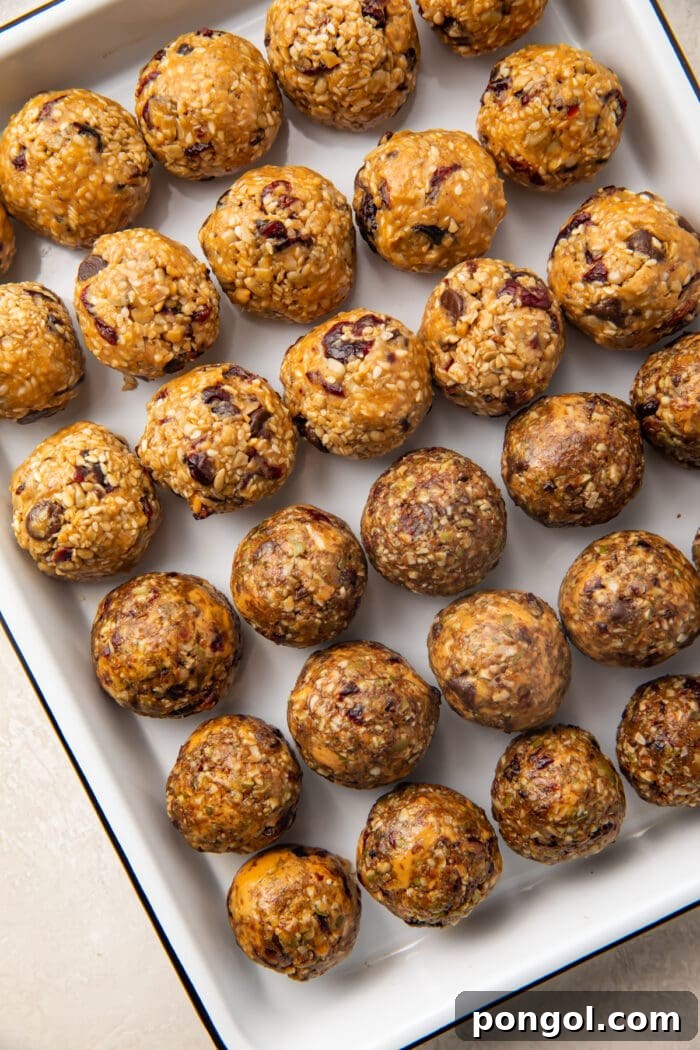
Explore More Wholesome Recipes You’ll Love
- Iced Golden Milk Latte (Paleo, Vegan)
- Peach Ginger Paleo Muffins (Gluten-Free, Grain-Free, Dairy-Free)
- Keto Granola
- Instant Pot Bone Broth That Gels (Whole30 Bone Broth)
- Chocolate Covered Espresso Beans
- Moon Milk (3 Ways)
- Immune Booster Shot Recipe (Maximum Strength!)
- Chlorophyll Water
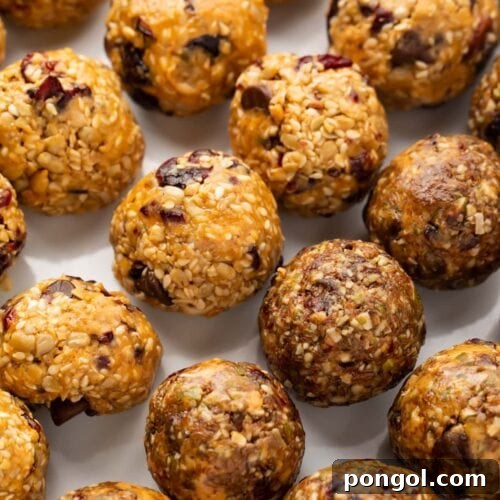
Seed Cycling Balls
 Cheryl Malik
Equipment
-
Food processor
-
2-tablespoon disher (or cookie scoop with release)
-
Large airtight container with lid
Ingredients
For the Follicular Phase Balls
- 1 cup raw pumpkin seeds
- 1 cup flaxmeal or flax seeds
- ¾ cup peanut butter give or take, see Notes
- ⅓ cup honey plus more to taste
- ¾ cup dried cranberries soaked in hot water 10-15 minutes, optional
- 1 tablespoon vanilla extract
- 1 pinch salt
- ½ cup chocolate chips see Notes
- ½ cup shredded coconut optional but recommended
For the Luteal Phase Balls
- 1 cup raw sesame seeds
- 1 cup raw sunflower seeds
- ¾ cup peanut butter give or take, see Notes
- ⅓ cup honey plus more to taste
- ¾ cup dried cranberries soaked in hot water 10-15 minutes, optional
- 1 tablespoon vanilla extract
- 1 pinch salt
- ½ cup chocolate chips see Notes
- ½ cup shredded coconut optional but recommended
Instructions
For the Follicular Phase Balls
-
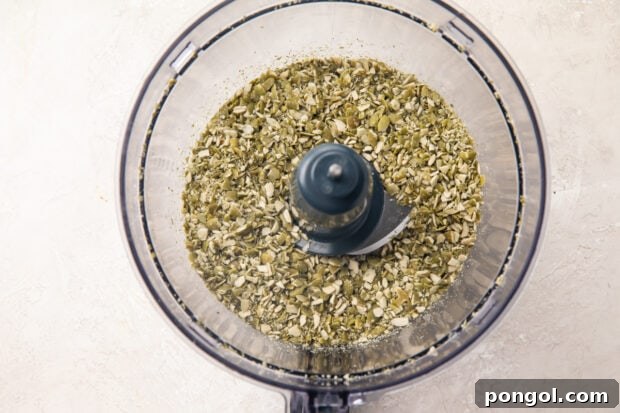
Add pumpkin seeds and flax seeds (if not using flaxmeal) to food processor. Pulse until chopped.

-
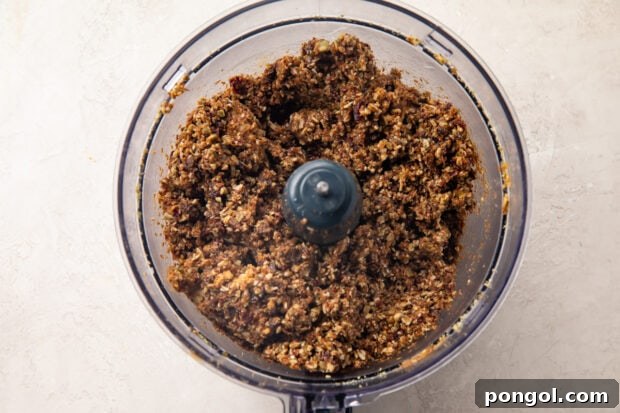
Add remaining ingredients and pulse to combine.
-
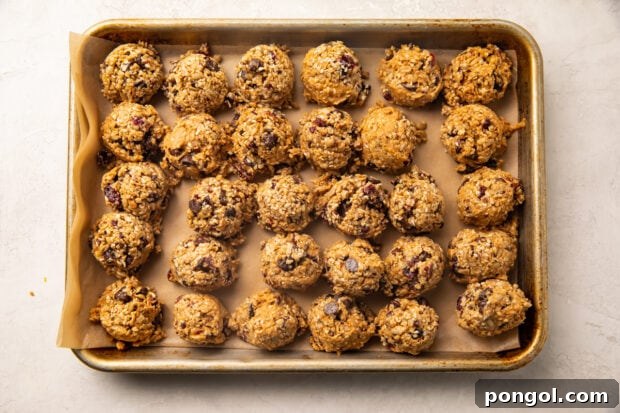
Use disher to scoop out 2-tablespoon-size ball and roll between palms of hands quickly to smooth. Set on baking sheet. Repeat with remaining mixture.
-
Mixture will make 30 follicular phase balls. Eat 2 per day during follicular phase (generally day 1-14 or so of cycle). Keep refrigerated in airtight container.
For the Luteal Phase Balls
-
Add sesame seeds and sunflower seeds to clean food processor bowl. Pulse until chopped.
-
Add remaining ingredients. Pulse to combine.
-
Use disher to scoop out 2-tablespoon-size ball and roll between palms of hands quickly to smooth. Set on baking sheet. Repeat with remaining mixture.
-
Mixture will make 30 luteal phase balls. Eat 2 per day during luteal phase (generally day 15-28 or so of cycle). Keep refrigerated in airtight container.
- For maximum freshness and efficacy, it is highly recommended to prepare the seed cycling balls for each phase individually at the onset of that specific phase. This ensures that the seeds are not prepared more than two weeks before you intend to consume them, preserving their delicate nutrients.
- Storage Guidelines: To maintain their freshness, texture, and nutritional value, store any uneaten seed cycling balls in an airtight container within the refrigerator. This will keep them delicious and potent for the duration of each cycle phase.
- Peanut Butter Choice: For the best results and nutritional profile, I highly recommend opting for an organic peanut butter that lists only peanuts, or peanuts and salt, as its ingredients. Avoid brands with added sugars or unhealthy oils. If you have a peanut allergy or preference, almond butter makes an excellent and equally delicious substitute.
- Chocolate Chips Selection: I typically use Enjoy Life chocolate chips in my seed cycling balls, as they are often free from common allergens. However, feel free to use your favorite brand of chocolate chips to suit your taste and dietary needs.
- Vegan Adaptation: To make this recipe completely vegan-friendly, simply substitute honey with pure maple syrup, and ensure you use vegan chocolate chips. This modification will not compromise the texture or deliciousness of the balls.
- For an Added-Sugar Free Option: If you are managing your sugar intake or following a keto lifestyle, you can easily make these balls added-sugar free. Replace regular chocolate chips with keto-friendly alternatives such as Lily’s or ChocZero brands. For a sweetener, opt for a sugar-free alternative like Lakanto Maple-Flavored Syrup, which is sweetened with monk fruit. Additionally, always verify that your chosen peanut butter does not contain any hidden or added sugars.
Each serving consists of 2 seed cycling balls. This recipe yields approximately 15 servings for the follicular phase and 15 servings for the luteal phase, providing a full month’s supply.
Please note that the nutritional values presented here are general guidelines. They reflect information for a single serving of the follicular phase seed cycling balls, based on the ingredients listed. Actual macronutrient values may vary slightly depending on the specific brands, types, and optional ingredients used in your preparation.
Approximate Information for One Serving
Nutrition Disclaimers
The total number of servings shown is an approximation. The actual number of servings you achieve will depend on your preferred portion sizes and how consistently you scoop your balls.
The nutritional values provided are general guidelines and are calculated based on one serving using the specific ingredients listed, explicitly excluding any optional additions. Please be aware that actual macronutrient and micronutrient values may vary slightly based on the specific brands, types, and varieties of ingredients you choose to use in your preparation.
To accurately determine the weight of a single serving for precise nutritional tracking, prepare the recipe entirely as instructed. Once the recipe is complete, weigh the entire finished batch of seed cycling balls. Then, divide the total weight of the finished recipe (excluding the weight of the container holding the food) by your desired number of servings. The resulting figure will provide the exact weight of one serving.
Did You Make This Recipe?
We’d love to see your creations and hear about your experience! Tag @40aprons on Instagram and make sure to leave a review directly on this blog post. Your feedback helps our community!
Tag @40Aprons on Instagram