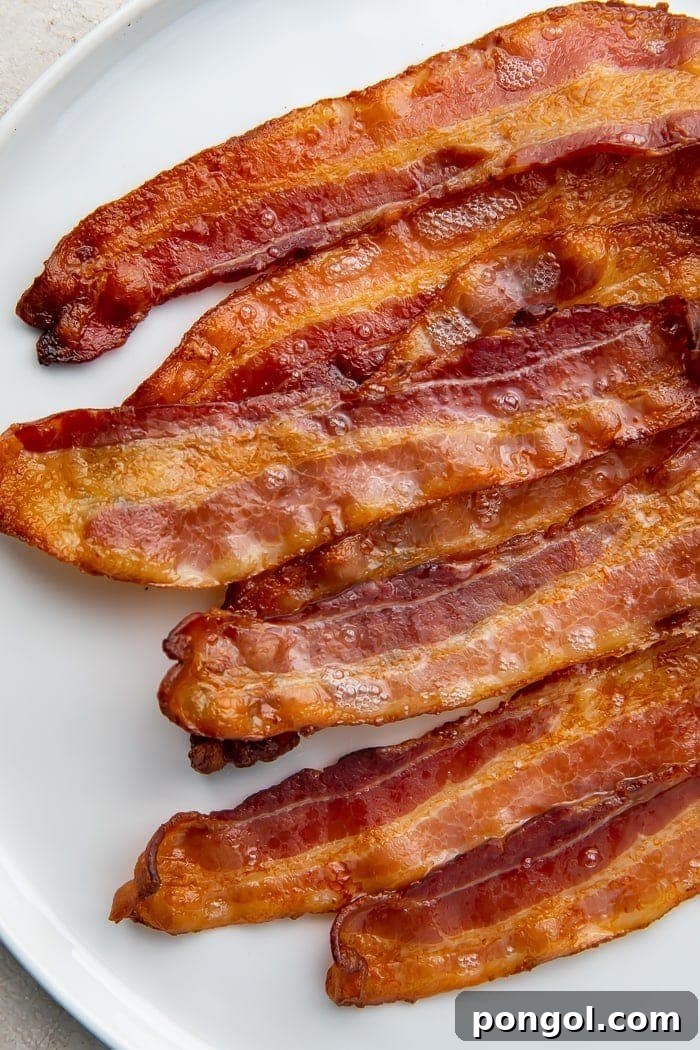
Transform your breakfast routine and elevate your culinary game by mastering the art of cooking bacon in the oven. This method is a true game-changer, offering unparalleled convenience, significantly less mess, and perfectly crispy results every single time. Say goodbye to greasy splatters, constant flipping, and unevenly cooked strips. Baking bacon in the oven allows excess fat to drain away, resulting in a healthier, more delicious outcome that’s ideal for a hearty breakfast or seamlessly incorporated into your favorite recipes. Prepare to discover the ultimate way to achieve consistently crisp, flavorful bacon with minimal effort.
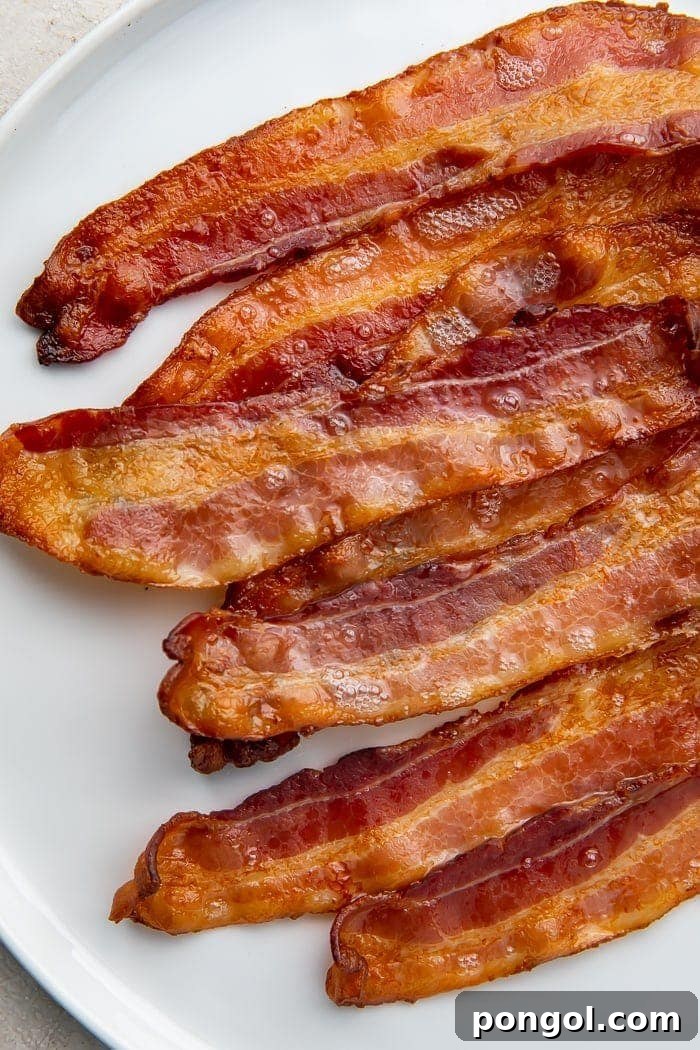
The Ultimate Guide to Perfectly Crispy Oven Bacon
Cooking bacon in the oven isn’t just an alternative; it’s a superior method that simplifies your kitchen experience while delivering exceptional taste and texture. This technique addresses many common frustrations associated with traditional stovetop cooking, making it a favorite for home cooks and seasoned chefs alike. Let’s explore the multifaceted benefits that make oven-cooked bacon the preferred choice.
Why Oven Bacon is a Game Changer
- Unmatched Convenience & Cleanliness: One of the most compelling advantages of oven-baked bacon is the sheer convenience it offers. Unlike frying on the stovetop, which demands constant attention, flipping, and battling grease splatter, oven cooking is largely hands-off. You simply arrange the bacon and let the oven do the work. This frees you up to prepare other breakfast items, set the table, or simply relax. The enclosed environment of the oven also dramatically reduces mess, preventing hot grease from splattering across your countertops and stovetop, which means less time spent on cleanup after your meal.
- Consistent Perfection, Every Time: Achieving uniformly cooked, crispy bacon can be a challenge on the stove, often resulting in some strips being burnt while others remain chewy. The oven provides a consistent, even heat distribution that cooks each strip of bacon to perfection. Once you find the ideal temperature and cooking time for your desired crispness, you can replicate that flawless result consistently, guaranteeing perfect, evenly-cooked, and delightfully crispy bacon every single time. No more guesswork or disappointing results.
- Ideal for Meal Prep & Large Batches: Whether you’re feeding a hungry family, hosting a brunch, or simply want to have bacon ready for quick meals throughout the week, the oven method shines. It allows you to cook large quantities of bacon simultaneously, all on a single baking sheet (or two, depending on your oven’s capacity). This efficiency makes it an excellent choice for meal prepping. Oven-cooked bacon can be stored in the refrigerator for up to one week, or in the freezer for up to three months. Simply reheat it in the microwave or oven whenever you’re ready to enjoy a quick and delicious addition to your sandwiches, salads, or eggs.
Step-by-Step: How to Cook Bacon in Your Oven
Creating delicious oven-baked bacon is surprisingly simple, requiring just a few basic steps and minimal equipment. Follow this straightforward guide to achieve crispy, flavorful bacon without the usual fuss.
Preparing Your Baking Sheet
Begin by preheating your oven to 400 degrees Fahrenheit (200 degrees Celsius). While the oven warms up, line a large, rimmed baking sheet with parchment paper. Parchment paper is crucial here; it prevents the bacon from sticking, makes cleanup a breeze, and helps absorb some of the rendered fat. Avoid using aluminum foil directly, as bacon can stick to it, though you can use foil underneath the parchment paper for an extra layer of protection if desired. A rimmed baking sheet is essential to contain the rendered fat and prevent it from spilling into your oven.
Arranging the Bacon
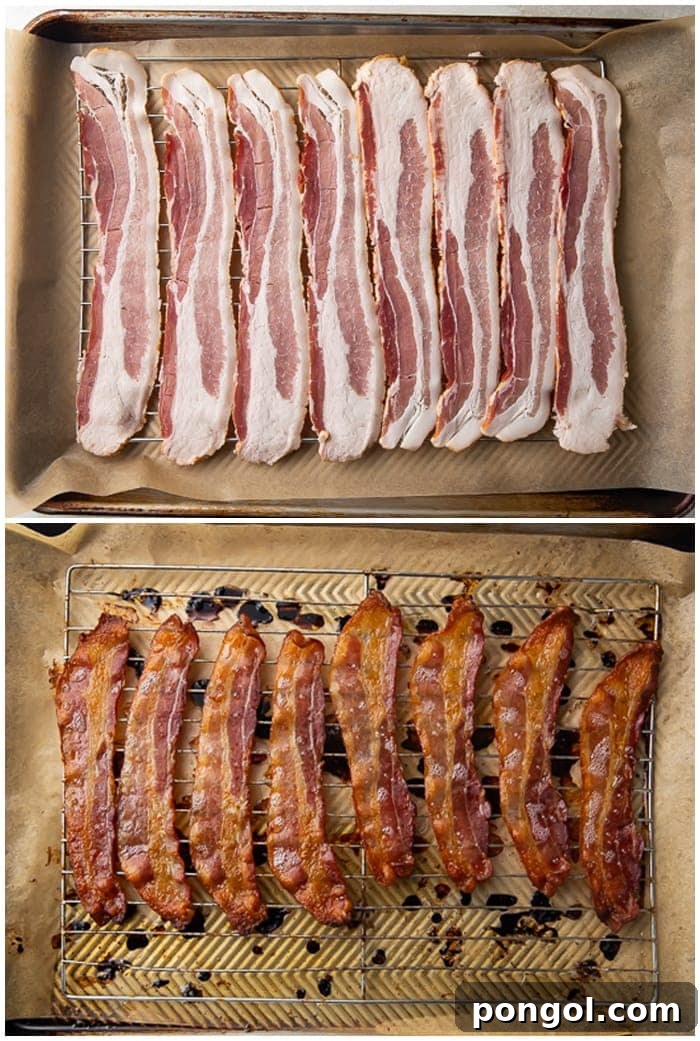
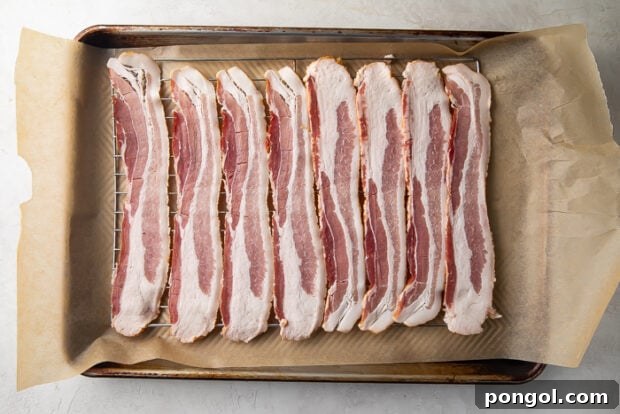
Carefully lay your strips of bacon out side-by-side across the parchment paper. It’s important that the bacon strips touch slightly but do not overlap. Overlapping strips will steam rather than crisp, leading to uneven cooking. Give each strip enough space for the hot air to circulate around it, ensuring maximum crispiness. For larger quantities, use a second baking sheet if necessary.
Baking to Golden Perfection
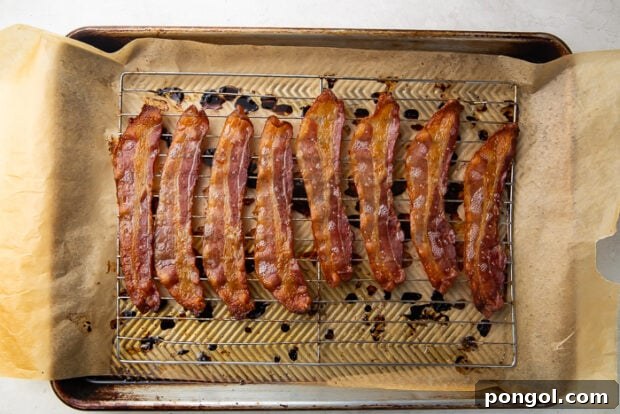
Once your oven is preheated and your bacon is arranged, place the baking sheet on the middle rack of the oven. Bake for approximately 18-24 minutes. The exact cooking time will vary depending on the thickness of your bacon and your desired level of crispiness. Thinner bacon will cook faster, while thicker cuts will require a bit more time. Keep an eye on the bacon, especially towards the end of the cooking process. You’re looking for a beautiful golden-brown color and a firm, crisp texture. If you prefer a chewier texture, you can remove it a bit earlier; for extra crispy bacon, allow it to cook until deep golden.
Draining for Maximum Crispness
Once the bacon has reached your preferred level of crispiness, carefully remove the baking pan from the oven. Using tongs, transfer the cooked bacon strips to a plate lined with several layers of paper towels. The paper towels will absorb any excess rendered fat, which is key to achieving that perfectly crisp texture and preventing the bacon from becoming greasy as it cools. Allow the bacon to rest for a few minutes on the paper towels; it will continue to crisp up slightly as it cools.
Expert Tips for Next-Level Oven Bacon
While the basic oven baking method yields fantastic results, a few chef-approved tips can elevate your bacon even further, making it truly exceptional. These simple tricks can enhance flavor, texture, and even minimize waste.
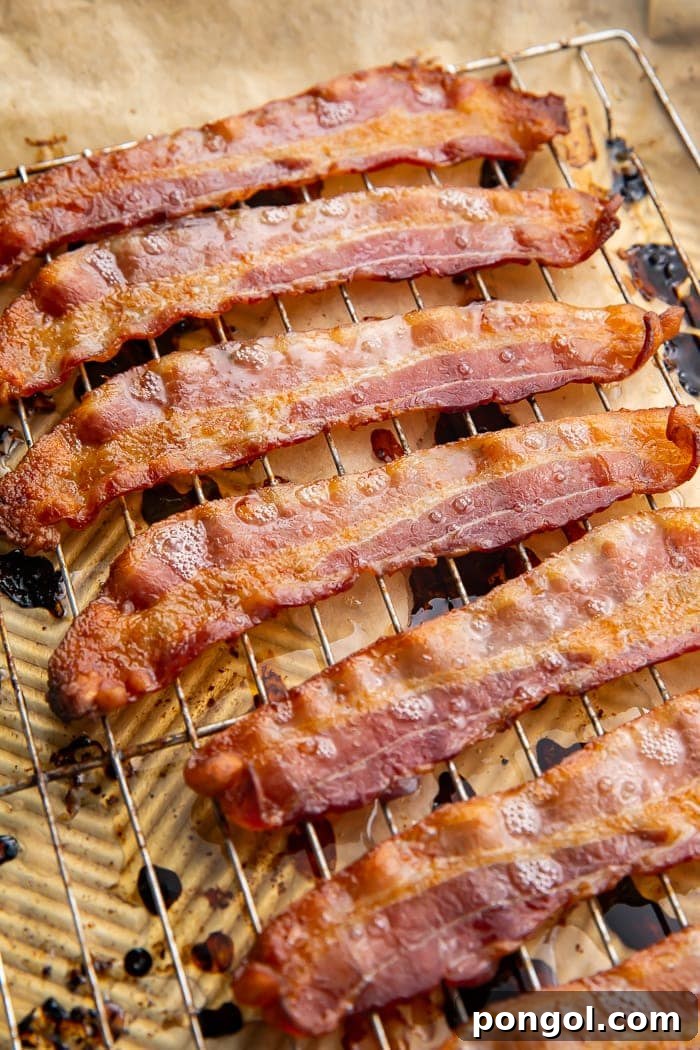
- Elevate with a Wire Rack for Extra Crispiness: For those who demand the absolute crispiest bacon, incorporating a wire baking rack into your setup is a game-changer. Place a metal cooling rack on top of your parchment-lined sheet pan, then arrange your bacon strips on the rack. This setup allows the hot oven air to circulate entirely around each piece of bacon, promoting even cooking and superior crispness. The fat drips down onto the parchment paper below, keeping the bacon from sitting in its own grease. When using a wire rack, check the bacon a little earlier, around the 15-minute mark, as increased air circulation can sometimes lead to faster cooking.
- Season for Enhanced Flavor: While bacon is delicious on its own, a simple sprinkle of black pepper on the uncooked strips can add an extra layer of savory depth and a subtle kick. For adventurous palates, consider a light dusting of brown sugar for a candied bacon effect, a pinch of cayenne for a spicy twist, or even a dash of garlic powder for an umami boost. Experiment with your favorite seasonings to personalize your bacon experience.
- Master Turkey Bacon (or other alternatives): This oven method isn’t exclusive to pork bacon; it works wonderfully for turkey bacon and other plant-based alternatives too! If you’re cooking turkey bacon, I recommend a slightly shorter cooking time and a specific temperature for optimal results: 15-20 minutes at 400 degrees Fahrenheit (200 degrees Celsius). Turkey bacon often benefits from being flipped midway through cooking, around the 8-minute mark, to ensure even browning and achieve maximum crispiness. Adjust timing based on the brand and thickness of your turkey bacon.
- Savor and Reuse Rendered Bacon Fat: Don’t let that flavorful rendered bacon fat go to waste! Beyond being a fantastic way to reduce food waste, rendered bacon fat is a culinary goldmine, adding incredible depth and richness to various dishes. To render and store it, carefully pour the hot fat from the baking sheet through a fine mesh sieve lined with a paper towel into a heat-safe glass storage container. The sieve and paper towel will filter out any small bits of bacon, leaving you with clean, pure fat. Let it cool completely at room temperature, then cover and store it in the refrigerator. Rendered bacon fat can be safely kept in the refrigerator for up to 6 months and is perfect for frying eggs, sautéing vegetables (like Brussels sprouts or green beans), popping popcorn, or even making flavorful cornbread.
More Culinary Inspiration
Once you’ve mastered the art of oven-baked bacon, expand your kitchen repertoire with these other convenient and delicious how-to guides:
- How To Roast Garlic
- How to Broil Lobster Tails + Garlic Butter Sauce
- How to Brine Chicken Wings
- How to Boil Artichokes + 3 Healthy Dipping Sauces
Cheryl Malik
How to Cook Bacon in the Oven
5 minutes
25 minutes
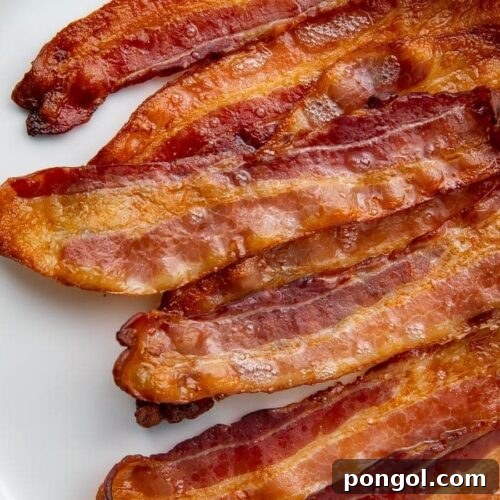
This is our favorite way to cook bacon for big breakfasts or anytime I use bacon in a recipe. This method produces crisp, delicious bacon every time!

Cheryl Malik
Print Recipe
Pin Recipe
Servings: 6 servings
Equipment
- large baking sheet
- parchment paper
- Large plate
- Paper towels
- Tongs
- wire cooling rack (optional, for extra crispiness)
- Fine mesh sieve (optional, for rendering fat)
Ingredients
- 1 pound bacon, uncooked
Instructions
-
Preheat oven to 400 degrees Fahrenheit (200°C). Line a baking pan with parchment paper. Place bacon on parchment side-by-side, but not overlapping.

-
Cook bacon 18-24 minutes or until desired level of crispiness is reached. Baking times will vary depending on thickness of bacon. Keep an eye on it to prevent burning.
-
Remove pan from oven and, using tongs, transfer bacon to a paper-towel lined plate to absorb excess fat.
Recipe Notes
- For extra-crispy bacon: Place a metal cooling rack on your parchment paper-lined sheet pan, then lay your bacon side-by-side on the rack. Cook as instructed above. This allows air to circulate for maximum crispness.
- Leftovers: Oven-cooked bacon can be stored (in a sealed bag or airtight container) in the refrigerator for up to 1 week, or in the freezer for up to 3 months. Reheat it quickly in the microwave or oven.
- Rendering your bacon fat? Line a fine mesh sieve with a paper towel and place the sieve over a glass storage container. While the bacon fat is still hot, carefully pour it from the sheet pan into the sieve. Let it cool completely, then place the covered glass container in the refrigerator until you need it. Rendered fat can be kept in the refrigerator for 6 months and is great for cooking.
Approximate Nutrition Information for One Serving
Protein: 10g
Fat: 30g
Saturated Fat: 10g
Cholesterol: 50mg
Sodium: 500mg
Potassium: 150mg
Total Carbs: 1g
Net Carbs: 1g
Vitamin A: 28IU
Calcium: 4mg
Iron: 1mg
Nutrition Disclaimers
Number of total servings shown is approximate. Actual number of servings will depend on your preferred portion sizes.
Nutritional values shown are general guidelines and reflect information for 1 serving using the ingredients listed, not including any optional ingredients. Actual macros may vary slightly depending on specific brands and types of ingredients used.
To determine the weight of one serving, prepare the recipe as instructed. Weigh the finished recipe, then divide the weight of the finished recipe (not including the weight of the container the food is in) by the desired number of servings. Result will be the weight of one serving.
Did You Make This Recipe?
We’d love to see your delicious creations! Tag @40aprons on Instagram and be sure to leave a review on this blog post. Your feedback helps other home cooks!
Tag @40Aprons on Instagram