
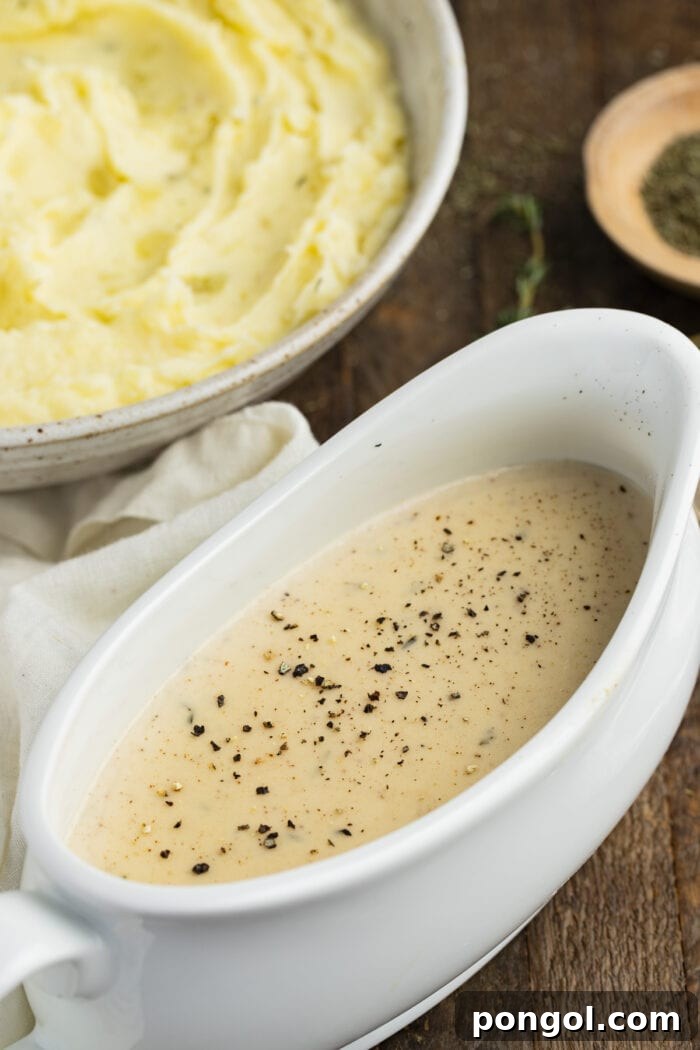
There’s an undeniable warmth and comfort that comes with a perfectly crafted homemade gravy. And when it comes to classic American comfort food, few things hit the spot quite like a rich, creamy white gravy. Far easier to master than you might imagine, this versatile sauce is a cornerstone of Southern cooking, gracing everything from fluffy biscuits to crispy country-fried steak and velvety mashed potatoes. Forget pan drippings or questionable store-bought packets – this recipe guides you through creating an impeccably smooth and flavorful white gravy from scratch, relying on just a handful of pantry staples. Get ready to elevate your meals with this timeless culinary delight!

Why This Homemade White Gravy Recipe Stands Out
This isn’t just another gravy recipe; it’s a foundation for countless comforting meals. Here’s what makes this particular white gravy truly exceptional:
- Effortless Preparation, Incredible Results: Despite its luxurious taste and texture, this white gravy is remarkably simple to prepare. Even novice cooks can achieve a smooth, lump-free sauce with confidence. Once you’ve mastered this basic technique, you’ll find yourself reaching for it time and time again, eager to add a touch of creamy goodness to almost any dish. Its rich, thick, and velvety consistency, combined with a perfectly balanced blend of spices and seasonings, creates an irresistible flavor profile that ties any meal together beautifully.
- A Pure, Untainted Flavor Profile: Unlike traditional brown gravies, which often derive their deep flavor from beef broth and roasted meat drippings, or specific gravies like bacon gravy, chicken gravy, or ham gravy, this white gravy stands apart. Its pristine white color and distinct taste are built upon a foundation of a simple roux. This roux, a classic thickening agent made from equal parts melted butter and all-purpose flour, creates a neutral yet rich base. The creamy texture then comes from milk, gradually whisked into the roux and gently simmered until it reaches that perfect, pourable thickness. This method ensures a pure, comforting flavor without the influence of meat drippings, making it an incredibly versatile accompaniment.
- Convenience and Flexibility: Life gets busy, and having recipes that adapt to your schedule is a game-changer. This white gravy can be prepared in advance, allowing you to focus on other aspects of your meal. Simply store any leftovers in an airtight container in the refrigerator for a day or two. When you’re ready to enjoy it again, gently warm the gravy in a saucepan over medium-low heat, whisking frequently. If it’s too thick, add a splash of milk to thin it back to your desired consistency. While it reheats beautifully, we generally don’t recommend freezing white gravy. The delicate balance of fats and starches in a roux-based sauce can sometimes separate and become grainy when thawed, compromising its smooth, creamy texture.
Unpacking the Core Ingredients
The beauty of this white gravy lies in its simplicity, utilizing basic ingredients to create profound flavor and texture. Understanding the role of each component is key to mastering this recipe.
Butter: The Foundation of Flavor and Texture
Butter is more than just a fat in this recipe; it’s a crucial flavor enhancer and the primary fat component for our roux. It provides a rich, unctuous base that contributes significantly to the gravy’s overall mouthfeel and savory depth. For a classic flavor, unsalted butter is often preferred, giving you complete control over the saltiness of the final product. If you’re aiming for a vegan or dairy-free white gravy, simply substitute traditional butter with your favorite high-quality vegan or dairy-free butter alternative. Many plant-based butters perform excellently in a roux, ensuring you don’t miss out on that essential richness.
Flour: The Essential Thickener
All-purpose flour is the star thickener in this gravy recipe, forming the other half of our essential roux. When cooked with butter, the starch granules in the flour swell, creating a stable, smooth, and creamy consistency. It’s important to cook the flour long enough to eliminate any raw flour taste but not so long that it browns, as we want to maintain the gravy’s signature white color. For those following a gluten-free diet, a good quality gluten-free all-purpose flour blend can be used. Be aware that some gluten-free flours might absorb liquid differently, so you might need to slightly adjust the amount of milk to achieve the perfect thickness.
Milk: The Creamy Liquid Base
Milk is what transforms the roux into a luscious, pourable gravy. The type of milk you choose will impact the final richness and creaminess. Full-fat whole milk will yield the thickest, most luxurious gravy, making it ideal for a truly decadent experience. Lower-fat milks can be used for a slightly lighter gravy, though they may result in a thinner consistency. If you’re making a dairy-free version, ensure your milk alternative (such as unsweetened almond, soy, or oat milk) is plain and unsweetened. Flavored or sweetened varieties will drastically alter the taste of your savory gravy.
Seasonings: Tailoring the Taste
While butter, flour, and milk form the backbone of white gravy, the seasonings are where you can truly personalize the flavor. Black pepper is a non-negotiable staple, providing a warm, subtle heat and classic Southern character. Beyond that, the choice is yours. We recommend dried thyme for its earthy, aromatic notes that beautifully complement the creamy base. A small pinch of cayenne pepper adds a delightful, almost imperceptible warmth and depth, without making the gravy overtly spicy. Feel free to stick with a simple salt and pepper gravy if you prefer, or experiment with other complementary herbs like a touch of dried sage for a more robust, rustic flavor. Always taste and adjust as you go, ensuring a perfect balance for your palate.
Expert Tips for Gravy Perfection
Making outstanding white gravy is simpler than it seems, but a few expert techniques can elevate your results from good to truly exceptional. Follow these chef’s tips for a consistently delicious, lump-free, and flavorful gravy every time.
- Elevate with Breakfast Sausage: For a hearty and incredibly flavorful twist, transform your white gravy into a classic sausage gravy. Begin by browning some breakfast sausage in a large skillet, breaking it up as it cooks. Once fully cooked and crumbled, remove the sausage from the skillet but leave the rendered fat behind. Use this flavorful fat as the base for your roux, potentially supplementing with a little extra butter if needed. Once your gravy is smooth and thick, stir the browned sausage back into the gravy and let everything simmer together for a few minutes. The sausage infuses the gravy with incredible savory depth. Serve this over warm, flaky biscuits for a quintessential Southern breakfast or brunch.
- Master the Milk Addition for Smoothness: The most common culprit for lumpy gravy is adding the milk too quickly. To achieve a perfectly smooth, velvety gravy, it’s crucial to add the milk in small increments, whisking constantly and vigorously after each addition. Start with just two tablespoons of milk, whisking until the mixture is completely smooth and cohesive before adding the next two tablespoons. This gradual process allows the flour in the roux to fully hydrate and incorporate evenly, preventing lumps from forming. Patience here is key to a silky-smooth finish.
- Customize Your Spice Level: White gravy should always be seasoned to your preference. If you enjoy a gravy with a little more warmth and a zesty kick, feel free to increase the amount of freshly ground black pepper and/or cayenne pepper you add. Remember that seasonings intensify as the gravy simmers, so it’s always best to start with a conservative amount. You can always add more later, but it’s impossible to remove seasonings once they’ve been incorporated. Taste frequently throughout the simmering process and adjust until you hit your desired level of spice.
- Control the Consistency: The perfect gravy consistency is subjective – some prefer it thick enough to coat a spoon, while others like it a bit thinner for pouring. You have complete control over the gravy’s thickness by adjusting the amount of time you let it simmer. The longer the gravy is on the heat, the more the liquid will evaporate, and the thicker it will become. If your gravy is too thick, simply whisk in a little more warm milk (or even a splash of water or broth) until it reaches your desired consistency. Conversely, if it’s too thin, continue to simmer it gently, whisking periodically to prevent it from sticking to the bottom or burning.
Delectable Pairings and Holiday Feast Essentials
While white gravy is a staple year-round, it truly shines during holiday gatherings and special meals. Here are some more beloved recipes that pair perfectly with its creamy goodness, or that stand alone as essential additions to your holiday table:
- The Best Ever Cranberry Brie Bites: A festive appetizer that’s always a crowd-pleaser.
- Great Grandma’s Sausage Stuffing: A classic, savory side dish that complements any roast.
- Garlic and Herb Sous Vide Turkey: Perfectly cooked, tender turkey that begs for a generous pour of gravy.
- Whole30 Instant Pot Mashed Potatoes with Garlic and Herbs (Paleo, Vegan Option): The ultimate canvas for this creamy white gravy.
- Sweet Potato Soufflé: A sweet and savory side that adds a touch of elegance.
- 5 Ways to Thicken Mashed Potatoes: Handy tips for perfecting another gravy-friendly staple.

Homemade White Gravy

Jasmine Comer
Equipment
- medium saucepan
- whisk
Ingredients
- ¼ cup butter
- ¼ cup all-purpose flour (see Notes)
- ¼ teaspoon dried thyme (plus more to taste)
- 1 teaspoon salt (plus more to taste)
- ½ teaspoon freshly ground black pepper (plus more to taste)
- 1 pinch cayenne pepper (plus more to taste)
- 2 cups milk (divided, see Notes)
Instructions
-
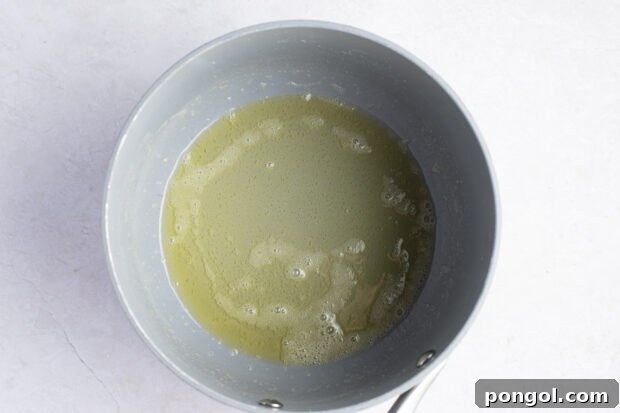
Warm a medium saucepan on the stovetop over medium heat. Once warm, add the butter and heat until completely melted, occasionally tilting the saucepan to ensure even melting.

-
Once the butter is melted and slightly bubbly, slowly whisk in the flour, dried thyme, salt, black pepper, and cayenne pepper until a smooth roux forms. Continue to cook the roux for 2 minutes, whisking constantly, to cook out the raw flour taste.
-
After 2 minutes, begin slowly whisking in the milk. Start by adding just 2 tablespoons of milk, whisking constantly until the mixture is completely smooth and incorporated before adding more milk. Continue adding milk in 2 tablespoon increments, whisking well after each addition, until the full 2 cups have been incorporated into the gravy base. This gradual addition is key to preventing lumps.
-
Reduce the heat to low and allow the gravy to gently simmer in the saucepan, stirring occasionally, for 5 to 6 minutes, or until it reaches your desired thick and creamy consistency. Taste the gravy and season with additional salt, pepper, or other seasonings as desired. Serve warm and enjoy!


- Milk Choices: Any type of milk will work for this recipe, but for the richest and creamiest white gravy, we highly recommend using full-fat whole milk. If you opt for a milk alternative, ensure it is unsweetened and unflavored to avoid altering the savory taste of the gravy.
- Dairy-Free/Vegan Adaptation: To make this recipe suitable for dairy-free or vegan diets, simply use a high-quality dairy-free butter substitute and an unsweetened dairy-free milk alternative (such as almond, oat, or soy milk).
- Gluten-Free Modification: For a gluten-free version of this white gravy, substitute the all-purpose flour with a certified gluten-free all-purpose flour blend. Be mindful that gluten-free flours can sometimes absorb liquids differently, so you may need to slightly adjust the milk quantity to achieve the desired consistency.
This recipe yields approximately 8 servings. The actual number of servings will vary based on your preferred portion sizes.
Nutritional values provided are general guidelines and reflect information for 1 serving based on the ingredients listed. Actual macronutrients may vary slightly depending on the specific brands and types of ingredients used.
To determine the precise weight of one serving, prepare the recipe as instructed, then weigh the entire finished batch of gravy (excluding the container) and divide by 8. The result will be the approximate weight of one serving.
Approximate Information for One Serving
Calories: 205 cal
Protein: 5 g
Fat: 16 g
Saturated Fat: 10 g
Trans Fat: 1 g
Cholesterol: 43 mg
Sodium: 735 mg
Potassium: 177 mg
Total Carbs: 12 g
Fiber: 1 g
Sugar: 6 g
Net Carbs: 11 g
Vitamin A: 566 IU
Vitamin C: 1 mg
Calcium: 145 mg
Iron: 1 mg
Nutrition Disclaimers
The number of total servings shown is approximate. Actual number of servings will depend on your preferred portion sizes.
Nutritional values shown are general guidelines and reflect information for 1 serving using the ingredients listed, not including any optional ingredients. Actual macros may vary slightly depending on specific brands and types of ingredients used.
To determine the weight of one serving, prepare the recipe as instructed. Weigh the finished recipe, then divide the weight of the finished recipe (not including the weight of the container the food is in) by the desired number of servings. The result will be the weight of one serving.
Did You Make This Recipe?
We’d love to see your creations! Tag @40aprons on Instagram and be sure to leave a review on the blog post to share your experience!
Tag @40Aprons on Instagram