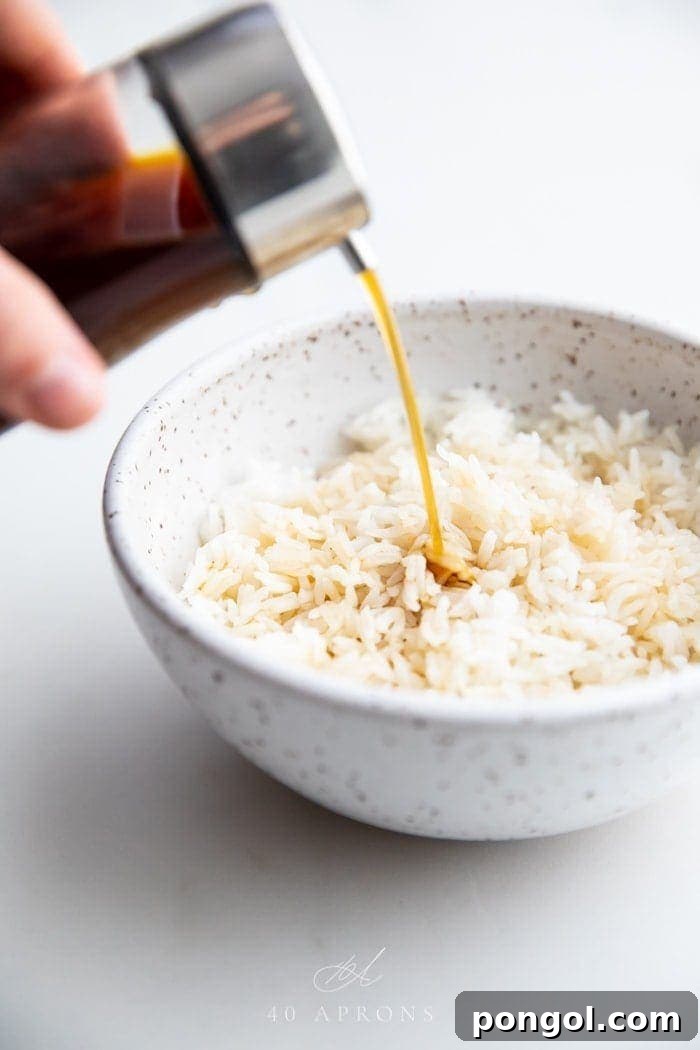
The Ultimate Soy-Free Soy Sauce Substitute: Whole30, Paleo & Gluten-Free!
Are you navigating the complexities of dietary restrictions but still crave the rich, umami flavor of soy sauce? Whether it’s a soy allergy, gluten intolerance, or adherence to Whole30 or Paleo protocols, finding a truly satisfying soy sauce alternative can be a significant challenge. Many substitutes fall short, either too sweet, too fishy, or simply lacking that complex depth. But what if there was a simple, three-ingredient solution that delivers all the salty, savory goodness you love, without any of the undesirable components?
This revolutionary homemade soy sauce substitute recipe is here to transform your cooking! It’s meticulously crafted to taste remarkably like traditional soy sauce, yet it’s completely soy-free, Whole30 compliant, paleo, and gluten-free. Forget complicated ingredient lists or lengthy preparation times; this versatile condiment comes together in just about two minutes and keeps beautifully in the fridge for weeks, ready to elevate your favorite dishes. The secret to its authentic flavor lies in an unexpected ingredient that perfectly mimics the fermented notes of real soy sauce. Get ready to reclaim your favorite Asian-inspired meals and savory marinades with this game-changing recipe!
Understanding Soy Sauce: A Culinary Staple
Soy sauce is a powerhouse of flavor, revered globally for its unparalleled ability to add umami, salinity, and a distinctive richness to countless dishes. Originating from fermented soybeans, wheat, salt, and water, it has become an indispensable staple in Asian cuisines and a beloved condiment worldwide. Its complex flavor profile enhances everything from stir-fries and marinades to dipping sauces and dressings, contributing a savory depth that is hard to replicate. The fermentation process is key to its unique taste, breaking down proteins into amino acids that deliver that sought-after umami.
However, for a growing number of people, traditional soy sauce is off-limits. Soy allergies are common, and for those with celiac disease or gluten sensitivity, the wheat content in most soy sauces (even some labeled “tamari” can contain trace amounts) makes them unsuitable. Furthermore, popular dietary frameworks like the Paleo diet and Whole30 program explicitly exclude soy and gluten, leaving enthusiasts searching for viable, compliant alternatives. This creates a significant void in the pantry for anyone looking to enjoy the flavors of global cuisine without compromising their health or dietary goals.
The Quest for a Perfect Soy Sauce Alternative: Common Substitutes and Their Limitations
The journey to find a truly effective soy sauce substitute is often fraught with trial and error. Many commercially available or commonly suggested alternatives simply don’t hit the mark, failing to capture the intricate balance of salty, savory, and fermented notes that define authentic soy sauce. Understanding the shortcomings of these common stand-ins helps highlight why our unique recipe stands out.
Coconut Aminos: The Sweet Contender
Coconut aminos has emerged as a popular soy-free and gluten-free alternative, particularly within the Whole30 and Paleo communities. Made from the sap of coconut blossoms, it is naturally fermented and offers a dark color similar to soy sauce, making it visually appealing. On the surface, it seems like a perfect fit, offering a soy-free solution for those avoiding allergens or following strict diets.
However, many quickly discover its primary drawback: sweetness. While it does provide a hint of umami, coconut aminos is significantly sweeter and less salty than soy sauce. When used as a direct 1:1 replacement, especially in recipes where soy sauce is a dominant flavor, the result can be underwhelmingly sweet and lacking in the desired savory depth. For instance, in my early Whole30 days, I attempted to replace soy sauce with coconut aminos in a simple salad dressing. The outcome was shockingly sweet, far from the savory, tangy dressing I intended. While excellent for adding a natural sweetness and color to gravies or certain sauces, it simply doesn’t carry the full weight of soy sauce’s flavor profile on its own.
Despite its limitations as a direct soy sauce replacement, coconut aminos remains a valuable ingredient in my kitchen. It shines in recipes where its subtle sweetness and depth are assets, such as my Whole30 Ketchup, Egg Roll in a Bowl, and Healthy Lettuce Wraps. But when the goal is a true soy sauce *substitute*, something more is needed.
Fish Sauce: The Umami Powerhouse with a Pungent Edge
Fish sauce, another fermented condiment prevalent in Southeast Asian cuisine, brings a powerful punch of saltiness and umami. It’s often suggested as an alternative due to its deep savory notes and ability to enhance flavors. On the spectrum of soy sauce characteristics, fish sauce certainly excels at providing the salty, fermented depth that coconut aminos lacks.
Yet, fish sauce presents its own set of challenges. Its flavor is distinctly fishy and robust, which can easily overwhelm a dish if not used judiciously. While I personally adore fish sauce in appropriate applications – it’s phenomenal in recipes like my Best Ever Tom Kha Soup – its dominant flavor profile makes it a tricky standalone substitute for soy sauce, particularly in recipes where soy sauce is meant to be a background flavor rather than the star. Replacing soy sauce with fish sauce directly often leads to an overpowering, almost medicinal, fishy taste that is far from the delicate balance of soy sauce. The fermented flavor in soy sauce comes from soybeans, which are much more subtle and vegetal compared to the intense marine fermentation of fish sauce.
So, while fish sauce provides crucial umami and salt, it introduces a flavor too strong and distinct for a perfect soy sauce mimic. We need an ingredient that can temper its intensity while adding a missing dimension.
Other Alternatives: Why They Fall Short
Beyond coconut aminos and fish sauce, other ingredients are sometimes proposed, but they typically fail to meet all the criteria for a truly effective and compliant soy sauce substitute:
- Tamari: While gluten-free, tamari is still made from fermented soybeans, making it unsuitable for those with soy allergies or on strict Whole30/Paleo diets.
- Worcestershire Sauce: Many brands of Worcestershire contain soy sauce, anchovies (a concern for fish-free diets), and often molasses or sugar, making them non-compliant for Whole30 and Paleo.
- Beef Broth/Mushroom Broth: While savory, these lack the intense salinity and fermented complexity needed to replicate soy sauce. They are good for adding general savoriness but not specific soy sauce flavor.
- Salt Water + Balsamic Vinegar: This combination attempts to hit the salty and acidic notes but completely misses the umami and fermented depth, resulting in a thin and unsatisfying flavor.
The common thread among these alternatives is their inability to deliver the full spectrum of characteristics that make soy sauce so unique: the perfect blend of saltiness, umami, a hint of sweetness, and that distinctive fermented depth, all while adhering to specific dietary requirements. This is precisely what inspired the creation of our innovative, three-ingredient recipe.
Introducing Our Revolutionary Soy Sauce Substitute
Frustrated by the limitations of existing soy sauce alternatives, it became clear that a new approach was needed. Instead of relying on a single ingredient, the solution lay in combining the best attributes of several components to create a harmonious blend that truly mimics soy sauce’s complex profile. This realization led to a formula that leverages the strengths of familiar ingredients while introducing a surprising hero to tie it all together.
Our recipe expertly combines:
- Coconut Aminos: Used sparingly, coconut aminos provides a foundational layer of depth and a touch of natural sweetness, without overpowering the mixture with sugariness. It contributes to the dark color and rounds out the flavor profile.
- Fish Sauce: This ingredient is crucial for delivering the intense umami and potent saltiness that is characteristic of soy sauce, providing the backbone of savory flavor.
But the true genius of this recipe, the element that elevates it from “just another substitute” to an authentic replica, lies in its ability to capture the fermented, savory notes that are often missing. How do we achieve that distinctive fermented vegetable flavor and expertly balance the intensity of the fish sauce while cutting through the sweetness of the coconut aminos? The answer is both simple and profoundly effective.
The Secret Weapon: Sauerkraut Juice
Prepare to be amazed, because the secret ingredient in this Whole30 and Paleo-friendly soy sauce substitute is wonderfully unusual: sauerkraut juice!
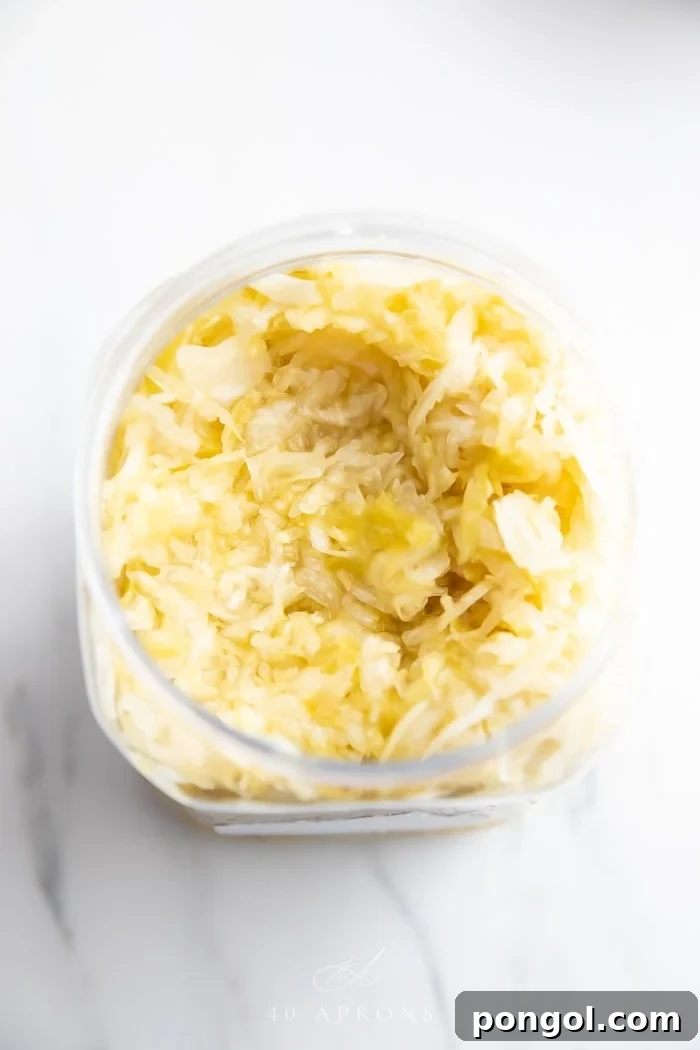
Yes, you read that right – the tangy, briny liquid from a container of plain sauerkraut. At first glance, it might seem like an odd choice, but its role in this recipe is absolutely pivotal. Sauerkraut juice performs several critical functions:
- Balancing Act: It brilliantly cuts through the strong, pungent notes of the fish sauce, preventing it from dominating the overall flavor. Simultaneously, its acidity and tang lighten the inherent sweetness and “heaviness” that can come from coconut aminos, creating a far more balanced and nuanced profile.
- Fermented Depth: Most importantly, sauerkraut juice imparts that elusive, umami-rich fermented vegetable flavor that is a hallmark of traditional soy sauce (think fermented soybeans!). This is the dimension that other substitutes so often miss, and it’s what truly makes this recipe taste like the real deal. It adds a vibrant, savory complexity that is hard to pin down but instantly recognizable as “soy sauce-like.”
- Probiotic Benefits: While used in small quantities, raw, unpasteurized sauerkraut juice also offers the added bonus of natural probiotics, contributing to gut health (though in a condiment, the primary focus is flavor).
The quality of your sauerkraut juice matters immensely. To ensure the best results, always use high-quality, plain sauerkraut. Avoid any varieties with added flavors like garlic dill, caraway, or red cabbage, as these will significantly alter the intended taste of your substitute. Look for fresh, refrigerated sauerkraut, as these tend to have the most vibrant and clean-tasting juice. Brands like Wildbrine are excellent choices for their pure, fermented flavor.
This ingenious inclusion of sauerkraut juice is what makes all the difference, transforming a mere blend of ingredients into a truly convincing and delicious soy sauce alternative.
Recipe Benefits: Why This Is Your Go-To Alternative
Beyond its incredible flavor, this homemade soy sauce substitute offers a multitude of benefits that cater to various dietary needs and preferences, making it an indispensable addition to your pantry:
- Healthier Choice: Unlike many commercial soy sauce substitutes that can contain hidden sugars, artificial ingredients, or excessive sodium, this recipe uses simple, wholesome ingredients. It’s free from thickeners, preservatives, and other additives often found in store-bought options.
- Whole30 Compliant: For those following the strict 30-day Whole30 program, finding compliant condiments is essential. This recipe is meticulously crafted to meet all Whole30 guidelines, providing a delicious way to enjoy your favorite flavors without compromise. Just ensure you use a Whole30-approved fish sauce like Red Boat, which contains no added sugars – a common culprit in non-compliant brands.
- Paleo-Friendly: Adhering to Paleo principles means avoiding grains, legumes (like soy), and processed foods. This substitute perfectly aligns with the Paleo diet, using only ingredients derived from plants and fish, prepared in a natural, minimally processed manner.
- Soy-Free: Crucial for individuals with soy allergies or sensitivities, this recipe eliminates soy entirely, allowing them to safely enjoy the taste of soy sauce without concern.
- Gluten-Free: By avoiding wheat and other gluten-containing ingredients, this substitute is safe for those with celiac disease or gluten intolerance, preventing uncomfortable digestive issues.
- Free of Added Sugars: Many soy sauce alternatives add sugar for flavor balance. Our recipe achieves its perfect balance naturally, making it an excellent choice for anyone looking to reduce sugar intake.
- Quick and Easy to Make: With only three ingredients and a preparation time of under 5 minutes, this recipe is incredibly convenient. No cooking, no complex steps – just mix and store!
- Long-Lasting: Thanks to the preservative qualities of the fish sauce and sauerkraut juice, this substitute keeps well in the refrigerator for at least two weeks, making it ideal for meal prepping or having on hand whenever a craving strikes.
This recipe isn’t just a substitute; it’s a superior alternative that aligns with a healthy lifestyle without sacrificing flavor.
Crafting Your Homemade Soy Sauce Substitute: A Simple Guide
Making this soy-free soy sauce substitute is remarkably straightforward. You don’t need any special equipment, and the entire process takes mere minutes. The beauty lies in the simplicity and the transformative power of just three carefully chosen ingredients.
Ingredients You’ll Need:
Gather these three essential components, paying close attention to the notes for Whole30 compliance and optimal flavor:
- Fish Sauce: Approximately ¼ cup. For Whole30, it is crucial to use a compliant brand. Red Boat Fish Sauce is highly recommended as it contains no added sugars or other non-compliant ingredients, offering a pure, potent umami.
- Coconut Aminos: About 2 tablespoons, with the option to add more if you prefer a slightly sweeter or less salty profile. Coconut Secret Organic Raw Coconut Aminos is a popular choice for its quality and flavor.
- Plain Sauerkraut Juice: Approximately ¼ cup plus 2 tablespoons. This is the liquid from a container of plain, refrigerated sauerkraut. Ensure it’s unsweetened and free of additional flavorings. Brands like Wildbrine often offer excellent, clean-tasting options.
Step-by-Step Instructions:
You’ll be amazed at how quickly this comes together. There’s no cooking involved, just simple mixing!
- Combine Ingredients: In a medium-sized bowl, pour in the measured fish sauce, coconut aminos, and sauerkraut juice.
- Mix Thoroughly: Whisk or stir the ingredients together until they are well combined. The mixture should have a uniform color and consistency.
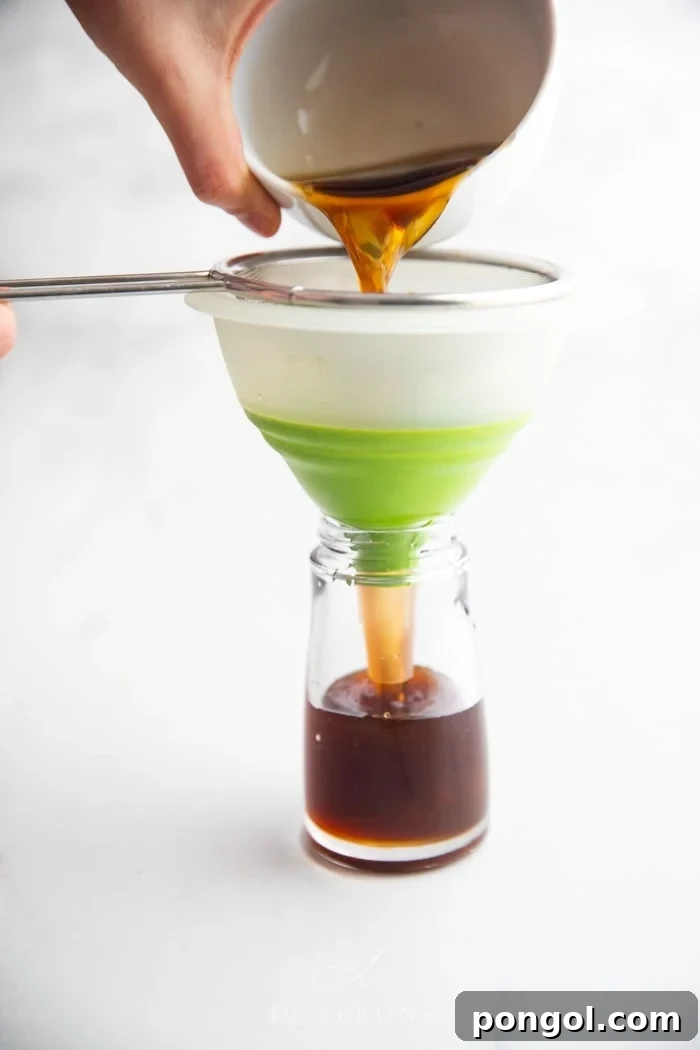
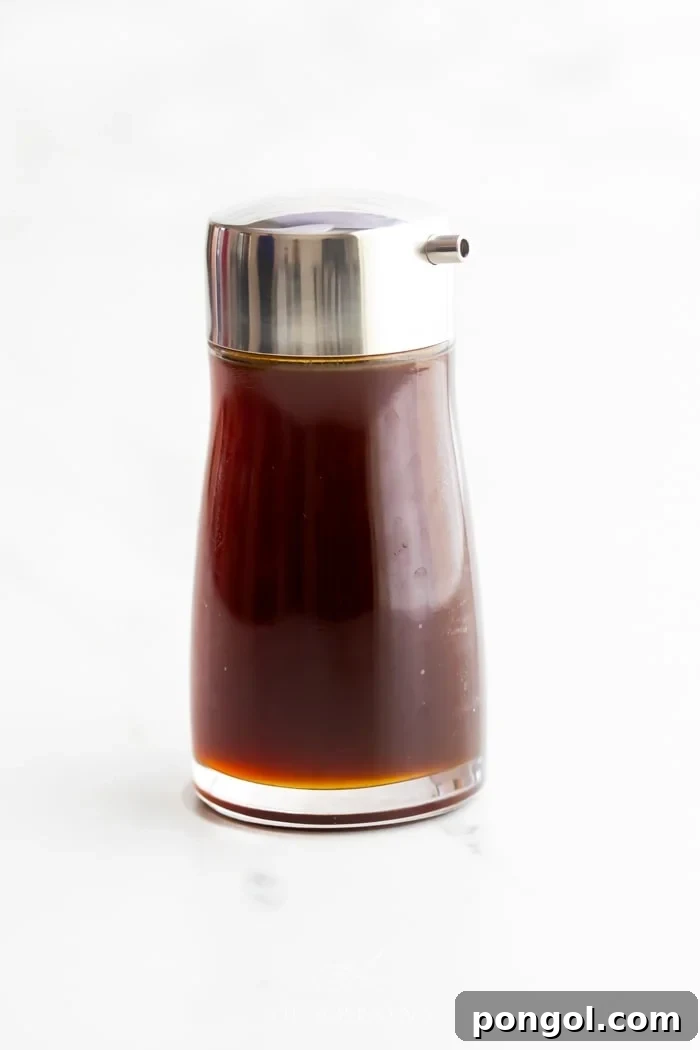
- Strain (Optional but Recommended): To ensure a smooth, clear condiment free of any small sauerkraut pieces, strain the mixture through a fine-mesh sieve directly into a clean jar or bottle. This step ensures a professional finish and prevents any texture surprises.
- Store: Seal the jar or bottle tightly and refrigerate immediately. Your homemade soy sauce substitute is now ready to use!
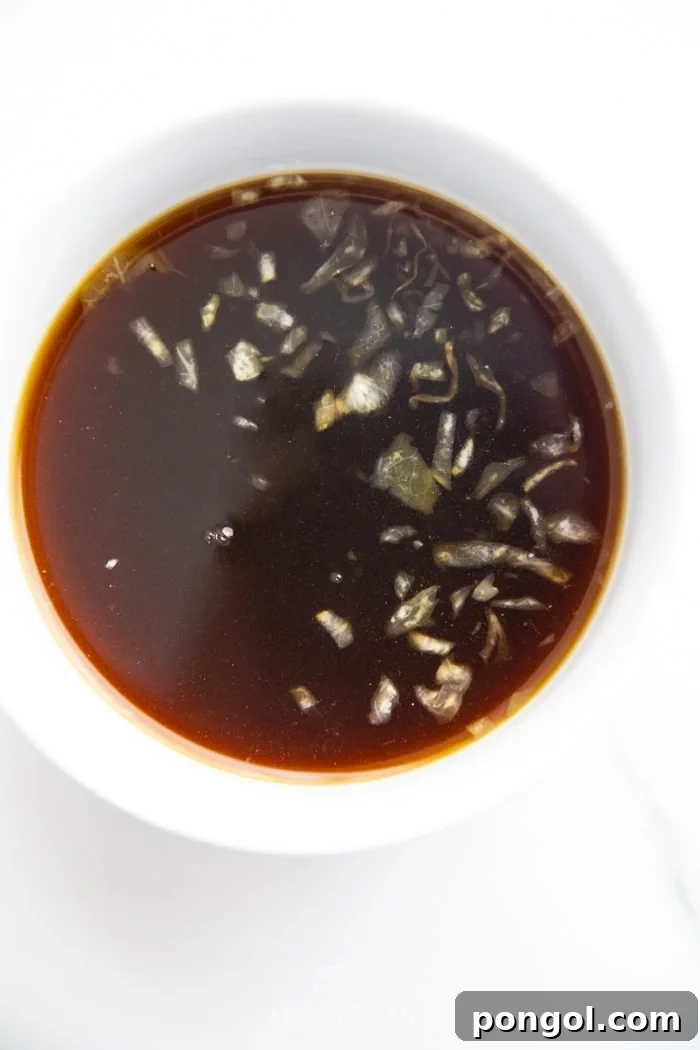
That’s it! No heating, no whisking extensively, no cooling period – just a straightforward mix-and-go process that yields a perfectly balanced, flavorful soy sauce alternative. It’s truly that easy to have a healthy, compliant condiment on hand whenever you need it.
Expert Tips for the Best Results
To ensure your homemade soy sauce substitute is consistently excellent and perfectly suited to your taste, consider these expert tips:
- Fish Sauce Quality is Key: As mentioned, for Whole30 compliance, always use a sugar-free fish sauce. Red Boat Fish Sauce is the gold standard for its clean ingredients and robust flavor, making it an ideal choice for this recipe. Its pure taste contributes significantly to the authenticity of the substitute.
- Choose Plain Sauerkraut: This cannot be emphasized enough. The juice must come from plain, unflavored sauerkraut. Avoid varieties with dill, caraway seeds, garlic, or other strong seasonings, as these will impart undesirable flavors to your finished product. Opt for fresh, refrigerated sauerkraut (like Wildbrine) for the best flavor profile.
- Adjust Sweetness/Saltiness with Coconut Aminos: The recipe provides a balanced starting point. If you find the substitute too intense or salty, you can gradually add a little more coconut aminos to mellow it out and introduce a touch more sweetness. Experiment with small additions until it perfectly suits your palate. The ratio of 2 tablespoons coconut aminos to ¼ cup fish sauce and ¼ cup plus 2 tablespoons sauerkraut juice is a fantastic starting point that many find ideal.
- Don’t Substitute Other Ingredients: Each of the three ingredients plays a crucial and unique role in creating the complex flavor of this substitute. Substituting any one of them will drastically alter the outcome, and the final taste cannot be guaranteed. Stick to the recipe for optimal results.
Serving Suggestions & Culinary Uses
Once you’ve made your batch of this incredible soy sauce substitute, the culinary possibilities are endless! It performs beautifully in any recipe where you would typically use traditional soy sauce:
- Marinades: Perfect for marinating chicken, beef, pork, or tofu before grilling, baking, or stir-frying. It infuses meats with deep savory flavor.
- Stir-Fries: Add it directly to your favorite vegetable and protein stir-fries for an authentic Asian taste.
- Dipping Sauce: Serve it alongside sushi, sashimi, dumplings (if compliant), spring rolls, or gyoza. It’s also fantastic for dipping compliant chicken nuggets or vegetable sticks.
- Dressings: Incorporate it into homemade salad dressings for an umami boost, especially in Asian-inspired salads.
- Soups and Stews: A dash can add depth and richness to broths and stews, providing that hard-to-define savory kick.
- Sauces: Use it as a base for various homemade sauces, from glazes for roasted vegetables to a savory drizzle for rice bowls (if rice is part of your diet).
Storage and Shelf Life
One of the many convenient aspects of this recipe is its excellent shelf life. Because of the naturally preservative qualities of fish sauce and fermented sauerkraut juice, your homemade soy sauce substitute will last for at least two weeks when stored properly in an airtight container in the refrigerator. This allows you to prepare a batch in advance and have it readily available for all your cooking needs, without worrying about frequent restocking.
Frequently Asked Questions (FAQs)
Can I Substitute Ingredients?
While experimentation is part of cooking, this specific soy sauce substitute recipe is formulated with a precise balance of three key ingredients, each playing a critical role in achieving the final authentic flavor. Substituting any of the fish sauce, coconut aminos, or especially the plain sauerkraut juice, will likely alter the taste significantly. For the best and most reliable results, it is strongly recommended to stick to the exact ingredients listed. If you do choose to experiment, the outcome may not be the same as the intended soy-like flavor.
How Long Does This Soy Sauce Substitute Last?
When stored in an airtight container (like a sealed bottle or jar) in the refrigerator, this homemade soy sauce substitute will maintain its freshness and flavor for at least two weeks. Its longevity is attributed to the inherent preservative qualities of fermented ingredients like fish sauce and sauerkraut juice. Always ensure it is properly sealed to prevent spoilage.
This remarkable soy sauce substitute opens up a world of flavor for those with dietary restrictions. Say goodbye to bland meals and hello to rich, savory dishes once again!
More Whole30 & Paleo Recipes to Explore
If you love this recipe and are looking for more delicious, compliant dishes, be sure to check out these other favorites:
- Egg Roll in a Bowl with Creamy Red Chile Sauce
- Whole30 Ketchup
- Whole30 Sriracha
- Whole30 Dump Ranch Recipe
- Whole30 BBQ Sauce With Chipotle (Paleo, Vegan)
Hey – you’ve made it this far, and now we’re best friends! If you make this recipe, I’d love for you to give it a star rating below. Make sure you follow me onInstagram,Pinterest, andFacebook, too!

Recipe By: Cheryl Malik
Rating: 5 out of 5 stars from 3 votes
Easy Soy Sauce Substitute (Whole30, Paleo)
An easy soy sauce substitute that’s salty and rich but with a delicious fermented flavor that tastes so much like soy sauce, thanks to a secret ingredient! Whole30 and paleo, too. Made in 2 minutes with only 3 ingredients.
Prep Time: 2 minutes
Cook Time: 3 minutes
Total Time: 5 minutes

Author: Cheryl Malik
Ingredients (12 servings)
- ¼ cup fish sauce (see Note 1 for Whole30)
- 2 tablespoons coconut aminos (plus more as desired, see Note 2)
- ¼ cup plus 2 tablespoons plain sauerkraut juice (see Note 3)
Instructions
- Combine all ingredients in a bowl. Strain into a jar or bottle and refrigerate. Keeps in the fridge at least 2 weeks.
Notes
- Note 1: Make sure your fish sauce is compliant and totally sugar-free if on a Whole30. Red Boat Fish Sauce is the only brand I know of, and it’s excellent!
- Note 2: You can increase the coconut aminos as desired. Doing so will deepen the color and reduce the intense saltiness of the original recipe. However, I prefer this soy sauce substitute with 2 tablespoons coconut aminos per ¼ cup fish sauce and ¼ cup plus 2 tablespoons sauerkraut juice.
- Note 3: Make absolute sure that your sauerkraut is plain, not Garlic Dill, Red, etc. I like a fresh, refrigerated sauerkraut, like Wild Brine.
- Note 4: Serving size is 1 tablespoon. Recipe makes ¾ cup.
Approximate Information for One Serving
- Serving Size: 1 tablespoon
- Calories: 5 cal
- Protein: 1 g
- Fat: 1 g
- Saturated Fat: 1 g
- Trans Fat: 1 g
- Cholesterol: 1 mg
- Sodium: 499 mg
- Potassium: 14 mg
- Total Carbs: 1 g
- Fiber: 1 g
- Sugar: 1 g
- Net Carbs: 0 g
- Vitamin A: 1 IU
- Vitamin C: 1 mg
- Calcium: 2 mg
- Iron: 1 mg
Nutrition Disclaimers
Number of total servings shown is approximate. Actual number of servings will depend on your preferred portion sizes.
Nutritional values shown are general guidelines and reflect information for 1 serving using the ingredients listed, not including any optional ingredients. Actual macros may vary slightly depending on specific brands and types of ingredients used.
To determine the weight of one serving, prepare the recipe as instructed. Weigh the finished recipe, then divide the weight of the finished recipe (not including the weight of the container the food is in) by the desired number of servings. Result will be the weight of one serving.
Did You Make This Recipe?
Tag @40aprons on Instagram and be sure to leave a review on the blog post!
Tag @40Aprons on Instagram