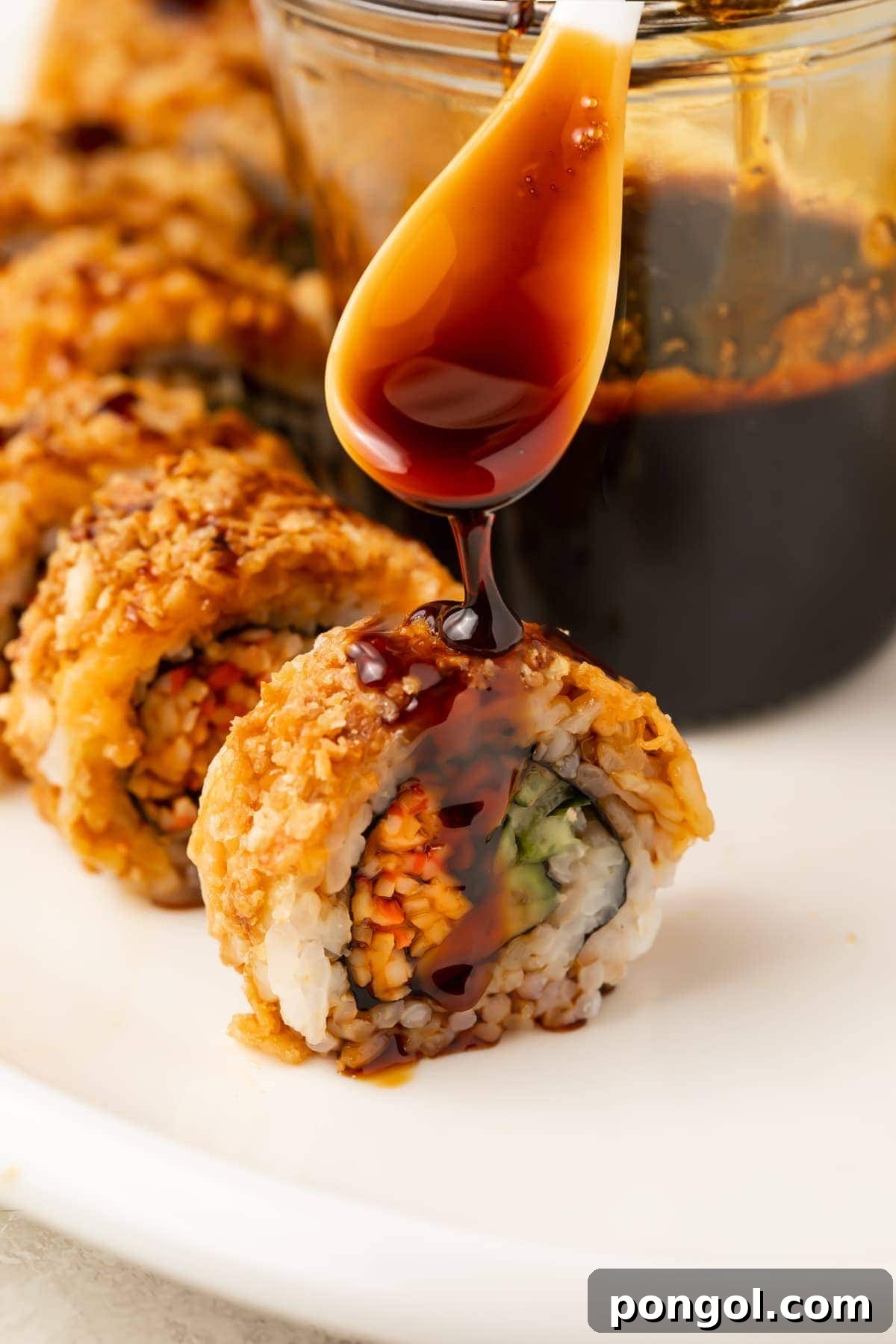
Embark on a culinary journey to Japan right from your kitchen with the effortlessly delicious Eel Sauce. Often hailed as “Unagi Sauce” or “Nitsume,” this iconic Japanese condiment is a staple for sushi lovers and a secret weapon for elevating a multitude of savory dishes. Despite its intriguing name, this sweet and savory sauce contains absolutely no eel, making it a delightful surprise for those with dietary preferences or a curious palate. Its rich, glossy texture and balanced flavor profile of umami, sweetness, and a hint of smokiness transform everyday meals into gourmet experiences. Get ready to discover how simple it is to whip up this versatile sauce, taking your homemade Japanese cuisine—and much more—to an extraordinary level.
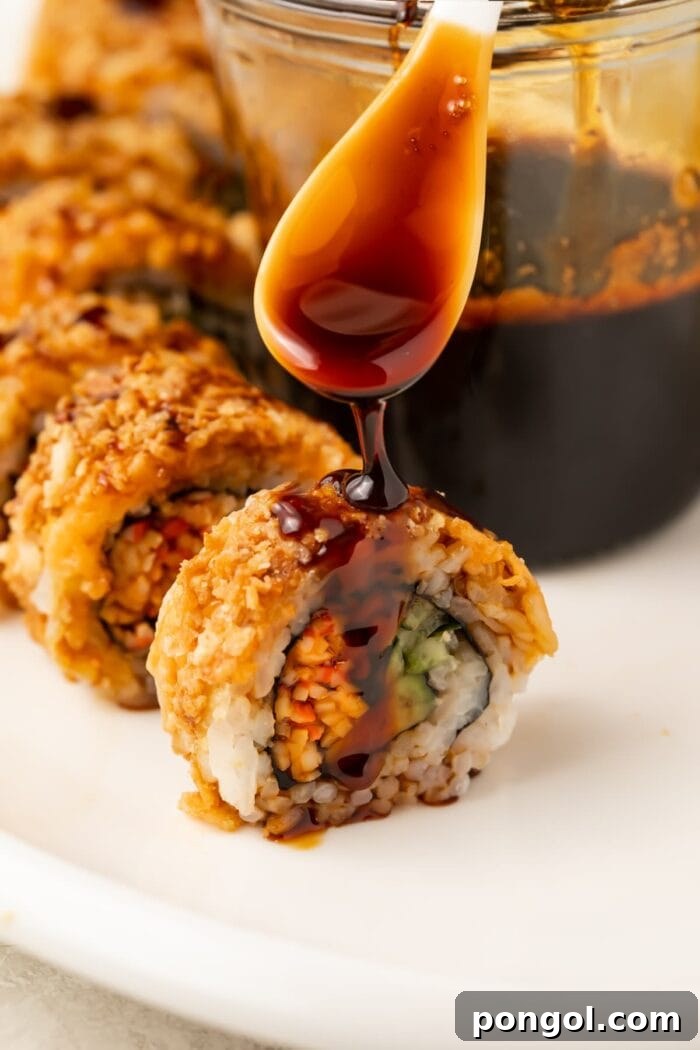
Why You’ll Love This Homemade Eel Sauce Recipe
This homemade eel sauce recipe isn’t just a condiment; it’s a flavor enhancer that promises to become a favorite in your culinary repertoire. Here’s why you’ll fall in love with it:
- Unforgettable Flavor Profile: Eel sauce boasts a truly unique taste that strikes a perfect balance. It’s distinctly sweet, wonderfully salty, and imbued with a deep, smoky umami that keeps you coming back for more. This complex flavor adds an irresistible depth to whatever it graces, making it a standout condiment among other sauces.
- Incredibly Simple & Quick: Forget complicated recipes with long ingredient lists. This impressive sauce requires only four core ingredients that you likely already have in your pantry or can easily find at any grocery store. Plus, with a prep time of just 10 minutes and a cook time of 15-20 minutes, you can have a fresh batch ready in under half an hour. It’s so simple, anyone can master it!
- No Actual Eel Involved: If the name “eel sauce” has made you hesitant, rest assured – there’s absolutely no actual eel in this recipe! The name originates from its traditional use with grilled eel (unagi) in Japanese cuisine. This makes it a fantastic option for vegetarians, vegans (if using vegan soy sauce), and anyone who prefers to avoid seafood while still enjoying authentic Japanese flavors.
- Remarkably Versatile: While it’s famously paired with sushi and fried rice, the utility of this sauce extends far beyond. Drizzle it over grilled chicken, pan-seared fish, baked tofu, or even roasted vegetables for an instant flavor upgrade. It’s also phenomenal as a glaze for salmon, a marinade for skewers, or a dipping sauce for spring rolls. Its adaptability means you’ll find endless ways to incorporate it into your meals.
- Meal Prep Friendly & Long-Lasting: This sauce is ideal for making ahead. Leftovers can be stored in an airtight container in the refrigerator for up to three weeks, meaning you’ll always have this delicious condiment on hand. For even longer storage, it freezes beautifully for up to six months. You can easily double or triple the recipe to ensure you have a generous supply for future culinary adventures.
- Healthier Homemade Option: Making your own eel sauce gives you complete control over the ingredients. You can opt for low-sodium soy sauce, adjust the sugar content, or use gluten-free alternatives to suit your dietary needs without sacrificing flavor. It’s a fresher, often healthier alternative to store-bought versions which may contain artificial preservatives and excessive sodium.
Key Ingredients for the Perfect Eel Sauce
Crafting authentic and delicious eel sauce relies on a few fundamental ingredients, each playing a crucial role in developing its signature sweet, salty, and umami profile. Understanding these components will help you select the best products and make informed substitutions if necessary.
Soy Sauce: The Foundation of Flavor
Soy sauce forms the backbone of eel sauce, providing its characteristic salty depth and a significant portion of its umami. It’s essential to choose a high-quality soy sauce for the best results, as its flavor will shine through. Different types of soy sauce can impact the final taste and appearance:
- Regular Soy Sauce: Offers a robust, salty flavor. Keep in mind that salt levels can vary between brands, so taste as you go.
- Low-Sodium Soy Sauce: A great option if you’re mindful of sodium intake. It allows you to enjoy the full flavor without excessive saltiness.
- Gluten-Free Soy Sauce (Tamari): For a gluten-free version of eel sauce, simply use tamari, which is a gluten-free Japanese soy sauce, as a direct substitute. Tamari often has a richer, less salty flavor than standard soy sauce, so you might need minor adjustments.
- Dark Soy Sauce: While not traditional for eel sauce, a very small amount of dark soy sauce (primarily used in Chinese cooking) can deepen the color and add a subtle sweetness and thicker consistency. Use sparingly if experimenting.
Sugar: Balancing Sweetness and Glaze
Sugar is vital for balancing the saltiness of the soy sauce and contributing to the sauce’s signature syrupy texture and glossy finish. White granulated sugar is standard, but you can explore other options:
- White Granulated Sugar: Provides clean sweetness and helps achieve the desired thick, rich consistency when reduced.
- Brown Sugar: Can be used for a slightly deeper, more caramel-like sweetness. It might also add a touch more complexity to the flavor profile.
- Sweeteners: For those looking to reduce sugar content, a granular sugar substitute like Swerve can be used. However, remember that mirin is naturally sweet, so the sauce won’t be entirely sugar-free.
Mirin: The Sweet Japanese Rice Wine
Mirin is a cornerstone of Japanese cooking, delivering a unique sweetness, a subtle tang, and that characteristic beautiful sheen to sauces. It’s a type of sweet rice wine with a lower alcohol content than sake, specifically made for cooking. Its importance cannot be overstated for authentic eel sauce:
- Authentic Flavor: Mirin contributes a distinct sweetness and a mellow, refined flavor that is hard to replicate. It also helps to tenderize proteins and adds gloss.
- Substitutes: If mirin is unavailable, you can create a reasonable substitute by combining a little extra sugar with a little extra sake (or even water). A common ratio is 1 tablespoon sake + 1 teaspoon sugar for every 1 tablespoon of mirin. However, be aware that the flavor won’t be precisely the same, as mirin has its own unique aromatic compounds.
Sake: For Depth and Umami
Sake, a Japanese rice wine, is another critical ingredient that imparts a rich umami depth to the sauce. While its alcohol content cooks out during reduction, it leaves behind an unbeatable complexity of flavor that enriches the overall profile:
- Enhancing Umami: Sake adds a layer of savory richness that complements the other ingredients beautifully, creating a more sophisticated flavor.
- Substitutes: There isn’t a perfect substitute for sake’s unique contribution to eel sauce. Water can be used to thin the ingredients and aid in reduction, but it will lack the rich umami and subtle sweetness that sake provides. In a pinch, a dry sherry or even a touch of white wine *could* be considered, but they will alter the traditional Japanese flavor profile. For best results, it’s worth seeking out sake.
How to Make Homemade Eel Sauce: A Step-by-Step Guide
Making your own eel sauce is incredibly straightforward. Follow these simple steps to create a rich, syrupy condiment that will impress everyone:
Gather Your Equipment
- A small saucepan
- A whisk (optional, but helpful for even mixing)
- An airtight container for storage
The Simple Process
- Combine Ingredients: In your small saucepan, pour in the soy sauce, white sugar, mirin, and sake. Give it a good whisk to ensure the sugar starts to dissolve and all ingredients are well combined.
- Bring to a Boil: Place the saucepan over medium-high heat. Allow the mixture to come to a rolling boil. This initial high heat helps activate the flavors and begin the reduction process.
- Reduce and Simmer: Once boiling, immediately reduce the heat to medium-low. The goal is a gentle simmer, not a vigorous boil, which helps prevent scorching. Continue to cook for approximately 15-20 minutes.
- Stir Regularly: While simmering, stir the sauce regularly, about every 2-3 minutes. This prevents the sauce from sticking to the bottom of the pan and ensures even reduction and a smooth consistency.
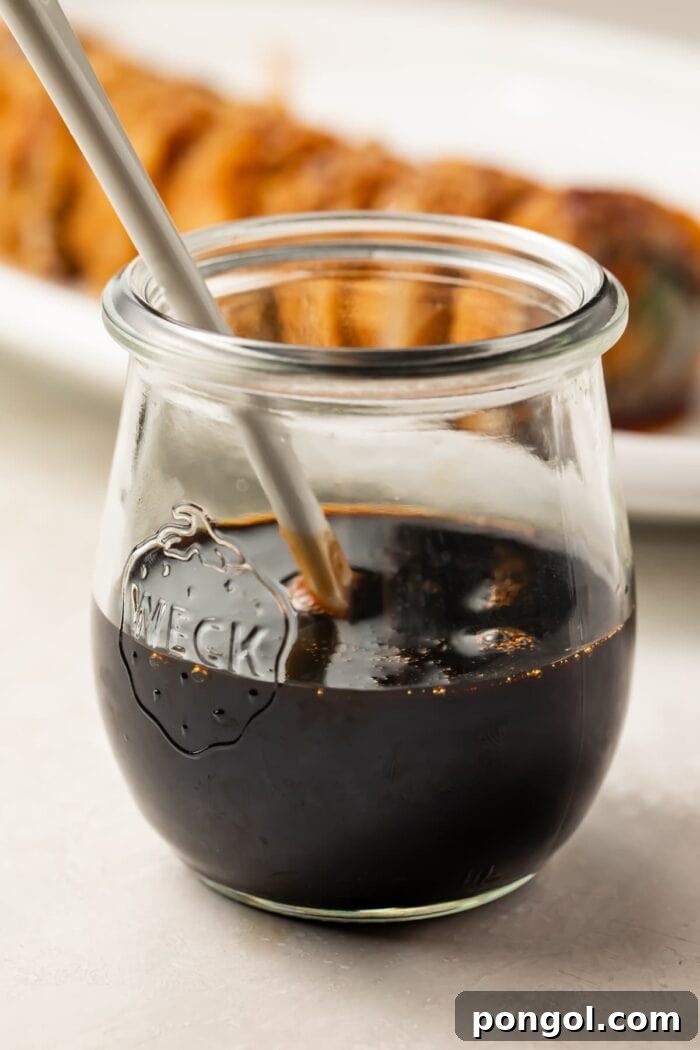
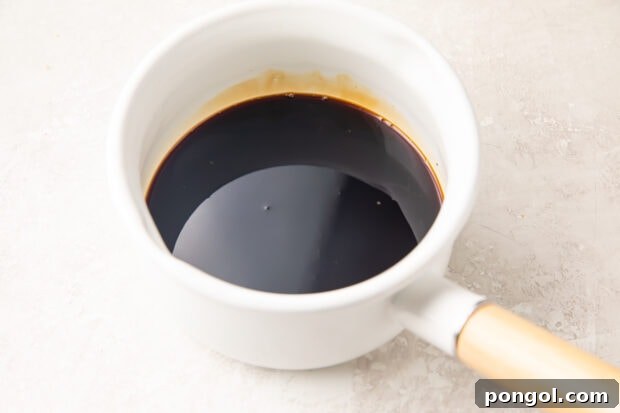
- Achieve Desired Consistency: The sauce is ready when it has reduced by about one-quarter to one-third, leaving you with approximately ¾ cup of thickened liquid. It should have a syrupy consistency, thick enough to coat the back of a spoon. Remember, it will thicken further as it cools, so don’t over-reduce it while hot.
- Cool and Store: Remove the saucepan from the heat. Carefully transfer the hot sauce to an appropriate container with a lid. Allow it to cool completely at room temperature. As it cools, you’ll notice it reaches its ideal rich, syrupy texture. Once fully cooled, it’s ready to serve or refrigerate for later use.
Chef’s Tips for Perfect Eel Sauce Every Time
Achieving the perfect eel sauce is simple, but a few expert tips can ensure your batch is consistently excellent. Master these techniques for a sauce that rivals your favorite Japanese restaurant.
- Monitor the Heat: The key to a glossy, rich eel sauce is controlled simmering. After bringing the mixture to a boil, immediately lower the heat to medium-low. It should maintain a gentle simmer, not a vigorous boil. Overcooking at high heat can cause the sugar to burn, resulting in a bitter taste and a scorched flavor. Keep a close eye on it!
- Achieving the Ideal Consistency: The sauce should reduce to a thick, rich consistency similar to a syrup or a thin honey. It will coat the back of a spoon nicely. Remember that eel sauce continues to thicken significantly as it cools. If it looks a little thin on the stove, don’t panic – it will likely reach the perfect texture once chilled.
- Adjusting Thickness:
- If too thick: Don’t fret if your sauce becomes too thick after cooling. Simply stir in a small amount of water or a little extra sake (a teaspoon at a time) and gently reheat on low. This will thin it back out to your desired consistency.
- If too thin: If it’s still too runny after cooling, return it to the saucepan and simmer for another 5-10 minutes over low heat, stirring constantly, until it reduces further. A small pinch of cornstarch (dissolved in cold water first) can also be added at the end for quicker thickening, though traditional eel sauce thickens through reduction.
- Prevent Scorching: Always stir regularly while the sauce is simmering. This prevents the sugars from settling and burning at the bottom of the pan, which can ruin the flavor and texture of your sauce.
- Taste and Adjust: As the sauce reduces, taste it periodically. If it’s too salty, a tiny bit more sugar can balance it. If it’s not sweet enough, add a touch more sugar. You are the chef, and your palate is the ultimate judge!
- Storing for Freshness:
- Refrigeration: Once completely cool, transfer the eel sauce to an airtight container. It will keep beautifully in the refrigerator for up to three weeks. This makes it a perfect make-ahead condiment for busy weeks.
- Freezing: For longer storage, eel sauce freezes exceptionally well. Let it cool completely, then transfer it to a freezer-safe, airtight container or even an ice cube tray for pre-portioned servings. It can be frozen for up to six months.
- Reheating from Frozen: To use frozen eel sauce, simply thaw it in the refrigerator overnight or gently reheat it on the stove over low heat. You may need to add a splash of water or sake to achieve the desired consistency as it reheats.
Delicious Serving Suggestions for Your Homemade Eel Sauce
The beauty of homemade eel sauce lies in its incredible versatility. While it’s famously known for enhancing Japanese dishes, its sweet and savory profile makes it a fantastic addition to a wide array of cuisines. Here are some inspired ways to enjoy your delicious creation:
- Classic Sushi and Sashimi: The quintessential pairing! Drizzle a generous amount over your favorite sushi rolls, especially those with tempura, avocado, or cream cheese. It’s also fantastic with plain rice and sashimi.
- Nigiri and Hand Rolls: Elevate simple nigiri (like salmon or tuna) or a quick hand roll with a delicate brush of eel sauce.
- Fried Rice & Noodle Dishes: Stir it into homemade fried rice, chicken fried rice, or even vegetable fried rice for an extra layer of umami and sweetness. It also makes a great finishing touch for stir-fried noodles like Yaki Udon or Lo Mein.
- Grilled & Roasted Proteins: This sauce is a glaze superstar! Brush it onto grilled chicken, pork tenderloin, or beef skewers during the last few minutes of cooking for a beautiful caramelization and flavor. It’s also excellent on roasted salmon, cod, or shrimp.
- Tofu & Tempeh: For plant-based meals, use eel sauce as a marinade or glaze for baked or pan-fried tofu and tempeh. It caramelizes beautifully and adds incredible flavor.
- Roasted Vegetables: Give your roasted broccoli, Brussels sprouts, carrots, or asparagus an Asian-inspired twist. Toss them with a bit of eel sauce before roasting, or drizzle it on top once cooked.
- Rice Bowls & Poke Bowls: A must-have for homemade poke bowls or any rice bowl featuring proteins like chicken, salmon, or tofu. It ties all the components together with its cohesive flavor.
- Dumplings & Spring Rolls: Serve it as a sophisticated dipping sauce for potstickers, gyoza, or crispy spring rolls. It offers a sweeter alternative to traditional soy sauce.
- Burgers & Sandwiches: For an unconventional twist, try a smear of eel sauce on a burger or a grilled chicken sandwich. It adds an unexpected depth of flavor.
- Edamame & Appetizers: A light drizzle over steamed edamame can make a simple snack feel gourmet. Also consider it for other Asian-inspired appetizers.
Explore Other Delightful Sauces
If you loved making this eel sauce, you’re sure to enjoy these other homemade sauce recipes that can transform your meals:
- Miso Dressing
- Asian Salad Dressing
- Japanese Salad Dressing
- Creamy Avocado Dressing
- Zesty Lemon Butter Sauce
- Creamy Dill Sauce for Salmon
- Warm Hot Bacon Dressing
- Smoky Chipotle Mayo
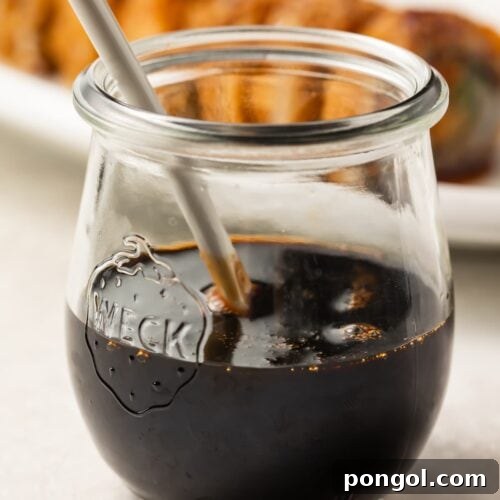
Homemade Eel Sauce (Unagi Sauce)
This sweet and salty Japanese sauce is incredibly easy to make at home and contains no eel! It’s perfect for sushi, fried rice, chicken, fish, and so much more, bringing an authentic taste of Japan to your kitchen.

Recipe By: Cheryl Malik
10 minutes
20 minutes
30 minutes
Approximately 12 (1-tablespoon) servings
Pin Recipe
Equipment
- Small saucepan
Ingredients
- ½ cup soy sauce
- 4 tablespoons white sugar (see Notes)
- ½ cup mirin (Japanese sweet wine)
- 2 tablespoons sake
Instructions
-
Combine all ingredients (soy sauce, white sugar, mirin, and sake) in a small saucepan over medium-high heat. Whisk gently to mix.

-
Bring the liquid to a boil, then immediately lower the heat to medium-low to maintain a gentle simmer. Cook for approximately 15-20 minutes, stirring regularly to prevent scorching, until the liquid reduces to approximately ¾ cup and thickens to a syrupy consistency.
-
Remove from heat and carefully transfer the sauce to an airtight container with a lid. The sauce will continue to thicken as it cools. Once completely cool, serve immediately or refrigerate until ready to use.
Notes
- White Sugar: To reduce the sugar content, you can use granular Swerve or another sugar substitute in place of the white sugar. Please note that mirin is naturally sweetened, so this recipe won’t be entirely sugar-free.
- Make it Gluten-Free: Simply use a gluten-free soy sauce (such as Tamari) to make this recipe suitable for a gluten-free diet.
- Yield: This recipe typically yields approximately 12 one-tablespoon servings. The actual number of servings may vary based on your preferred portion sizes.
- Nutritional Disclaimer: Nutritional values shown are general guidelines and reflect information for 1 serving out of 12 using the ingredients listed. Actual macros may vary slightly depending on specific brands and types of ingredients used.
- Determining Serving Weight: To find the exact weight of one serving, prepare the recipe as instructed. Weigh the entire finished recipe (excluding the container’s weight), then divide that weight by 12. This result will be the weight of one serving.
Approximate Nutritional Information for One Serving
Serving Size: 1 tablespoon
Calories: 39 cal
Protein: 1 g
Fat: 1 g
Saturated Fat: 1 g
Sodium: 615 mg
Potassium: 21 mg
Total Carbs: 9 g
Fiber: 1 g
Sugar: 6 g
Net Carbs: 8 g
Calcium: 2 mg
Iron: 1 mg
Number of total servings shown is approximate. Actual number of servings will depend on your preferred portion sizes.
Nutritional values shown are general guidelines and reflect information for 1 serving using the ingredients listed, not including any optional ingredients. Actual macros may vary slightly depending on specific brands and types of ingredients used.
To determine the weight of one serving, prepare the recipe as instructed. Weigh the finished recipe, then divide the weight of the finished recipe (not including the weight of the container the food is in) by the desired number of servings. Result will be the weight of one serving.
Did You Make This Delicious Eel Sauce?
We’d love to see your culinary creations! Tag @40aprons on Instagram and be sure to leave a review and your rating on the blog post. Your feedback helps us and other home cooks!
Tag @40Aprons on Instagram
Frequently Asked Questions About Eel Sauce
Curious to learn more about this beloved Japanese condiment? Here are answers to some of the most common questions about eel sauce.
- Q: Does eel sauce actually contain eel?
- A: No, despite its name, traditional eel sauce (Unagi Sauce or Nitsume) does not contain any actual eel. The name comes from its traditional use as a glaze for grilled eel (unagi) in Japanese cuisine. It is typically made from soy sauce, sugar, mirin, and sake.
- Q: What is the difference between eel sauce and teriyaki sauce?
- A: While both are sweet and savory Japanese sauces, they have distinct differences. Eel sauce tends to be thicker, sweeter, and more intensely flavored with a stronger umami punch due to its higher sugar and mirin content and often a more pronounced reduction. Teriyaki sauce, while also sweet and savory, often includes ginger and garlic, and sometimes sesame oil, giving it a slightly different aromatic profile and usually a thinner consistency suitable for marinades and glazes.
- Q: Can I make eel sauce without sake or mirin?
- A: You can attempt substitutions, but the flavor will not be entirely authentic. For mirin, you can use a mix of sake (or water) and sugar. For sake, there isn’t a direct perfect substitute that offers the same umami depth; dry sherry or white wine can be used in a pinch but will alter the traditional Japanese flavor. For the best, most authentic results, using sake and mirin is recommended.
- Q: Is homemade eel sauce gluten-free?
- A: It can be! To make homemade eel sauce gluten-free, simply ensure you use a gluten-free soy sauce, such as tamari. The other main ingredients (sugar, mirin, sake) are typically gluten-free, but always check labels to be sure, especially for mirin, as some brands might contain wheat.
- Q: How long does homemade eel sauce last?
- A: When stored in an airtight container in the refrigerator, homemade eel sauce can last for up to three weeks. For longer storage, it freezes well for up to six months. Just thaw in the refrigerator or gently reheat on the stove, adding a little liquid if needed to thin it out.
- Q: What makes eel sauce so glossy?
- A: The glossy appearance of eel sauce comes from a combination of factors: the sugar caramelizing during reduction, the natural sheen contributed by mirin, and the overall process of reducing the liquids until they form a thick, syrupy glaze.
Mastering this simple homemade eel sauce opens up a world of flavor possibilities, proving that restaurant-quality tastes are easily achievable in your own kitchen. Its versatility, ease of preparation, and long shelf life make it an indispensable condiment for any aspiring home chef. So go ahead, whip up a batch, and let this sweet and savory Japanese delight transform your next meal into a truly memorable culinary experience!