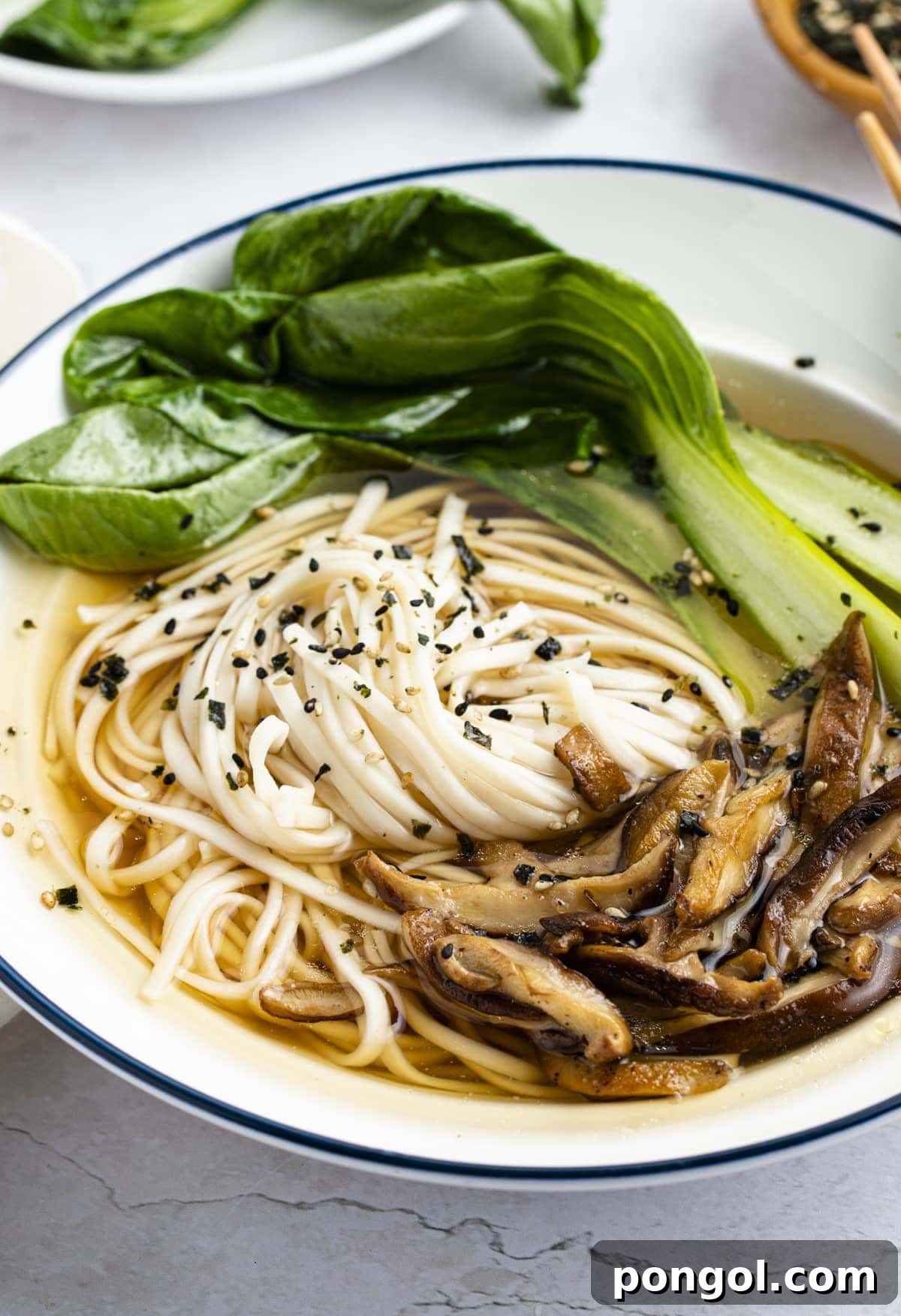
This Udon soup offers an incredibly easy and deeply satisfying way to enjoy a classic Japanese dish right in your own kitchen. Featuring delightfully tender noodles enveloped in a rich, savory broth, it’s a bowl of pure comfort that can be savored simply as-is, or elevated with your favorite additions like earthy mushrooms, crisp bok choy, succulent chicken, or tender slices of beef. Perfect for a quick weeknight dinner or a soul-warming treat on a chilly evening, this recipe brings authentic flavors within reach for any home cook.
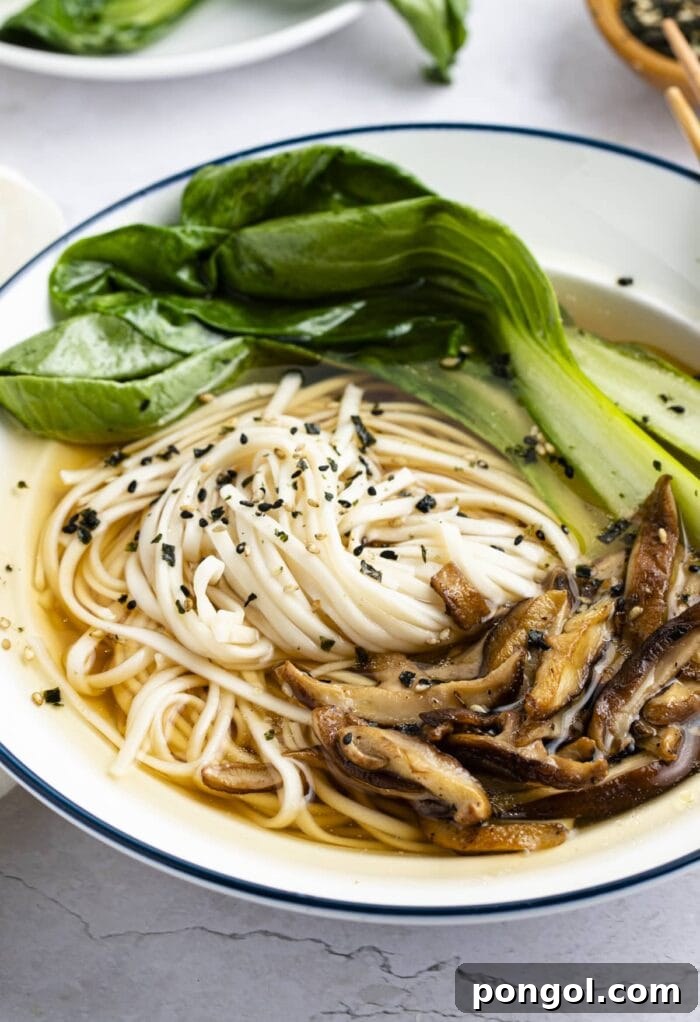
Savor the Comfort: Easy Homemade Udon Soup Recipe
Udon soup holds a special place in Japanese culinary tradition and in the hearts of food lovers worldwide. Known for its thick, chewy wheat noodles and flavorful broth, it’s a versatile dish that offers both comfort and a burst of umami. While many adore the experience of authentic Japanese restaurant udon, making it at home can seem daunting. This recipe aims to demystify the process, bringing you an incredibly simple yet profoundly delicious version that allows you to recreate those cherished flavors with minimal effort. Whether you’re a seasoned chef or a kitchen novice, this guide will help you craft a truly memorable bowl of Udon soup, tailored perfectly to your taste.
What Makes This Homemade Udon Soup Truly Special?
This isn’t just another noodle soup; it’s an experience designed for ease, flavor, and personalization. Here’s why this particular Udon soup recipe will become a cherished favorite in your cooking repertoire:
- Effortless Elegance with Deep Flavor: Forget complicated techniques or lengthy ingredient lists. This Udon soup is a testament to simplicity, proving that minimal steps can yield maximum flavor. It’s as straightforward as boiling the noodles and simmering the broth ingredients, then bringing them together in a harmonious blend. The result is a soup that tastes like it took hours to prepare, making it perfect for busy weeknights when you crave something comforting and authentic without the fuss.
- Your Culinary Canvas: Customization is Key: While inspired by the rich and nuanced flavors you’d find at your favorite Japanese eateries, this recipe offers the ultimate flexibility. It’s not strictly a traditional Japanese soup in its rigidity, but rather a foundation for you to build upon. The beauty of making Udon soup at home lies in your ability to fully customize it. Adjust the sweetness, saltiness, or add a spicy kick. Experiment with a myriad of toppings to match your mood, dietary preferences, or whatever fresh ingredients you have on hand.
- A Bowl of Pure, Unadulterated Comfort: From the first slurp of the savory broth to the satisfying chew of the tender noodles, this soup is a warm embrace in a bowl. The broth itself is a masterful balance of rich umami, a hint of saltiness, and a subtle touch of sweetness, creating a complex flavor profile that tantalizes the taste buds. The udon noodles, with their delightful tender and chewy texture, soak up the broth’s goodness, making every bite a pleasure. It’s the quintessential comfort food, ideal for curling up with on a chilly evening or offering gentle nourishment when you’re feeling under the weather.
Essential Ingredients for Your Perfect Udon Soup
Crafting a truly remarkable Udon soup relies on a few core ingredients that form its distinctive character. Understanding each component’s role will not only help you source the best products but also empower you to make informed substitutions if necessary.
- Udon Noodles – The Soul of the Soup: Udon noodles are the undeniable star of this dish. Their thick, chewy texture is unique and incredibly satisfying.
- Types: While fresh udon noodles offer the best texture and are often found in Asian markets (sometimes frozen), dried udon noodles are widely available in most grocery stores and work wonderfully for this recipe. If you’re feeling adventurous, you can even make udon noodles from scratch, though this recipe focuses on convenience.
- Texture Tip: Regardless of the type, ensure you cook them according to package instructions for that perfect tender yet firm chew. Rinsing them after cooking helps prevent stickiness and stops the cooking process.
- Dashi Granules – The Umami Foundation: Dashi is the cornerstone of many Japanese broths, providing the crucial umami flavor that gives the soup its depth.
- What is Dashi? Traditionally made from kombu (kelp) and katsuobushi (dried bonito flakes), dashi offers a clean, savory base.
- Convenience: Dashi granules are a fantastic shortcut, allowing you to achieve authentic dashi flavor in minutes. You can typically find these at Asian grocery stores, international food aisles, or online marketplaces like Amazon.
- Alternatives: If you prefer to make dashi from scratch, you can use kombu and bonito flakes. For a vegetarian/vegan option, skip the katsuobushi and use only kombu, or look for mushroom-based dashi granules.
- Broth Essentials – Balancing Flavors: Beyond dashi, a few key liquid ingredients round out the broth’s iconic taste.
- Soy Sauce: Adds a salty, savory depth. Consider using a low-sodium variety to better control the overall saltiness of your soup, allowing you to season to taste without overdoing it.
- Mirin: This sweet Japanese rice wine adds a delicate sweetness and a beautiful sheen to the broth, enhancing its complexity. It’s often found alongside soy sauce in grocery stores.
- Sugar: A small amount of sugar balances the savory and salty notes, creating a well-rounded and harmonious flavor profile that is characteristic of many Japanese dishes.
- Versatile Toppings – Personalize Your Bowl: One of the best aspects of Udon soup is the endless array of toppings you can add to elevate its flavor, texture, and nutritional value.
- Greens: Thinly sliced green onions (scallions) add a fresh, pungent bite and vibrant color. Bok choy, briefly simmered, provides a tender-crisp texture and mild flavor. Spinach or Napa cabbage are also excellent choices.
- Mushrooms: Sautéed or simmered shiitake mushrooms offer a rich, earthy umami boost. Enoki, oyster, or cremini mushrooms can also be used.
- Proteins: For a heartier meal, thinly sliced beef (shabu-shabu style), grilled chicken breast, rotisserie chicken, crispy tempura shrimp, pan-fried tofu, or even a soft-boiled egg (ajitsuke tamago) are fantastic additions.
- Other Favorites: Consider adding narutomaki (fish cake slices), a sprinkle of furikake (Japanese rice seasoning), a sheet of nori (seaweed), or a drizzle of chili oil for a spicy kick.
Chef’s Expert Tips for Udon Soup Mastery
Elevate your homemade Udon soup from good to extraordinary with these practical tips and clever customizations:
- Mastering Sodium Levels: The interplay of dashi, soy sauce, and mirin creates a deeply flavorful broth, but it can also become quite salty. To prevent your udon soup from being too overpowering, always opt for a low sodium soy sauce. This gives you greater control over the seasoning, allowing you to add more to taste if needed, rather than starting with an overly salty base. Remember to taste the broth as you go!
- Perfectly Cooked Toppings: If you plan to incorporate fresh vegetables like bok choy, spinach, or delicate mushrooms (such as shiitake or enoki) into your soup, timing is key. For a slightly softened, yet still vibrant texture, add them to the simmering broth for just the last minute or so of cooking. This gentle heat will warm them through and slightly tenderize them without overcooking, preserving their color and nutrients.
- Noodle Innovations for Dietary Needs: While udon noodles are traditional, this recipe is adaptable! If you’re looking to reduce carbohydrates, go gluten-free, or simply try something new, you have excellent options. Consider swapping out traditional udon noodles with zucchini noodles, low-carb “miracle noodles” (konjac noodles), or your favorite brand of gluten-free noodles. These alternatives allow everyone to enjoy the rich flavors of udon soup, regardless of dietary restrictions.
- Enhance Broth Depth: For an even richer dashi flavor, consider simmering a piece of kombu (dried kelp) in the water for 10-15 minutes before adding the dashi granules and other broth ingredients. Remove the kombu before adding other liquids. You can also add a slice of fresh ginger or a clove of garlic (removed before serving) to the simmering broth for an aromatic boost.
- Meal Prep Savvy: To make meal prep a breeze, you can cook the udon noodles and prepare the broth separately. Store them in airtight containers in the refrigerator. When you’re ready to eat, simply reheat the broth, add the noodles, and incorporate your desired fresh toppings. This prevents the noodles from becoming soggy and allows for quick, convenient meals throughout the week.
- Adjusting Sweetness and Spice: The recipe calls for a touch of sugar and mirin for balance. If you prefer a less sweet broth, you can reduce the amount of sugar. For those who enjoy a bit of heat, a dash of togarashi (Japanese seven-spice blend), a few drops of chili oil, or a pinch of red pepper flakes can be stirred in just before serving.
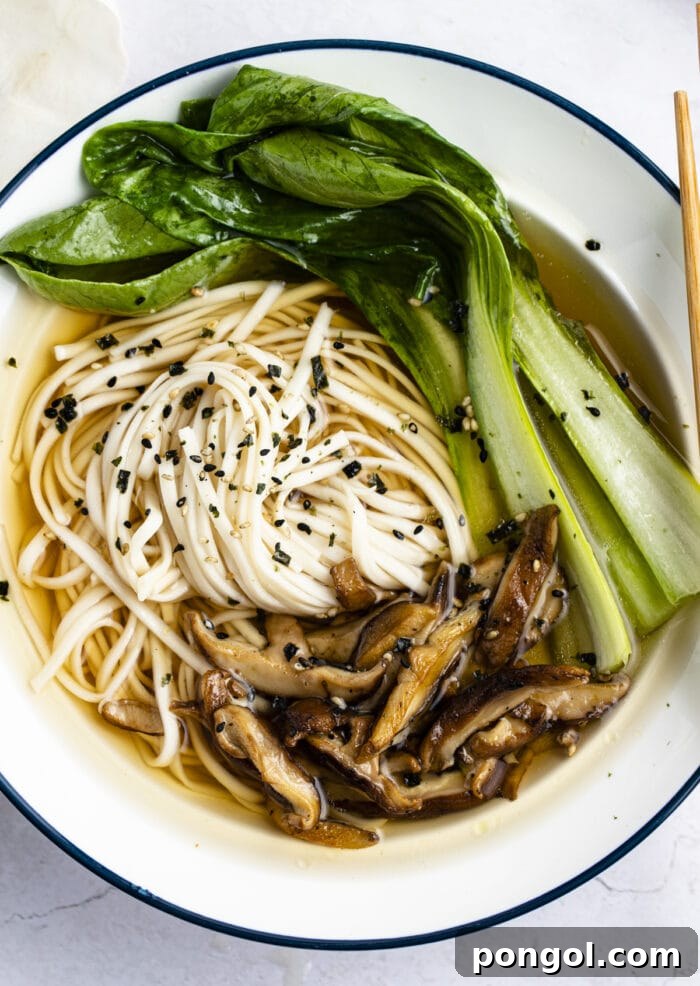
Other Asian-Inspired Recipes You’ll Love
If you’re a fan of Asian cuisine and enjoyed this Udon soup recipe, be sure to explore these other delicious and easy-to-make dishes from our collection:
- Best Ever Tom Kha Gai Soup (Thai Coconut Chicken Soup)
- Egg Roll in a Bowl Meal Prep (Whole30, Paleo, Keto)
- Keto Ramen
- Whole30 Sushi – Spicy Salmon Roll (Low Carb, Paleo, Keto Friendly)
- Beef Pad Thai
- Slow Cooker Tom Kha Soup (Thai Coconut Chicken Soup)
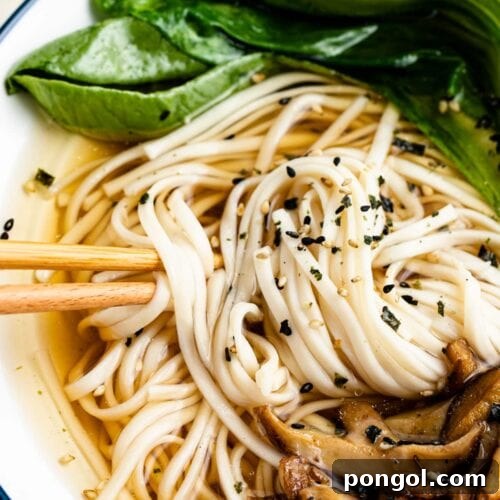
Recipe By: Jasmine Comer
Udon Soup
Prep Time: 15 minutes
Cook Time: 10 minutes
Total Time: 25 minutes
This udon soup is an easy, at-home version of a classic Japanese dish. The tender noodles and flavorful broth can be enjoyed as-is or enhanced with mushrooms, bok choy, chicken, or beef.

Jasmine Comer
Servings: 4
Equipment
- Medium bowl
- Large pot
Ingredients
- 1 pound udon noodles
- 5 cups water
- 4 teaspoons dashi granules
- 3 tablespoons soy sauce (see Notes for low-sodium option)
- 2 teaspoons sugar (see Notes for reduced sugar option)
- 2 tablespoons mirin
- Toppings of choice (e.g., furikake, bok choy, shiitake mushrooms, green onions, sliced beef, chicken, soft-boiled egg)
Instructions
-
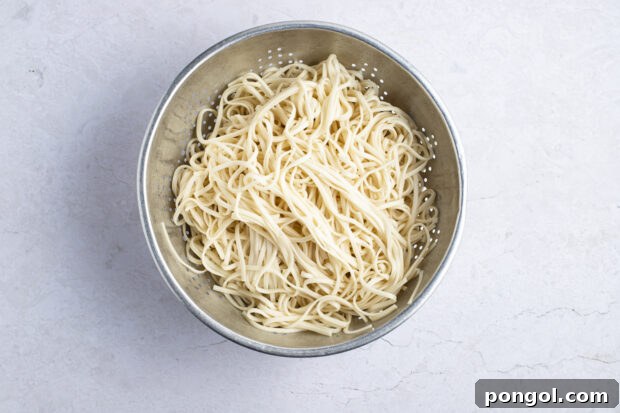
Cook udon noodles according to package instructions. Drain thoroughly and rinse with cold water to stop the cooking process and prevent stickiness. Set aside in a medium bowl.

-
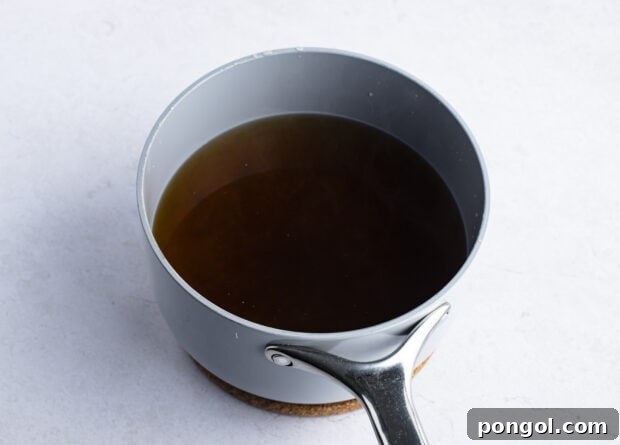
In a large pot, combine 5 cups of water, dashi granules, soy sauce, sugar, and mirin. Bring this mixture to a rolling boil over medium-high heat. Once boiling, reduce the heat to low and let it simmer gently until the dashi granules have completely dissolved, about 3-5 minutes. Taste and adjust seasoning if necessary.
-
Evenly portion the cooked udon noodles among 4 individual serving bowls. Carefully ladle the hot, flavorful broth over the noodles. Garnish generously with your chosen toppings and serve immediately for the best experience.
Recipe Notes:
- Soy Sauce: For a gluten-free option, you can substitute tamari for soy sauce. Coconut aminos can also be used for a soy-free alternative, though the flavor profile will be slightly different.
- Make it Reduced Sugar: If you’re looking to lower the sugar content, replace the granulated sugar with a sugar substitute like granulated Swerve or monk fruit sweetener. Please note that mirin naturally contains some sweetener, so the recipe won’t be entirely sugar-free, but this substitution will significantly reduce the added sugar.
Recipe yields approximately 4 servings. Actual number of servings will depend on your preferred portion sizes.
Nutritional values shown are general guidelines and reflect information for 1 serving using the ingredients listed, not including any optional toppings. Actual macros may vary slightly depending on specific brands and types of ingredients used.
To accurately determine the weight of one serving, prepare the recipe as instructed. Weigh the entire finished recipe (excluding the weight of the container the food is in), then divide that total weight by 4. The result will be the approximate weight of one serving.
Approximate Nutrition Information for One Serving
Serving Size: 1 serving
Calories: 420 cal
Protein: 19 g
Fat: 3 g
Saturated Fat: 1 g
Sodium: 2210 mg
Potassium: 33 mg
Total Carbs: 83 g
Fiber: 6 g
Sugar: 15 g
Net Carbs: 77 g
Vitamin A: 1 IU
Calcium: 13 mg
Iron: 1 mg
Nutrition Disclaimers
Number of total servings shown is approximate. Actual number of servings will depend on your preferred portion sizes.
Nutritional values shown are general guidelines and reflect information for 1 serving using the ingredients listed, not including any optional ingredients. Actual macros may vary slightly depending on specific brands and types of ingredients used.
To determine the weight of one serving, prepare the recipe as instructed. Weigh the finished recipe, then divide the weight of the finished recipe (not including the weight of the container the food is in) by the desired number of servings. Result will be the weight of one serving.
Did You Make This Recipe?
We’d love to see your delicious creation! Tag @40aprons on Instagram and be sure to leave a review and your thoughts on the blog post!
Tag @40Aprons on Instagram