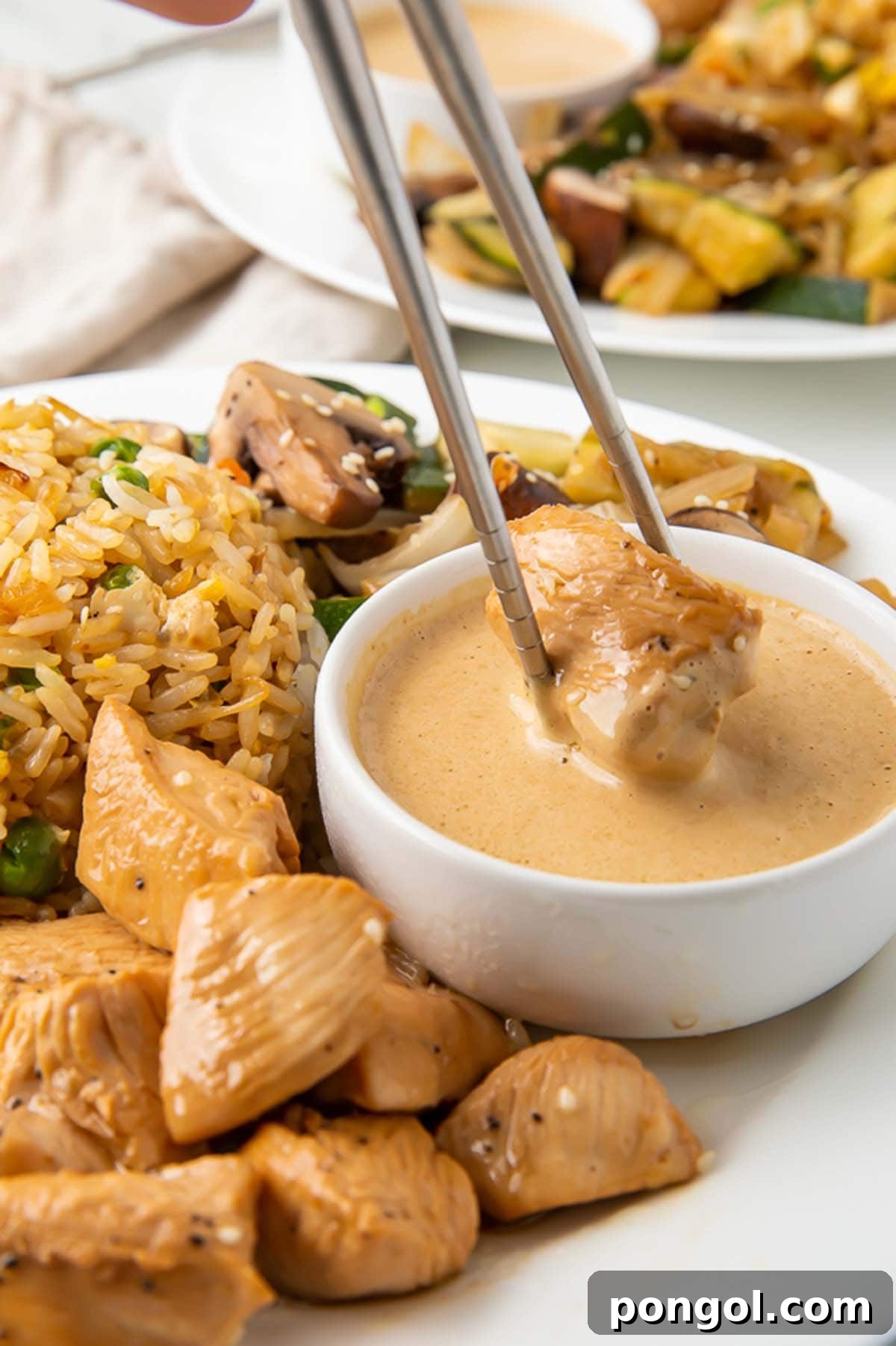
Experience the Japanese Steakhouse at Home: Ultimate Hibachi Chicken Dinner with Fried Rice and Creamy Mustard Sauce
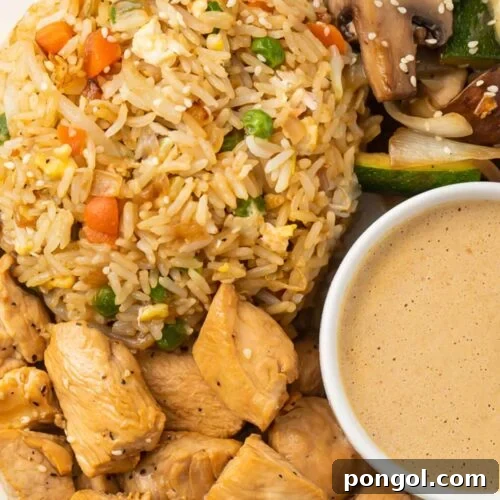
Dreaming of a delicious hibachi dinner but don’t want to leave the comfort of your home? This comprehensive guide reveals how to create a full Japanese steakhouse experience in your own kitchen, complete with succulent hibachi chicken, perfectly fried rice, tender sautéed vegetables, and a signature creamy mustard dipping sauce. Forget the long waits and expensive bills – you can now master this incredible meal, impressing family and friends with an authentic and flavorful feast that’s surprisingly easy to achieve.
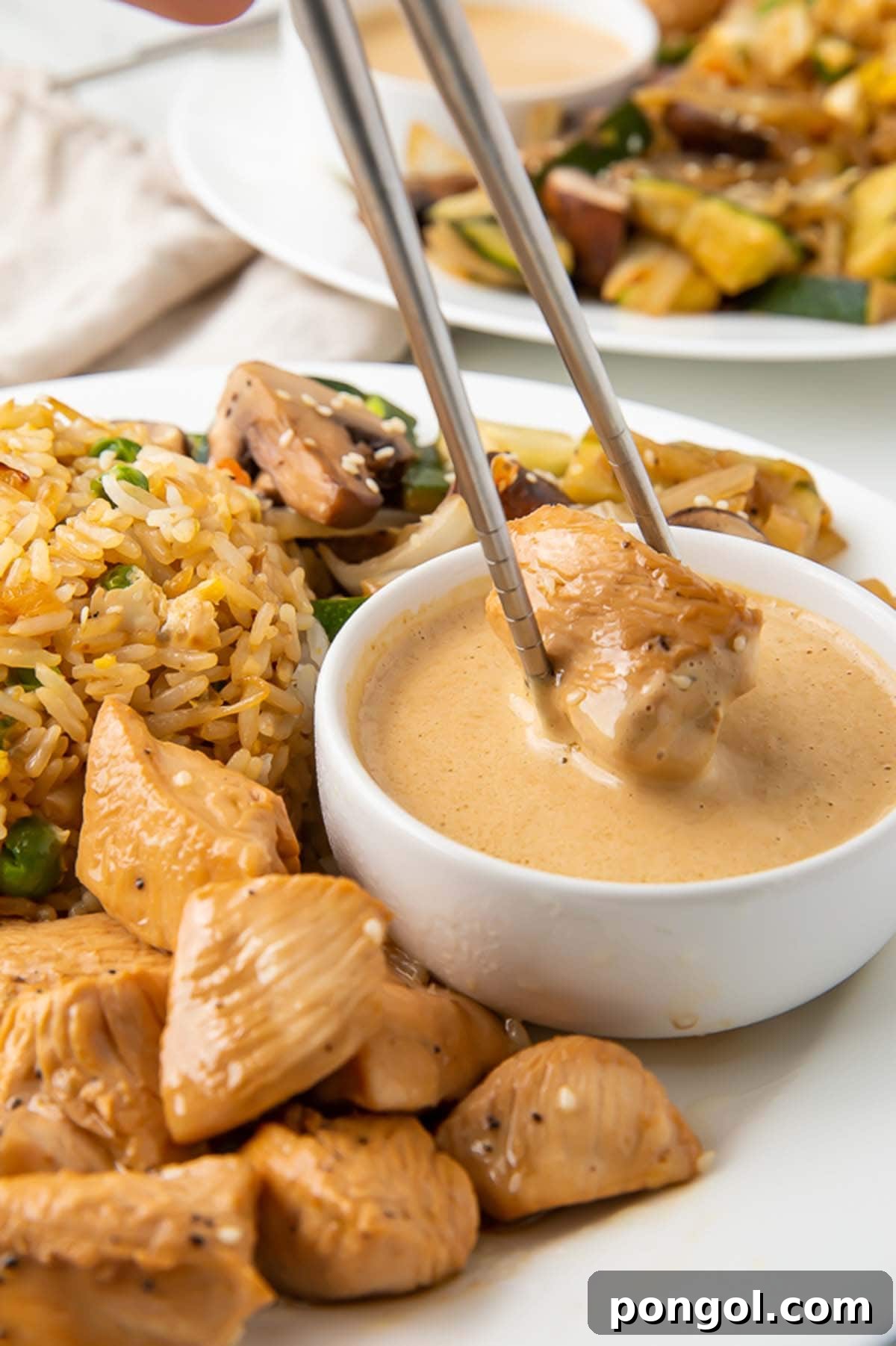
Essential Tips Before You Start Your Hibachi Journey
Embarking on your homemade hibachi adventure is exciting, but a few crucial tips can elevate your meal from good to truly exceptional. Paying attention to these details will make all the difference in replicating that authentic Japanese steakhouse flavor and texture.
- The Secret to Perfect Fried Rice: Day-Old Rice! Did you know that the best fried rice, especially restaurant-style hibachi rice, isn’t made with freshly cooked rice? The key is to use rice that’s been cooked and cooled ahead of time, ideally day-old rice. Freshly cooked rice retains too much moisture, leading to a mushy, clumpy texture when stir-fried. Day-old rice, having dried out slightly in the refrigerator, fries up beautifully, achieving those distinct, slightly crispy grains that are characteristic of truly great fried rice. For ultimate convenience and an even more authentic texture, consider buying pre-cooked rice from your grocery store. It’s a fantastic shortcut that guarantees restaurant-quality results every time.
- Mise en Place is Your Best Friend: This French culinary term simply means “everything in its place.” For a fast-paced cooking style like hibachi, having all your ingredients prepped, measured, and ready to go before you even turn on the stove is non-negotiable. Chop your chicken, slice your vegetables, mix your sauces, and have your rice ready. This prevents frantic scrambling and ensures a smooth, enjoyable cooking process, allowing you to focus on the cooking itself.
- High Heat is Key: Hibachi cooking relies on very high heat to achieve quick searing and stir-frying, locking in flavors and creating desirable textures. Ensure your woks or skillets are fully preheated and smoking slightly before adding ingredients. Don’t overcrowd the pan, as this will drop the temperature and steam the food instead of frying it. Cook in batches if necessary.
- Choose the Right Cooking Oil: A neutral-flavored oil with a high smoke point is essential for hibachi. Avocado oil is an excellent choice due to its mild taste and ability to withstand high temperatures without burning. Sesame oil is also crucial for flavor but is usually added towards the end or as part of a sauce due to its lower smoke point and strong flavor.
Mastering Your Homemade Hibachi: Step-by-Step Guide
While this overview provides key steps, refer to the detailed recipe card below for precise measurements, ingredients, and comprehensive instructions.
Crafting the Signature Creamy Mustard Sauce
The creamy mustard dipping sauce is a cornerstone of the hibachi experience, offering a delightful balance of sweet, spicy, and savory notes that perfectly complement the chicken, rice, and vegetables. While you don’t strictly *have* to start here, preparing the sauce first allows its flavors to meld and deepen while you cook the other components. This simple step ensures maximum flavor development, making every bite even more satisfying.
Making this sauce is incredibly straightforward: gather all your ingredients – typically including ground mustard, honey, soy sauce, a touch of half-and-half for creaminess, a hint of garlic, and toasted sesame seeds for depth. Simply toss them into a blender and blend until the mixture is perfectly smooth and emulsified. Taste and adjust to your preference; you might want a bit more honey for sweetness, extra ground mustard for a bolder kick, or additional soy sauce for umami. Once perfected, transfer it to a serving bowl or an airtight container and refrigerate until you’re ready to serve. This sauce stores exceptionally well, making it ideal for meal prep or doubling the batch for future use.
Creating Restaurant-Quality Hibachi Fried Rice
The fried rice is often the unsung hero of a hibachi dinner, and mastering it at home is surprisingly simple, especially with day-old rice. Begin by heating a neutral-flavored oil in a large wok or skillet over medium-high heat until it shimmers. Add diced white onions and your favorite frozen mixed vegetables (a classic blend usually includes peas, carrots, and corn). Sauté these vibrant vegetables, stirring frequently, until the onions soften and start to become translucent. This initial sauté builds a flavorful base.
Next, push the cooked vegetables to the side of the pan, creating a clear space in the center. Crack your eggs directly into this empty spot and scramble them quickly with a spatula or whisk until they are fully cooked. Once the eggs are fluffy and firm, it’s time to introduce the star: your pre-cooked, cooled rice. Add the rice along with a generous knob of butter to the pan. This is where the “fried” magic happens. Incorporate all the ingredients, breaking up any clumps of rice, and continue to cook for about 5 minutes, stirring occasionally. You’re looking for the rice grains to become lightly toasted and slightly crispy, developing that characteristic fried texture without becoming hard. Finally, drizzle in low-sodium soy sauce, stir to coat every grain, and cook for another minute or two until everything is uniformly browned and steaming hot. This quick burst of heat at the end ensures the flavors are perfectly melded.
Chef’s Pro Tip: Keeping Your Fried Rice Warm To ensure your fried rice stays deliciously warm while you prepare the chicken and vegetables, pack it tightly into a bowl. The denser it’s packed, the better it retains heat. Immediately cover the bowl with a plate or a tight-fitting lid. This insulation technique works wonders, keeping your rice hot and ready to be served alongside the freshly cooked protein and veggies. Alternatively, you can place the covered bowl in a warm oven (set to its lowest temperature) if you need more time.
Simultaneous Sauté: Cooking Chicken and Vegetables to Perfection
To orchestrate a perfectly timed hibachi dinner where everything is hot and ready at once, you’ll want to tackle the chicken and vegetables simultaneously, utilizing two separate pans. While this might sound a tad intimidating, it’s a highly efficient method that yields fantastic results with a little coordination. The secret lies in having your mise en place ready and being attentive to both pans.
In your first large skillet or wok, heat a blend of sesame oil and a neutral oil like avocado oil over medium-high heat. Once shimmering, add your bite-sized chicken pieces, along with soy sauce, butter, fresh lemon juice, and seasonings (salt and pepper). Sauté the chicken, stirring occasionally, until it’s beautifully browned on all sides and no longer pink in the center – this usually takes about 5 to 7 minutes. The lemon juice and butter will help tenderize the chicken and add a wonderful brightness and richness.
Concurrently, in a second large skillet or wok, heat another blend of sesame oil and avocado oil. Introduce your hibachi vegetables: zucchini pieces (sliced into attractive half-moons), white onion slices, and quartered baby bella mushrooms. Add butter, soy sauce, salt, and freshly cracked black pepper. Sauté these vegetables, stirring periodically, for approximately 6 to 8 minutes. You’re aiming for a crisp-tender texture – tender enough to be easily eaten, but still retaining a pleasant bite and vibrant color. The high heat will give them a lovely char without making them soggy.
Because both the chicken and vegetables cook relatively quickly, you’ll be able to transition from cooking to serving in a matter of minutes, ensuring a fresh, hot, and delicious homemade hibachi dinner without delay!
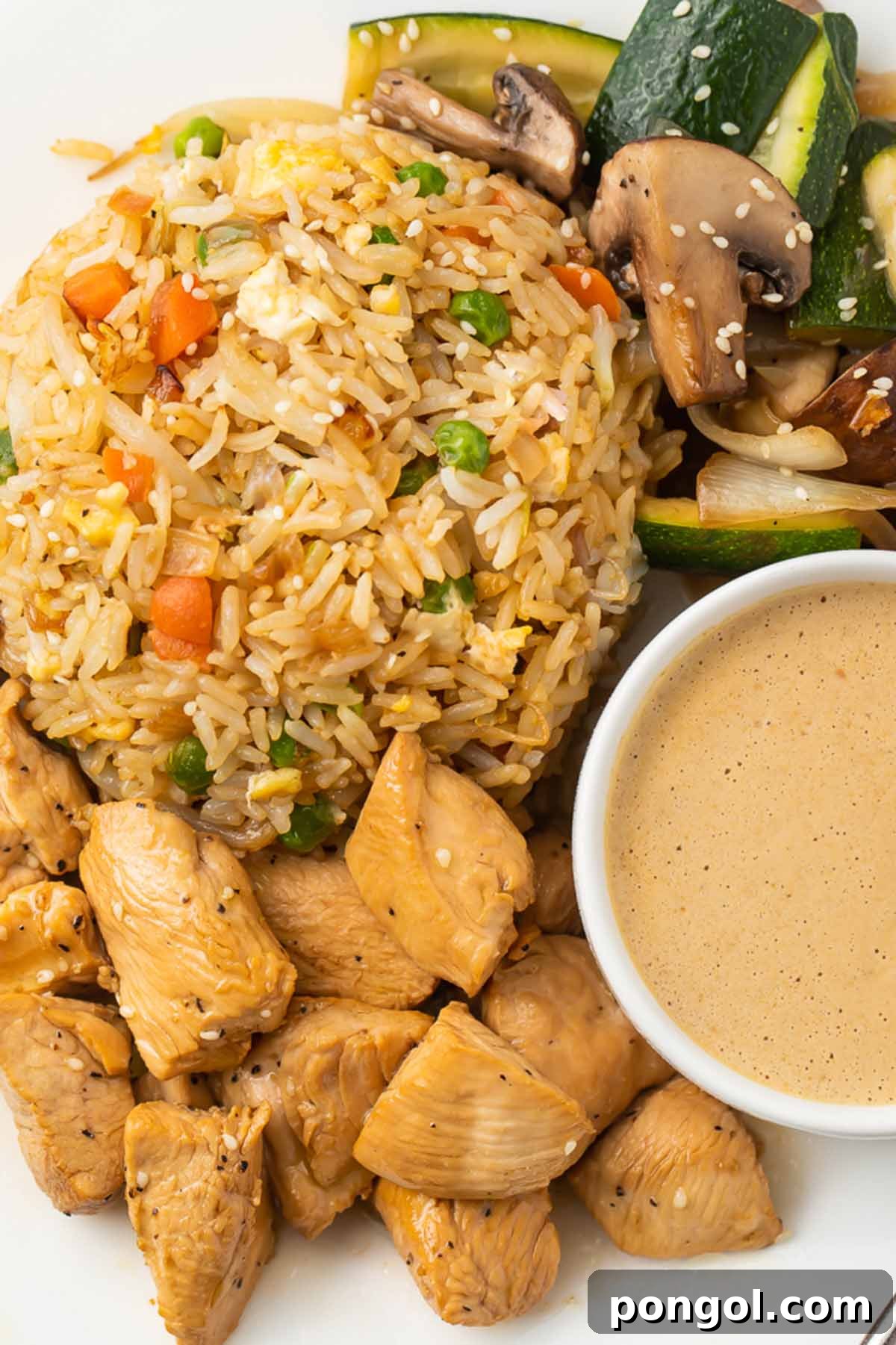
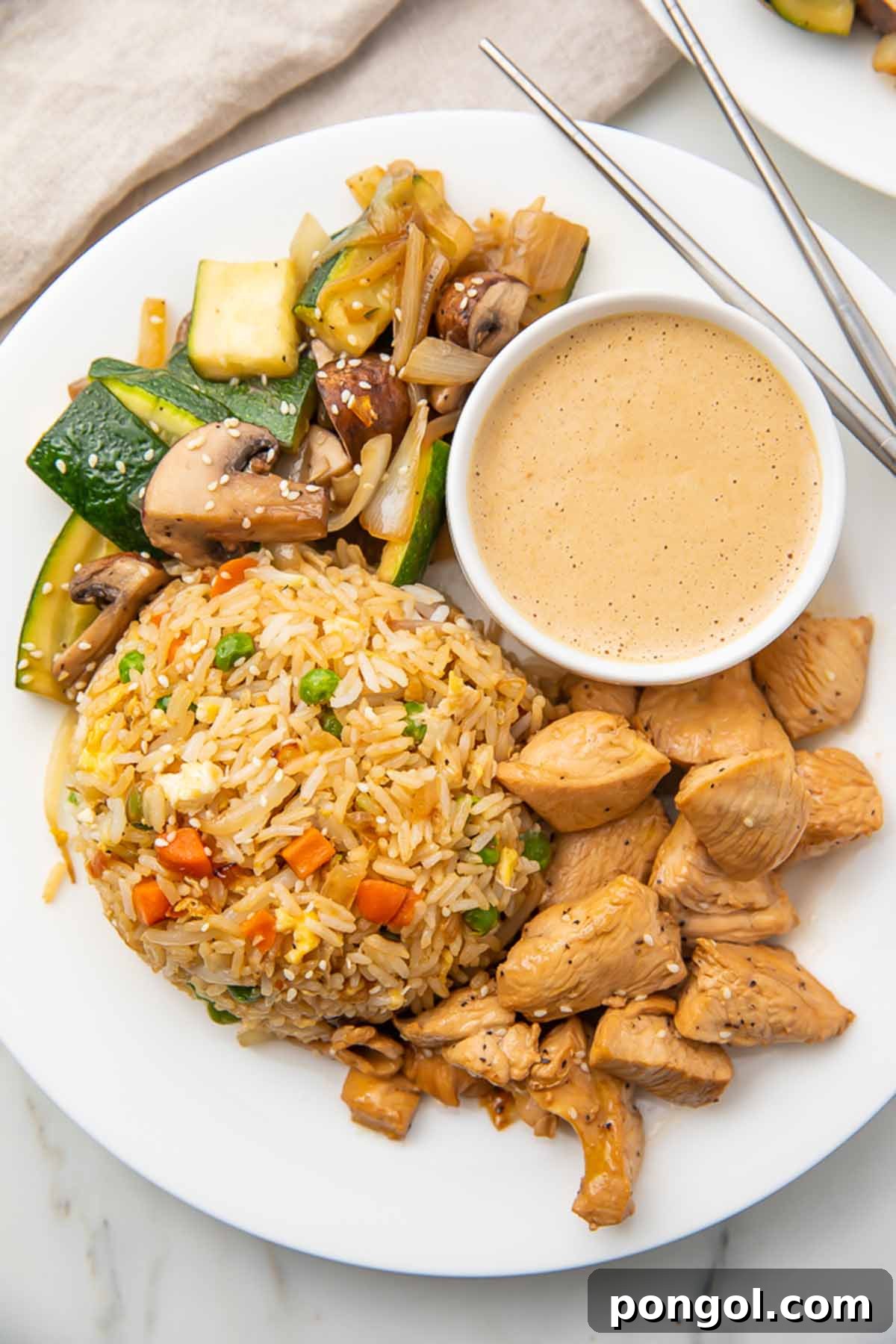
Why You’ll Fall in Love with This Homemade Hibachi Recipe
This hibachi chicken, fried rice, and vegetable ensemble isn’t just a meal; it’s an experience. Here’s why this recipe will quickly become a cherished favorite in your culinary repertoire:
- Authentic Restaurant Flavor, Unbeatable Convenience: This recipe delivers a taste that truly rivals your favorite Japanese steakhouse, without the need for a teppanyaki grill or a seasoned hibachi chef. The combination of rich, perfectly seasoned chicken, savory fried rice, and crisp-tender vegetables creates a symphony of flavors that will transport your taste buds. It’s hands-down the easiest and most delicious way to recreate the hibachi magic at home.
- The Creamy Mustard Sauce: A Game-Changer: The accompanying creamy mustard sauce is a masterpiece of balance – a little sweet, a little spicy, and wonderfully creamy. It provides the perfect zing and depth to the already flavorful chicken, veggies, and fried rice. What’s more, it’s incredibly easy to whip up and stores beautifully in the refrigerator. Don’t hesitate to double the recipe; having a prepared batch on hand means you’re always ready to elevate any meal with this irresistible condiment.
- Economical and Wholesome: Enjoying hibachi at a restaurant can be a splurge. This homemade version offers a significantly more economical alternative, allowing you to feed your family a hearty and impressive meal without breaking the bank. Plus, you have full control over the ingredients, ensuring a wholesome and fresh dinner.
- Customizable for Every Palate: Whether you prefer more spice, different vegetables, or a specific protein, this recipe serves as an excellent foundation for customization. It’s adaptable to various dietary needs and preferences, making it a versatile choice for any home cook.
Exciting Recipe Variations to Explore
One of the beauties of hibachi-style cooking is its adaptability. Feel free to experiment with these delicious variations to suit your taste or dietary requirements:
- Go Grain-Free with Cauliflower Rice: For a lighter, grain-free, or low-carb option, simply swap out traditional rice for cooked cauliflower rice. It absorbs flavors wonderfully and offers a similar texture, as demonstrated in our Cauliflower Fried Rice with Chicken recipe. This simple switch makes the meal accessible to those following specific dietary plans.
- Make it Whole30/Paleo Compliant: If you’re adhering to Whole30 or Paleo guidelines, you’re in luck! Instead of making multiple substitutions, you can head over to our dedicated Whole30 Hibachi Chicken and Veggies post. It provides a meticulously crafted, fully compatible version of this delicious hibachi dish, ensuring all ingredients meet the strict requirements of these programs.
- Protein Power-Up: While chicken is classic, feel free to substitute or add other proteins. Shrimp is a fantastic addition, cooking quickly and absorbing the hibachi flavors beautifully. Sliced beef (like sirloin or flank steak) can also be used for a true steakhouse feel. Tofu or tempeh can be excellent plant-based alternatives for a vegetarian hibachi.
- Vegetable Medley Expansion: Don’t limit yourself to just zucchini, onions, and mushrooms. Consider adding bell peppers (any color), broccoli florets, snap peas, carrots, or even asparagus for added crunch and nutritional value. Remember to cut vegetables into similar sizes for even cooking.
- Spice It Up: If you love heat, incorporate a pinch of red pepper flakes into the chicken or vegetable sauté. A dash of sriracha or a more generous amount of hot water in the mustard sauce can also kick things up a notch.
Please note: Making significant changes to a recipe can sometimes alter the outcome. Any substitutions or variations listed here are suggested modifications that I believe will work well, but results are not guaranteed. Always use your best judgment and adjust as needed.
Cheryl Malik
Hibachi Chicken with Fried Rice and Vegetables
15 minutes
20 minutes
35 minutes

Cheryl Malik
6
servings
Equipment
-
standard blender
-
2 large woks or large skillets
-
Silicone spatula
-
whisk optional
-
Medium bowl with lid, or plate to cover
Ingredients
For the Mustard Sauce
- 1 tablespoon white sesame seeds lightly toasted preferred
- 2 tablespoons ground mustard
- 2 teaspoons honey
- 4 tablespoons low-sodium soy sauce
- ½ cup half-and-half
- 1 tablespoon hot water
- ½ tablespoon minced garlic approximately 1 large clove
For the Fried Rice
- 2 tablespoons neutral-flavored oil avocado oil, refined coconut oil, etc.
- ½ cup diced white onion approximately 1 small white onion
- 1 cup frozen mixed vegetables peas, carrots, corn
- 2 large eggs
- 4 cups cooked rice cooled completely, day-old rice preferred
- 4 tablespoons butter at room temperature, cut into small pieces
- 4 tablespoons low-sodium soy sauce
For the Hibachi Chicken
- 1 ½ teaspoons sesame oil
- 1 tablespoon avocado oil
- 1 pound boneless, skinless chicken breasts cut into bite-sized pieces, approximately 3 medium chicken breasts
- 3 tablespoons low-sodium soy sauce
- 1 tablespoon butter at room temperature
- 2 teaspoons fresh lemon juice
- salt to taste
- freshly cracked black pepper to taste
For the Hibachi Vegetables
- 1 ½ teaspoons sesame oil
- 1 tablespoon avocado oil
- 8-10 ounces zucchini pieces approximately 1 large zucchini; sliced into 2-inch-thick half moons
- 2 cups white onion slices approximately 1 large white onion; halved, cut into ½-inch-long slices
- 2 cups quartered baby bella mushrooms approximately 8 ounces
- 1 tablespoon butter
- 1 tablespoon low-sodium soy sauce
- salt to taste
- freshly cracked black pepper to taste
Instructions
For the Mustard Sauce
-
Add 1 tablespoon white sesame seeds, 2 tablespoons ground mustard, 2 teaspoons honey, 4 tablespoons low-sodium soy sauce, ½ cup half-and-half, 1 tablespoon hot water, and ½ tablespoon minced garlic to a blender.
-
Blend all ingredients together until the mixture is completely smooth, pausing the blender to scrape down the sides of the bowl as needed.
-
Once the mixture is smooth, taste the sauce and add more ground mustard, honey, soy sauce, half-and-half, water, or garlic if desired to achieve your preferred flavor and consistency. Blend the mixture again until smooth to fully incorporate any added ingredients.
-
When satisfied with the flavor and consistency of the sauce, transfer it to a serving bowl or an airtight container. Set the prepared sauce aside, or refrigerate until ready to serve.
For the Fried Rice
-
Place one large wok or skillet on the stovetop over medium-high heat. Add 2 tablespoons neutral-flavored oil and heat the wok until the oil is hot and shimmery, swirling and tilting the pan as needed to distribute the oil across the entire surface.
-
When the oil is hot, add ½ cup diced white onion and 1 cup frozen mixed vegetables to the pan. Stir to incorporate. Sauté the vegetables, stirring often, for approximately 5 minutes or until the onions are almost translucent.
-
When the onions are almost translucent, push the vegetables to the outer edges of the pan, creating a large open spot in the center of the pan.
-
Crack 2 large eggs directly into the center of the pan. Scramble the eggs with a spatula or whisk until they are completely cooked through.
-
Once the eggs are fully scrambled, add 4 cups cooked rice and 4 tablespoons butter to the skillet. Stir all ingredients together to thoroughly incorporate.
-
Cook the rice mixture, stirring frequently, for approximately 5 minutes or until the rice is lightly toasted and starts to brown slightly.
-
Pour 4 tablespoons low-sodium soy sauce over the rice mixture and stir to incorporate evenly. Continue cooking the rice mixture, stirring frequently, for approximately 1 to 3 minutes or until the rice is nicely browned and hot throughout.
-
Transfer the fried rice to a medium bowl. Pack the rice tightly into the bowl and cover with a lid or plate to keep it warm until ready to serve.
For the Hibachi Chicken and Vegetables (Made Simultaneously)
-
Return the first wok or skillet (used for rice) to the stovetop and reduce the heat under the pan to medium. Add 1 ½ teaspoons sesame oil and 1 tablespoon avocado oil to the pan. Continue heating the pan, tilting and swirling as needed, until the oils are hot and shimmery.
-
When the oil is hot, add 1 pound boneless, skinless chicken breasts, 3 tablespoons low-sodium soy sauce, 1 tablespoon butter, 2 teaspoons fresh lemon juice, salt (to taste), and freshly cracked black pepper (to taste) to this pan.
-
Stir all ingredients together until well incorporated, then sauté the chicken for 5 to 7 minutes, stirring only 1 to 2 times to allow it to brown, until the chicken is cooked through and no longer pink in the center.
-
Place a second large wok or skillet on the stovetop over medium-high heat. Add 1 ½ teaspoons sesame oil and 1 tablespoon avocado oil to this pan, then continue heating until the oil is hot and shimmery.
-
When the oil is hot, add 8-10 ounces zucchini pieces, 2 cups white onion slices, 2 cups quartered baby bella mushrooms, 1 tablespoon butter, 1 tablespoon low-sodium soy sauce, salt (to taste), and freshly cracked black pepper (to taste) to the second pan. Stir until all ingredients are well-incorporated.
-
Once incorporated, sauté the vegetables, stirring occasionally, for approximately 6 to 8 minutes or until all vegetables are tender-crisp and lightly browned.
To Serve
-
When the chicken and vegetables are fully cooked, divide each into preferred portion sizes and transfer to serving plates. Serve the chicken and vegetables warm with the fried rice and the prepared creamy mustard sauce. Enjoy your homemade hibachi feast!
- Rice Preparation: For the best fried rice texture, always use rice that has been cooked and cooled completely, ideally day-old rice. Freshly cooked, warm rice will make your fried rice soggy.
- Toasting Sesame Seeds: Lightly toasting the white sesame seeds for the mustard sauce beforehand will significantly enhance their nutty flavor, adding another layer of complexity to the sauce. However, this step is optional if you’re short on time.
- Storing Leftovers: To maintain freshness and quality, allow each component of the hibachi dinner (chicken, fried rice, vegetables, and mustard sauce) to cool completely to room temperature. Then, refrigerate each component separately in airtight containers. The fried rice can be stored for up to 3 days, while the chicken and vegetables will remain fresh for up to 5 days. The creamy mustard sauce, due to its ingredients, can be kept for up to 7 days in the refrigerator. Reheat gently, adding a splash of water or oil to the rice if needed.
Approximate Information for One Serving
Calories: 587cal
Protein: 29g
Fat: 32g
Saturated Fat: 11g
Trans Fat: 0.5g
Cholesterol: 148mg
Sodium: 1389mg
Potassium: 945mg
Total Carbs: 49g
Fiber: 6g
Sugar: 7g
Net Carbs: 43g
Vitamin A: 2152IU
Vitamin C: 17mg
Calcium: 115mg
Iron: 3mg
Nutrition Disclaimers
The number of total servings shown is approximate. Actual number of servings will depend on your preferred portion sizes.
Nutritional values shown are general guidelines and reflect information for 1 serving using the ingredients listed, not including any optional ingredients. Actual macros may vary slightly depending on specific brands and types of ingredients used.
To determine the weight of one serving, prepare the recipe as instructed. Weigh the finished recipe, then divide the weight of the finished recipe (not including the weight of the container the food is in) by the desired number of servings. The result will be the weight of one serving.
Did You Make This Recipe?
Tag @40aprons on Instagram and be sure to leave a review on the blog post!
Tag @40Aprons on Instagram
More Asian-Inspired Recipes You’ll LOVE
If you enjoyed this homemade hibachi experience, you’re in for a treat! Here are more of our favorite Asian-inspired dishes that bring vibrant flavors and easy cooking to your kitchen:
- Cauliflower Fried Rice with Chicken: A healthy and delicious Whole30 and Paleo-friendly alternative to traditional fried rice, packed with flavor and nutrients.
- Instant Pot Black Rice (aka Forbidden Rice): Discover the nutty and slightly sweet flavors of black rice, made effortlessly in your Instant Pot. Perfect as a healthy side or base.
- Best Ever Tom Kha Gai Soup (Thai Coconut Chicken Soup): Warm your soul with this creamy, fragrant Thai soup featuring chicken, galangal, lemongrass, and rich coconut milk.
- Instant Pot Chicken Teriyaki: Juicy chicken coated in a sticky, savory-sweet teriyaki sauce, all made quickly and easily in your Instant Pot. A weeknight winner!
- Egg Roll in a Bowl with Creamy Chili Sauce: All the delicious flavors of an egg roll, deconstructed into a healthy, low-carb, Keto, Whole30, and Paleo-friendly bowl.
- Beef with Garlic Sauce: Tender beef stir-fried in a rich, aromatic garlic sauce, perfect for serving over rice or noodles.
- Healthy Lettuce Wraps – PF Changs Recipe: Recreate your favorite restaurant appetizer at home with this Whole30 and Paleo-friendly version that’s bursting with flavor.
- Paleo Sesame Chicken Recipe (Whole30): A healthier take on classic sesame chicken, this Whole30 compliant version is sticky, savory, and incredibly satisfying.
- Instant Pot Japanese Curry: Enjoy the comforting and mild spice of Japanese curry, made simple and quick in your Instant Pot.
- Whole30 Thai Chicken Zoodle Bowl: A vibrant, low-carb, and Paleo-friendly zoodle bowl featuring tender Thai chicken and a delectable “peanut” sauce.
- Air Fryer Chicken Katsu: Achieve perfectly crispy chicken katsu with less oil using your air fryer. A delicious and lighter version of the Japanese classic.
- Slow Cooker Tom Kha Soup (Thai Coconut Chicken Soup): A convenient slow cooker rendition of the beloved Thai coconut chicken soup, perfect for busy days.
- Paleo Chinese Chicken Salad (Whole30): A refreshing and healthy Chinese chicken salad that’s both Whole30 and Paleo compliant.
- Kylie Jenner’s Ramen Noodles: A fun and easy take on instant ramen, inspired by a celebrity favorite, perfect for a quick, comforting meal.
- Chicken Egg Roll in a Bowl: Another delicious variation of the egg roll in a bowl, featuring tender chicken and a medley of crisp vegetables.