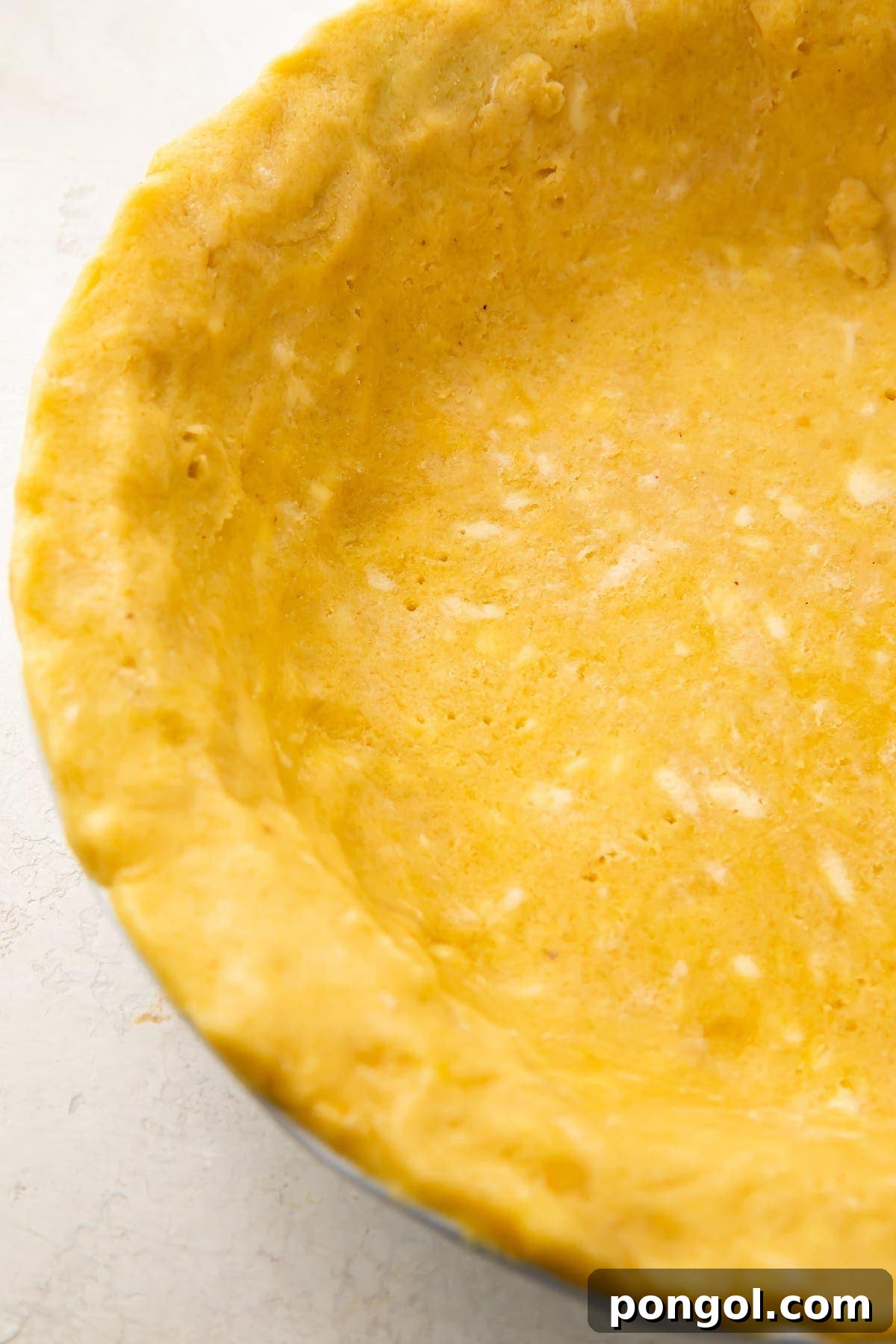
The Ultimate Keto Pie Crust: Flaky, Buttery & Perfectly Low Carb (Gluten-Free Recipe)
Welcome to the ultimate guide for crafting the perfect keto pie crust! If you’ve been searching for a low-carb, gluten-free pie crust that actually tastes incredible and boasts that sought-after flaky texture, your quest ends here. This isn’t just “good for keto”; it’s a truly spectacular pie crust that stands proudly alongside its traditional counterparts. From decadent keto pumpkin pie to savory keto chicken pot pie, this recipe is incredibly versatile and will quickly become a staple in your low-carb kitchen. It’s the ideal base for any holiday gathering or simply whenever you crave a delicious, guilt-free treat.
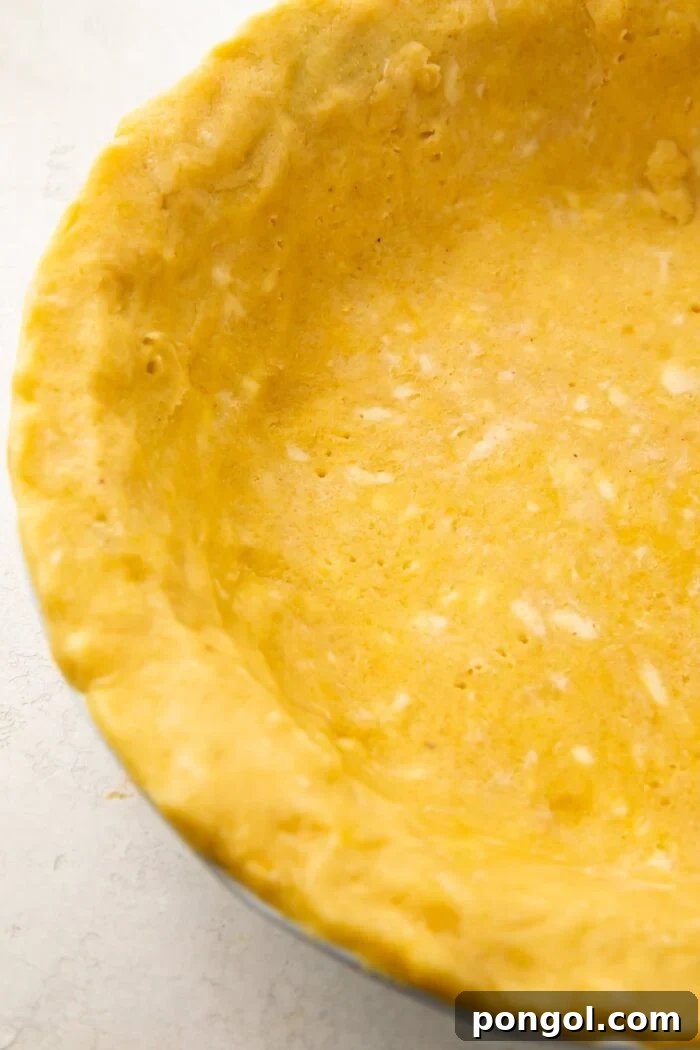
Why This Keto Pie Crust Recipe Is a Game-Changer
Many low-carb pie crust recipes fall short, often resulting in dense, crumbly, or bland bases. What sets our keto pie crust apart, making it the absolute best choice for your baking needs?
- Unrivaled Texture and Taste: This keto pie crust is exceptionally **flaky, rich, and intensely buttery**, delivering a mouthfeel and flavor profile that genuinely rivals traditional flour-based crusts. Seriously, no one will ever guess it’s completely gluten-free, sugar-free, and low-carb. It holds its shape beautifully and provides the perfect foundation for any pie or tart.
- Keto-Friendly Macros: Staying on track with your macros is effortless with this recipe. Each slice contains a mere 7g total carbs and an incredible 2g net carbs! This makes it incredibly easy to incorporate into your daily eating plan without derailing your ketogenic goals. Always remember to calculate your macros using your specific ingredients, as nutritional values can vary slightly between brands.
- Incredible Versatility: The beauty of this crust lies in its adaptability. It’s perfectly suited for an extensive range of sweet and savory keto recipes. Imagine a rich keto pecan pie, a hearty keto chicken pot pie, or a delicate keto quiche. But don’t stop there! You can roll it out flat and cut it into smaller sections to create delicious keto empanadas, turnovers, or even mini savory tarts. The possibilities are truly endless, allowing you to explore a world of low-carb baking.
Can You Freeze This Keto Pie Crust for Later?
Absolutely! This recipe is a fantastic option for meal prepping and making ahead, saving you valuable time when you’re ready to bake. You have a couple of convenient options for freezing:
- Freeze the Dough: After preparing the dough and forming it into a flattened disc, wrap it tightly in plastic wrap and then place it in a freezer-safe bag. It can be stored in the freezer for up to 3 months. When you’re ready to use it, simply transfer the wrapped dough to the refrigerator and let it thaw overnight before rolling and baking.
- Freeze the Baked Crust: If you prefer to have a ready-to-fill crust, you can blind bake the crust as per the instructions (step 6 in the recipe), let it cool completely, and then wrap it securely in plastic wrap and aluminum foil. Store it in the freezer for up to 1 month. To use, simply thaw overnight in the refrigerator and then fill and bake according to your pie recipe.
Freezing this keto pie crust makes it incredibly convenient for spontaneous baking or holiday preparations, ensuring you always have a delicious, low-carb base on hand.
Essential Ingredients for a Perfect Keto Pie Crust
Achieving the perfect texture and flavor in a keto pie crust requires a precise combination of ingredients, each playing a crucial role:
Flours – Almond Flour & Coconut Flour: This recipe relies on a specific blend of both coconut flour and almond flour to achieve the ideal taste and texture. You simply cannot use one or the other exclusively. Almond flour provides a rich, tender base with a neutral flavor, while coconut flour, known for its high absorbency, helps bind the dough and adds structure without imparting a strong coconut taste. The combination ensures a balanced texture that mimics traditional pie crusts, avoiding both excessive dryness and gumminess.
Xanthan Gum: This is a non-negotiable ingredient for any successful gluten-free and keto pie crust. Xanthan gum acts as a powerful binder and provides the essential elasticity that gluten-containing flours naturally offer. Without it, your dough would be much harder to work with and prone to crumbling, resulting in a less cohesive and flaky crust. Just be mindful not to use too much, as an excess can lead to an undesirable gummy texture. A little goes a long way!
Cold Unsalted Butter: The secret to a truly flaky pie crust, whether keto or traditional, lies in using very cold butter. When cold butter pieces melt in the oven, they release steam, which creates pockets of air, resulting in those wonderful, distinct layers of flakiness. Using unsalted butter allows you to control the overall salt content of your crust.
Cold Cream Cheese: Adding cold cream cheese to the dough contributes significantly to the richness and tenderness of the crust. It also helps to keep the dough manageable and adds a subtle tang that complements both sweet and savory fillings. Like butter, it must be cold to achieve the desired crumbly texture before mixing into a cohesive dough.
Large Egg: A beaten egg acts as an additional binder, helping to bring the dough together and providing a richer color to the baked crust. It also adds a touch of moisture and protein, contributing to the crust’s overall structure.
Apple Cider Vinegar: While it might seem like an unusual addition, apple cider vinegar plays a subtle yet important role. Its acidity helps to tenderize the dough, resulting in a more tender and “short” crust. It works by slightly denaturing proteins in the flour, preventing the dough from becoming tough.
Chef’s Tips for a Flawless Keto Pie Crust
Achieving the perfect keto pie crust is all about technique. Follow these expert tips for best results:
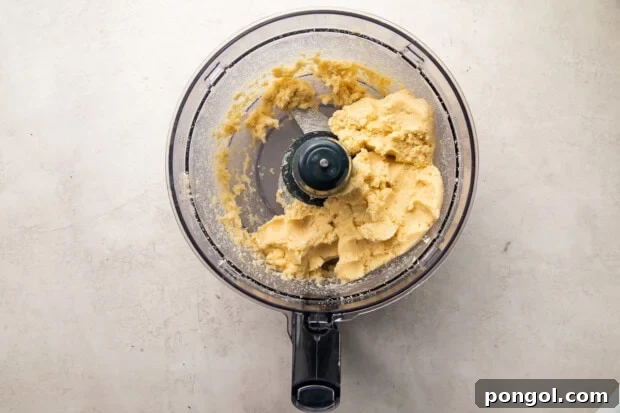
- Do Not Over-Process the Dough! This is perhaps the most critical tip. Unlike traditional doughs where gluten development is key, overworking keto dough can lead to a tough and dense crust due to the fat being overly emulsified. You want the mixture to resemble coarse, moist crumbles, not a smooth, uniform dough. You should still see visible chunks of cold butter and cream cheese in the mixture – this is exactly what creates those delightful flaky layers during baking.
- Ensure Ingredients Are Ice Cold: The temperature of your butter and cream cheese is paramount. They absolutely must be cold, not at room temperature. If your fats are too warm, they will blend too easily with the flours, bypassing the desired crumbly stage and resulting in a wet, sticky dough. This makes it incredibly difficult to work with and compromises the flaky texture of the final crust. Cube your butter and cream cheese and even pop them into the freezer for 10-15 minutes before mixing if your kitchen is warm.
- Handle Gently When Rolling and Transferring: Since this recipe contains no gluten, the dough won’t have the same elasticity as a traditional pie crust. It can be more delicate and prone to cracking. Be very gentle when rolling it out and transferring it to the pie plate. A fantastic technique is to roll the dough between two sheets of wax paper or parchment paper. Once rolled, you can peel off the top sheet, then invert the bottom sheet with the dough onto your pie plate, gently pressing it into place and carefully peeling away the second sheet. If any cracks occur, simply press the dough back together with your fingers.
- Blind Bake for Best Results: For most pie fillings, especially those that are wet or have short baking times, blind baking your keto pie crust is highly recommended. This prevents a soggy bottom. Prick the bottom of the crust all over with a fork, then line it with parchment paper and fill with pie weights, dried beans, or rice. Bake at 325°F (160°C) for 8-10 minutes, or until lightly golden, before removing the weights and filling.
- Adjust for Sweet or Savory: This base recipe is neutral enough for both. For sweet pies, you can add 1-2 tablespoons of your favorite powdered keto sweetener (like erythritol or allulose) to the dry ingredients. For savory applications, a pinch of garlic powder, onion powder, or dried herbs (like thyme or rosemary) can elevate the flavor.
More Irresistible Keto Recipes You Have to Try
Once you master this versatile keto pie crust, you’ll be ready to explore a world of other delicious low-carb dishes. Here are some of our favorites:
- Perfect Keto Charcuterie Board
- Keto Quiche (with a Keto Crust!)
- Keto Broccoli Cheese Soup
- Marry Me Chicken (Chicken in a Sun Dried Tomato Cream Sauce)
- Keto Beef Stew (Low Carb, Gluten Free)
- Everything Bagel Chicken with Scallion Cream Cheese Sauce (Keto)
- Keto Cinnamon Roll French Toast Bites in the Air Fryer
- 2-Ingredient Keto Magic Shell (Sugar-Free Chocolate Shell)
Recipe By: Cheryl Malik
Keto Pie Crust (Gluten Free, Low Carb)
Low carb and easy-to-make, this is the BEST keto pie crust recipe. Perfect for both sweet and savory pies!

- Prep Time:
- 30 minutes
- Cook Time:
- 10 minutes
- Chill Time:
- 1 hour 10 minutes
- Total Time:
- 1 hour 50 minutes
Equipment
- Food processor
- Plastic wrap
- Wax paper (or parchment paper – wax preferred)
- Rolling pin
- Pie plate
- Fork
Ingredients (Yields 8 slices)
- 50 grams coconut flour (or scant ½ cup)
- 125 grams almond flour (or 1 cup + 4 teaspoons)
- ¾ teaspoon xanthan gum
- ¼ teaspoon salt
- 130 grams unsalted butter (cold, cut into cubes; about 1 stick + 1 ½ tablespoons)
- 70 grams cream cheese (cold, about 2 ⅓ ounces)
- 1 large egg (beaten)
- 2 ½ teaspoons apple cider vinegar
Instructions
- Add coconut flour, almond flour, xanthan gum, and salt to a food processor. Pulse until evenly distributed.
- Add cold butter and cold cream cheese to the food processor with the flour mixture. Pulse until crumbly, just a few seconds, being careful not to over-process.
- Add in the beaten egg and apple cider vinegar. Pulse until the dough just begins to come together and resembles moist crumbs (it should NOT be a smooth dough!).

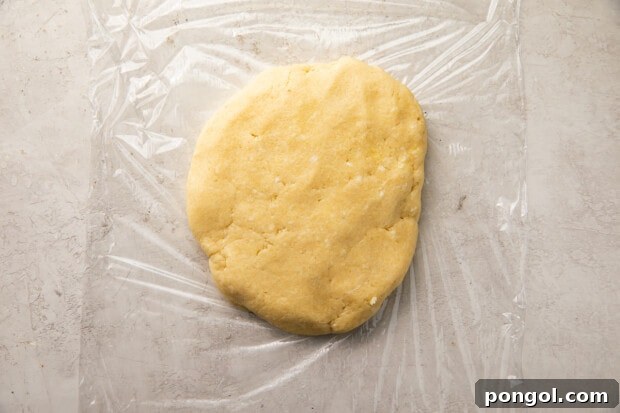
The dough should look like moist crumbles at this stage. - Spread plastic wrap out on the counter. Pull the dough mixture together and transfer it onto the plastic wrap. Form the dough into a ball, then press down to flatten it into a disc. Wrap the dough tightly in plastic wrap and refrigerate for at least 1 hour, or up to 3 days. This chilling time is essential for the dough to firm up and for the flavors to meld.
Chill the dough thoroughly before rolling. - After refrigerating, lay out one sheet of wax paper (or parchment paper) on the counter. Transfer the chilled dough to the wax paper, then cover it with another sheet. Roll the pie crust between the wax paper into a 12-inch round circle. If the dough cracks or falls apart, simply press the pieces back together and continue rolling gently.
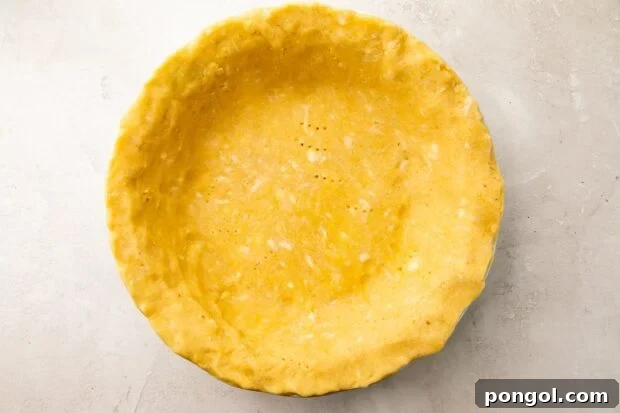
- Remove the top sheet of wax paper. Carefully lift the bottom sheet of wax paper off the counter and hold it over your pie plate. Flip the dough over so the crust is now “face-down” in your palm, and carefully peel away the remaining wax paper, laying the dough smoothly into the pie plate as you go. Gently press the dough into the pie plate and trim away any excess from the edges. Prick the bottom and sides of the dough all over with a fork to prevent bubbling during baking.
- Place the pie plate with the crust in the freezer for 10 minutes. While the dough chills, preheat your oven to 325° Fahrenheit (160°C). After 10 minutes in the freezer, transfer the pie plate to the preheated oven and bake for 8 to 10 minutes, or until lightly golden. This blind baking step helps ensure a crispy crust.
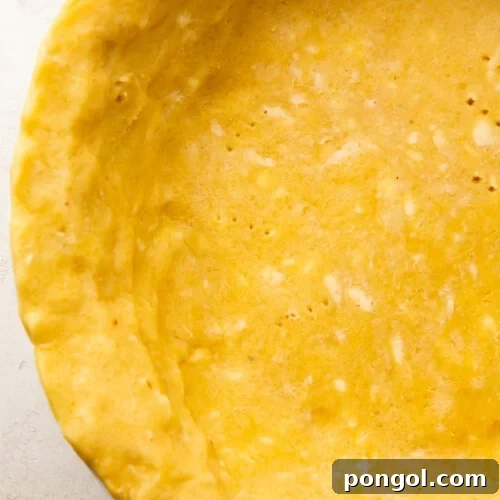
The blind-baked crust should be lightly golden. - Let the blind-baked pie crust cool completely on a wire rack. If using immediately, fill the baked pie crust with your desired filling and continue baking according to your specific pie recipe. If freezing for later, transfer the cooled crust to an airtight container or wrap securely and freeze as directed in the “Can You Freeze This for Later?” section.
Approximate Nutrition Information for One Serving
Serving Size: 1 slice
- Calories: 260 cal
- Protein: 6g
- Fat: 24g
- Saturated Fat: 11g
- Trans Fat: 1g
- Cholesterol: 68mg
- Sodium: 126mg
- Potassium: 206mg
- Total Carbs: 6g
- Fiber: 4g
- Sugar: 2g
- Net Carbs: 2g
- Vitamin A: 449IU
- Vitamin C: 0mg
- Calcium: 53mg
- Iron: 2mg
Nutrition Disclaimers:
Number of total servings shown is approximate. Actual number of servings will depend on your preferred portion sizes.
Nutritional values shown are general guidelines and reflect information for 1 serving using the ingredients listed, not including any optional ingredients. Actual macros may vary slightly depending on specific brands and types of ingredients used.
To determine the weight of one serving, prepare the recipe as instructed. Weigh the finished recipe, then divide the weight of the finished recipe (not including the weight of the container the food is in) by the desired number of servings. The result will be the weight of one serving.
Did You Make This Recipe?
We’d love to see your creations! Tag @40aprons on Instagram and be sure to leave a review on the blog post to share your experience!