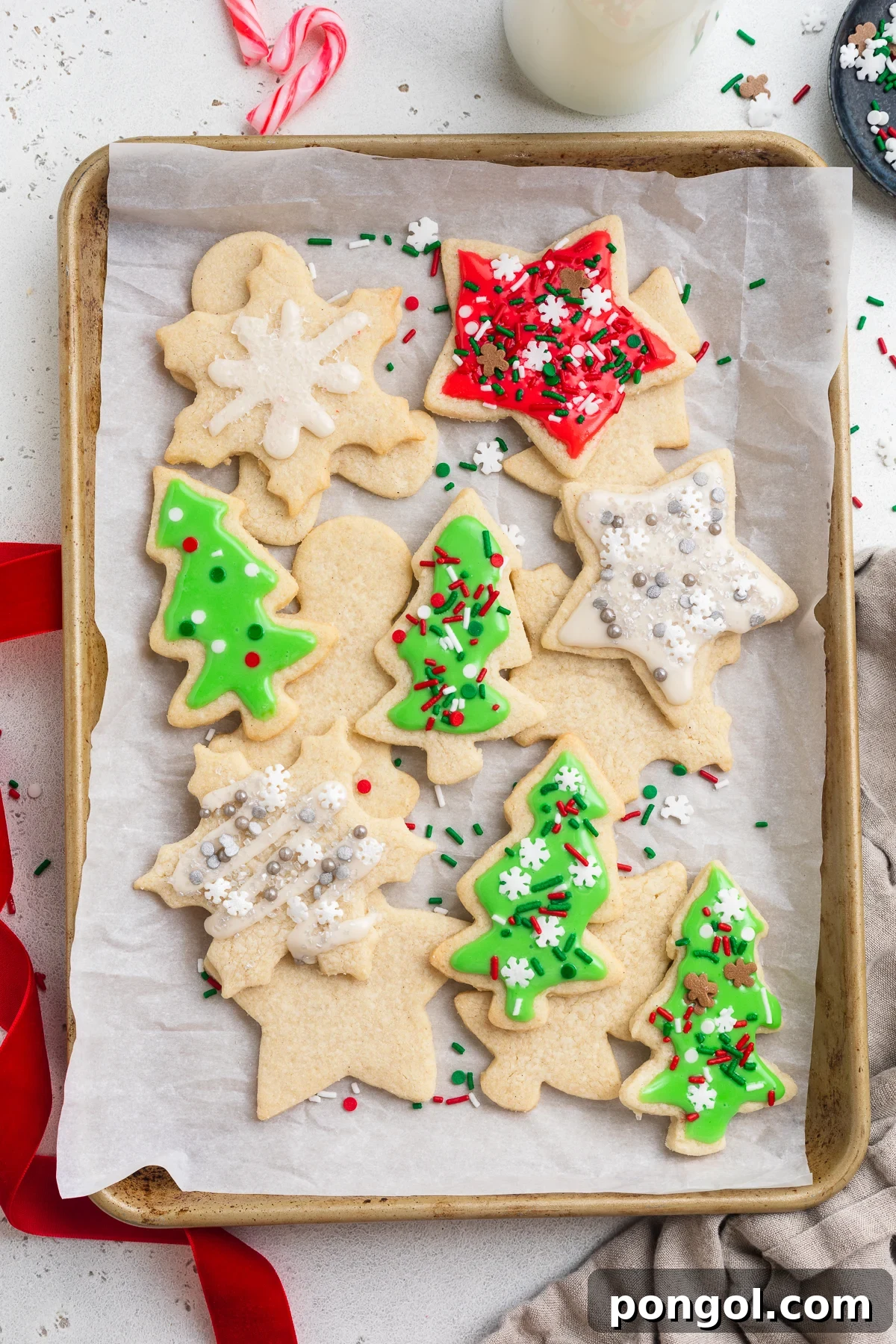
The Ultimate Guide to Gluten-Free Christmas Cut-Out Cookies with Homemade Icing
The holiday season just isn’t complete without a batch of beautifully decorated cut-out cookies. But for those navigating a gluten-free lifestyle, traditional recipes often present a significant challenge, resulting in cookies that spread, crumble, or lack that beloved buttery flavor. Fear not! This comprehensive guide introduces a truly revolutionary recipe for gluten-free Christmas cookies that are not only impeccably buttery and sweet but also hold their shape perfectly and taste utterly delicious. Complete with a simple, easy-to-follow recipe for homemade cookie icing, these cookies are poised to become your new festive tradition, bringing joy and deliciousness to everyone at your holiday table.
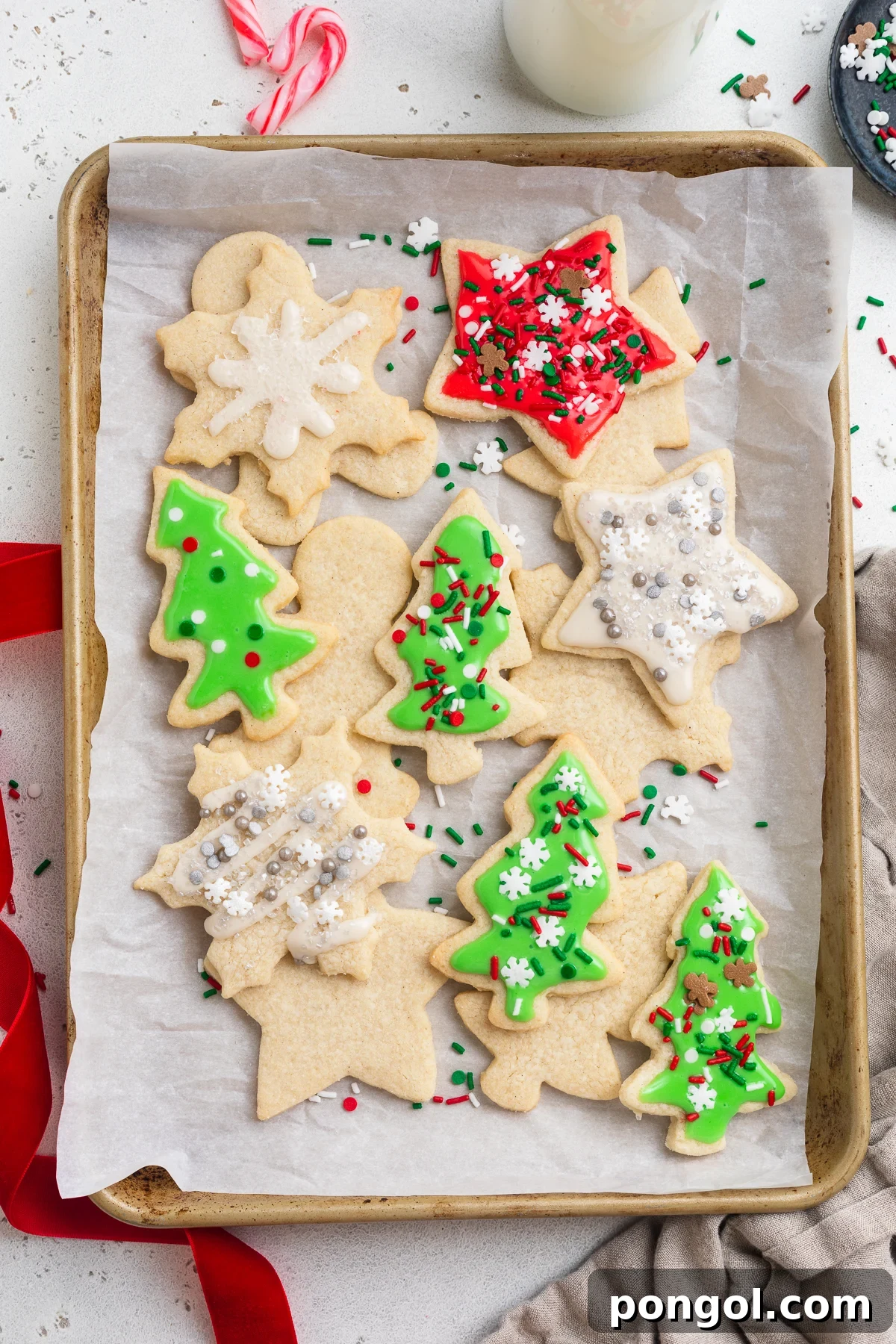
Why These Gluten-Free Cut-Out Cookies Are a Holiday Game-Changer
Forget everything you thought you knew about gluten-free baking, especially when it comes to delicate cut-out cookies. Our recipe is specifically engineered to deliver an experience that not only rivals but often surpasses the traditional sugar cookie. Here’s what makes this recipe stand out:
- Uncompromising Flavor and Texture: These aren’t just “good for gluten-free” cookies; they’re genuinely delicious cookies, period. Each bite offers a harmonious blend of rich butter and perfect sweetness. They boast a delightful texture that’s soft and tender in the center with satisfyingly crisp edges, all wrapped in a dreamy golden hue, and completely free of gluten.
- Perfectly Shaped Cut-Outs, Every Time: The most frustrating aspect of gluten-free cut-out cookies is often their tendency to spread and lose their intricate shapes in the oven. This dough is meticulously designed to combat that issue. You can confidently use your favorite festive cookie cutters – be they Christmas trees, stars, candy canes, or gingerbread figures – knowing they will emerge from the oven looking exactly as intended, without morphing into an unrecognizable blob. We’ve incorporated specific tips to ensure a foolproof process from rolling to baking.
- Incredibly Versatile for Any Occasion: While we’ve lovingly dubbed these “Christmas cookies” and adorned them with festive decorations, the core recipe is a fantastic foundation for any type of gluten-free sugar cookie throughout the year. Imagine vibrant shamrock cookies for St. Patrick’s Day, personalized number cookies for birthdays, elegant floral shapes for Mother’s Day, or even simple yet charming circles or squares for everyday treats. The only limits are your imagination and your collection of cookie cutters. This recipe is your year-round ticket to delightful, customizable gluten-free sugar cookies.
Chef’s Secrets for Gluten-Free Cookie Perfection
Achieving bakery-quality gluten-free cut-out cookies is simpler than you think with these expert tips:
- Mastering Icing Consistency: The perfect cookie icing should flow smoothly for decorating but set firmly. To check your icing consistency, lift your whisk out of the bowl. If the icing that drizzles off holds its shape on the surface of the mixture for a few seconds (around 5-10 seconds) before melting back in, it’s just right for outlining and flooding. If it disappears too quickly, it’s too thin; add a touch more powdered sugar. If it stays put for too long, it’s too thick; add a tiny bit more milk, a quarter teaspoon at a time.
- The “Spoon and Level” Flour Measurement Method: Accurate flour measurement is paramount in gluten-free baking, as too much or too little can drastically alter texture. Never scoop your measuring cup directly into the bag of gluten-free flour, as this compacts the flour, leading to an excess amount. Instead, use a spoon to lightly scoop flour into your measuring cup until it’s overflowing. Then, use the back of a knife or a straight edge to level off the top, ensuring it’s flush with the rim of the cup. This method guarantees you use the precise amount of flour needed for the perfect cookie consistency.
- Maintaining Cookie Shape: The Chill Factor: For perfectly defined cookie shapes that don’t spread in the oven, two crucial factors come into play. Firstly, ensure your butter is properly softened – not cold and hard, but definitely not melted or warm. This allows it to cream beautifully with the sugar, forming a stable base for the dough. Secondly, and perhaps most importantly, keep your dough chilled. Gluten-free dough, like its traditional counterpart, benefits immensely from cold temperatures. Chill the dough for at least two hours before rolling. If at any point during rolling or cutting the dough becomes too warm and pliable, don’t hesitate to pop it back into the refrigerator for 15-30 minutes. Chilled cookie dough holds its shape significantly better in the oven, preventing those disappointing misshapen results.
- Flour Your Workspace Sparingly: When rolling out your dough, a lightly floured surface is essential to prevent sticking. However, adding too much extra flour can make your cookies dry and tough. Use just enough gluten-free flour to prevent sticking, and use parchment paper both under and over the dough for easy rolling without excessive flour.
- Re-rolling Dough Scraps: After cutting your initial shapes, gather the dough scraps. Gently knead them together only until they form a cohesive ball, then flatten them, wrap tightly, and chill for at least 15-20 minutes before re-rolling and cutting more cookies. This prevents the dough from becoming too warm and minimizes gluten-free flour absorption, which can lead to dry cookies.

The Magic of Gluten-Free Flour Blends
Understanding gluten-free flour is key to successful baking. Unlike traditional wheat flour, which contains gluten to provide structure and elasticity, gluten-free blends rely on a combination of different flours and starches. Many commercial gluten-free all-purpose flour blends already contain xanthan gum, a vital ingredient that mimics gluten, providing elasticity and preventing crumbling. If your chosen blend doesn’t include it, you’ll need to add it separately, typically about ½ teaspoon per cup of gluten-free flour in cookie recipes. Brands like King Arthur Measure-for-Measure and Bob’s Red Mill are popular choices known for their reliable performance in gluten-free baking, but results can vary slightly, so finding your favorite blend is part of the adventure!
Essential Equipment for Your Gluten-Free Cookie Adventure
Having the right tools makes the baking process enjoyable and efficient. For these gluten-free Christmas cookies, you’ll need:
- Stand mixer bowl (or a large, sturdy mixing bowl if using a hand mixer)
- Stand mixer (or a reliable hand mixer)
- 2 medium mixing bowls for dry ingredients and icing
- Flour sifter to ensure smooth, clump-free flour
- 2 whisks (one for dry ingredients, one for icing)
- Plastic wrap or a lid for your mixing bowl to chill the dough
- An oven, preheated to perfection
- Large baking sheets
- Parchment paper (essential for non-stick baking and easy cleanup)
- Rolling pin
- Your favorite cookie cutters
- Cookie spatula for transferring delicate cookies
- Wire cooling rack
- Piping bags and tips (or simple plastic food-safe bags) for decorating, optional but recommended

Gluten-Free Christmas Cookies with Homemade Icing
Sweet and buttery gluten-free cut-out cookies that are easy to make, hold their shape, and taste incredible. With a simple cookie icing recipe to make decorating a breeze!
Recipe By: Sam Guarnieri
Prep Time: 15 minutes
Cook Time: 30 minutes
Chill Time: 2 hours
Total Time: 2 hours 45 minutes
Yields: 18 cookies (depending on cutter size)

Ingredients
For the Cookies
- 1 cup unsalted butter, softened
- 1 ½ cups white sugar
- 1 large egg, at room temperature
- 2 ½ cups gluten-free all-purpose flour containing xanthan gum (plus more for flouring your work area)
- ¾ teaspoon baking powder
- ½ teaspoon table salt
For the Icing
- 4 cups powdered sugar
- 3 tablespoons milk of choice (plus more as needed)
- 1 tablespoon light corn syrup (optional, for shine and stick)
- ½ teaspoon pure vanilla extract
- Food coloring (optional)
To Decorate (All Optional)
- Red, white, & green sanding sugar
- Red, white, & green sprinkles
- Holiday shaped sprinkles
Instructions
To Prepare Cookie Dough
- Add softened butter and white sugar to your stand mixer bowl (or large mixing bowl). Using your stand mixer (or hand mixer), mix ingredients together on low speed for 30 seconds, then increase speed to medium. Continue mixing for 1 to 3 minutes, until the ingredients are light, fluffy, and fully creamed. Be careful not to overmix, as this can make the mixture greasy.
- Once butter and sugar are creamed, pause the mixer and crack the large egg directly into the mixing bowl. Add the vanilla extract, then resume mixing on low speed. Mix until ingredients are just combined, approximately 1 minute.
- Sift the gluten-free flour through a sifter directly into a medium mixing bowl, ensuring any clumps are broken up for a smooth consistency. Once the flour is smooth, add the baking powder and salt. Whisk these dry ingredients together thoroughly to incorporate.
- While mixing the wet ingredients on low speed, slowly pour the flour mixture into the butter mixture. Add the dry ingredients in gradual increments, mixing well between each addition until fully incorporated. Continue mixing on low speed until a thick cookie dough forms.
- Once the ingredients are fully combined into a thick cookie dough, cover the mixing bowl tightly with plastic wrap or a lid and place it in the refrigerator. Chill the dough for at least 2 hours, and up to 3 days for best results.
To Bake Cookies
- Preheat your oven to 350° Fahrenheit (175°C). Line a large baking sheet with parchment paper and set it aside. Cover a large section of your kitchen counter or a similar flat area with another sheet of parchment paper. Lightly flour this parchment paper and your rolling pin with gluten-free flour.
- Remove the mixing bowl from the refrigerator and transfer the chilled dough onto the floured parchment paper. Roll the dough into an evenly flat sheet, approximately ½-inch thick. For easier rolling and to prevent sticking, you can cover the dough with an additional sheet of parchment paper or lightly flour your rolling pin as needed, being cautious not to add excessive flour.
- Use your favorite cookie cutters to cut the rolled sheet of dough into desired shapes. Carefully lift the cut cookies off the parchment paper and transfer them to the prepared baking sheet, spacing them approximately ½ to 1 inch apart. Repeat the process of gathering dough scraps, re-chilling if needed, rolling, and cutting shapes until all the dough is used.
- Place the baking sheet in the preheated oven. Bake cookies for 10 minutes, then check for doneness. Continue baking for an additional 1 to 4 minutes as needed, until the cookie edges are very lightly golden brown.
- Carefully remove the baking sheet from the oven. Let the cookies rest on the baking sheet for 5 minutes to firm up slightly, then carefully transfer them to a wire cooling rack. Allow the cookies to cool completely before decorating.
To Decorate Cookies
- While the cookies cool, prepare the cookie icing. In a second medium mixing bowl, combine the powdered sugar, milk, light corn syrup (if using), and vanilla extract. Whisk these ingredients together until a smooth cookie icing forms. If the mixture is too thick, slowly whisk in additional milk, starting with ½-tablespoon increments, until your desired consistency is achieved.
- Whisk food coloring into the icing until the desired shade is achieved (this step is optional). If you plan to create multiple colors of icing, first divide the prepared white icing into smaller bowls before adding different food colors to each.
- Transfer the prepared cookie icing to a piping bag fitted with a piping tip for precise decorating. Alternatively, you can use a plastic food-safe bag and snip off one tiny corner to create a makeshift piping tip.
- Once the cookies have cooled completely, decorate them with the cookie icing and any optional toppings like sanding sugar or sprinkles as desired. Allow the cookie icing to harden completely before serving or transferring the decorated cookies to an airtight container for storage.
Recipe Notes & Tips for Success
- Butter Temperature: For optimal creaming, your butter must be softened, but crucial to note, it should not be warm or melted. Room temperature (slightly pliable) is ideal.
- Gluten-Free Flour Choice: Not all gluten-free flours are created equal. Different brands can yield varying results. For our recipes, we’ve had excellent success with King Arthur Measure-for-Measure and Bob’s Red Mill all-purpose gluten-free flour blends. Ensure your chosen flour blend explicitly states it contains xanthan gum. If it doesn’t, you will need to add about 1/2 teaspoon of xanthan gum per 2 1/2 cups of flour to the dry ingredients for proper structure.
- Accurate Flour Measurement: Always use the “spoon and level” method for measuring your gluten-free flour. Scoop spoonfuls of flour into your measuring cup until it’s overflowing, then use the back of a spoon or the straight edge of a knife to level off the top evenly with the rim of the cup. This prevents over-measuring, which can lead to dry, crumbly cookies.
- Icing Options: Our homemade icing recipe is fantastic, but it’s totally optional! Feel free to use store-bought prepared icing, substitute it with your favorite buttercream frosting, or skip the icing altogether. You can also simply top the plain cookies with sanding sugar or sprinkles right before baking for a simpler touch.
- Light Corn Syrup in Icing: Adding light corn syrup to the icing gives it a beautiful sheen and helps it adhere better to the cookies. It also helps the icing set more smoothly. You can omit it if you prefer, but the texture might be slightly different.
- Gluten-Free Decorations: When choosing sprinkles or other cookie decorations, always double-check that they are certified gluten-free. While most sprinkles don’t contain glutenous ingredients by nature, cross-contamination can be a concern depending on the brand and manufacturing process, especially if you have high sensitivity.
- Making it Dairy-Free: To adapt this recipe for a dairy-free diet, use your preferred softened dairy-free butter alternative in the cookie dough. For the icing, use almond milk or another suitable dairy-free milk alternative.
- Preventing Cookie Spread: The single most important factor in preventing cookies from spreading and losing their shapes is ensuring the dough is thoroughly chilled when it enters the oven. If your kitchen is warm or if you’ve been working with the dough for a while, don’t hesitate to place the cut-out cookies on the baking sheet back into the fridge for 20-30 minutes before baking. A cold dough maintains its form significantly better.
- Storage: Store any uneaten cookies in an airtight container at room temperature for 1-2 weeks. Please note that both the cookies and icing will gradually become drier over time.
- Yield: The actual number of cookies produced will vary based on the size and shape of the cookie cutters you use.
Approximate Nutrition Information for One Serving
Serving Size: 1 iced cookie
Calories: 340 cal
Protein: 2 g
Fat: 11 g
Saturated Fat: 7 g
Trans Fat: 0.4 g
Cholesterol: 38 mg
Sodium: 95 mg
Potassium: 44 mg
Total Carbs: 61 g
Fiber: 1 g
Sugar: 43 g
Net Carbs: 60 g
Vitamin A: 334 IU
Calcium: 20 mg
Iron: 0.1 mg
Nutrition Disclaimers
Number of total servings shown is approximate. Actual number of servings will depend on your preferred portion sizes.
Nutritional values shown are general guidelines and reflect information for 1 serving using the ingredients listed, not including any optional ingredients. Actual macros may vary slightly depending on specific brands and types of ingredients used.
To determine the weight of one serving, prepare the recipe as instructed. Weigh the finished recipe, then divide the weight of the finished recipe (not including the weight of the container the food is in) by the desired number of servings. The result will be the weight of one serving.
More Delicious Gluten-Free Recipes You’ll Adore
If you loved these delightful gluten-free Christmas cookies, you’re in for a treat! Explore more of our fantastic gluten-free creations perfect for any meal or craving:
- Gluten Free Breakfast Casserole: Start your day with a comforting, hearty, and wholesome breakfast.
- Perfectly Crispy Gluten Free Fried Chicken: Enjoy a classic comfort food with an unbelievably crispy, gluten-free coating.
- Gluten Free Pumpkin Bread: A warm, spiced loaf that’s perfect for autumn gatherings or a cozy afternoon.
- Keto Eggplant Parmesan (Low Carb, Gluten Free, Vegetarian): A flavorful and satisfying dish that caters to multiple dietary needs.
- Gluten Free Blueberry Muffins: Fluffy, fruit-filled muffins that are perfect for breakfast or a snack.
- The Best EVER Gluten-Free Lemon Cake: A bright, zesty cake that’s wonderfully moist and refreshing.
Did You Create These Festive Cookies?
We’d love to see your beautiful creations! Share your photos on Instagram and tag @40aprons. Don’t forget to leave a review on this blog post to let us know how they turned out!