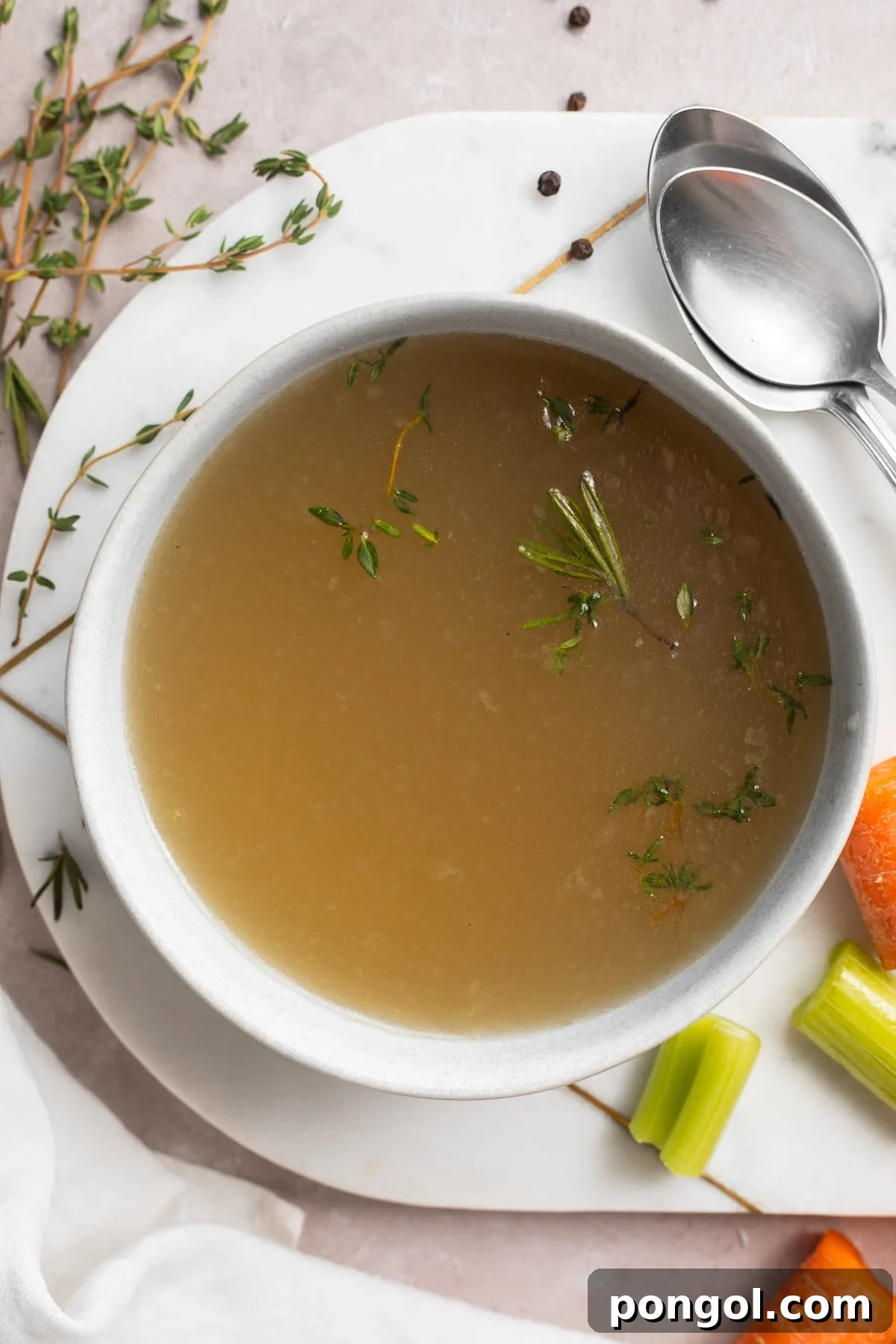
Homemade Bone Broth: Your Ultimate Guide to Nourishing Wellness
Discover the incredible ease and profound health benefits of making nutrient-rich bone broth right in your own kitchen. With just a few simple steps, you’ll embark on a journey to create a simmering elixir, perfect for sipping on its own or elevating the flavor and nutritional profile of your favorite soups and dishes. This comprehensive guide will walk you through everything you need to know to master the art of homemade bone broth.
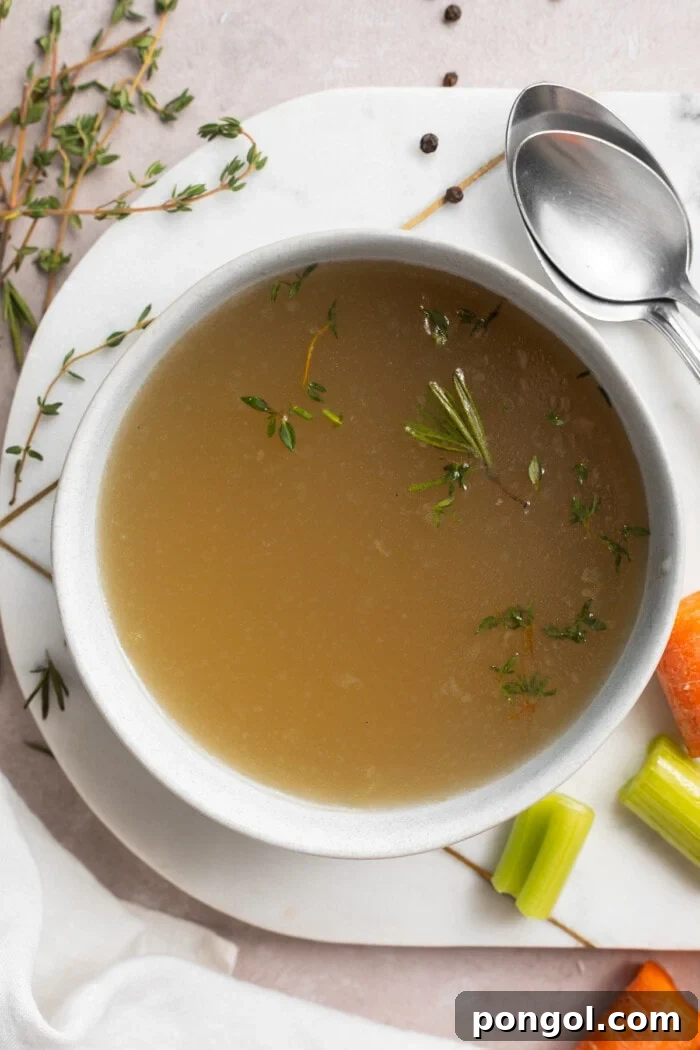
Why Bone Broth Should Be a Staple in Your Kitchen
Bone broth isn’t just a culinary trend; it’s a time-honored superfood celebrated for its vast array of health benefits and incredible versatility. Making it at home allows you to control the quality of ingredients, ensuring maximum nutrition and purity. Here’s why this recipe stands out:
- A Powerhouse of Nutrients: Bone broth is renowned for being incredibly healthy, teeming with essential vitamins, minerals, and amino acids. It’s particularly rich in collagen, a vital protein that supports glowing skin, strong hair, and healthy nails, actively helping to combat the visible signs of aging. Beyond beauty, it’s celebrated for its role in building strong bones, supporting joint health, and significantly reducing inflammation throughout the body.
- Surprisingly Simple Preparation: Don’t be intimidated by the long simmering time; the actual hands-on preparation is incredibly straightforward. Just combine all your ingredients in a large pot, bring to a gentle boil, then reduce to a low simmer. Let it do its magic on the stove for 10-12 hours. Once the cooking is complete, a quick strain is all that’s needed before you can enjoy your liquid gold!
- Eco-Friendly & Waste-Reducing: This recipe offers a fantastic opportunity to minimize kitchen waste. Instead of discarding bones from a roast chicken or beef, vegetable scraps, and wilting herbs, transform them into something truly valuable. It’s a sustainable practice that not only benefits your health but also your wallet and the environment.
Key Ingredients for an Exceptional Bone Broth
Crafting a superior bone broth begins with selecting the right foundation. While the process is forgiving, focusing on quality ingredients will yield the most flavorful and nutrient-dense results.
The Essential Foundation: Quality Bones
Chicken and/or Beef Bones: The heart of your bone broth lies in the bones themselves. Almost any animal bones will work beautifully for this recipe, offering a distinct flavor profile. You can easily purchase high-quality chicken or beef bones from your local grocery store, a specialty butcher, or even an organic farm. For a more sustainable approach, save the leftover bones from your roast chicken, short ribs, or lamb chops. Whenever I prepare a whole roasted chicken, I meticulously collect the carcass and all bones, storing them in a freezer-safe bag until I’m ready to brew a fresh batch of this nourishing broth. A mix of different bone types, such as marrow bones, knuckle bones, and feet, will provide a richer collagen content and a more complex flavor.
The Nutrient Extractor: Apple Cider Vinegar
Apple Cider Vinegar: A small amount of apple cider vinegar (ACV) plays a crucial role in the broth-making process. Its acidity helps to break down the tough connective tissues in the bones, facilitating the extraction of as much collagen, essential minerals, and vital nutrients as possible. While you can certainly make a delicious broth without vinegar, its inclusion is highly recommended to maximize the nutritional benefits and achieve a more potent, health-boosting elixir.
Aromatic Enhancers: Vegetables, Herbs & Spices
While the core ingredients are bones and vinegar, adding a selection of aromatics significantly enhances both the flavor and the nutritional depth of your broth. Common additions include:
- Mirepoix: A classic French base of roughly chopped onions, carrots, and celery. These vegetables impart a subtle sweetness and earthy undertone.
- Garlic: A few cloves of garlic, smashed or peeled, add a pungent, savory layer.
- Fresh Herbs: Sprigs of fresh rosemary and/or thyme are fantastic for their woody, fragrant notes. Parsley and bay leaves are also excellent choices, contributing to a well-rounded aroma. Feel free to experiment with other herbs like sage or oregano.
- Black Peppercorns: A scattering of whole black peppercorns provides a gentle heat and aromatic complexity without overpowering the broth.
- Salt: Essential for seasoning, though you can adjust this to taste at the end.
These ingredients not only deepen the flavor but also contribute their own spectrum of vitamins and antioxidants to the final broth.
The Art of Simmering: Chef’s Tips for Perfect Bone Broth
Achieving a rich, gelatinous, and flavorful bone broth is an art, but one that is easily mastered with a few key techniques and considerations. Here are some expert tips to guide you:
- Embrace Versatility: Homemade bone broth is incredibly adaptable. I personally cherish sipping a warm mug of broth as a comforting mid-morning or afternoon pick-me-up. It’s wonderfully soothing and satiating. Alternatively, use it as a foundational liquid in your cooking to infuse dishes with a profound depth of flavor and a significant nutritional boost. From risottos to gravies, its applications are endless.
- Customization is Key: Don’t shy away from experimenting with seasonings and herbs! The beauty of homemade broth lies in its customizability. Any fresh herbs you have on hand, such as fragrant parsley, earthy sage, or robust bay leaves, would make delicious additions. Feel free to explore different spice blends or even add a touch of ginger for an immune-boosting kick. Have fun tailoring the flavors in this broth to your personal preferences!
- Optimal Storage for Longevity: Proper storage is crucial to preserve the freshness and quality of your homemade bone broth. Once it has completely cooled, transfer the broth to airtight containers. It will stay fresh in the refrigerator for 4-5 days, making it convenient for daily use. For longer storage, you can freeze it for up to 6 months. Consider freezing it in individual portions (like in ice cube trays or muffin tins) for easy access and minimal waste when you need just a small amount.
- Roasting the Bones (Optional but Recommended): For an even deeper, richer flavor, consider roasting your bones in the oven at 400°F (200°C) for 30-45 minutes before adding them to the pot. This step caramelizes the bones and renders some fat, adding an extra layer of complexity to the broth.
- Maintain a Gentle Simmer: It’s essential to keep your broth at a low, gentle simmer, not a rolling boil. A strong boil can emulsify fats and impurities, leading to a cloudy broth. A slow, steady simmer ensures optimal nutrient extraction and a clear, flavorful result.
- Skim the Scum: In the first hour or two of simmering, you might notice foam or “scum” rising to the surface. This consists of impurities and coagulated proteins. Use a fine-mesh skimmer or spoon to remove this for a cleaner, more appealing broth.
- Don’t Forget the Water Level: Ensure your bones are always submerged in water. If the water level drops significantly during the long simmer, add more hot water to keep everything covered.
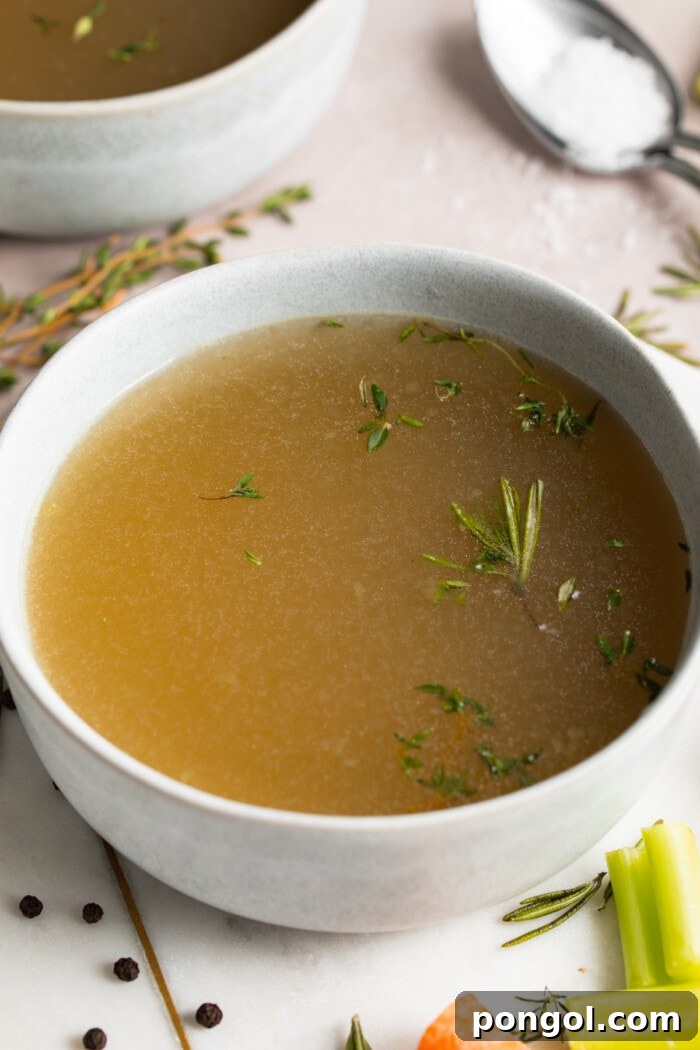
Beyond Sipping: Culinary Applications for Bone Broth
While a warm cup of bone broth is undeniably comforting, its culinary potential extends far beyond that. Incorporating this flavorful liquid into your cooking can transform everyday meals into nutrient-dense, gourmet experiences:
Soup Recipes You Must Try with Bone Broth
Using homemade bone broth as the base for your soups instantly upgrades them with superior flavor and a powerful nutritional punch. Here are some fantastic recipes where bone broth shines:
- Instant Pot Lentil Soup
- Mexican Chicken Soup
- Tom Yum Soup
- Udon Soup
- Chili’s Southwest Chicken Soup
Other Creative Uses
- Cooking Grains: Replace water with bone broth when cooking rice, quinoa, or couscous for added flavor and nutrients.
- Sauces and Gravies: Use bone broth as the liquid base for richer, healthier sauces and gravies.
- Braising Meats: Braise tough cuts of meat in bone broth to tenderize them and infuse them with savory goodness.
- Stir-fries: A splash of bone broth can add moisture and umami to stir-fry dishes.
- Smoothies: For the truly adventurous, a cooled, unflavored bone broth can be a nutrient-dense addition to savory smoothies.
Sam Guarnieri
Classic Homemade Bone Broth
5 minutes
12 hours
12 hours 5 minutes

Sam Guarnieri
Save
Saved!
12
servings
(toggle on to prevent screen dimming)
Equipment
-
Large pot with lid (at least 6-8 quarts)
-
Fine-mesh strainer
-
Airtight containers for storage
Ingredients
-
3 pounds chicken and/or beef bones (or a mix) -
1 tablespoon apple cider vinegar -
1 teaspoon salt (or to taste) -
½ teaspoon black peppercorns (whole) -
2-3 sprigs fresh rosemary and/or thyme -
12 cups cold water (filtered if possible) -
1 large onion, quartered (optional) -
2 carrots, roughly chopped (optional) -
2 celery stalks, roughly chopped (optional) -
2-3 cloves garlic, smashed (optional)
Instructions
-
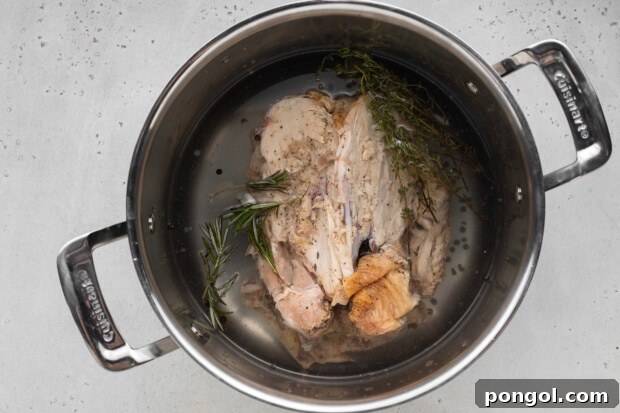
If desired, roast the bones in an oven at 400°F (200°C) for 30-45 minutes until lightly browned. This step adds depth of flavor. Then, place all roasted or unroasted bones and remaining ingredients (apple cider vinegar, salt, peppercorns, herbs, optional vegetables) in a large, heavy-bottomed pot. Add cold water, ensuring all ingredients are fully submerged.

-
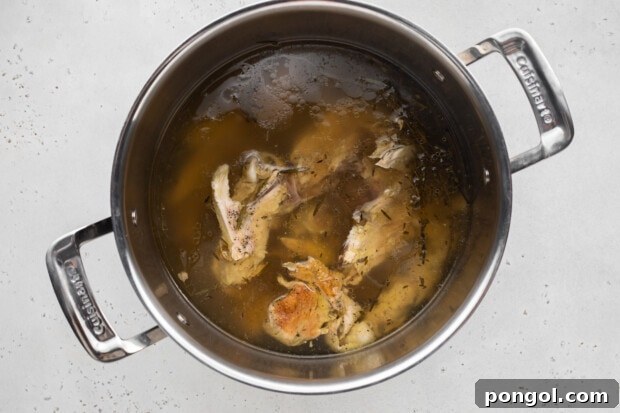
Place the pot over medium-high heat and bring the water to a gentle boil. Once boiling, immediately reduce the heat to the lowest setting to maintain a bare simmer. Skim off any foam or “scum” that rises to the surface during the first hour or two. Cover the pot with a lid, leaving a small crack for steam to escape, and let it simmer for 10-12 hours. The longer the simmer, the more nutrients will be extracted and the richer the flavor.
-
After 10-12 hours, remove the pot from the heat and allow the broth to cool down sufficiently. Once it’s cool enough to handle, carefully strain the broth through a fine-mesh strainer (for an even clearer broth, you can line the strainer with cheesecloth). Discard the solids. Transfer the strained broth to clean, airtight containers. Store in the fridge for up to 5 days or freeze for up to 6 months. Make sure the broth is completely cool before storing, especially if freezing.
Notes
- Customization: Feel free to use any fresh herbs and seasonings you like. Bay leaves, whole garlic cloves, and extra vegetable scraps (like onion skins or bell pepper cores) can also be added for more flavor.
- Leftovers & Storage: Refrigerate leftover bone broth in an airtight container for up to 5 days. For longer storage, freeze it in an airtight container or freezer-safe bags for up to 6 months. Always ensure the broth is completely cool before storing.
- Gelatinization: Don’t be concerned if your cooled broth turns into a jelly-like consistency; this is a sign of a high-quality, collagen-rich broth! It will liquefy again when heated.
- Flavor Adjustment: Taste your broth after simmering and adjust salt and pepper as needed.
Approximate Information for One Serving
Calories: 161cal
Protein: 1g
Fat: 17g
Saturated Fat: 1g
Sodium: 206mg
Potassium: 3mg
Total Carbs: 1g
Fiber: 1g
Sugar: 1g
Net Carbs: 0g
Vitamin A: 50IU
Calcium: 8mg
Iron: 1mg
Nutrition Disclaimers
Number of total servings shown is approximate. Actual number of servings will depend on your preferred portion sizes.
Nutritional values shown are general guidelines and reflect information for 1 serving using the ingredients listed, not including any optional ingredients. Actual macros may vary slightly depending on specific brands and types of ingredients used.
To determine the weight of one serving, prepare the recipe as instructed. Weigh the finished recipe, then divide the weight of the finished recipe (not including the weight of the container the food is in) by the desired number of servings. Result will be the weight of one serving.
Did You Make This Recipe?
We’d love to see your creations! Tag @40aprons on Instagram and make sure to leave a review on the blog post to share your experience with others!
Tag @40Aprons on Instagram