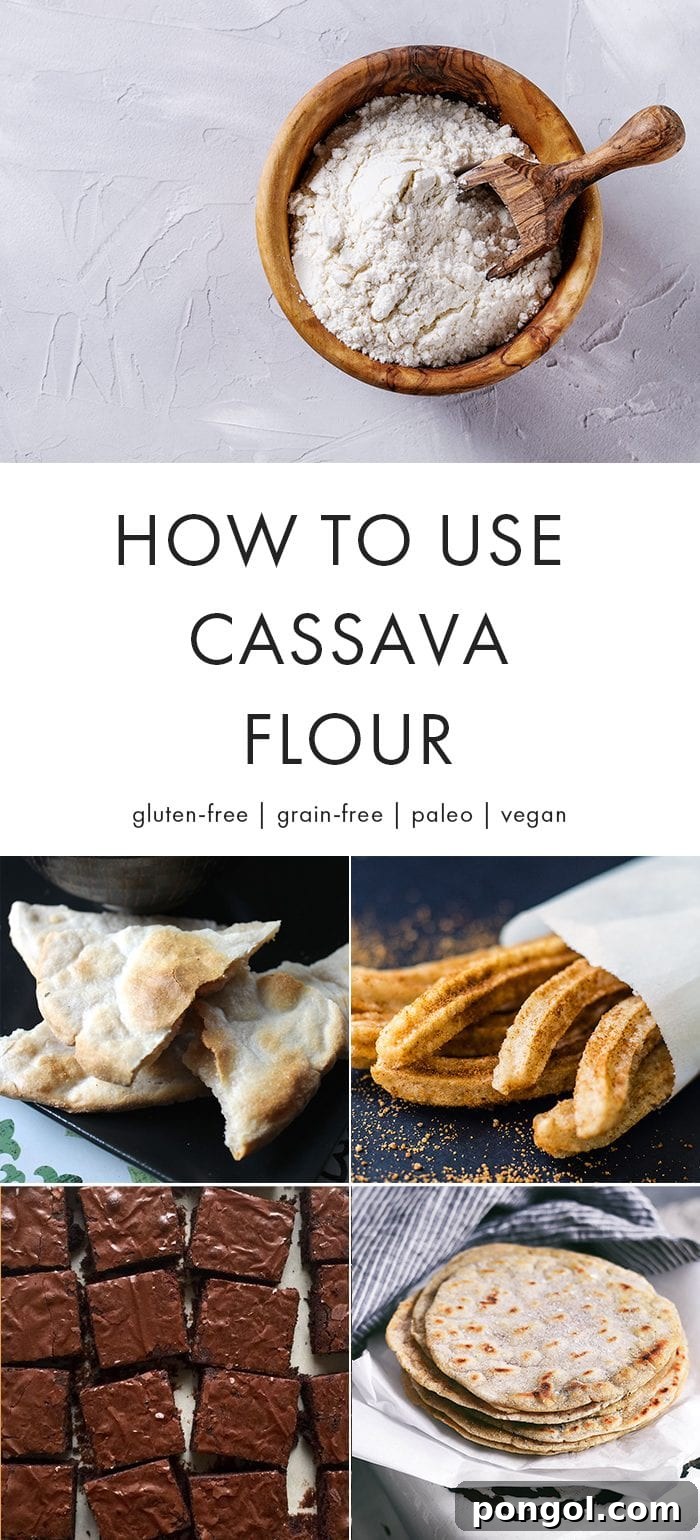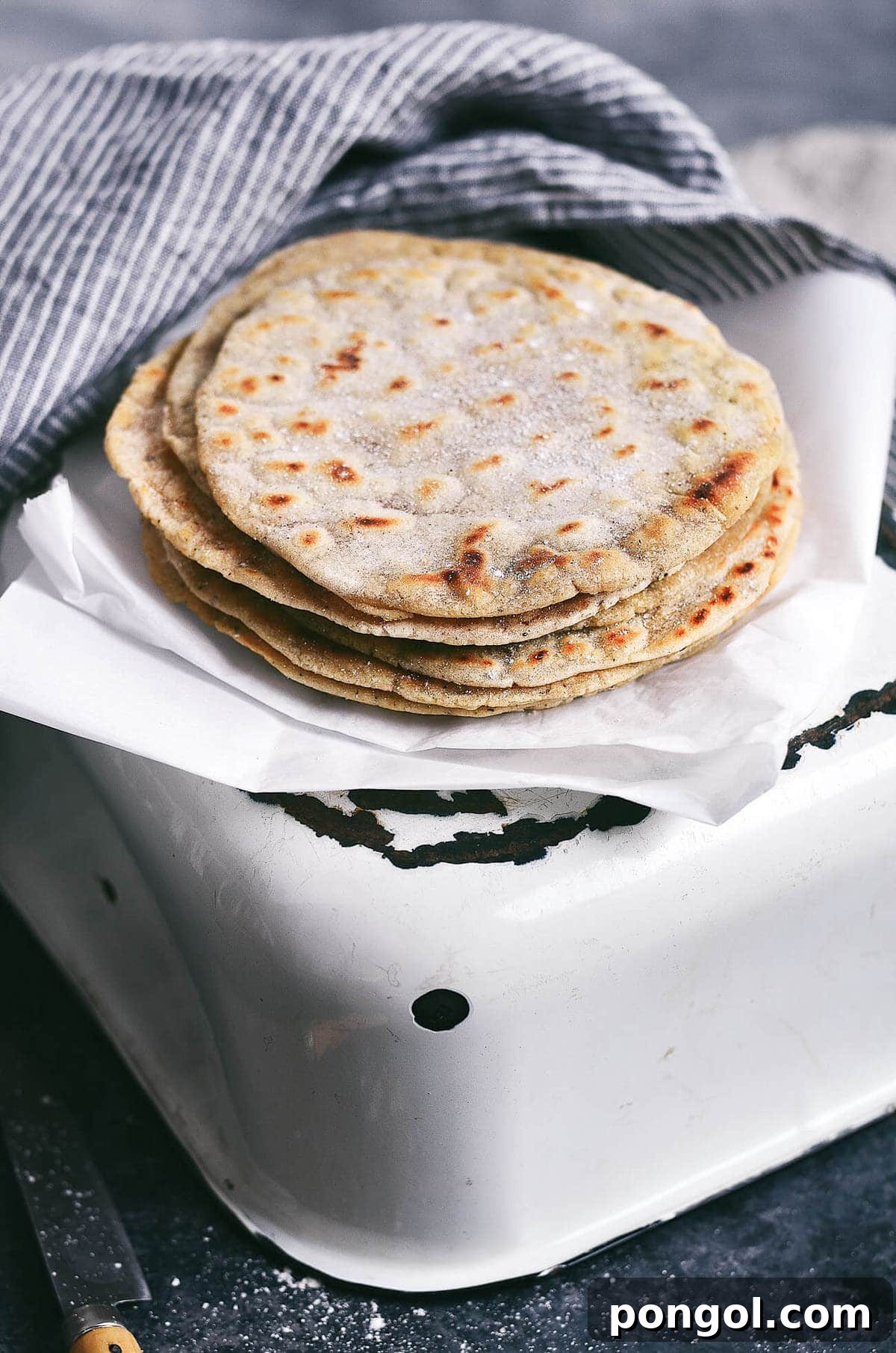
Welcome to your ultimate guide on how to use cassava flour, a revolutionary ingredient for gluten-free and grain-free baking! Whether you’re new to the world of alternative flours or looking to expand your culinary repertoire, this comprehensive guide provides everything you need to know about this increasingly popular flour. We’ll delve into its unique properties, offer practical tips for successful baking, and share an array of incredible cassava flour recipes that will transform your kitchen. Prepare to uncover the versatility and simplicity that makes cassava flour a game-changer for those seeking delicious, health-conscious alternatives. Discover my favorite cassava flour and start your journey today!
My own journey into the realm of grain-free eating began with a Whole30 challenge, which quickly evolved into a full embrace of the Paleo lifestyle. Initially, the prospect of navigating new ingredients and entirely different baking methods felt daunting. I found myself stockpiling common alternatives like almond flour and arrowroot starch, often feeling overwhelmed by the sheer volume of information and the trial-and-error approach required. However, over time, I’ve grown exponentially more confident in transforming conventional recipes into delicious, real-food-driven, grain-free, and gluten-free options. This shift has not only improved my health but also opened up a world of culinary creativity.
Among the many flour alternatives available, cassava flour stands out as a true gem for anyone avoiding gluten and grains, especially those committed to more nutrient-dense eating. I’ve fallen in love with this flour for its exceptional qualities, but I’ve also observed that many people still find it a bit misunderstood or intimidating. Consider this guide your personal resource to demystify cassava flour, helping you become comfortable with its use and empowering you to broaden your paleo and grain-free baking horizons. From understanding its origins to mastering its application, you’ll find all the insights right here. If you’re ready to try it, Anthony’s Cassava Flour is my top recommendation. Why not grab a bag and experience the difference?
Mastering Cassava Flour: A Gluten-Free Baking Essential
Cassava flour is rapidly gaining recognition as the ultimate replacement for traditional wheat flour in gluten-free and grain-free diets. For many embarking on restrictive dietary paths, such as Whole30 or Paleo, the initial phase can feel like a constant battle of substitutions. Replacing staples like sugar, cheese, black beans, brown rice, peanut butter, and lentils can indeed be a challenge. Yet, with consistency, these changes become second nature. The most rewarding aspect? The incredible feeling of vitality and health that follows. Amongst these dietary shifts, flour replacement often presents one of the biggest hurdles. Traditional restrictive baking often requires blending multiple alternative flours to achieve a consistency even remotely close to wheat flour, a practice few home bakers genuinely enjoy. This is precisely where cassava flour shines, coming remarkably close to being a single, all-purpose flour substitute. It’s truly a godsend for grain-free baking, but let’s delve into its characteristics before making a grand declaration.
How Is Cassava Flour Made? From Root to Flour
Understanding the origin of cassava flour helps appreciate its unique properties. It is meticulously crafted from the entire root of the cassava plant, also known as yuca or manioc, a starchy tuber native to South America and widely cultivated across Africa and Asia. The process begins by peeling the fibrous outer layer of the cassava root. This step is crucial, as it removes certain natural compounds. Once peeled, the root is thoroughly washed, then grated into a fine mash using either a hand-held grater or a food processor. This mash is then pressed to extract excess moisture, a vital step to ensure the flour’s quality and remove naturally occurring cyanogenic glycosides, making it safe for consumption. The pressed pulp is then spread onto drying racks and left to dry completely. Finally, the dried substance is ground into the fine, powdery flour we know as cassava flour. This simple yet effective process preserves the whole root’s nutritional value, resulting in a versatile flour that could be the answer to all your substitute flour needs.
Cassava Flour vs. Tapioca Flour: What’s the Difference?
A common point of confusion arises when discussing cassava flour and tapioca flour. While often used interchangeably, they are distinctly different products derived from the same plant. Tapioca is a pure starch extracted from the cassava root. Its production involves a more intensive process: the cassava root is washed and pulped, then the wet pulp is squeezed to extract a starchy liquid. Once all the water evaporates from this liquid, the remaining fine powder is tapioca flour. Tapioca is primarily used as a thickening agent, providing a chewy texture in some recipes. In contrast, cassava flour is made from the entire peeled, dried, and ground root. This means cassava flour retains all the dietary fiber and nutrients of the whole root, offering a more robust nutritional profile than tapioca. The whole-root approach also contributes to its ability to mimic wheat flour more closely in baking, thanks to its unique fiber and starch composition.
Is Cassava Flour Gluten-Free, Grain-Free, and Nut-Free?
Absolutely! One of the most compelling advantages of cassava flour is its naturally allergen-friendly profile. Yes, cassava flour is completely gluten-free, grain-free, and nut-free. This makes it an ideal choice for individuals with celiac disease, gluten sensitivities, grain allergies, or nut allergies. The cassava plant, known as yuca or manioc, is a staple crop in many parts of the world and is naturally free from these common allergens. The root itself is starchy and carbohydrate-rich, similar to other tubers like yams, taro, plantains, and potatoes. Beyond being gluten, grain, and nut-free, cassava flour is also naturally vegan, vegetarian, and paleo-friendly, making it suitable for a wide range of dietary preferences and health protocols. Its neutral flavor and fine texture further enhance its appeal, allowing it to blend seamlessly into various recipes without imparting unwanted tastes or textures.
The Wheat Flour Twin: Why Cassava Flour Excels Among Gluten-Free Options
The remarkable resemblance of cassava flour to wheat flour is the primary reason for its skyrocketing popularity in the gluten-free and grain-free communities. Unlike many other alternative flours, such as almond or coconut flour, cassava boasts a wonderfully mild and neutral flavor profile. This means it won’t overpower your dishes with a distinct taste, allowing the other ingredients to shine. Its texture is another significant advantage: it’s light and finely ground, completely devoid of the grainy or gritty feel often associated with gluten-free flours. Instead, it offers a soft, powdery consistency strikingly similar to regular wheat flour, which is a major benefit for achieving familiar results in baking. Furthermore, its inherent nut-free nature is a huge relief for those managing nut allergies, providing a safe and versatile option. While cassava flour is often touted as a 1:1 substitute for wheat flour or all-purpose flour, it’s important to understand that this isn’t always a perfect rule. Its unique absorption properties mean some adjustments may be necessary, but with a few simple tips, you can master this incredible flour.
Baking with Cassava Flour: Tips for Culinary Success
While the prospect of a 1:1 substitute for wheat flour is exciting, baking with cassava flour requires a nuanced approach. It’s true that you can often swap it cup-for-cup in many recipes, but its unique characteristics mean it’s not a perfect fit for every single dish without minor adjustments. The key difference lies in its absorbency: cassava flour is lighter in texture than all-purpose flour, yet it absorbs significantly more liquid due to its high starch content and fibrous nature. This can make baking tricky, as too much flour can lead to dense, dry results, while too little can result in a soggy or crumbly texture. Just like with any new ingredient or substitution, a little experimentation is often required to find the sweet spot for each particular recipe. A highly effective strategy is to start by adapting a recipe you already know and are very familiar with. This way, you’ll be better equipped to pinpoint exactly what needs to be changed – whether it’s adjusting the liquid content, fat, or baking time – to achieve your desired outcome. Starting with a successful recipe allows you to hone in on the precise tweaks needed, making your learning curve much smoother and more enjoyable.
Essential Tips for Baking Success with Cassava Flour
- Mind the Liquid Absorption: Although some recipes suggest a 1:1 substitution, remember that cassava flour is incredibly absorbent. It can make your batter or dough much denser than expected. A good starting point is to use about 25% less cassava flour than the wheat flour called for, or to increase the liquid in the recipe gradually until you reach the desired consistency. Always err on the side of slightly less flour initially.
- Even Baking is Key: Recipes that call for large quantities of flour, especially baked goods like breads or cakes, might brown faster on the outside while remaining undercooked or “doughy” in the center when using cassava flour. To counteract this, consider reducing your oven temperature slightly (e.g., by 25°F or 10-15°C) and increasing the baking time. Covering the top of your baked goods with foil for part of the baking process can also help prevent over-browning while the interior finishes cooking.
- Handle with Care: Cassava flour is quite fine and can be surprisingly dusty. Unlike all-purpose flour, which might be casually tossed around, expect a bit of a cloud if you’re not careful. When measuring and mixing, proceed with a gentle hand to avoid a floury explosion in your kitchen. While we might exaggerate the “dusting the fridge” scenario, being mindful will save you some cleanup!
- Subtle Flavor Profile: Despite being largely neutral, as a product of a root, cassava flour can impart a very slight, earthy, or subtly nutty undertone to some recipes. This flavor is rarely overpowering and often blends beautifully with other ingredients. However, it’s worth keeping in mind, especially for recipes where a truly neutral base is critical or if you’re pairing it with very delicate flavors. Consider how this hint of flavor will complement the overall taste of your final baking project.
- Accurate Measurement: For consistent results, especially with highly absorbent flours like cassava, weighing your flour with a kitchen scale is always more accurate than measuring by volume (cups). Different brands of cassava flour can also vary slightly in density, so weighing helps standardize your measurements.
- Avoid Overmixing: Like many gluten-free flours, overmixing doughs made with cassava flour can sometimes lead to a tougher texture. Mix just until ingredients are combined.
Is Cassava Flour Poisonous? Addressing the Concern
The question of whether cassava flour is poisonous is a valid one that often arises, but rest assured, commercially produced cassava flour is perfectly safe for consumption. The raw cassava root naturally contains compounds known as cyanogenic glycosides, which can release hydrogen cyanide, a toxic substance, if ingested raw or improperly processed. However, these compounds are not unique to cassava; they are also found in smaller amounts in common foods like almonds and spinach. The traditional and industrial processes used to make cassava flour are specifically designed to remove or neutralize these toxic compounds. As described earlier, peeling, grating, pressing, and thoroughly drying the root are crucial steps that effectively detoxify the cassava, preventing any risk of illness. When you purchase cassava flour from a reputable supplier, it has undergone rigorous processing to ensure it is safe, healthy, and ready for your kitchen.
Is Cassava Flour Low-Carb? Understanding Its Nutritional Profile
While cassava flour is a fantastic gluten-free and grain-free alternative, it is important to clarify that it is not a low-carb flour. The cassava root is naturally starchy and high in carbohydrates. This characteristic is precisely why it works so well as a substitute for wheat flour, providing structure and bulk. Per 100 grams, cassava flour can have nearly double the calories and carbohydrates of a sweet potato. Therefore, if you are strictly adhering to a low-carb, keto, or even a very low-sugar paleo-based diet, you should monitor your intake of cassava flour. As with most foods, moderation is key. Incorporating cassava flour into a balanced diet can be highly beneficial, but relying on it for every meal could lead to a significant carbohydrate intake, potentially causing an insulin spike for sensitive individuals. Always consider your personal dietary goals and consult nutritional information to ensure it aligns with your health plan.
Delicious Cassava Flour Bread and Beyond
One of the most exciting developments in the world of gluten-free and grain-free eating is the increasing availability and quality of bread made with alternative flours like cassava flour. I recently stumbled upon something truly innovative: paleo bread mix subscriptions! One such service, “Legit Bread,” specializes in paleo bread mixes primarily based on cassava flour. While I have no affiliate relationship with them, I genuinely think their concept and products look quite impressive. Their bread appears absolutely amazing and is often more affordable than many pre-made paleo bread options found in stores. It certainly seems worth exploring for those who love the convenience of a mix!
However, if you’re like me – more of a “from-scratch, no-bags-included” type of baker – cassava flour still opens up a world of possibilities for homemade breads and other baked goods. Its unique properties allow for the creation of delicious, comforting, and familiar textures that are often hard to achieve with other gluten-free flours. Now that you’re equipped with the knowledge of how to use cassava flour, it’s time to put that knowledge into action! To give you a fantastic head start, I’ve curated a collection of incredible cassava flour recipes from some of the most talented gluten-free bakers. Prepare to be inspired by the versatility of this flour!
What To Make with Cassava Flour: A Recipe Showcase
My friend Amanda, the genius behind The Curious Coconut, is truly the queen of cassava flour in my estimation. Her fantastic Latin cookbook, featuring all Paleo and AIP recipes, is an absolute must-have for anyone looking to expand their grain-free culinary skills. Her book provides countless reasons to learn how to use cassava flour, and I simply couldn’t resist highlighting a plethora of her amazing cassava flour recipes here, alongside other fantastic creations!
Churros Mexicanos from The Curious Coconut
AIP Bagels from The Curious Coconut
Cassava Flour Bread from Anthony’s Goods
Gluten-Free Roux from The Curious Coconut
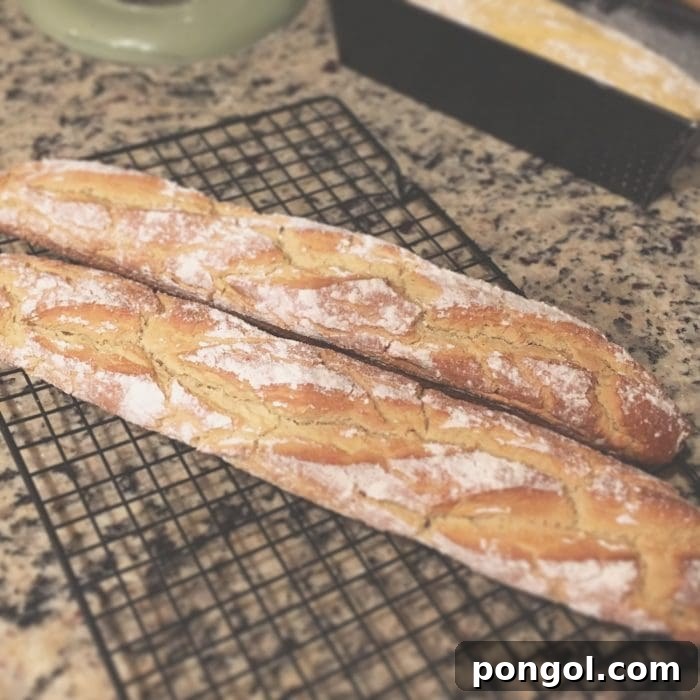
Real Deal Grain-Free Crusty French Bread from Otto’s Naturals
Best Ever 5 Minute Cassava Flour Tortillas from Paleo Gluten Free Eats
AIP Garlic Knots from The Curious Coconut
Paleo Pita Bread from Predominantly Paleo
Brazilian Style Chicken Wings with Crispy Garlic (Frango à Passarinho) from The Curious Coconut
Grain-Free Tortillas from Fork and Beans
Lemon Poppy Buttermilk Pancakes from In Jennie’s Kitchen
Dark Chocolate Brownies from Food52
Cassava Flour Chocolate Chip Cookies from Cook It Up Paleo
Cherry Turnovers from Don’t Eat the Spatula
AIP Strawberry Shortcake from Gutsy by Nature
Herbed Cassava Tortilla Chips from Downshiftology
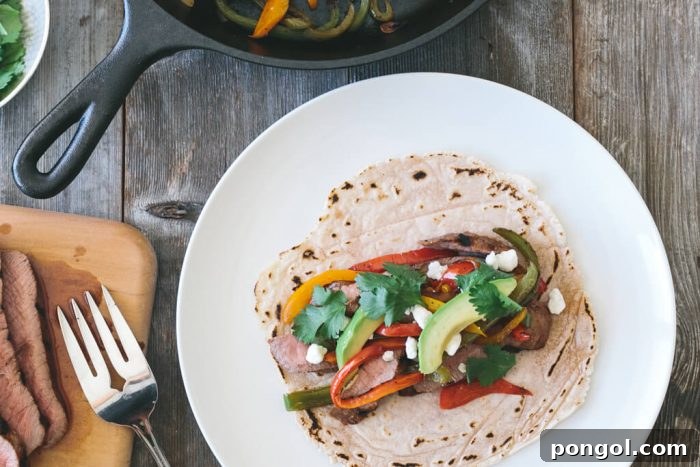
Steak Fajitas with Cassava Flour Tortillas from Downshiftology
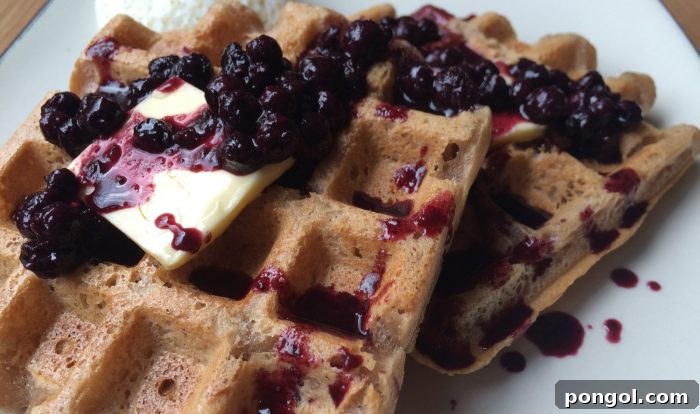
Crispy Blender Waffles from Otto’s Naturals