
Welcome to your essential guide to the Whole30 program, a comprehensive journey designed to reset your relationship with food and uncover what truly makes your body thrive. Far more than just a diet, Whole30 is a powerful 30-day nutritional reset focused on real, whole foods that can lead to profound and lasting health transformations. Whether you’re a seasoned participant or new to the concept, this guide simplifies the program’s core principles, illuminates the latest rule updates, and introduces the exciting Plant-Based Whole30 option for those following a vegan or vegetarian lifestyle. Prepare to embark on a path to better health, increased energy, and a clearer understanding of your body’s unique needs.

What is Whole30? A Transformative Approach to Health
Whole30 is a groundbreaking 30-day nutritional program meticulously crafted to help you identify which foods might be negatively impacting your health, energy levels, and overall well-being. Unlike conventional diets that often focus on calorie counting or weight loss, Whole30 emphasizes a complete reset of your eating habits and a profound re-evaluation of your relationship with food. For an entire month, you commit to consuming only nutrient-dense, unprocessed foods, allowing your body to heal, rebalance, and reveal hidden food sensitivities or inflammatory responses.
The philosophy behind Whole30 extends beyond just what you eat; it’s about fostering a healthier mindset around food. Instead of using food as a reward, comfort, or coping mechanism, participants are encouraged to practice self-care through other means. The primary goal isn’t to shed pounds, though weight loss is a common and welcome side effect for many. Instead, Whole30 aims to help you achieve optimal physical and mental health, discover sustained energy, improve sleep quality, enhance mood, and alleviate various chronic symptoms that may be linked to your diet.
Since its inception in 2009, the Whole30 program has continuously evolved, adapting its guidelines based on the latest scientific research and community feedback. The most recent updates, rolled out in 2024, brought significant revisions to several original elimination rules, reflecting an updated understanding of nutritional science. Furthermore, 2022 marked a pivotal moment with the introduction of an entirely separate Plant-Based Whole30 program, specifically designed to empower vegans and vegetarians to experience the transformative benefits of the Whole30 reset.
The Foundational Whole30 Rules: Your 30-Day Food Reset
The Original Whole30 program is built upon a clear, concise set of rules designed to eliminate common inflammatory foods and allow your body to reset. Understanding and adhering to these core principles is key to maximizing your success and truly discovering how different foods impact your system. Here’s a quick overview of the essential rules that define the Original Whole30 program:
- No Added Sugar, Real or Artificial: This includes cane sugar, honey, maple syrup, agave nectar, stevia, monk fruit, xylitol, and all other forms of natural and artificial sweeteners. The goal is to break sugar cravings and stabilize blood sugar.
- No Alcohol, Even in Cooking: All forms of alcohol, including beer, wine, spirits, and ciders, are strictly off-limits, even if cooked off. This rule supports liver health and helps break unhealthy habits.
- No Grains: This eliminates wheat, oats, rice, corn, barley, rye, sorghum, and pseudo-grains like quinoa, amaranth, and buckwheat. Grains can be problematic for many due to gluten content, lectins, and phytic acid.
- No Legumes: Beans (black, kidney, pinto, navy, cannellini), lentils, chickpeas, peanuts, and all forms of soy (including tofu, tempeh, edamame, and soy sauce) are excluded. Legumes can contain compounds that may affect digestion and nutrient absorption.
- No Dairy: Milk, cheese, yogurt, kefir, cream, sour cream, and other dairy products are eliminated. Many people experience digestive issues or inflammatory responses to dairy. Ghee (clarified butter) is the single exception due to its minimal casein and lactose content.
- No Baked Goods, Junk Food, or Treats (Even “Compliant” Versions): This critical “Pancake Rule” prevents you from recreating favorite comfort foods with compliant ingredients. The psychological impact of these foods is as important as their physical impact. The aim is to change your relationship with these types of foods.
- No Weighing or Measuring Yourself: The program explicitly prohibits stepping on the scale or taking body measurements for 30 days. This encourages participants to focus on non-scale victories (NSVs) like improved energy, better sleep, clearer skin, and enhanced mood, rather than solely on weight.
- Meat, Poultry, and Seafood: Enjoy all cuts of beef, pork, lamb, chicken, turkey, duck, wild game, and any type of fish or shellfish. Opt for high-quality, sustainably sourced options whenever possible.
- Eggs: A versatile and protein-rich staple, eggs are fully compliant.
- Vegetables: Embrace an abundance of fresh, frozen, or canned vegetables (without added sugars or starches). This includes all leafy greens, cruciferous vegetables, root vegetables, nightshades, and even white and sweet potatoes, which are excellent sources of complex carbohydrates.
- Fruit: Consume fruit in moderation, typically 1-2 servings per day, preferably with meals. All types of fresh and frozen fruit are compliant.
- Natural Fats and Oils: Prioritize healthy fats. This now includes all cooking oils, such as olive oil, coconut oil, avocado oil, and clarified butter (ghee), as well as seed oils like canola, soybean, sunflower, and safflower oil. Other natural fats like avocados, olives, and nuts (excluding peanuts) are also encouraged.
- Ghee (Clarified Butter): As the sole dairy exception, ghee is permitted because the milk solids (which contain casein and lactose, common allergens) have been removed during clarification.
- Coffee and Tea: Unsweetened coffee and tea are allowed. Black coffee, herbal teas, and green teas are excellent choices.
- Most Vinegars and Alcohol-Based Botanical Extracts: Distilled white vinegar, apple cider vinegar, balsamic vinegar (check for added sugar), and red wine vinegar are typically compliant. Alcohol-based extracts like pure vanilla extract are also generally acceptable due to their minimal alcohol content when used in small quantities.
- Coconut Aminos: A popular soy sauce alternative, coconut aminos are compliant.
- Green Beans, Sugar Snap Peas, and Snow Peas: While botanically legumes, these specific varieties are allowed on Whole30 due to their “pod and pea” structure, which differs in composition from other legumes.
- Grain-Free, Nut-and-Seed Granolas and Cereals: As per the 2024 update, these are now allowed, provided all ingredients are compliant (e.g., no added sugars or grains).
- 100% Fruit Popsicles and Smoothies: Also new for 2024, these offer refreshing options, again, ensuring no added sugars or non-compliant ingredients.
- Added Sugars of Any Kind: This is a strict rule. No cane sugar, brown sugar, coconut sugar, honey, maple syrup, agave nectar, date syrup, stevia, monk fruit, xylitol, erythritol, aspartame, sucralose, or any other natural or artificial sweeteners. Always check ingredient labels carefully.
- Alcohol in Any Form: All alcoholic beverages and ingredients containing alcohol (like vanilla extract with high alcohol content or cooking wine) are out.
- Grains: Say goodbye to wheat, oats, rice, corn, quinoa, barley, rye, bulgur, millet, and all other grains and pseudo-grains. This also means no gluten-free grains.
- Legumes (with specific exceptions): Avoid all beans (except green beans, sugar snap peas, snow peas), lentils, chickpeas, peanuts (including peanut butter), and all forms of soy (soy milk, tofu, tempeh, edamame, soy sauce).
- Dairy: No milk, cheese, yogurt, kefir, cream, sour cream, or butter. Remember, ghee is the only dairy exception.
- Baked Goods, Treats, and Junk Food: This includes anything that resembles non-compliant foods, even if made with compliant ingredients. No pancakes, waffles, muffins, cookies, cakes, brownies, or homemade “pizza crusts” made from alternative flours. This rule helps you break psychological food associations.
- Commercially Prepared Chips: Potato chips, tortilla chips, plantain chips, cassava chips, and taro chips are generally not allowed, even if ingredients are otherwise compliant. The “junk food” nature of these items goes against the spirit of the program.
- Deep-Fried French Fries: Similar to chips, the format of French fries is considered “junk food” by Whole30 standards.
- Added Sugars (Real or Artificial): The strict “no sugar” rule applies equally to the plant-based version.
- Alcohol: All forms of alcohol are still off-limits.
- All Grains: Grains such as wheat, oats, rice, and corn remain eliminated.
- All Animal Products: This is a defining rule of the Plant-Based Whole30. Meat, seafood, eggs, dairy, and all animal-based fats are completely excluded.
- Baked Goods, Treats, and Junk Food: The “Pancake Rule” is fully enforced here as well, discouraging the creation of plant-based versions of non-compliant treats to truly reset eating habits.
- No Snacking (Ideally): Whole30 recommends consuming three substantial meals a day to help stabilize blood sugar and train your body to rely on balanced, nutrient-dense meals. The ideal scenario is to avoid snacking entirely, except for necessary pre- and post-workout fuel. However, if you are genuinely hungry between meals or accustomed to grazing, having a compliant snack is better than falling off track. Listen to your body, especially if you are pregnant, nursing, or a child – in these cases, intelligent snacking is completely acceptable and often necessary.
- Eat Organic, Grass-Fed, and Homemade When Possible: While not a strict requirement, prioritizing organic produce, grass-fed or pasture-raised meats, and wild-caught seafood can further enhance the nutritional quality of your Whole30. These choices often mean higher nutrient content and fewer unwanted additives. Making food at home allows you to control all ingredients, but it’s important to be realistic. Don’t let the pursuit of perfection deter you; prepared compliant meals or eating out occasionally (with careful menu choices) is acceptable if it helps you stay on track.
- Limit Your Fruit Intake: Fruit is a healthy, natural food, but Whole30 suggests limiting intake to about two servings per day, consumed with meals rather than as a standalone dessert. This helps manage sugar cravings and ensures you prioritize vegetables for micronutrients. Using fruit strategically to combat intense sugar cravings can be a helpful tool, but aim for balance.
- Healthy Zuppa Toscana
- BBQ Chicken Bowls with Sweet Potatoes and Coleslaw
- Healthy Lettuce Wraps
- White Chicken Chili
- Burgers – Burger Joint Style
- Instant Pot Chicken Tortilla-Less Soup
- Swedish Meatballs with Gravy
- Breakfast Casserole with Sausage and Eggs
- Chicken and Broccoli Casserole with Cauliflower Rice
- Easy Salisbury Steak with Mushroom Gravy
- Southern Fried Chicken Salad
- Chicken Lo Mein
Adhering to these seven rules for 30 days creates an environment where your body can heal, inflammation can subside, and you can truly identify which foods serve your health best.
Significant Updates: Whole30 Rules in 2024
For those familiar with past Whole30 rounds, it’s important to note that the program continues to evolve based on the latest advancements in nutritional science. The Whole30 team meticulously reevaluated scientific findings for several previously restricted ingredients, leading to updated rules in 2024 that more accurately reflect current research and understanding.
Seed Oils Are Now Permitted
Perhaps one of the most notable changes is the inclusion of seed oils. After an extensive review of current scientific literature regarding seed oils and inflammation, the Whole30 found no credible evidence to support the claim that increased intake of polyunsaturated fats from these oils leads to increased inflammation or heightened heart disease risk in the general population when consumed in typical amounts as part of a balanced diet. Consequently, all cooking oils are now permitted, regardless of their source. This means that canola oil, soybean oil, rice bran oil, sunflower oil, and safflower oil are all considered compliant on the Original Whole30 program.
Carrageenan No Longer Eliminated
Carrageenan, a common food additive derived from red seaweed, has also been reevaluated. While some older research raised concerns, the Whole30 team determined there is insufficient evidence from current, high-quality studies to justify its continued elimination, particularly for food-grade carrageenan consumed in moderation. However, it’s always wise to read labels and refer to the official Whole30 website for specific guidance if you have known sensitivities.
Sulfites Are Now Allowed
Another ingredient removed from the elimination list is sulfites. A thorough review of current scientific findings revealed a lack of recent, quality research demonstrating any meaningful negative impact on the general population when sulfites are consumed within recommended amounts. Therefore, their exclusion from the program is no longer deemed necessary.
The Pancake Rule Gets an Update
The spirit of the “Pancake Rule” — which aims to help break emotional attachments to comfort foods — remains firmly in place. However, the 2024 updates introduce a few sensible allowances. 100% fruit popsicles are now permitted, offering a refreshing treat. Additionally, grain-free “granola” and “cereal” made exclusively with compliant nuts and seeds are now welcome additions, provided all ingredients are Whole30 compliant. Despite these minor additions, the core principle holds firm: no baked goods, alternative-flour pasta, or anything designed to mimic and replace traditional treats that often trigger unhealthy eating patterns.
What Can I Eat on the Original Whole30? What Should I Avoid?
Navigating the grocery aisles with new dietary guidelines can seem daunting, but once you understand the core principles, finding compliant foods becomes second nature. The Original Whole30 focuses on nutrient-dense, unprocessed ingredients that nourish your body without common inflammatory triggers.
Compliant Foods Include:
Non-Compliant Foods Include:
Whole30 Recipes You’ll Love
Introducing the Plant-Based Whole30: A Vegan and Vegetarian Reset
For the ever-growing community of vegetarians and vegans, the launch of the Plant-Based Whole30 in March 2022 was a monumental development. After two years of dedicated research and development, this program offers a 100% plant-based version of the original 30-day reset, allowing individuals on a plant-focused diet to experience the same transformative benefits.
The fundamental distinction between the Original and Plant-Based Whole30 programs lies in their permitted protein and fat sources. While the Original program relies heavily on animal proteins and fats, the Plant-Based Whole30 meticulously incorporates a variety of plant-based options to ensure adequate nutritional intake. This includes beans, lentils, peas, soy, compatible plant-based protein powders, nuts, and seeds, alongside a diverse array of plant-based fat sources.
Crucially, the Plant-Based Whole30 makes a significant departure from the Original program by allowing legumes, lentils, peas, and soy. In fact, these are not just permitted but actively encouraged to ensure participants meet their protein requirements. Minimally processed soy products such as edamame, tofu, tempeh, miso, and natto are all fully compliant. Furthermore, rice, often found as an ingredient in fermented soy products like miso and tempeh, is also allowed within this context, recognizing its role in the traditional processing of these foods. To further support protein goals, compatible plant-based protein powders derived from sources like pea, hemp, pumpkin, or chia are also allowed when necessary.
What’s Still Eliminated on the Plant-Based Whole30:
While adapted for plant-based eaters, many core elimination rules remain consistent with the Original Whole30 program, focusing on breaking unhealthy habits and identifying potential triggers:
Other Essential Whole30 Rules and Recommendations
Beyond the core elimination list, a few other guidelines are crucial for a successful Whole30 journey. These rules and recommendations are designed to foster a healthier psychological relationship with food and maximize the program’s transformative effects.
Don’t Recreate Junk Food, Baked Items, or Treats
This is arguably one of the most challenging, yet vital, rules of Whole30: the “Pancake Rule.” It’s incredibly tempting to attempt to craft Whole30-compliant versions of beloved comfort foods—be it grain-free cookies, cauliflower “pizza,” or alternative-flour pancakes. However, the program strongly advises against this. The underlying goal of Whole30 is to break free from psychological cravings and unhealthy associations with these types of foods. Recreating them, even with compliant ingredients, can perpetuate the “treat” mentality, making it harder to truly reset your eating habits. While the 2024 updates allow for certain exceptions like grain-free granola/cereal and 100% fruit popsicles (as these are generally less prone to trigger addictive eating patterns), the following remain strict “no-goes”: bread-like products (bread, tortillas, crepes), traditional breakfast treats (pancakes, waffles), baked desserts (cookies, cake, brownies), and processed junk food (chips, ice cream). Focus on embracing real, whole foods in their natural form.
Stay Away From the Scale
For 30 days, your scale should be off-limits. This rule is paramount to shifting your focus from weight to overall well-being. It’s incredibly tempting to step on the scale to track progress, but Whole30 is not a weight-loss program, even if weight loss is a common side effect. The true success of Whole30 is measured in non-scale victories (NSVs): improved sleep, stable energy, clearer skin, better digestion, reduced pain, enhanced mood, and a healthier relationship with food. Obsessing over the number on the scale can be discouraging, especially during the initial phases when your body is adjusting. Put your scale away, hide it, or ask a friend to hold onto it. Your journey is about holistic health, not just a numerical value.
Recommendations (Important, But Not Strict Rules)
While the following are not mandatory rules, incorporating these recommendations can significantly enhance your Whole30 experience and help you achieve even greater results:

Our Whole30 marry me chicken viral recipe is a reader favorite, delivering satisfying flavor while remaining fully compliant!
What to Expect on Your Whole30 Journey
Embarking on a Whole30 program is a unique experience for everyone, but there’s a remarkably consistent timeline of physical and emotional shifts that many participants report. The official Whole30 website offers a highly useful and often accurate timeline, outlining the typical ups and downs you can expect, especially during your first cycle.
Fair warning: the initial week can be quite challenging as your body adjusts to the absence of sugar, grains, and other common food groups. Most people hit a significant wall somewhere between days 8 and 11, often dubbed the “Sugar Dragon.” This period can bring intense cravings, noticeable fatigue, irritability, headaches, and a general feeling of malaise. It’s crucial to anticipate this phase and develop coping mechanisms. Remember, these symptoms are often a sign that your body is detoxing and rebalancing. Push through it!
By weeks three and four, a significant shift typically occurs. Many participants describe entering the “Tiger Blood” phase, characterized by greatly increased energy levels, improved sleep quality, enhanced mental clarity, reduced bloating, and a general feeling of vitality. This is when the transformative benefits of Whole30 truly begin to shine through, motivating you to complete the program. The Whole30 community offers incredible support and encouragement during both the highs and lows.
Being aware of these potential highs and lows can significantly increase your chances of success. Anticipating the tough days allows you to prepare with compliant meal plans, healthy snacks, and self-care strategies. Having a set Whole30 meal plan can be extremely helpful during the challenging days, as it removes the mental burden of deciding what to eat, making adherence a no-brainer.
Achieving Delicious Whole30 Compliance
If you’re reading this and thinking, “There’s no way I can give up my morning coffee creamer or my favorite dessert for 30 days,” you’re not alone! The prospect of eliminating so many common foods can feel overwhelming. However, trust me when I say the effort is profoundly worth it. The benefits of a Whole30 reset extend far beyond the 30 days, impacting your long-term health and eating habits.
Fortunately, the Whole30 community and resources available today are vast and incredibly supportive. There are countless delicious, compliant recipes and an increasing array of Whole30-approved products that make the journey more manageable and enjoyable. You don’t have to sacrifice flavor for health. Explore my 30-Day Whole30 meal plan, complete with free printable shopping lists, and my comprehensive Whole30 shopping list for a wealth of ideas to get you started and keep you inspired throughout your reset. Embrace this journey—your body and mind will thank you!
More Delicious Whole30 Recipes To Get You Started
Kickstart your Whole30 journey with these flavorful and satisfying recipes, proving that healthy eating can be incredibly delicious:
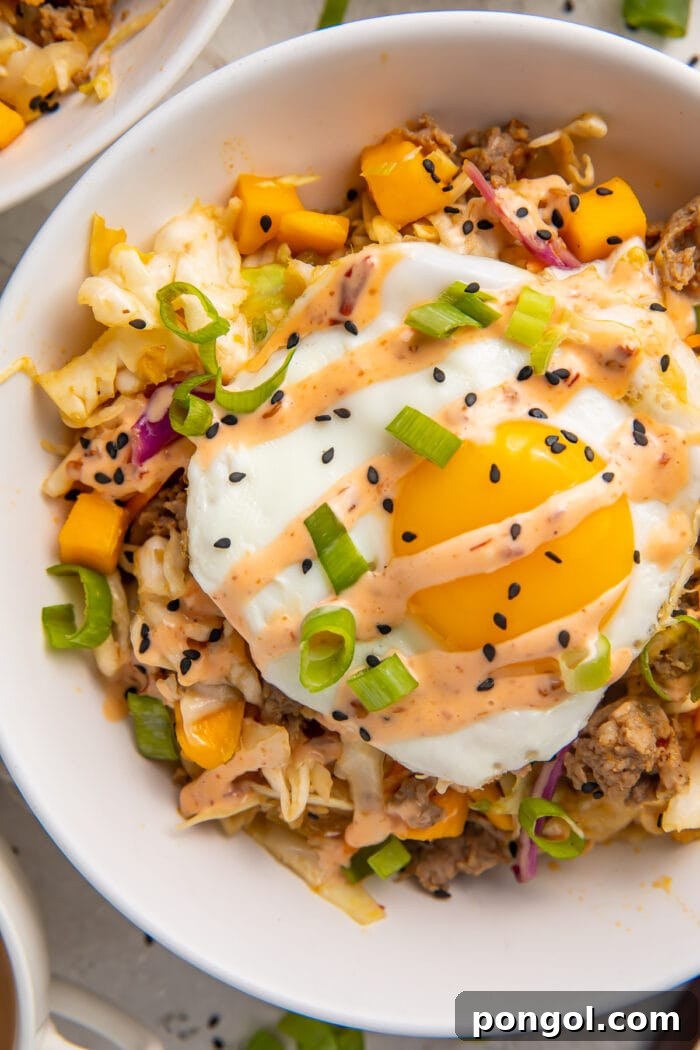
Discover all the Whole30 recipes that include breakfast, lunch, dinner, and condiments!