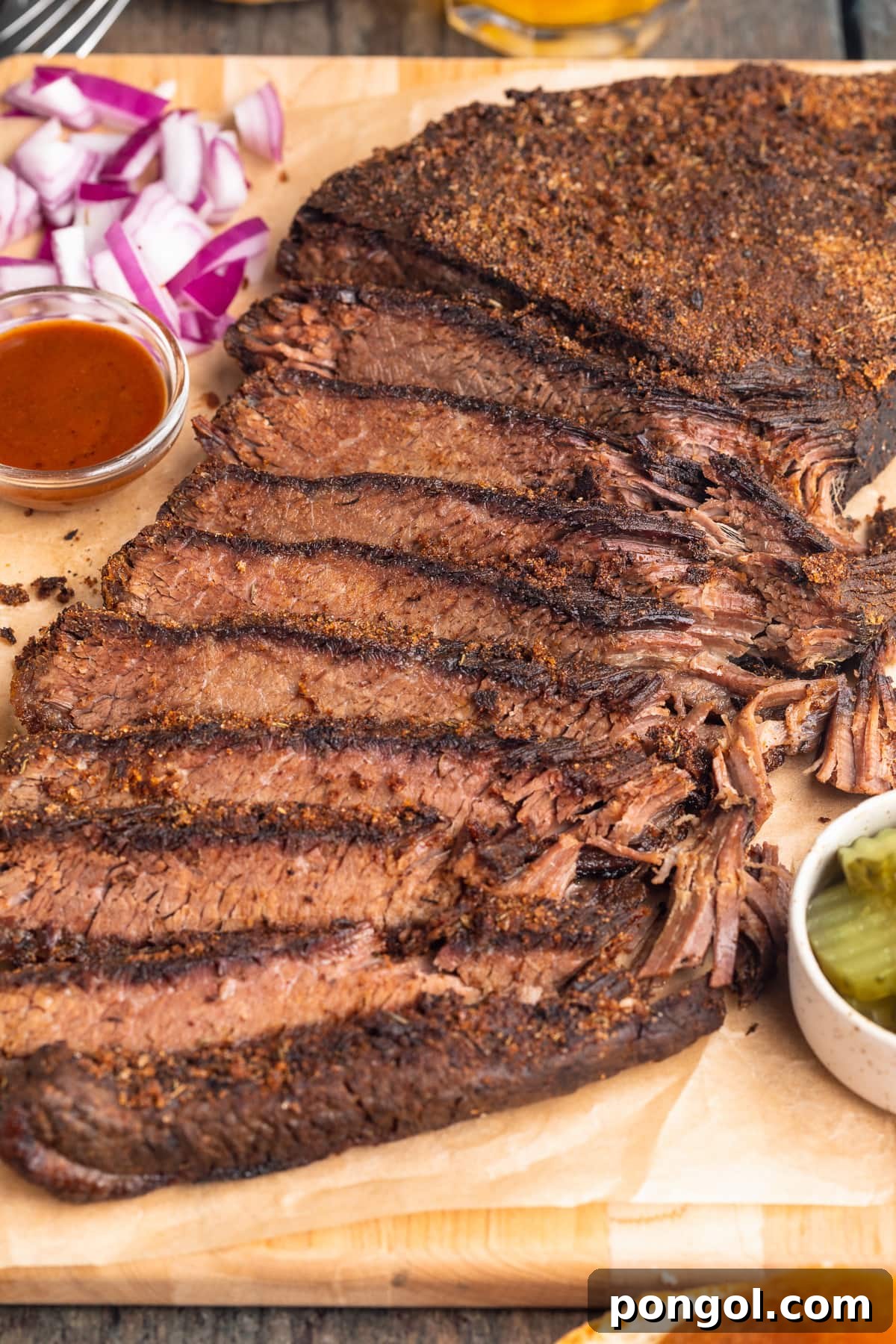
Prepare for an unparalleled culinary experience with this sous vide brisket recipe. Imagine impossibly juicy, fall-apart tender brisket, cooked to perfection at a precise low temperature, then finished in the oven to develop a rich, irresistible bark. This method takes the guesswork out of achieving ideal brisket texture, making it accessible for home cooks without the need for a traditional smoker or grill. With a simple yet potent dry rub that accentuates the meat’s natural richness, this “set it and forget it” approach will revolutionize your brisket game, promising a show-stopping main course that will impress every guest.
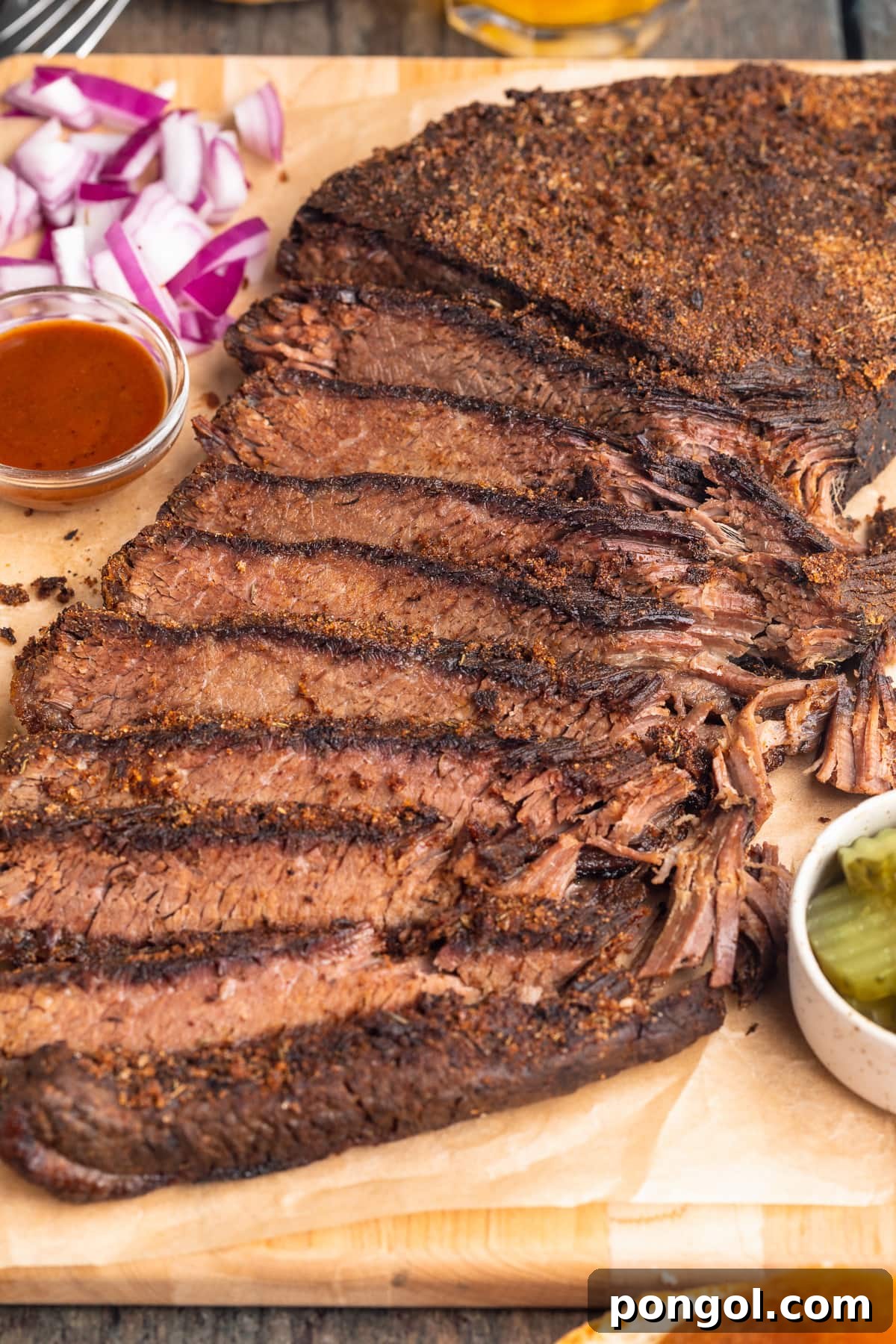
Why Sous Vide Brisket is a Game Changer
Brisket is a notoriously tough cut of meat, prized for its robust beefy flavor but requiring careful, long cooking to become tender. This is precisely where the sous vide method shines, offering advantages unmatched by traditional techniques.
- Precision Cooking for Ultimate Tenderness: Brisket absolutely thrives on low and slow cooking, and sous vide delivers this with unparalleled accuracy. By maintaining a perfectly controlled water temperature, every fiber of the brisket cooks evenly from edge to edge, eliminating dry spots and ensuring consistent, melt-in-your-mouth tenderness throughout. This precision prevents overcooking, which is often the culprit behind dry, chewy brisket.
- Effortless and Foolproof: While traditional smoking or grilling demands constant attention—adjusting vents, replenishing charcoal or wood chips, rotating meat, and even waking up at odd hours to prevent temperature stalls—sous vide allows for a truly hands-off experience. Simply set your desired temperature, submerge the brisket, and let the circulator work its magic. This convenience makes preparing a delicious brisket surprisingly stress-free, despite the extended cooking time.
- Deep Flavor Infusion: Cooking the brisket in a sealed vacuum bag allows the dry rub to intimately infuse its flavors deep into the meat. The sustained exposure to the aromatic spices in a moist, contained environment creates a more profound and uniform flavor profile that simply can’t be replicated by surface rubs alone.
- Unbeatable Make-Ahead Convenience: Brisket isn’t a quick meal, regardless of the cooking method. However, sous vide offers incredible flexibility. You can prepare and cook the brisket in the water bath up to a week in advance. After cooking, simply chill it in its bag and store it in the refrigerator. When you’re ready to serve, bring it to room temperature and proceed with the oven-finishing step. This makes it an ideal option for holidays, gatherings, or busy weeknights when you want to enjoy a gourmet meal without the day-of rush.
Achieving that Irresistible Oven-Finished Bark
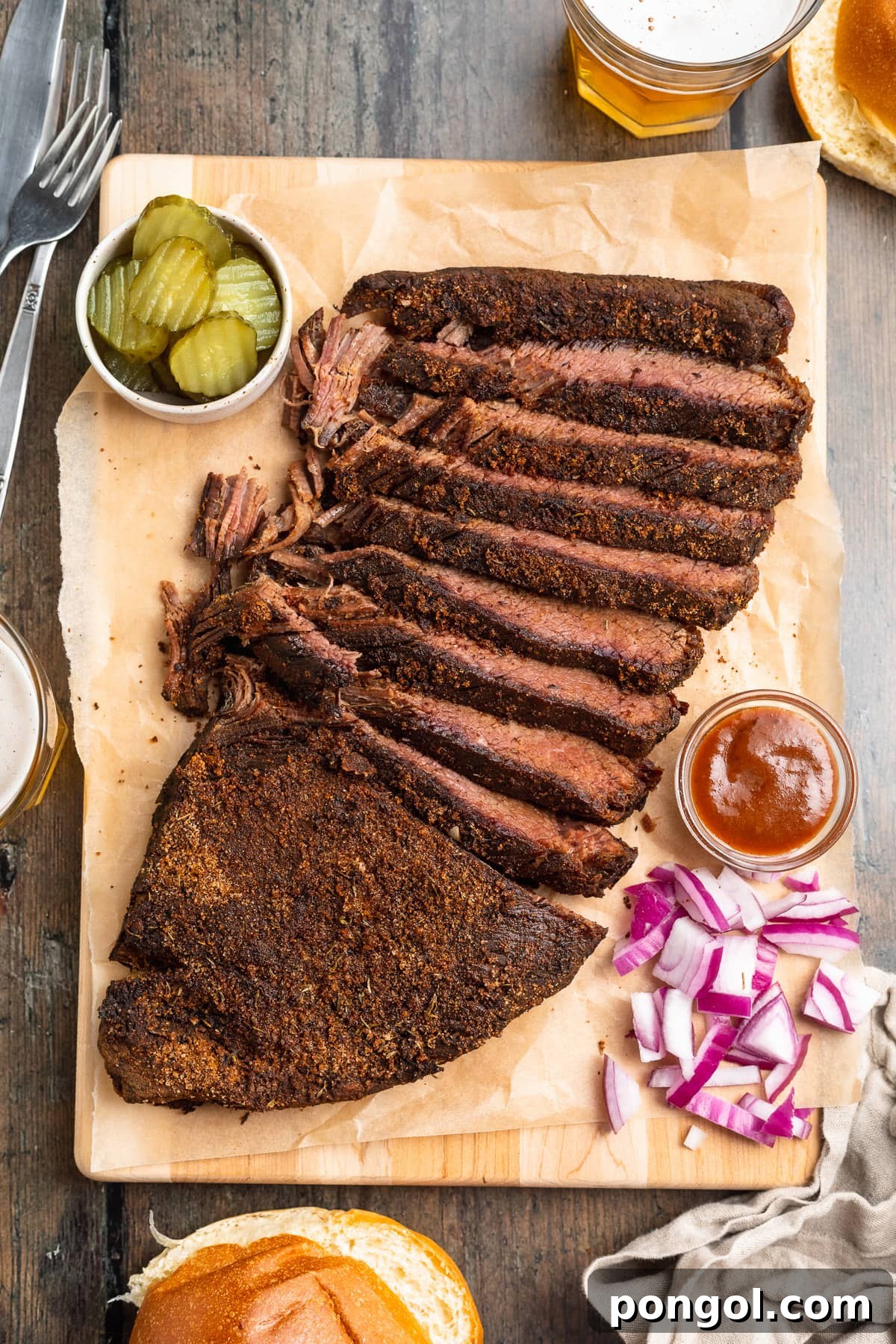
One of the most satisfying aspects of perfectly cooked brisket is its rich, chewy bark – a flavorful crust that forms on the exterior. While sous vide excels at tenderness, it doesn’t create this bark on its own. That’s where the oven comes in. A brief, high-temperature finish in the oven allows the exterior of the brisket to undergo the Maillard reaction, developing a beautiful, dark, and intensely flavored crust that beautifully contrasts with the incredibly tender interior. This dual-stage cooking method ensures you get the best of both worlds: ultimate tenderness and a delectable, savory bark.
Crafting the Perfect Brisket Dry Rub
A great dry rub is essential for enhancing the natural flavors of the beef and contributing to the delicious bark. Our simple yet effective blend is designed to complement the brisket without overpowering it. Salt is crucial for seasoning and drawing out moisture, aiding in bark formation. Brown sugar adds a touch of sweetness, which helps with caramelization during the oven finish and balances the savory notes. Paprika contributes a beautiful reddish hue and a mild, earthy flavor. Garlic powder and onion powder provide essential aromatic depth, while dry mustard adds a subtle tang and heat. Dried thyme introduces an herbaceous element, and a hint of cayenne pepper offers a gentle warmth that makes every bite exciting. Feel free to adjust the cayenne level to your preference for more or less spice.
Pairing Your Sous Vide Brisket: A Culinary Journey
Once you’ve mastered this incredibly tender sous vide brisket, the possibilities for serving are endless. It’s versatile enough to grace a casual backyard barbecue or be the star of an elegant holiday dinner. Consider these delectable pairings:
- Classic BBQ Style: For a true Southern comfort experience, serve your brisket with all the traditional fixings. Creamy coleslaw offers a refreshing crunch, while warm, sweet cornbread provides a perfect counterpoint. Don’t forget hearty baked beans and a cooling potato salad to complete the spread.
- Elevated Holiday Sides: If you’re serving brisket for a special occasion, opt for more refined accompaniments. Roasted asparagus brings a touch of green elegance, while sweet and savory sweet potatoes or a rich carrot soufflé add comforting richness. For a vibrant touch, green bean almondine is always a crowd-pleaser.
Expert Tips for Sous Vide Brisket Success
To ensure your sous vide brisket turns out perfectly every time, keep these chef-approved tips in mind:
- Choosing the Right Brisket Size: Planning for your dinner party? A simple formula helps: allocate approximately 1 pound of uncooked brisket per adult and ½ pound per child. So, for a gathering of 4 adults and 3 children, a 5 ½-pound brisket is ideal. When purchasing, you might encounter flat-cut (leaner) or point-cut (more marbled). Both work wonderfully with sous vide; choose based on your preference for leanness or richness.
- Ensure Full Submergence: Brisket can be a substantial piece of meat, so selecting a sufficiently large, heat-resistant container is crucial. The brisket must be completely submerged in the water bath for even cooking. If it floats, use weights or even heavy silverware attached to the bag to keep it fully immersed. For extended cooking times, consider double-bagging the brisket for added security against leaks.
- Optimal Cook Time for Tenderness: While your brisket will be fully cooked and safe to eat after 24 hours in the sous vide, you have the flexibility to extend the cook time up to 36 hours. The longer the brisket cooks at a low temperature, the more the tough collagen breaks down, resulting in an even more fall-apart tender texture. However, be mindful not to exceed 36 hours, as overly long cooking can cause the meat fibers to break down too much, leading to a mushy, unappealing texture.
- Infusing Smokiness: Missing that classic smoked flavor from a grill or smoker? You can easily incorporate it into your sous vide brisket! Simply add ¼ teaspoon of liquid smoke to the bag along with the dry-rubbed brisket before sealing. For a more subtle smoky note, substitute regular paprika with smoked paprika in your dry rub.
- The Importance of Resting and Slicing: After the oven finish, allow the brisket to rest for at least 30 minutes, loosely covered with aluminum foil. This crucial step allows the meat fibers to relax and reabsorb juices, ensuring a more tender and moist result. When slicing, always cut against the grain. This shortens the muscle fibers, making each bite incredibly tender and easy to chew.
More Delicious Beef Recipes You’ll Love
- Ground Beef and Gravy Over Mashed Potatoes
- Shredded Beef Tacos
- Beef Noodle Soup
- Beef Consommé
- Keto Beef Stew (Low Carb, Gluten Free)
- Beef Vindaloo
Sam Guarnieri
Oven-Finished Sous Vide Brisket
15 minutes
26 hours
30 minutes
26 hours 45 minutes
Savory brisket seasoned with an incredible dry rub and then cooked low and extra slow in a water bath for a mouth-watering, show-stopping, guest-impressing, unbelievably tender protein – no grill or smoker needed.

Sam Guarnieri
(Toggle cook mode to prevent screen dimming)
Equipment
- Large pot or other large, heat-resistant container
- Sous vide immersion circulator
- Small bowl
- Whisk
- Cutting board
- Large food-safe vacuum sealing bags or large sealable food-safe plastic bag
- Vacuum sealer optional, see Notes for alternative
- Oven
- Paper towels
- Baking pan large enough for brisket
- Aluminum Foil
Ingredients
- ¼ cup salt
- 2 packed tablespoons brown sugar
- 1 tablespoon paprika
- ½ tablespoon garlic powder
- ½ tablespoon onion powder
- 1 teaspoon dry mustard
- 1 tablespoon dried thyme
- ½ teaspoon cayenne pepper
- 1 brisket approximately 5 pounds, flat or point-cut
Instructions
- Fill a large pot or other large, heat-resistant container with water. Insert your sous vide immersion circulator and set the temperature to 155° Fahrenheit. Note: The water level must fall between the minimum and maximum indicators on the circulator.
- In a small bowl, combine ¼ cup salt, 2 packed tablespoons brown sugar, 1 tablespoon paprika, ½ tablespoon garlic powder, ½ tablespoon onion powder, 1 teaspoon dry mustard, 1 tablespoon dried thyme, and ½ teaspoon cayenne pepper. Whisk until all spices are well incorporated.
- Place the whole brisket on a cutting board. Sprinkle approximately two-thirds of the spice mixture evenly over all sides of the brisket and gently rub it into the meat. Reserve the remaining spice mixture for later.
- Transfer the dry-rubbed brisket to a food-safe vacuum sealing bag. Remove as much air from the bag as possible using a vacuum sealer or the water displacement method (see Notes below), then seal the bag securely.
- Once the water bath reaches 155° Fahrenheit, carefully place the sealed bag containing the brisket into the pot. Ensure the brisket is fully submerged in the water. If it tends to float, you may need to weigh the bag down with heat-safe weights or by attaching silverware to the bottom of the bag. Proper submergence is critical for even cooking.
- Cook the brisket in the water bath for 24 to 36 hours, until your desired level of tenderness is achieved. Note: The brisket will be fully cooked after 24 hours, but extending the cooking time up to 36 hours will yield an even more tender result.
- Towards the end of the sous vide cooking time, preheat your oven to 300° Fahrenheit. Position an oven rack to the lower-middle setting.
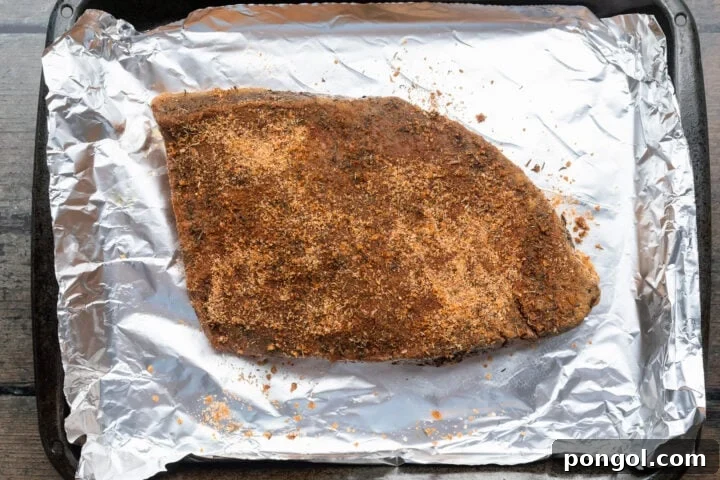
- When the brisket has cooked to your satisfaction, carefully remove the bag from the water bath. Take the brisket out of the bag and thoroughly pat it dry with paper towels. Sprinkle the remaining dry rub mixture over all sides of the brisket.
- Transfer the seasoned brisket to a baking pan. Place the pan in the preheated oven and cook, uncovered, for 2 hours or until a rich, dark bark has formed on the surface of the brisket.

- Once the bark has developed, carefully remove the brisket from the oven. Transfer it to a cutting board and loosely cover it with aluminum foil. Let the brisket rest for 30 minutes. After resting, slice the brisket against the grain and serve immediately with your preferred side dishes.
Notes
- Water Displacement Method: If you don’t own a vacuum sealer, you can achieve a good seal using the water displacement method. Place your brisket and dry rub into a large, food-safe plastic bag (like a sturdy freezer bag) and partially seal it, leaving about an inch open at the top. Slowly lower the bag into the water bath, allowing the water pressure to push the air out around the food. Once the food is fully submerged and almost all the air has escaped, seal the bag completely before continuing with the recipe.
- Make-Ahead Option: This recipe is perfect for meal prep! Season and cook the brisket in the sous vide as instructed. After removing it from the water bath, leave the brisket in its sealed bag and transfer it to the refrigerator for up to 1 week. When you’re ready to serve, remove the brisket from the refrigerator and let it come to room temperature for about an hour before proceeding with the oven-finishing step to develop the bark.
- Make it Keto: To keep this recipe keto-friendly, simply substitute the brown sugar with an equivalent amount of Brown Swerve or another keto-approved brown sugar substitute.
- Make it Paleo: For a paleo version, use coconut sugar in place of brown sugar.
Approximate Information for One Serving
Calories: 628 cal
Protein: 34 g
Fat: 52 g
Saturated Fat: 20 g
Trans Fat: 0 g
Cholesterol: 180 mg
Sodium: 3111 mg
Potassium: 32 mg
Total Carbs: 2 g
Fiber: 1 g
Sugar: 0.3 g
Net Carbs: 1 g
Vitamin A: 402 IU
Vitamin C: 0.4 mg
Calcium: 13 mg
Iron: 1 mg
Nutrition Disclaimers
Number of total servings shown is approximate. Actual number of servings will depend on your preferred portion sizes.
Nutritional values shown are general guidelines and reflect information for 1 serving using the ingredients listed, not including any optional ingredients. Actual macros may vary slightly depending on specific brands and types of ingredients used.
To determine the weight of one serving, prepare the recipe as instructed. Weigh the finished recipe, then divide the weight of the finished recipe (not including the weight of the container the food is in) by the desired number of servings. The result will be the weight of one serving.
Did You Make This Recipe?
Tag @40aprons on Instagram and be sure to leave a review on the blog post!
Tag @40Aprons on Instagram