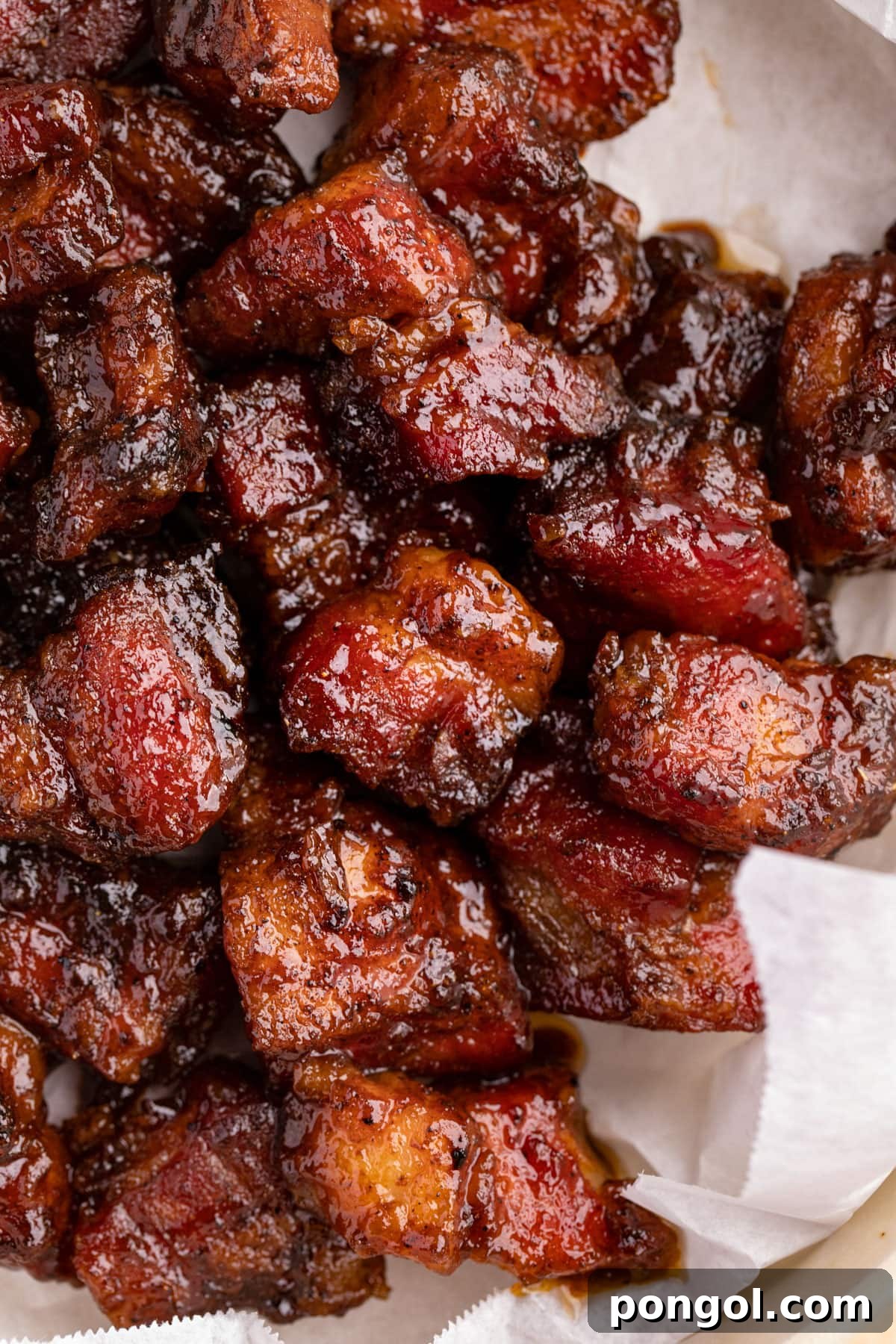
Prepare to elevate your grilling game with an irresistible delicacy: Pork Belly Burnt Ends. These succulent, melt-in-your-mouth cubes of pork belly are transformed into heavenly bites through a meticulous low-and-slow smoking process, first kissed with a savory dry rub and then bathed in a rich, caramelized BBQ sauce. Perfect for backyard cookouts, special occasions, or simply a weekend treat, these burnt ends promise a flavor explosion that will have everyone reaching for more. If you’re looking to impress with a dish that’s both deeply flavorful and surprisingly hands-off, you’ve found your next grilling obsession.
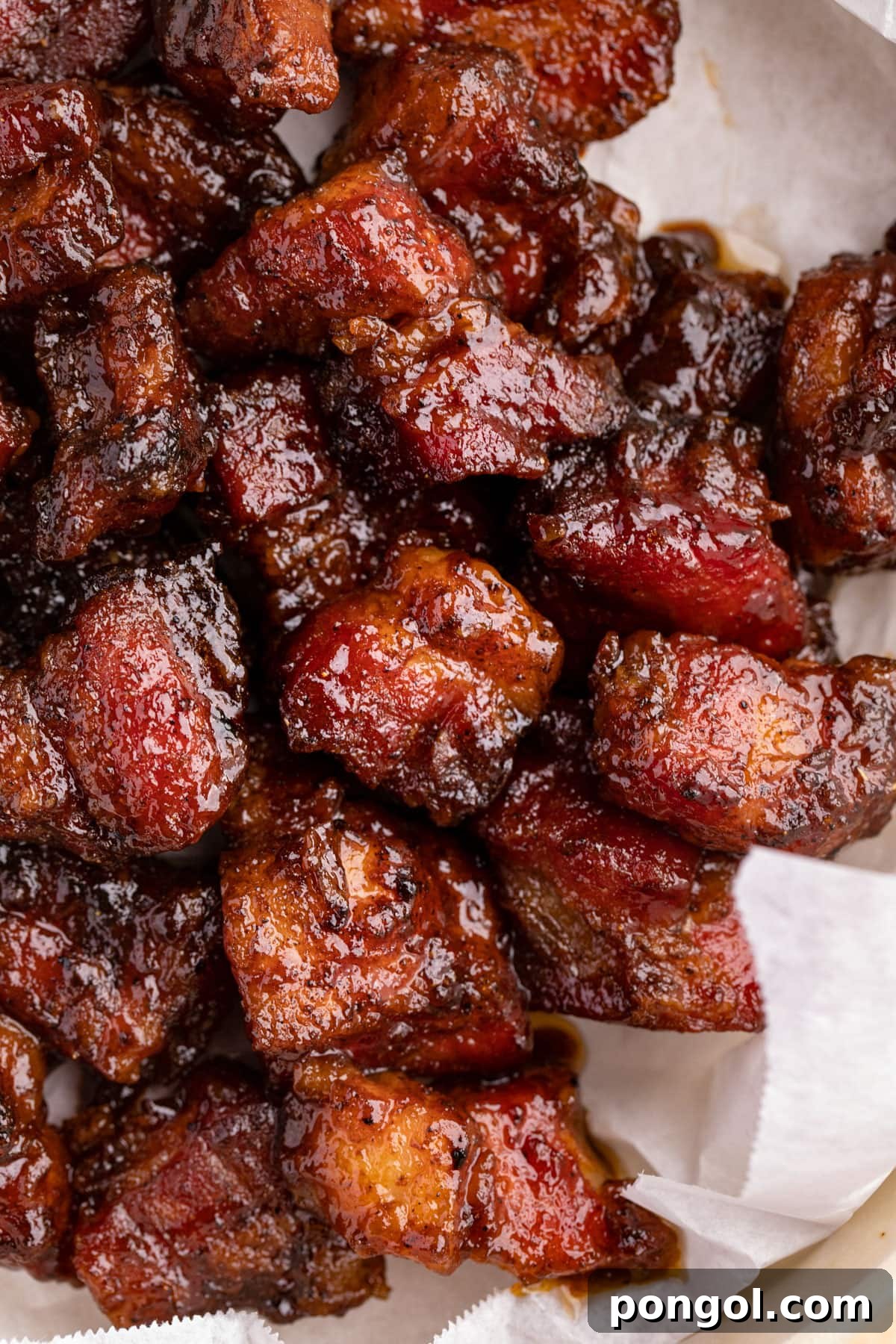
Why These Pork Belly Burnt Ends Are a Must-Try
Pork belly burnt ends are not just a dish; they’re an experience. This particular recipe stands out for several compelling reasons, making it a staple for any grilling enthusiast.
- Unforgettable Depth of Flavor: From the moment you take your first bite, you’ll be captivated by the incredible layers of flavor. We start with a thoughtfully crafted dry rub, a harmonious blend of savory spices that deeply penetrates the meat during the initial smoking phase. This is followed by a slightly sweet and tangy BBQ glaze that caramelizes into a sticky, irresistible coating. Finally, the slow grilling imparts an unmistakable smoky essence that ties all these elements together, creating a complex and utterly delicious profile. It’s a symphony of sweet, savory, and smoky that truly awakens the taste buds.
- Achieving Peak Tenderness and Juiciness: The secret to burnt ends that aren’t dry or tough lies in the art of low-and-slow cooking. This method allows the intramuscular fat in the pork belly to slowly render, basting the meat from within, resulting in cubes that are incredibly juicy and fall-apart tender. The exterior develops a beautiful “bark” – a flavorful, slightly chewy crust that is characteristic of expertly smoked meats. While it requires a bit of patience, the reward is a texture that is simply unmatched.
- Surprisingly Effortless Execution: Despite their gourmet appearance and exquisite taste, these pork belly burnt ends are remarkably hands-off. Once you’ve applied the dry rub and placed the pork belly on the grill, you can relax for the first few hours, letting the smoke and heat work their magic. The second phase involves a simple glazing and another round of patient grilling. This makes it an ideal recipe for entertaining, allowing you to enjoy your guests while your grill does most of the heavy lifting.
- Versatility for Any Occasion: These burnt ends are incredibly adaptable to various meal settings. They can easily serve as the show-stopping main protein at your next barbecue, stealing the spotlight from traditional ribs or brisket. For a diverse grilled-food spread, they fit right in alongside other smoky delights. And for an elevated appetizer, simply plate them with toothpicks for an impressive start to any gathering. Their rich flavor and satisfying texture make them a crowd-pleaser every time.
Expert Tips for Flawless Pork Belly Burnt Ends
Achieving perfectly tender, smoky, and flavorful pork belly burnt ends is a journey, and these chef-tested tips will guide you to success.
- Mastering Skin Removal (If Necessary): If your pork belly comes with the skin intact, removing it is a critical step for this recipe. While some find it daunting, it’s a skill that pays off. You’ll need a very sharp boning or fillet knife, a stable cutting board, and a good dose of patience. Lay the pork belly skin-side down. Starting at one end, carefully slide your knife just under the skin, keeping the blade at a slight angle, almost parallel to the skin. Work your knife slowly forward, gently pulling the skin taught with your free hand. This technique helps separate the skin from the meat cleanly, ensuring that the dry rub can penetrate deeply and the fat can render beautifully without being impeded by tough skin.
- Allow the Dry Rub to Infuse: Don’t rush the seasoning process. After generously coating your pork belly cubes in the dry rub, if you have an extra 5-10 minutes (or even up to an hour in the refrigerator), let them rest. This brief resting period allows the salt and spices to begin drawing moisture from the meat, creating a brine that then reabsorbs, infusing the pork belly with deeper, more complex flavors. This osmotic effect is key to building that incredible bark and ensuring every bite is bursting with taste.
- Customize Your Dry Rub to Perfection: The beauty of a homemade dry rub is its adaptability. Feel free to adjust the spice ratios to match your personal preference. For those who crave an extra kick, consider increasing the cayenne pepper to ½ teaspoon or even a full teaspoon. If you prefer a less sweet profile, slightly reduce the amount of brown sugar. Experiment with additions like a touch of mustard powder for a tangy note, or a pinch of white pepper for a subtle heat. Playing with these ratios allows you to craft a signature rub that perfectly suits your palate, making these burnt ends uniquely yours.
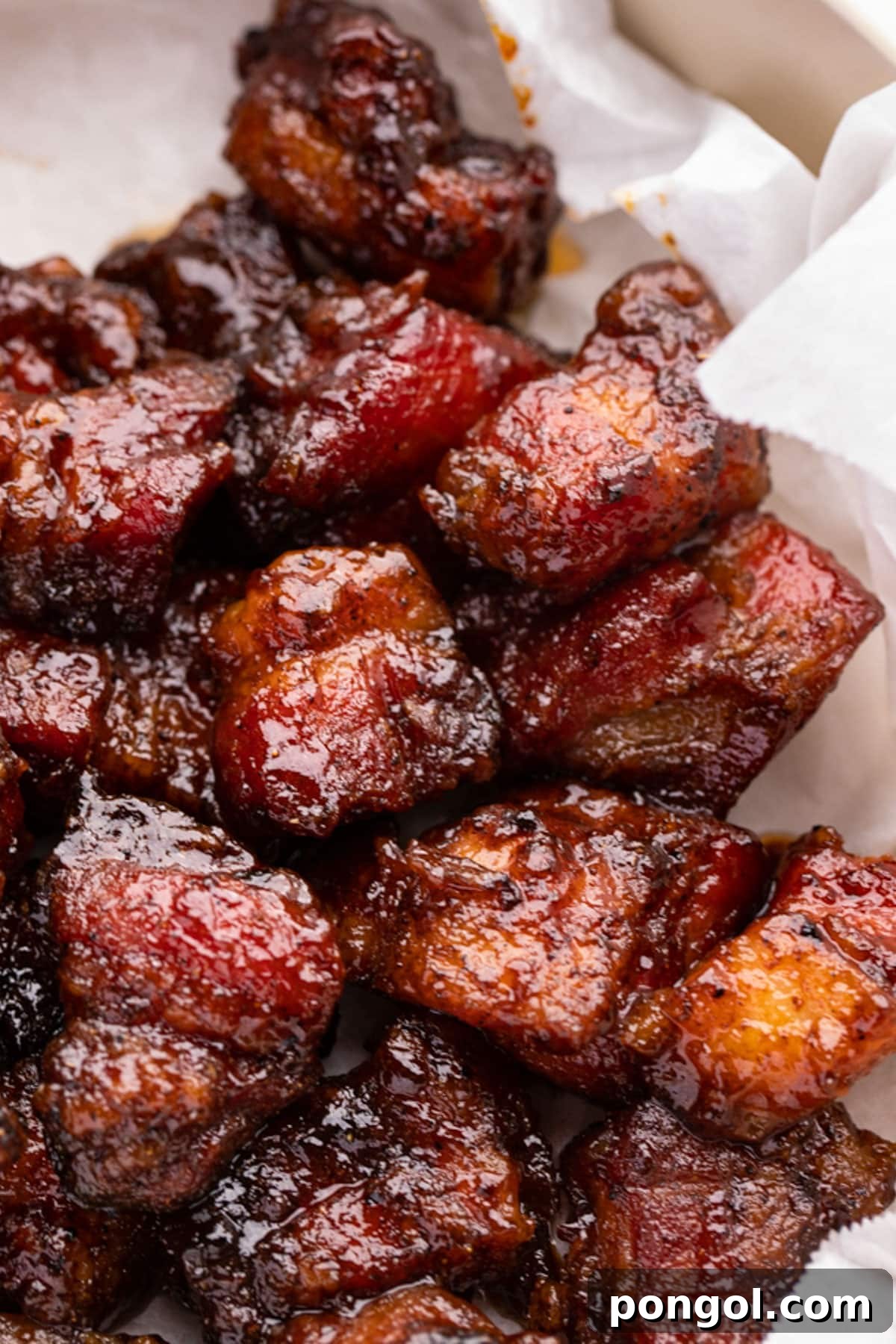
The Science Behind the Perfect Burnt End
Understanding the “why” behind the cooking method can significantly enhance your results. The low and slow cooking process for pork belly burnt ends is a masterclass in rendering fat and building flavor. Pork belly is notoriously fatty, and direct high heat would simply scorch the exterior while leaving the interior tough and chewy. By maintaining a temperature between 225°F and 250°F, we allow the fat to slowly melt and liquefy, basting the meat and contributing to its incredible juiciness. This long exposure to smoke also allows the meat to absorb more smoky compounds, creating a deeper, more robust flavor. The dry rub then creates a “bark” through the Maillard reaction and dehydration, which eventually holds the BBQ glaze, caramelizing into that signature sticky, sweet, and savory crust. This two-stage cooking method ensures both tender internal texture and a perfectly charred, flavorful exterior.
Serving Suggestions and Perfect Pairings
Pork belly burnt ends are incredibly versatile and pair beautifully with a variety of side dishes. For a classic barbecue feast, serve them alongside creamy coleslaw, cheesy macaroni and cheese, or fluffy cornbread. They also make an excellent addition to grilled vegetable platters, adding a rich, smoky counterpoint. For a refreshing balance, consider a crisp green salad with a vinaigrette. Don’t forget the pickles! A side of tangy pickled onions or dill pickles cuts through the richness of the pork belly beautifully. These burnt ends are also fantastic in sandwiches, sliders, or even chopped and added to tacos for an unforgettable meal.
More Delicious Grilled Recipes You’ll Love
If you’re hooked on the magic of the grill, here are more mouth-watering recipes to try for your next outdoor cooking adventure. From hearty mains to delightful sides, there’s something for every palate.
- Baked Potatoes on the Grill
- Grilled Beef Ribs
- BBQ Chicken Tacos
- Grilled Scallops
- Maple Glazed Grilled Carrots
- Quick Chimichurri Shrimp Skewers (Whole30, Paleo, Keto)
- Bacon Wrapped Hot Dogs
- Grilled Mahi Mahi
- Grilled Peaches with Honey
Recipe By: Jasmine Comer
5 from 9 votes
Pork Belly Burnt Ends on the Grill
Prep Time: 20 minutes
Cook Time: 5 hours
Total Time: 5 hours 20 minutes
Pork belly burnt ends are a beloved recipe for grill season. Enjoy thick, juicy pork belly grilled low and slow, first seasoned with a savory dry rub and then coated in a rich BBQ sauce, creating a heavenly, smoky flavor you’ll crave.

Jasmine Comer
Pin Recipe
Save Recipe
Yields: 10 servings
Equipment
- Charcoal grill (or smoker)
- Medium bowl
- Cutting board
- Sharp knife
- Large bowl
- Silicone spatula (optional)
- Disposable aluminum pan
- Aluminum Foil
Ingredients
For the Dry Rub
- 2 teaspoons chili powder
- 1 packed tablespoon brown sugar (see Notes for alternatives)
- 1 teaspoon smoked paprika
- 1 teaspoon garlic powder
- 1 teaspoon onion powder
- 1 teaspoon cumin
- ¼ teaspoon black pepper
- 1 teaspoon salt
- ¼ teaspoon cayenne pepper
For the BBQ Glaze
- ⅔ cup BBQ sauce of choice
- 3 tablespoons butter
- 2 packed tablespoons brown sugar (see Notes for alternatives)
For the Pork Belly
- 3 pounds pork belly (non-salted, skin removed)
- 2 tablespoons olive oil (or other neutral oil)
Instructions
-
Prepare the Grill: Set up your charcoal grill for low, indirect heat, aiming for a consistent temperature between 225°F and 250°F. This crucial step ensures even cooking without burning the exterior.
-
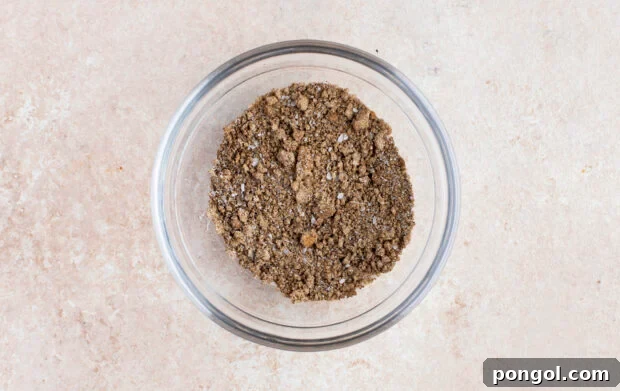
Mix the Dry Rub: In a small bowl, combine all the ingredients for the dry rub. Mix them thoroughly until well combined. Set this aromatic blend aside.

-
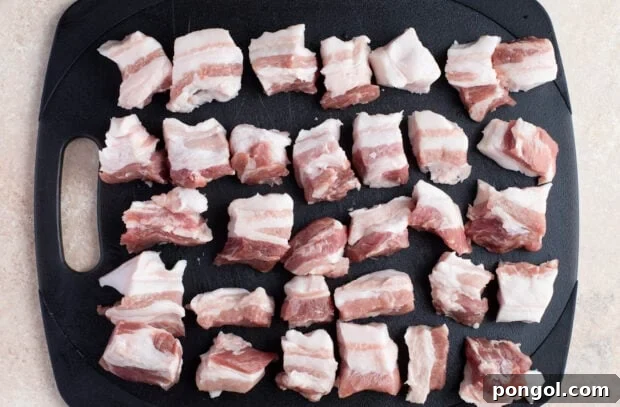
Cut the Pork Belly: Place the pork belly on a clean cutting board. Using a sharp knife, carefully cut the pork belly into roughly 1.5-inch cubes. Uniform size is important for even cooking.
-
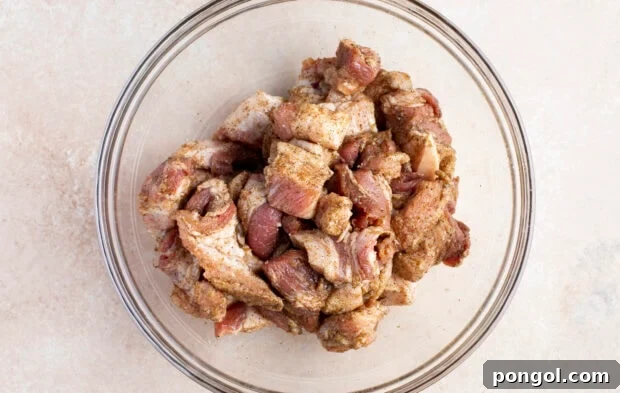
Season the Pork Belly: Transfer the cubed pork belly to a large bowl. Drizzle with olive oil and toss or stir to ensure each cube is thoroughly coated. Then, add the prepared dry rub and toss or stir again until every piece of pork belly is evenly seasoned. Allow to rest for 5-10 minutes if time permits.
-
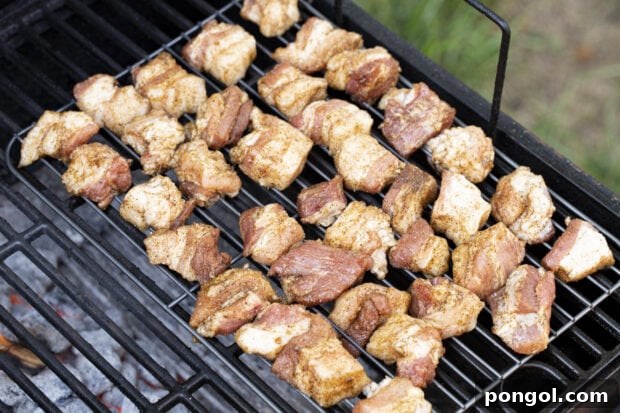
First Grill Phase: Carefully transfer the seasoned pork belly cubes to the grill, placing them directly on the bare wire rack over indirect heat. Grill for approximately 2.5 hours, or until the meat develops a rich, dark red color and a noticeable bark begins to form. Maintain your grill temperature throughout this stage.
-
Apply the Glaze: Remove the partially cooked pork belly from the grill and place it into a disposable aluminum pan. Add all the ingredients for the BBQ glaze to the pan. Stir gently to ensure all the cubes are thoroughly coated in the sauce. This glaze will create that sticky, sweet outer layer.
-
Second Grill Phase: Cover the aluminum pan tightly with aluminum foil. Place the covered pan back onto the wire rack in the grill, still over indirect heat. Continue to grill for an additional 2 hours, or until the pork belly reaches an internal temperature of 200°F (93°C) and is fork-tender. This steaming process allows the connective tissues to break down and the glaze to penetrate.
-
Rest and Serve: Once the pork belly reaches the target temperature, carefully remove the pan from the grill. Let the pork belly burnt ends rest for 3 to 5 minutes to allow the juices to redistribute. Then, serve warm with your desired side dishes and prepare for rave reviews!
Notes
- Brown Sugar Alternatives: If you’re monitoring your sugar intake, you can substitute brown sugar with equal amounts of Brown Swerve for both the dry rub and the BBQ glaze.
- Keto-Friendly Option: To make this recipe suitable for a keto diet, use Brown Swerve in place of regular brown sugar. Additionally, ensure your choice of BBQ sauce is keto-friendly. Excellent store-bought options include Primal Kitchen Organic & Unsweetened Classic BBQ Sauce or G Hughes Original Sugar Free BBQ Sauce. Alternatively, you can follow our simple recipe to make your own keto BBQ sauce at home.
Approximate Nutrition Information for One Serving
Serving Size: 1 serving
Calories: 798 kcal
Protein: 13 g
Fat: 79 g
Saturated Fat: 29 g
Trans Fat: 0.1 g
Cholesterol: 107 mg
Sodium: 507 mg
Potassium: 321 mg
Total Carbohydrates: 9 g
Fiber: 0.5 g
Sugar: 7 g
Net Carbs: 9 g
Vitamin A: 402 IU
Vitamin C: 1 mg
Calcium: 19 mg
Iron: 1 mg
Nutrition Disclaimers
Number of total servings shown is approximate. Actual number of servings will depend on your preferred portion sizes.
Nutritional values shown are general guidelines and reflect information for 1 serving using the ingredients listed, not including any optional ingredients. Actual macros may vary slightly depending on specific brands and types of ingredients used.
To determine the weight of one serving, prepare the recipe as instructed. Weigh the finished recipe, then divide the weight of the finished recipe (not including the weight of the container the food is in) by the desired number of servings. The result will be the weight of one serving.
Did You Make This Recipe?
We’d love to see your delicious creations! Tag @40aprons on Instagram and be sure to leave a review on this blog post to share your experience!
Tag @40Aprons on Instagram