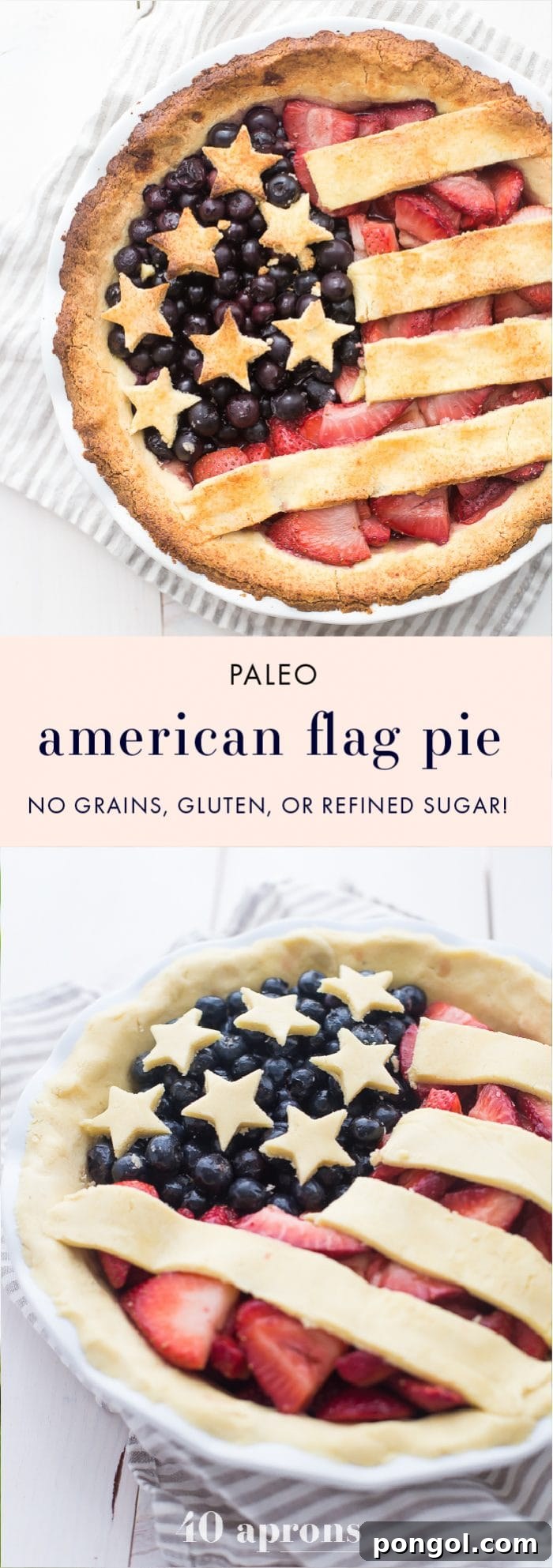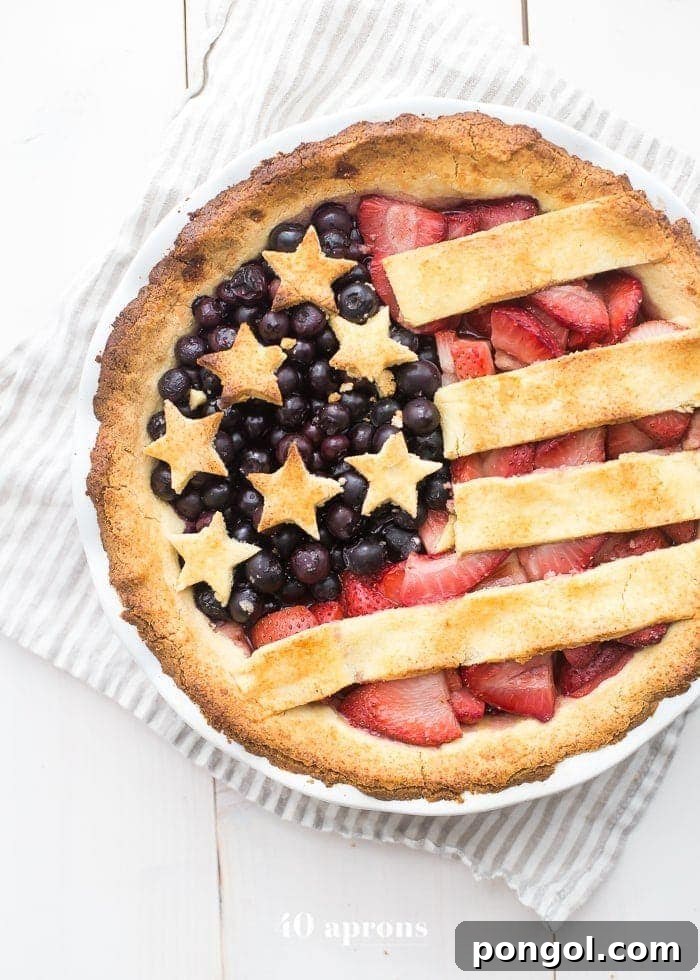
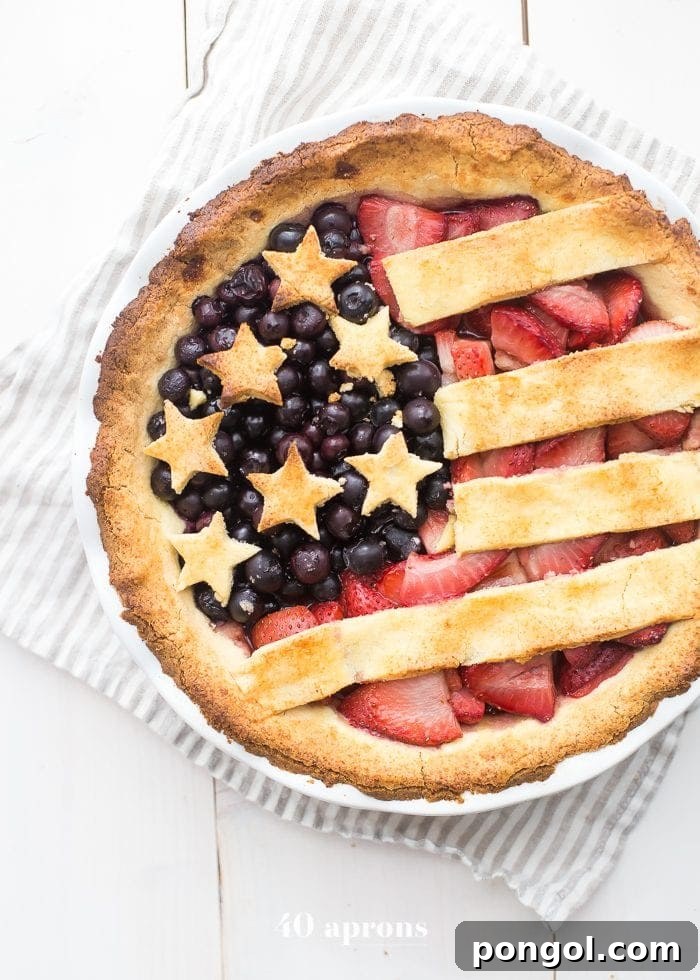
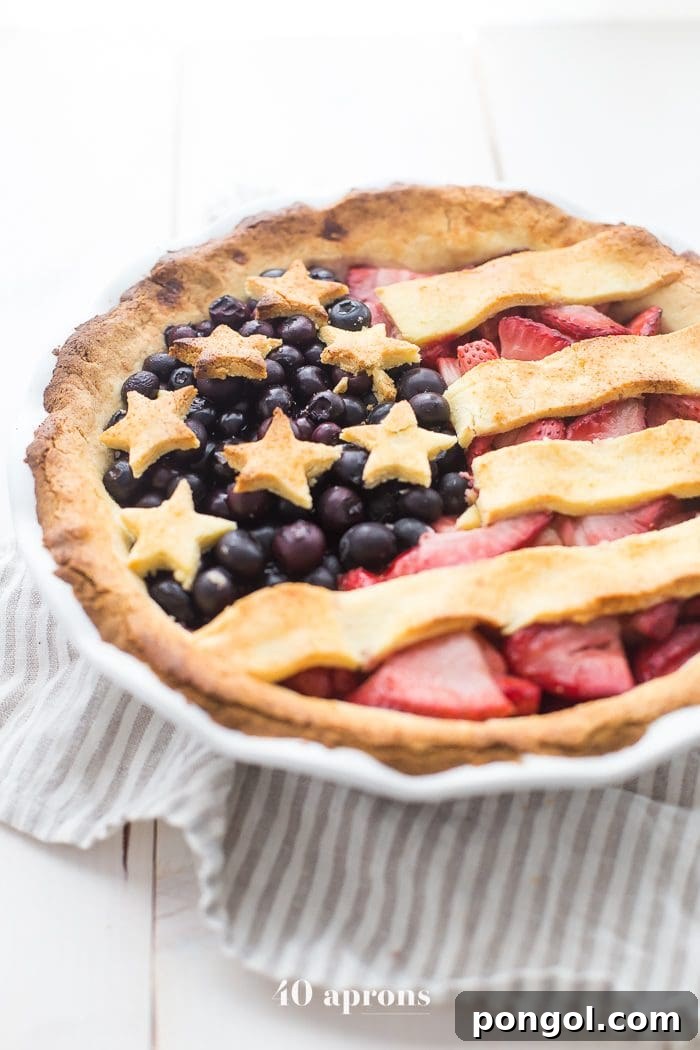
Welcome to the ultimate guide for creating a show-stopping dessert that’s as patriotic as it is delicious: the Paleo American Flag Pie. Imagine a vibrant tapestry of fresh, ripe strawberries and juicy blueberries nestled within a perfectly crunchy, grain-free crust, all coming together in a stunning tribute to the American flag. This isn’t just any pie; it’s a stellar paleo pie designed to be the absolute highlight of your 4th of July, Memorial Day, Labor Day, or any patriotic celebration. Forget bland, sugar-laden options – this pie proves that wholesome, paleo-friendly ingredients can create a dessert that’s both beautiful and incredibly satisfying.
The Unexpected Journey to the Perfect Paleo American Flag Pie
The creation of this magnificent Paleo American Flag Pie began quite unexpectedly. I was enjoying a leisurely drive with my mother and my son, Leo, on our way to visit great-grandma (or “Guh Gamama,” as Leo affectionately calls her). It was one of those days where “work” consisted of casually responding to Instagram comments on my iPhone – a far cry from the intense culinary sessions that lay ahead. Our plan included a delightful lunch with my husband, a simple and pleasant day.
However, inspiration strikes at the most unpredictable moments. A sudden, intense craving for cherry pie took hold. These culinary urges are often the genesis of new recipes, and this was no exception. I found myself mentally crafting a cherry pie recipe, fully intending to swing by the grocery store on my way back to what I jokingly call “work” – which, for me, often means developing new recipes, photographing them, and sharing the sometimes humorous, sometimes challenging aspects of my kitchen adventures.
Then, a thought hit me, like a bolt of lightning: Memorial Day was just around the corner! And with it, the Fourth of July wouldn’t be far behind. Suddenly, my cherry pie dream transformed into an urgent, patriotic mission. “Oh my goodness,” I remember thinking, “I absolutely MUST create a Paleo American Flag Pie!” It became an immediate, all-consuming passion. How could I have been so focused on cherry pie when the opportunity for such a spectacularly patriotic, healthy dessert was so clear?
From that moment on, the rest of our lunch was spent in a flurry of pie-planning. My mind raced, envisioning the perfect combination of red strawberries and blue blueberries, meticulously arranged to form the Stars and Stripes. The urgent need to create this gluten-free, grain-free masterpiece for not just the Fourth of July but also Memorial Day (and any other patriotic gathering, because #Murica!) propelled me into action. Post-lunch, I literally sprinted to the grocery store, filling my cart with an abundance of fresh red and blue fruits, brimming with anticipation for the delicious outcome.
From Disaster to Dessert Perfection: The Test Kitchen Chronicles
The initial attempt, I must admit, was nothing short of a disaster. Despite my enthusiasm, the first iteration of the Paleo American Flag Pie was a valiant but ultimately soggy failure. The filling was entirely liquid, and the delicate crust completely dissolved upon slicing. It was visually appealing in its raw form, but functionally, it was a beautiful mess.
This setback only fueled my resolve. I switched into “Test Kitchen” mode, cranking the intensity up to eleven. The very next morning, I was up at dawn, meticulously experimenting with different thickeners and proportions for the filling. Miniature test fillings were portioned out into a cupcake tin, each labeled with Post-It notes and diagrams to ensure I tracked every single variable. Precision was paramount in this quest for the perfect berry consistency.
Once I had a promising filling recipe in hand, the real challenge began: the crust. Paleo pie crusts can be notoriously tricky, requiring specific ratios and techniques to achieve that desired flaky yet sturdy texture without relying on traditional gluten. I developed a brand new crust recipe, working with bated breath the entire time. Baking a pie, especially a specialized one, is not a frivolous endeavor. It demands time, quality ingredients, and an understanding of delicate balances. The pressure was on to perfect this paleo 4th of July pie, and deliver it to my audience by mid-May – failure was not an option!
It’s amusing to think that within 24 hours, my job transformed from lighthearted social media engagement to a high-stakes baking mission. But when I finally pinched off a piece of that new crust, tasting its subtly flaky, delightfully crunchy crumb; when I carefully lifted the first slice from the pan, marveling at the perfectly set, vibrant berry filling; when I took that initial bite and felt a wave of pure culinary bliss, it was unequivocally worth every moment of frantic planning and rigorous testing. The angels, I’m sure, emitted a collective “AHHHH!” of approval.
The Healthful Appeal of Paleo Baking
For those new to paleo baking, it’s important to understand the philosophy behind it. Paleo, short for Paleolithic, focuses on consuming foods that our ancestors might have eaten – lean meats, fish, fruits, vegetables, nuts, and seeds – while avoiding grains, legumes, and dairy. This approach often leads to diets that are naturally gluten-free and grain-free, making it an excellent choice for individuals with dietary sensitivities or those simply seeking a healthier lifestyle.
Crafting a pie that adheres to paleo principles presents unique challenges, particularly when it comes to the crust. Traditional pie crusts rely heavily on wheat flour for structure and butter for flakiness. In paleo baking, ingredients like tapioca flour and arrowroot flour are used to mimic the texture of conventional flour, while palm shortening or coconut oil provide the necessary fat without dairy. These alternatives require careful measurement and handling, as they behave differently than their traditional counterparts. The delicate nature of paleo crusts means they may not roll out or handle exactly like a gluten-filled crust, but with a bit of patience and the right technique, they can yield incredibly delicious results – often more forgiving than you might expect.
Beyond the crust, a paleo fruit pie emphasizes fresh, natural sweetness. The vibrant flavors of strawberries and blueberries are the stars, minimally sweetened with maple sugar or coconut sugar, which are unrefined alternatives to white sugar. This focus on natural ingredients not only aligns with paleo guidelines but also ensures a dessert that is bursting with authentic fruit flavor, free from artificial additives and excessive sugars.
A Patriotic Masterpiece for Any Celebration
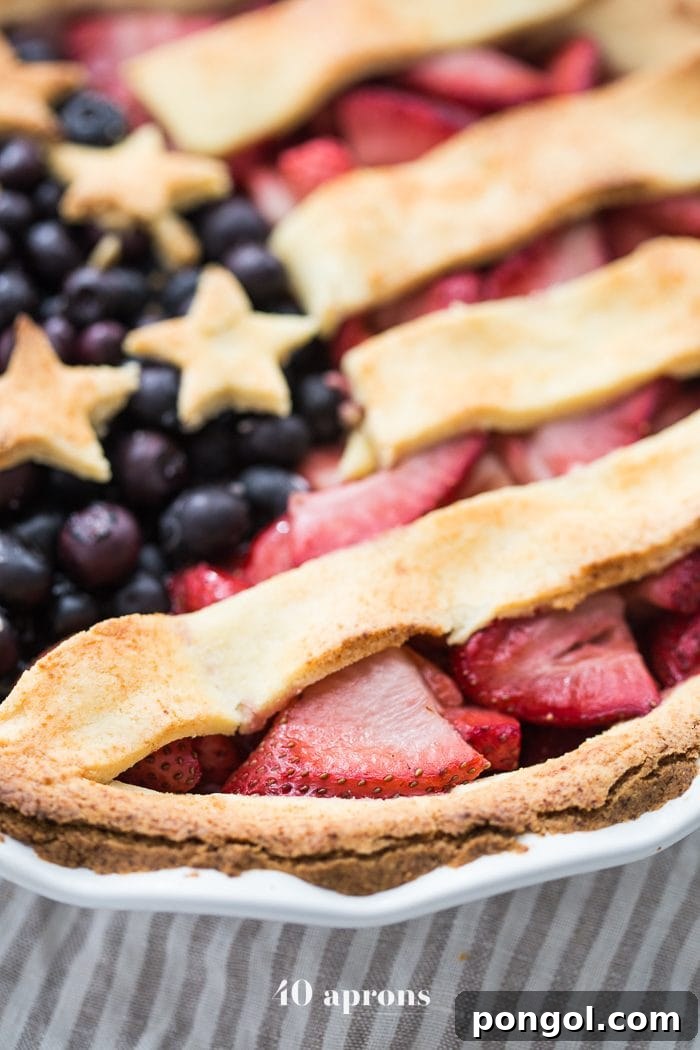
The resulting Paleo American Flag Pie is a triumph of flavor and texture: fruity yet rich with a buttery essence, offering a satisfying crunch from the crust coupled with tender, juicy berries. It is, without a doubt, the perfect paleo 4th of July dessert, a fabulous Paleo American Flag Pie for Memorial Day, and an equally delightful treat for Labor Day or Flag Day. Why settle for a mundane dessert when you can present a stunning, wholesome, and utterly delicious pie that captures the spirit of celebration?
This pie is more than just a recipe; it’s a testament to dedication and the joy of creating something truly special. Each bite offers a harmonious blend of flavors, a crunchy exterior giving way to a soft, sweet interior, all without compromising your paleo lifestyle. It’s a beautiful, healthier alternative that doesn’t skimp on the celebratory feel.
A note on the crust: while it’s undeniably delicious, it won’t behave exactly like a traditional, buttery, gluten-filled crust. It’s a bit more delicate to handle, but surprisingly forgiving. Don’t be afraid to patch it up if it cracks – it’s part of its charming, rustic appeal!
Essential Tools and Ingredients for Your Paleo Flag Pie
To embark on your own paleo flag pie adventure, here are some of the key tools and ingredients you’ll find indispensable:
- A reliable food processor for effortlessly combining crust ingredients.
- High-quality tapioca flour and arrowroot flour for that perfect paleo crust texture.
- Maple sugar (or coconut sugar for a budget-friendly option) to sweeten both crust and filling.
- Cinnamon and salt to enhance the flavor profile of the crust.
- Very cold palm shortening, crucial for achieving a flaky crust.
- A star cookie cutter to create those iconic patriotic embellishments.
- A sturdy pie plate to bake your masterpiece.
- Parchment paper and aluminum foil for easy handling and blind baking.
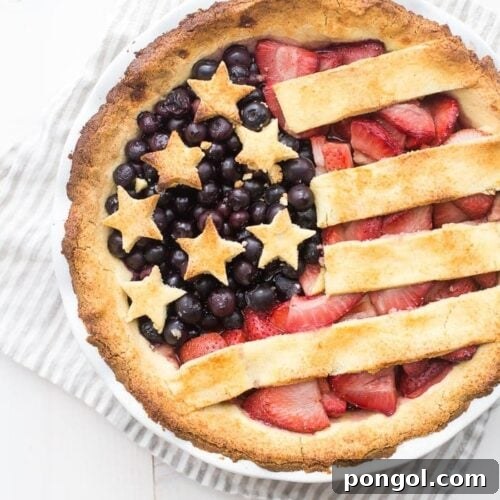
Paleo American Flag Pie (Grain Free, Gluten Free)
Cheryl Malik
Ingredients
Crust
- 1 ½ cup tapioca flour
- 3 tablespoons arrowroot flour + additional for dusting
- 1 ½ teaspoons maple sugar (or coconut sugar)
- ¼ teaspoon cinnamon
- ¼ teaspoon salt
- ¾ cup palm shortening , very cold
- 1 large egg , whisked
- 1/4-1/2 cup cold water
- ½ tsp a little coconut oil or extra shortening , for greasing
- ½ cup maple sugar (can use coconut sugar, see note)
- ½ cup and 1 tablespoon tapioca flour
- ½ teaspoon salt
- 2 cups blueberries
- ⅛ teaspoon lemon zest
- ½ teaspoon lemon juice
- 4 cups strawberries , hulled and sliced
- ½ teaspoon vanilla extract
- 1 egg , whisked
- 1 teaspoon water
Instructions
Make your crust:
-
Preheat oven to 375º F (190°C).
-
Place tapioca flour, 3 tablespoons arrowroot flour, maple sugar, cinnamon, and salt in the bowl of a food processor. Pulse a few times to thoroughly combine these dry ingredients.
-
Drop in very cold palm shortening, in approximately 1-tablespoon increments. Pulse a couple more times until the shortening is fully incorporated and the mixture takes on a texture resembling coarse crumbs.
-
Pour in the whisked egg and pulse again a couple times until the mixture once more resembles coarse crumbs. Next, gradually add in cold water, about 1-2 tablespoons at a time, pulsing after each addition, until the dough just begins to form. Be careful not to over-process; the dough should be cohesive but not overly sticky.
-
Lay a sheet of parchment paper on your countertop and lightly dust it with arrowroot flour. Turn the dough out onto the parchment paper and gently form it into a ball. You may need to add a little more arrowroot flour to prevent stickiness as you work with it. Carefully pull off about 1/3 of the dough, form it into a smaller ball, wrap it tightly in plastic wrap, and place it in the refrigerator to chill. (For reference, the total dough typically weighs around 415 grams; you’ll want to reserve about 140 grams for the decorative top crust, leaving roughly 275 grams for the base crust).
-
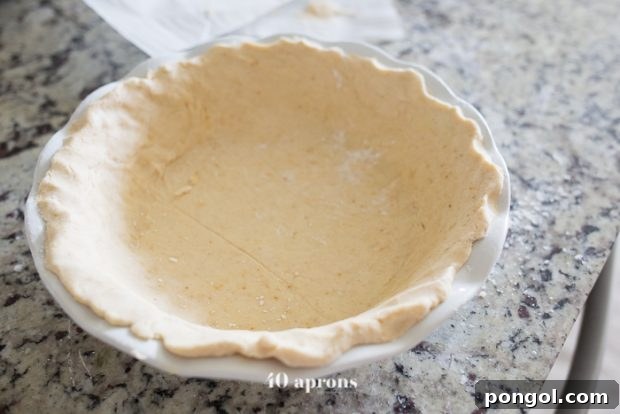
Dust the larger dough ball (approx. 275g) with more arrowroot flour and flatten it into a disc. Place a second sheet of parchment paper on top. Using a rolling pin, carefully roll the dough out into a circle large enough to fit your pie pan. Lightly sprinkle arrowroot flour onto the edges of your pie pan to prevent sticking. Gently transfer the rolled-out crust into the pie pan, pressing it down to fit snugly, and flute the edges decoratively. If the crust breaks during transfer, don’t worry – it’s very forgiving! Simply press the dough back together or add a small piece of reserved dough to patch it up.

-
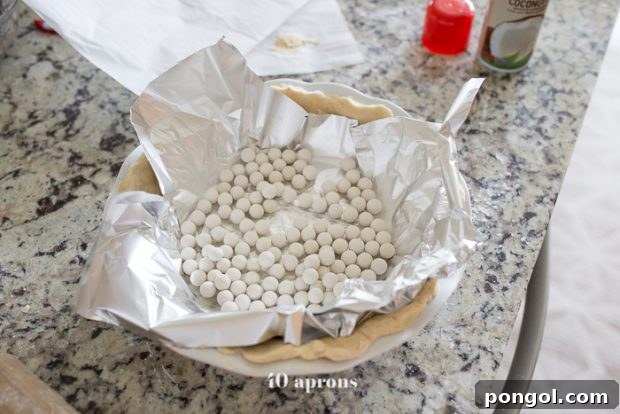
Prick the bottom and sides of the crust lightly all over with a fork. Next, grease one side of a sheet of aluminum foil with coconut oil or additional shortening, then place the greased side down directly into the crust. Fill the foil-lined crust with pie weights, dried rice, or dried beans to prevent shrinking. Blind bake for 5 minutes. Carefully remove the weights and foil, then bake for another 2 minutes to further dry out the crust. Remove the crust from the oven and let it cool completely before proceeding with the filling.
Make your filling:
-
In a medium bowl, thoroughly mix together the maple sugar, ½ cup tapioca flour, and ½ teaspoon salt.
-
Pour about ¾ of this sugar mixture over the hulled and sliced strawberries. Add 1 tablespoon of extra tapioca flour and the vanilla extract. Stir everything very well to ensure an even coating. Set the strawberries aside for 10 minutes to macerate, allowing them to soften and release their natural juices.
-
Take the remaining ¼ of the sugar mixture and pour it over the blueberries. Add the lemon zest and lemon juice. Stir to combine the blueberries well with the mixture. If the blueberry mixture appears too dry, gently smash a few blueberries with the back of a spoon to help release their juices and better coat the remaining berries.
-
Depending on the natural sweetness of your fruit, you may wish to add a bit more maple sugar to either the strawberries or blueberries, tasting as you go to achieve your desired sweetness.
-
Once the strawberries have macerated (they should be noticeably softer and sitting in a pool of their own juice), sprinkle in the remaining 1 tablespoon of tapioca flour. Stir this in very, very thoroughly to prevent any clumps and ensure even thickening of the juices (see note below).
-
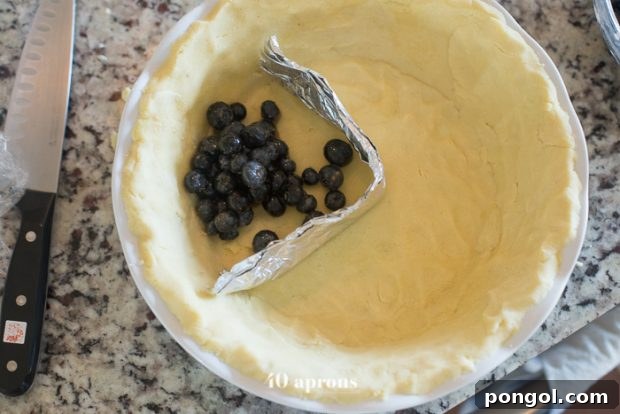
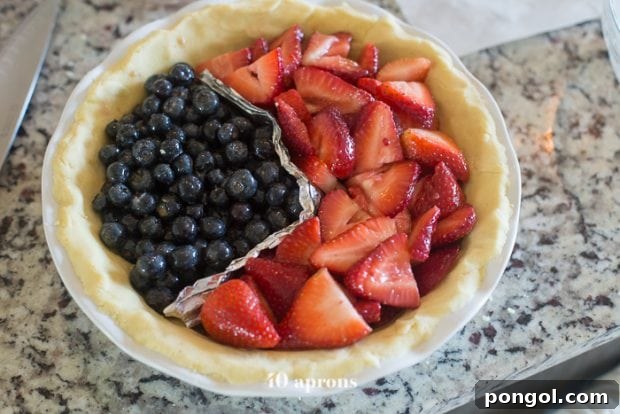
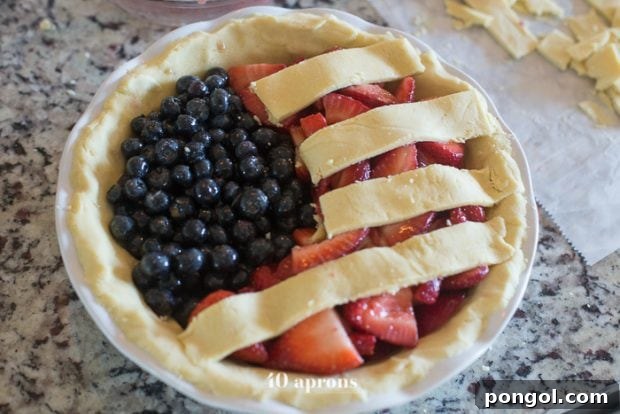
To create a divider for your fruit, fold a piece of aluminum foil in half width-wise a couple of times to create a sturdy barrier. Carefully place this foil divider inside the cooled pie crust, sectioning off approximately one-third of the pie’s interior for the blueberries (refer to the photo for visual guidance).
-
Spoon the blueberry mixture into the smaller, sectioned-off side of the pie crust. Then, using a slotted spoon, carefully spoon the strawberry slices into the larger side, ensuring that you leave any excess strawberry liquid behind in the bowl. This helps prevent a soggy pie. Once both fruits are in place, gently and slowly remove the aluminum foil divider.
-
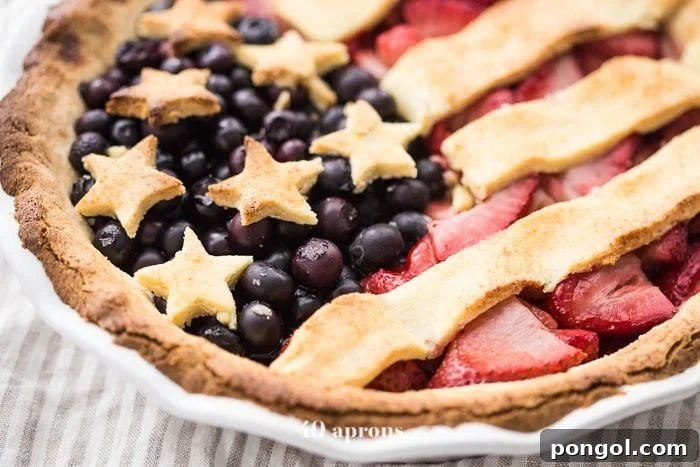
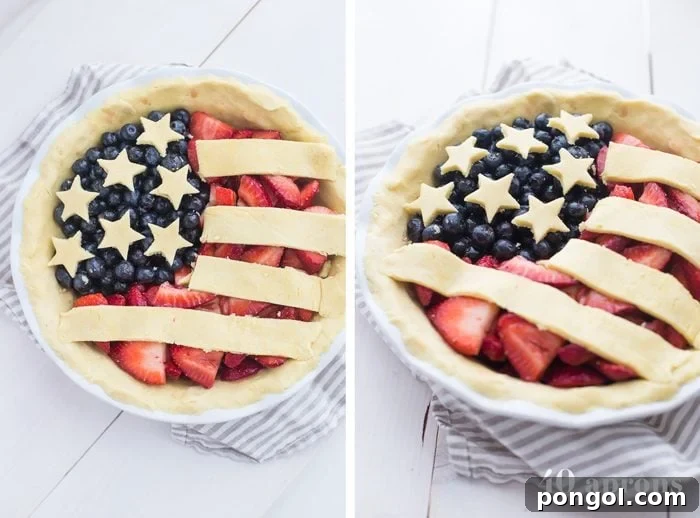
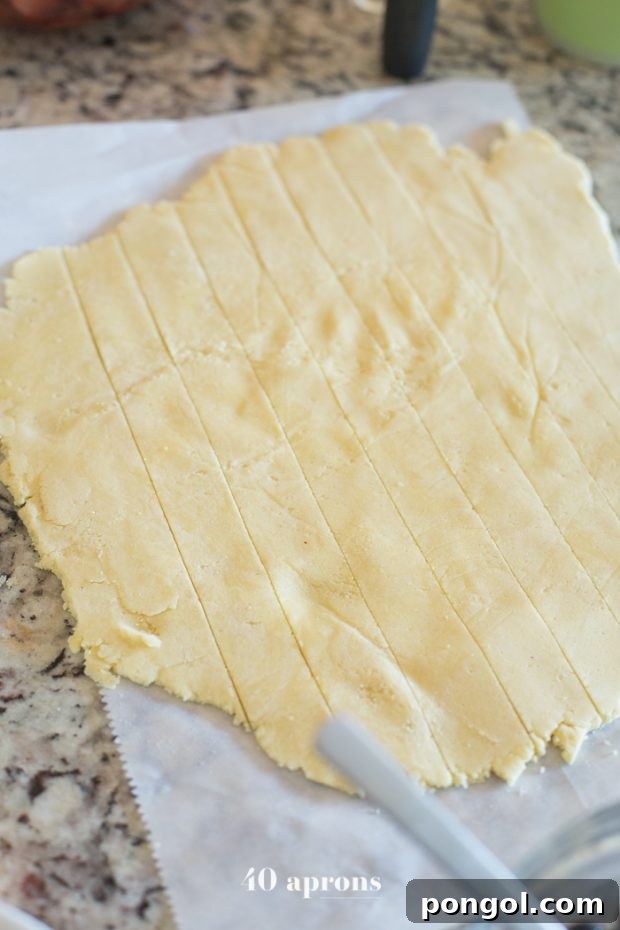
Retrieve the smaller ball of chilled dough from the refrigerator. On a lightly arrowroot-dusted piece of parchment paper, roll it out and cut several strips, about ¾ to 1 inch thick, to form the “stripes” of the flag. To transfer these delicate strips, gently slide a kitchen knife underneath them (above the parchment paper) and lift. Carefully place these strips over the strawberry section of the pie to resemble the American flag. Next, use your star-shaped cookie cutter to cut out stars from the remaining dough and carefully place them over the blueberry section. Use your fingers or a small kitchen knife to ease away any excess dough around the stars. Again, slide the knife under each star to lift and place it. Remember to be very gentle as this paleo dough can be delicate.
-
In a small bowl, combine the whisked egg with 1 teaspoon of water to create an egg wash. Using a pastry brush, gently and evenly brush this egg wash over the top crust (stripes and stars) and the fluted edges of the bottom crust. Bake the pie, uncovered, for 25-30 minutes, or until the top crust begins to turn a beautiful golden brown. At this point, if the edges or the decorative stars and stripes are browning too quickly, loosely cover just the edges or the entire pie with aluminum foil. Continue baking for an additional 5-10 minutes, or until the fruit filling is visibly bubbly and the crust is a rich golden brown. Remove the pie from the oven and, crucially, let it cool completely for at least 2 hours before attempting to slice and serve. This cooling time allows the filling to properly set. This patriotic pie is absolutely perfect served with a scoop of creamy coconut ice cream!
Regarding sweeteners: While maple sugar is highly recommended for its sweeter, lighter profile that beautifully complements the strawberries, you can certainly use coconut sugar as an alternative. Coconut sugar is a great option if you have it on hand or are more budget-conscious. Keep in mind that you might need to use a slightly larger quantity of coconut sugar compared to maple sugar to achieve the same level of sweetness, as maple sugar tends to be sweeter per volume.
The foundation of this superb pie crust recipe has been thoughtfully adapted from the excellent techniques found at Back Porch Paleo.
Approximate Information for One Serving
Nutrition Disclaimers
Number of total servings shown is approximate. Actual number of servings will depend on your preferred portion sizes.
Nutritional values shown are general guidelines and reflect information for 1 serving using the ingredients listed, not including any optional ingredients. Actual macros may vary slightly depending on specific brands and types of ingredients used.
To determine the weight of one serving, prepare the recipe as instructed. Weigh the finished recipe, then divide the weight of the finished recipe (not including the weight of the container the food is in) by the desired number of servings. Result will be the weight of one serving.
Did You Make This Recipe?
Tag @40aprons on Instagram and be sure to leave a review on the blog post!
Tag @40Aprons on Instagram