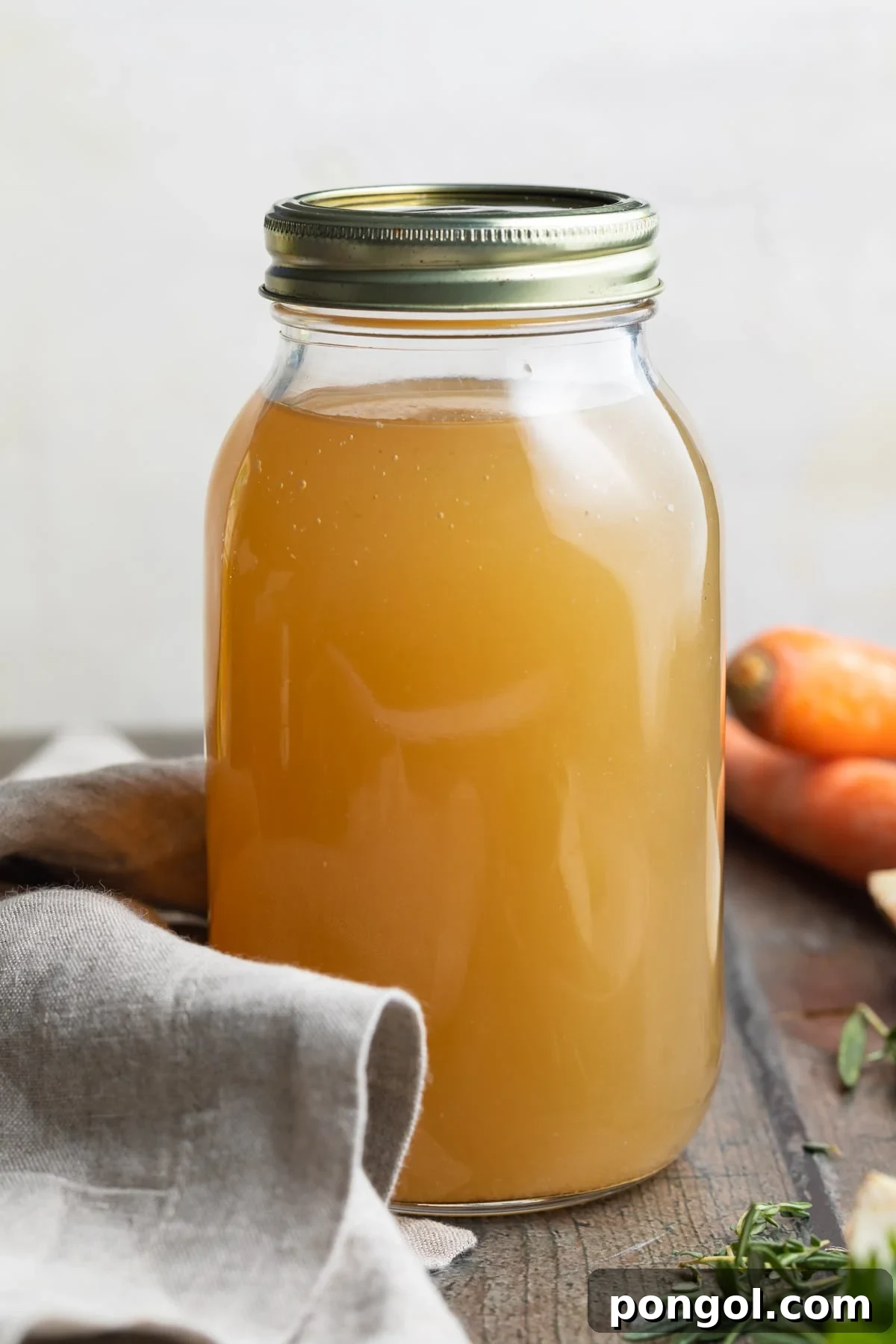
Welcome to the ultimate guide for crafting the most flavorful and nutritious crockpot bone broth! This incredibly simple, three-step recipe delivers a deeply nourishing liquid gold that’s perfect for enhancing any paleo, Whole30, or keto diet. Beyond its delightful taste, homemade bone broth is a powerhouse of essential nutrients, offering incredible benefits for gut health, joint support, and overall well-being. Ditch the store-bought versions filled with artificial ingredients and savor the rich, wholesome goodness that only a slow-cooked, homemade broth can provide. Let’s unlock the secrets to creating this liquid elixir in your very own kitchen!
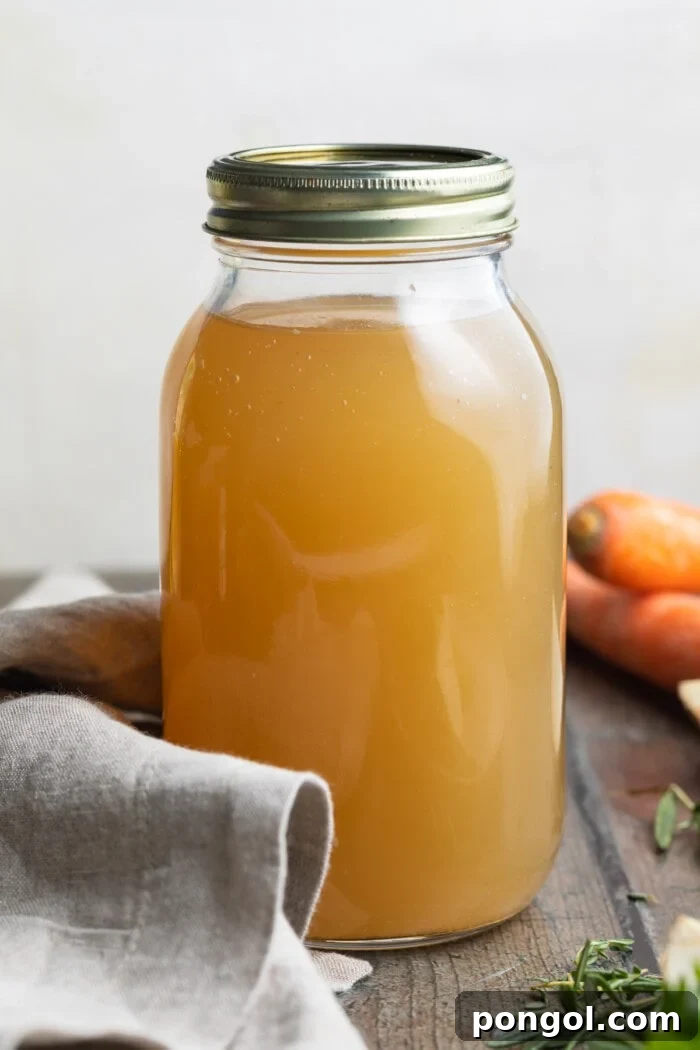
Why This Crockpot Bone Broth Stands Out
Making bone broth in a crockpot isn’t just easy; it’s a strategic choice for maximizing flavor and nutrient extraction. Here’s what makes this recipe exceptionally good:
- Unrivaled Flavor and Nutrient Density: The magic of this crockpot bone broth lies in its extended cooking time, often exceeding 24 hours. This gentle, low-and-slow simmering process allows for the gradual breakdown of bones and connective tissues, releasing a profound depth of flavor and a superior concentration of beneficial compounds like collagen, gelatin, and a wide array of minerals. Unlike quick stovetop methods, the crockpot ensures a sustained, consistent temperature, optimizing the extraction of every ounce of goodness. There truly are few things as healthy and delicious as this meticulously crafted broth.
- Effortless Preparation: Simplicity is key with this recipe. Forget complicated steps or constant monitoring. You simply add all your chosen ingredients to a crockpot, cover them with water, and let your slow cooker do all the hard work for 1-2 days. Once the cooking cycle is complete, a quick strain is all that’s needed before you can enjoy this wholesome elixir. It’s a truly hands-off approach to making a culinary staple.
- Elevates Every Culinary Creation: A high-quality homemade broth is a game-changer in the kitchen. It transcends the capabilities of any store-bought alternative, which often contain excessive sodium, artificial flavors, and lack the rich gelatinous texture and deep umami profile of a properly slow-simmered broth. Incorporating this carefully crafted bone broth into your soups, stews, sauces, and gravies will impart an unparalleled richness and complexity, making every dish taste truly gourmet. Your family and friends will undoubtedly notice the difference in the depth of flavor.
Essential Ingredients for the Perfect Broth
The foundation of an outstanding bone broth begins with high-quality ingredients. While the process is forgiving, choosing your main components wisely will significantly impact the final product.
- Quality Chicken or Beef Bones: The choice between chicken and beef bones is yours, and both yield excellent results. For the most robust flavor and gelatin, opt for a variety of bone types. For chicken broth, use entire carcasses from roasted chickens, chicken feet (rich in collagen for gelatin), necks, and wing tips. For beef broth, look for marrow bones, knuckle bones, oxtail, or short ribs, ideally from grass-fed and organic sources for superior nutrition. You can purchase these from your local grocery store butcher or specialty meat shops. Alternatively, and more economically, start a dedicated storage bag in your freezer for leftover bones from previous meals. Whenever you roast a chicken or have steak bones, simply transfer the cleaned carcass or bones to a zip-top bag in the freezer. Once you’ve collected a substantial amount, typically 2-3 pounds of bones, defrost them and transform them into this homemade bone broth.
- Apple Cider Vinegar: While technically optional, a splash of apple cider vinegar (ACV) plays a crucial role in extracting maximum nutrients from your bones. The mild acidity of ACV helps to draw out vital minerals, collagen, and other beneficial compounds from the bone marrow and connective tissues. By facilitating this breakdown, you ensure that your broth is as nutrient-dense as possible, yielding an even more beneficial and potent liquid. Don’t worry, the vinegar flavor is completely cooked out during the long simmer, leaving no sour notes.
- Aromatic Vegetables & Herbs: These ingredients are essential for building a complex flavor profile that complements the richness of the bones.
- Carrots: One large carrot, roughly chopped, adds a subtle sweetness and earthy undertone to the broth.
- Celery: One celery stalk, sliced, contributes a fresh, slightly salty note that enhances overall flavor.
- Garlic: Two to four cloves of garlic, lightly smashed, provide a foundational aromatic base, adding depth and warmth.
- Onion (Optional, but Recommended): A chopped onion (no need to peel or quarter it) adds another layer of sweet, savory flavor and contributes to the golden color of the broth.
- Fresh Herbs: Several sprigs of fresh rosemary and/or thyme are highly recommended. These woody herbs infuse the broth with fragrant, herbaceous notes. You can also add parsley stems for a fresh, clean finish.
- Whole Black Peppercorns: About half a teaspoon of whole black peppercorns provides a gentle, aromatic warmth without making the broth spicy.
- Salt: Start with a teaspoon of good quality sea salt, and adjust to taste at the end of the cooking process.
- Filtered Water: The unsung hero of any broth recipe. Using filtered water ensures a cleaner, purer taste, free from any tap water impurities that might affect the flavor.
Expert Tips for the Best Crockpot Bone Broth
Achieving a consistently excellent bone broth is easy with these simple chef’s tips:
- Embrace the Long Simmer: When it comes to bone broth, time is your greatest ally. While a minimum of 24 hours will yield a delicious and healthy broth, if your schedule allows, don’t hesitate to let your crockpot work its magic for a full 48 hours. The extended simmering time allows for maximum extraction of collagen, minerals, and deep flavors, resulting in a richer, more gelatinous, and profoundly nutritious broth.
- Customize Your Seasonings: This bone broth recipe is a fantastic canvas for your culinary creativity. Feel free to experiment with additional seasonings to tailor the flavor to your preference. Consider adding a chopped onion for a sweeter base, a bay leaf for an earthy note, or even a teaspoon of your favorite dried herbs like oregano or marjoram. A few slices of fresh ginger can add a comforting warmth, especially if you plan to use the broth for Asian-inspired dishes. No matter how you choose to season this crockpot bone broth, I guarantee it will taste delicious and be uniquely yours.
- Efficient Storage for Future Use: Bone broth freezes beautifully, making it perfect for meal prepping and ensuring you always have a supply on hand. To freeze, first allow the broth to cool completely to room temperature. This is a crucial step to prevent condensation and ice crystal formation, which can affect quality, and to avoid thermal shock to your freezer. Once cooled, transfer the broth to airtight containers. For easy portioning, consider freezing it in ice cube trays, then transferring the frozen cubes to a larger freezer-safe bag. Alternatively, store it in pint- or quart-sized jars, leaving about an inch of headspace to allow for expansion. Properly stored in the freezer, your homemade bone broth will maintain its freshness and nutritional integrity for up to 3 months, ready to be defrosted and used whenever inspiration strikes.
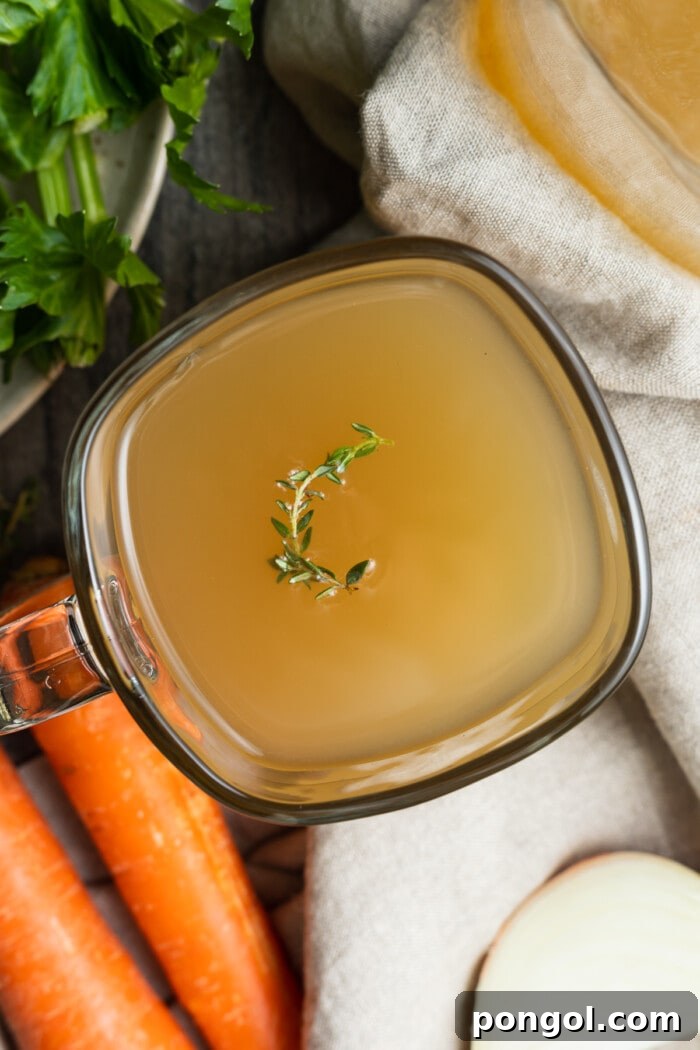
Other Delicious Crockpot Recipes You’ll Love
If you’re a fan of the convenience and incredible results of slow-cooker cooking, here are some other fantastic crockpot recipes to add to your repertoire:
- Slow Cooker Meatloaf: A comforting classic made effortlessly.
- Slow Cooker Tom Kha Soup: Flavorful Thai soup with minimal effort.
- 25 Keto Slow Cooker Recipes: A collection of low-carb, high-flavor meals.
- Dreamy Crockpot Chicken and Rice: A hearty, satisfying one-pot meal.
- Crockpot Queso Dip: The ultimate crowd-pleasing appetizer.
Sam Guarnieri
Rated: 5 out of 5 stars from 1 vote
Crockpot Bone Broth
10 minutes
24 hours
24 hours
10 minutes

Sam Guarnieri
12
servings
Equipment
-
Crockpot (6-quart or larger recommended)
-
Fine Mesh Strainer or Cheesecloth
Ingredients
-
2-3
pounds
chicken and/or beef bones
(necks, feet, marrow bones, carcasses recommended) -
1
tablespoon
apple cider vinegar
(organic, unfiltered) -
1
large carrot
(roughly chopped) -
1
celery stalk
(sliced) -
2-4
cloves
garlic
(smashed) -
1
teaspoon
sea salt -
½
teaspoon
black peppercorns
(whole) - several sprigs of fresh rosemary and/or thyme
-
filtered water
(enough to cover ingredients)
Instructions
-
Prepare Bones: Rinse your chosen bones thoroughly under cold water to remove any impurities. If desired, you can roast the bones in the oven at 400°F (200°C) for 30-40 minutes until lightly browned. This step is optional but adds a deeper, richer flavor to the broth, especially for beef bones.

-
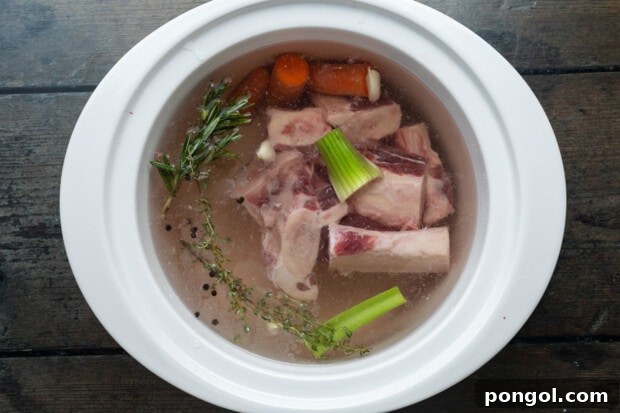
Combine Ingredients in Crockpot: Place the cleaned (and optionally roasted) bones into your crockpot. Add the apple cider vinegar, chopped carrot, sliced celery, smashed garlic cloves, salt, black peppercorns, and fresh rosemary and/or thyme sprigs. Arrange the ingredients evenly in the pot.
-
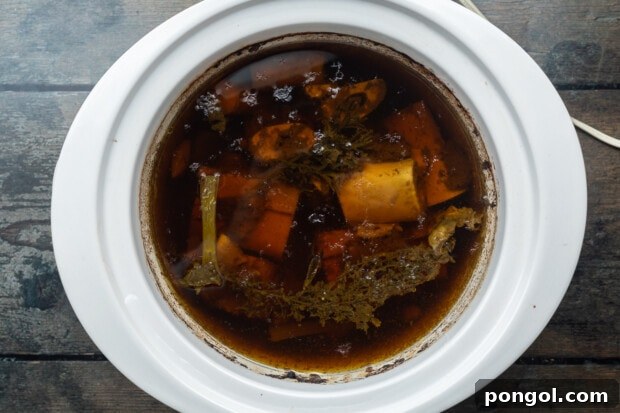
Add Water and Cook: Fill the crockpot with filtered water, ensuring all the ingredients are fully submerged. Do not fill past the max fill line of your slow cooker. Cover the crockpot and set it to cook on low for 24-48 hours. During the initial hours of cooking, you may notice some foam or scum rising to the surface; use a spoon to skim this off for a clearer broth. Add more water as needed throughout the cooking time to keep the bones covered, ensuring maximum nutrient extraction.
-
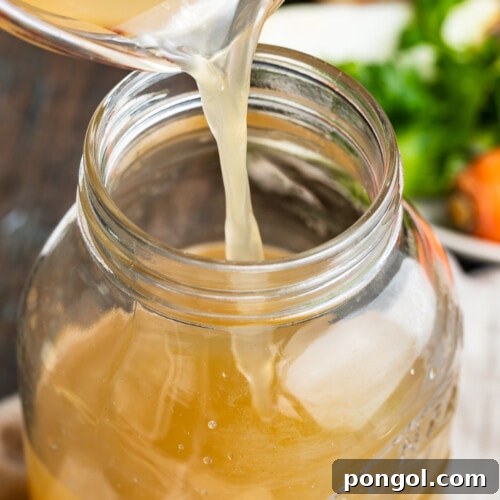
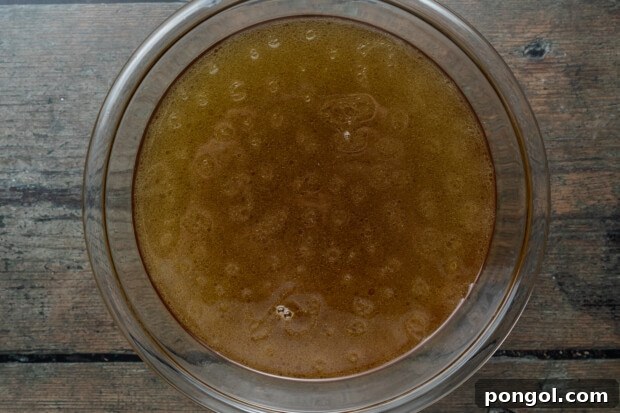
Strain and Store: Once the cooking time is complete, turn off the crockpot and let the broth cool slightly. Carefully remove the large bones and vegetables. Then, strain the broth through a fine-mesh strainer or a strainer lined with cheesecloth into clean, airtight containers. This removes any small bone fragments or herb particles, resulting in a smooth broth. Allow the broth to cool completely to room temperature before transferring it to the fridge. It will remain fresh in the refrigerator for up to 7 days. For longer storage, freeze it for up to 3 months.
Approximate Nutrition Information for One Serving
Serving Size:
1
serving
Calories:
165
cal
Protein:
2
g
Fat:
17
g
Saturated Fat:
1
g
Sodium:
201
mg
Potassium:
25
mg
Total Carbs:
1
g
Fiber:
1
g
Sugar:
1
g
Net Carbs:
0
g
Vitamin A:
902
IU
Vitamin C:
1
mg
Calcium:
7
mg
Iron:
1
mg
Nutrition Disclaimers
Number of total servings shown is approximate. Actual number of servings will depend on your preferred portion sizes.
Nutritional values shown are general guidelines and reflect information for 1 serving using the ingredients listed, not including any optional ingredients. Actual macros may vary slightly depending on specific brands and types of ingredients used.
To determine the weight of one serving, prepare the recipe as instructed. Weigh the finished recipe, then divide the weight of the finished recipe (not including the weight of the container the food is in) by the desired number of servings. Result will be the weight of one serving.
Did You Make This Recipe?
We’d love to see your delicious creation! Tag @40aprons on Instagram and be sure to leave a review on the blog post to share your experience!
Tag @40Aprons on Instagram
The Remarkable Health Benefits of Bone Broth
Beyond its incredible flavor, bone broth is celebrated for its impressive nutritional profile and myriad health benefits, thanks to the slow extraction of vital compounds from bones and connective tissues.
- Supports Gut Health: Bone broth is rich in gelatin, which, when cooked, becomes collagen. Collagen contains amino acids like glutamine, proline, and glycine that are crucial for repairing and maintaining the integrity of the gut lining. This can help reduce inflammation and soothe conditions like leaky gut syndrome, promoting better digestion and nutrient absorption.
- Boosts Joint Health: The glucosamine and chondroitin found in bone broth are well-known compounds that support joint health and reduce symptoms of osteoarthritis. These natural compounds help maintain the cartilage in your joints, keeping them flexible and strong, which is especially beneficial for athletes and those with joint discomfort.
- Enhances Skin, Hair, and Nails: Collagen is the most abundant protein in the body and a key component of healthy skin, hair, and nails. Consuming bone broth regularly can help improve skin elasticity, reduce the appearance of wrinkles, strengthen hair follicles, and promote stronger, less brittle nails. It’s a natural beauty boost from the inside out.
- Strengthens the Immune System: The wealth of minerals (calcium, magnesium, phosphorus, silicon, sulfur, and more) and amino acids in bone broth provides foundational support for a robust immune system. A healthy gut is directly linked to a strong immune response, and the gut-healing properties of bone broth contribute significantly to your body’s defense mechanisms.
- Aids in Detoxification: Glycine, an amino acid abundant in bone broth, plays a vital role in the body’s detoxification processes. It supports liver function and helps eliminate toxins, contributing to overall well-being and a sense of revitalization.
- Promotes Better Sleep and Mood: Glycine also acts as an inhibitory neurotransmitter, which can help promote relaxation and improve sleep quality. A balanced nervous system contributes to better mood regulation and overall mental well-being.
- Supports Weight Management: Bone broth is highly satiating, meaning it can help you feel fuller for longer with relatively few calories. This can be a valuable tool for managing appetite and supporting weight loss efforts, making it an excellent addition to any healthy eating plan.
Creative Ways to Enjoy Your Homemade Bone Broth
Once you’ve made your delicious crockpot bone broth, the possibilities for incorporating it into your diet are endless. Here are some popular and innovative serving suggestions:
- Sip It Straight: The simplest and often most therapeutic way to enjoy bone broth is to warm a mug of it and sip it on its own. It’s incredibly comforting, especially on a cold day, and a fantastic way to deliver a concentrated dose of nutrients to your body. Add a pinch of salt and a grind of fresh black pepper for a quick, nourishing snack.
- Base for Soups and Stews: Elevate your favorite soup and stew recipes by using homemade bone broth as the liquid base. Its rich, complex flavor will deepen the taste of chicken noodle soup, hearty vegetable stews, chili, or any other comforting concoction you whip up. It adds a gourmet touch that store-bought broths simply cannot match.
- Cooking Grains: Replace water with bone broth when cooking rice, quinoa, couscous, or other grains. This simple swap infuses your grains with incredible flavor and an added nutritional boost, making your side dishes far more exciting and wholesome.
- Flavorful Sauces and Gravies: Use bone broth to deglaze pans after cooking meats, creating rich and savory pan sauces. It’s also an excellent base for gravies, providing depth and a silky texture that enhances any meal.
- Braising Meats and Vegetables: Braise tough cuts of meat like short ribs, pot roasts, or lamb shanks in bone broth for hours until they become melt-in-your-mouth tender and deeply flavorful. You can also use it to gently cook vegetables, infusing them with savory goodness.
- Smoothie Enhancer: While it might sound unconventional, a small amount of cooled, unseasoned bone broth can be blended into savory smoothies, adding protein and nutrients without altering the taste significantly. This is a great way to boost the nutritional value of your morning drink.
Proper Storage and Freezing for Maximum Freshness
To ensure your homemade bone broth remains safe and delicious, proper storage is paramount. Follow these guidelines for optimal freshness:
- Refrigeration: After straining, allow the broth to cool completely to room temperature (this usually takes 2-4 hours). Once cooled, transfer the broth to clean, airtight glass jars or containers. Store it in the refrigerator, where it will typically stay fresh for up to 5-7 days. You’ll likely notice a layer of fat solidify on top, which acts as a natural seal, further protecting the broth. Don’t discard this fat; it can be used for cooking or mixed back into the broth when reheated.
- Freezing for Long-Term Storage: For extended preservation, freezing is your best option. Again, ensure the broth is completely cooled before freezing.
- Ice Cube Trays: For convenient, single-serving portions, pour the cooled broth into ice cube trays. Once frozen solid, transfer the bone broth cubes to a freezer-safe bag or container. This makes it easy to grab just a few cubes for cooking smaller dishes or adding to a mug for sipping.
- Freezer-Safe Containers/Bags: For larger quantities, use freezer-safe containers or heavy-duty freezer bags. If using containers, leave at least one inch of headspace from the top to allow for expansion during freezing. If using freezer bags, lay them flat on a baking sheet to freeze, then store them upright to save space.
- Duration: Properly frozen bone broth can be stored for up to 3 months without significant loss of quality or nutritional value. After this period, it is still safe to consume but may start to lose some of its vibrant flavor.
- Defrosting and Reheating: To use frozen broth, transfer it to the refrigerator the night before to thaw. Alternatively, you can gently reheat frozen broth directly in a saucepan over low heat until melted and warmed through. Avoid microwaving broth in plastic containers.
With these comprehensive tips and the detailed recipe, you are now equipped to make the most nourishing and delicious crockpot bone broth that will become a staple in your healthy kitchen!