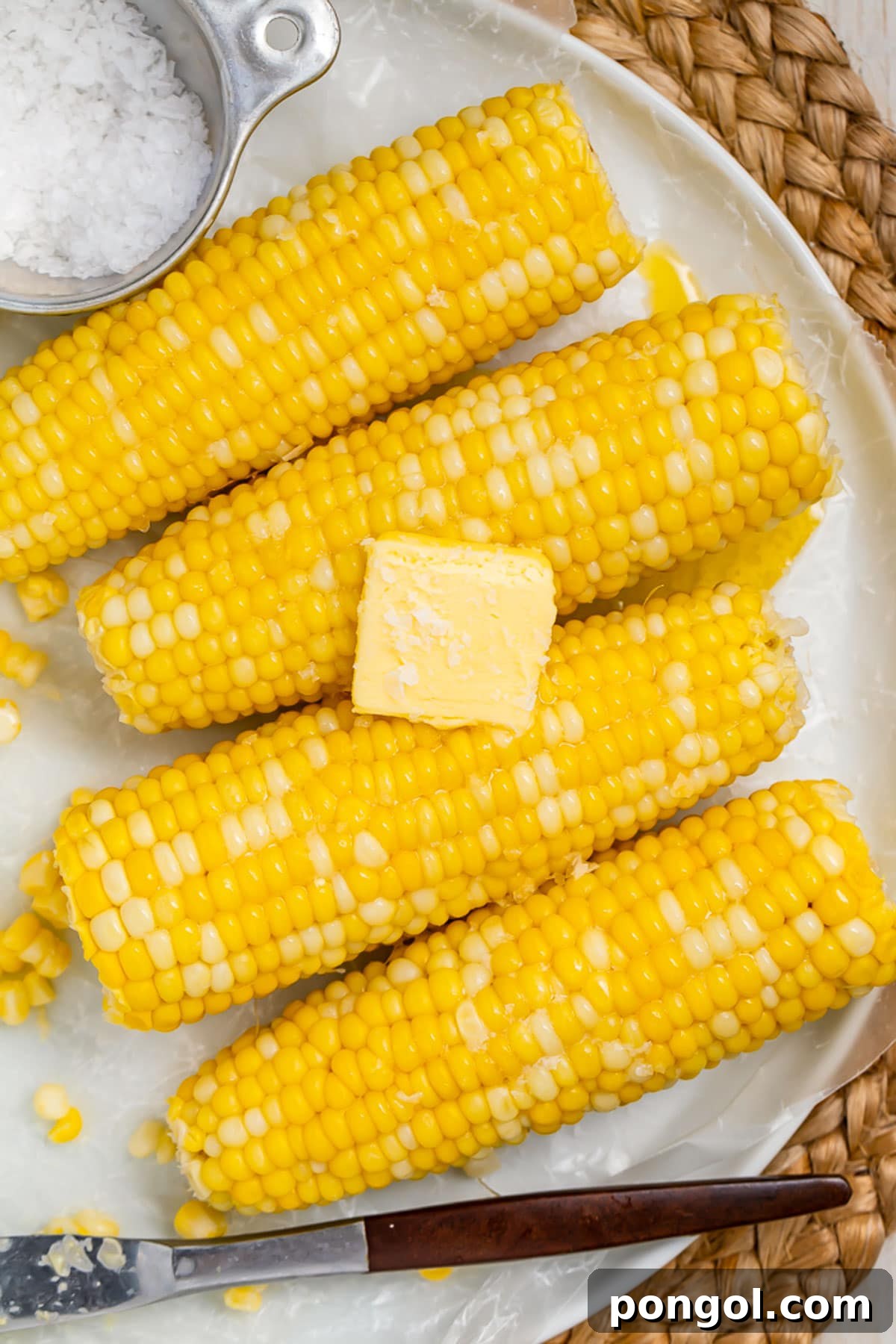
Mastering the art of boiling corn on the cob is simpler than you might think, yet it’s the secret to unlocking its naturally sweet, tender, and juicy flavor. If you’ve ever found yourself wondering, “How long should I boil corn?”, “Is salting the water really necessary?”, or “How do I know when my corn is perfectly cooked?”, then you’re in the right place. This comprehensive guide will answer all your questions and equip you with the confidence to prepare flawless boiled corn on the cob every single time, making it a staple in your summer kitchen repertoire.
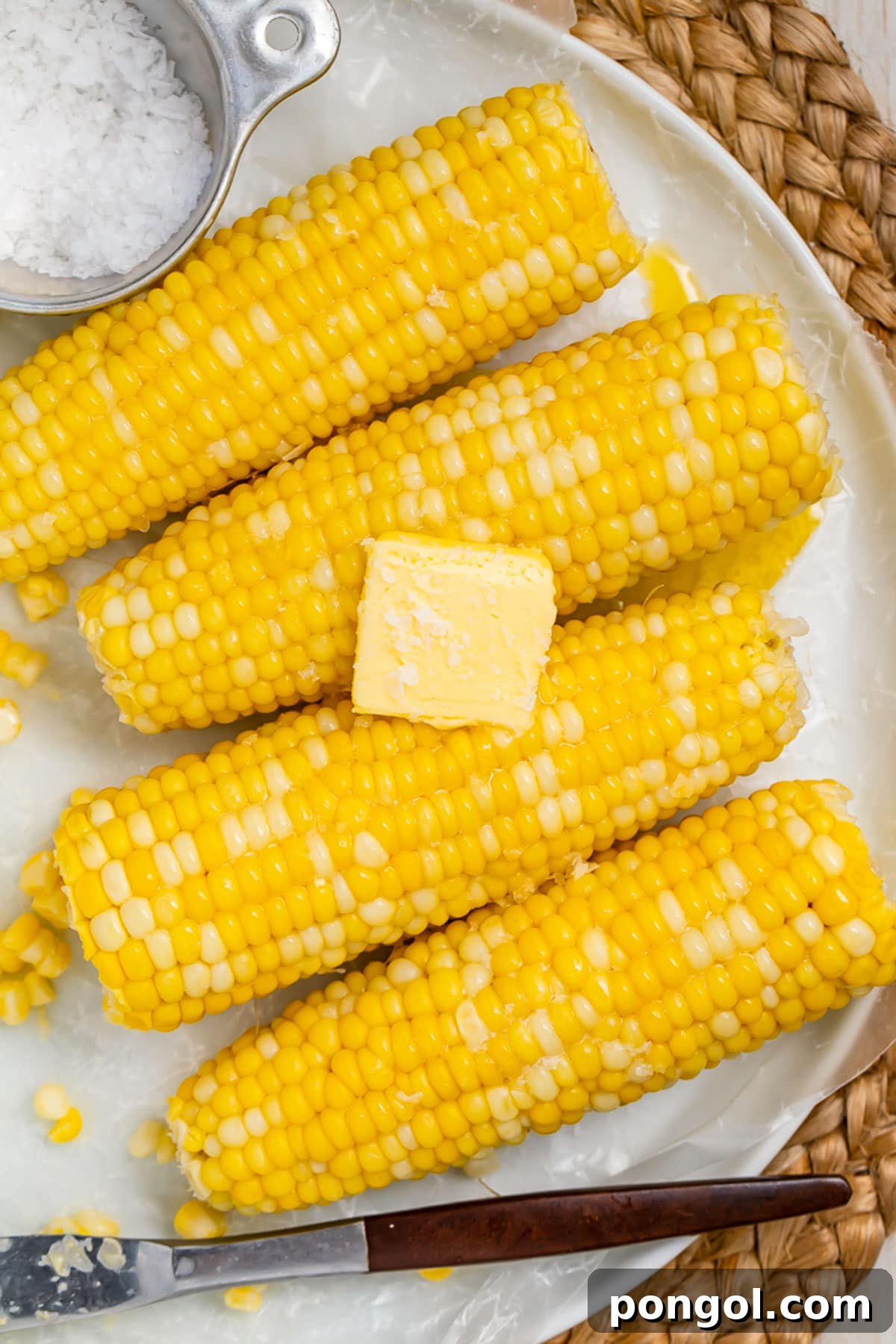
🌽 Why Boiled Corn is a Culinary Essential
There’s a reason boiling corn on the cob remains one of the most beloved and popular cooking methods. It’s not just about tradition; it’s about taste and efficiency. When cooked correctly, boiled corn is an absolute delight, offering a burst of natural sweetness and a satisfyingly tender bite that’s hard to beat. Here’s why this seemingly simple method stands out:
- Unmatched Simplicity and Speed: Boiling corn is arguably the easiest and fastest way to cook fresh corn on the cob. It requires minimal preparation and just a few minutes of cooking time, making it perfect for busy weeknights or large gatherings when you need a delicious side dish without the fuss.
- Highlights Natural Flavors: Unlike grilling or roasting, which can add smoky or caramelized notes, boiling gently cooks the corn, allowing its inherent juiciness and natural sugars to shine. This method brings out the purest, freshest corn flavor possible, truly celebrating the vegetable itself.
- Consistently Tender Texture: When done right, boiled corn yields kernels that are wonderfully tender and succulent, never dry or rubbery. This makes it a universally appealing side dish that complements almost any meal, from backyard BBQs to formal dinners.
- A Foundation for Flavor Exploration: Knowing how to boil corn on the cob perfectly gives you a versatile base for countless flavor variations. Whether you prefer classic butter and salt or adventurous spice blends, a well-boiled ear of corn is the ideal canvas.
🌽 The Sweet Science of Corn
Understanding a little about corn can elevate your boiling technique from good to exceptional. Corn’s sweetness comes from its natural sugars, which begin converting into starches almost immediately after the corn is picked. This is why fresh corn is always recommended, and why speed is key to preserving its optimal flavor and texture.
The gentle heat of boiling water allows the kernels to plump up and soften without losing their precious moisture. This results in that delightful “pop” and juicy burst with every bite. Overcooking, however, can reverse this effect, leading to mushy or chewy corn as the cell walls break down excessively.
🌽 Selecting the Freshest Corn on the Cob
The journey to perfectly boiled corn begins at the market. Choosing fresh, high-quality corn is paramount for achieving the best flavor and texture. Resist the urge to peel back the husks to peek inside, as this exposes the corn to air, accelerating its sugar-to-starch conversion and potentially spoiling it for others. Instead, rely on these external cues to pick the best ears:
- Vibrant Husks: Look for cornhusks that are bright green, firm, and slightly damp. This indicates recent harvesting and good moisture content. Avoid any ears with husks that are yellowed, dry, have brown spots, or tiny holes, as these are signs of older or damaged corn.
- Healthy Silks: The silks (the strands at the top of the ear) should be light brown, a little sticky, and feel slightly damp. Dark brown or black silks suggest the corn is past its prime, while very dry or brittle silks indicate dehydration.
- Plump Kernels: Gently squeeze the ear of corn from top to bottom. You want to feel firm, plump kernels throughout. Any soft spots or areas where kernels are missing signify underdeveloped or damaged corn. A full, firm ear guarantees a satisfying yield.
- Peak Season Selection: While corn is available year-round, its peak season in many regions is typically late spring through early fall. Shopping during these months guarantees the freshest, sweetest corn available.
🌽 Preparing Your Corn: How to Shuck Fresh Corn
Once you’ve chosen your perfect ears, the only real prep work required for boiling corn is shucking. Fortunately, this step is incredibly straightforward, paving the way for a quick and easy cooking experience.
- Grip and Split: Hold the ear of corn firmly with both hands at the top, near where the silks emerge. Separate the cornhusk into two halves, pulling them apart. Don’t worry about making them perfectly equal; the goal is just to create a starting point for peeling.
- Pull Down Firmly: In one fluid motion, pull both halves of the cornhusk down towards the base of the ear, revealing the bright yellow kernels underneath. If some pieces of the husk are stubborn, simply go back and pull them down until the corn is fully exposed.
- Remove Husks and Silks: Once the husk is pulled down, snap it off completely at the base of the ear along with any remaining silks. Discard these.
- Clean Up Remaining Silks: Inspect the shucked corn for any stray strands of silk. While it’s okay if a few tiny pieces remain, try to remove as many as possible for a cleaner eating experience. A soft brush or a damp paper towel can help with this.
Pro Tip for Stubborn Husks: If you encounter particularly tight or difficult-to-shuck ears of corn, a quick trick is to microwave them for 1-2 minutes. This gentle heating loosens the husks and silks, making them much easier to remove.
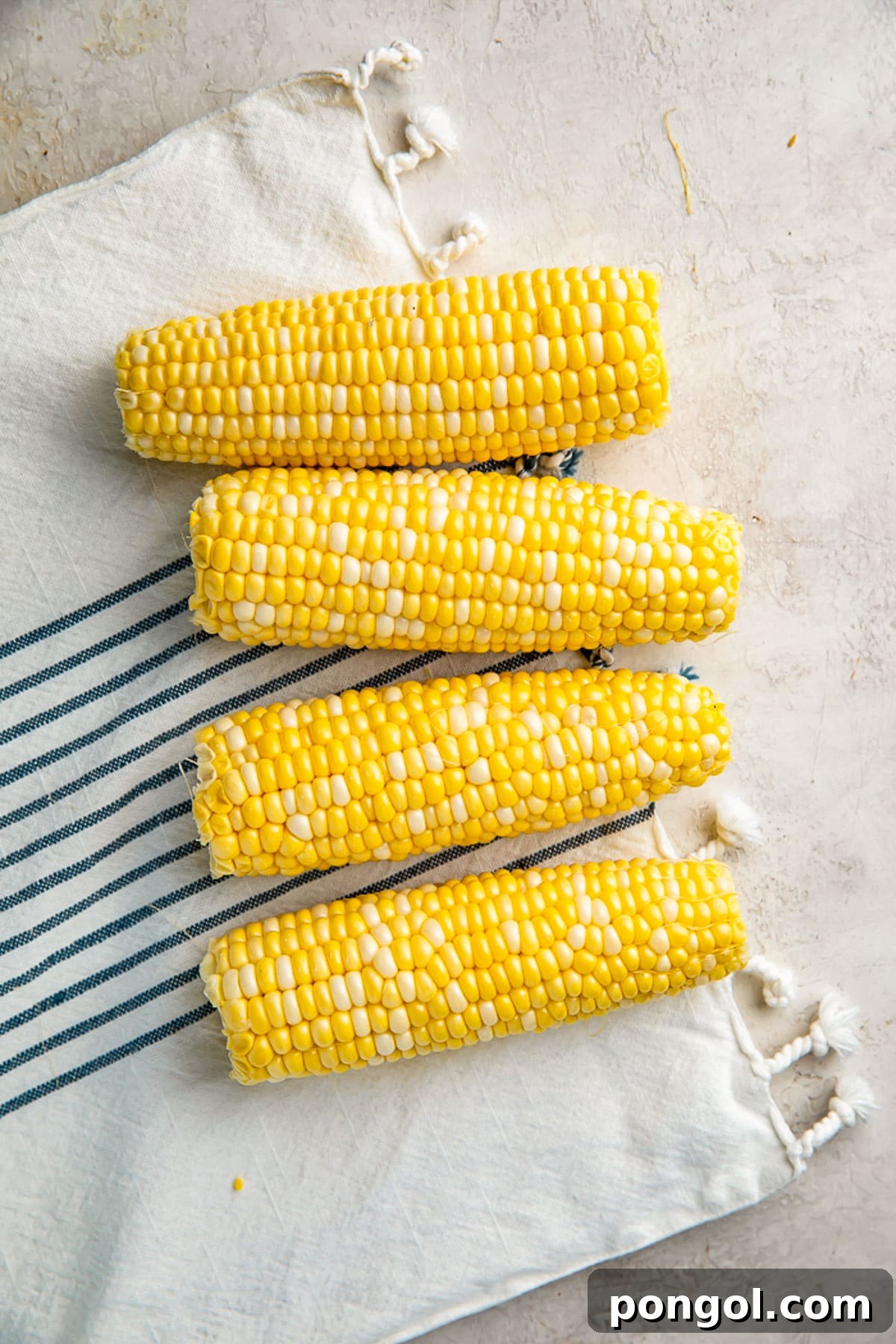
🍳 Essential Equipment for Boiling Corn
Preparing perfect boiled corn on the cob requires minimal equipment, most of which you likely already have in your kitchen. Having the right tools ensures a smooth and safe cooking process:
- Large Pot with Lid: Essential for boiling multiple ears of corn efficiently. The lid helps the water come to a boil faster and maintain temperature.
- Tongs: Indispensable for safely adding and removing hot ears of corn from boiling water.
- Large Plate or Platter: For transferring the hot corn after cooking, ready for seasoning and serving.
- Basting Brush (Optional): Useful for evenly applying melted butter or other seasonings to the cooked corn.
👩🏼🍳 Expert Tips for the Juiciest, Sweetest Boiled Corn
While boiling corn on the cob is straightforward, a few expert insights can transform a good ear of corn into an unforgettable culinary experience:
- Stick to Unsalted Water: This is a highly debated topic, but for the most tender and juicy corn, always boil in plain, unsalted water. Salt added to boiling water can draw moisture out of the corn kernels through osmosis, causing them to toughen and become less appealing. Save the seasoning for after cooking.
- Reviving Older Corn with Sugar: If your corn isn’t as fresh as you’d like (perhaps it’s a few days old), you can help revive some of its lost sweetness. Add 2-3 tablespoons of granulated sugar to the boiling water before adding the corn. This helps replenish some of the sweetness that converts to starch over time. Keep in mind that older corn may also require a slightly longer boiling time, potentially 10 minutes or more, compared to the 3-5 minutes for very fresh corn.
- Never Overcook: This is perhaps the most critical tip! Corn cooks remarkably fast, making it easy to overcook. Overcooked corn loses its vibrant flavor, can become gummy, mushy, or unpleasantly chewy. Keep a close eye on your corn and remove it as soon as it reaches that bright, rich yellow color and tender texture.
- Serve Immediately: Corn is best enjoyed fresh off the boil. Its natural sugars are at their peak, and the kernels are plump and juicy. If you need to keep it warm for a short period, you can leave it in the hot water (off the heat) or wrap it loosely in foil, but prolonged holding can diminish its quality.
- Storing Leftover Boiled Corn: If you have any leftovers, allow the corn to cool completely before storing it. Wrap individual ears tightly in plastic wrap or place them in an airtight container in the refrigerator for up to 3-4 days. You can reheat them gently in the microwave or briefly in simmering water.
🧈 Flavor Variations: Elevate Your Corn on the Cob
Now that you’ve mastered how to boil corn on the cob, the fun really begins: dressing it up! Corn is incredibly versatile, serving as a blank canvas for a myriad of delicious toppings and flavor combinations. Here are some of my favorite ways to transform simple boiled corn:
- Classic Butter, Salt, and Pepper: The timeless trio for a reason. Melted butter seeps into every kernel, enhanced by a sprinkle of sea salt and a grind of fresh black pepper.
- Mexican Street Corn (Elote) Inspired: For a vibrant, tangy, and spicy kick, mix melted butter with mayonnaise, crumbled cotija cheese, a dash of chili powder, and a squeeze of fresh lime juice. This creates a creamy, savory coating reminiscent of authentic Mexican street corn flavors.
- Tajín Infusion: Blend melted butter with a generous shake of Tajín Clásico seasoning for a zesty, slightly spicy, and salty flavor profile that’s incredibly addictive.
- Chipotle Lime Butter: Combine melted butter with a squeeze of fresh lime juice and a pinch of smoky chipotle powder (or regular chili powder) for a flavorful and aromatic twist.
- Spicy Kick: A simple dash of your favorite hot sauce or sriracha can add an exciting layer of heat.
- Ranch Lover’s Dream: Mix melted butter with a packet of ranch seasoning for a savory, herbaceous, and creamy flavor that’s a crowd-pleaser.
- Crispy Bacon Bits: Sprinkle finely diced crispy bacon over your buttered corn for an irresistible smoky and salty crunch.
- Garlic Parmesan Mayo: Combine mayonnaise with finely minced fresh garlic and powdered Parmesan cheese for a rich, umami-packed topping.
- Garlic Herb Compound Butter: Take your butter game to the next level with a pre-made or homemade garlic herb compound butter, infusing the corn with aromatic herbs and savory garlic.
💬 Frequently Asked Questions About Boiling Corn
The boiling time for corn on the cob depends largely on its freshness. Very fresh corn only needs to boil for roughly 3-5 minutes until it turns a bright, rich yellow color and the kernels are tender. For older ears of corn, which have started converting sugars to starches, you may need to boil them longer, typically 10-12 minutes, to achieve desired tenderness.
You’ll know your corn is perfectly done when it exhibits a rich, bright yellow color, and the kernels appear plump and tender. You can also carefully poke a kernel with a fork or taste a single kernel to confirm its tenderness before removing the entire ear from the water.
While there’s ongoing debate, the general recommendation for achieving the most tender corn is to avoid salting the water. Boiling corn in salted water can actually dehydrate the kernels and make them tough. It’s best to boil the corn in unsalted water and then add salt to taste just before serving.
Another point of culinary contention! Some cooks suggest boiling corn in milk, or in water with a small amount of milk added, believing it enhances the corn’s sweetness and butteriness. While it can add a subtle richness, it’s generally not necessary for delicious corn. Fresh, high-quality corn boiled in plain water will yield excellent results. If you desire a buttery flavor, simply add butter after cooking.
Yes, you can absolutely boil frozen corn on the cob! It’s a convenient option when fresh corn isn’t in season. Simply add the frozen ears directly to boiling unsalted water. They will typically need to boil for about 5-8 minutes, or until fully heated through and tender. There’s no need to thaw them beforehand.
To store leftover boiled corn, allow it to cool completely at room temperature. Then, wrap each ear tightly in plastic wrap or aluminum foil, or place them in an airtight container. Refrigerate for up to 3-4 days. For longer storage, you can remove the kernels from the cob and freeze them in a freezer-safe bag for up to 6 months.
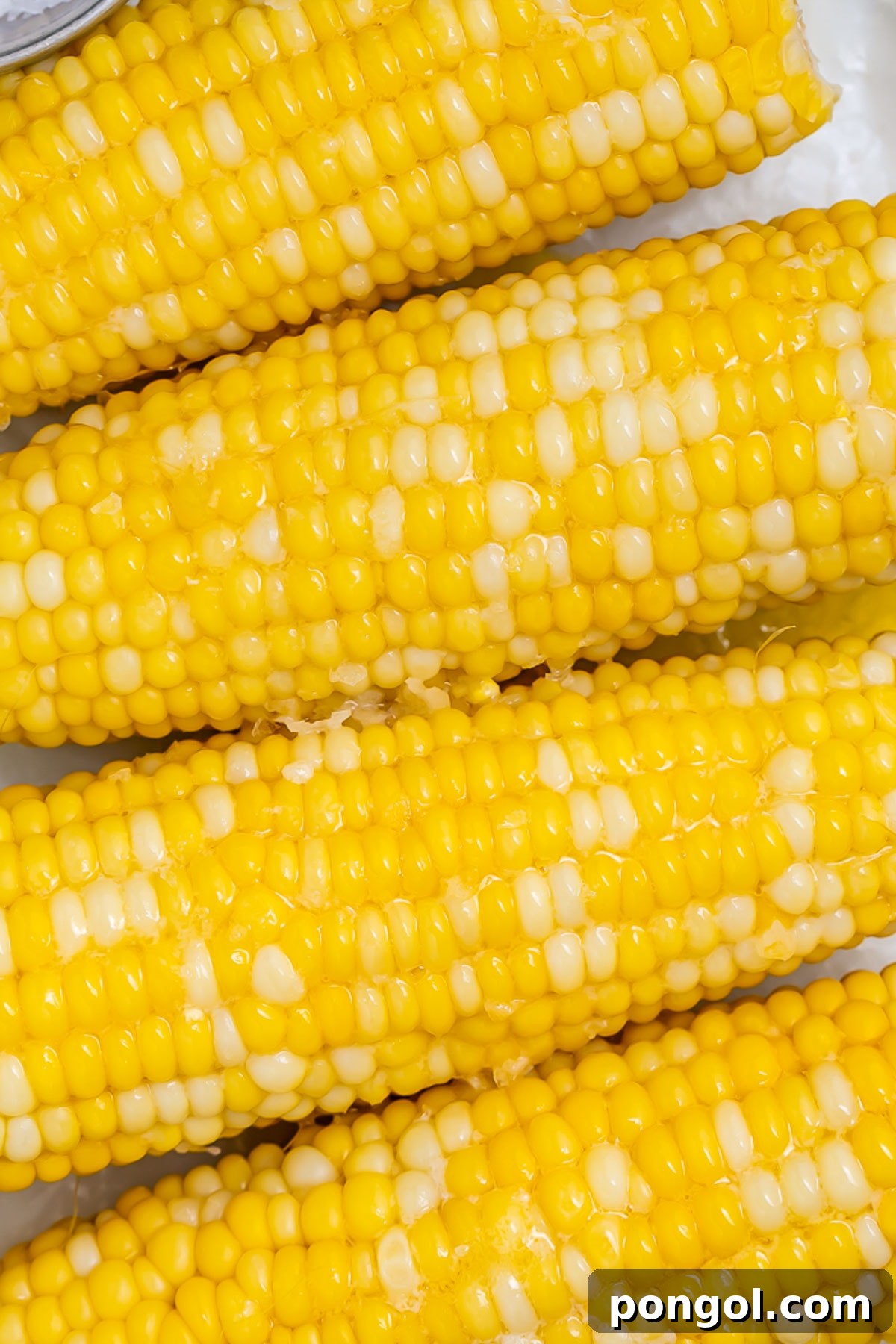
🌽 Explore More Corn Recipes
If you’re a true corn enthusiast, don’t stop at boiling! This versatile vegetable shines in countless other dishes. Here are some of our other favorite corn-centric recipes to inspire your culinary adventures:
- Mexican Corn Dip
- Savory Southern Cornbread Stuffing
- Air Fryer Corn on the Cob
- Corn Relish
- Creamy Corn Soup
- Elote (Mexican Street Corn)
- Cornbread Salad
- Instant Pot Corn on the Cob with a Honey Butter Glaze
- Corn Souffle
- Shrimp and Corn Soup
- Popcorn Soup
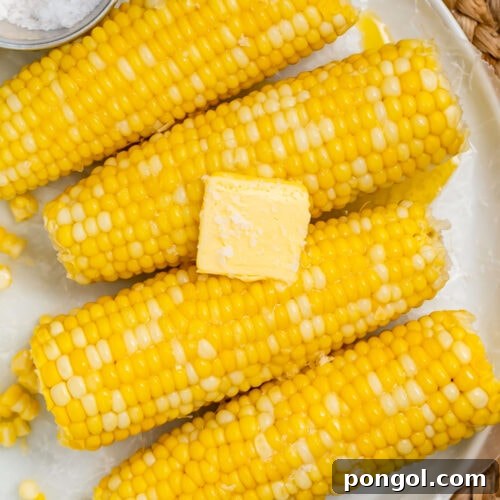
How to Boil Corn on the Cob
 Cheryl Malik
Equipment
-
Large pot with lid
-
Tongs
-
Large plate
-
Basting Brush optional
Ingredients
For the Corn
- cold water enough to fill pot
- 4 6-inch ears fresh corn on the cob shucked
Serving Suggestions (All Optional)
- melted butter or compound butter
- salt
- freshly ground black pepper
Instructions
-
Fill a large pot with cold water, ensuring there’s enough space left for the corn without overflowing. Place the pot of unsalted water on the stovetop over medium-high heat. Cover the pot with its lid and bring the water to a rapid boil.
-
Once the water is vigorously boiling, carefully remove the lid and gently place the 4 shucked 6-inch ears of fresh corn on the cob into the boiling water. Recover the pot with the lid.
-
Boil the corn for 3 to 5 minutes for fresh ears, or up to 10-12 minutes for older corn, until it transforms into a bright, rich yellow color and the kernels are tender when tested.
-
When the desired color and tenderness are achieved, use tongs to carefully transfer the cooked corn from the pot to a large plate or platter. If desired, brush the ears of corn generously with melted butter and season with salt and freshly ground black pepper to taste. Serve warm immediately for the best flavor.
- Salting the water can actually make the corn kernels tough or hard. It’s always better to boil the corn in unsalted water, then add salt for flavor after it’s cooked.
- Depending on the type and age of corn you’re using, you can add 2-3 tablespoons of sugar to the water before adding the corn. This can help elevate the natural sweetness, especially in corn that isn’t super fresh, like some supermarket varieties.
- Overcooked corn can quickly become gummy, mushy, or chewy, and will lose a significant amount of its natural flavor. Always keep a close eye on it during boiling.
- Corn Selection & Age: For the best results and the fastest cook time, always opt for fresh corn that has been picked very recently. The natural sugars in corn begin to convert into starches over time, which means older ears of corn will be firmer and may require a longer boiling period, potentially up to 10-12 minutes, to become tender.
Approximate Nutrition Information for One Serving
Nutrition Disclaimers
Number of total servings shown is approximate. Actual number of servings will depend on your preferred portion sizes.
Nutritional values shown are general guidelines and reflect information for 1 serving using the ingredients listed, not including any optional ingredients. Actual macros may vary slightly depending on specific brands and types of ingredients used.
To determine the weight of one serving, prepare the recipe as instructed. Weigh the finished recipe, then divide the weight of the finished recipe (not including the weight of the container the food is in) by the desired number of servings. Result will be the weight of one serving.
Did You Make This Recipe?
Tag @40aprons on Instagram and be sure to leave a review on the blog post!
Tag @40Aprons on Instagram