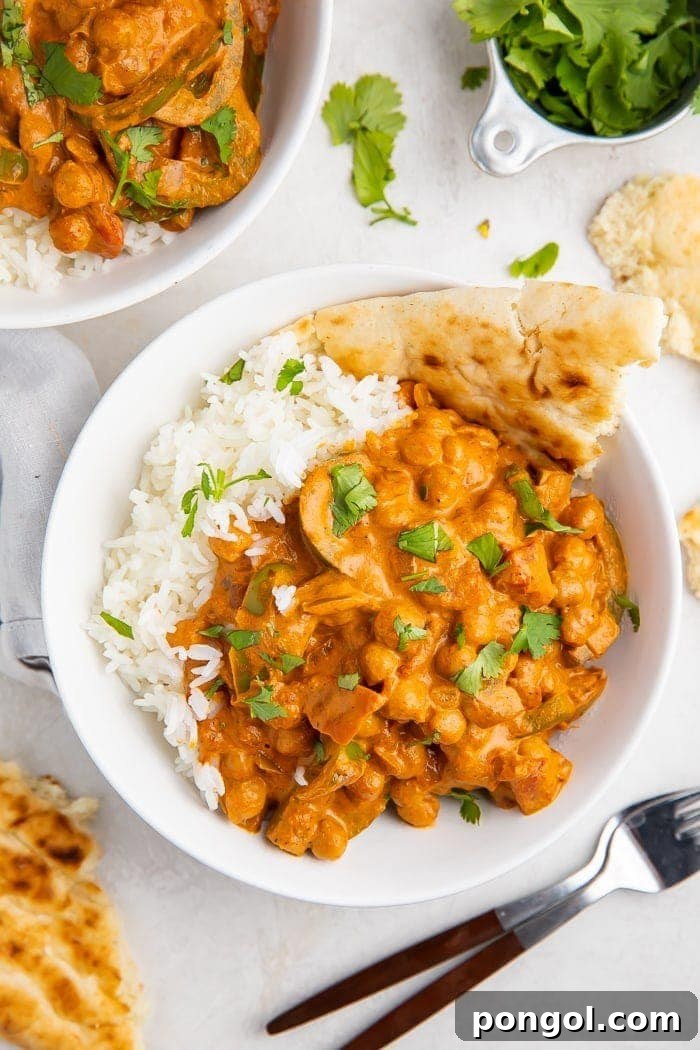
Welcome to a culinary journey that brings the vibrant flavors of India straight to your kitchen! This Vegetarian Chickpea Tikka Masala is not just a meal; it’s an experience, replicating the rich, creamy, and perfectly spiced taste of your favorite Indian takeout, if not surpassing it. Forget the long queues and delivery fees; with this recipe, you can effortlessly create a deeply satisfying, meatless masterpiece that’s bursting with aromatic spices and a velvety smooth sauce. It’s hearty, comforting, and absolutely irresistible, proving that vegetarian dishes can be just as fulfilling and flavorful as their meaty counterparts. Served over fluffy rice or with warm, buttery naan, this chickpea tikka masala utilizes a few simple yet crucial techniques to elevate it to a truly restaurant-quality dish. Plus, we’ve made it incredibly easy to adapt for a vegan diet, ensuring everyone can enjoy this Indian classic.
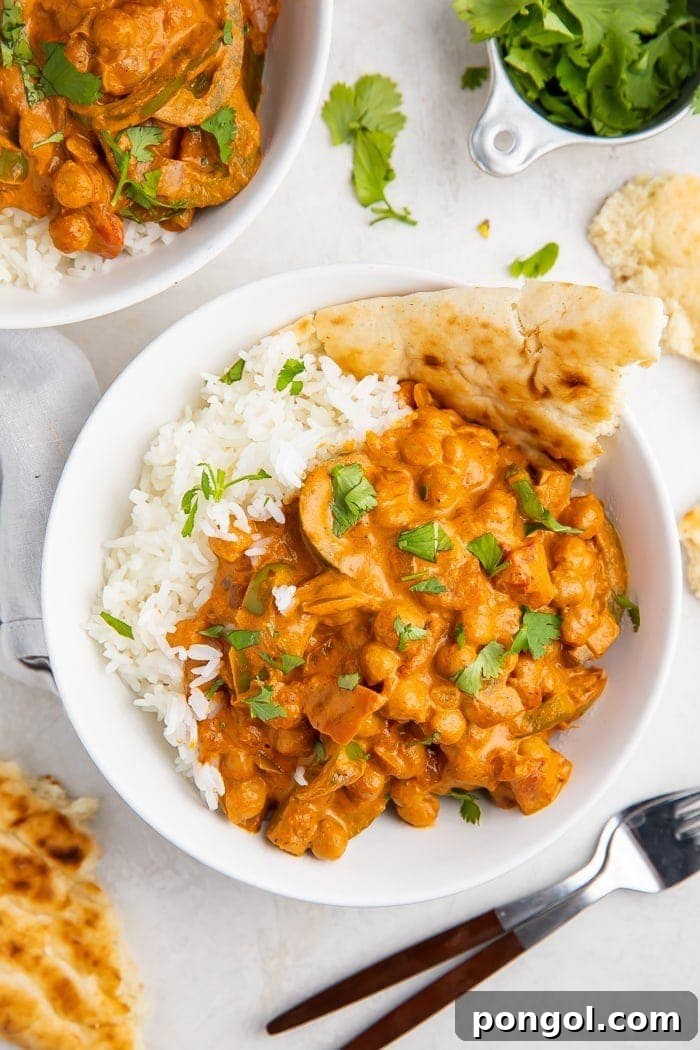
Vegetarian Chickpea Tikka Masala: Your New Favorite Indian Takeout at Home
There’s nothing quite like the comforting warmth and intricate flavors of a well-made Indian curry, and for many, Tikka Masala reigns supreme as the ultimate comfort food. While traditionally made with chicken, this vegetarian chickpea version proves that you don’t need meat to achieve that iconic, deeply satisfying taste. Our recipe focuses on enhancing the natural sweetness of ingredients through careful caramelization and balancing a complex array of spices, resulting in a dish that’s both robust and incredibly fragrant. Whether you’re a long-time vegetarian, looking to incorporate more plant-based meals into your diet, or simply craving an authentic Indian culinary adventure, this chickpea tikka masala promises to be a delightful revelation.
Why This Chickpea Tikka Masala Will Become a Staple
- Authentic Restaurant Quality at Home: We’ve cracked the code to achieving that rich, complex flavor profile typically found in your favorite Indian restaurants. Through specific cooking techniques and the strategic use of spices, this dish transcends typical home-cooked curries.
- Wholesome and Hearty Vegetarian Delight: Swapping chicken for protein-packed chickpeas makes this tikka masala incredibly filling and nutritious without sacrificing flavor. Chickpeas absorb the spices beautifully, providing a wonderful texture and substance that even devout carnivores will appreciate.
- Rich, Creamy, and Perfectly Spiced: The sauce is the heart of any good tikka masala. Ours is luxuriously creamy, with a perfect balance of sweet, tangy, and spicy notes that dance on your palate. Each bite is a harmonious blend of flavors that will leave you craving more.
- Easy to Master Techniques: You don’t need to be an expert chef to create this dish. Our recipe breaks down the process into simple, manageable steps, highlighting key techniques like caramelization that are easy to execute but make all the difference in flavor.
- Versatile and Diet-Friendly: This recipe is naturally gluten-free and can be easily made vegan with a few straightforward substitutions, making it suitable for a wide range of dietary preferences.
Chef’s Essential Tips for a Flawless Tikka Masala
- Making it Vegan: To transform this into a delectable vegan chickpea tikka masala, simply substitute the butter with an equal amount of vegan butter or a neutral oil like vegetable, canola, or avocado oil. For the half and half, opt for 1 cup of a good quality plant-based half and half. Ripple offers an excellent option, but you can also use the thick, solid cream from the top of a can of full-fat coconut milk for an even richer, slightly sweeter coconut flavor.
- The Power of Fenugreek Leaves (Kasuri Methi): While optional, dried fenugreek leaves (also known as Kasuri Methi) are a game-changer for achieving that authentic, restaurant-quality Indian flavor. They impart a slightly bitter, sweet, and incredibly aromatic depth that is hard to replicate. You can often find them in Indian grocery stores or specialty spice shops. If you struggle to locate them locally, they are readily available online. **Crucially, ensure you purchase fenugreek leaves and not fenugreek seeds**, as they have very distinct flavors and uses.
- Quality Spices Matter: Fresh, aromatic spices are the backbone of Indian cuisine. For the best results, use freshly ground spices whenever possible. Store your spices in airtight containers away from direct light and heat to maintain their potency.
- Don’t Rush the Simmer: The final simmer allows the flavors to meld and deepen. Resist the urge to cut this time short. A slow, gentle simmer ensures a more complex and well-rounded sauce.
The Secret to Restaurant-Level Flavor: Caramelization
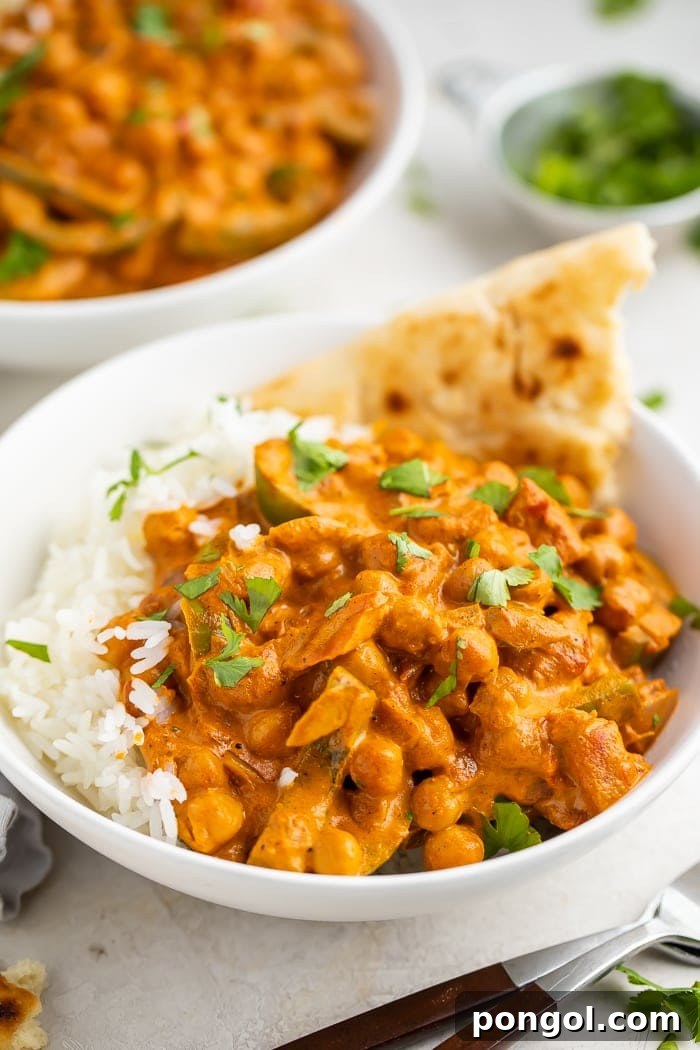
The true magic that transforms a good tikka masala into an extraordinary one lies in the art of caramelization. This isn’t just about browning; it’s about developing profound depth of flavor through the Maillard reaction, a chemical process that creates hundreds of new flavor compounds. There are two critical stages where caramelization plays a pivotal role in this recipe:
First, the Onions: Do not underestimate the importance of caramelizing your onions. This initial step sets the foundation for the entire dish. Sautéing onions slowly over medium heat until they turn a deep golden-brown, almost amber, brings out their natural sugars and sweetness, creating a complex, savory base that forms the backbone of the sauce. Rushing this step will result in a flat, one-dimensional flavor. Take your time, stirring occasionally, and allow the onions to transform. This can take 10-15 minutes, but it’s worth every second.
Second, the Tomato Sauce and Diced Tomatoes: Equally vital is the caramelization of the tomato products in Step 4. When you add the tomato sauce and diced tomatoes, continue to cook them down, stirring frequently, until they darken in color and thicken significantly. This process removes the raw, acidic edge often found in canned tomatoes and concentrates their inherent sweetness and umami, infusing the sauce with a rich, ripe tomato flavor that is essential for an authentic tikka masala. You’ll notice a distinct change in both color and aroma as the tomatoes caramelize, moving from a bright red to a deeper, more reddish-brown hue. Trust us, adhering to both these caramelization steps will elevate your tikka masala from “homemade” tasting to truly professional quality. You will be astonished by the depth of flavor!
Ginger Garlic Paste: The Unsung Hero of Indian Cuisine
For anyone serious about cooking Indian food, ginger garlic paste is an indispensable ingredient. It’s the aromatic foundation for countless dishes, providing a pungent, spicy, and earthy base that is characteristic of the cuisine. While readily available pre-made in most grocery stores (especially those specializing in international foods), crafting your own at home is incredibly easy and ensures maximum freshness and potency. Plus, it stores beautifully, lasting for months!
How to Make Fresh Ginger Garlic Paste at Home:
Start by preparing your ingredients: 1 deseeded jalapeño (for a hint of heat and fresh flavor, optional but recommended), 1 ½ tablespoons of freshly grated ginger, and 5 cloves of garlic. Combine these in a skillet over medium heat. Reduce the heat to low-medium and cook, stirring occasionally, until the mixture transforms into a beautiful medium brown, almost a rich toffee color. This process typically takes about 20 minutes, allowing the flavors to deepen and mellow without burning. If the mixture starts to stick, add a tiny splash of water (about half a tablespoon at a time) to loosen it. Once cooled, store your homemade ginger garlic paste in an airtight container in the refrigerator for up to 2-3 weeks, or freeze it in ice cube trays for convenient portions that will last up to 6 months.
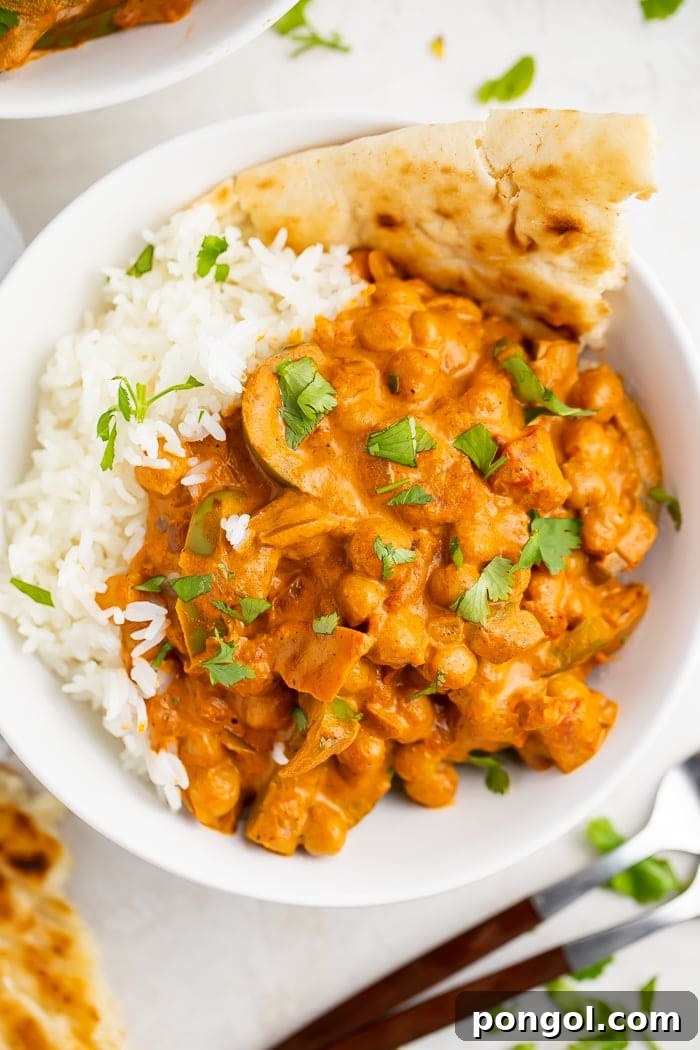
More Indian Recipes to Explore
If you’ve fallen in love with the flavors of this Chickpea Tikka Masala, you’ll be thrilled to discover other delicious Indian-inspired recipes:
- Best Chicken Tikka Masala Recipe (Restaurant Style)
- Instant Pot Dal
- Quick Creamy Vegan Coconut Chickpea Curry
- The Best Instant Pot Chicken Tikka Masala (Whole30, Paleo, Low Carb)
- Easy Golden Milk
- Paneer Tikka Masala
Vegetarian Chickpea Tikka Masala Recipe
Prep Time: 25 minutes | Cook Time: 10 minutes | Servings: 6
This vegetarian tikka masala is perfectly seasoned, spicy, and restaurant quality, guaranteed to become a family favorite.
Ingredients
- 2 (15-ounce) cans chickpeas, drained
- 3 tablespoons butter (or vegan butter/oil for vegan option)
- 1 medium onion, chopped
- 1 ½ tablespoons ginger garlic paste
- 1 (8-ounce) can tomato sauce
- 1 cup half and half (or plant-based half and half/coconut cream for vegan option)
- ¼ teaspoon cayenne pepper (adjust to desired spice level)
- 1 lemon, juiced
- 1 tablespoon Garam Masala
- 1 (14.5-ounce) can diced tomatoes, undrained
- 1 bell pepper, sliced (any color)
- 1 teaspoon paprika
- 1 ½ teaspoon salt (or to taste)
- 2 tablespoons fenugreek leaves, optional (but highly recommended for authentic flavor)
- 4 tablespoons fresh cilantro, chopped (for garnish)
- Cooked rice or cauliflower rice, to serve
- Naan bread, to serve (optional)
Instructions
- In a large skillet or pot, heat the butter (or vegan butter/oil) over medium heat. Add the chopped onion and cook, stirring occasionally, until it softens and begins to caramelize, turning a deep golden-brown (about 10-15 minutes). This slow caramelization is key for flavor development.
- Add the ginger garlic paste to the onions and continue to cook for about 5 minutes, until fragrant and nicely browned. If the paste starts to stick or burn, add 1 tablespoon of water to deglaze the pan and prevent burning. Stir in the Garam Masala, paprika, cayenne, and salt. Cook for 1 minute more, stirring constantly, to toast the spices and release their aroma.
- Add the tomato sauce, diced tomatoes (undrained), and sliced bell pepper along with the drained chickpeas. Mix everything thoroughly to combine. Bring the mixture to a simmer over medium heat. Allow the sauce to simmer gently for about 10 minutes, stirring occasionally, until it thickens slightly and deepens in color. This caramelizes the tomatoes and removes any raw taste. Reduce heat as needed to maintain a gentle simmer.
- Stir in the half and half (or plant-based alternative), fresh lemon juice, and fenugreek leaves (if using). Reduce the heat to low and simmer for an additional 5 minutes, allowing all the flavors to meld beautifully.
- Taste and adjust salt as needed. Serve your rich and creamy Vegetarian Chickpea Tikka Masala hot over cooked rice or cauliflower rice, accompanied by warm naan bread. Garnish generously with fresh cilantro before serving.
Recipe Notes
- Homemade Ginger Garlic Paste: To make your own, combine 1 deseeded jalapeño, 1 ½ tablespoons grated fresh ginger, and 5 cloves of garlic in a skillet over medium heat. Reduce heat to low-medium and cook, stirring occasionally, until the mixture turns a medium brown, almost toffee color (about 20 minutes). Add a little water if it sticks. Store in the fridge for 2-3 weeks, or freeze for up to 6 months.
- Vegan Adaptation: Replace dairy butter with vegan butter or a neutral oil, and use 1 cup plant-based half and half or the solid cream from a can of full-fat coconut milk.
- Fenugreek Leaves (Kasuri Methi): These are optional but highly recommended for an authentic, restaurant-quality taste. They can be found in Indian markets or online. Do not confuse them with fenugreek seeds.
- Caramelization is Key: For the best flavor, do not skip caramelizing the onions and cooking down the tomato sauce until it darkens. This crucial step develops immense depth of flavor.
Approximate Nutrition Information for One Serving
Calories: 423cal | Protein: 13g | Fat: 14g | Saturated Fat: 7g | Cholesterol: 30mg | Sodium: 1440mg | Potassium: 773mg | Total Carbs: 63g | Fiber: 10g | Sugar: 7g | Net Carbs: 53g | Vitamin A: 1501IU | Vitamin C: 50mg | Calcium: 156mg | Iron: 4mg
Nutrition Disclaimers
Number of total servings shown is approximate. Actual number of servings will depend on your preferred portion sizes.
Nutritional values shown are general guidelines and reflect information for 1 serving using the ingredients listed, not including any optional ingredients. Actual macros may vary slightly depending on specific brands and types of ingredients used.
To determine the weight of one serving, prepare the recipe as instructed. Weigh the finished recipe, then divide the weight of the finished recipe (not including the weight of the container the food is in) by the desired number of servings. Result will be the weight of one serving.
Did You Make This Delicious Recipe?
We’d love to see your culinary creations! Tag @40aprons on Instagram and be sure to leave a review and a star rating on this blog post to share your experience!
Tag @40Aprons on Instagram