This post is generously sponsored by Stonyfield Organic, but all thoughts and opinions are my own.
Easy & Healthy Vanilla Yogurt Fruit Dip: A Sweet Taste of Organic Living
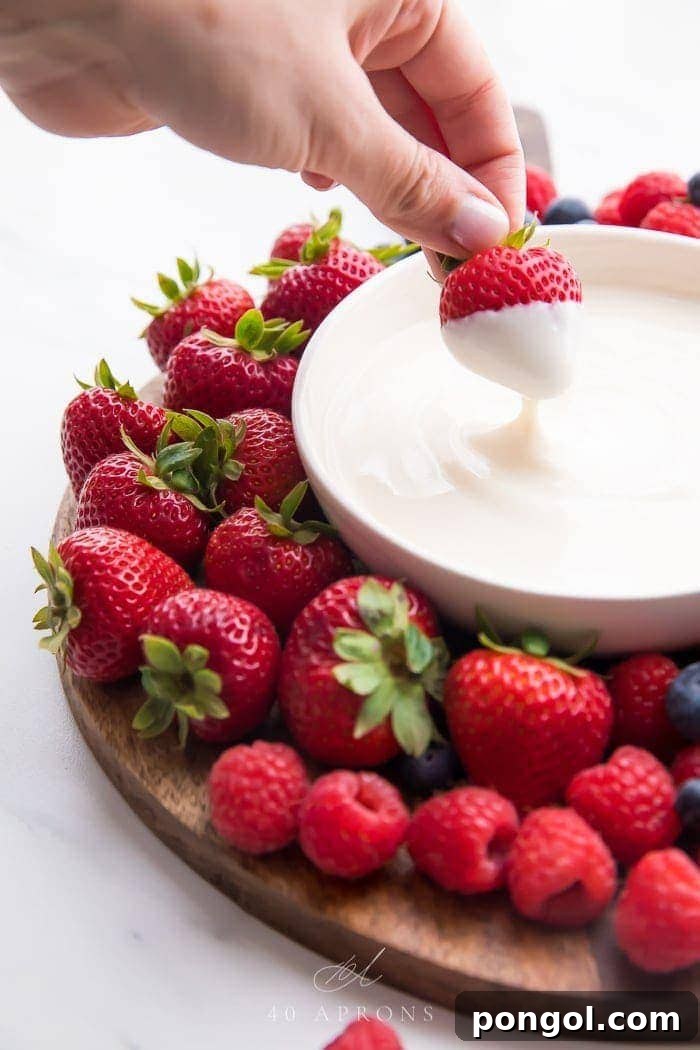
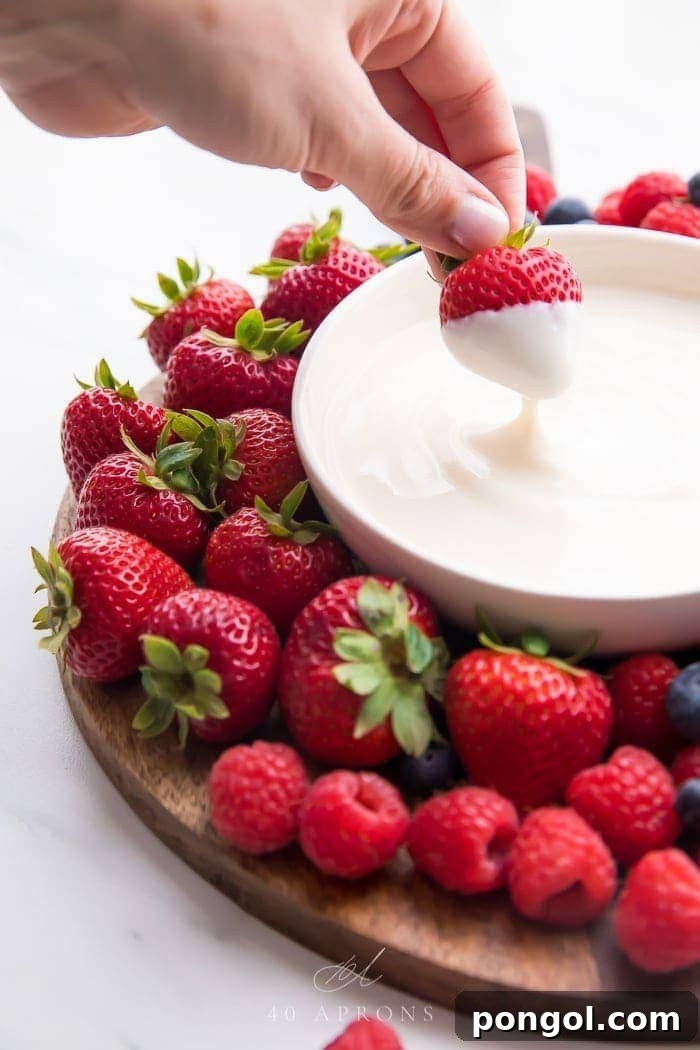
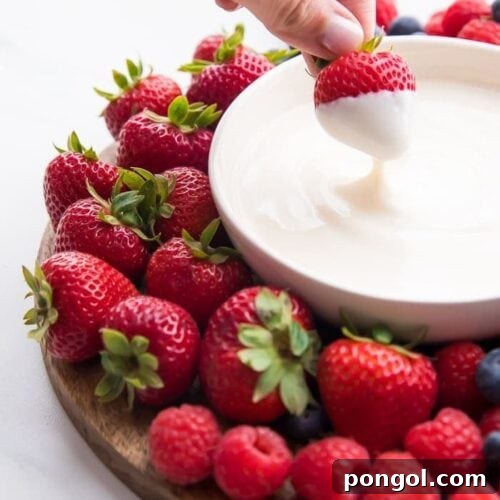
Discover the simplest, most delicious yogurt fruit dip recipe that takes only minutes to prepare! This creamy, perfectly sweet vanilla dip, reminiscent of frosting, is made with just three wholesome ingredients and contains no refined sugar. It’s an ideal choice for a quick snack, a delightful dessert, or a show-stopping addition to any fruit platter when entertaining guests.
While you’re undoubtedly eager for this fantastic yogurt fruit dip recipe, I also invite you to explore a fascinating journey into the world of organic dairy farming. My personal experience in the heart of Vermont with Stonyfield Organic has reshaped my understanding of the food we eat, and I’m excited to share those insights with you. If you’re solely here for the recipe, feel free to scroll down or use the “Jump to Recipe” button to dive right in!
My Journey to Understanding Organic Dairy: A Vermont Experience with Stonyfield
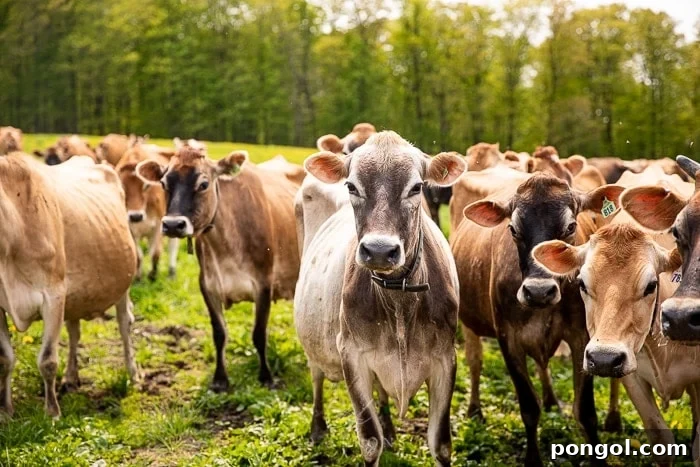
Recently, I had the incredible opportunity to immerse myself in the picturesque dairy country of Vermont. This wasn’t just any trip; it was an exploration of organic dairy farms, where I got to interact with cows, witness sustainable practices firsthand, and deepen my knowledge of the organic dairy industry. At the forefront of this movement is Stonyfield Organic, a brand I’ve trusted for years.
It’s funny, but I hadn’t actually shared this with the Stonyfield team before my visit, as I wanted to approach the experience with fresh eyes. However, I’ve been a loyal consumer of Stonyfield yogurt for decades. My preference has always been for organic, full-fat, wonderfully thick, creamy, and rich yogurt. For a long time, Stonyfield was the only brand that consistently met my high standards and was readily available.
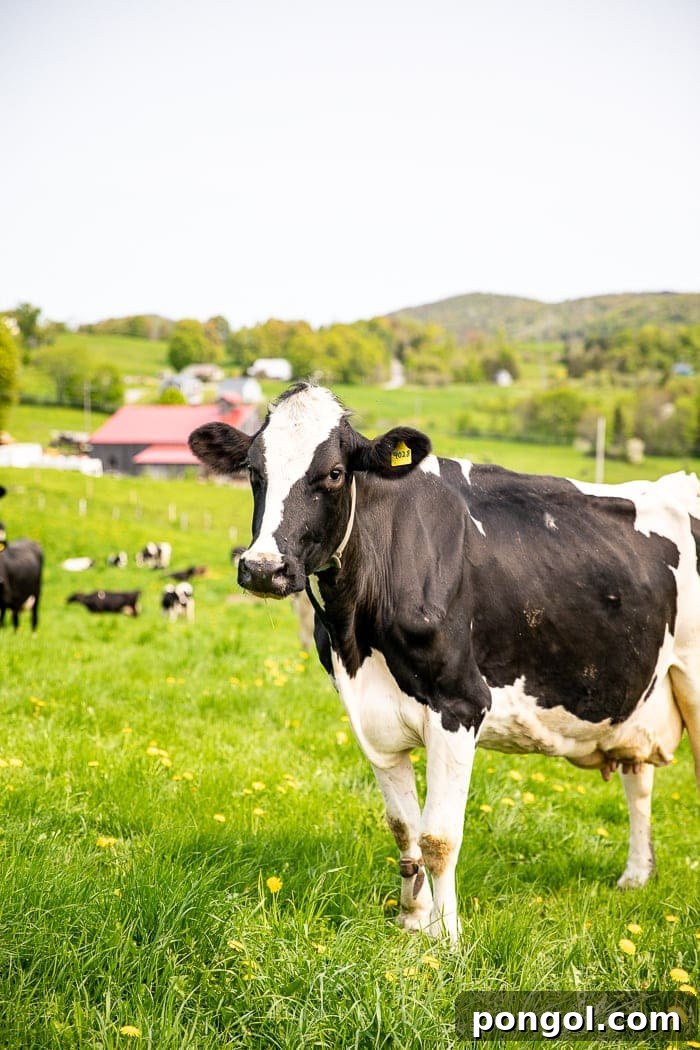
Throughout various stages of my life – during pregnancy, feeding my children, enhancing savory dishes with its creamy texture, and enjoying daily bowls topped with granola and fresh berries – Stonyfield yogurt has been a staple in my home. Like many, I held a somewhat idealized image of where my yogurt came from: happy cows, bright blue skies, and vibrant green Vermont hills, just as depicted on dairy aisle banners. But a small part of me wondered if this picture was too good to be true, a charming marketing facade rather than reality.
The Authentic Reality of Organic Dairy Farms
My skepticism completely dissolved when I witnessed the truth on organic dairy farms, especially those that partner with Stonyfield. The idyllic image I held was not just a marketing ploy; it was the reality. These farms embody a deep respect for animal welfare and environmental stewardship.
The farmers on these organic operations genuinely know their cows. They don’t just see them as livestock; they have names, even nicknames, for them. During my visit to Wonder Why Farm, the young son of the farmers enthusiastically listed off each cow’s name, sharing insights into their individual personalities, their likes, and even their quirks. It was clear that these farmers possessed an intimate understanding and, dare I say, a profound love for their animals. It might sound sentimental, but their bond with the cows was undeniably heartwarming.


The distinction in animal treatment on organic dairy farms is not merely a philosophical choice; it’s a strict requirement for certification. These aren’t just guidelines; they are enforceable standards that ensure the highest level of care for the animals and the land.
To be certified organic, dairy farms must adhere to rigorous standards, including:
- Cows must have consistent access to pasture during the grazing season, spending time outdoors every single day. This isn’t just about freedom; it’s vital for their health and natural behaviors.
- Strict animal welfare requirements are in place, ensuring humane treatment, proper housing, and comfort.
- The use of genetically modified organisms (GMOs), artificial growth hormones, antibiotics, toxic persistent pesticides, herbicides, and practices like sludge and irradiation are strictly prohibited.
- These high standards are maintained through regular, unannounced inspections. We even had the chance to meet an inspector during our farm tour, underscoring the transparency and accountability inherent in the organic system.
The Profound Health Benefits of Organic Dairy vs. Conventional
It’s only logical to assume that by eliminating dangerous pesticides, growth hormones, and antibiotics, organic dairy products offer a cleaner, healthier food choice. The science strongly supports this intuition, revealing significant advantages for our health, particularly for vulnerable populations.
- Reduced Exposure to Harmful Chemicals: Studies have consistently linked pesticides in food to behavioral and neurological issues in children, including disorders like ADHD. Choosing organic dairy drastically reduces this exposure, safeguarding developing brains.
- Crucial for Maternal and Child Health: For pregnant and breastfeeding women, consuming organic products whenever possible is paramount. Research indicates that prenatal and early childhood exposure to pesticides has been correlated with lower IQ scores. Opting for organic dairy is a proactive step towards protecting a child’s cognitive development.
- Combating Antibiotic Resistance: Organic dairy farming actively reduces the prevalence of antibiotics in livestock. This practice plays a vital role in curbing antibiotic resistance, which is recognized by global health organizations as a serious and escalating public health threat. By choosing organic, we contribute to a healthier ecosystem for everyone.
On the positive side, organic dairy also delivers an impressive nutritional punch:
- Higher Omega-3 Fatty Acids: Scientific studies have demonstrated that organic dairy contains an astounding 62% more omega-3 fatty acids compared to conventional dairy. Omega-3s are essential for reducing inflammation throughout the body, balancing omega-6 intake, and offering a myriad of other incredible health benefits, from heart health to brain function.
- Increased Conjugated Linoleic Acid (CLA): Organic dairy is richer in Conjugated Linoleic Acid (CLA), a potent fatty acid known for its ability to boost metabolism, aid in the reduction of abdominal fat (yes, you read that right!), enhance immunity, and support muscle growth. Since our bodies cannot produce CLA, incorporating organic yogurt into your diet is an excellent way to harness these benefits.
- Abundant Antioxidants: Furthermore, organic milk boasts higher levels of beneficial antioxidants than its conventional counterparts. These antioxidants help protect your cells from damage, contributing to overall health and well-being.
The Environment and Organic Dairy: A Sustainable Future
One of the most frequently raised concerns regarding dairy production is its environmental footprint, particularly the methane emissions from cows. However, what I discovered about organic dairy farming’s environmental impact was truly groundbreaking and incredibly positive.
- Holistic Systems Approach: The very essence of organic dairy farming is a holistic systems approach. This integrated method inherently leads to a significantly lower overall environmental impact compared to conventional farming, simply by focusing on ecological balance and natural processes.
- Carbon Sequestration Through Grass: A key principle of organic farming is the emphasis on healthy pastures. The robust growth of grasses actively draws carbon dioxide from the atmosphere, effectively sequestering it back into the soil. This transforms farmlands into vital carbon sinks, mitigating climate change.
- Reduced Methane Emissions: The type of feed makes a significant difference. Grass-fed cows, a cornerstone of organic dairy, produce approximately 30% less methane than grain-fed cows. This reduction in greenhouse gas emissions is a crucial step towards more sustainable agriculture.
- Protecting Water Sources: Organic practices prohibit synthetic pesticides and fertilizers, which means there is considerably less dangerous runoff into nearby rivers, lakes, and streams. This protects aquatic ecosystems and ensures cleaner water resources for communities.
- Rotational Grazing for Soil Health: Organic cows graze outdoors daily, and farmers employ rotational grazing techniques. This means the cows are moved periodically to different sections of pasture, allowing ample time for the grass to naturally regrow and recover. As the cows graze, they also naturally fertilize the soil, returning vital nutrients and fostering a healthier, more resilient pasture ecosystem. This regenerative practice builds soil vitality, enhances biodiversity, and boosts the land’s natural productivity.


Beyond the impressive farming practices, it’s worth noting that Vermont itself is a state of extraordinary natural beauty, adding to the serene and wholesome atmosphere of its organic dairy farms.
Stonyfield Organic: A Pioneer in Sustainable and Ethical Business
Before my Vermont trip, I held a positive perception of Stonyfield, envisioning a company that sourced from happy farmers and happy cows. What I discovered, however, was that Stonyfield Organic far surpassed my already high expectations. They are not just a dairy company; they are a beacon of ethical and sustainable business practices.
Stonyfield is a certified B Corporation, meaning they meet the highest standards of verified social and environmental performance, public transparency, and legal accountability to balance profit and purpose. Their commitment extends deeply to their local organic farmers, whom they support not just financially, but also through cultivating strong, collaborative relationships. They actively invest in their farmers’ success, so much so that there’s a significant waiting list of farmers eager to partner with them – a testament to Stonyfield’s reputation as a fair and supportive partner.
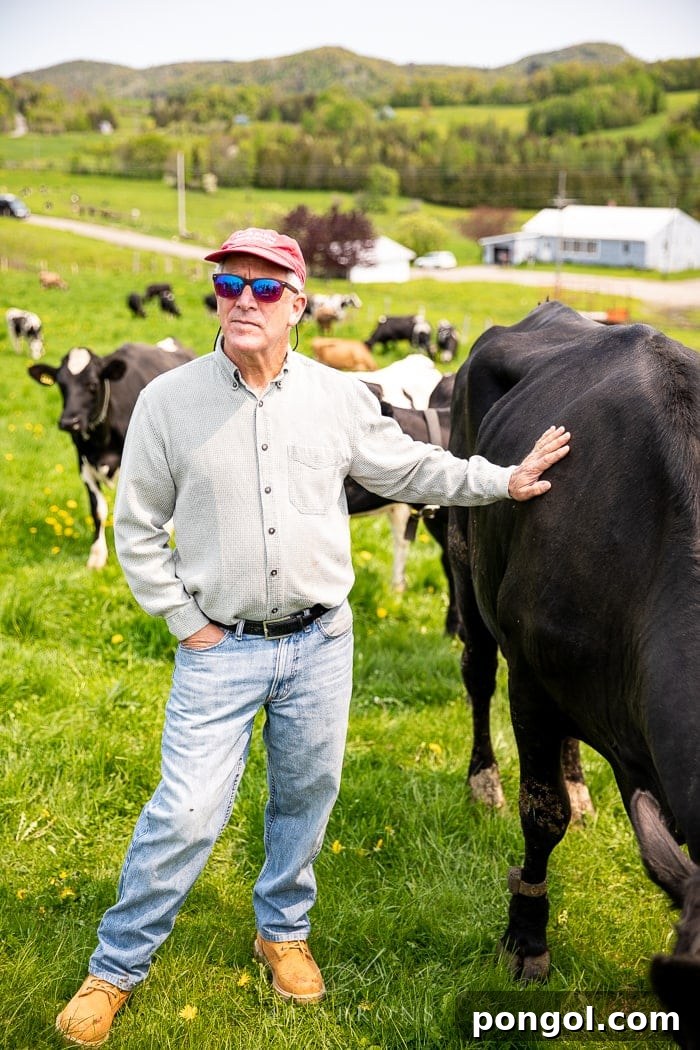
Another inspiring initiative they champion is StonyFIELDS. This program focuses on converting public playing fields and parks to organic land management. I was genuinely shocked to learn about the sheer volume of chemicals used on fields where our children play, run, and roll around daily. Considering the skin is our largest organ, this exposure is a truly alarming health concern for parents.
StonyFIELDS is systematically transforming these fields, one at a time, to organic practices, completely eliminating harmful pesticides. You can learn more about this crucial initiative here and even nominate your own town to join the movement!
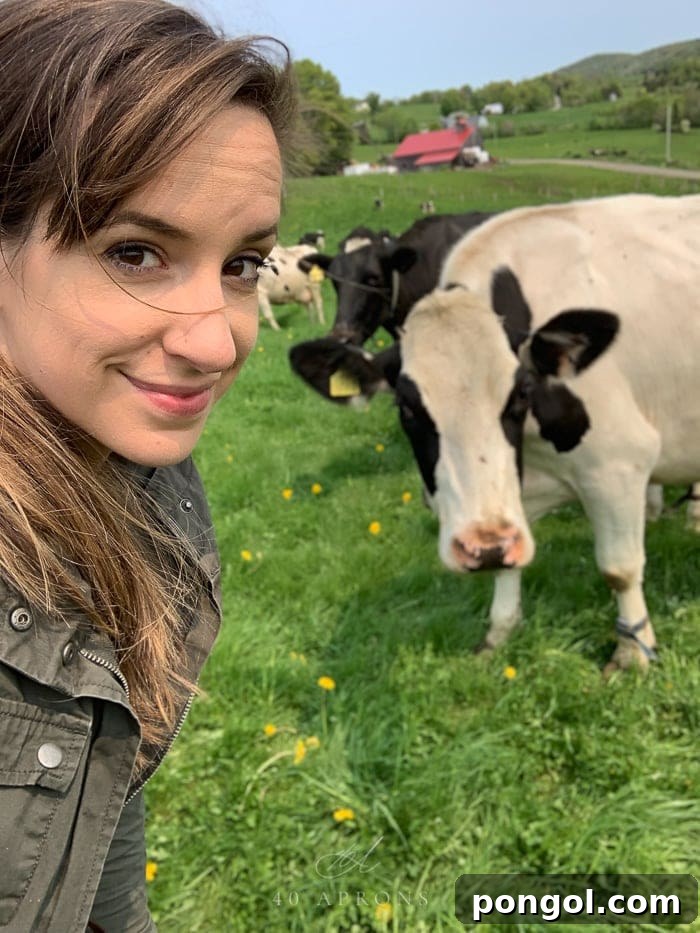
As a parent, the constant struggle to make the “best” choices for my children – from what to feed them to childcare decisions – can feel overwhelming. While I may not have all the answers to every parenting dilemma, visiting these organic farms and witnessing the differences firsthand has given me immense confidence in my food choices for my kids. I wholeheartedly recommend making the switch to organic dairy; for me, the peace of mind and the health benefits are undeniably worth it. If you have any questions about my experience or the advantages of organic farming, please don’t hesitate to reach out to me on Instagram!
Easy Yogurt Fruit Dip: A Simple Pleasure from Organic Goodness
Inspired by my enriching experience with Stonyfield Organic and the wonderful organic cow family I met, I crafted this incredibly simple and easy recipe. It’s designed to let the superb quality of good, organic yogurt truly shine, creating a versatile dip that everyone will adore.
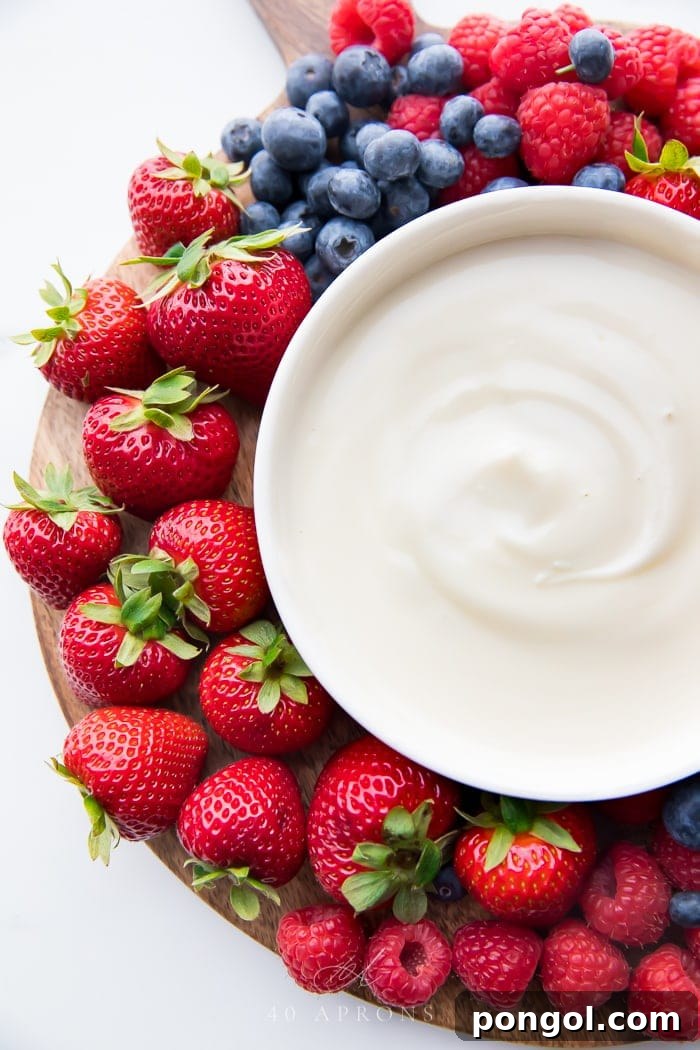
This delightful dip has quickly become a regular feature for dessert and snacks in my family. I’m quite certain we’ll always have a fresh batch stored in the fridge. Requiring only three ingredients and taking about two minutes to whip up, it’s unbelievably delicious paired with fresh fruits like strawberries, pineapple, or sliced apples.
Even my toddler, who is famously my toughest food critic, can’t get enough. In his own enthusiastic words:
“I LOVE strawberries and I LOVE this stuff to dip it in. I’m gonna have it EVERY DAY. It’s soooo yummy.”
And indeed, he asks for it daily! Given that it contains no refined sugar and is made with wholesome organic ingredients, I consider this an absolute parenting win.
Why You’ll Love This Easy Yogurt Fruit Dip
- Effortlessly Simple: With just 3 ingredients and a mere 2 minutes of prep time, it’s perfect for busy schedules.
- Versatile Delight: This creamy yogurt dip is ideal for serving with fresh fruit as a healthy dessert, a quick snack, or an impressive addition to any party spread.
- Naturally Sweetened: Made with pure maple syrup, it offers a wonderful sweetness without any refined sugars, making it a healthier choice.
- Irresistible Flavor: Enjoy a rich, creamy, and perfectly sweet taste with a beautiful hint of vanilla. Many describe its flavor and texture as delightfully similar to a light vanilla frosting!
How to Make This Dreamy Yogurt Fruit Dip
The foundation of this incredible dip is high-quality, organic yogurt. I always start with Stonyfield Organic Whole Milk Plain Yogurt. It’s probiotic-rich, wonderfully creamy, and of course, organic – truly an unbeatable choice for flavor and health benefits.
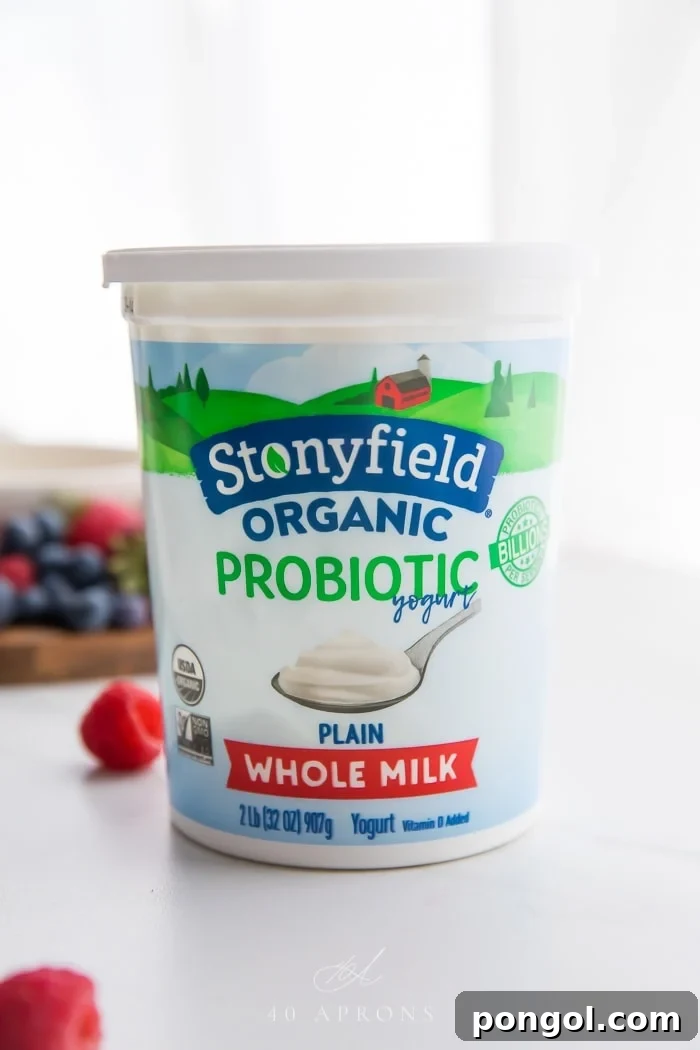
In a mixing bowl, combine one cup of Stonyfield Organic Whole Milk Plain Yogurt with two tablespoons of pure maple syrup (or honey for an alternative sweetener) and two teaspoons of pure vanilla extract. Whisk all the ingredients together until the mixture is completely smooth and lusciously creamy. That’s all there is to it!
Serve your freshly made dip immediately alongside an assortment of fresh fruits, or transfer it to an airtight container and refrigerate for up to one week, ready for whenever a sweet, healthy craving strikes.
Exciting Variations to Customize Your Dip
Feel like experimenting? Here are some delicious ideas to switch up your yogurt fruit dip:
- Chocolate Lover’s Dream: Stir in 1-2 tablespoons of unsweetened cocoa powder for a rich and decadent chocolate yogurt fruit dip.
- Warmly Spiced: Add a couple of shakes of ground cinnamon or a pinch of nutmeg for a cozy, spiced twist.
- Citrus Zest: Whisk in the zest of one lemon or two limes for a bright and refreshing citrus flair that perfectly complements the fruit.
- Nutty Indulgence: Incorporate 1-2 tablespoons of your favorite nut butter – peanut, almond, or hazelnut – for a creamy, protein-packed, and nutty variation.
Other Delicious Recipes You’ll Love
- Paleo Chocolate Mousse Dip for Strawberries
- Festive Valentine’s Dessert Board
- Easy Shredded Chicken Salad (Costco Style)
- Creamy Avocado Crema with Greek Yogurt
- Classic Tarragon Chicken Salad with Almonds
Hey – you’ve made it this far, and now we’re best friends! If you make this recipe, I’d love for you to give it a star rating ★ below. Make sure you follow me onInstagram,Pinterest, andFacebook, too!
Easy Yogurt Fruit Dip Recipe
Recipe By: Cheryl Malik
Prep Time: 2 minutes
Total Time: 2 minutes
A creamy, rich, perfectly sweet yogurt fruit dip that only uses 3 ingredients and takes 2 minutes. Super easy to make for dessert, snack, or served with a fruit tray for a party.

Ingredients
- 1 cup Stonyfield Organic Whole Milk Plain Yogurt
- 2 tablespoons pure maple syrup (or honey or other sweetener)
- 2 teaspoons pure vanilla extract (recommended brand link)
Instructions
- Stir together all ingredients until very smooth. Serve with fruit for dipping.
Notes
- Storage Notes: Keep in an airtight container for up to 5-7 days in the refrigerator.
- Variations: Try stirring in cocoa powder, a dash of cinnamon, 1-2 tablespoons of peanut or nut butter, or 1-2 teaspoons of lemon or lime zest.
Recipe yields approximately 1 cup of yogurt dip. Nutritional values shown are general guidelines and reflect information for one quarter of a cup of yogurt dip and do not include information for any fruit you might eat with the yogurt dip. Macros may vary slightly depending on specific brands or types of ingredients used.
Approximate Nutrition Information for One Serving (0.25 cup)
- Calories: 70 cal
- Protein: 2g
- Fat: 2g
- Saturated Fat: 1g
- Cholesterol: 8mg
- Sodium: 29mg
- Potassium: 120mg
- Total Carbs: 10g
- Sugar: 9g
- Net Carbs: 10g
- Vitamin A: 61 IU
- Vitamin C: 1mg
- Calcium: 85mg
- Iron: 1mg
Nutrition Disclaimers
Number of total servings shown is approximate. Actual number of servings will depend on your preferred portion sizes.
Nutritional values shown are general guidelines and reflect information for 1 serving using the ingredients listed, not including any optional ingredients. Actual macros may vary slightly depending on specific brands and types of ingredients used.
To determine the weight of one serving, prepare the recipe as instructed. Weigh the finished recipe, then divide the weight of the finished recipe (not including the weight of the container the food is in) by the desired number of servings. Result will be the weight of one serving.
Did You Make This Recipe?
Tag @40aprons on Instagram and be sure to leave a review on the blog post!
Rate this Recipe
Tag @40Aprons on Instagram