
Staying healthy and vibrant shouldn’t be confined to the great outdoors. Whether you find yourself spending more time inside due to weather, personal circumstances, or simply choosing a cozy day in, maintaining a holistic approach to your well-being is paramount. This comprehensive guide offers practical strategies to cultivate good eating habits, integrate physical activity, prioritize mental health, and ensure a clean living environment, all from the comfort of your home. It’s about transforming your indoor space into a sanctuary for health and vitality, ensuring you emerge from your time indoors feeling refreshed, resilient, and ready for anything.

Nourishing Your Body: Eat Well for Optimal Health Indoors
Good nutrition forms the bedrock of physical and mental health, especially when your routine shifts to spending more time at home. Thoughtful meal planning and smart grocery management can make a significant difference in your energy levels, mood, and immune system resilience.
- Strategic Grocery Shopping: Utilizing Delivery & Pick-up Services. Embrace the convenience and safety of modern grocery solutions. Services like Whole Foods delivery through Amazon, Instacart, or Walmart pick-up offer a vast array of options for getting fresh, healthy food right to your doorstep or car. Many of these platforms entice new users with free first-time delivery or pick-up, making it an excellent opportunity to try them out. When using these services, always opt for contactless delivery where available, asking your driver to leave goods at your door. Tipping through the app or online is not only convenient but also ensures a no-contact transaction, prioritizing both your and the driver’s safety. This approach helps minimize your exposure while keeping your pantry stocked with nutritious choices.
- Pantry Power: Stocking Smart for Long-Term Wellness. Beyond fresh produce, cultivating a well-stocked pantry is a smart strategy for enduring longer periods at home. Focus on acquiring a balanced mix of non-perishable staples like canned goods (beans, tomatoes, tuna), dried pasta, rice, quinoa, and legumes. These items boast extended shelf lives and form the base for countless healthy meals. Simultaneously, choose fresh foods that naturally last longer, such as root vegetables (potatoes, carrots, onions), hardy greens, and citrus fruits. A well-organized pantry means fewer urgent grocery runs, greater culinary flexibility, and peace of mind knowing you have essential ingredients readily available for healthy home cooking.
- Prioritizing Freshness: Eating Perishables First. One of the common pitfalls of limited grocery trips is forgetting about perishable items until they spoil. To avoid food waste and maximize your fresh ingredients, make a conscious effort to consume your dairy products, meats, fresh produce, and anything with an upcoming expiration date as soon as possible. Develop a meal plan that strategically incorporates these items early in the week. This not only ensures you enjoy the freshest ingredients at their peak but also makes subsequent meals with non-perishables feel less rushed and more creative. It’s an effective way to manage your food inventory and ensure nothing goes to waste.
- Mastering Food Preservation: Refrigerate & Freeze Wisely. Extending the life of your food is crucial when grocery visits are less frequent. The refrigerator and freezer are your best allies in this. For instance, a loaf of bread can last significantly longer in the fridge than on the counter. Any meat you don’t plan to cook immediately should be portioned and frozen. Beyond the basics, consider freezing fruits for smoothies, blanching and freezing vegetables, or even freezing cooked grains and sauces for quick future meals. If you have a secondary fridge or a chest freezer, optimizing their temperatures can further aid in preservation. Properly stored food helps maintain its nutritional value and reduces the frequency of your shopping trips.
- Embrace the Chef Within: Discovering the Joy of Home Cooking. For many, spending more time indoors presents a golden opportunity to rekindle a love for cooking or to learn new culinary skills. If cooking has felt like a chore, now is the perfect moment to transform it into an enjoyable, creative outlet. Take out those ingredients you’ve been meaning to use and experiment! Don’t know where to start? Try searching for recipes based on your main ingredients—a simple “chicken recipes” or “spaghetti ideas” search on your favorite food blogs can yield endless inspiration. If you’re missing an ingredient, challenge yourself to find suitable substitutions or consider ordering groceries to complete your dish. Home cooking allows you to control ingredients, experiment with flavors, and ultimately foster a healthier relationship with food.
- Mindful Consumption: Moderating Alcohol Intake. While a drink here and there can be enjoyable, regular or excessive alcohol consumption can significantly undermine your health and disrupt your well-being, especially when confined indoors. Beyond its potential to harm your liver and overall health, alcohol interferes with sleep patterns and weakens the immune system. It can negatively impact gut health and make you more susceptible to illnesses. Furthermore, while it might seem like a quick fix for stress or anxiety, using alcohol or other substances to cope can actually exacerbate mental health issues in the long run. Seek healthier coping mechanisms like meditation, exercise, or connecting with loved ones instead of relying on substances.
- Supplementing Your Health: The Role of Vitamins & Supplements. In periods of reduced outdoor activity, particularly less sun exposure, supplementing your diet can be a wise consideration. A high-quality multi-vitamin can help bridge any nutritional gaps. Vitamin D, often called the “sunshine vitamin,” is especially important, and a supplement might be beneficial if you’re not getting enough natural daylight. For immune support, ingredients like Camu Camu berry, rich in Vitamin C and antioxidants, can help reduce inflammation and bolster your body’s defenses. Many also find medicinal mushroom blends beneficial for immunity. However, remember to always consult your doctor before starting any new supplement regimen, as individual needs vary, and what works for some may not be suitable for others. We are not medical professionals, and this information is for educational purposes only.
Energizing Your Body: Keep Moving and Stay Active Indoors
Physical activity is a powerful antidote to the sedentary nature of indoor living. It’s not just about maintaining physical fitness; it’s crucial for boosting your mood, reducing stress, and supporting a robust immune system.
- Daily Movement: Making Exercise a Routine. Consistency is key when it comes to exercise, particularly when your usual routines are disrupted. Aim for some form of physical activity daily, even if it’s just a short burst. The digital age has brought an explosion of at-home fitness programs, from dedicated apps to free online classes. Explore different workouts to find what resonates with you, whether it’s high-intensity interval training (HIIT), dance fitness, or gentle stretching. Making exercise a non-negotiable part of your day will keep your energy levels up and contribute significantly to your overall well-being.
- Strength at Home: Bodyweight & Weighted Exercises. Don’t underestimate the power of strength training. If you have weights, now is the time to dust them off. If not, bodyweight exercises are incredibly effective for building and maintaining muscle. Think squats, push-ups, planks, and lunges – all can be done with no equipment. For an added challenge, get creative with household items like filled water bottles or heavy books. Strength training not only improves physical strength and bone density but also keeps your metabolism active and promotes the release of endorphins, boosting your mood. Platforms like Pinterest, YouTube, and apps like “Workout” or “StrongLifts” offer excellent guidance for all levels.
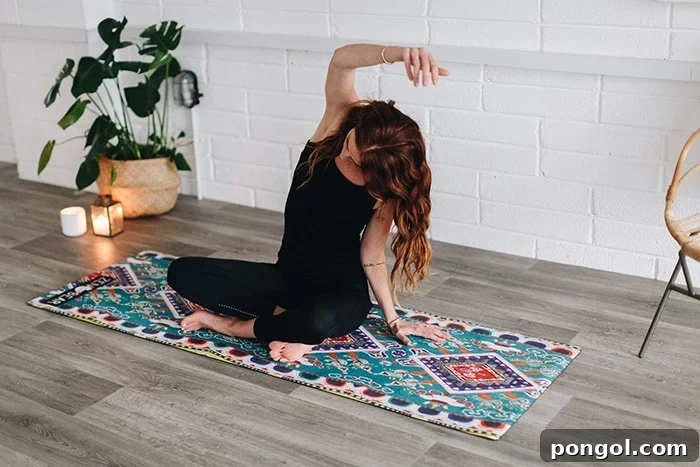
- Mind-Body Harmony: Embracing Yoga for Flexibility & Calm. Yoga offers a unique blend of physical challenge and mental tranquility, making it an ideal indoor activity. It helps improve flexibility, strength, and balance while simultaneously promoting relaxation and stress reduction – which is incredibly important during periods of uncertainty or confinement. Whether you’re a seasoned yogi or a complete beginner, there are countless resources available. Online platforms like Yoga International and Glo offer extensive libraries of classes, while YouTube channels like “Yoga with Adriene” provide free, accessible sessions for everyone. Incorporating yoga can profoundly impact both your physical and mental well-being.
- Heart-Pumping Fun: Incorporating Cardio into Your Indoor Routine. Cardio workouts are fantastic for cardiovascular health, boosting energy, and enhancing mental clarity. Even if going outside for a run isn’t an option, there are myriad ways to get your heart rate up indoors. YouTube is a treasure trove of follow-along cardio workouts, from dance fitness to kickboxing. You might even rediscover an old Jazzercise video or Zumba DVD lying around. Don’t be afraid to get creative and have fun – put on your favorite upbeat music and dance like no one’s watching. These types of activities are not just good for your body; they’re excellent for releasing pent-up energy and improving your mood.
- Free Resources Alert: Taking Advantage of Wellness Apps. Keep an eye out for apps and services offering free trials or extended complimentary access, as many companies aim to support people during periods of increased indoor living. For example, apps like Down Dog (which includes yoga, barre, HIIT, and more) have sometimes offered free access for extended periods. These opportunities are invaluable for exploring new fitness modalities without commitment and ensuring you have a diverse range of options to keep your exercise routine fresh and engaging. Always check for current promotions and take advantage of these fantastic resources to enhance your home fitness journey.
Prioritizing Hygiene: Keep Things Clean and Safe
A clean environment contributes significantly to both physical health and mental peace. When spending more time indoors, maintaining good hygiene practices becomes even more important for a healthy living space.
- The Golden Rule: Frequent and Thorough Handwashing. This is paramount for preventing the spread of germs, both inside and outside the home. You should be washing your hands frequently and thoroughly for at least twenty seconds, using soap and water. A simple trick to gauge the time is to sing “Happy Birthday” twice or the chorus to a favorite song like “Oops, I Did It Again!” The CDC provides excellent guidelines on when and how to wash your hands effectively. While maintaining good hygiene is always important, especially when you’re staying at home, focus on following current general guidelines without feeling the need to go excessively overboard. Consistency and proper technique are what truly matter.
- Skin Health Matters: Moisturizing for Protection. With increased handwashing, your skin can become dry, cracked, and irritated. This isn’t just uncomfortable; cracked skin can create tiny entry points for bacteria, making you more prone to infection. Therefore, regular moisturizing is essential. After washing your hands, apply a good quality hand cream to replenish moisture and protect your skin barrier. Products like ShiKai Borage Therapy Hand Cream are known for their moisturizing properties. Make it a habit to hydrate your hands, ensuring they remain healthy and resilient against the drying effects of frequent washing.
- Sanctuary at Home: Maintaining a Clean Living Environment. Your home is your sanctuary, and keeping it clean fosters a sense of calm and well-being. Beyond personal hygiene, regularly disinfect high-traffic, high-touch areas such as doorknobs, light switches, countertops, and remote controls. This practice helps minimize the presence of germs and contributes to a healthier indoor environment. Adhere to general cleaning recommendations and be mindful of clutter, as a tidy space can also positively impact your mental state. A clean home is a comfortable home, supporting both your physical health and peace of mind during extended periods indoors.

Nurturing Your Mind: Don’t Forget Your Mental Health Indoors
While physical health is vital, nurturing your mental and emotional well-being is equally, if not more, crucial when your environment becomes more confined. Prioritizing mental health allows you to navigate indoor challenges with resilience and a positive outlook.
- Embrace the Light: The Importance of Sunlight & Light Therapy. Exposure to natural daylight plays a critical role in regulating your mood, energy levels, and circadian rhythm, which governs your sleep-wake cycle. If possible, make an effort to get some natural sunlight each day, even if it means sitting by an open window or stepping onto a balcony. Being in daylight is incredibly important for good mental health. If you live in an area with limited natural light or during darker seasons, consider investing in a therapy light, also known as a SAD lamp. These devices emit light that mimics natural outdoor light and can significantly boost your mood and energy.
- Calming the Storm: Managing Anxiety & Information Overload. In a world saturated with information, it’s easier than ever to feel overwhelmed, particularly when staying indoors might heighten feelings of isolation or uncertainty. While it’s important to stay informed, recognize when you need to step away from news cycles and social media. Obsessing over reports can quickly escalate anxiety. Set boundaries for your media consumption – designate specific times for news and then switch off. Practice grounding techniques, deep breathing exercises, or engage in hobbies that fully absorb your attention. Being able to relax and manage stress is vital for maintaining good mental health during any extended indoor period.
- Inner Peace: The Power of Meditation & Mindfulness. Meditation is a profound tool for calming the nervous system, reducing mental clutter, and fostering a sense of inner peace. It doesn’t require expertise; even a few minutes of mindful breathing can make a difference. If you’re new to meditation or find your mind tends to wander, guided meditations are incredibly helpful. Numerous apps like Calm and Headspace, as well as countless videos and podcasts, offer guided sessions tailored to various needs, from stress reduction to improved focus. Integrating meditation into your daily routine can significantly enhance your ability to cope with stress and maintain emotional balance.
- Rest & Rejuvenation: Prioritizing Quality Sleep. Sufficient, high-quality sleep is fundamental for managing anxiety, bolstering your immune system, and maintaining cognitive function. Even if your daily schedule has changed, strive to stick to a regular bedtime and waking time to help regulate your body’s natural sleep rhythm. Limit screen time in the evening, as the blue light emitted from devices can interfere with melatonin production, a hormone essential for sleep. Consider using apps that play soothing noises or guided meditations designed for sleep if you struggle to fall or stay asleep. Prioritizing rest will equip your mind and body to handle daily challenges with greater ease.
- Connecting Beyond Walls: Fostering Social Connections. Human beings are inherently social creatures, and isolation can be one of the most challenging aspects of spending extended periods indoors. While physical gatherings might be limited, creative solutions for staying connected abound. If you live with family or housemates, dedicate quality time together away from screens, like playing board games or cooking. For those living alone or separated from loved ones, leverage technology: schedule regular video calls with friends and family, host virtual coffee dates, or even coordinate watching a movie simultaneously and discuss it as you go. For work, utilize video conferencing platforms for team meetings instead of solely relying on email. Proactively nurturing your social bonds is vital for combating loneliness and maintaining a healthy mindset.
We sincerely hope these comprehensive suggestions provide you with actionable strategies for maintaining a vibrant and healthy lifestyle while spending more time indoors. Remember, wellness is a journey, not a destination, and even small consistent efforts can yield significant positive impacts. We encourage you to personalize these tips to fit your unique circumstances and preferences. Your well-being is a priority, and your home can truly be a haven for health.
Explore More Health & Wellness Resources
Delve deeper into specific aspects of health and wellness with our curated list of related articles:
- Benefits of Ashwagandha
- Why Healthy Skincare Matters to Overall Health
- Medicinal Mushrooms for Anxiety
- Benefits of Chlorella
- Dopamine Detox – What is It and How to Do It
- Benefits of Moringa
- 6 Gentle Natural Detox Methods
- All About Hygge
- How To Digital-Detox
- All About Lion’s Mane & Its Benefits
- Chlorophyll Water
- 20 Self Care Ideas for a Healthy Happy You
Hey – you’ve made it this far, and now we’re best friends! Make sure you follow me onInstagram,Pinterest, andFacebook, too!