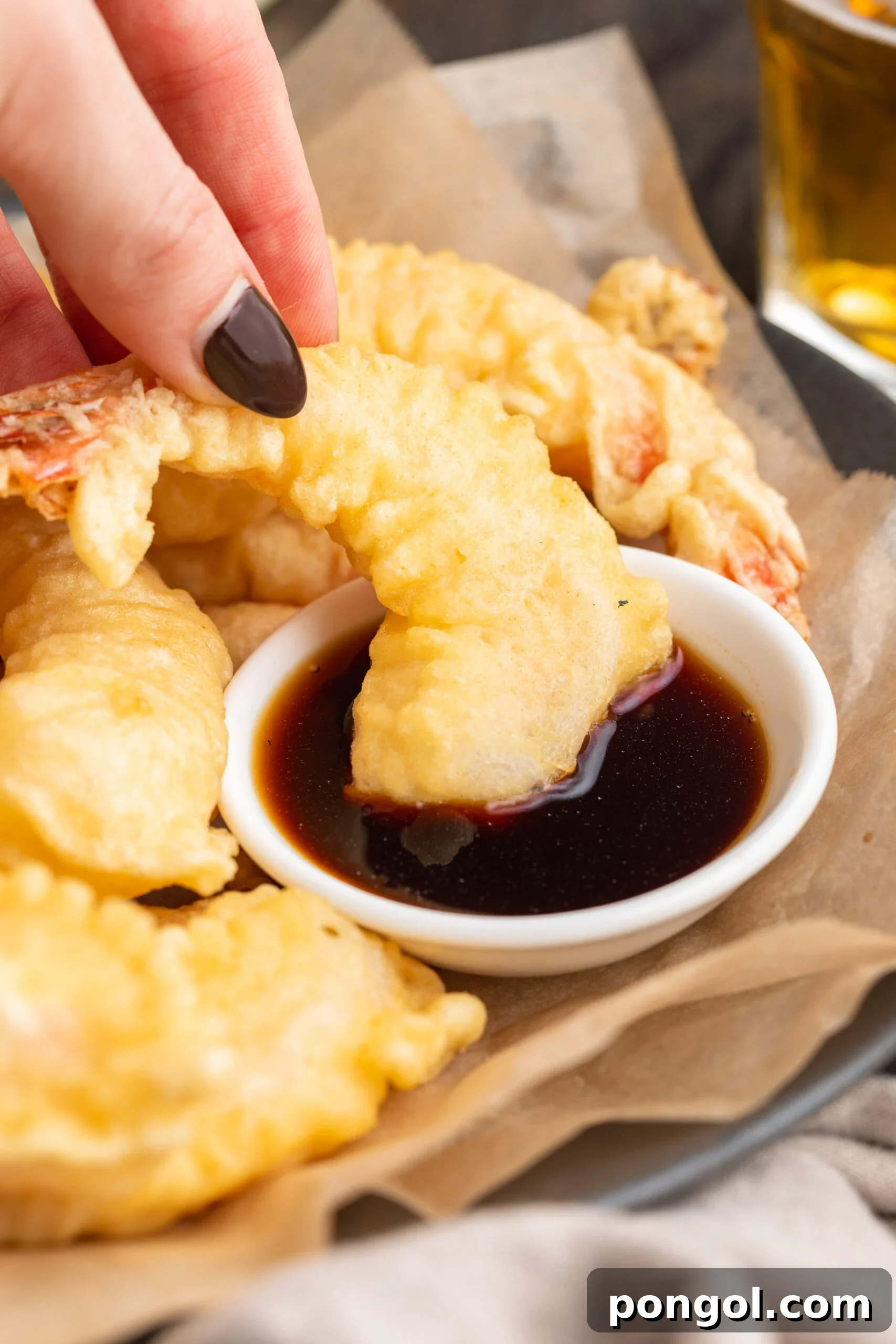
Ultimate Crispy Shrimp Tempura: A Restaurant-Quality Delight Made at Home
Imagine the satisfying crunch of perfectly fried, golden-brown shrimp tempura, each bite delivering a delicate crispiness that melts in your mouth. This exquisite dish, often savored in Japanese restaurants, is surprisingly simple to recreate in your own kitchen. Our comprehensive guide walks you through the process, ensuring you achieve that desired light and airy texture, complete with an incredibly easy-to-make, savory tempura dipping sauce. Ready in roughly 30 minutes, this recipe is perfect for an impressive appetizer, a quick and delicious main course, or adding an authentic touch to your home dining experience. Prepare to delight your family and friends with this homemade masterpiece!
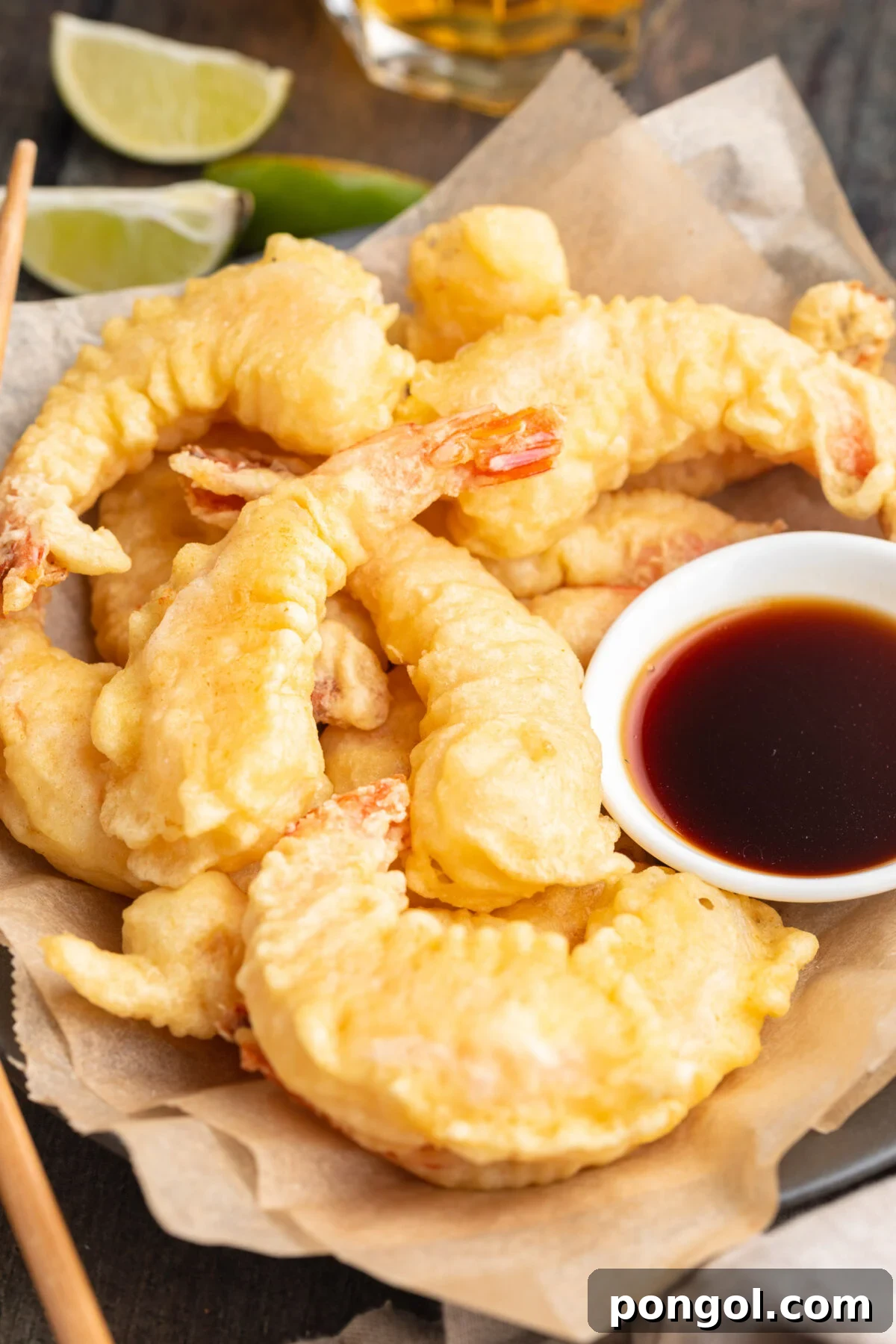
🍤 Unrivaled Reasons to Love This Shrimp Tempura Recipe
This isn’t just another recipe; it’s your definitive guide to mastering the art of shrimp tempura at home. We’ve crafted this recipe to be approachable, efficient, and incredibly rewarding, ensuring every batch is a success.
- Authentic Restaurant-Style Tempura, Ready in Minutes: Craving the exquisite taste of Japanese restaurant tempura but prefer the comfort and convenience of your home? This recipe is your culinary passport! In approximately 30 minutes, you’ll be serving beautifully crisp, golden shrimp tempura that boasts an authentic flavor and texture. It’s the perfect solution for satisfying those takeout cravings without leaving your house, offering a fresh, high-quality alternative that’s surprisingly easy to achieve.
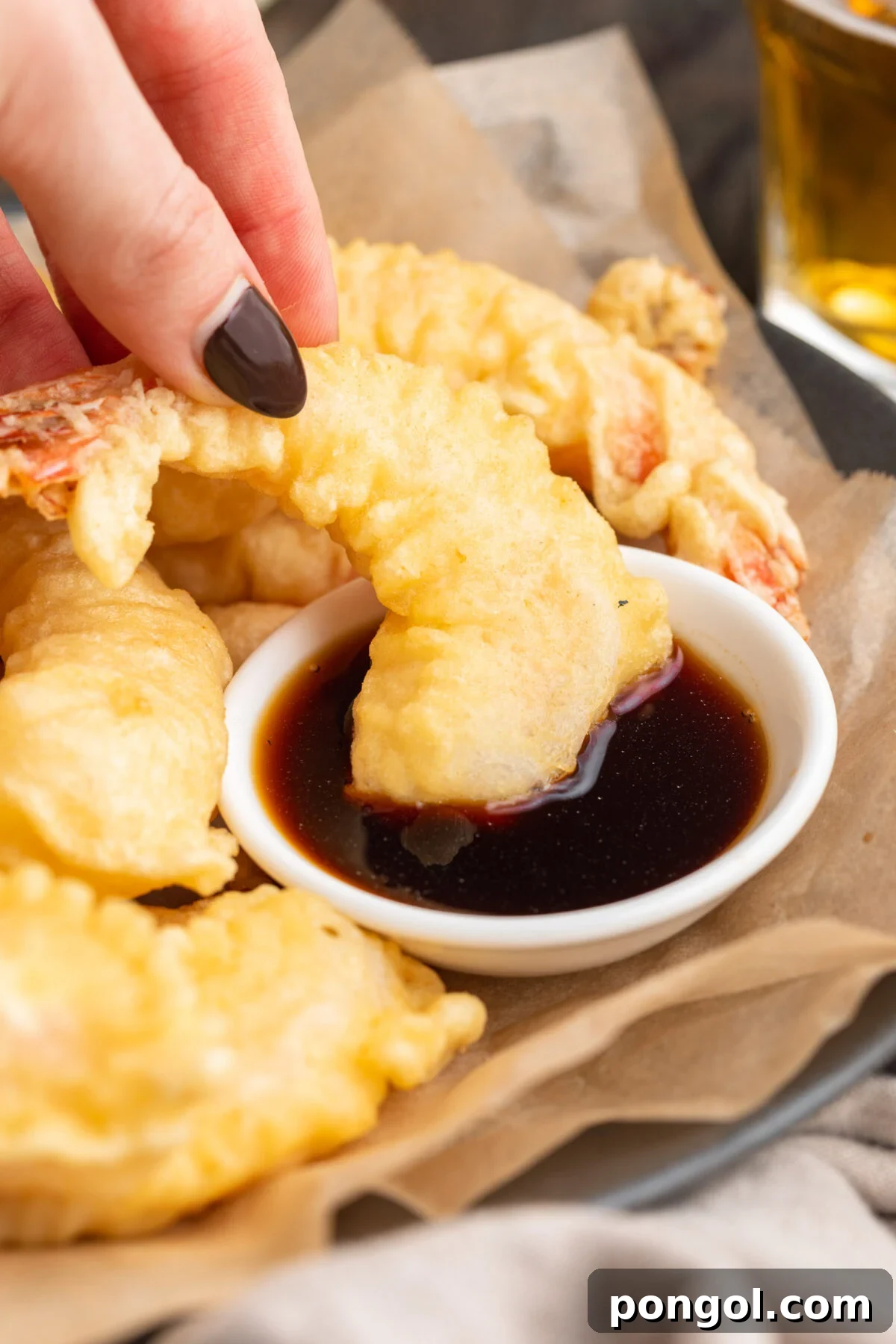
- The Essential Companion: Simple Homemade Tempura Dipping Sauce: No shrimp tempura experience is complete without its traditional dipping sauce. Our recipe includes a straightforward guide to preparing a warm, savory tempura sauce that perfectly complements the fried shrimp. This umami-rich condiment enhances every bite. While we highly recommend this classic pairing, feel free to explore other dipping options such as a tangy sweet and sour sauce, a rich eel sauce, or any other sauce that suits your preference.
- Incredibly Versatile for Any Meal: Shrimp tempura is undeniably delicious as a standalone dish, making it an excellent appetizer or light main course. However, its versatility extends far beyond that! Integrate it into a homemade sushi roll for an added layer of texture and flavor, or elegantly arrange it on top of a comforting bowl of miso or udon soup. For a more substantial meal, serve it alongside hibachi-style fried rice, classic lo mein noodles, or a vibrant medley of stir-fry vegetables. The possibilities are endless!
- Efficiency Meets Elegance: With a total preparation and cooking time of under half an hour, this recipe is ideal for busy weeknights when you need a quick yet impressive meal. It’s also perfect for entertaining, allowing you to whip up a gourmet dish without spending hours in the kitchen.
👩🍳 Mastering Tempura: Essential Chef’s Tips for Unbeatable Crispiness
Achieving that signature light, airy, and incredibly crispy tempura is an art, but one that’s easily mastered with a few expert insights. These fundamental techniques will transform your homemade shrimp tempura from good to truly exceptional, ensuring a perfect result every single time.
- The Secret to Lightness: Keep the Batter Ice Cold! This is the cornerstone of perfect tempura. Warm batter leads to gluten development, resulting in a heavy, chewy coating. To prevent this, ensure all your batter ingredients – flour, cornstarch, egg, and water – are thoroughly chilled. For an extra edge, place your mixing bowl in an ice bath while preparing and using the batter. It’s crucial to work quickly: once the shrimp are dipped, they should immediately go into the hot oil. The less time the batter spends at room temperature, the crispier your tempura will be.
- Precision in Frying: Oil Temperature is Critical: The temperature of your frying oil is paramount for tempura success. We cannot emphasize this enough: for consistent, professional results, a candy thermometer or a deep-fry thermometer clipped to the side of your pot is indispensable. Maintain a steady 350°F (175°C). Oil that is too cool will result in greasy tempura, as the batter absorbs excess oil. Conversely, oil that is too hot will brown the exterior too quickly, leaving the interior undercooked and preventing the batter from fully crisping. Always allow the oil to return to 350°F after each batch, as adding cold shrimp will naturally lower the temperature. If a thermometer isn’t available, a wooden spoon offers a rough test: dip its handle into the hot oil; if tiny bubbles vigorously form around the wood, your oil is ready.
- The Art of Straight Shrimp: The Slitting Technique: Ever wondered how restaurant tempura shrimp always appear so beautifully straight and perfectly coated? The secret lies in a simple preparation technique! By making 4 or 5 shallow, horizontal slits along the inner curve (belly) of each peeled and deveined shrimp, you release the tension in the muscle fibers. This allows the shrimp to gently bend backward and straighten out when fried, preventing the common curling. This not only ensures an appealing presentation but also facilitates a more even application of batter, leading to consistently crispy results across the entire shrimp. Remember to make the slits shallow and not cut entirely through the shrimp.
- Avoid Overmixing the Batter: A key to light and airy tempura is a slightly lumpy batter. Overmixing develops gluten in the flour, which will make your tempura tough and bread-like, rather than delicate and crisp. Whisk the ingredients just enough to combine the wet and dry components; a few small lumps are not only acceptable but desirable, as they contribute to the irregular, craggy texture characteristic of authentic tempura.
- Fry in Small Batches: Resist the temptation to overcrowd your pot. Frying too many shrimp at once will drastically lower the oil’s temperature, leading to greasy, soggy tempura. Work in small batches, ensuring there’s ample space for the shrimp to cook evenly. This also allows the oil temperature to recover quickly between batches, maintaining optimal frying conditions for consistent crispiness.
🍤 The Rich History of Tempura: A Culinary Journey from Portugal to Japan
While synonymous with Japanese cuisine today, tempura boasts a fascinating history rooted in unexpected origins. The technique of deep-frying fish and vegetables was introduced to Japan in the 16th century by Portuguese Jesuit missionaries and traders who arrived in Nagasaki. The word “tempura” itself is believed to derive from “tempora,” a Latin term referring to the Ember Days, periods in the Catholic calendar when abstinence from meat was practiced, and meals often consisted of seafood or vegetables. The Portuguese frying method, primarily using a simple wheat flour batter, was quickly adopted and adapted by Japanese cooks. Over centuries, this foreign culinary import was refined and transformed to suit local ingredients and culinary aesthetics. It evolved from a rustic street food, popular among the common people, into the delicate, light, and airy dish we recognize today – a testament to Japan’s unique culinary innovation and mastery of deep-frying techniques. This recipe allows you to experience a piece of this rich culinary heritage, bringing the refined art of tempura right into your home kitchen.
Selecting and Preparing the Perfect Shrimp for Tempura
The success of your shrimp tempura begins with choosing and preparing the right shrimp. Optimal shrimp quality and proper preparation are crucial for achieving the best flavor, texture, and visual appeal in your finished dish.
- Prioritize Freshness: Always select the freshest large shrimp available. Look for shrimp that are firm, plump, and possess a translucent sheen. They should have a mild, oceanic aroma, not a strong or fishy smell. Freshness significantly impacts the final taste and texture of your tempura.
- Consider Shrimp Size: Large or jumbo shrimp are ideal for tempura. Their substantial size provides a satisfying, meaty bite and makes them much easier to handle when dipping in batter and frying in hot oil. Smaller shrimp tend to overcook quickly and can be more challenging to manage.
- Peeled and Deveined: To save valuable time and effort in the kitchen, opt for shrimp that are already peeled and deveined. If you purchase them unprepared, ensure you thoroughly peel and devein each one yourself. Traditionally, the tail is left on, serving not only for presentation but also as a convenient “handle” for dipping the shrimp into the batter and eating the finished tempura.
- Thoroughly Dry the Shrimp: Before you even think about battering, it is absolutely critical to pat the shrimp completely dry with paper towels. Any residual moisture on the shrimp’s surface can cause the hot oil to splatter dangerously and, more importantly, will prevent the tempura batter from adhering properly, leading to a less crispy and uneven coating.
The Science Behind the Signature Crispy Tempura Batter
That ethereal, light, and impossibly crispy coating that defines perfect tempura isn’t magic; it’s a brilliant application of culinary science. Understanding how each ingredient and technique contributes to this unique texture will empower you to create consistently amazing tempura every time.
- The Critical Role of Cold Ingredients: As highlighted in our chef’s tips, keeping all components of your batter ice cold is paramount. Using cold water and a cold egg is essential because low temperatures significantly inhibit the formation of gluten when these liquids are combined with flour. Gluten, a protein network, is responsible for making dough elastic and chewy. For tempura, our goal is minimal gluten development to ensure a delicate, shattering crispiness, as opposed to a dense, bread-like texture.
- The Power Duo: Flour and Cornstarch: All-purpose flour forms the primary structure of the tempura batter. However, the addition of cornstarch is a strategic secret for achieving extra crispiness. Cornstarch, being a pure starch, contains no gluten. When heated rapidly in hot oil, it contributes to an exceptionally light and brittle shell. This precise combination of flour and cornstarch yields a batter that is delicate yet robust enough to create that signature crispy exterior.
- Minimal Mixing for Maximum Lightness: One of the most common mistakes in tempura preparation is overmixing the batter. Vigorous or prolonged mixing develops gluten, which will inevitably lead to a tough, heavy, and chewy tempura coating. The goal is to mix the ingredients just enough until the wet and dry components are barely combined. A few small lumps are not just acceptable but actually contribute positively to tempura’s characteristic irregular, craggy surface, which maximizes surface area for unparalleled crispiness when fried.
- Rapid Frying for Air Pockets: The quick cooking process in hot oil is what truly transforms the batter. The water within the cold batter rapidly vaporizes upon contact with the hot oil, creating steam bubbles. These bubbles expand and escape, leaving behind a complex network of tiny air pockets within the starch and protein matrix of the batter. It is these microscopic air pockets that give tempura its unique, incredibly light, and airy texture, which shatters satisfyingly with every bite.
More Delicious Seafood Recipes to Explore
If your love for the ocean’s bounty extends beyond shrimp tempura, you’re in for a treat! Discover these other fantastic seafood-centric recipes that are sure to become new favorites in your culinary rotation:
- Indulgent Lobster Mac and Cheese: A creamy, cheesy classic elevated to gourmet status with succulent lobster pieces.
- Hearty Instant Pot Clam Chowder: A comforting and rich clam chowder, made quickly and easily in your Instant Pot.
- Loaded Seafood Baked Potato: A deliciously filling and versatile meal, topped with a medley of flavorful seafood.
- Gourmet Lobster Fried Rice: Transform your fried rice into a luxurious main dish with tender lobster.
- Classic Tuna Tetrazzini: A timeless and comforting pasta bake, perfect for a family dinner.
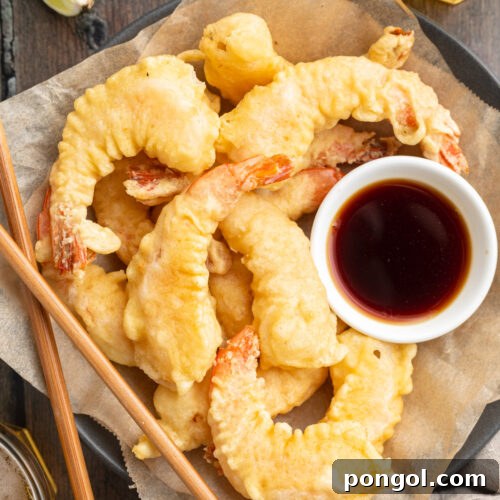
Authentic Crispy Shrimp Tempura with Dipping Sauce
Prep Time: 15 minutes
Cook Time: 10 minutes
Total Time: 25 minutes
Learn how to make incredibly light and crispy shrimp tempura with a delightful homemade tempura dipping sauce in just 30 minutes. Perfect for a quick appetizer or a satisfying main course!

Sam Guarnieri
Pin Recipe
Servings: 6 servings
Equipment Needed
- Small saucepan
- 2 whisks
- 2 Large plates
- Paper towels
- Wire cooling rack (optional but highly encouraged for extra crispiness)
- Large pot (or a large wok)
- Deep-fry thermometer
- Paring knife
- Small mixing bowl
- Medium mixing bowl
- Slotted spoon
Ingredients
For the Tempura Dipping Sauce
- 1 teaspoon dashi powder
- ¾ cup water
- 2 tablespoons soy sauce
- 2 tablespoons mirin (or rice wine vinegar)
- 1 teaspoon granulated sugar
For the Shrimp
- 2 cups fry oil with high smoke point (e.g., sesame oil, peanut oil, canola oil)
- 1 pound large shrimp (peeled, deveined, tails on)
For the Crispy Tempura Batter
- ¼ cup cornstarch (chilled)
- 1 cup all-purpose flour (chilled)
- 1 large cold egg
- 1 cup very cold water (ice cold)
Instructions
Prepare the Tempura Dipping Sauce
-
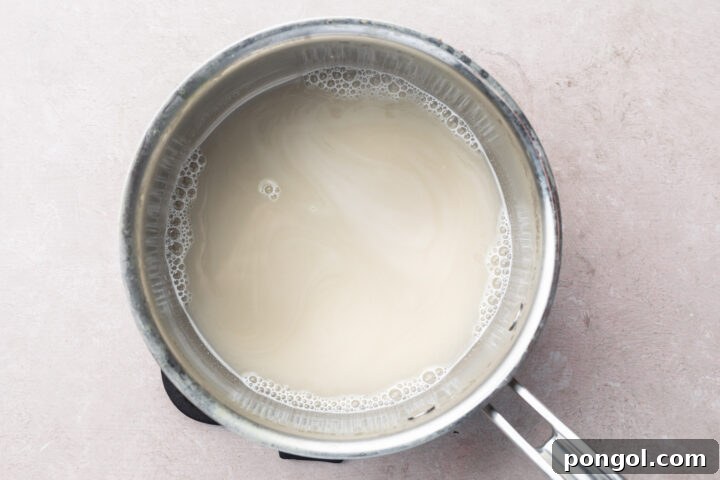
Heat a small saucepan over medium heat. Once warm, add the dashi powder and water. Whisk thoroughly until the dashi powder is fully dissolved and combined with the water. Bring this mixture to a gentle simmer.

-
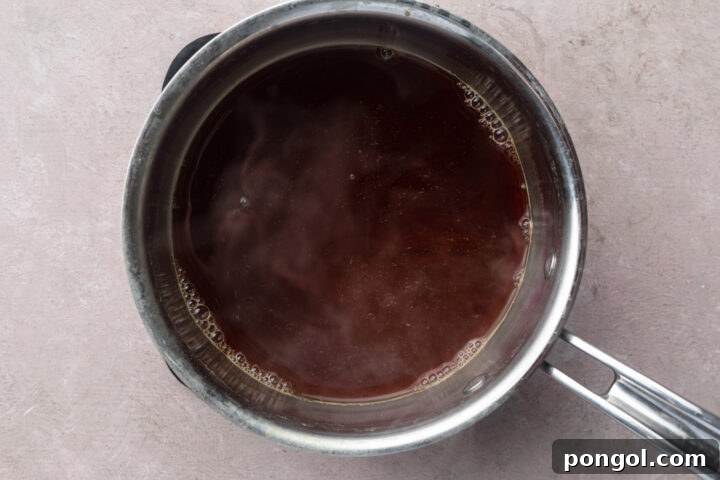
As the dashi mixture begins to simmer, stir in the soy sauce, mirin (or rice wine vinegar), and granulated sugar. Whisk again to ensure all ingredients are well incorporated. Continue to simmer for 2 to 3 minutes, or until the sugar has completely dissolved. Taste and adjust seasoning if necessary.
-
If you plan to serve the tempura sauce shortly after preparation, simply turn off the heat but leave the saucepan on the burner to keep it warm. For later use, remove the saucepan from the heat, allow the sauce to cool completely to room temperature, then transfer it to a glass jar with a lid or any similar airtight container. Refrigerate for up to 2 weeks. Always warm the sauce gently before serving.
Prepare the Shrimp for Frying
-
Line a large plate with several layers of paper towels to absorb excess oil after frying. For even crispier tempura, place a wire cooling rack over the paper towels. Set this assembly aside.
-
Place a large pot (or a large wok) on your stovetop over medium-high heat. Once the pot is warm, carefully pour in 2 cups of neutral fry oil with a high smoke point (such as sesame oil, peanut oil, or canola oil). Continue heating the oil until it reaches a consistent temperature of 350°F (175°C). Use a deep-fry thermometer to monitor this accurately.
-
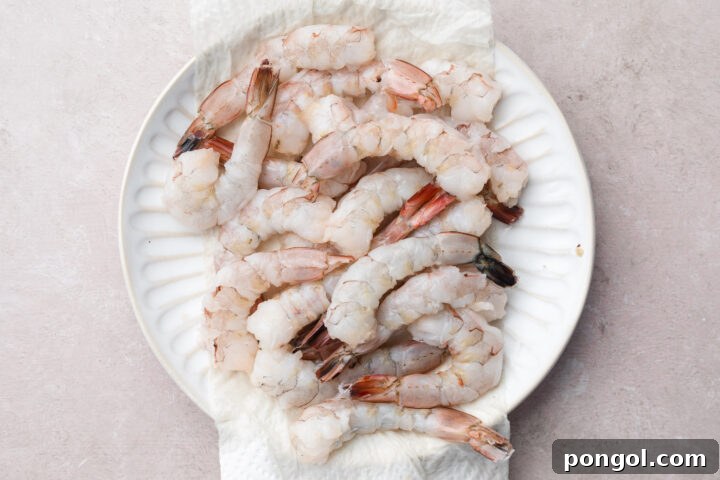
While the oil is heating, prepare your shrimp. Lay each peeled and deveined shrimp flat. Using a paring knife, make 4 to 5 small, shallow, horizontal slices or slits on the underside (belly) of each shrimp. Be careful not to cut all the way through; these slits are designed to prevent the shrimp from curling.
-
Gently bend each slit shrimp backward slightly until it straightens out. This ensures an even fry and a beautiful presentation. Place the straightened shrimp on a second large plate. Repeat this process for all your shrimp.
Prepare the Tempura Batter and Fry the Shrimp
-
Place the chilled cornstarch in a small mixing bowl. This will be used for dredging. Set it aside.
(Tip: Keep all your batter ingredients as cold as possible. You can even place the mixing bowl in an ice bath if desired.)
-
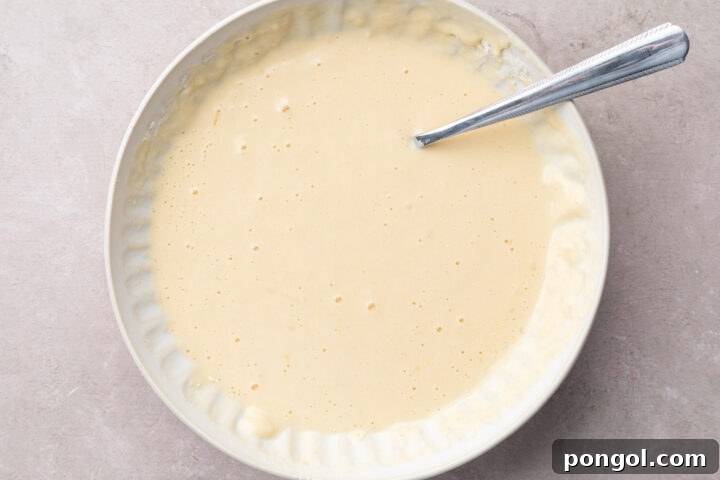
In a medium mixing bowl, combine the chilled all-purpose flour, the cold large egg, and the very cold water. Whisk these ingredients together just until they are combined. It’s crucial not to overmix the batter; a few small lumps are perfectly fine and contribute to the authentic, light texture of tempura.
-
Before battering, pat the shrimp completely dry once more with paper towels to ensure optimal batter adhesion and prevent oil splattering.
-
Working in small batches (do not overcrowd), first dredge each shrimp in the cornstarch, ensuring it’s well-coated on all sides. Gently shake off any excess cornstarch back into the bowl. Immediately transfer the cornstarch-coated shrimp to the wet tempura batter. Dip the shrimp fully in the batter, coating it completely. Lift the shrimp above the bowl, allowing any excess batter to drip off. Then, without delay, carefully place the battered shrimp into the preheated 350°F (175°C) oil.
-
Continue the battering process, adding shrimp to the fry oil until your pot is about half full. It’s vital not to overcrowd the pot, as this will drop the oil temperature and result in soggy tempura. Ensure there’s enough space for the shrimp to fry evenly.
-
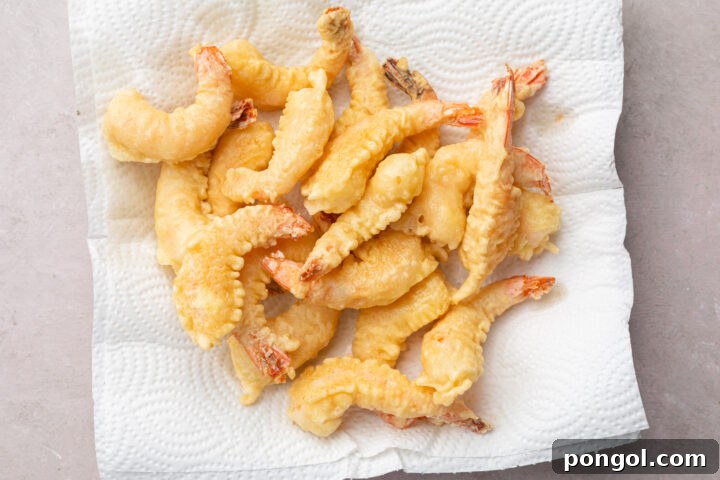
Fry the shrimp until they turn a beautiful golden brown and are incredibly crispy, which typically takes approximately 2 minutes per batch. Once golden, use a slotted spoon to carefully remove the fried shrimp from the oil and transfer them to the wire cooling rack (or paper-towel-lined plate) you prepared earlier. After each batch, use the slotted spoon to remove any fried batter bits or crumbs from the oil to keep it clean and prevent burning, which can affect the taste of subsequent batches.
-
Repeat this entire process until all shrimp have been battered and perfectly fried. Allow the shrimp to rest on the wire cooling rack just long enough for any remaining excess fry oil to drain off.
-
Serve your perfectly crispy fried shrimp immediately with the warm tempura dipping sauce you prepared. Enjoy the ultimate homemade tempura experience!
Important Recipe Notes for Success
- Wire Cooling Rack for Optimal Crispiness: Using a wire cooling rack positioned over paper towels is highly recommended. If you place the fried shrimp directly on paper towels, they will sit in any drained excess oil, which can lead to sogginess. The rack elevates the tempura, allowing air circulation and preventing them from getting greasy, ensuring maximum crispness.
- Maintaining Cold Tempura Batter: The key to a light, airy, and crispy batter is keeping all its components and the mixed batter as cold as possible. If necessary, after mixing, place the batter bowl in the refrigerator or over an ice bath to keep it chilled until you are ready to coat the shrimp. Remember, shrimp should be fried immediately after being coated in the cold batter.
- Leftovers & Storage: Any leftover tempura sauce can be stored in an airtight container in the refrigerator for up to 2 weeks. While freshly fried tempura is always best, leftover shrimp tempura can be stored in an airtight container in the fridge for 1-2 days. To reheat and regain some crispness, use an air fryer or oven at 350°F (175°C) until warmed through and crispy again.
Approximate Nutrition Information for One Serving
(Based on 1 serving of shrimp tempura with tempura sauce)
- Serving Size: 1 serving of shrimp tempura with tempura sauce
- Calories: 497 kcal
- Protein: 14 g
- Fat: 38 g
- Saturated Fat: 6 g
- Trans Fat: 0.01 g
- Cholesterol: 126 mg
- Sodium: 863 mg
- Potassium: 132 mg
- Total Carbohydrates: 25 g
- Fiber: 1 g
- Sugar: 2 g
- Net Carbs: 24 g
- Vitamin A: 181 IU
- Vitamin C: 0 mg
- Calcium: 52 mg
- Iron: 1 mg
Nutrition Disclaimers
The number of total servings shown is approximate. Actual number of servings will depend on your preferred portion sizes.
Nutritional values shown are general guidelines and reflect information for 1 serving using the ingredients listed, not including any optional ingredients. Actual macros may vary slightly depending on specific brands and types of ingredients used.
To determine the weight of one serving, prepare the recipe as instructed. Weigh the finished recipe, then divide the weight of the finished recipe (not including the weight of the container the food is in) by the desired number of servings. The result will be the weight of one serving.
Did You Make This Delicious Shrimp Tempura Recipe?
We’d love to see your culinary creations and hear your thoughts! Share your photos on Instagram and tag @40aprons. Your feedback helps us improve and inspires other home cooks.
Tag @40Aprons on Instagram