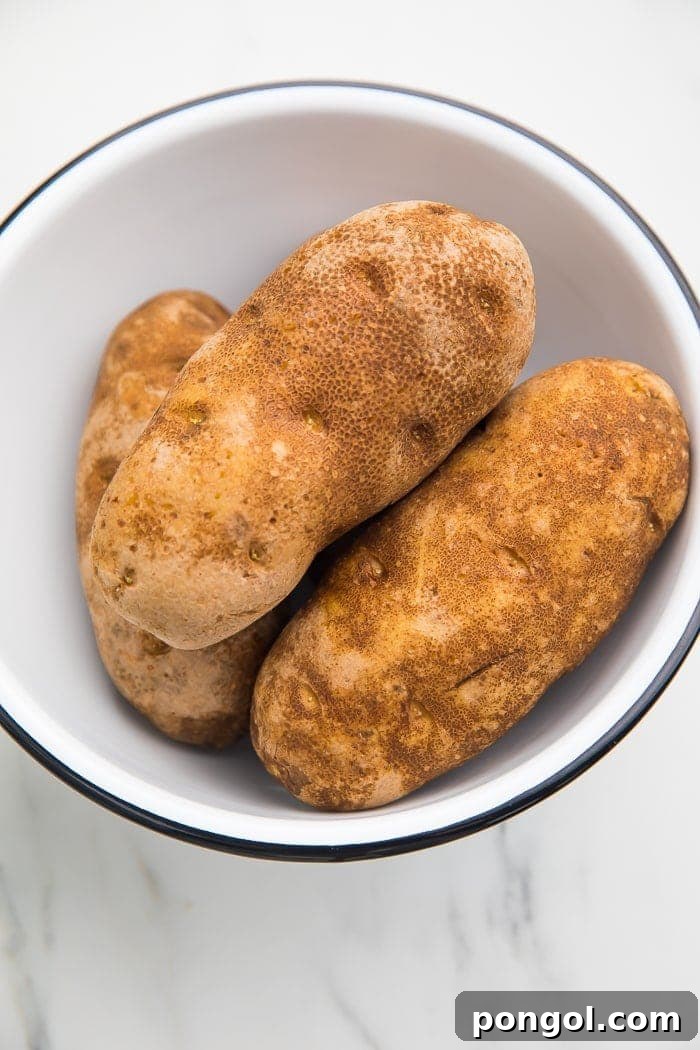
Potatoes, those incredibly versatile and beloved root vegetables, grace tables around the world in countless forms. From crispy fries to creamy mashed potatoes, hearty stews, and elegant gratins, they are a staple in many culinary traditions and a go-to for comfort food. Their ability to adapt to a myriad of cooking methods and flavor profiles makes them an indispensable ingredient all year long. But for those navigating the complexities of a gluten-free lifestyle, a common question arises: can potatoes truly be part of a gluten-free diet?
Understanding Gluten: What Is It Exactly?
“Gluten-free” has become more than just a dietary preference; it’s a significant culinary movement and a necessity for many. You’ve likely seen gluten-free labels on everything from breads and pastas to snacks and baked goods in grocery stores, restaurants, and online recipes. But to truly understand why some foods need to be gluten-free, we first need to define what gluten is.
In essence, “gluten” is a general term referring to a family of storage proteins, primarily glutenin and gliadin, found in certain cereal grains. It derives its name from the “glue-like” consistency it forms when flour is mixed with water. This unique property is what gives dough its elasticity, allowing it to stretch and hold its shape, and what helps bread rise, giving it a chewy texture. Without gluten, baked goods would be dense and crumbly, lacking the characteristic structure we associate with breads and pastries.
While gluten is a natural component of many staple foods and perfectly harmless for most people, it can trigger severe adverse reactions in individuals with specific health conditions. The most well-known condition is celiac disease, an autoimmune disorder where ingesting gluten leads to damage in the small intestine, impairing nutrient absorption. Beyond celiac disease, there are also individuals with non-celiac gluten sensitivity (NCGS) or a wheat allergy. A wheat allergy, distinct from celiac disease, is an immune system reaction to proteins found in wheat, including but not exclusively gluten.
Symptoms associated with gluten consumption for these individuals can vary widely and impact multiple body systems. They can include gastrointestinal issues like bloating, abdominal pain, diarrhea, or constipation; neurological symptoms such as headaches or “brain fog”; dermatological issues like skin rashes; and systemic symptoms like chronic fatigue, joint pain, or even depression. For those affected, adhering to a strict gluten-free diet is not a trend but a critical medical necessity for managing symptoms and preventing long-term health complications.
If you suspect you may have a gluten sensitivity, a wheat allergy, or celiac disease, it is crucial to consult a healthcare provider for proper diagnosis and guidance. Self-diagnosing and eliminating gluten before testing can make an accurate diagnosis more challenging.
Where Does Gluten Hide? Common and Unexpected Sources
Understanding which foods contain gluten is fundamental for anyone following a gluten-free diet. The most obvious sources of gluten are grains such as wheat, barley, and rye. This means that many everyday foods inherently contain gluten:
- Baked Goods: Breads, cakes, cookies, pastries, muffins, donuts.
- Pasta: Spaghetti, macaroni, lasagna, noodles.
- Cereals: Many breakfast cereals, muesli, granola.
- Beer: Most conventional beers are made from barley.
- Soups and Sauces: Often thickened with wheat flour.
- Processed Meats: Sausages, hot dogs, deli meats can use gluten as a filler or binder.
However, gluten’s presence extends far beyond these overt sources, often “hiding” in unexpected places, making label reading an essential skill for those with gluten sensitivities. Hidden gluten can be found in a surprising array of processed foods and even non-food items:
- Condiments and Dressings: Soy sauce (unless specifically labeled gluten-free), salad dressings, marinades, ketchup, mustard, barbecue sauces, gravy mixes.
- Snack Foods: Potato chips (some flavorings), candy bars, energy bars.
- Soups and Broths: Many canned soups and bouillon cubes contain wheat-based thickeners or flavorings.
- Dairy Products: Some flavored yogurts, processed cheeses, and even some brands of butter spreads can contain gluten-containing additives.
- Spices and Seasoning Blends: Cross-contamination can occur during processing, or anti-caking agents might contain gluten.
- Medications and Supplements: Certain pills, vitamins, and herbal supplements may use gluten as a binder or filler.
- Beauty Products: Lipsticks, lotions, and even shampoos can contain wheat derivatives, which can be problematic if accidentally ingested or absorbed through skin lesions.
Fortunately, with increased awareness and demand, many gluten-free alternatives are now readily available. You can find gluten-free breads, pastas, beers, and even specialized flour blends in most mainstream grocery stores, health food stores, and online retailers. Always look for certified gluten-free labels to ensure a product meets stringent safety standards, especially for individuals with celiac disease where even trace amounts can cause harm.
The Big Question: Are Potatoes Gluten-Free?
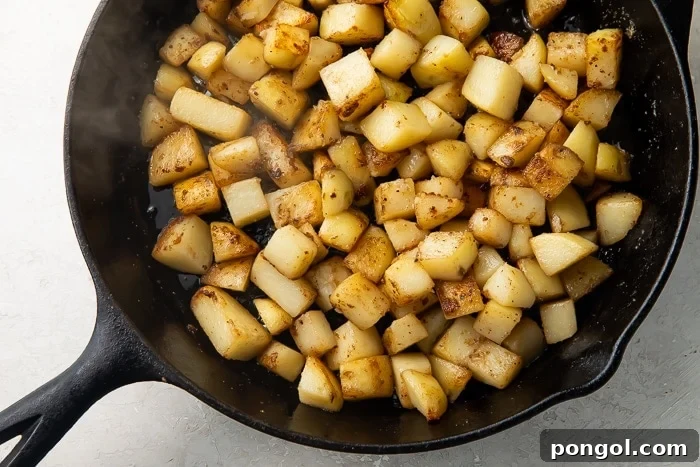
For those seeking delicious and versatile gluten-free options, here’s the straightforward answer you’ve been waiting for: Yes! Pure, unprocessed potatoes are naturally 100% gluten-free. This holds true for all varieties you might encounter – from the humble Russet to vibrant red potatoes, creamy Yukon Golds, delicate fingerlings, and even sweet potatoes. When they come straight from the earth, in their raw, natural state, potatoes contain no gluten proteins.
This inherent gluten-free status makes potatoes an excellent staple for individuals managing celiac disease, gluten sensitivity, or a wheat allergy. They are a fantastic source of carbohydrates, vitamins, and minerals, providing essential energy and nutrients without the worry of gluten exposure. Furthermore, potato-derived products like potato flour or potato starch are also naturally gluten-free and frequently used as substitutes in gluten-free baking and cooking, offering a great way to replicate textures often achieved with wheat flour.
Maintaining Gluten-Free Integrity: What to Watch Out For
While raw potatoes are undeniably gluten-free, the journey from field to plate often introduces potential pitfalls. The key challenge lies not in the potato itself, but in how it is prepared and what it’s paired with. Many common potato dishes incorporate other ingredients that do contain gluten, or they may be prepared in ways that lead to cross-contamination.
Here are the crucial areas to pay attention to:
- Add-ins and Toppings:
- Gravy: Traditional gravies are almost always thickened with wheat flour (roux). Opt for cornstarch or gluten-free flour-based gravies instead.
- Sauces: Many cheese sauces, cream sauces, and flavored drizzles can contain gluten from thickeners or flavorings.
- Seasonings: While most individual herbs and spices are gluten-free, some pre-made spice blends or seasoned salts may contain anti-caking agents or fillers that include gluten. Always check labels.
- Dairy Products: Some sour cream, butter spreads, or processed cheese products can have gluten-containing additives.
- Fried Onions/Croutons: Common toppings for baked or mashed potatoes are definitely gluten-containing.
- Preparation Methods:
- Frying: French fries are often coated in a flour-based batter to enhance crispiness before frying. Even if they aren’t battered, if they are fried in shared oil that has also been used for gluten-containing items (like breaded chicken or onion rings), severe cross-contamination can occur. This is a major concern when dining out.
- Roasting/Baking: While usually safe, some roasted potato recipes call for dredging potatoes in flour before baking to create a crispy exterior. Marinades or spice rubs used for roasting could also contain hidden gluten.
- Mashed Potatoes: While milk, cream, and plain butter are generally gluten-free, some recipes call for a roux to thicken mashed potatoes, or use bouillon cubes that contain gluten.
- Potato Skins/Twice-Baked Potatoes: Fillings can often include breadcrumbs, certain processed cheeses, or sauces with gluten.
- Cross-Contamination:
This is a critical factor, especially for individuals with celiac disease where even minute amounts of gluten can trigger a reaction. Cross-contamination occurs when gluten-free foods come into contact with gluten-containing foods or surfaces. Be vigilant about:
- Shared Utensils and Equipment: Using the same cutting board, knives, spatulas, or mixing bowls that were previously used for gluten-containing foods without thorough cleaning.
- Shared Fryers: As mentioned, French fries cooked in a fryer used for battered items.
- Toasters: Toasters used for regular bread should not be used for gluten-free bread or potato products.
- Serving Platters: Placing gluten-free potatoes on a platter that previously held gluten-containing items.
To safely enjoy potatoes on a gluten-free diet, always read ingredient lists carefully for pre-packaged potato products (like frozen fries or potato mixes). When cooking at home, ensure all ingredients added to your potatoes are certified gluten-free and use dedicated clean utensils and surfaces. When dining out, communicate your dietary needs clearly to staff, asking about ingredients, preparation methods, and cross-contamination protocols.
Embracing Potatoes in Your Gluten-Free Lifestyle
Far from being a food to avoid, potatoes are a fantastic, nutrient-rich addition to any gluten-free diet. They are naturally free of gluten, packed with vitamins (like Vitamin C and B6), potassium, and fiber, and offer incredible versatility in the kitchen. Their affordability and widespread availability also make them an accessible staple for gluten-free meal planning.
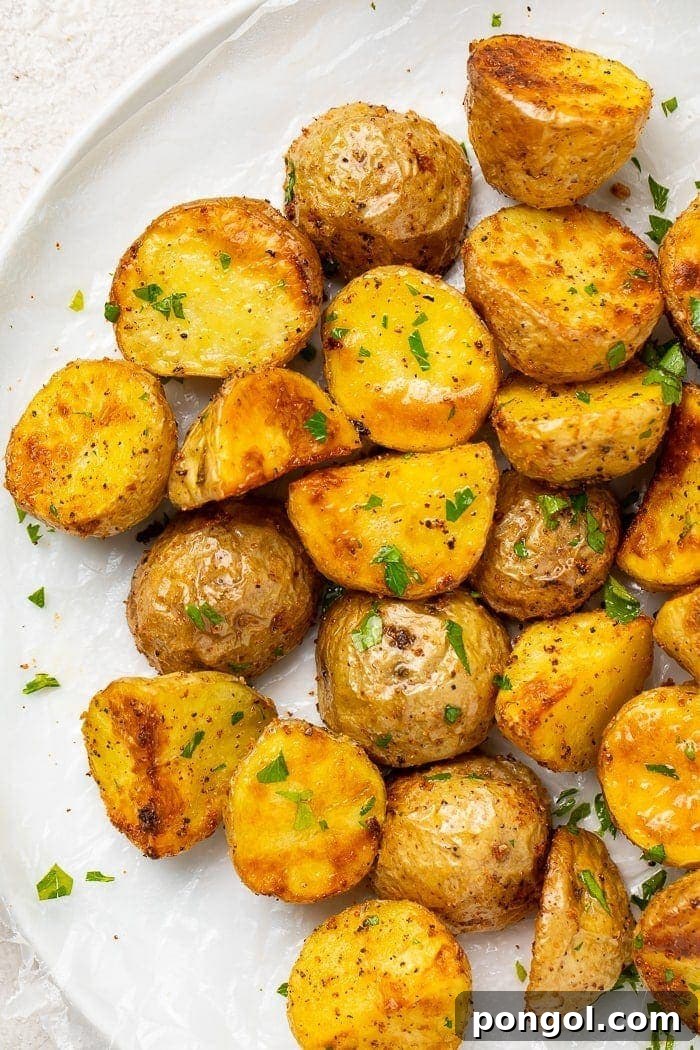
Incorporating potatoes into your diet means you don’t have to sacrifice flavor or satisfaction. From simple baked potatoes to elaborate gratins, the possibilities are endless when you focus on naturally gluten-free ingredients and safe preparation practices. Think about preparing them:
- Plain Baked: A classic, healthy, and naturally gluten-free option. Top with safe ingredients like plain butter, chives, salt, and pepper.
- Roasted: Toss with olive oil, fresh herbs (rosemary, thyme), garlic, and a pinch of salt and pepper.
- Mashed: Use milk (dairy or non-dairy), plain butter, and seasonings. Avoid any mixes or thickeners with gluten.
- Homemade Fries: Cut potatoes into desired shapes and bake or air fry them with a little oil and salt for a crispy, safe treat.
- In Soups and Stews: Potatoes can add body and heartiness to gluten-free soups and stews, acting as a natural thickener.
- Potato Salad: Made with a mayonnaise-based dressing and fresh vegetables, it’s a refreshing gluten-free side.
By understanding what gluten is, where it’s found, and how to prevent cross-contamination, you can confidently enjoy the delicious and diverse world of potatoes as a healthy and satisfying component of your gluten-free lifestyle. They truly are a gluten-free hero in the kitchen, offering endless possibilities for nutritious and flavorful meals.
Our Favorite Gluten-Free Potato Recipes
To inspire your gluten-free culinary adventures, here are some of our most cherished potato recipes. Each one celebrates the natural deliciousness of potatoes while ensuring they remain safely gluten-free.
- Roasted Fingerling Potatoes
- Air Fryer French Fries (Fast Food Style)
- Instant Pot Potato Soup
- Crispy Pan-Fried Potatoes
- Sweet Potato Pancakes
- Fried Potatoes
- How To Boil Potatoes (7 Different Types!)
- Fondant Potatoes
- Roasted Sweet Potato Salad
- Air Fryer Potatoes
- Whole30 Loaded Sweet Potato Fries (Paleo, Dairy Free, Gluten Free)
- Air Fryer Baked Potato
- Sweet Potato Waffles
- Air Fryer Frozen French Fries