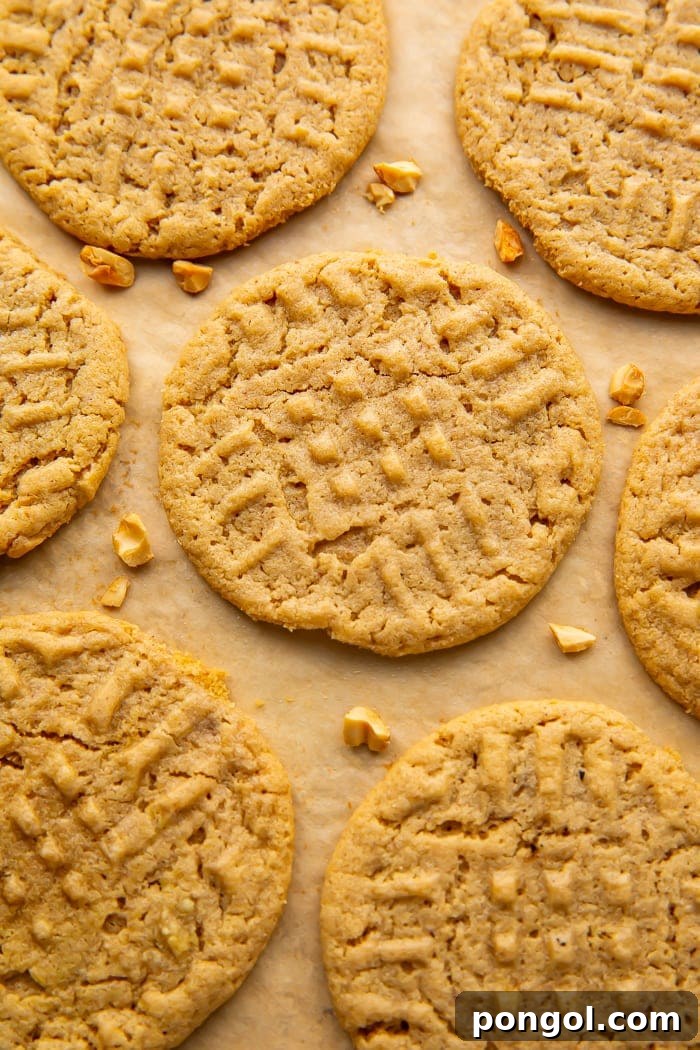
Indulge in the ultimate treat with these absolutely delicious gluten-free peanut butter cookies. Crafted to perfection, they boast wonderfully crisp edges that yield to irresistibly soft, chewy centers – a true bakery-style delight that promises to be a major crowd-pleaser. Best of all, they’re simply made with readily available gluten-free all-purpose flour, ensuring everyone can enjoy this classic comfort food without compromise.
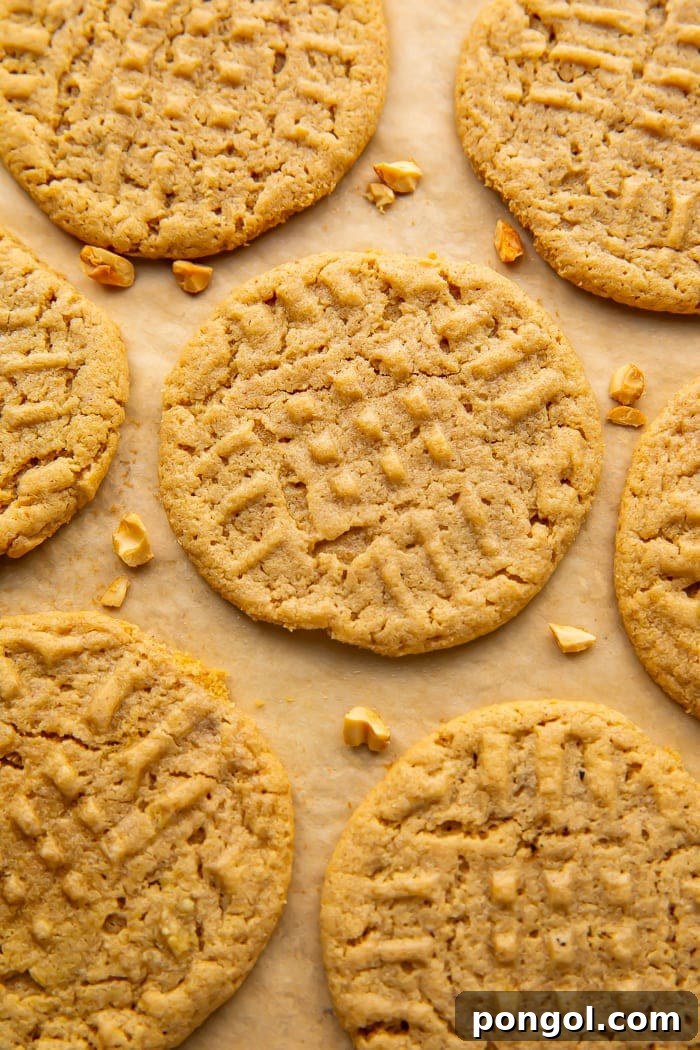
Why These Gluten-Free Peanut Butter Cookies Are a Must-Try
These aren’t just any peanut butter cookies; they are an experience. Here’s what sets them apart and makes them an instant favorite:
- Unforgettable Gluten-Free Goodness: Don’t let the “gluten-free” tag fool you – these cookies are every bit as rich, flavorful, and satisfying as their traditional counterparts. They’re meticulously developed to ensure no one, not even the most discerning gluten-eater, would guess they’re gluten-free. This makes them perfect for sharing with friends and family who have dietary sensitivities, or simply for anyone looking for a healthier twist on a beloved classic.
- Rich Flavor, Simple Ingredients: Despite their incredible depth of flavor, this recipe relies on a straightforward list of ingredients. The magic happens through the thoughtful combination of creamy peanut butter and two types of sugar. Brown sugar contributes a deep, molasses-rich caramel note that beautifully complements the robust nuttiness of the peanut butter, creating a complex taste profile that’s utterly addictive. Each bite offers a harmonious blend of sweet and savory, a hallmark of truly exceptional peanut butter cookies.
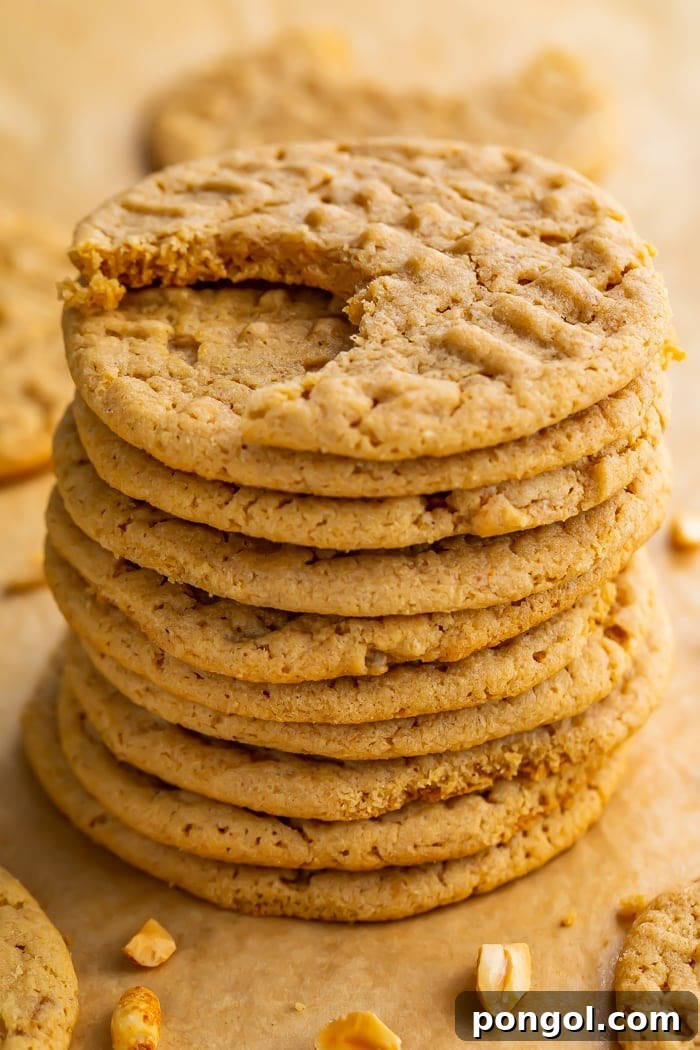
- The Quintessential Peanut Butter Cookie Texture: Achieving the perfect texture is key to a stellar cookie, and these deliver spectacularly. They feature that coveted balance: wonderfully soft and wonderfully chewy in the center, giving way to perfectly crisp, golden-brown edges. This delightful textural contrast makes each cookie a joy to eat, satisfying all your cravings from the first bite to the last crumb.
- Convenience and Longevity: These cookies are not only delicious fresh from the oven but also maintain their delightful texture and flavor for an extended period. Stored in an airtight container, baked cookies will stay fresh and soft for up to 10 days, making them ideal for meal prep or a lasting snack supply. For even greater convenience, the dough can be easily frozen, allowing you to bake just a few cookies at a time whenever the craving strikes, ensuring a warm, fresh batch is always within reach for months.
Essential Ingredients for Perfect Gluten-Free Peanut Butter Cookies
Crafting the best gluten-free peanut butter cookies starts with understanding the role of each key ingredient. Here’s what you need to know to achieve optimal results:
Gluten-Free All-Purpose Flour: The world of gluten-free flours can be a little daunting, as blends vary significantly from brand to brand. These variations can drastically impact the final texture and consistency of your baked goods. For consistent success in most of my gluten-free recipes, I consistently rely on King Arthur brand’s gluten-free all-purpose flour blend. It’s important to choose a blend that already includes xanthan gum, or be prepared to add approximately ½ teaspoon per 2 cups of flour if your chosen brand does not. Xanthan gum is crucial in gluten-free baking as it mimics the elasticity and binding properties of gluten, preventing cookies from crumbling and ensuring a chewy, cohesive texture. If your first batch doesn’t quite hit the mark, experimenting with a different reputable brand of GF flour can often make all the difference.
Peanut Butter: Any creamy peanut butter will work beautifully for these gluten-free cookies, but there are nuances to consider. Conventional creamy peanut butter (like Jif or Skippy) tends to be more stable due to added oils and sugars, resulting in a consistent dough texture that’s easy to handle. Natural or organic creamy peanut butter, which often separates and has more oil on top, can make the dough a bit stickier and potentially harder to work with initially. However, with a good stir to thoroughly combine the oil, it will still produce delicious cookies. The richer, more intense peanut flavor of natural peanut butter can elevate the taste significantly. I haven’t specifically tested this recipe with crunchy peanut butter, but if you’re feeling adventurous, feel free to try it and let us know your results in the comments below! The added crunch could offer an interesting textural dimension.
Sugars (White and Brown): The combination of both white (granulated) and brown sugar is a secret weapon in this recipe. White sugar contributes to the crispness of the edges and the overall sweetness, while brown sugar adds moisture, chewiness, and that coveted caramel-like depth of flavor. This balance is essential for achieving the perfect texture and a complex, appealing taste profile.
Eggs: Large eggs act as a binder, helping to hold the cookie dough together and providing structure. They also add moisture and richness, contributing to the soft, chewy interior of the cookies.
Baking Powder and Baking Soda: These leavening agents work in tandem to give the cookies their characteristic rise and spread. Baking soda reacts with acidic ingredients (like brown sugar) to create carbon dioxide, while baking powder provides additional lift, ensuring a light yet chewy texture without being overly dense.
Salt: A small amount of salt is crucial for balancing the sweetness and enhancing all the flavors in the cookie. It brings out the nuttiness of the peanut butter and prevents the cookies from tasting overly saccharine.
Freezing These Delicious Cookies: Tips for Dough and Baked Treats
These gluten-free peanut butter cookies are incredibly freezer-friendly, allowing you to enjoy fresh-baked goodness anytime! You can freeze both the unbaked dough and the finished cookies.
To Freeze Cookie Dough:
Prepare the dough as outlined in the recipe. After forming the 1-inch balls and flattening them with a fork to create the criss-cross pattern, instead of baking, arrange the cookies on a parchment-lined baking sheet. Place the baking sheet in the freezer until the cookie dough balls are completely firm, which typically takes 1 to 2 hours. Once frozen solid, transfer the dough balls to a freezer-safe zippered bag or an airtight container. Lay parchment paper between layers if stacking to prevent sticking. Properly stored, frozen cookie dough can last for up to 3 months. When you’re ready to bake, you can either bake them directly from frozen (you’ll need to increase the baking time by a few minutes) or let them thaw in the refrigerator overnight before baking as usual.
To Freeze Baked Cookies:
First, allow your freshly baked cookies to cool completely on a wire rack. This is a crucial step; freezing warm cookies can lead to condensation and ice crystals, making them soggy. Once fully cooled, arrange them in a single layer on a baking sheet and flash-freeze until firm (about 30 minutes to an hour). This prevents them from sticking together. Then, transfer the frozen cookies to a freezer-safe zippered bag or an airtight container. To maintain their quality and prevent sticking, place a piece of parchment paper between each layer of cookies. Alternatively, for individual servings, you can wrap each cookie separately in plastic wrap or parchment paper before placing them in the freezer bag. Baked frozen cookies will keep well for up to 3 months. To serve, simply thaw them at room temperature for an hour or so, or for that fresh-from-the-oven experience, pop them into a preheated oven at 300°F (150°C) for about 5 minutes.
Expert Tips for Gluten-Free Peanut Butter Cookie Perfection
Achieving bakery-quality gluten-free peanut butter cookies is easier than you think with these expert tips:
- Watch Your Oven, Not Just the Timer: Baking times can vary significantly between different ovens, and even altitude can play a role. While the recipe provides an estimated bake time, it’s always best to keep a close eye on your cookies. Look for the edges to just begin turning a light golden brown; for me, this typically occurs around the 10-minute mark. For your oven, it might be 8 minutes or 12 minutes. This visual cue is more reliable than strictly adhering to a timer.
- Resist the Urge to Over-Bake: This is perhaps the most crucial tip for soft, chewy cookies. It’s perfectly normal, and in fact, desirable, for the centers of your peanut butter cookies to look slightly underdone or puffy when you first take them out of the oven. They will continue to “bake” and firm up from the residual heat as they cool on the baking sheet. Over-baking will result in dry, crumbly cookies, so trust the process and remove them when the edges are just lightly browned.
- Give Them Space to Grow: These cookies will spread a little as they bake, so it’s essential to leave ample space between each dough ball on your baking sheet. Crowding the pan can cause the cookies to bake into each other, resulting in unevenly cooked and awkwardly shaped treats. Depending on the size of your sheet pan and how many cookies you’re making, you may need to use multiple pans or bake in batches. Chilling the dough thoroughly before baking also helps minimize excessive spreading, leading to thicker, chewier cookies.
- Elevate Your Cookies with Creative Variations: While delicious on their own, these gluten-free peanut butter cookies are also a fantastic canvas for customization.
- Chocolate Lover’s Dream: Stir in a cup of chocolate chips (milk, semi-sweet, or dark) or even peanut butter chips into the dough for an extra layer of indulgence.
- Sweet Toppings: Before baking, sprinkle the unbaked cookies with a touch of white or brown sugar for an extra sparkle and slight crunch. After baking, a drizzle of melted peanut butter or a sprinkle of flaky sea salt can add a gourmet touch.
- Flavor Boosters: A teaspoon of vanilla extract or a half teaspoon of ground cinnamon added to the dough can introduce wonderful aromatic complexities that perfectly complement the peanut butter flavor. Almond extract could also offer a unique twist.
- Room Temperature Ingredients: Ensure your butter and eggs are at room temperature. This allows them to cream together more smoothly, creating an emulsified mixture that traps air, leading to lighter, more evenly textured cookies.
- Measure Flour Correctly: For accurate results, spoon your gluten-free all-purpose flour into a measuring cup and then level it off with a straight edge. Scooping directly from the bag can pack the flour, leading to too much flour and dry cookies.
More Irresistible Gluten-Free Desserts & Treats
If you loved these gluten-free peanut butter cookies, be sure to explore more delightful gluten-free recipes that prove dietary restrictions don’t mean sacrificing flavor:
- Gluten Free Sugar Cookies
- Gluten Free Cinnamon Rolls (Cinnabon Copycat)
- Paleo Carrot Cake (Gluten Free)
- Perfect Paleo Brownies (Fudgy, Crackly Top, Gluten Free)
- Gluten Free Ginger Snaps
Gluten Free Peanut Butter Cookies
Recipe By: Cheryl Malik
Prep Time: 10 minutes
Cook Time: 15 minutes
Chill Time: 1 hour
Total Time: 1 hour 25 minutes
These gluten free peanut butter cookies are just delicious! With lightly crispy edges and soft centers, these bakery-style cookies are a major crowd pleaser, made simply with gluten-free all-purpose flour!
Yields: 24 cookies
Equipment
- Oven
- 2 large mixing bowls
- Hand mixer or stand mixer
- Flour sifter
- Cookie scoop with release handle
- Baking sheets
- Parchment paper
- Fork
Ingredients
- 1 cup unsalted butter, softened (see Notes for dairy-free option)
- 1 cup creamy peanut butter
- 1 cup white sugar (see Notes for sugar-free option)
- 1 packed cup brown sugar (see Notes for sugar-free option)
- 2 large eggs
- 2 level cups gluten-free all-purpose flour (with xanthan gum, see Notes)
- 1 teaspoon baking powder
- 1 ½ teaspoons baking soda
- ½ teaspoon salt
Instructions
- Preheat oven to 375°F (190°C).
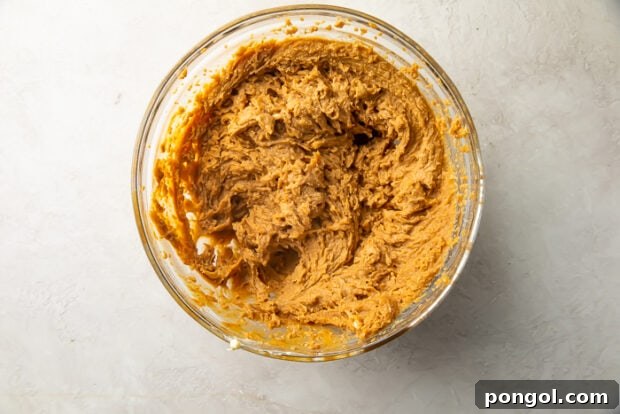
- In a large bowl, use a hand mixer or stand mixer to cream together the softened butter, creamy peanut butter, white sugar, and brown sugar until light and fluffy.
- Slowly beat in the eggs one at a time, mixing until the mixture is fully combined and smooth.

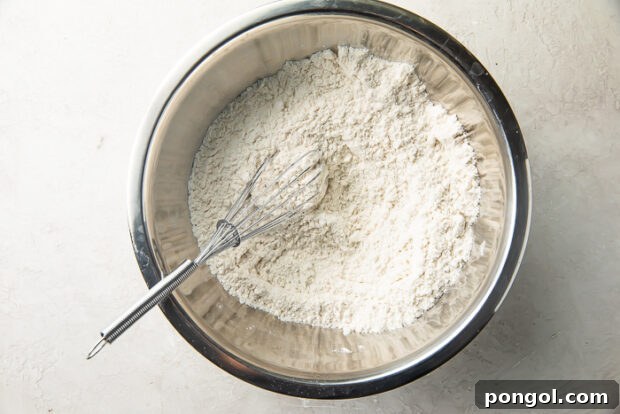
- In a separate mixing bowl, sift the gluten-free all-purpose flour. Then, whisk in the baking powder, baking soda, and salt until thoroughly combined.
- Gradually add the dry flour mixture into the wet peanut butter mixture, mixing on low speed until just combined. Be careful not to overmix. Place the bowl of dough in the refrigerator to chill for at least 1 hour. This step is crucial for flavor development and to prevent excessive spreading during baking.
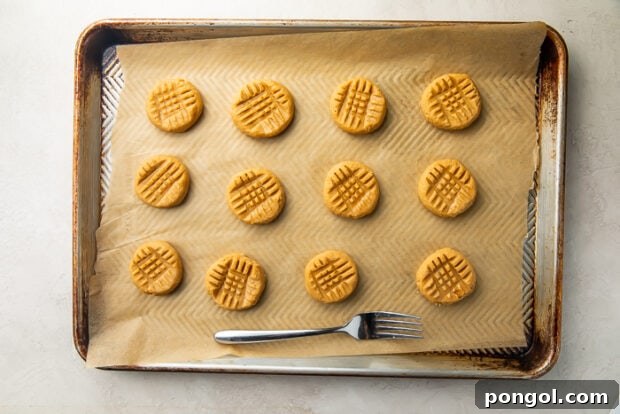
- After chilling, use a cookie scoop to portion the chilled dough into approximately 1-inch balls. Quickly roll each ball between your palms to smooth it out, then place them on a baking sheet lined with parchment paper, ensuring sufficient space between each cookie.
- Using the tines of a fork, gently flatten each dough ball. Press down once, then rotate the fork 90 degrees and press again to create the classic criss-cross pattern on top of each cookie.
- Place the baking sheet in the preheated oven and bake for approximately 10 minutes, or until the edges of the cookies begin to turn a light golden brown. Remember, the centers may still look slightly soft; they will continue to set as they cool.
- Remove the cookies from the oven and allow them to cool completely on the baking sheet before serving or transferring them to an airtight storage container. Enjoy your perfectly baked gluten-free peanut butter cookies!
Recipe Notes
- Bake Time Variability: Ovens vary greatly, so always rely on visual cues rather than strict timing. Watch for the edges to lightly brown, and the centers to still appear slightly soft. Altitude can also affect baking, so adjust as needed.
- Cookie Spreading: The dough will spread during baking. Ensure adequate space between cookies to prevent them from merging. Chilling the dough sufficiently helps maintain their shape and thickness.
- Gluten-Free All-Purpose Flour: It’s essential to use a gluten-free all-purpose flour blend that includes xanthan gum. If your chosen brand does not contain it, add about ½ teaspoon of xanthan gum for every 2 cups of flour to ensure proper structure and texture.
- Dairy-Free Option: To make these cookies dairy-free, simply substitute the unsalted butter with your favorite high-quality vegan butter sticks. Ensure it is at room temperature for optimal creaming.
- Sugar-Free Option: For a sugar-free version, use granular erythritol (like Swerve Sweetener Granular) in place of white sugar, and a brown sugar substitute (like Brown Swerve or an erythritol-based brown sugar alternative) for the brown sugar.
Recipe yields approximately 24 cookies. The actual number may vary based on the size of your dough balls. Nutritional values provided below are approximate for one cookie out of 24, using the ingredients listed. Macros can vary slightly depending on specific brands and types of ingredients used.
Approximate Nutrition Information for One Serving (1 cookie)
Calories: 200 cal
Protein: 3g
Fat: 13g
Saturated Fat: 6g
Trans Fat: 1g
Cholesterol: 34mg
Sodium: 193mg
Potassium: 20mg
Total Carbs: 20g
Fiber: 1g
Sugar: 17g
Net Carbs: 19g
Vitamin A: 256 IU
Calcium: 22mg
Iron: 1mg
Nutrition Disclaimers
The number of total servings shown is approximate. Actual number of servings will depend on your preferred portion sizes.
Nutritional values shown are general guidelines and reflect information for 1 serving using the ingredients listed, not including any optional ingredients. Actual macros may vary slightly depending on specific brands and types of ingredients used.
To determine the precise weight of one serving, prepare the recipe as instructed. Weigh the finished recipe (excluding the container) and divide by your desired number of servings. The result will be the weight of one individual serving.
Did You Make This Recipe?
We’d love to see your creations! Tag @40aprons on Instagram and be sure to leave a review and rating right here on the blog post. Your feedback helps us and other home bakers!
Tag @40Aprons on Instagram