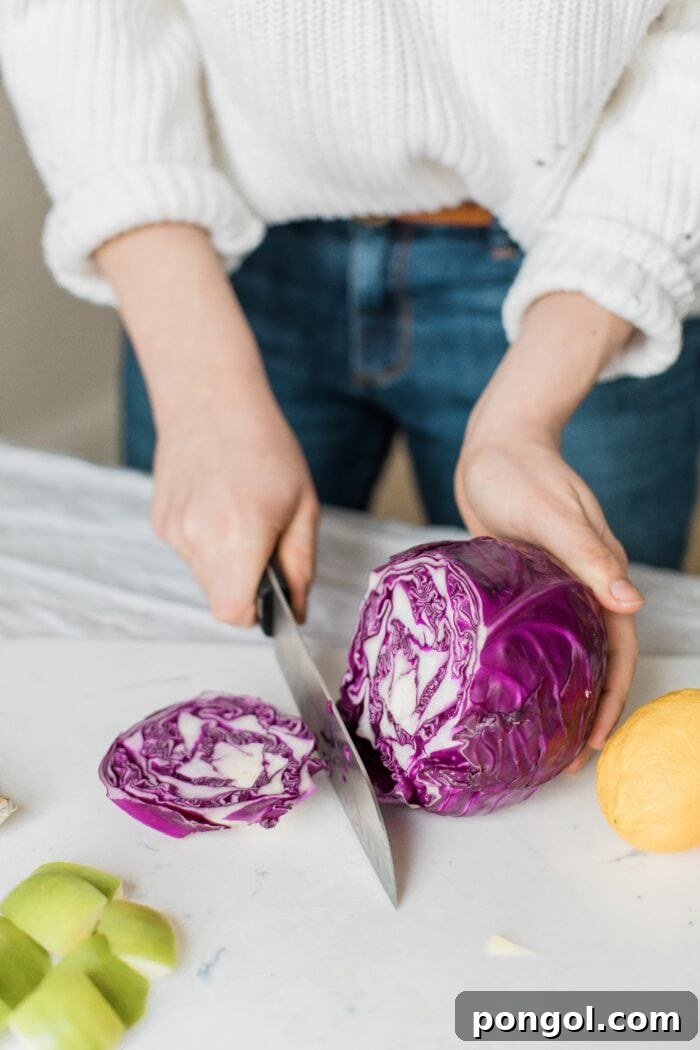
Cabbage, with its vibrant color, satisfying crunch, and rich nutritional profile, is a true culinary MVP. Whether you’re whipping up a quick coleslaw, a hearty soup, or a flavorful stir-fry, this versatile vegetable adds depth and dimension to countless dishes. However, it’s not uncommon to find yourself with more cabbage than you can realistically consume before it loses its freshness. The dilemma of how to preserve this leafy green treasure often leads to unnecessary food waste. But what if we told you there’s a simple, effective solution? The good news is, you absolutely can freeze cabbage! And by doing so, you unlock a world of convenience, extend its shelf life, and prevent that all-too-familiar produce heartache. This comprehensive guide will walk you through everything you need to know about freezing cabbage, ensuring you can enjoy its goodness for months to come.
Why Cabbage Deserves a Spot in Your Freezer
Often overlooked or simply misunderstood, cabbage is a powerhouse of nutrition and flavor. It’s a close relative to other superfoods like kale, broccoli, and Brussels sprouts, sharing many of their incredible health benefits. Despite sometimes getting a bad rap for its distinct taste or smell when cooked improperly, there’s an abundance of reasons to fall in love with cabbage.
From a nutritional standpoint, cabbage is a true champion. It’s packed with an impressive array of vitamins, minerals, and phytonutrients that contribute significantly to overall well-being. Think Vitamin K, vital for blood clotting and bone health; Vitamin C, a powerful antioxidant that boosts immunity; and Vitamin A, essential for vision and immune function. Beyond these, it offers a good source of dietary fiber for digestive health, calcium and magnesium for strong bones, and iron for energy. Incorporating cabbage into your diet is a simple yet effective way to enhance your nutrient intake. You can delve deeper into the specific health advantages of cabbage in this informative article.
However, one of the main challenges with fresh cabbage is its relatively short shelf life. Typically, a head of fresh cabbage will only last for about 5 to 7 days in the refrigerator, even when stored correctly. This limited window means that if you buy a large head, or only use half of one for a recipe, the remainder can quickly go to waste. It’s a common scenario: that forgotten half-cabbage pushed to the back of the fridge, only to be discovered days later, limp and unusable. This leads to food waste, which impacts your wallet and the environment. This is precisely where the magic of freezing cabbage comes into play – offering a smart solution to extend its usability and ensure you always have this versatile veggie on hand.
Can You Really Freeze Cabbage? The Definitive Answer!
Absolutely, 100% yes! You can most certainly freeze cabbage, and it’s a fantastic way to preserve its goodness for future meals. Like many other vegetables, cabbage can be frozen using different methods, primarily raw or blanched. The method you choose largely depends on how long you intend to store it and how you plan to use it once thawed. Freezing cabbage effectively halts the enzymatic processes that cause spoilage, locking in its nutrients, flavor, and texture for an extended period. This simple act of preservation transforms it from a perishable item to a convenient, ready-to-use ingredient whenever you need it.
Preparing Cabbage for Freezing: Essential First Steps
Regardless of whether you plan to freeze your cabbage raw or blanched, proper preparation is key to ensuring its quality and longevity in the freezer. Start by selecting fresh, firm heads of cabbage without any significant blemishes or signs of wilting. The fresher the cabbage, the better it will hold up in the freezer.
- Clean Thoroughly: Begin by removing any bruised, damaged, or outer leaves that might be dirty or tough. Rinse the entire head of cabbage under cold running water, making sure to get into any crevices to wash away dirt or potential pests. For garden-fresh or farmers’ market cabbage, consider soaking it in a bowl of cold, lightly salted water for about 30 minutes. This can help dislodge any hidden insects or residual pesticides.
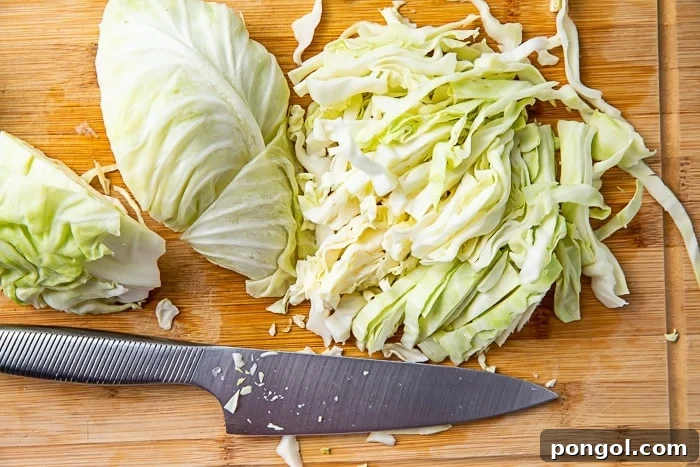
- Core and Cut: Using a sharp chef’s knife, carefully cut the cabbage into quarters. Then, remove the hard, woody core from each quarter. From here, you can decide how you want to further cut your cabbage based on your intended future use. Options include:
- Shredded: Ideal for coleslaw (though texture will be softer), stir-fries, or adding to soups.
- Chopped: Perfect for stews, casseroles, or braised dishes.
- Wedges or Quarters: Good for roasting or slow cooking, where you want larger pieces.
For inspiration on different ways to prepare your cabbage, you can learn how to shred cabbage in various ways.
- Dry Completely: This step is absolutely crucial. Excess moisture can lead to freezer burn and ice crystals, which degrade the quality and texture of your frozen cabbage. After rinsing and cutting, thoroughly dry the cabbage pieces. You can use a salad spinner to remove most of the water, then spread the cabbage out on clean kitchen towels or paper towels and pat it dry. Let it air-dry for a bit if necessary, ensuring it’s as dry as possible before proceeding to the freezing stage.
Method 1: Freezing Raw Cabbage
Freezing cabbage raw is an excellent option if you plan to use it within a relatively short timeframe – typically 6 to 8 weeks – and primarily in cooked dishes where a slightly softer texture won’t be an issue. It’s a quick and convenient method that preserves much of the cabbage’s flavor.
When to Choose Raw Freezing: Ideal for immediate use within a couple of months, best suited for dishes where the cabbage will be cooked, such as stir-fries, soups, stews, or braised cabbage. It retains a slightly better crispness than blanched cabbage when thawed, making it preferable for applications where texture matters a bit more.
Steps for Freezing Raw Cabbage:
- Prepare as Above: Clean, core, cut, and thoroughly dry your cabbage pieces (shredded, chopped, or wedges).
- Flash Freeze: This step is vital to prevent the cabbage pieces from clumping together into a solid block. Spread the dried cabbage out in a single layer on a baking sheet lined with parchment paper. Ensure the pieces aren’t overlapping too much. Place the baking sheet in the freezer for 1 to 2 hours, or until the cabbage pieces are completely frozen solid.
- Package for Storage: Once flash-frozen, transfer the solid cabbage pieces into freezer-safe bags or airtight containers. If using bags, squeeze out as much air as possible to minimize freezer burn. A vacuum sealer is ideal for this purpose, but manually pressing the air out works well too.
- Label and Store: Label the bags or containers with the date of freezing. Raw frozen cabbage maintains its quality for about 6 to 8 weeks. While still safe to eat after this period, its texture and flavor may begin to degrade.
Method 2: Freezing Blanched Cabbage for Long-Term Storage
Blanching is the preferred method if you intend to store cabbage for longer periods, typically up to 10-12 months. Blanching involves briefly cooking the vegetable in boiling water followed by an immediate plunge into ice water. This process helps to stop the enzyme activity that can cause loss of color, flavor, and nutrients during prolonged freezing. It effectively “sets” the vegetable for long-term preservation.
When to Choose Blanched Freezing: Best for long-term storage (several months up to a year) and for any dish where the cabbage will be cooked. Blanched cabbage will be softer than raw frozen cabbage when thawed, making it perfect for soups, stews, casseroles, and braised dishes where texture is less of a concern.
Steps for Freezing Blanched Cabbage:
- Prepare as Above: Clean, core, cut, and dry your cabbage pieces.
- Boil Water: Bring a large pot of water to a rolling boil. Ensure you have enough water so that the cabbage can be fully submerged without significantly lowering the water temperature.
- Prepare Ice Bath: While the water is heating, prepare a large bowl of ice water. This step is critical for rapidly cooling the cabbage and stopping the cooking process.
- Blanch the Cabbage: Carefully submerge the cabbage pieces (in batches if necessary to maintain water temperature) into the boiling water. Let them boil for exactly 3 minutes. It’s crucial not to over-blanch, as this can make the cabbage overly soft and mushy. You want it just blanched, not fully boiled.
- Shock in Ice Water: Immediately after 3 minutes, use a slotted spoon or colander to transfer the blanched cabbage from the boiling water directly into the ice bath. Let it sit in the ice water for at least 3 minutes, or until it is completely cooled through.
- Dry Thoroughly: Once cooled, drain the cabbage well and gently pat it dry with clean kitchen towels. Again, removing as much moisture as possible is key for preventing freezer burn.
- Flash Freeze: Just like with raw cabbage, spread the dried, blanched cabbage in a single layer on a parchment-lined baking sheet and flash freeze for 1-2 hours until solid.
- Package and Store: Transfer the flash-frozen, blanched cabbage into freezer-safe bags or airtight containers, removing as much air as possible. Label with the date. Blanched frozen cabbage can be stored for 10 to 12 months, providing a convenient supply of healthy vegetables all year long.
How to Thaw and Use Frozen Cabbage
Now that you’ve successfully preserved your cabbage, the next step is knowing how to bring it back to life for your culinary creations. The good news is that thawing frozen cabbage is generally straightforward, though the best method depends on how you plan to use it.
The Easiest Thawing Method: Refrigerator Thawing
The simplest and often the best way to thaw frozen cabbage, especially if you want to maintain as much of its texture as possible, is to transfer it from the freezer to the refrigerator. Keep it in its original freezer bag or airtight container. Depending on the quantity and size of the pieces, this can take anywhere from several hours to a full day or two for larger batches. Plan ahead for your meals! Once thawed, make sure to drain any excess liquid that has accumulated. Thawed cabbage will be noticeably softer than fresh cabbage, which is perfectly normal.
Thawing Directly into Cooking:
For dishes like soups, stews, casseroles, or stir-fries, you often don’t need to thaw the cabbage beforehand. You can simply add the frozen cabbage directly to your cooking pot or pan. It will thaw and cook along with the other ingredients, releasing its moisture as it heats. This method is incredibly convenient and saves time.
Quick Thawing Methods (Use with Caution):
- Microwave: While possible, microwaving is generally not recommended as it can quickly turn cabbage mushy. If you must use a microwave, do so on a low defrost setting, stirring frequently, and only until just thawed.
- Cold Water Bath: For quicker thawing, you can place the sealed bag of frozen cabbage into a bowl of cold water. Change the water every 30 minutes until thawed. This is faster than refrigerator thawing but still gentler than a microwave.
What to Expect Post-Thawing:
It’s important to note that frozen and thawed cabbage will not have the same crisp texture as fresh cabbage. It will be softer, making it less suitable for raw applications like coleslaw or fresh salads. However, this softer texture is perfect for cooked dishes, as it will cook down beautifully and absorb flavors readily. Always drain excess water from thawed cabbage before adding it to recipes to prevent your dish from becoming watery.
Common Mistakes to Avoid When Freezing Cabbage
To ensure your frozen cabbage is of the highest quality, steer clear of these common pitfalls:
- Not Drying Cabbage Properly: Excess moisture is the enemy of frozen vegetables. It leads to ice crystals and freezer burn, compromising texture and flavor. Always ensure cabbage is as dry as possible before freezing.
- Skipping Flash Freezing: If you pack fresh cabbage directly into a bag, it will freeze into a solid, unmanageable block. Flash freezing individual pieces ensures they remain separate and easy to portion.
- Forgetting to Blanch for Long-Term Storage: While raw freezing works for short periods, blanching is essential for preserving color, flavor, and nutrients if you plan to store cabbage for more than a couple of months.
- Over-Blanching: Blanching for too long will pre-cook your cabbage, turning it mushy even before it hits the freezer. Stick to the recommended 3-minute blanching time.
- Improper Packaging: Air is another enemy in the freezer. It causes freezer burn. Use freezer-safe bags or containers and remove as much air as possible.
- Not Labeling and Dating: It’s easy to forget when you froze something. Always label your packages with the contents and the date to keep track of freshness.
My Favorite Ways to Use Frozen Cabbage
Frozen cabbage truly shines in cooked dishes where its slightly softer texture is not only acceptable but often desirable. It integrates seamlessly into a variety of recipes, adding bulk, nutrients, and a delightful flavor. Here are some fantastic ways to put your frozen cabbage stash to good use:
- Hearty Soups and Stews: Simply toss frozen cabbage directly into simmering soups or stews. It cooks down beautifully and adds a lovely depth of flavor.
- Stir-Fries: Add shredded or chopped frozen cabbage to your favorite stir-fry towards the end of cooking. It will thaw and cook quickly, absorbing all the delicious sauces.
- Casseroles and Bakes: Layer frozen cabbage into your casseroles, gratins, or other baked dishes. It’s a great way to sneak in extra vegetables.
- Braised Cabbage: Perfect for a simple side dish, braise frozen cabbage with some broth, onions, and seasonings until tender.
- Roasted Cabbage: While often done with fresh, frozen cabbage can also be roasted. Toss with olive oil and spices and roast until tender and slightly caramelized.
- Egg Roll in a Bowl: This deconstructed dish is a perfect match for frozen shredded cabbage.
- Corned Beef and Cabbage: A classic pairing, frozen cabbage is excellent for slow-cooked corned beef dishes.
- Cabbage Rolls: While traditionally made with fresh leaves, blanched and frozen cabbage can be used for the filling or even as the outer leaves if you carefully unroll them after thawing.
- Sautéed Cabbage: Quick and easy, sauté frozen cabbage with garlic and a touch of butter or oil for a simple side.
Need some specific recipe inspiration? Check out these delicious ideas:
- Egg Roll in a Bowl with Creamy Chili Sauce (Keto, Whole30, Paleo)
- Vegan Corned Beef and Cabbage
- Red Cabbage Soup
- How to Boil Cabbage (Easy, Buttery Boiled Cabbage Recipe)
- Chipotle Coleslaw
- Paleo Chinese Chicken Salad (Whole30)
- Southwestern Egg Roll in a Bowl
- Crockpot Cabbage
- Sous Vide Corned Beef
- Kielbasa and Cabbage
- Beef Chow Mein
- How To Shred Cabbage (3 Ways)
- 15-Minute Fish Tacos (Made with Fish Sticks!)
- Breakfast Egg Roll in a Bowl (Whole30, Paleo)
Frequently Asked Questions About Freezing Cabbage
Here are answers to some common questions regarding freezing this versatile vegetable:
Q: Can I freeze all types of cabbage?
A: Yes, most common varieties of cabbage, including green cabbage, red cabbage, Savoy cabbage, and Napa cabbage, can be successfully frozen. The freezing methods described above apply to all these types, though their texture upon thawing might vary slightly.
Q: What happens to the texture of cabbage after freezing?
A: Frozen and thawed cabbage will have a softer texture compared to fresh cabbage. It will lose its crispness, making it less ideal for raw applications like fresh salads or crunchy coleslaw. However, this softer texture is perfect for cooked dishes like soups, stews, and stir-fries, where it will blend in beautifully.
Q: Do I really need to blanch cabbage before freezing?
A: It depends on how long you want to store it and how you plan to use it. If you intend to use the cabbage within 6-8 weeks, freezing it raw is fine. For longer storage (up to 10-12 months) and to best preserve its color, flavor, and nutritional value, blanching is highly recommended. Blanching stops enzyme activity that degrades the vegetable over time in the freezer.
Q: Can I freeze cabbage rolls (cooked or uncooked)?
A: Yes, you can freeze both cooked and uncooked cabbage rolls. For uncooked rolls, prepare them as usual and freeze them on a baking sheet until solid before transferring to a freezer bag. For cooked rolls, allow them to cool completely before freezing. They can be frozen in individual portions or in a freezer-safe casserole dish. Thaw in the refrigerator and reheat thoroughly.
Q: How long does frozen cabbage last?
A: Raw frozen cabbage is best used within 6-8 weeks for optimal quality. Blanched frozen cabbage, when properly prepared and packaged, can maintain excellent quality for 10-12 months, making it a fantastic ingredient to have on hand for nearly a year.
Q: Can I use frozen cabbage for fermented foods like sauerkraut or kimchi?
A: While it’s technically possible, fresh cabbage is generally preferred for fermentation. The freezing process can alter the cell structure and water content of the cabbage, which might affect the fermentation process and the final texture of your sauerkraut or kimchi. For best results with fermented products, stick to fresh cabbage.
By understanding these nuances, you can confidently integrate frozen cabbage into your cooking routine, enjoying its benefits without worrying about waste.