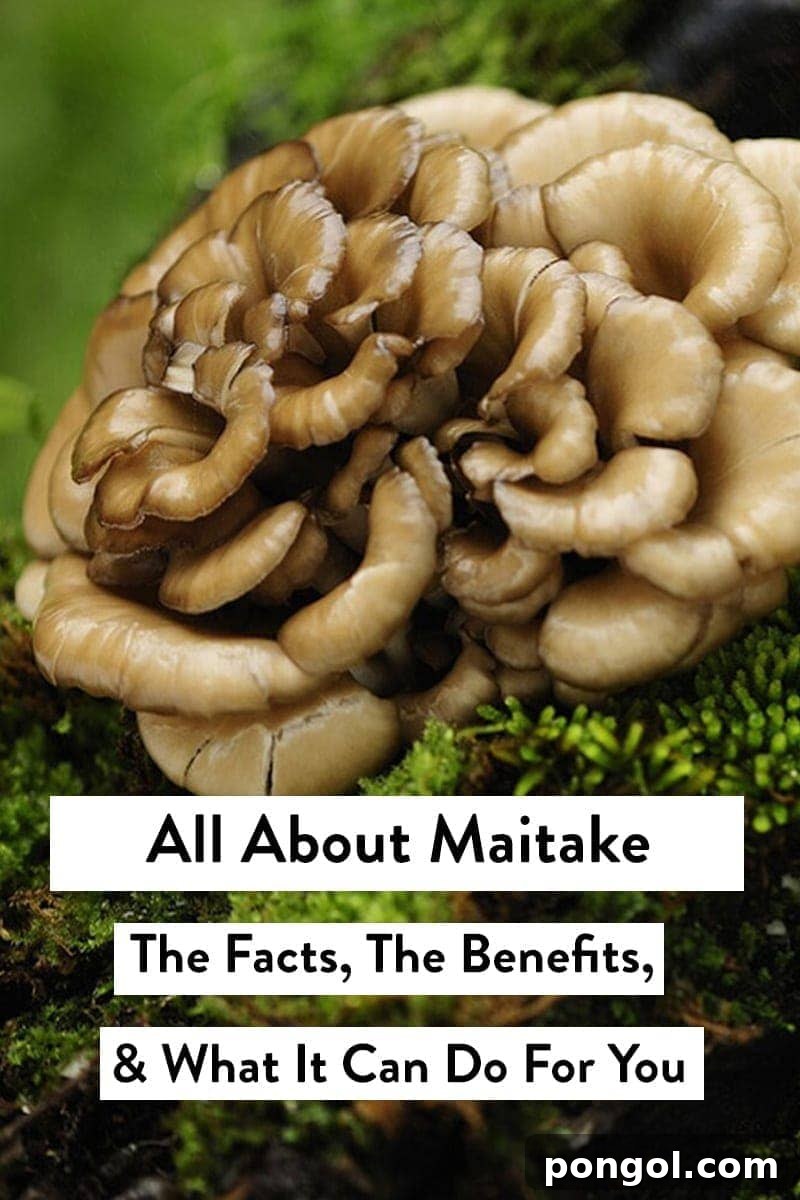
The Maitake mushroom, scientifically known as Grifola frondosa, is a fascinating and potent adaptogen celebrated for its remarkable health benefits. Often referred to as “hen-of-the-woods” due to its distinct, frilly appearance reminiscent of a hen’s ruffled feathers, Maitake has garnered significant attention in the realm of natural health supplements. From its potential to help manage cholesterol and support individuals with type 2 diabetes to its exciting implications in cancer research, Maitake is establishing itself as a crucial component in holistic wellness practices. This comprehensive guide delves into the origins, benefits, and practical applications of this incredible fungal ally, offering insights into why it’s becoming a staple for those seeking to enhance their overall health.
What Exactly Is Maitake? Unveiling the “Dancing Mushroom”
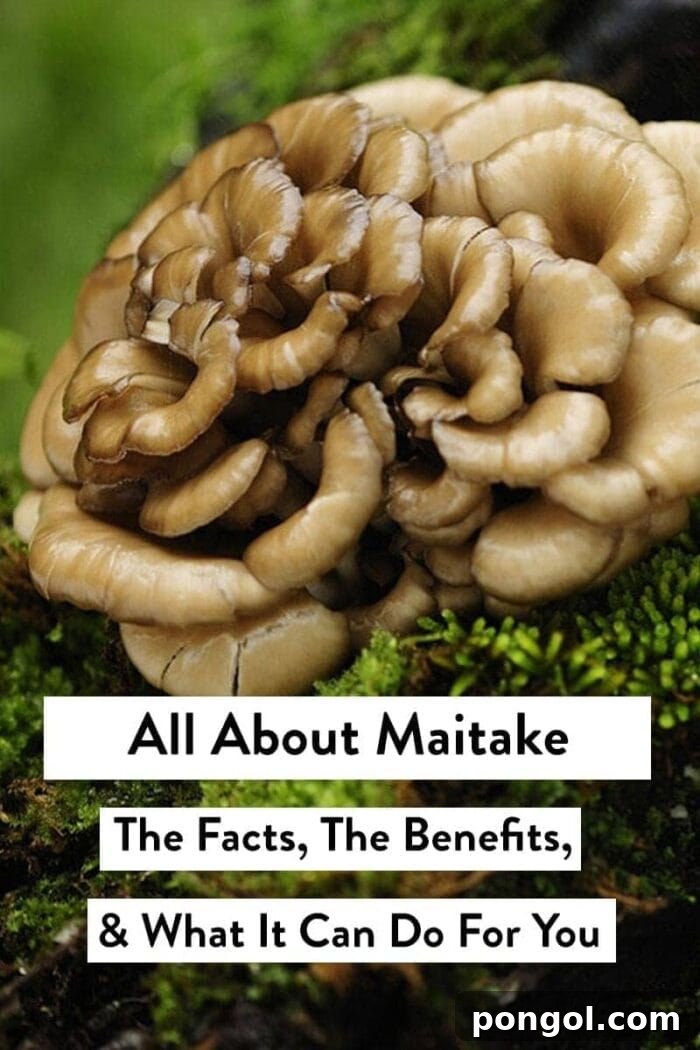
Maitake is a distinctive type of polypore mushroom that typically grows in clusters at the base of trees, particularly oaks, during late summer and autumn. Its English monikers, “hen-of-the-woods,” “ram’s head,” or “sheep’s head,” vividly describe its unique, undulating, and layered growth pattern. However, it is most widely recognized by its Japanese name, Maitake (pronounced Mi-TAH-kee), which translates to “dancing mushroom.” This enchanting name is said to have originated from people dancing with joy upon finding it in the wild, recognizing its immense culinary and medicinal value.
Beyond its striking appearance, Maitake is a prized ingredient in various cuisines globally, celebrated for its rich, earthy, and woodsy flavor, coupled with a wonderfully chewy texture. It can be easily incorporated into a wide array of dishes, from sautéed side dishes to hearty soups and stir-fries, adding a gourmet touch and a wealth of nutrients.
Fundamentally, Maitake mushrooms are classified as adaptogens. Adaptogens are unique plant substances that help the body resist various types of stressors—be they physical, chemical, or biological. They work by supporting the body’s natural ability to maintain homeostasis, or physiological balance, thereby promoting overall resilience and well-being. By modulating the body’s stress response, adaptogens like Maitake help the system return to a stable equilibrium, rather than pushing it in one specific direction.
Nutritional Profile of Maitake
Maitake mushrooms are not just rich in flavor and medicinal compounds; they also boast an impressive nutritional profile. They are a good source of B vitamins (niacin, riboflavin, folate), vitamin D, amino acids, and minerals such as potassium, phosphorus, and magnesium. Crucially, they contain a significant amount of dietary fiber and polysaccharides, particularly beta-glucans, which are the primary bioactive compounds responsible for many of their health-promoting properties.
The Abundant Health Benefits of Maitake Mushroom
The Maitake mushroom’s adaptogenic qualities and rich nutritional content translate into a diverse range of health benefits. Modern scientific research continues to explore and validate the traditional uses of this powerful fungus.
- Helps maintain healthy blood sugar levels.
- May offer support in treating Polycystic Ovarian Syndrome (PCOS).
- Contributes to lowering harmful cholesterol levels.
- Shows promising potential in the prevention and treatment of certain cancers.
- Significantly boosts and modulates the immune system.
- Possesses anti-inflammatory and antioxidant properties.
- May support healthy weight management.
Helps Maintain Healthy Blood Sugar
One of the most significant health benefits attributed to Maitake mushrooms lies in their potential to help regulate blood sugar levels, a critical concern for individuals managing type 2 diabetes or seeking to maintain optimal metabolic health. A study, for instance, demonstrated Maitake’s ability to lower high blood glucose levels in diabetic rats. The compounds within Maitake, particularly certain polysaccharides like beta-glucans, are believed to play a role in improving insulin sensitivity, enhancing glucose uptake by cells, or inhibiting enzymes involved in carbohydrate digestion. While more extensive human clinical trials are needed to fully confirm these effects, the preliminary data offers a promising outlook. Integrating Maitake into one’s diet, either through culinary preparations or as a supplement, might contribute to mitigating post-meal blood sugar spikes and fostering more stable glucose levels throughout the day. This could be a valuable natural adjunct for those looking to support their body’s glucose management mechanisms, always in consultation with a healthcare professional.
Could Help Treat Polycystic Ovarian Syndrome (PCOS)
Polycystic Ovarian Syndrome (PCOS) is a complex hormonal disorder affecting many women, often leading to irregular periods, infertility, and metabolic issues. A truly exciting study revealed that Maitake D-fraction, a specific extract from the mushroom, induced ovulation in women with PCOS. This is a groundbreaking finding, as many individuals diagnosed with PCOS struggle with infertility due to hormonal imbalances that interfere with the release of eggs from the ovaries. Maitake’s potential to help regulate ovulation could significantly improve fertility prospects for those with the condition, offering a natural and less invasive approach to managing a challenging aspect of PCOS. This area of research holds immense promise for reproductive health.
May Lower Cholesterol
High cholesterol is a major risk factor for cardiovascular diseases, leading to fatty deposits in arteries that can result in heart attacks or strokes. While comprehensive human studies are still ongoing, an animal study has shown that Maitake mushroom consumption was effective in lowering “bad” (LDL) cholesterol levels in rats. These findings suggest that Maitake might interfere with lipid metabolism, potentially reducing the absorption of dietary cholesterol or aiding in its excretion. Early research indicates that incorporating Maitake supplements into a balanced diet could contribute to a healthier lipid profile and, consequently, reduce the risk of developing heart-related conditions. This further underscores Maitake’s role in supporting comprehensive metabolic health.
Potential to Prevent and Treat Some Cancers
Perhaps one of the most extensively researched and exciting areas for Maitake is its potential role in cancer prevention and treatment. Although research is still in its early stages and ongoing, several studies have indicated that Maitake mushrooms may possess anti-tumor properties, slowing cancer growth and even inducing apoptosis (programmed cell death) in cancer cells. Specific compounds like Maitake D-fraction and MD-fraction are believed to be responsible for these effects, primarily through their ability to activate various immune cells. One notable study even suggested that Maitake may prevent and treat breast cancer, offering a glimmer of hope for complementary therapies. It is crucial to note that while these findings are promising, Maitake should always be considered a complementary approach and not a substitute for conventional cancer treatments. Consultation with an oncologist is paramount.
Boosts Immunity
As an adaptogen, Maitake mushroom excels at bolstering the body’s immune defenses. Numerous studies have demonstrated its profound benefits for the immune system, helping to protect the body from various illnesses. The beta-glucans present in Maitake are powerful immune modulators, stimulating the activity of key immune cells such as macrophages, natural killer (NK) cells, and T-cells. These cells are vital for identifying and eliminating pathogens and abnormal cells. By enhancing both innate and adaptive immunity, Maitake helps the body mount a more effective and coordinated defense against infections and diseases. Furthermore, by assisting the body in managing stress, Maitake indirectly supports immune function, as chronic stress is known to suppress immunity, making individuals more susceptible to sickness.
Anti-inflammatory and Antioxidant Properties
Beyond its well-known immune-boosting capabilities, Maitake mushroom also exhibits significant anti-inflammatory and antioxidant activities. Chronic inflammation is implicated in a wide array of modern diseases, from heart disease and diabetes to autoimmune conditions and certain cancers. The compounds in Maitake can help to modulate inflammatory pathways, potentially reducing systemic inflammation. Concurrently, Maitake acts as an antioxidant, scavenging harmful free radicals that contribute to oxidative stress and cellular damage. By protecting cells from oxidative damage, Maitake contributes to overall cellular health and can play a role in preventing age-related diseases and supporting healthy aging. This dual action makes Maitake a powerful ally in maintaining long-term health and vitality.
Supporting Weight Management
While not a primary focus, Maitake’s influence on metabolic health can indirectly support weight management efforts. Its ability to help regulate blood sugar levels can reduce cravings and stabilize energy, preventing the overconsumption of calories often associated with blood sugar spikes and crashes. Additionally, some research suggests Maitake may help reduce fat accumulation and improve overall metabolic efficiency. As a low-calorie, nutrient-dense food when consumed whole, it can be a valuable addition to a diet aimed at maintaining a healthy weight.
How Do I Take Maitake & What Should I Expect?
Incorporating Maitake into your wellness routine is versatile, offering both culinary and supplemental avenues. For medicinal purposes, Maitake is commonly available in capsule or powdered extract form. Many proponents suggest taking it with vitamin C, as ascorbic acid is believed to enhance the bioavailability and efficiency of the mushroom’s active compounds. Dosage can vary widely based on the extract concentration and individual needs, so it’s always best to follow product instructions or consult a healthcare professional.
Beyond supplements, Maitake is a delicious addition to your regular diet. Its rich, umami flavor makes it suitable for a variety of dishes. You can sauté it with garlic and herbs, roast it until crispy, add it to soups, stews, omelets, or stir-fries. It also makes an excellent meat substitute in vegetarian dishes. For culinary inspiration, you can explore a bunch of delicious recipes here!
While Maitake mushrooms are generally considered safe for most people, some individuals may experience mild side effects. These can include stomach upset, nausea, or an allergic reaction, particularly if you are sensitive to other types of mushrooms. It is always wise to start with a small dose to assess your body’s reaction.
Important Considerations and Precautions
Before integrating Maitake or any new supplement into your health regimen, it is crucial to consult with your doctor or a qualified healthcare professional. This is especially important if you have pre-existing medical conditions, are taking medications, or are pregnant or breastfeeding. While Maitake offers numerous benefits, certain precautions should be observed:
- Diabetic Individuals: Since Maitake has been shown to lower blood sugar levels, there is a risk of hypoglycemia (blood sugar dropping too low) when combined with diabetes medications. Close monitoring of blood glucose levels and professional medical advice are essential.
- Pregnant or Breastfeeding: There is insufficient scientific research on the safety of Maitake supplementation during pregnancy or breastfeeding. As a precautionary measure, it is best to avoid its use or consult your doctor to ensure it is 100% safe for you and your baby.
- Individuals with Autoimmune Diseases or Cancer: While Maitake boosts the immune system, this could potentially interact with immunosuppressant medications or certain cancer therapies. Its immune-modulating effects require careful consideration. Always discuss with your doctor to ensure Maitake is a safe and healthy choice that won’t interfere with your current treatment plan.
- Those on Blood Thinners: Maitake may have mild anti-platelet or blood-thinning effects. If you are taking anticoagulant medications like warfarin, it is vital to consult your doctor, as Maitake could potentially increase the risk of bleeding.
- Prior to Surgery: Due to its potential effects on blood sugar and blood clotting, it is generally recommended to discontinue Maitake supplementation at least two weeks before any scheduled surgery.
Cultivating Wellness: The Maitake Mushroom’s Promise
The Maitake mushroom stands as a testament to nature’s profound ability to offer support for human health. From its fascinating biological properties as an adaptogen to its impressive array of scientifically supported benefits—spanning immune enhancement, blood sugar regulation, cholesterol management, and even promising contributions to cancer research and women’s health—Maitake has earned its revered status. By understanding its uses and respecting its precautions, individuals can thoughtfully incorporate this “dancing mushroom” into a holistic approach to wellness, fostering resilience and promoting a vibrant, balanced life. Remember to always consult with a healthcare professional to tailor any natural remedy to your specific health needs.
Read More on Health & Wellness
- All About Astragalus
- Dopamine Detox – What is It and How to Do It
- All About Turkey Tail & Its Benefits
- Immunity Boosters
- Self-Care When You’re Stuck Inside
- 6 Gentle Natural Detox Methods
- 20 Self Care Ideas for a Healthy Happy You
- 15 Hygge Ideas for Fall & Winter That’ll Make You Cozy AF
- Virtual Happy Hour
- All About Chlorella
- How I Beat Depression Naturally
- All About Cordyceps
- How I (Finally) Got Pregnant Quickly
Hey – you’ve made it this far, and now we’re best friends! Make sure you follow me onInstagram,Pinterest, andFacebook, too!