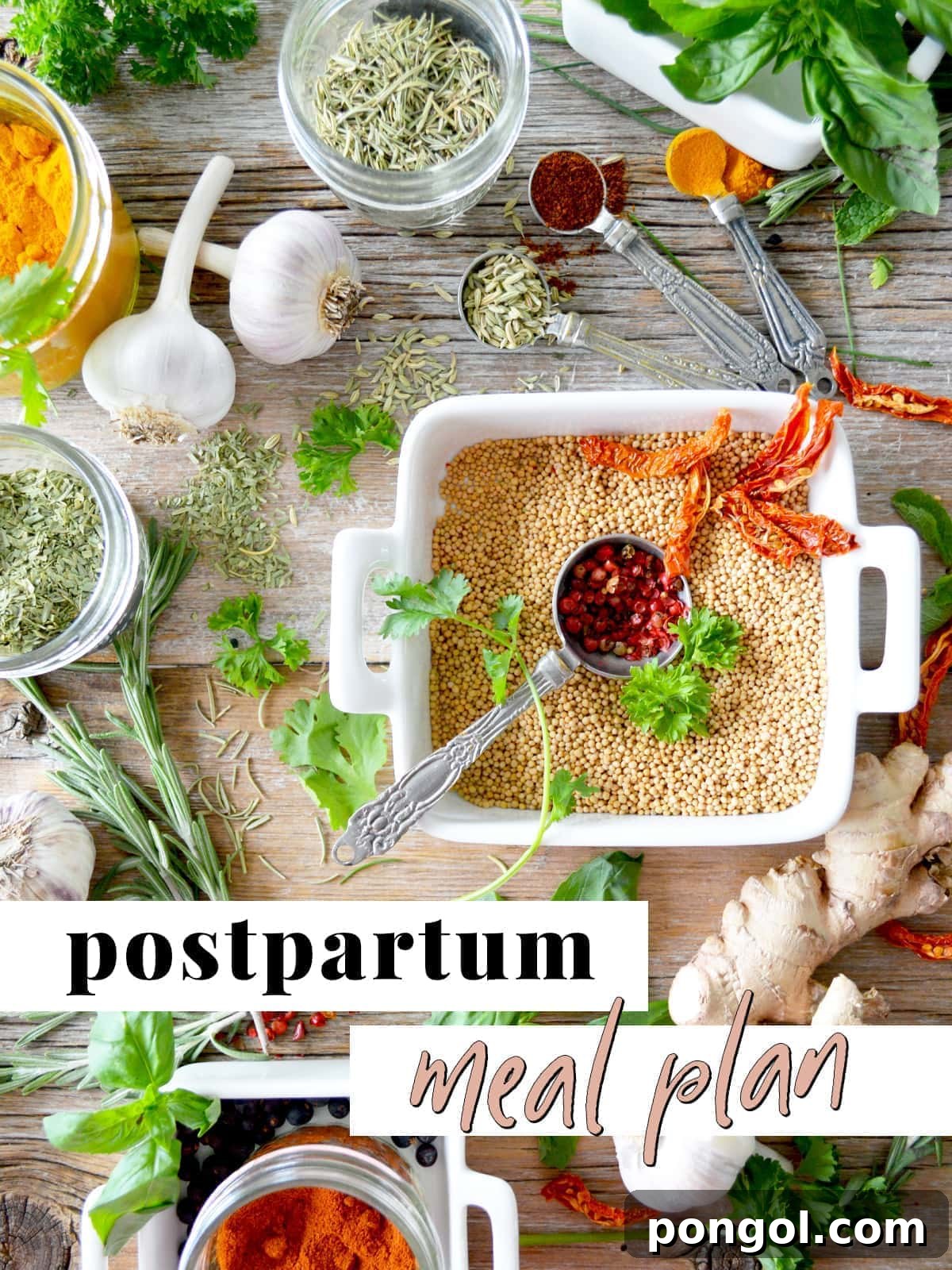
The postpartum period marks a beautiful, yet intensely demanding, chapter in a new mother’s life. While the joy of welcoming a baby is immense, the physical and emotional recovery journey can be challenging. Your body has just accomplished something extraordinary, and now it needs significant support to heal, restore energy, and, for many, produce milk for your newborn. Prioritizing your nutrition during this crucial time is not a luxury; it’s an absolute necessity for both your well-being and your baby’s. This comprehensive guide outlines a strategic approach to postpartum eating, focusing on nutrient-dense, easily digestible foods designed to replenish your reserves, boost recovery, and sustain your energy levels. We’ll explore the ‘why’ behind specific food choices and provide a practical two-week meal plan to help you navigate this special phase with strength and vitality.
Important Postpartum Meal Plan Disclaimers
Please Note: The information presented in this post details my personal experience and dietary choices during my postpartum journey. Every individual’s body, health history, and pregnancy experience are unique. What proved effective for me and my pregnancies may not be suitable for everyone. I am not a medical professional, registered dietitian, or nutritionist. Therefore, nothing in this post should be considered medical advice or a substitute for the professional opinions and guidance of your specific healthcare provider. It is imperative that you consult with your doctor, midwife, or a qualified nutritionist, especially before incorporating any new foods, supplements, or making significant dietary changes.
Some links featured within this post may be affiliate links. This means that if you choose to click through to a product and subsequently make a purchase, I may receive a small compensation at no additional cost to you. Please be assured that any products or companies mentioned are referenced solely based on my genuine personal experience and satisfaction, not due to the potential for commission. I will clearly identify any affiliate links throughout this content.
Crafting Your Optimal Postpartum Meal Plan
The nutritional foundations for the postpartum period share many similarities with a healthy pregnancy diet, emphasizing real, whole, and unprocessed foods. However, the focus shifts slightly towards intense healing, energy restoration, and supporting lactation. Your body has endured immense physiological changes and physical exertion during childbirth. Now, it enters a recovery phase that demands significant caloric and nutrient intake, all while you embark on the rewarding yet exhausting journey of round-the-clock newborn care.
This period can be profoundly taxing, affecting not only your physical health but also your mental and emotional well-being. Therefore, selecting nourishing, nutrient-dense foods is paramount. These choices will provide the sustained energy you need to tackle daily challenges, aid in tissue repair, balance hormones, and combat fatigue. For those who are breastfeeding, your caloric needs increase significantly – typically by an additional 500 calories per day – to maintain a healthy and robust milk supply. Neglecting your nutritional needs during this time can exacerbate fatigue, prolong recovery, and even impact milk production.
My personal postpartum meal plan heavily prioritizes easily digestible foods. The goal is to maximize nutrient absorption and deliver vital sustenance to my body as efficiently as possible. This approach helps minimize digestive discomfort, which can be common post-birth, and ensures that precious energy isn’t diverted to processing complex meals. Key components include an abundance of bone broth, collagen-rich foods like bone-in meats, and specific ingredients known for their exceptional postpartum benefits:
- Seaweed – A Mineral Powerhouse: Often celebrated in traditional postpartum diets, seaweed is an incredibly rich source of fiber, which is excellent for digestive regularity and alleviating common postpartum constipation. It’s also packed with calcium, vital for bone health, especially as calcium can be leached from the mother’s bones during pregnancy and lactation. Furthermore, seaweed provides substantial iron, crucial for preventing and recovering from postpartum anemia, along with other essential minerals like magnesium, zinc, and potassium, all contributing to overall recovery and energy.
- Oats – The Lactation & Energy Booster: Oats are widely recognized as a galactagogue, meaning they can help promote and sustain milk supply for breastfeeding mothers. Beyond this key benefit, they offer a wealth of important nutrients and provide sustained energy thanks to their complex carbohydrates. The fiber content also supports healthy digestion and can help stabilize blood sugar levels, preventing energy crashes that are particularly unwelcome when caring for a newborn.
- Liver and Other Red Meats/Organs – Essential for Blood Replenishment: After labor, it’s common to experience some blood loss, making iron and Vitamin B12 replenishment critical. Liver, in particular, is one of nature’s most concentrated sources of heme iron (which is highly absorbable), Vitamin B12, folate, and Vitamin A. Red meats and other organ meats also offer significant amounts of these vital nutrients, which are essential for red blood cell production, energy levels, and combating postpartum fatigue.
- Turmeric – The Anti-Inflammatory Healer: This golden spice contains curcumin, a powerful compound known for its significant anti-inflammatory and antioxidant properties. Incorporating turmeric into your postpartum diet can help reduce systemic inflammation, which is beneficial for healing tissues after birth, and boost your immune system during a time when your body is under increased stress.
Beyond the Plate: Hydration is Key
While often overlooked, adequate hydration is as critical as food in the postpartum period. Water is essential for every bodily function, including cellular repair, nutrient transport, and regulating body temperature. For breastfeeding mothers, proper hydration is absolutely vital for maintaining a healthy milk supply, as breast milk is primarily water. Aim to drink at least 8-10 glasses of water daily, and even more if you are actively breastfeeding. Herbal teas, diluted fruit juices, and broths can also contribute to your fluid intake.
My Personal Postpartum Meal Plan: Practical Strategies & Recipes
Pro Tip: Freezer meals will be your absolute best friends in the postpartum period. Seriously, whatever you can prepare in advance and freeze, do it. This is a time when rest and recuperation are paramount. Minimizing the time you spend cooking and cleaning in the kitchen means more time for bonding with your baby, sleeping, and healing. Batch cooking healthy, nourishing meals before your baby arrives or enlisting the help of friends and family to stock your freezer will be a game-changer. Think soups, stews, casseroles, and baked goods that reheat easily and provide wholesome nutrition.
The following recipes are a selection of dishes I included in my postpartum meal plan after the arrival of my third baby. Please remember, I discussed these dietary choices and my overall plan with my doctor, considering my specific body, pregnancy history, and health status. Always consult with your medical professional before making any significant dietary changes, especially during such a delicate time.
Week One – Breakfasts: Starting Your Day Strong
Mornings with a newborn can be chaotic. These breakfast options are designed for quick preparation, high nutritional value, and sustained energy to kickstart your day.
- Instant Pot Steel Cut Oats: A warm, comforting, and fiber-rich start, easily prepared in batches.
- Baked Oatmeal: Perfect for making ahead and reheating, offering whole grains and fruit.
- Easy Golden Milk: A soothing, anti-inflammatory beverage with turmeric, excellent for recovery.
- Air Fryer Hard Boiled Eggs: A quick, protein-packed option that can be prepped in advance.
- Peanut Butter Chocolate Protein Granola Bars: Homemade bars are fantastic for grab-and-go energy.
- Breakfast Meal Prep: Ideas for preparing nutrient-rich breakfasts to last for days.
Week One – Lunches: Nourishment for Busy Afternoons
Lunch needs to be easy and revitalizing, providing fuel without requiring extensive cooking mid-day.
- Tom Kha Gai Soup: A flavorful, warming soup that can be made in advance.
- Dal Palak: Lentil and spinach curry, rich in protein and iron, great for batch cooking.
- Miso Soup: A light, savory, and probiotic-rich option, excellent for digestion.
- Instant Pot Bone Broth: The ultimate healing elixir, rich in collagen and minerals.
- Air Fryer Salmon: Quick to cook and packed with essential omega-3 fatty acids.
- Seaweed Salad: A refreshing way to incorporate vital minerals and fiber.
Week One – Dinners: Healing & Hearty Meals
Dinners are an opportunity for substantial, nutrient-dense meals that support deep healing and replenishment overnight.
- Ginger Fried Rice: Comforting and customizable, with ginger for digestive aid.
- Oyster Stew: Oysters are a fantastic source of zinc and other minerals, great for recovery.
- Chili with Liver: A hearty, iron-rich dish, easily made in large batches and enhanced with liver for extra nutrients.
- Moroccan Chickpea Stew with Chicken Thighs: Flavorful, protein-packed, and full of warming spices.
- Chicken and Rice Soup (with a whole chicken): Utilizes a whole chicken for maximum nutrient extraction into a deeply nourishing broth.
Week Two – Breakfasts: Continued Nourishment and Variety
Continuing the theme of easy and nutritious starts to the day, with some variations to keep things interesting.
- Instant Pot Oatmeal: Another simple, satisfying, and breast-milk-friendly option.
- Italian Breakfast Casserole: A savory, protein-rich dish that’s great for meal prepping.
- Granola with Collagen Peptides: A crunchy, customizable option, boosted with collagen for skin and tissue repair.
- Instant Pot Eggs: Versatile and quick, providing essential protein.
- Iced Golden Milk Latte: A refreshing twist on the soothing turmeric drink.
Week Two – Lunches: Light but Powerful
Easy-to-assemble and nutrient-packed lunches to keep your energy steady through the afternoon.
- Chicken Curry with Turmeric Lemon Rice: A vibrant, anti-inflammatory, and filling meal.
- Seaweed Soup with Scallions: Simple, hydrating, and mineral-rich.
- Instant Pot Bone Broth: Continue to sip on this healing liquid throughout the day.
- Blueberry Chia Smoothie with Majka Lactation Protein Powder: A quick, nutrient-dense, and potentially lactation-boosting drink.
- Lemon Garlic Salmon: Continues the intake of healthy fats and protein.
- Perfect Pan Seared Chicken Thighs with Pan Sauce: A versatile protein that pairs well with simple sides.
Week Two – Dinners: Comfort and Deep Nutrition
Wrapping up the day with comforting meals that continue to support recovery and provide satiety.
- Shepherd’s Pie with Liver: A hearty, nutrient-rich twist on a classic comfort food.
- Healthy Zuppa Toscana: A delicious, satisfying soup that can be made healthier.
- Chimichurri Flank Steak: A flavorful protein choice, offering iron and energy.
- Tuna Zoodle Casserole: A lighter, yet still satisfying, casserole option.
- New York Times Cooking’s Garlic Braised Short Ribs (Slow Cooker Method): These rich, tender ribs can be braised on HIGH for 4 hours in a slow cooker and then frozen for easy future meals.

Nourishing Your Body for a Strong Postpartum Recovery
The postpartum period is a unique and often challenging time that demands self-compassion and intentional self-care. By prioritizing a nutrient-rich, easily digestible diet, you are laying the foundation for faster physical recovery, sustained energy, balanced mood, and successful breastfeeding. Remember, listening to your body’s signals, staying well-hydrated, and leaning on the convenience of meal prepping (especially freezer meals) are all crucial components of this journey. Embrace this time as an opportunity to truly nourish yourself, allowing you to fully enjoy and thrive in your new role as a mother.
Explore More Postpartum & Pregnancy Resources
For more insights and practical tips on navigating pregnancy and the postpartum period, check out these related articles:
- First Trimester Must-Haves
- Second Trimester Must-Haves
- Third Trimester Must Haves
- Postpartum Must Haves
- Having a Natural Birth with an Epidural
- How I (Finally) Got Pregnant Quickly
- Skin Care Products Safe During Pregnancy & My Pregnancy Skin Care Routine
- The Best Safe Sunscreen for Pregnancy (And What Chemicals to Avoid)
- Freezer Meals to Prepare for Baby
- Ultimate Registry for Second Baby