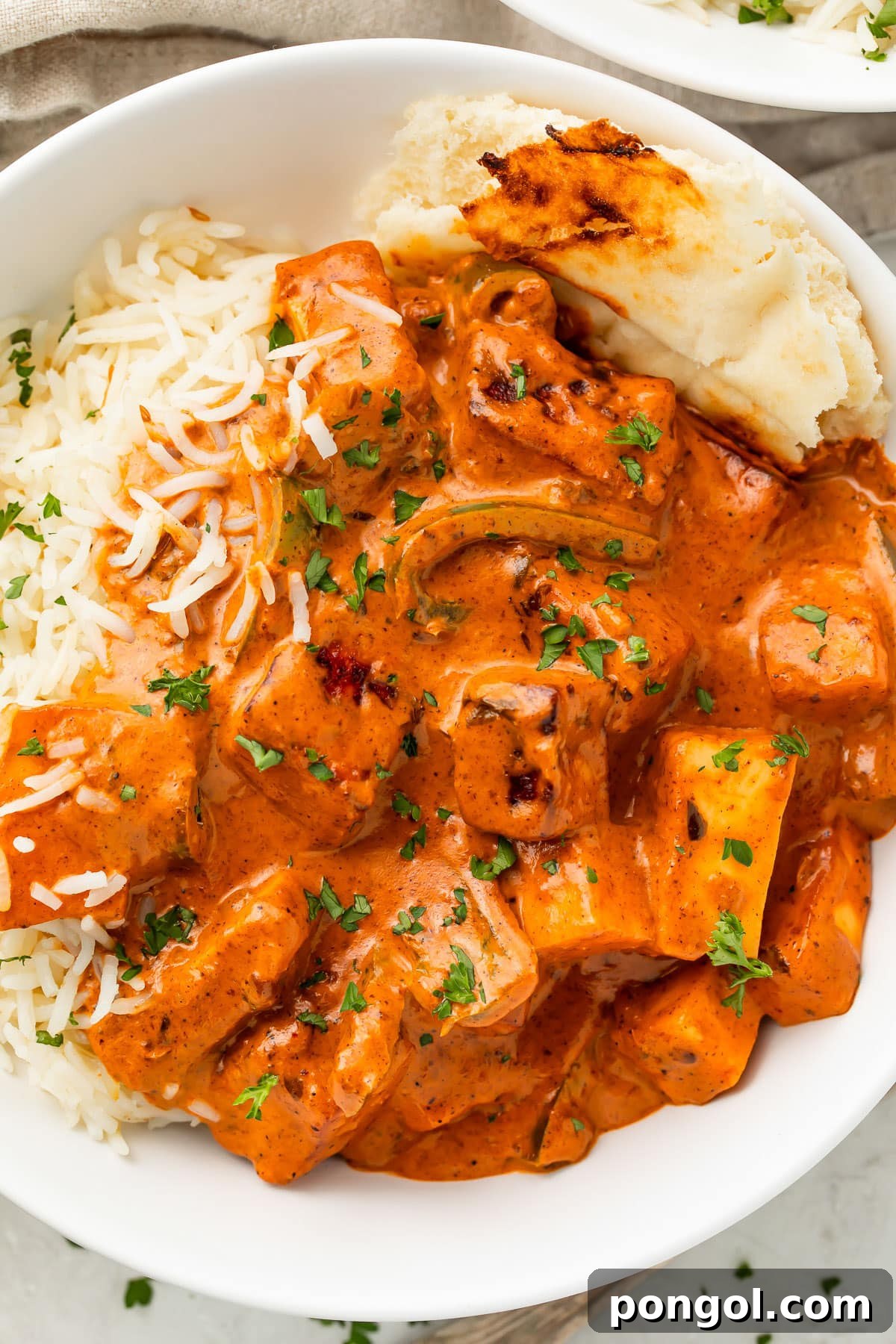
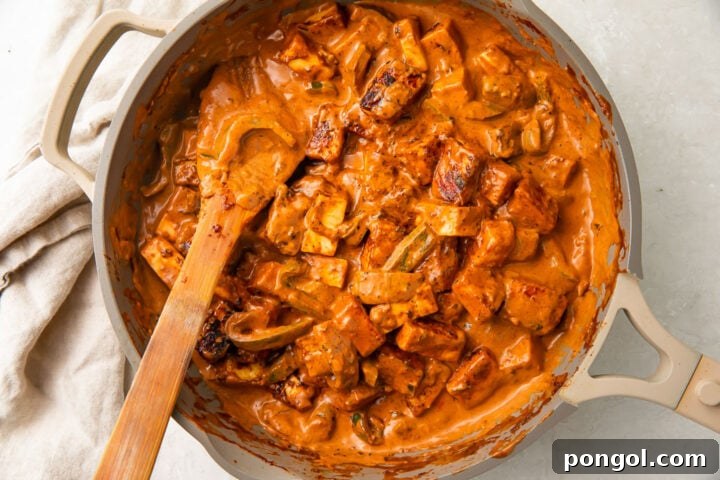
Embark on a culinary journey to the heart of India right from your kitchen with this ultimate restaurant-style Paneer Tikka Masala recipe. This iconic dish, beloved for its rich flavors and creamy texture, is surprisingly achievable at home. Forget takeout; our meticulously crafted recipe guides you to create a deeply aromatic, exquisitely spiced, and utterly satisfying vegetarian curry that will impress even the most discerning palates. Featuring succulent cubes of paneer – a traditional Indian cheese – bathed in a velvety tomato-based sauce, this meal promises a delightful experience, perfectly balancing savory notes with a hint of tang and gentle warmth. Prepare to savor every spoonful of this wholesome and flavorful Indian masterpiece.
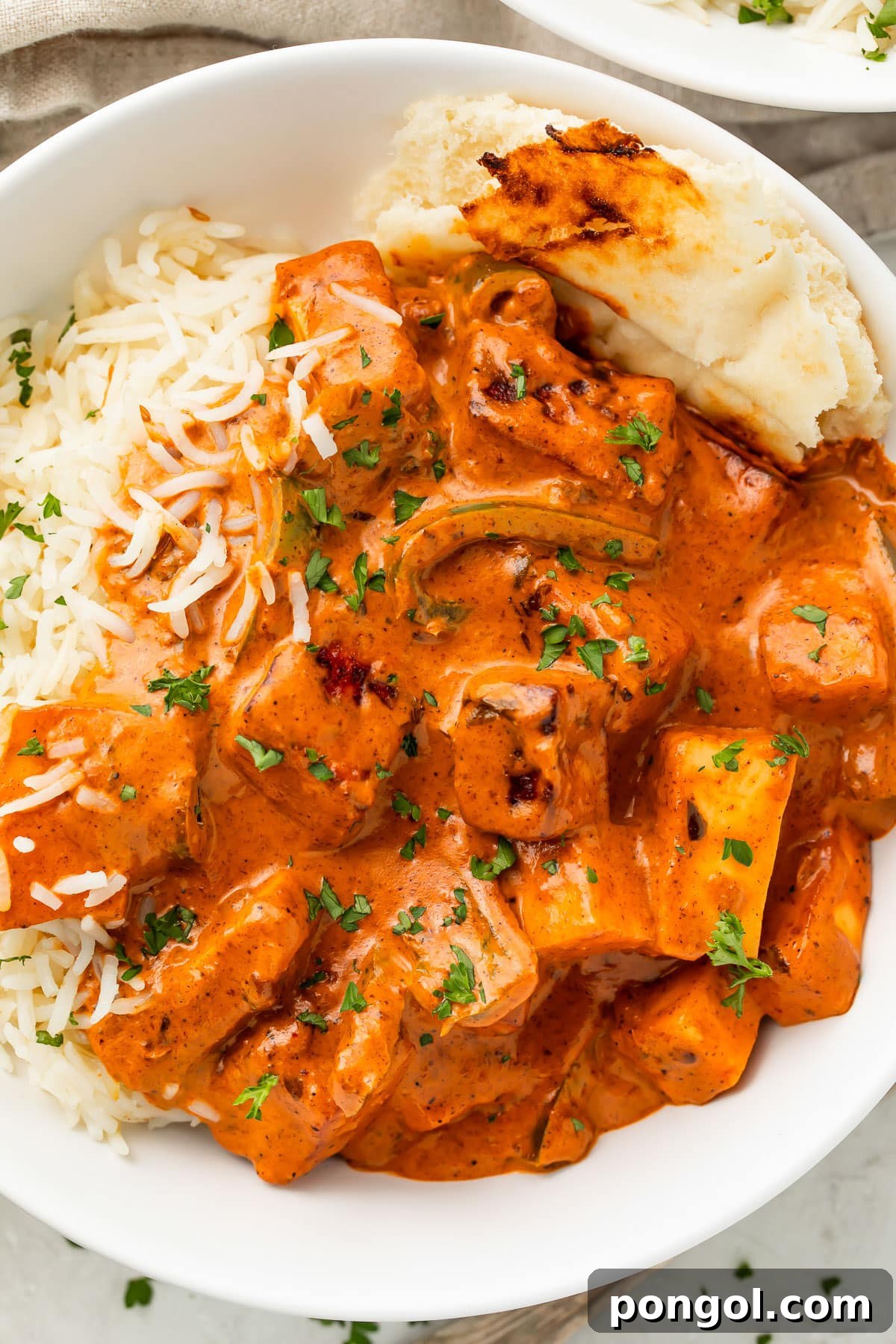
Why You’ll Adore This Homemade Paneer Tikka Masala
There are countless reasons why this Paneer Tikka Masala recipe stands out, offering a truly exceptional dining experience right in your home:
- A Vegetarian Masterpiece: While chicken tikka masala is widely popular, this paneer version proudly takes center stage as a phenomenal vegetarian alternative. Paneer, a soft, creamy Indian cheese made from curds of boiled milk, is the star of this dish. Its unique texture absorbs the rich masala sauce beautifully, offering a satisfying and protein-packed experience that is naturally meatless. For those following a plant-based diet, this recipe can easily be adapted to be completely vegan with a few simple substitutions, ensuring everyone can enjoy its incredible flavors.
- A Symphony of Spices, Not Overwhelming Heat: Don’t let the mention of spices intimidate you; this dish is renowned for its complex flavor profile rather than its fiery heat. Our recipe uses a balanced blend of aromatic spices to create depth and warmth, not just spiciness. We include one serrano pepper (de-seeded) to provide a subtle, background warmth. Serranos typically range from 5,000 to 15,000 Scoville units, making them hotter than jalapeños, but their heat is beautifully tempered by the other ingredients. If you’re particularly sensitive to heat, feel free to use half a serrano or omit it entirely. Conversely, if you crave more heat, we’ll show you how to easily adjust the recipe to your preferred spice level.
- Authentic, Uncompromising Flavor: We believe in crafting the most authentic and deeply flavorful Paneer Tikka Masala possible, which means taking zero shortcuts. This recipe guides you through marinating the paneer and slowly simmering it in a thick, rich tomato-based masala sauce. This meticulous process allows the flavors to meld and intensify, resulting in a curry with unparalleled depth and a truly restaurant-quality taste. While it may require a bit more hands-on time than some quick-fix recipes, the incredible payoff in flavor makes every moment invested absolutely worth it!
Key Ingredients for an Authentic Paneer Tikka Masala
Crafting the perfect Paneer Tikka Masala relies on a harmonious blend of fresh and aromatic ingredients. Understanding the role each component plays is essential to achieving that coveted restaurant-quality taste:
- Paneer: The Star Indian Cheese: This fresh, unaged cheese is the cornerstone of our vegetarian tikka masala. Paneer has a mild flavor and a distinctive firm, yet crumbly texture that doesn’t melt when cooked, making it ideal for curries. When pan-fried, it develops a delightful golden crust and a tender interior, perfectly absorbing the rich masala sauce.
- Ghee: The Flavorful Fat: Ghee, or clarified butter, is indispensable in Indian cooking. Its nutty aroma and high smoke point make it perfect for sautéing aromatics and spices. Using ghee deepens the flavor of the masala sauce, imparting a richness that cannot be replicated with ordinary oils.
- Onion, Ginger, and Garlic: The Aromatic Foundation: These three ingredients form the holy trinity of flavor in Indian cuisine. Slowly caramelizing diced white onions creates a sweet, savory base. Freshly grated ginger adds a pungent, warm, and slightly peppery kick, while minced garlic contributes a robust, aromatic depth. Together, they create a complex foundation for the sauce.
- Serrano Chile Pepper: Adjustable Heat: For a touch of vibrant heat without overpowering the dish, a de-seeded serrano pepper is included. Its fresh, bright spiciness complements the other flavors. As mentioned, the heat is entirely customizable – add more for a fiery kick or omit for a milder version.
- Garam Masala: The Signature Blend: This aromatic spice blend is a cornerstone of Indian cooking. Garam masala, typically comprising cinnamon, cardamom, cloves, cumin, coriander, and black pepper, adds a warm, sweet, and pungent complexity that defines the tikka masala flavor.
- Turmeric Powder: Color and Earthiness: Turmeric is renowned for its vibrant golden color and earthy, slightly bitter flavor. Beyond its visual appeal, it offers numerous health benefits and is a fundamental spice in virtually all Indian curries.
- Paprika: Mild Sweetness and Color: Paprika adds a subtle sweetness and a beautiful red hue to the masala sauce, enhancing its visual appeal and contributing to the overall balanced flavor.
- Tomato Sauce: The Tangy Base: Canned tomato sauce provides the essential tangy and slightly acidic backbone of the tikka masala. It forms the rich, thick gravy that coats the paneer and marries all the flavors together.
- Green Bell Pepper: Sweetness and Texture: Sliced green bell pepper adds a fresh, slightly sweet counterpoint to the rich sauce, contributing both flavor and a pleasant textural element.
- Dried Fenugreek Leaves (Kasoori Methi): The Secret Weapon: This ingredient is often described as the ‘secret ingredient’ in authentic Indian restaurant curries. Crushing the dried fenugreek leaves between your palms before adding them releases a distinctive, slightly bitter, yet incredibly aromatic and addictive flavor that elevates the dish to another level.
- Heavy Cream: The Luxurious Finish: The generous addition of heavy cream is what gives Paneer Tikka Masala its signature creamy, luscious texture and mild richness. It perfectly balances the spices and tomato tang, creating an irresistibly smooth and velvety sauce.
- Lemon: Brightening Freshness: A squeeze of fresh lemon juice at the end brightens the entire dish, cutting through the richness and enhancing the overall flavor profile with a burst of citrusy zest.
Expert Chef’s Tips for Perfect Paneer Tikka Masala
Achieving restaurant-quality Paneer Tikka Masala at home is easier than you think with these expert tips:
- Paneer Preparation is Key: Cut your paneer into cubes of your preferred size. Whether you like smaller, bite-sized pieces or larger, more substantial chunks, ensure they are relatively uniform for even cooking. When pan-frying, be mindful of the pan’s capacity; you might need to cook the paneer in two batches to avoid overcrowding, which can steam rather than fry the cheese. Remember, the second batch will likely cook faster as the skillet will already be thoroughly heated.
- The Art of Not Overcooking Paneer: This is crucial! Overcooked paneer becomes hard, rubbery, and loses its delightful texture. Homemade paneer is typically more tender and requires only 2 to 3 minutes of pan-frying until golden. Store-bought paneer, often denser, can handle 4 to 5 minutes. Watch it carefully and remove it from the heat as soon as it achieves that beautiful golden-brown sear.
- Customizing Your Spice Level: The beauty of homemade food is tailoring it to your taste. Our recipe calls for 1 de-seeded serrano chili for a mild-to-medium warmth. For a true medium heat, include the seeds from one serrano. If you love heat, use 2 serrano chiles with their seeds. You can also add a pinch more cayenne powder to the sauce for an extra kick. Always taste and adjust!
- Developing Deep Flavors in the Masala: The secret to a rich masala lies in patient cooking. Allow your onions, ginger, and garlic mixture to sauté slowly over medium-low heat until it develops a deep, caramelized “toffee” color. This slow browning extracts maximum sweetness and depth. Don’t rush this step, as it’s fundamental to the curry’s overall flavor. If the mixture starts to stick or dry out, add small drops of water periodically to deglaze the pan and prevent burning.
- Blending Hot Mixtures Safely: When blending the hot tomato-onion mixture, always proceed with caution. Fill your blender no more than halfway to prevent pressure buildup. Allow the mixture to cool slightly before blending. Crucially, remove the center cap from the blender lid and cover the opening with a folded kitchen towel. Hold the lid down firmly with the towel to release steam and prevent splashes, blending in short bursts until completely smooth.
More Indian-Inspired Recipes You’ll Love
If you’ve enjoyed this Paneer Tikka Masala, explore these other fantastic Indian-inspired dishes that bring vibrant flavors to your kitchen:
- How to Make Paneer (Indian Cheese): Step by Step Guide
- Instant Pot Basmati Rice
- Instant Pot Dal
- Beef Vindaloo
- Indian Meatballs Recipe with Creamy Sauce (Whole30, Paleo)
- Whole30 Indian Saag Chicken (Paleo Indian Saag Chicken)
- Palak Paneer (Restaurant Style)
- Easy Chana Masala
- Vegetable Korma (Vegan, Gluten Free)
- Indian Butter Chicken
- Whole30 Indian Butter Chicken (Lactose-Free)
Recipe By: Cheryl Malik
Paneer Tikka Masala
Prep Time: 15 minutes
Cook Time: 1 hour 10 minutes
Total Time: 1 hour 25 minutes
This restaurant-style paneer tikka masala gives you all the flavors you love in the classic dish, made right in your own home!

Cheryl Malik
Pin Recipe
Yields: 6 servings
Equipment
- Large mixing bowl with lid, or plastic wrap to cover
- Whisk
- Tongs
- 2 large skillets
- Large wooden spoon
- Standard blender
- Large plate
Ingredients
For the Paneer
- 3 tablespoons neutral-tasting oil (avocado oil, refined coconut oil, etc.)
- 1 teaspoon salt (more or less to taste)
- ½ teaspoon turmeric powder
- ¼ teaspoon cayenne powder
- 16 ounces paneer, cubed
- 1 large pinch salt
For the Tikka Masala Sauce
- 2 tablespoons ghee
- Half of one medium white onion, diced (approximately ½ cup)
- 1 serrano chile pepper, stem and seeds removed, pepper minced
- 3 cloves garlic, minced
- 1 tablespoon grated fresh ginger
- 1 ½ teaspoons garam masala
- ½ teaspoon paprika
- 1 8-ounce can tomato sauce
- 1 medium green bell pepper, stem and seeds removed, pepper sliced into strips
- 1 tablespoon dried fenugreek leaves
- 1 teaspoon salt, plus more to taste
- 1 tablespoon neutral-tasting oil (avocado oil, refined coconut oil, etc.)
- 1 ¼ – 1 ¾ cups heavy cream, at room temperature
- 1 medium lemon, quartered
Serving Suggestions (All Optional)
- Steamed basmati rice or cauliflower rice
- Warm naan
- Chopped fresh cilantro
Instructions
-
Add 3 tablespoons neutral-tasting oil, 1 teaspoon salt, ½ teaspoon turmeric powder, and ¼ teaspoon cayenne powder to a large mixing bowl. Whisk ingredients together until well combined.
-
Add 16 ounces paneer cubes to the bowl. Gently stir until the paneer is completely coated with the spice mixture. Cover the bowl with a lid or plastic wrap and set aside to marinate.
-
Heat a large skillet over medium heat. When the pan is warm, add 2 tablespoons ghee and let it melt, tilting the pan occasionally to distribute the ghee across the surface.
-
Add half of one medium white onion (diced) and stir to incorporate. Sauté the onion until softened and translucent, approximately 5 minutes.
-
Add 1 serrano chile pepper, 3 cloves garlic, and 1 tablespoon grated fresh ginger to the skillet. Stir to incorporate, then reduce the heat to medium-low. Cook, stirring occasionally, until the mixture develops a rich toffee color, approximately 20 minutes. If the mixture sticks or begins to dry out, stir in drops of water periodically as needed, being careful not to add too much.
-
Once the desired caramelized color is achieved, add 1 ½ teaspoons garam masala and ½ teaspoon paprika to the skillet. Stir well to incorporate the spices and cook the mixture until fragrant, approximately 3 to 5 minutes. Add more water in small increments as needed if the mixture sticks.
-
When fragrant, stir in 1 8-ounce can tomato sauce, then remove the skillet from heat and let the mixture cool slightly. Transfer the mixture to a blender and blend until completely smooth. Refer to the “Tips for Blending Hot Mixtures” in the notes section for safe blending.
-
Return the completely smooth sauce mixture to the skillet and place it back on medium-low heat. Add 1 medium green bell pepper (sliced into strips), 1 tablespoon dried fenugreek leaves, and 1 teaspoon salt. Stir until all ingredients are well incorporated.
-
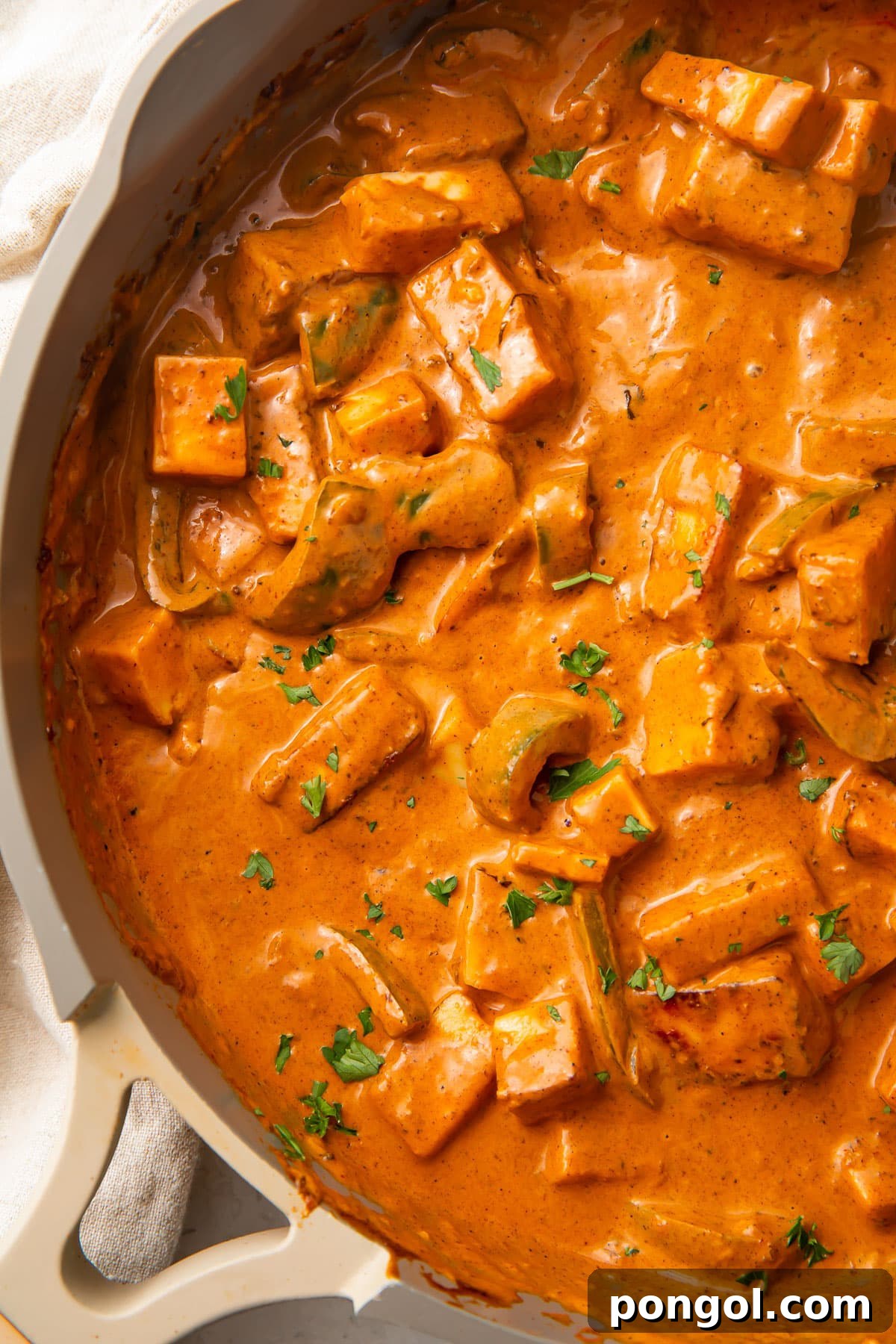
Simmer the mixture over medium-low heat for 5 to 10 minutes or until it caramelizes and thickens into a paste-like consistency. The sauce will be robust and thick, and the bell pepper slices will be softened.
-
While the sauce mixture simmers, heat a second large skillet over medium heat. When the pan is warm, add 1 tablespoon neutral-tasting oil and swirl the pan to distribute the oil across the surface. Continue heating the skillet until the oil is hot and shimmering.
-
When the oil is hot, add the seasoned paneer cubes to the skillet and sprinkle 1 large pinch of salt over them.
-
Pan-fry the paneer until golden brown on 2 to 3 sides, approximately 3 to 5 minutes, turning occasionally. Then, transfer the paneer to a plate and set it aside. Note: Homemade paneer will require less cooking time (2-3 minutes), while store-bought paneer can handle up to 5 minutes.
-
Remove the skillet with the sauce mixture from the heat and let it cool slightly. Add 1 ¼ – 1 ¾ cups heavy cream (at room temperature) to the skillet and stir until the cream is fully blended into the sauce. Taste the sauce and adjust seasonings as desired.

-
Return the skillet to medium-low heat. Add the pan-fried paneer to the sauce mixture and squeeze fresh lemon juice from 1 quarter of a medium lemon over the top of the paneer. Gently stir until the paneer is well coated.
-
Taste the sauce again and stir in additional lemon juice if desired for brightness. Divide the paneer tikka masala into desired portions and serve immediately over steamed basmati rice (or cauliflower rice) with warm naan bread and plenty of chopped fresh cilantro for garnish.
Recipe Notes & Dietary Adaptations
- Make it Vegan: To transform this into a delicious vegan curry, substitute the heavy cream with a plant-based half-and-half (such as Ripple Plant-Based Half & Half or full-fat coconut milk for extra richness). Replace paneer with extra-firm tofu, pressed and cubed, then pan-fried. Use plant-based butter or neutral oil instead of ghee for sautéing.
- Make it Keto-Friendly: For a low-carb version, omit the onion or use a smaller amount, and choose a keto-friendly tomato sauce with no added sugars. Skip the naan bread entirely and serve your Paneer Tikka Masala over cauliflower rice or simply enjoy it on its own as a hearty and satisfying meal.
Tips for Blending Hot Mixtures in a Traditional Blender
Blending hot liquids can be dangerous if not done properly. Follow these safety guidelines:
- Fill the blender no more than halfway. Work in batches as needed to avoid overfilling, which can cause pressure to build up.
- Always let the hot mixture cool slightly before transferring it to the blender.
- When blending, remove the center cap from the blender lid. This allows steam to escape. Cover the lid with a clean kitchen towel and hold it down tightly to prevent splashes and ensure the lid stays securely in place. Blend in short pulses until smooth.
Approximate Nutrition Information for One Serving
Serving Size: 1 serving
Calories: 550 cal
Protein: 13 g
Fat: 51 g
Saturated Fat: 27 g
Trans Fat: 0 g
Cholesterol: 119 mg
Sodium: 962 mg
Potassium: 150 mg
Total Carbs: 12 g
Fiber: 2 g
Sugar: 4 g
Net Carbs: 10 g
Vitamin A: 933 IU
Vitamin C: 28 mg
Calcium: 410 mg
Iron: 1 mg
Nutrition Disclaimers
Number of total servings shown is approximate. Actual number of servings will depend on your preferred portion sizes.
Nutritional values shown are general guidelines and reflect information for 1 serving using the ingredients listed, not including any optional ingredients. Actual macros may vary slightly depending on specific brands and types of ingredients used.
To determine the weight of one serving, prepare the recipe as instructed. Weigh the finished recipe, then divide the weight of the finished recipe (not including the weight of the container the food is in) by the desired number of servings. Result will be the weight of one serving.
Serving Suggestions for Your Paneer Tikka Masala
This rich and creamy Paneer Tikka Masala is delicious on its own, but it truly shines when paired with traditional Indian accompaniments. Here are some of our favorite ways to serve this vibrant curry:
- Basmati Rice: The fluffy, aromatic grains of steamed basmati rice are the perfect canvas for soaking up every drop of the flavorful masala sauce. Its delicate fragrance complements the curry beautifully.
- Warm Naan or Roti: Tear off pieces of warm naan bread or soft roti to scoop up the creamy sauce and tender paneer. The slightly chewy texture of the bread provides a delightful contrast to the curry. Garlic naan or butter naan would be an excellent choice to enhance the flavors.
- Fresh Cilantro: A generous sprinkle of freshly chopped cilantro at the very end adds a burst of freshness and a vibrant herbal note that brightens the entire dish. Don’t skip this garnish!
- Cooling Raita: A side of cooling cucumber raita (yogurt with grated cucumber and spices) can offer a refreshing counterpoint to the richness of the curry, especially if you’ve opted for a spicier version.
- Lemon Wedges: Offer extra lemon wedges on the side for those who prefer an additional squeeze of citrus to cut through the richness and elevate the fresh flavors.
Storing and Reheating Your Delicious Leftovers
One of the best things about Paneer Tikka Masala is that it often tastes even better the next day as the flavors continue to meld. Here’s how to store and reheat your leftovers:
- Storage: Allow the Paneer Tikka Masala to cool completely before transferring it to an airtight container. Store it in the refrigerator for up to 3-4 days.
- Reheating on the Stovetop: For best results, reheat the curry gently on the stovetop over medium-low heat. Add a splash of water or milk/cream if the sauce has thickened too much during refrigeration. Stir occasionally until heated through.
- Reheating in the Microwave: While convenient, reheating in the microwave can sometimes alter the texture of the paneer. If using a microwave, heat in short intervals, stirring between each, until warm. Be careful not to overheat the paneer to prevent it from becoming rubbery.
- Freezing: Paneer Tikka Masala freezes quite well. Once cooled, transfer it to a freezer-safe airtight container or heavy-duty freezer bags. It can be frozen for up to 2-3 months. Thaw overnight in the refrigerator before reheating gently on the stovetop. The texture of the paneer might be slightly softer after freezing and thawing, but the flavor will still be fantastic.
Frequently Asked Questions (FAQ)
Here are answers to some common questions about making Paneer Tikka Masala:
- What is Paneer? Paneer is a fresh, unaged, non-melting Indian cheese. It’s similar to cottage cheese or farmer’s cheese but pressed into firm blocks. It has a mild flavor and a unique texture that makes it perfect for absorbing spices and sauces without melting.
- Is Paneer Tikka Masala spicy? Traditionally, Paneer Tikka Masala is a mildly spiced, creamy dish, more focused on aromatic flavors than intense heat. Our recipe is designed with a moderate warmth, but you can easily adjust the spice level to your preference by modifying the amount of serrano pepper or cayenne.
- Can I make Paneer Tikka Masala ahead of time? Absolutely! This curry is an excellent make-ahead meal. In fact, many people find that the flavors deepen and improve after a day or two in the refrigerator. Just reheat gently when ready to serve.
- What if I don’t have ghee? While ghee offers the most authentic flavor, you can substitute it with a neutral-tasting oil (like avocado oil or refined coconut oil) or unsalted butter for a similar richness.
- Why do I need to blend the sauce? Blending the cooked onion-tomato mixture creates a silky-smooth, restaurant-style gravy. This step ensures a luxurious texture that evenly coats the paneer and delivers a consistent flavor in every bite.
- Can I add other vegetables? Yes, feel free to get creative! Peas, carrots, cauliflower, or spinach can be added along with the bell peppers to boost the nutritional content and add more texture.
Did You Make This Recipe?
We’d love to see your culinary creations! Tag @40aprons on Instagram and be sure to leave a review on the blog post!
Tag @40Aprons on Instagram