Deliciously Easy Peanut Butter Chicken: Your New Weeknight Favorite
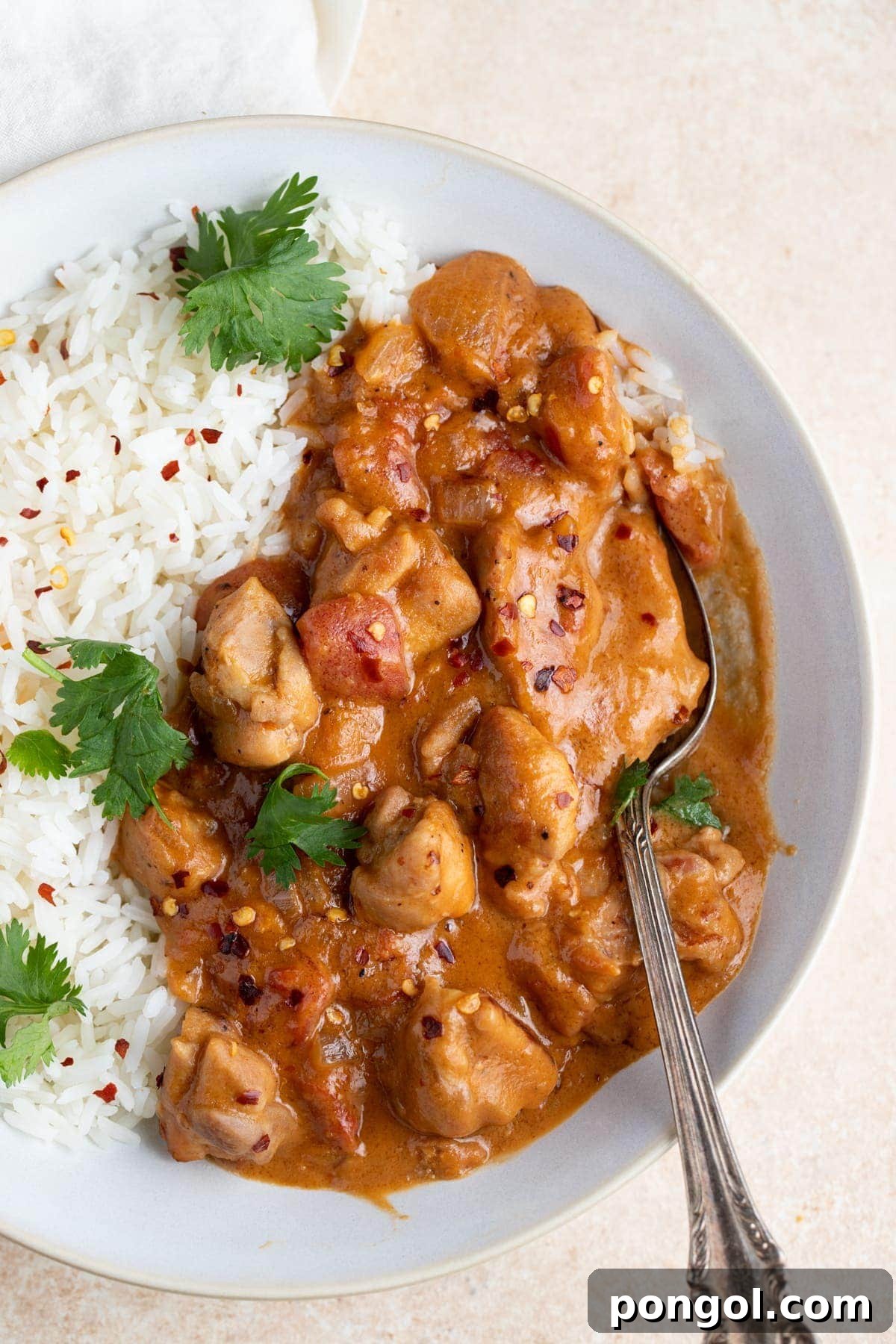
Craving an incredibly flavorful and satisfying meal that comes together in a flash? Look no further than this delightful Peanut Butter Chicken recipe! Forget bland weeknight dinners; this dish effortlessly combines juicy, tender chicken thighs with a rich, creamy peanut butter sauce that’s bursting with a complex blend of sweet, savory, tangy, and a touch of heat. It’s the perfect solution for busy evenings when you desire restaurant-quality taste without spending hours in the kitchen. Drawing inspiration from diverse culinary traditions, this unique take on chicken is not just a meal; it’s an experience. Serve it over fluffy rice, light cauliflower rice, or your favorite grain to complete a truly memorable dining adventure that will leave everyone asking for seconds. Get ready to elevate your dinner game with minimal effort and maximum reward!
Why This Peanut Butter Chicken Recipe Is a Must-Try
-
Unforgettable Flavor Profile
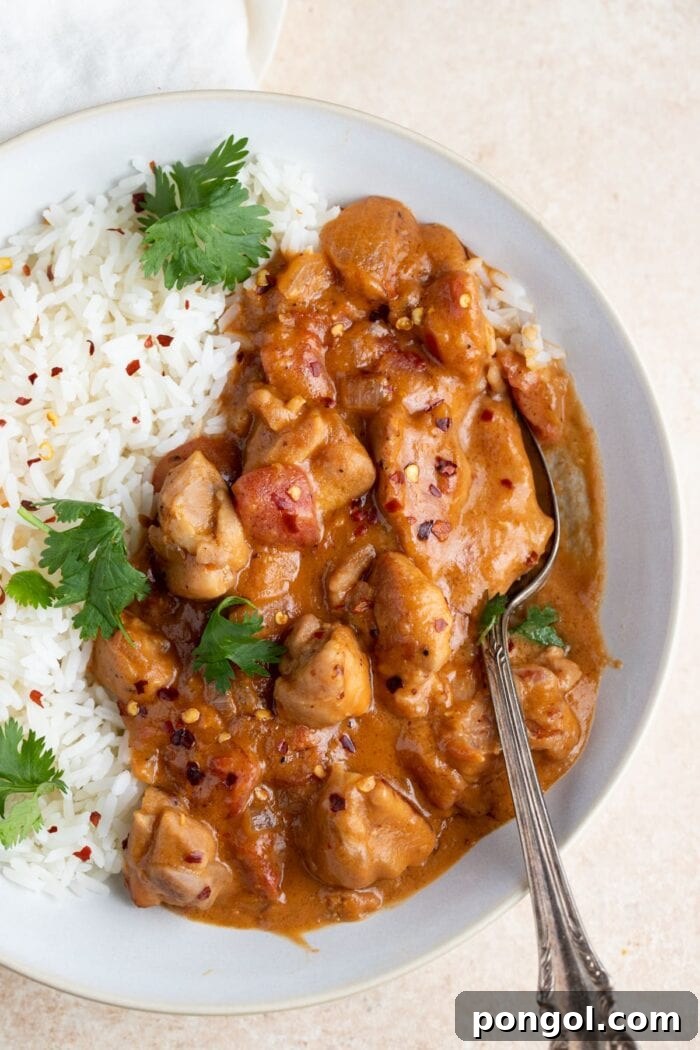
The sheer depth of flavor in this peanut butter chicken is what truly sets it apart. Don’t let the name mislead you into thinking it’s just chicken smothered in plain peanut butter! This sauce is a symphony of tastes. The natural sweetness of creamy peanut butter forms a velvety base, beautifully complemented by the bright tang of diced tomatoes. A hint of brown sugar balances the acidity, while soy sauce adds an irresistible umami depth. But the magic doesn’t stop there – a subtle kick from red pepper flakes invigorates the palate, creating a perfectly harmonious balance that’s both comforting and exciting. Every bite delivers a rich, savory, and slightly spicy experience that’s utterly addictive.
-
Lightning-Fast & Effortless
One of the biggest appeals of this recipe is its incredible speed. Designed for the modern, busy household, this entire meal can be on your table in roughly 30 to 35 minutes from start to finish. This makes it an ideal choice for hectic weeknights when time and energy are precious commodities. To streamline your cooking even further, consider prepping your ingredients in advance or opting for quick-cooking sides like instant rice. With minimal chopping and straightforward steps, you’ll be amazed at how quickly you can create such a gourmet-tasting dish.
-
Versatile & Adaptable
Beyond its speed and flavor, this peanut butter chicken is remarkably versatile. It pairs wonderfully with a variety of side dishes, from traditional jasmine rice to lighter alternatives like cauliflower rice or steamed vegetables. You can easily adjust the spice level to suit your preference, making it family-friendly for all palates. Feel free to incorporate extra vegetables into the skillet for added nutrition and texture, transforming it into a complete one-pan wonder. This adaptability ensures that the recipe can fit seamlessly into any meal plan.
-
Excellent for Meal Prep
Planning ahead? This dish is a dream for meal preppers! Leftover peanut butter chicken stores beautifully in an airtight container in the refrigerator for up to 5 days, making it perfect for grab-and-go lunches or quick dinners throughout the week. When reheating, gently warm it on the stovetop over low heat, adding a splash of chicken broth if the sauce has thickened too much. Alternatively, microwave it in short bursts, stirring frequently, to ensure even heating and prevent drying out. You’ll find the flavors often deepen even further after a day or two!
-
Dietary Friendly Options
Whether you’re following a specific dietary plan or have allergies, this recipe offers flexibility. With simple ingredient swaps, it can be easily adapted to be keto-friendly, gluten-free, or dairy-free. We provide specific notes on how to make these adjustments without compromising on the delicious taste, ensuring everyone can enjoy this fantastic meal.
Key Ingredients for Perfect Peanut Butter Chicken
Every ingredient in this recipe plays a crucial role in building its incredible flavor and texture. Here’s a closer look at the stars of the show:
Boneless, Skinless Chicken Thighs: While chicken breasts can be used, boneless, skinless chicken thighs are highly recommended for this recipe. Their higher fat content ensures they remain exceptionally juicy and tender during cooking, absorbing the rich flavors of the peanut butter sauce beautifully. They also boast a richer, more robust flavor profile compared to chicken breasts, contributing to a more satisfying overall dish. If you opt for chicken breasts, consider cutting them into slightly smaller pieces and be mindful not to overcook them to retain moisture.
Creamy Natural Peanut Butter: The cornerstone of our sauce, creamy natural peanut butter is crucial. ‘Natural’ is key here, as it typically contains only peanuts and sometimes a touch of salt, avoiding added sugars, hydrogenated oils, or emulsifiers found in conventional peanut butter. These extra ingredients can alter the flavor balance and consistency of your sauce. For those on a keto diet or watching sugar intake, selecting a natural peanut butter with zero added sugar is essential. Consult our detailed guide on Peanut Butter and the Keto Diet for specific brand recommendations and more useful information on ingredient labels.
Red Pepper Flakes: These tiny flakes pack a punch, providing a wonderful warmth and subtle heat that elevates the sauce without overwhelming it. The amount used in this recipe is designed to add flavor and a gentle spice, not to make the dish intensely hot. However, you have complete control over the heat level – feel free to add a little more for an extra kick or reduce the amount if you prefer a milder taste. They are a vital component in creating the complex flavor balance of the dish.
Diced Tomatoes: Bringing a bright and tangy counterpoint to the rich peanut butter, diced tomatoes are an essential ingredient in the sauce. They add a lovely acidity that cuts through the creaminess, preventing the dish from becoming too heavy and adding a fresh, vibrant element. When selecting canned diced tomatoes, especially for keto versions, ensure they contain no added sugars.
Brown Sugar: A touch of brown sugar is used to perfectly balance the tanginess of the tomatoes and the savory notes of the soy sauce. It introduces a gentle sweetness and depth that rounds out the overall flavor profile of the sauce. You can adjust the quantity to your preference, starting with a smaller amount and adding more if you desire a sweeter sauce. Honey can also be a delightful substitute for brown sugar, offering a different but equally pleasant sweetness.
Soy Sauce: Providing a vital umami punch, soy sauce is indispensable for adding savory depth and complexity to the peanut butter sauce. It enhances the overall richness and brings all the flavors together. For individuals following a gluten-free diet, tamari or coconut aminos are excellent substitutes that offer similar savory notes without gluten.
Chicken Broth: Chicken broth is used to achieve the perfect consistency for the sauce, thinning it out while infusing it with additional savory chicken flavor. It helps to create a smooth, pourable sauce that beautifully coats the chicken. You can adjust the amount of broth to reach your desired sauce thickness – use a little less for a thicker sauce, or add more gradually for a thinner consistency.
Lime Juice: A squeeze of fresh lime juice at the end brightens the entire dish, adding a zesty, fresh lift that enhances all the other flavors. It provides a crucial acidic component that prevents the sauce from feeling flat and contributes to its vibrant taste.
Olive Oil and Butter: These fats are used for browning the chicken to perfection and sautéing the aromatics. Olive oil provides a healthy cooking medium, while butter adds a luxurious richness and helps achieve that beautiful golden-brown sear on the chicken, contributing to a deeper flavor.
Onion, Garlic, and Ginger: These aromatic powerhouses form the foundational flavor base for the chicken and sauce. Diced onion adds sweetness and savory notes, minced garlic provides pungent depth, and grated fresh ginger introduces a warm, slightly spicy, and incredibly fragrant element. Together, they create an irresistible aroma and a robust flavor profile that elevates the entire dish.
Chef’s Tips for Success
-
Achieving Perfect Sauce Consistency
The beauty of this peanut butter sauce lies in its adaptability. If you find the sauce too thick after simmering, gradually stir in an additional tablespoon or two of chicken broth until it reaches your desired consistency. Conversely, if you prefer a thicker sauce, start with ¾ cup of chicken broth and allow it to simmer longer, reducing it until it coats the back of a spoon perfectly. Remember to taste and adjust as you go!
-
Exploring Peanut Butter Varieties
While creamy natural peanut butter is typically recommended for its smooth texture, don’t hesitate to experiment! Using chunky peanut butter will introduce delightful bits of roasted peanuts, adding an interesting textural contrast and an even nuttier flavor. You could also explore other nut butters, such as almond butter or cashew butter, for a unique twist – just be aware that the flavor profile will shift, but the creamy principle remains. (Of course, it wouldn’t truly be “peanut butter chicken” at that point!)
-
Spice Level Customization
Our recipe offers a moderate level of heat from red pepper flakes, suitable for most palates. However, you are the chef! For a spicier kick, feel free to double the red pepper flakes or add a pinch of cayenne pepper. If you prefer a milder version, simply reduce the amount of red pepper flakes or omit them entirely. Always taste the sauce as it simmers and adjust to your liking.
-
Boosting Nutritional Value with Vegetables
This peanut butter chicken is a fantastic canvas for incorporating more vegetables into your meal. Sauté sliced bell peppers, snow peas, or broccoli florets along with the onions for added color, texture, and nutrients. Stir in a handful of fresh spinach or kale during the last few minutes of simmering until wilted. This is an easy way to make it a more complete and wholesome one-pan dinner.
-
Ensuring Tender, Juicy Chicken
The key to delicious chicken is not to overcook it. Brown the chicken pieces until they have a nice golden crust, then allow them to finish cooking gently in the simmering sauce. Chicken thighs are forgiving, but aim for an internal temperature of 165°F (74°C). Overcooked chicken can become dry and tough, so keep an eye on it!
-
The Power of Fresh Aromatics
Don’t underestimate the impact of fresh garlic and ginger. While powdered alternatives can work in a pinch, fresh ingredients provide a far superior depth of flavor and aroma. Minced garlic and grated ginger are quick to prepare and make a significant difference in the overall vibrancy of the sauce.
Other Chicken Recipes You’ll Love
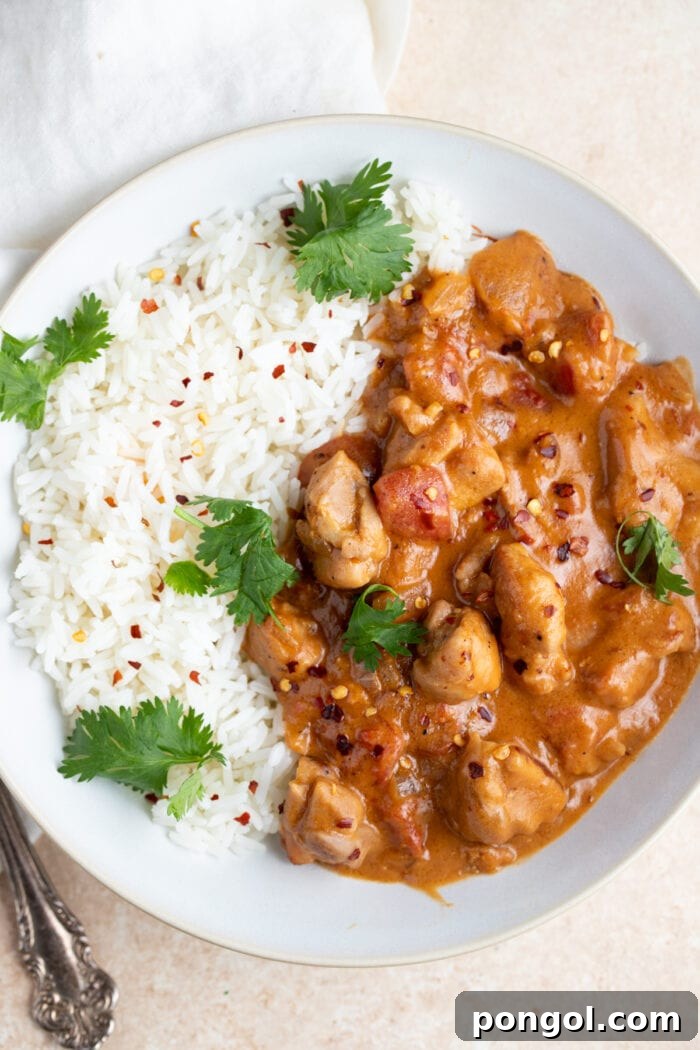
If you’ve fallen in love with the ease and flavor of this Peanut Butter Chicken, you’re in for a treat! Explore these other fantastic chicken recipes that are sure to become new family favorites:
- Marry Me Chicken
- Chicken Egg Roll in a Bowl
- Hibachi Chicken with Fried Rice and Vegetables
- Boneless Chicken Wings
- Instant Pot Orange Chicken
- Air Fryer Frozen Chicken Nuggets
- Chicken Gyoza
- Spatchcock Chicken with Garlic-Herb Butter
- Chicken Fajita Casserole
- Best Ever Tom Kha Gai Soup (Thai Coconut Chicken Soup)
- Everything Bagel Chicken with Scallion Cream Cheese Sauce (Keto)
- Shredded Chicken Tacos
Peanut Butter Chicken
Recipe By: Jasmine Comer
Rating: 5 out of 5 stars (based on 4 votes)
Prep Time: 15 minutes
Cook Time: 20 minutes
Total Time: 35 minutes
This recipe for peanut butter chicken is so quick and simple, it’s perfect for busy weeknights when you want something rich and full of flavor without a lot of work. It pairs juicy chicken thighs with a creamy peanut butter sauce and red pepper flakes for a little heat. Serve it with rice or cauliflower rice to tie the meal together.

Jasmine Comer
Equipment
- Medium bowl
- Cutting board
- Sharp knife
- Large skillet
- Silicone spatula
Ingredients
For the Peanut Butter Sauce
- 1 cup diced tomatoes
- ½ teaspoon red pepper flakes
- ½ cup creamy natural peanut butter
- 1-2 tablespoons brown sugar (see Notes)
- 2 tablespoons soy sauce
- 1 cup chicken broth
- 2 teaspoons lime juice
For the Chicken
- 1 pound boneless, skinless chicken thighs
- Salt (to taste)
- Pepper (to taste)
- 1 tablespoon olive oil
- 1 tablespoon butter
- 1 small onion (diced)
- 2 cloves garlic (minced)
- 1 1-inch piece ginger (grated)
To Serve
- Cooked rice
- Cilantro (optional)
- Red pepper flakes (to taste, optional)
Instructions
-
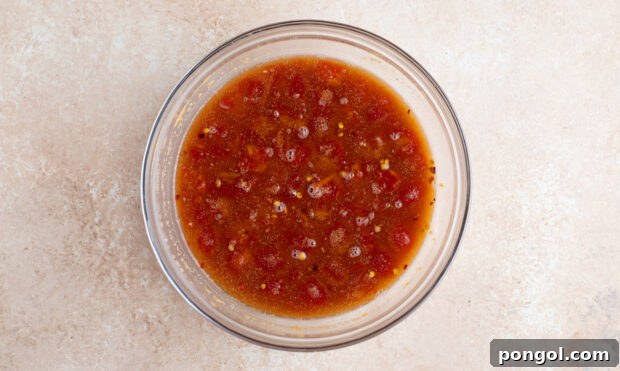
In a medium bowl, thoroughly mix all ingredients for the peanut butter sauce until smooth and well combined. Set the sauce aside.

-
Cut the chicken thighs into bite-sized pieces. Season the chicken generously with salt and pepper to taste.
-
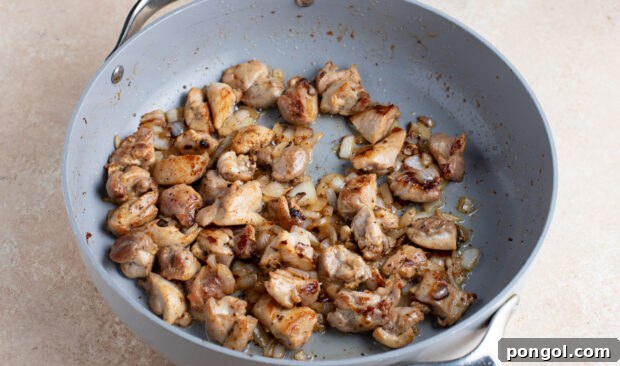
In a large skillet, heat the olive oil and butter over medium-high heat. Once hot, add the seasoned chicken pieces and brown for 2 to 3 minutes per side until lightly golden.
-
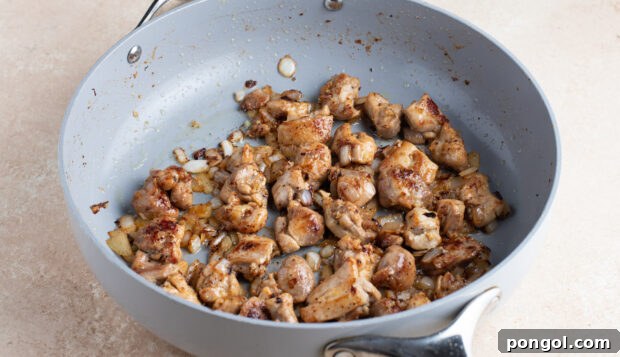
Add the diced onions to the skillet with the chicken. Cook, stirring occasionally, until the onions become translucent, about 3-5 minutes.
-
Stir in the minced garlic and grated ginger into the skillet. Cook for approximately 1 minute, or until fragrant.
-
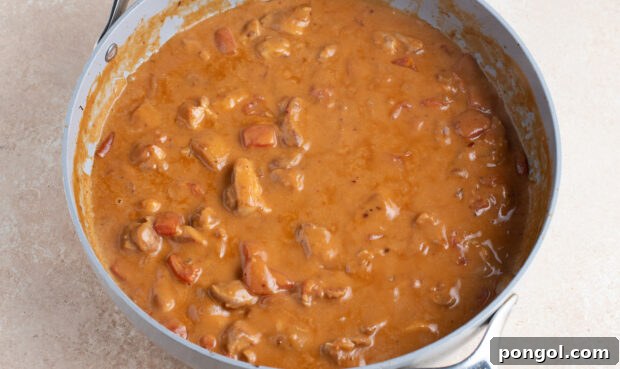
Slowly pour the prepared peanut butter sauce into the skillet, stirring continuously to ensure all chicken pieces are evenly coated. Allow the mixture to simmer for 5 to 6 minutes, stirring frequently, until the sauce thickens slightly and the chicken is cooked through.
-
Portion the delicious peanut butter chicken onto serving plates alongside cooked rice. If desired, spoon extra peanut butter sauce from the pan over the chicken. Garnish with fresh cilantro and additional red pepper flakes (to taste) before serving hot and enjoying!
Recipe Notes
- Brown Sugar: Begin with 1 tablespoon of brown sugar. Taste the sauce as it simmers and add an additional tablespoon if you prefer a sweeter profile. Honey can be used as a direct substitute for brown sugar.
- Making it Keto-Friendly: To adapt this recipe for a keto diet, substitute brown sugar with a keto-friendly sweetener like Brown Swerve. When using canned diced tomatoes, ensure they have no added sugar. Opt for natural peanut butter that contains only peanuts and possibly salt, avoiding any added sweeteners or oils. For recommended brands, refer to our comprehensive post on Peanut Butter and the Keto Diet. Serve your keto peanut butter chicken with cauliflower rice or a medley of non-starchy vegetables.
- Gluten-Free Adaptation: For a gluten-free version, replace traditional soy sauce with tamari or coconut aminos. Additionally, verify that your chicken broth is certified gluten-free.
- Dairy-Free Option: Simply use a dairy-free butter alternative to make this recipe completely dairy-free.
Approximate Nutrition Information (Per Serving)
Serving Size: 1 serving
Calories: 322 kcal
Protein: 28 g
Fat: 19 g
Saturated Fat: 4 g
Trans Fat: 1 g
Cholesterol: 115 mg
Sodium: 883 mg
Potassium: 614 mg
Total Carbs: 11 g
Fiber: 3 g
Sugar: 6 g
Net Carbs: 8 g
Vitamin A: 262 IU
Vitamin C: 12 mg
Calcium: 60 mg
Iron: 2 mg
Nutrition Disclaimers
The number of total servings shown is approximate. Actual number of servings will depend on your preferred portion sizes.
Nutritional values shown are general guidelines and reflect information for 1 serving using the ingredients listed, not including any optional ingredients. Actual macros may vary slightly depending on specific brands and types of ingredients used.
To accurately determine the weight of one serving, prepare the recipe as instructed. Weigh the finished recipe, then divide the total weight (excluding the container) by the desired number of servings. The result will be the precise weight of one serving.
Did You Make This Recipe?
If you enjoyed making this recipe, we’d love to hear from you! Share your culinary creations on Instagram and tag @40aprons. Your feedback and photos inspire us!